
Some dogs seem born ready to mingle, gliding through new places like seasoned socialites. You see their tails up, eyes bright, and bodies loose, inviting friendly hellos from people and pups alike.
But even the most outgoing dogs benefit from practiced self-control to keep greetings polite and play balanced. Meet the breeds that make confidence look easy, and learn how a little structure turns charm into everyday harmony.
Labrador Retriever
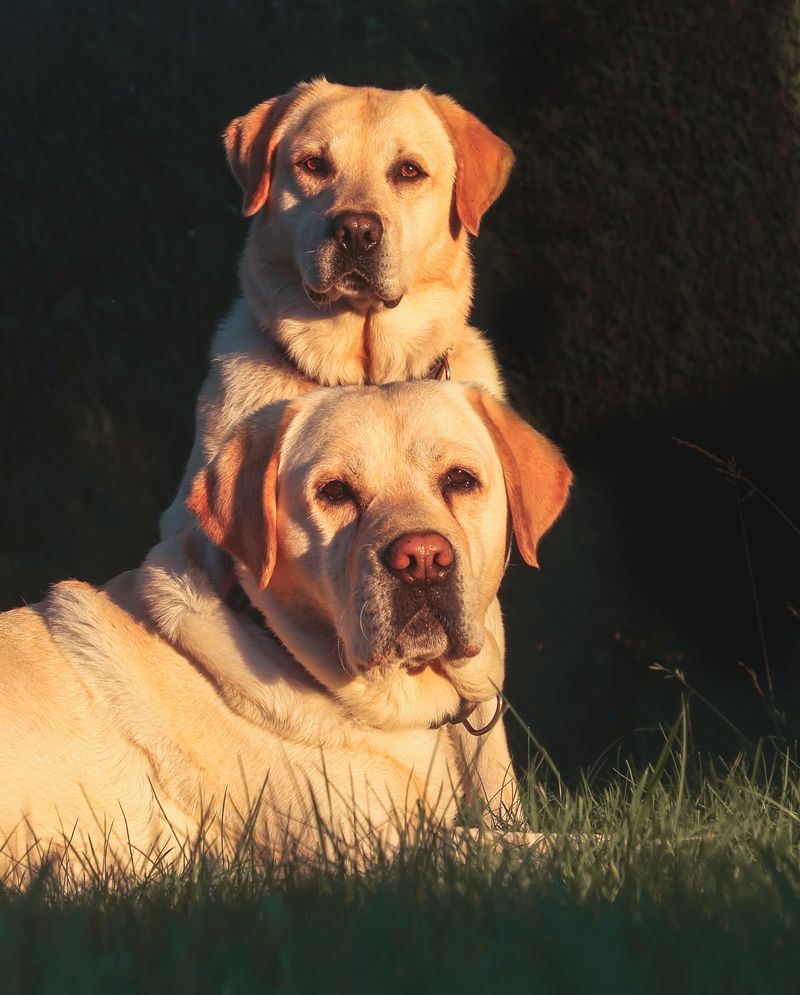
Labradors walk into a room and you feel the mood lift instantly. Their open expression, loose tails, and goofball humor make meeting new people and dogs feel effortless.
If you want a partner who turns neighbors into friends, a Lab naturally plays host without pushing too hard.
That social spark still needs guidance so excitement does not take the wheel. Short, upbeat sessions teach sits at doorways, polite waiting for the food bowl, and calm greetings on leash.
Turn fetch into a focus game by asking for eye contact before the release. Add swimming days to drain energy so the brain is ready to listen.
With practice, their natural warmth becomes beautifully mannered confidence everywhere you go.
Golden Retriever
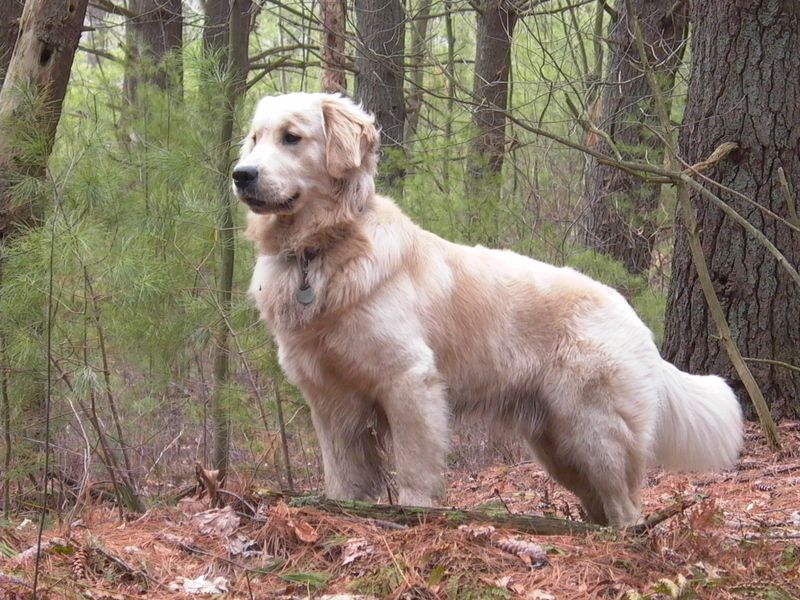
Golden Retrievers make strangers feel like old friends, shining with soft eyes and an easy smile. They read the room kindly, easing tension with gentle nudges and relaxed play bows.
When you want a dog that handles bustling sidewalks and weekend markets, Goldens glide through crowds with grace.
That sunny charm thrives alongside practiced patience. Use reward-based sessions to build impulse control around food, doorways, and squeaky distractions.
Pattern games on walks teach settle, check-ins, and loose-leash turns. Practice greeting rituals: stop, sit, sniff politely, then move on.
Mix in retrieve and place training to channel excitement into jobs. Over time, their velvet manners and steady optimism create a companion who is welcome at patios, picnics, and playdates.
Boxer
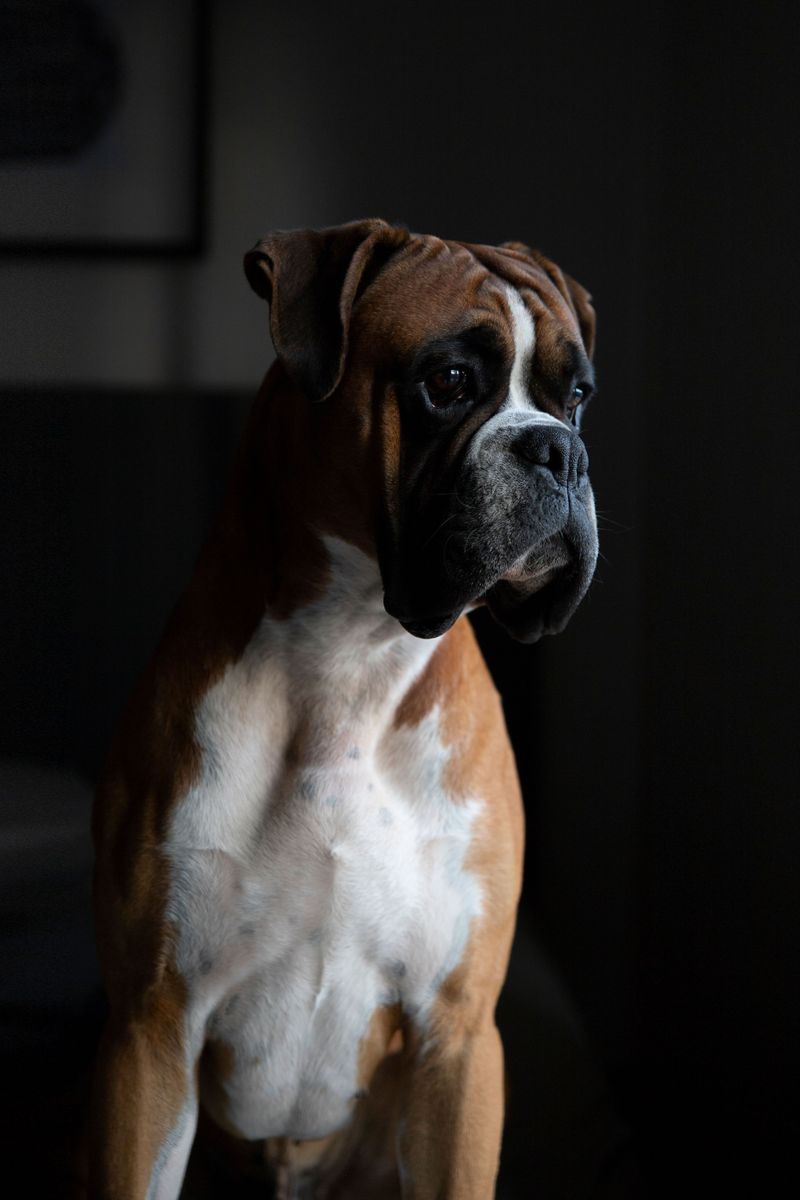
Boxers are social butterflies wrapped in athletic suits, wiggling with whole-body enthusiasm. They love clowning to break the ice and rarely miss a chance to greet a new buddy.
With that wide grin and alert stance, they bring high spirits to parks, trails, and lively patios.
Because excitement spikes fast, self-control becomes the magic ingredient. Keep sessions short, fast, and fun, mixing impulse games with obedience bursts.
Teach sit, watch, touch, and down as quick switches to reset energy. Structured play with start-stop cues builds patience between zooms.
When you add sniff walks and puzzle feeders, their brilliant energy finds balance. The result is a charismatic, fit best friend who can party politely, then settle at your feet.
Beagle
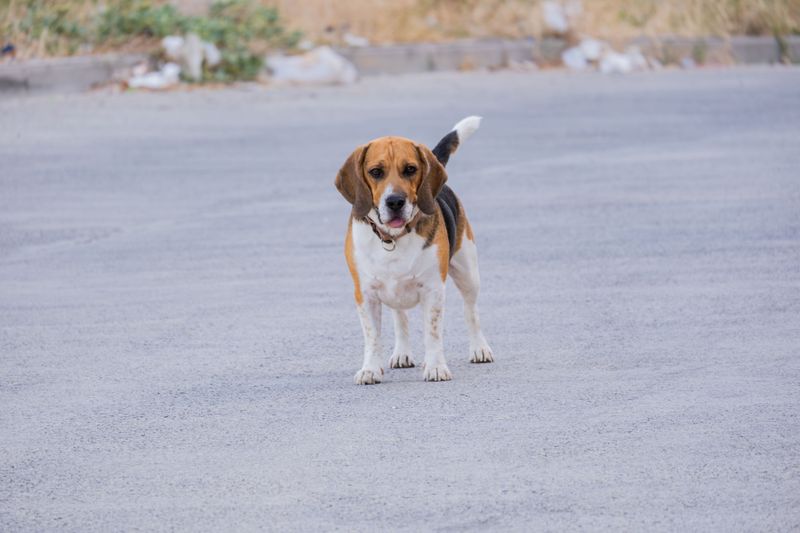
Beagles bring friendly, curious vibes, often trotting over with a wag and a sniff. Their social confidence comes from a steady temperament and love of group adventures.
They thrive in communities where walks turn into quick chats and noses discover every new scent on the block.
Scent-obsession can pull focus, so practice calm choices around distractions. Use nosework games to satisfy curiosity, then cue check-ins for cookies and praise.
Patterned walking, like heel for ten steps then release to sniff, teaches balance. Train polite hellos using sits and brief sniff windows before moving on.
When brains get jobs and boundaries, Beagles shine socially without tugging you everywhere. You will feel that easygoing charm settle into dependable everyday manners.
French Bulldog
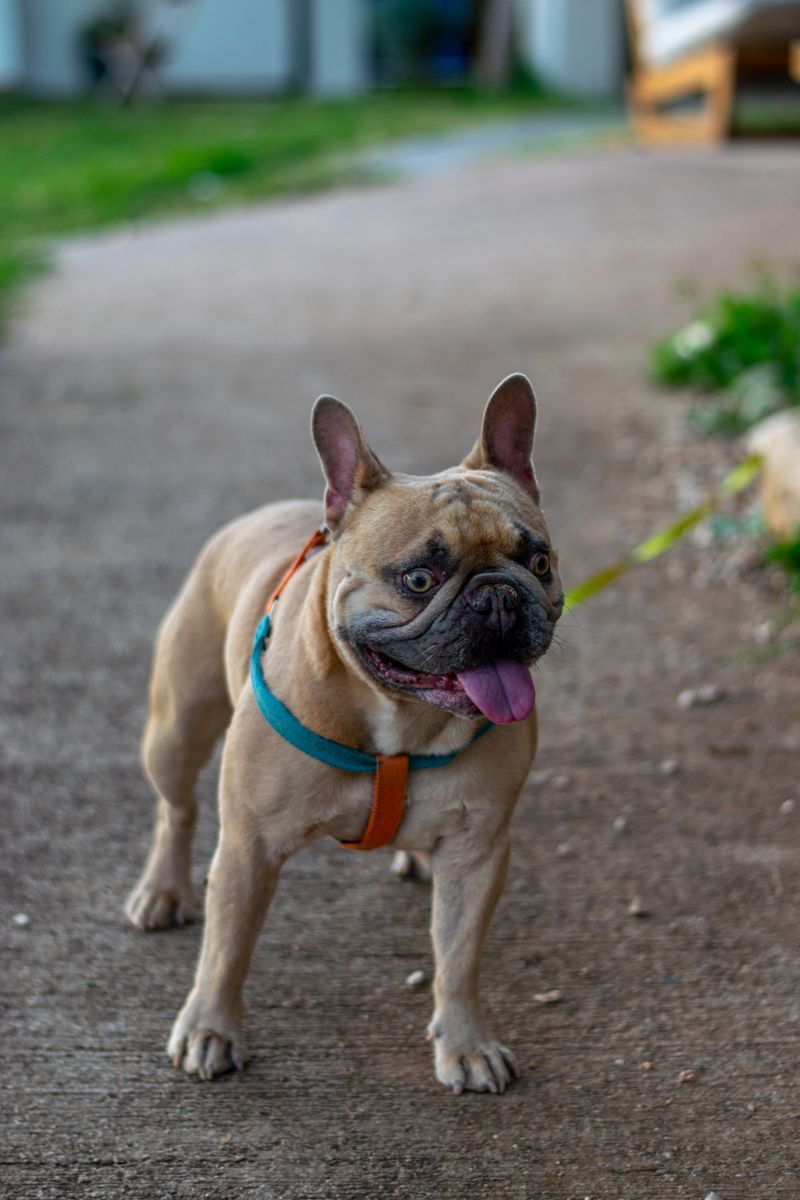
French Bulldogs win hearts with comic timing and a surprisingly chill vibe. They navigate busy sidewalks like tiny diplomats, soaking up attention with confident stillness.
Their compact size and people-first focus make urban meetups and elevator rides feel smooth.
Because they charm so easily, structure keeps manners consistent. Practice short training bursts to protect focus and breathing comfort.
Teach a rock-solid settle on a mat for cafes, lobbies, and waiting rooms. Pair greetings with sits and brief petting before a reset cue.
Food puzzles, gentle play, and sniffing breaks round out the routine. With predictable patterns and calm confidence, your Frenchie becomes the relaxed friend everyone loves to approach, from brunch lines to neighborhood strolls.
Australian Shepherd
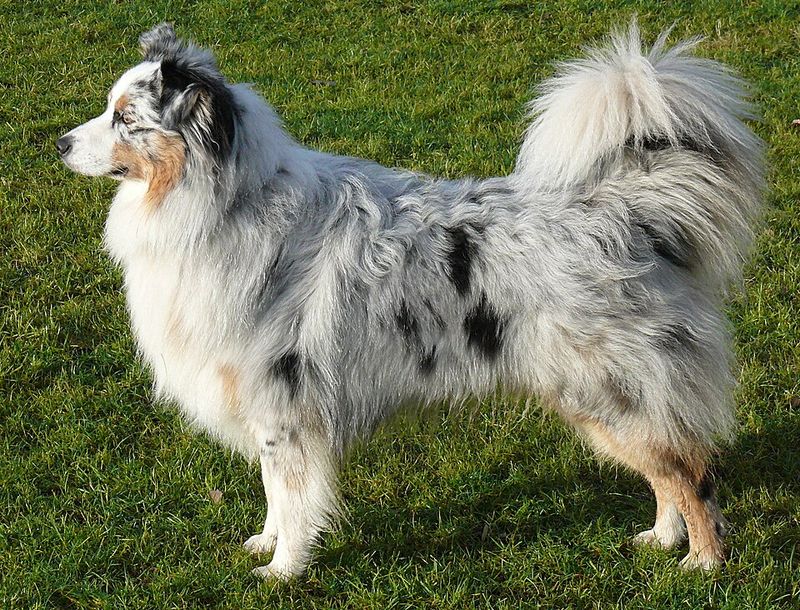
Australian Shepherds are born communicators, switching from playful greeter to attentive teammate in a heartbeat. Their quick minds decode social cues and route energy into games or gentle engagement.
When you bring an Aussie to a new place, they often introduce themselves with bright eyes and a ready sit.
Brains this fast need purposeful outlets. Blend agility-style foundations with impulse tasks like wait, leave it, and settle.
Use start-stop play to build patience between action bursts. Sniffing circuits and trick training keep curiosity satisfied without spinning up.
Teach a reliable recall before off-leash social time. With structure guiding that lively spirit, Aussies show off polished confidence, greeting nicely, then focusing on you the moment training resumes.
Siberian Husky
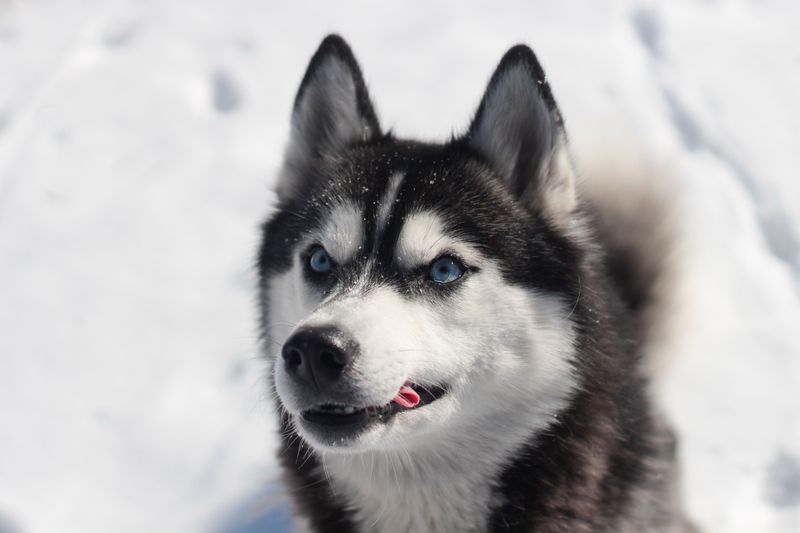
Siberian Huskies broadcast charisma, gliding into group hikes like seasoned adventurers. They mix curiosity with a friendly, independent streak that attracts people and dogs alike.
Expect confident body language, playful vocals, and a knack for reading snowbound social scenes.
Self-control matters because excitement and prey drive can override listening. Train strong check-ins, leave it, and a practiced stand-stay before greeting.
Use long lines for freedom while reinforcing recalls. Alternate trotting beside you with sniff breaks so arousal comes down gradually.
Provide sled-style pulls or canicross to spend energy, then practice calm downs afterward. With clear routines and fair boundaries, Huskies show stunning social ease while keeping their freedom safely anchored to your cues.
Cocker Spaniel
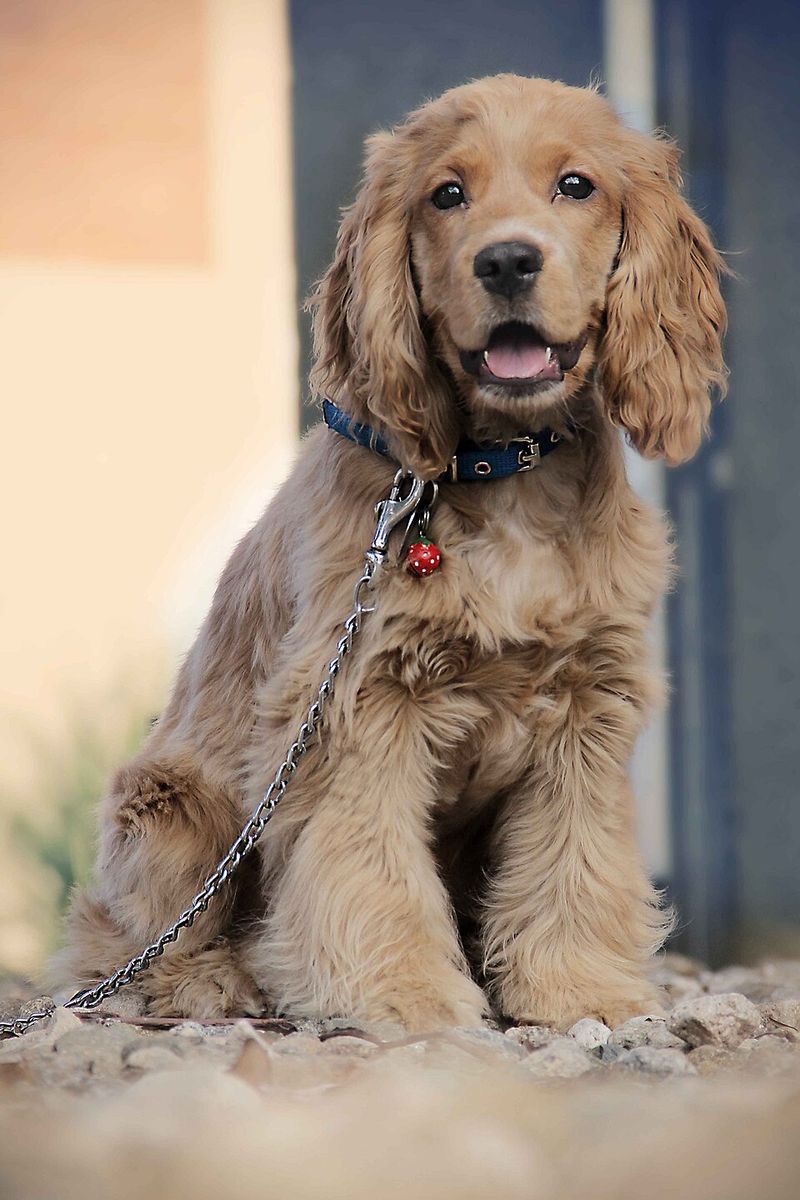
Cocker Spaniels bring tender warmth to every hello, often easing in with a soft tail wag and bright eyes. Their friendly nature shines at family gatherings and gentle play with kids.
They read moods well, offering cuddly closeness or cheerful fetch as needed.
To balance sensitivity and enthusiasm, teach predictable routines. Practice sits for petting, calm leashes, and short place stays during conversations.
Keep sessions upbeat and clear, with tasty rewards and gentle guidance. Add sniffy strolls and simple trick training to build confidence without pressure.
Brief decompression breaks help them reset between visits. With kindness and consistency, Cockers become elegantly mannered social companions who float through parties, clinics, and patios with affectionate poise.
English Springer Spaniel
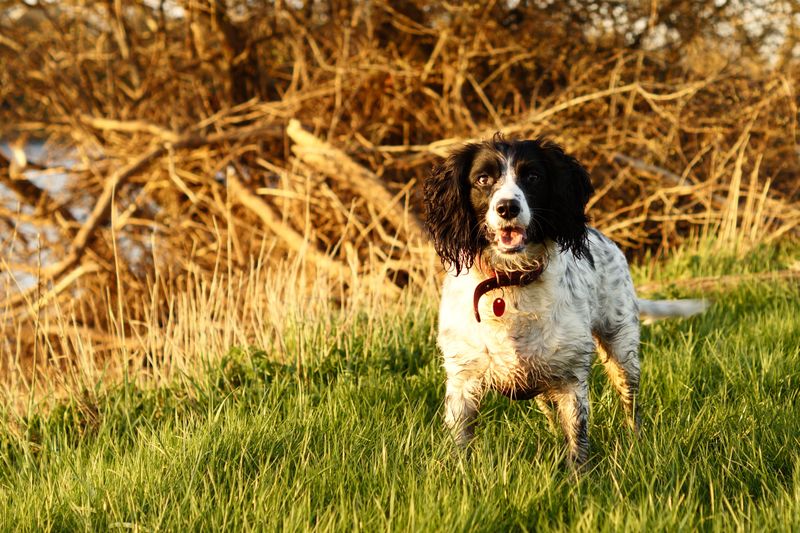
English Springer Spaniels are gleeful hosts, blending athletic pep with an eager-to-please heart. They love meeting new dogs, then pivoting into a shared game of chase or retrieve.
That buoyant charm makes adventures at lakes, trails, and fields feel inclusive and fun.
Impulse control keeps the joy refined. Teach start-stop games, whistle sits, and automatic check-ins before play resumes.
Practice heel for a few steps, release to sniff, then heel again to build rhythm. Use retrieves to rehearse drop, wait, and go cues.
Sprinkle in place training at picnics and patios. With consistent patterns and generous praise, Springers display sparkling social confidence alongside polished manners that impress strangers and friends alike.
Dalmatian
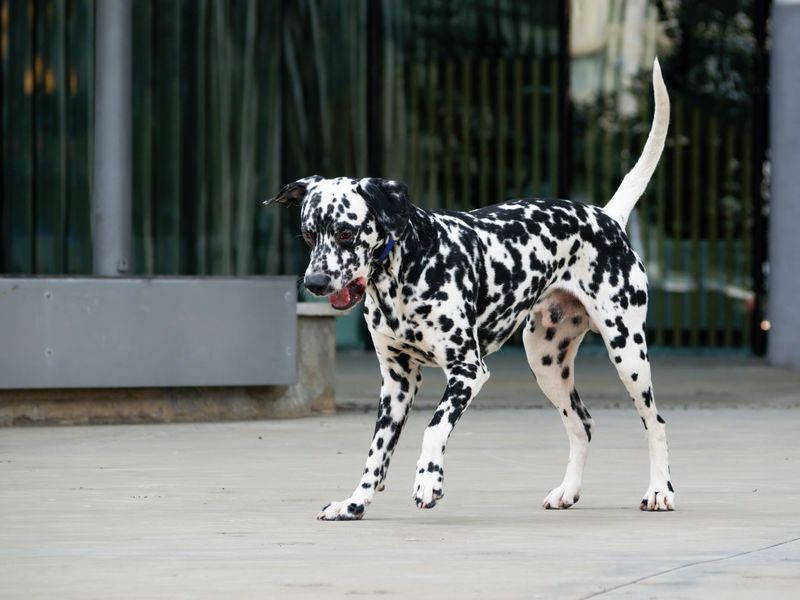
Dalmatians stride into social scenes with athletic elegance and curious eyes. Their history alongside carriages shows in confident movement and comfort among bustling crowds.
Expect friendly interest, a bit of cheeky humor, and a striking presence that turns heads everywhere you go.
Because energy runs high, self-control training makes the difference. Build reliable settle on a mat, then practice around joggers, strollers, and dogs.
Use structured intervals: walk politely, pause, sniff, re-engage. Trick sessions and fetch with rules channel drive into thoughtful choices.
Cool-down routines prevent over-arousal after greetings. With steady leadership and clear games, Dalmatians keep their social glow while delivering the kind of manners that make city life smooth, welcoming, and fun.