
Some dogs look stern even when they feel calm and content. Their faces, posture, or quiet habits can make people think they are grumpy when they are not.
Learning the difference helps owners treat these breeds with more patience and understanding. It also shows how personality can be very different from first impressions.
Scottish Terrier
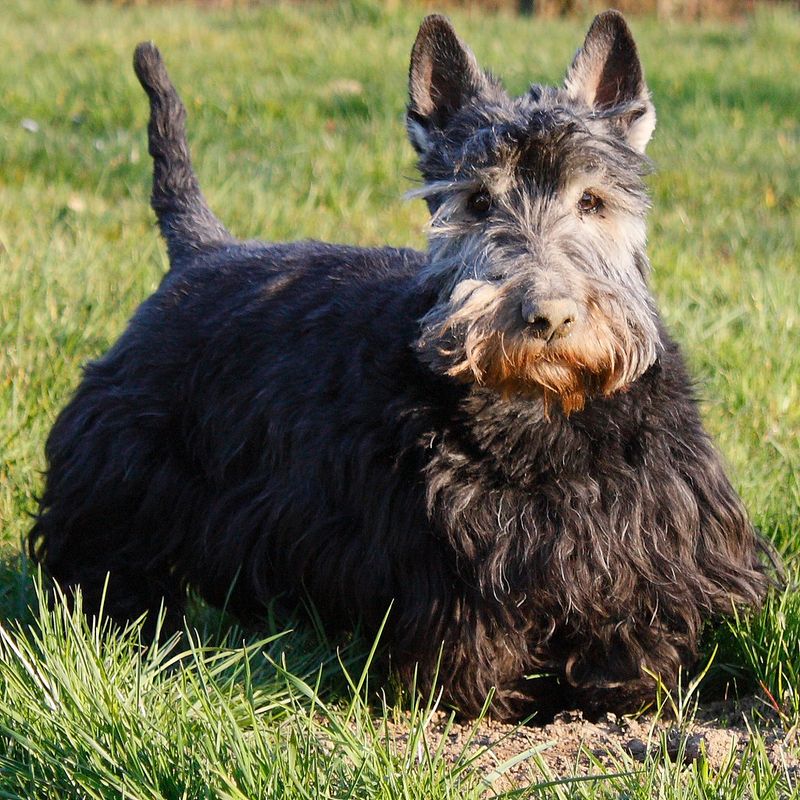
One look at a Scottish Terrier can feel like meeting a tiny old professor. Their bold eyebrows and stiff posture make them seem annoyed, but they are usually alert and self-contained.
Scottish Terriers like respect more than fuss, so pushy handling can turn them distant. Give them space, clear rules, and fun sniffing games.
Once trust grows, many show a dry, funny charm that surprises people who judged only the face at first glance often.
Akita
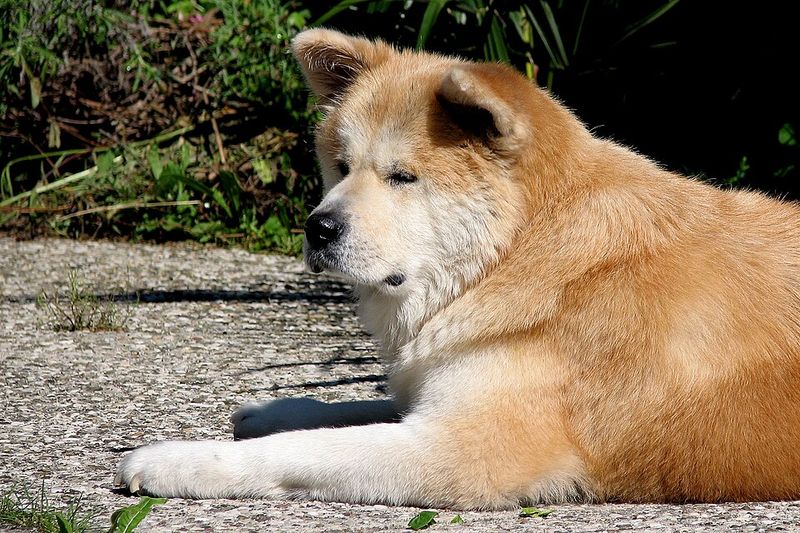
Quiet power is the Akita’s whole style. Because they watch before reacting, strangers may read that calm stare as a bad mood.
In truth, Akitas are loyal, thoughtful dogs that bond deeply with family and prefer purposeful interaction over constant excitement. Early social time matters a lot, since they can be reserved around new people.
Patient training, polite guests, and daily walks help their steady confidence shine instead of looking like coldness to nervous visitors sometimes.
Chow Chow
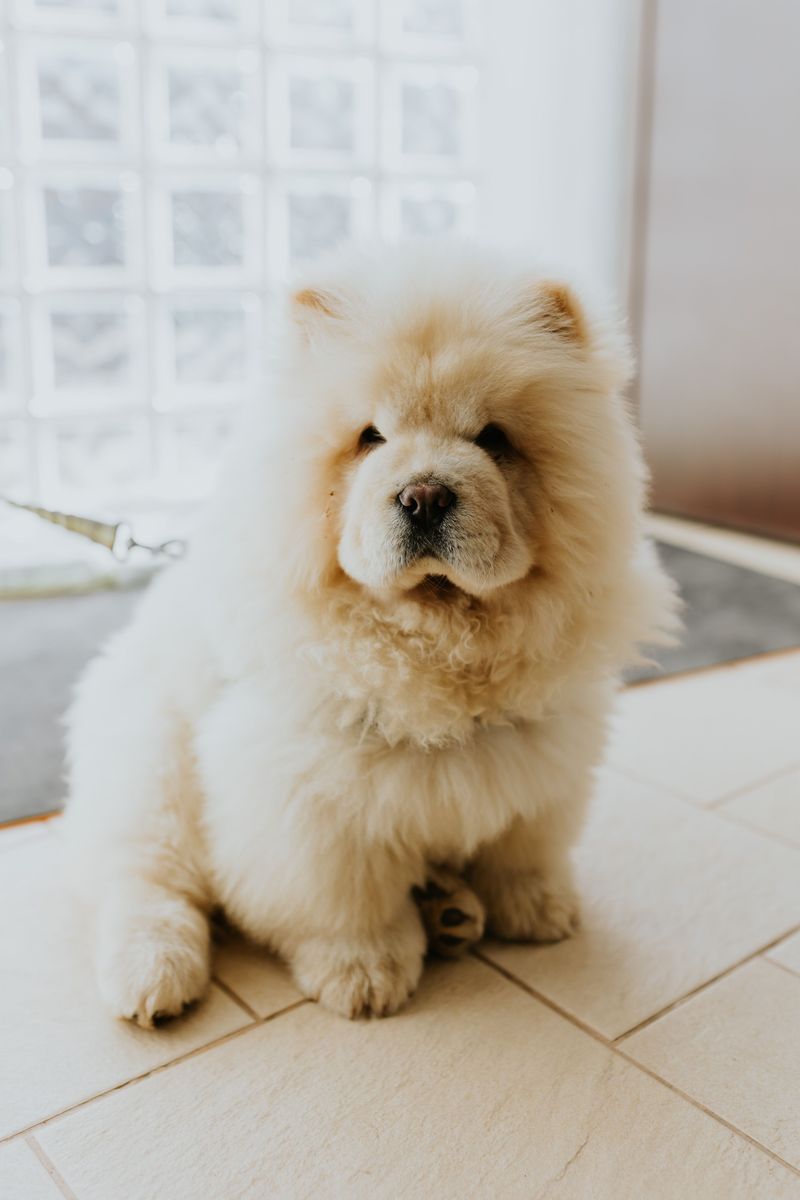
Behind that lionlike mane, the Chow Chow often carries a serious expression that fools many people. Their independent streak means they do not hand out affection to everyone, and that can seem unfriendly.
Still, Chows can be deeply devoted in a quiet way. They do best with calm homes, predictable routines, and owners who understand body language.
Respect their boundaries, and you may see warmth hiding behind all that dignity and fluff at home daily.
Shar-Pei
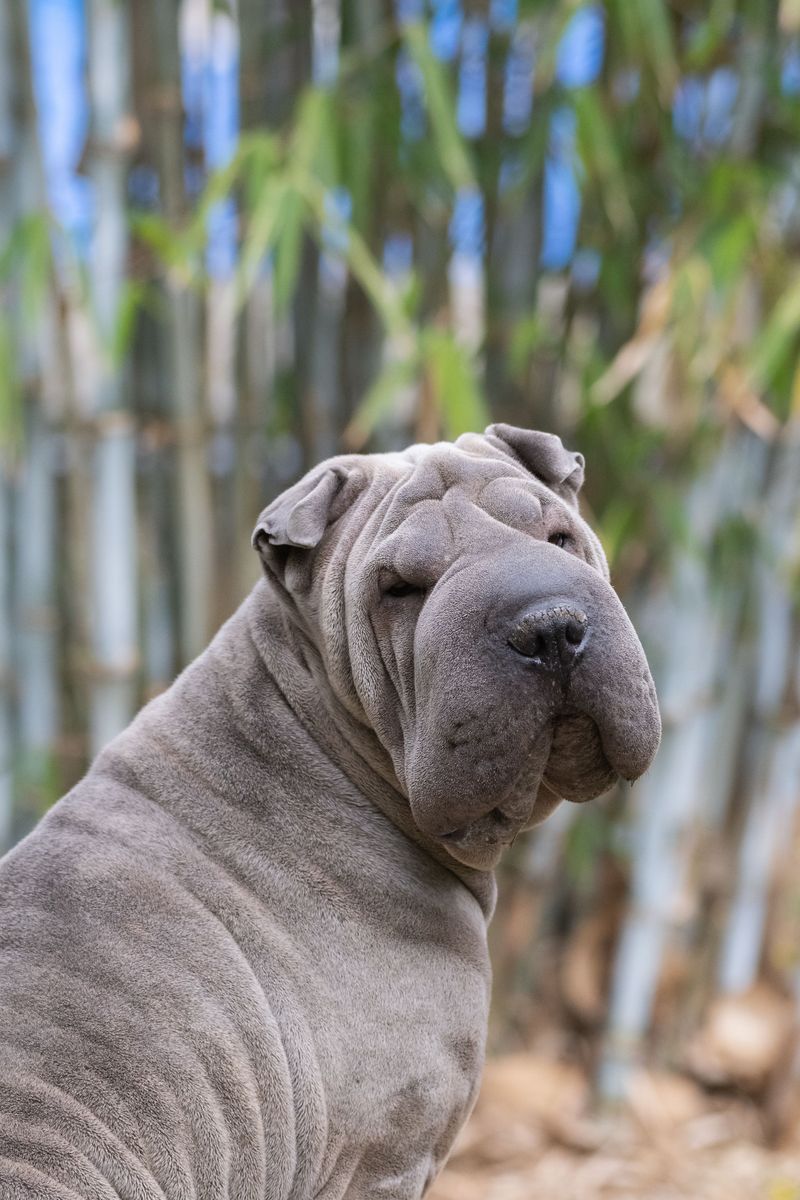
Wrinkles give the Shar-Pei a worried face, so people often assume the dog feels bothered all day. Really, this breed is usually calm, observant, and careful about new situations.
Shar-Peis are not big fans of chaos, which makes steady households a better match. Gentle social practice from puppyhood helps them relax around unfamiliar sounds and visitors.
Keep sessions short and positive, and their thoughtful nature comes across as confidence rather than crankiness to most people.
Standard Schnauzer
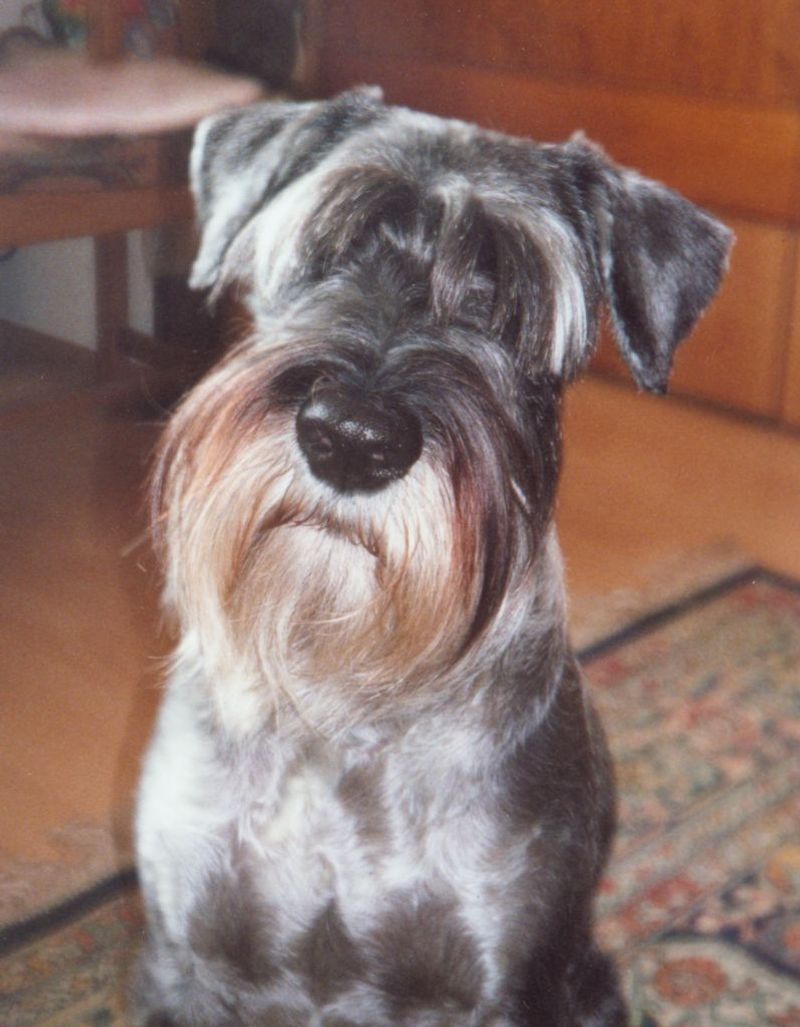
Few dogs look more ready to judge your homework than a Standard Schnauzer. That sharp beard and direct gaze can seem stern, yet their real personality is lively, smart, and full of opinions.
They enjoy having jobs, whether learning tricks, patrolling the yard, or joining active play. Boredom brings trouble faster than grumpiness ever does.
Keep their mind busy, use fair training, and their serious face starts looking more like comic confidence every single day.
Rhodesian Ridgeback
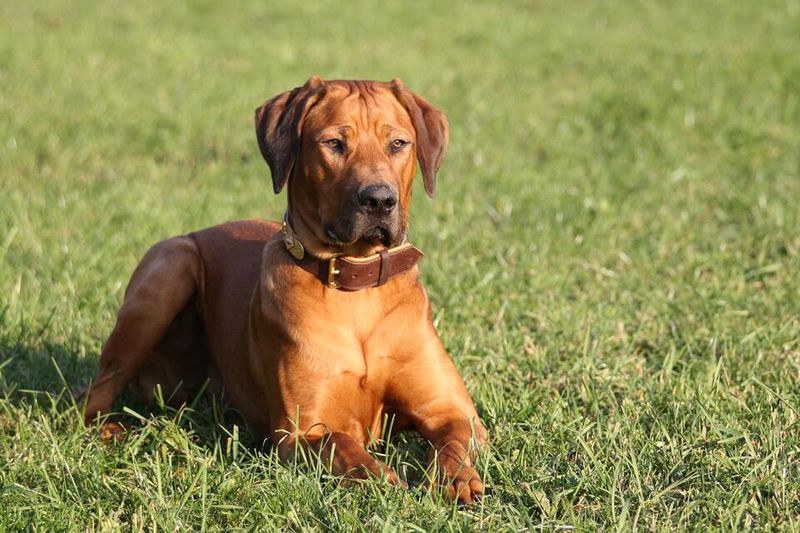
At the park, a Rhodesian Ridgeback may stand back and study everything before joining in. Some people mistake that caution for a sour attitude, but the breed is usually composed and sensible.
Ridgebacks were bred to think for themselves, so they often weigh situations first. They thrive with confident owners, regular exercise, and simple boundaries.
When treated with patience and respect, their cool, watchful manner feels dependable, not grumpy, especially around busy strangers and children.
Shiba Inu
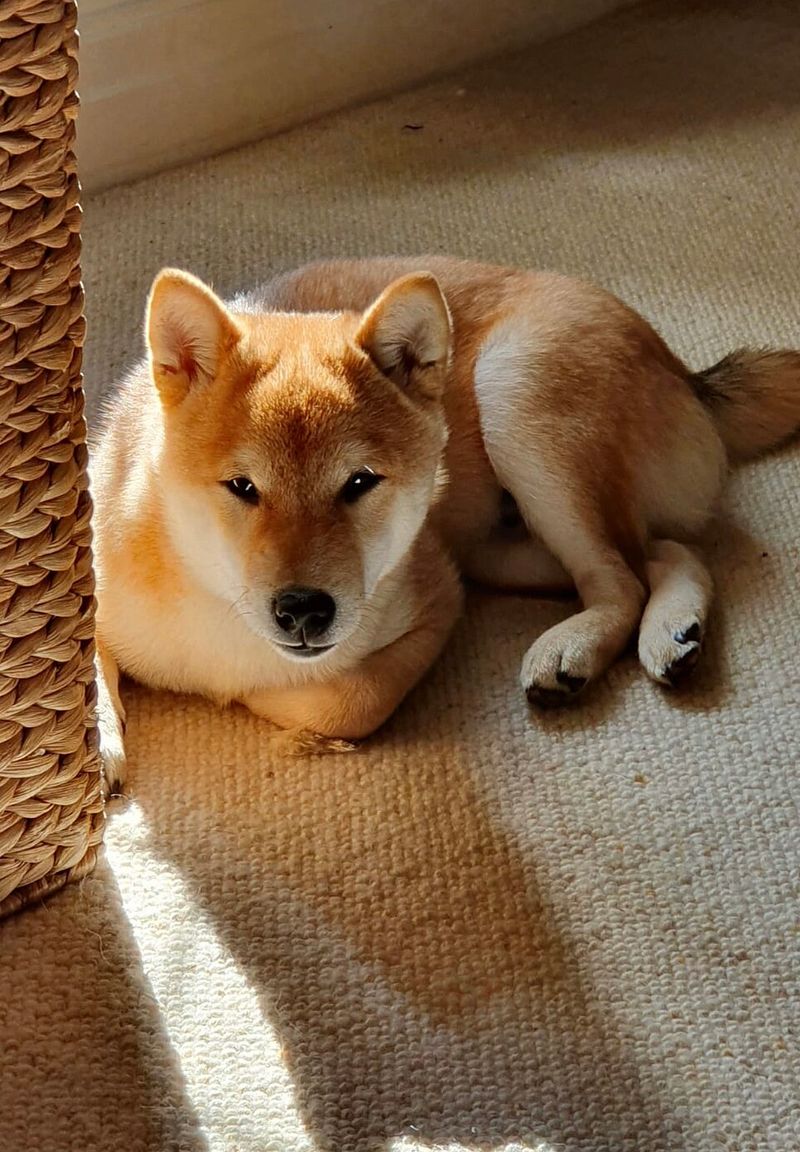
A Shiba Inu can look amused, offended, and completely unimpressed, all within one minute. That famous expression is part of the charm, not proof of a grumpy heart.
Shibas tend to be clean, clever, and very aware of their own preferences. They usually like choice and space more than clingy attention.
Short training games, secure exercise, and good humor go a long way. Accept their independence, and you will notice plenty of loyalty underneath there.
Giant Schnauzer
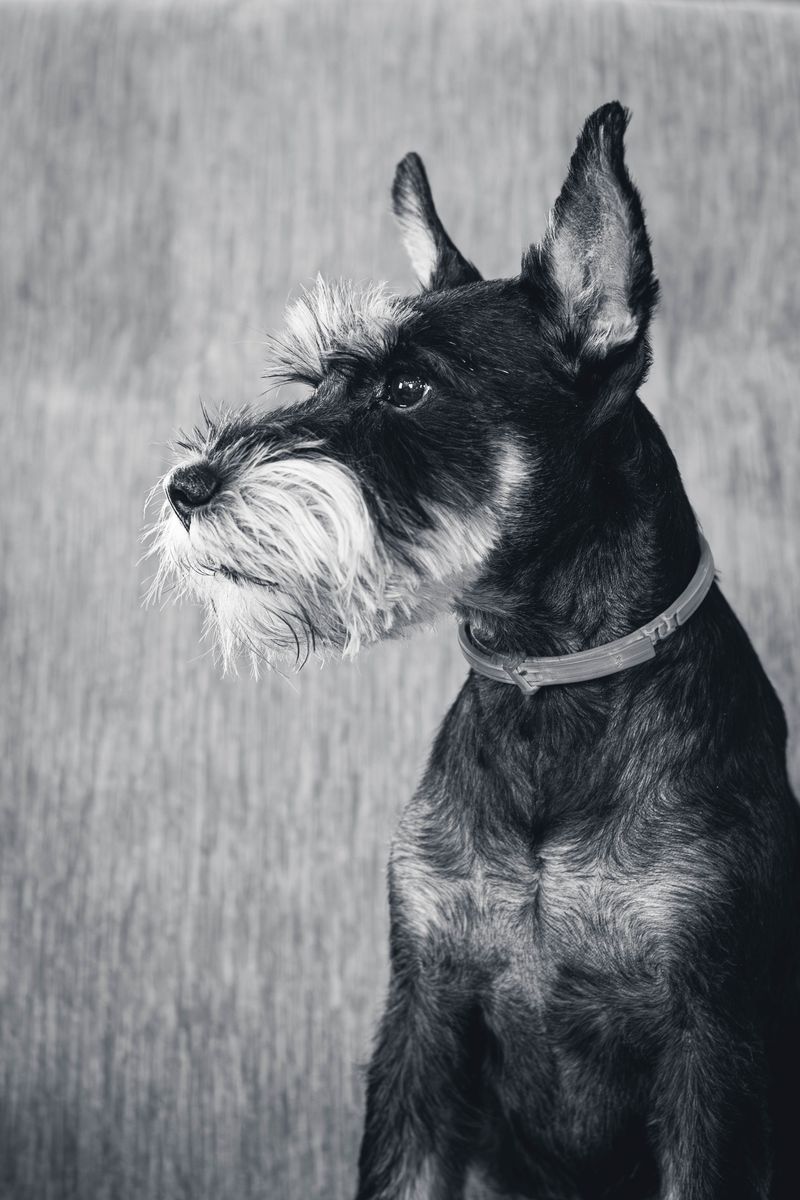
Big, bold, and businesslike, the Giant Schnauzer often carries itself like a security chief. That serious presence can intimidate people, yet the breed is usually energetic, loyal, and eager to work with trusted family.
Giants need training with purpose because they are strong thinkers with strong bodies. Without outlets, frustration can show up as pushy behavior.
Give them structure, exercise, and tasks that challenge the brain, and their stern look becomes far easier to understand.
Great Pyrenees
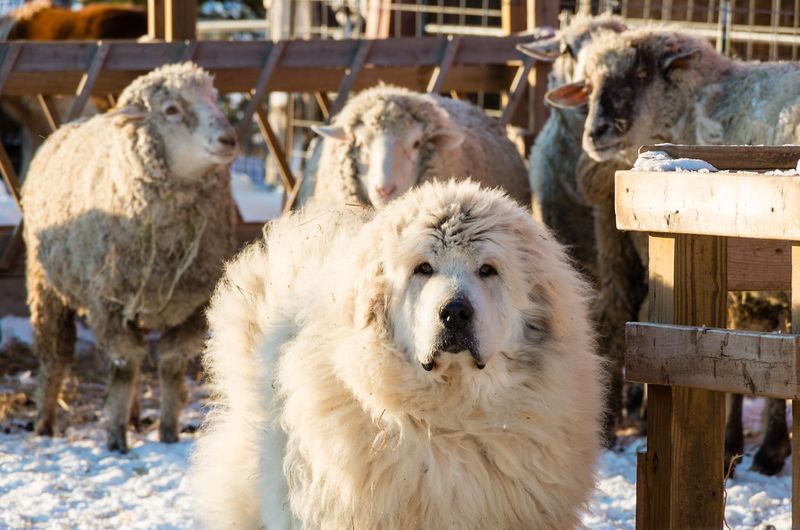
Like a mountain guard on a coffee break, the Great Pyrenees often seems calm to the point of boredom. People sometimes read that stillness as grouchiness, but this breed is usually patient, thoughtful, and watchful.
Bred to protect flocks, they naturally scan their surroundings before reacting. Loud correction rarely helps.
Gentle guidance, fenced space, and daily purpose let their quiet confidence shine, showing a dog that is serious about duty, not sour about life outside.
Rottweiler
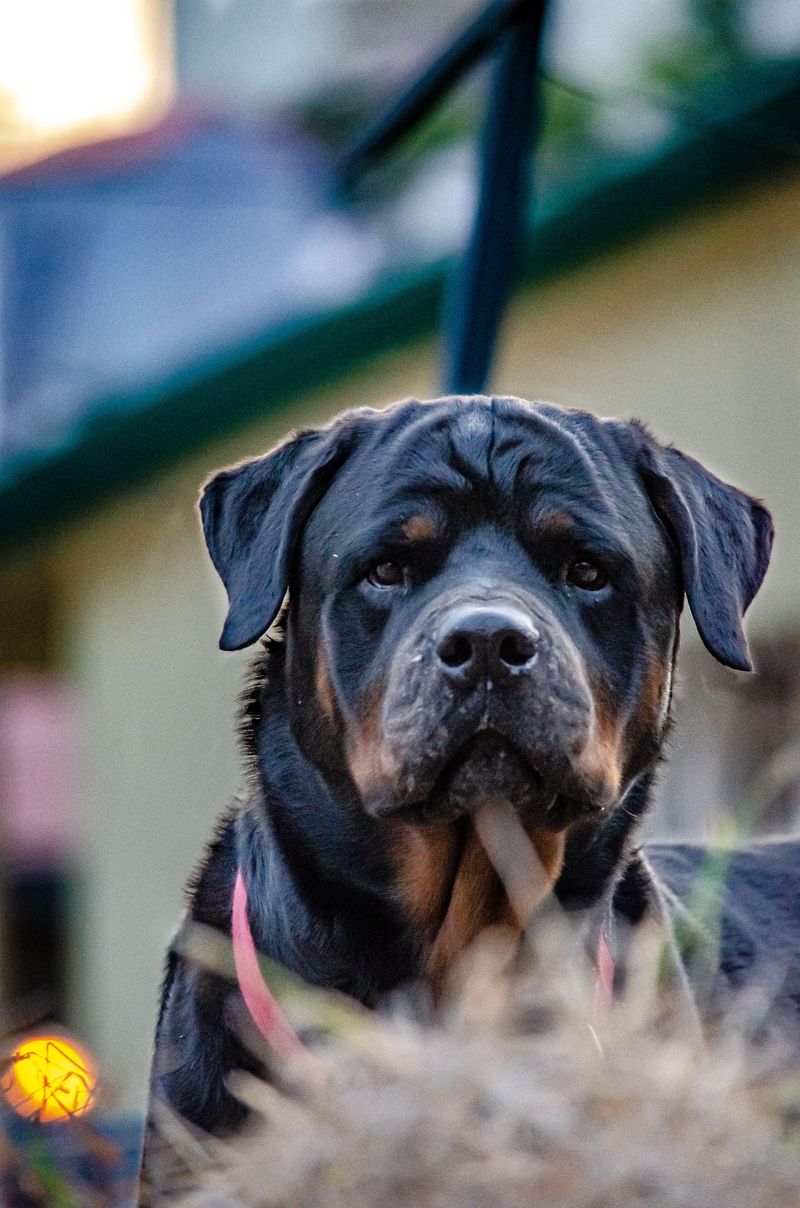
A Rottweiler’s steady stare can make nervous people step back before the dog even moves. Looks can fool you.
Many Rottweilers are calm, affectionate, and happiest when they understand their role in the family.
Trouble starts when owners skip training or social practice, allowing confusion to harden into rough habits. Clear boundaries, fair leadership, and mental work help this breed relax.
Under that serious expression, there is often a devoted dog watching over its people.
Doberman Pinscher
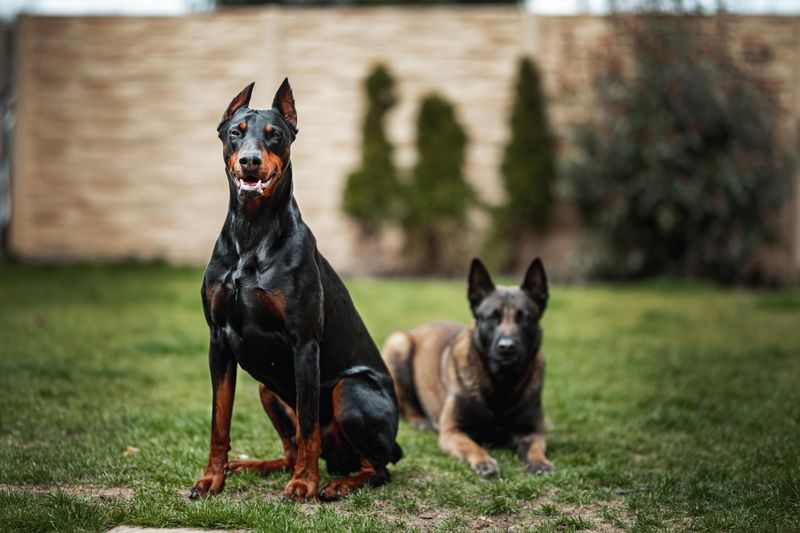
Sleek and intense, the Doberman Pinscher often looks like it is always on duty. That sharp outline leads some people to expect a bad temper, even though well-raised Dobermans are usually affectionate, bright, and very tuned in to their family.
They notice everything, which can read as tension in busy places. Positive training and close companionship suit them best.
When their minds are engaged, their serious style feels elegant and dependable, not unfriendly at home.
Cane Corso
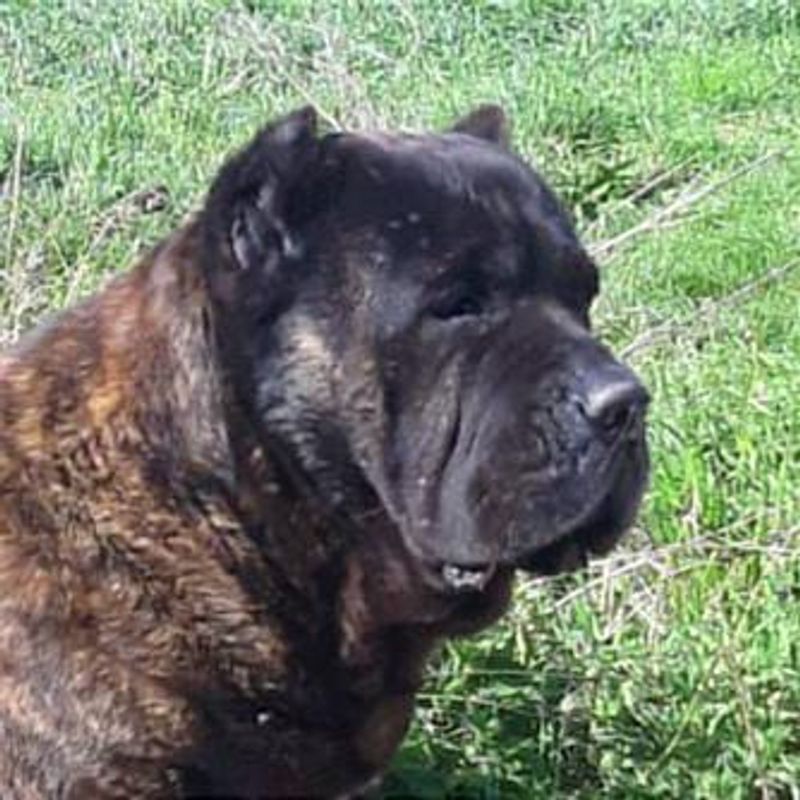
Meeting a Cane Corso can feel like meeting a bodyguard who has not decided about you yet. Their calm, heavy presence often gets mistaken for grumpiness, but the breed is usually stable and deeply connected to home.
Corsos need early guidance, plenty of social experience, and owners who stay consistent. They respond best to confidence, not force.
Build trust carefully, and that stern face often reveals a steady protector with surprising tenderness to close family.