Some dogs are happiest when they can share the small moments of daily life with their favorite people. They may follow you from room to room, rest near your feet, or watch closely for your next move.
Knowing which breeds often enjoy close human company can help families choose a dog that fits their home, schedule, and heart.
Vizsla
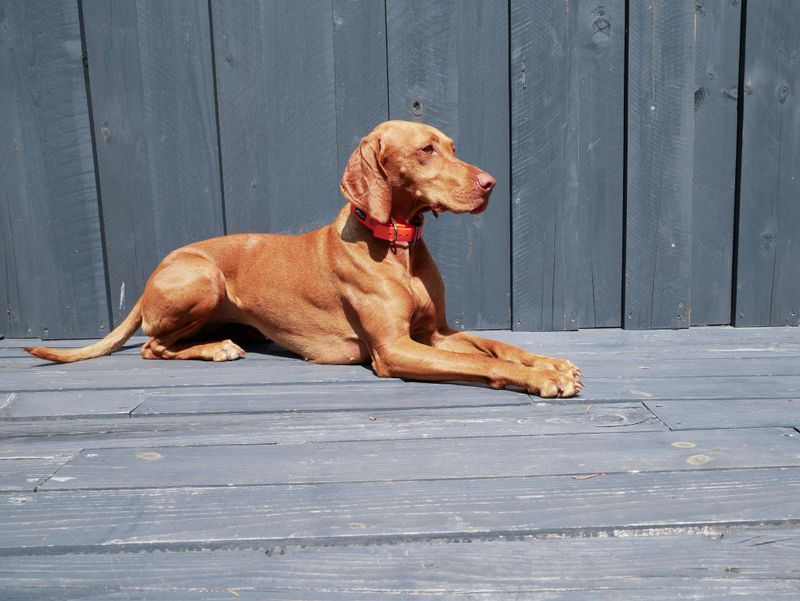
A Vizsla often acts like a warm shadow, ready to follow from the kitchen to the yard. Bred in Hungary as a hunting partner, this athletic dog learned to work closely with people.
Daily exercise, training games, and calm cuddle time help keep a Vizsla happy. Long hours alone can be hard for this sensitive breed, so it suits homes where someone enjoys including the dog in errands, walks, and family routines.
Italian Greyhound
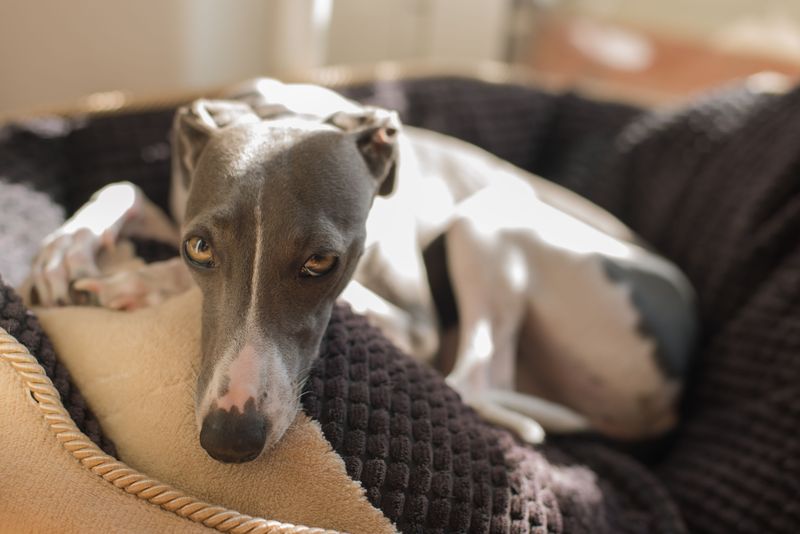
Picture a tiny racer who would rather nap under your blanket than rule the backyard. The Italian Greyhound is light, quick, and deeply attached to familiar people.
Short walks, soft beds, and patient handling matter because this breed can be fragile and shy. Many enjoy sitting close while you read or watch television.
Keep them warm in cool weather, and teach gentle manners so their clingy sweetness stays pleasant instead of nervous.
Doberman Pinscher
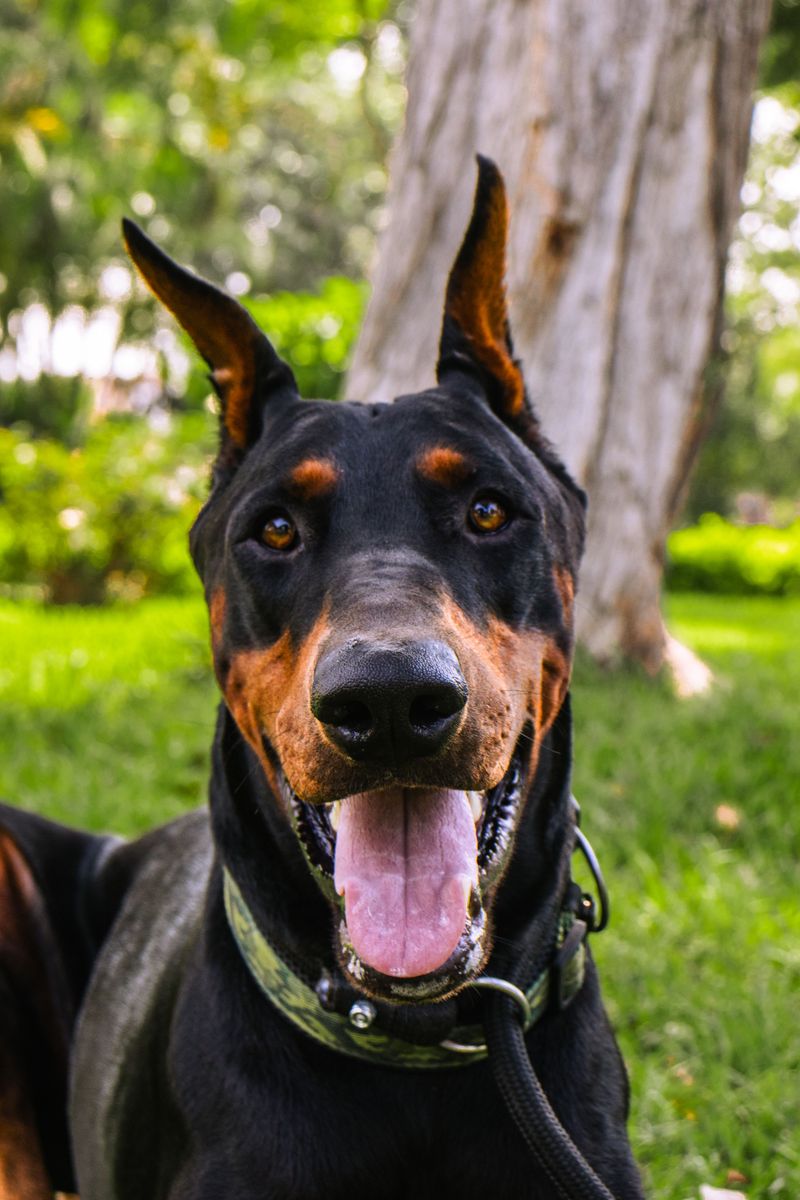
Behind the Doberman’s bold look is a dog that often wants clear jobs and close contact. Many form strong bonds and like knowing exactly where their person is.
Smart training, steady rules, and daily movement are key. A bored Doberman may invent its own work, which rarely pleases the household.
Give puzzle toys, obedience practice, and safe social time. With kind leadership, this watchful breed can become a loyal partner for active homes.
Weimaraner
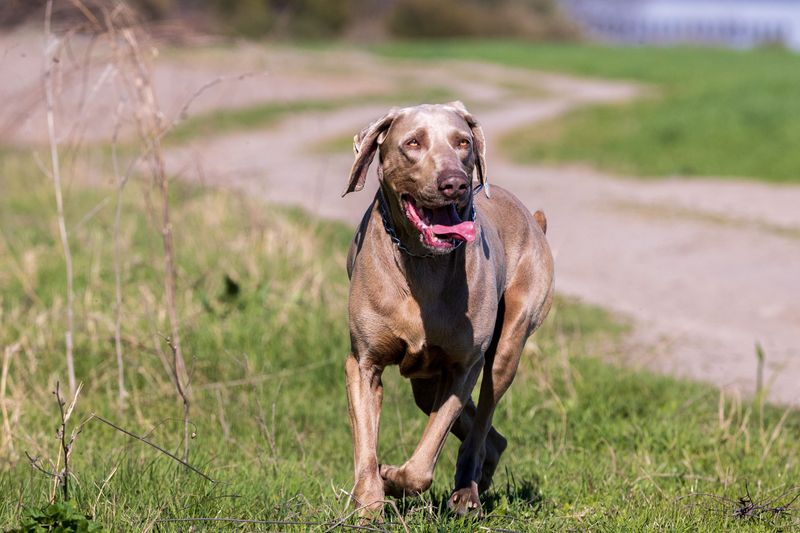
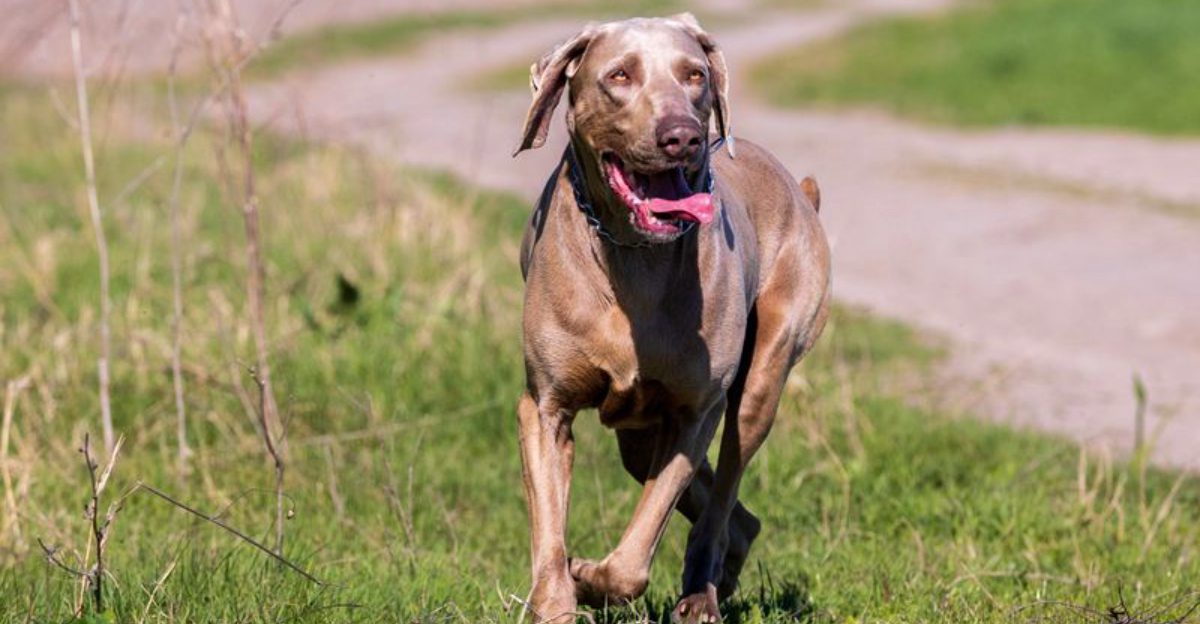
A Weimaraner can make a simple walk feel like an adventure club meeting. Nicknamed the gray ghost, this breed is famous for staying near its people and moving with smooth energy.
Plenty of exercise is not optional. Running, hiking, scent games, and training drills help settle that busy mind.
Without enough attention, a Weimaraner may bark, chew, or pace. Include them in outdoor plans, then reward calm indoor behavior with praise and rest.
Yorkshire Terrier
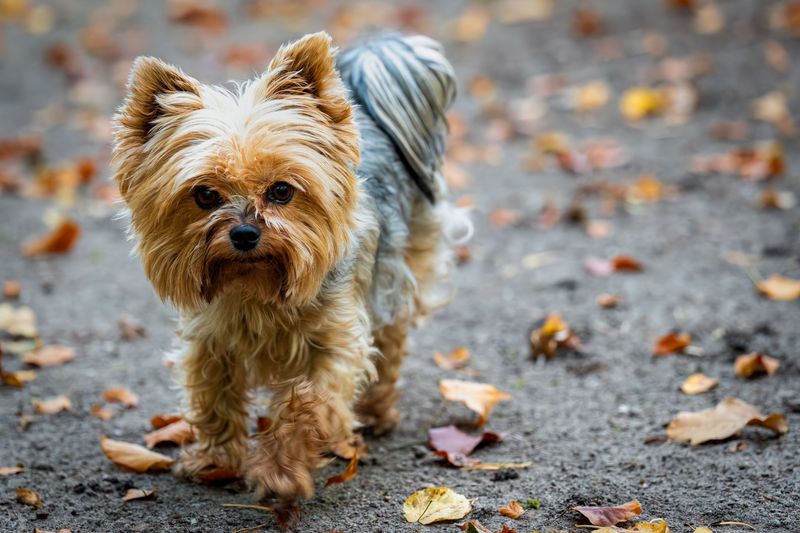
Small paws, huge opinions, and a strong desire to be involved, that is the Yorkshire Terrier. This little dog often wants a front-row seat for everything happening at home.
Yorkies do best with gentle training, safe handling, and regular grooming. Their size makes them easy to carry, but they still need walks and manners.
Teach quiet greetings and reward calm settling. A confident Yorkie can be a lively sidekick without taking over the whole day.
Australian Shepherd
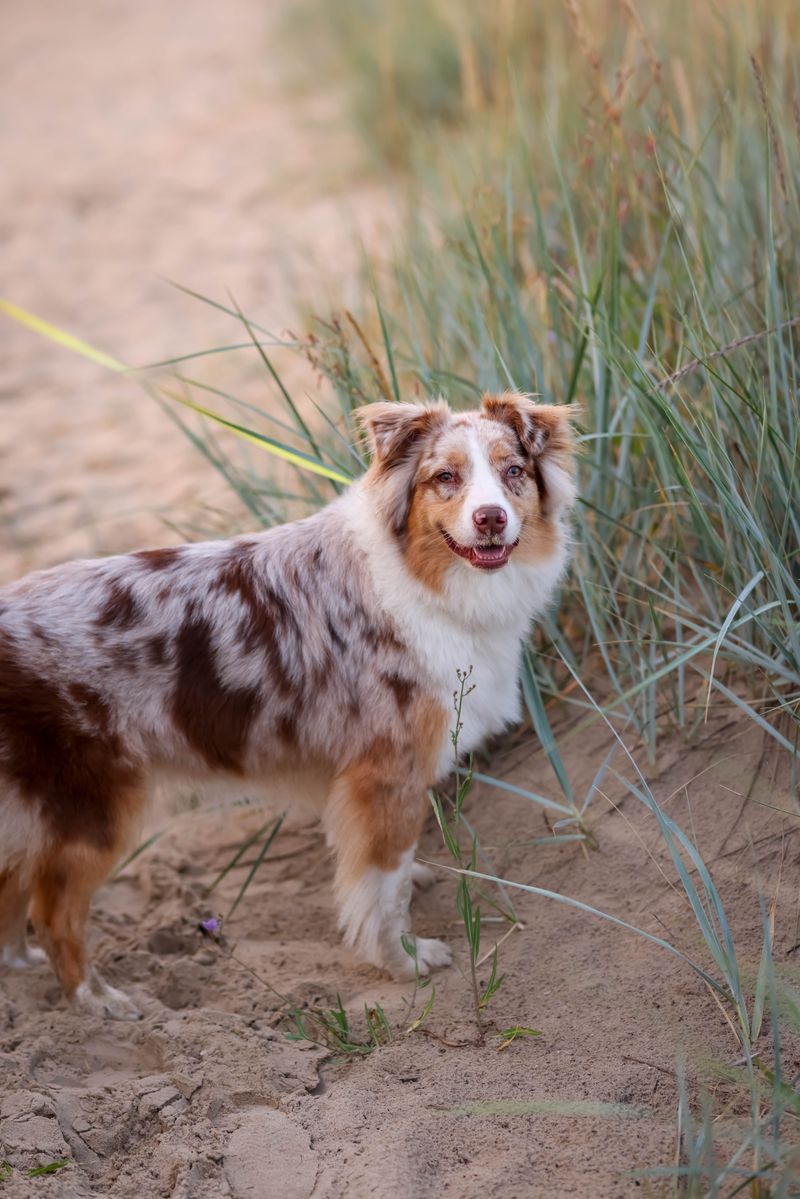
An Australian Shepherd notices every dropped sock, opened door, and change in your mood. Built for herding, this clever dog naturally watches people and waits for signals.
That focus is wonderful when guided well. Try trick training, fetch with rules, agility, or chores like carrying a toy basket.
Without mental work, an Aussie may herd children, bark at movement, or become restless. A busy household can be fun if routines stay fair and clear.
Chihuahua
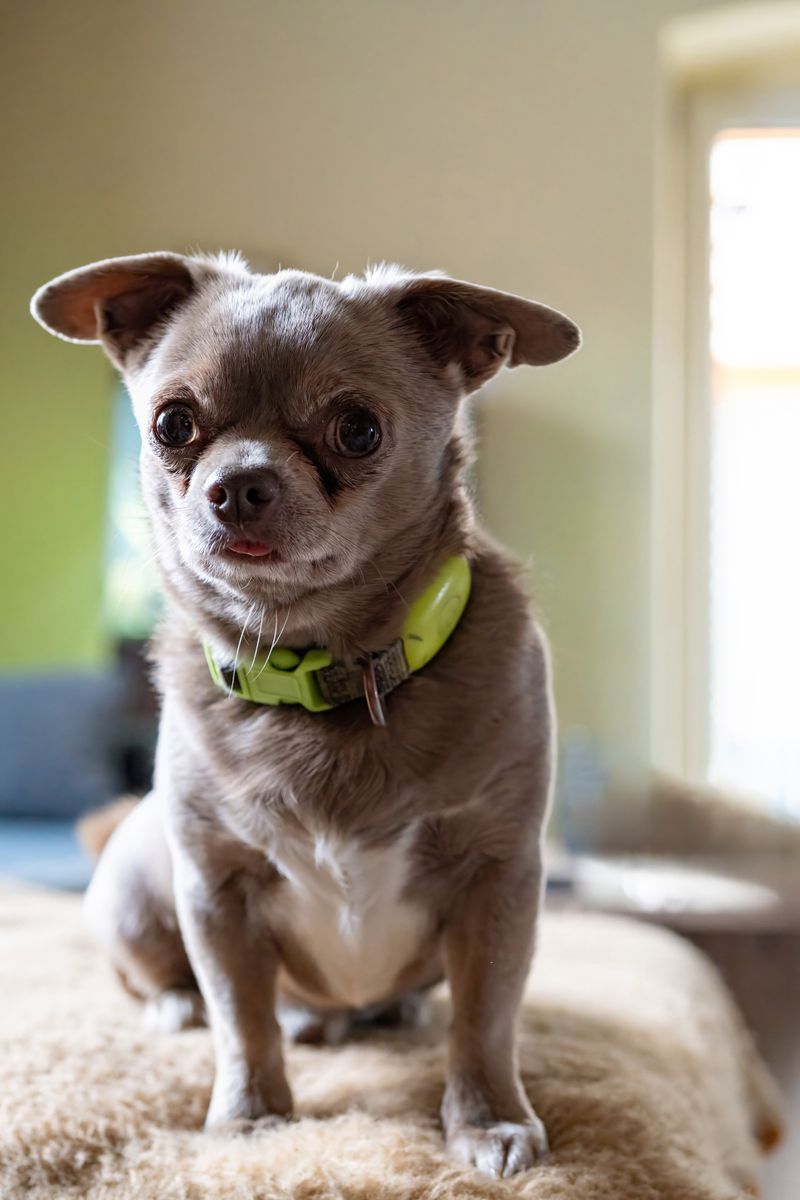
A Chihuahua may be pocket-sized, but its loyalty can fill the room. Many choose one favorite person and stick close, sometimes watching strangers with serious little eyes.
Because they are small, people may forget they need training. Calm social visits, short walks, and reward-based lessons build confidence.
Avoid treating fear as cuteness, especially if growling starts. A well-supported Chihuahua can be funny, brave, and wonderfully devoted during daily life at home.
Maltese
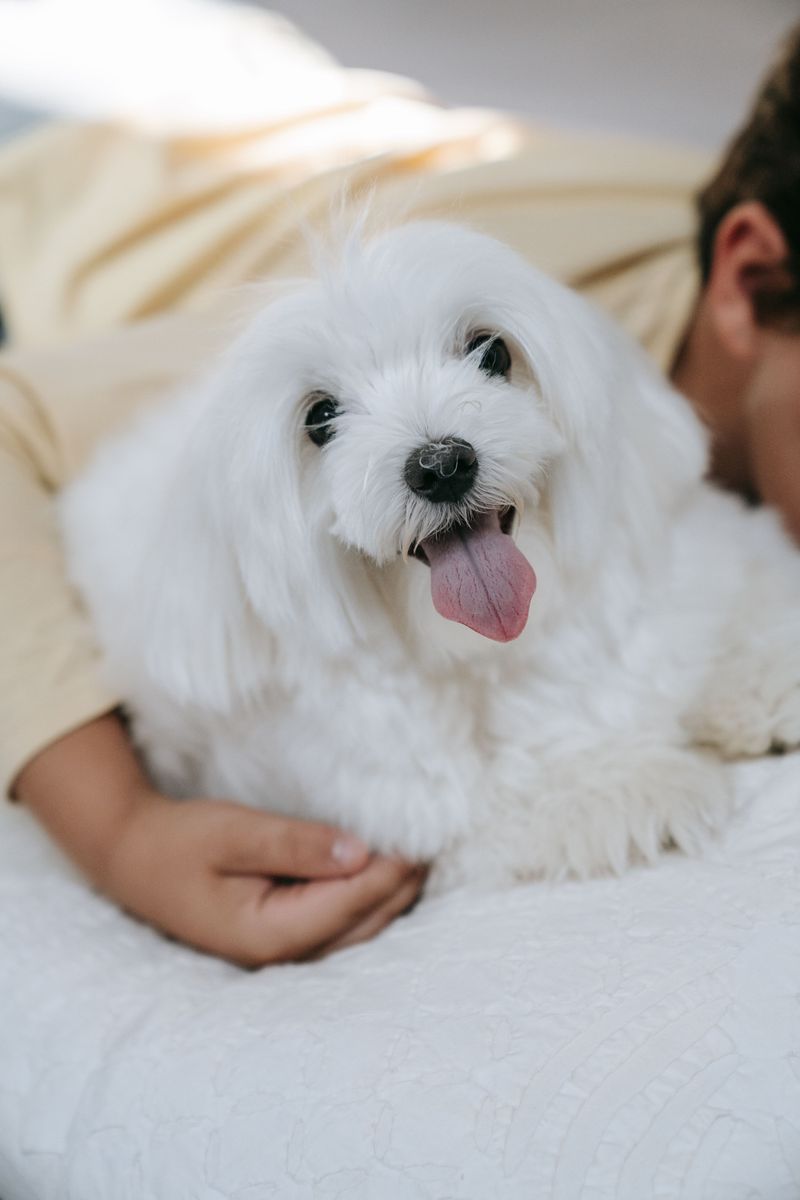
Like a little white cloud with opinions, the Maltese often floats from room to room after its person. This ancient lapdog was treasured for comfort and company.
Regular brushing keeps the coat from tangling, while short play sessions keep the spirit bright. Many Maltese enjoy quiet homes, gentle children, and predictable routines.
Separation can worry them, so practice brief alone times with treats. Close does not have to mean helpless, confidence grows with practice.
English Cocker Spaniel
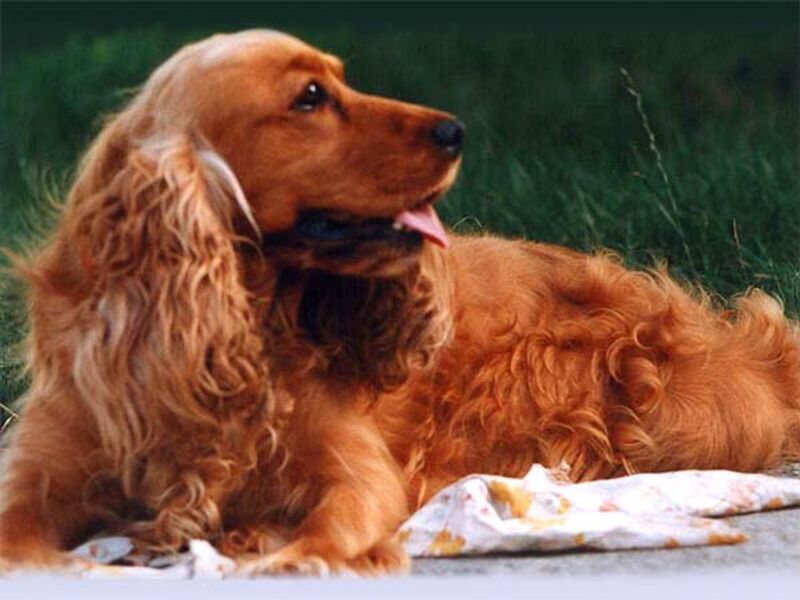
An English Cocker Spaniel greets ordinary days with a wag that seems to start at the shoulders. Originally bred to flush birds, this merry dog likes teamwork and attention.
Walks with sniffing time are especially satisfying. Their ears need regular checks, and their soft coat benefits from brushing.
Many enjoy families who talk to them, train kindly, and offer games. Include simple fetch or scent searches, and you will likely have a cheerful friend nearby.
Boxer
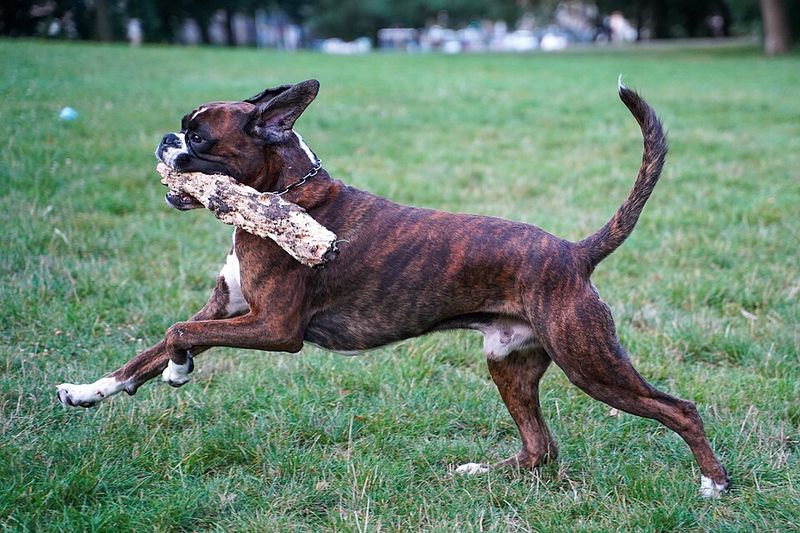
A Boxer can look like a serious athlete until the silly wiggle begins. This breed often loves being part of the action, whether that means yard play or sofa time.
Because Boxers are strong and bouncy, early manners make life easier. Practice polite greetings, leash skills, and calm breaks after excitement.
They usually enjoy games with their people more than being left outside alone. Give exercise, affection, and structure, and their clownish charm shines in the best way.
Shetland Sheepdog
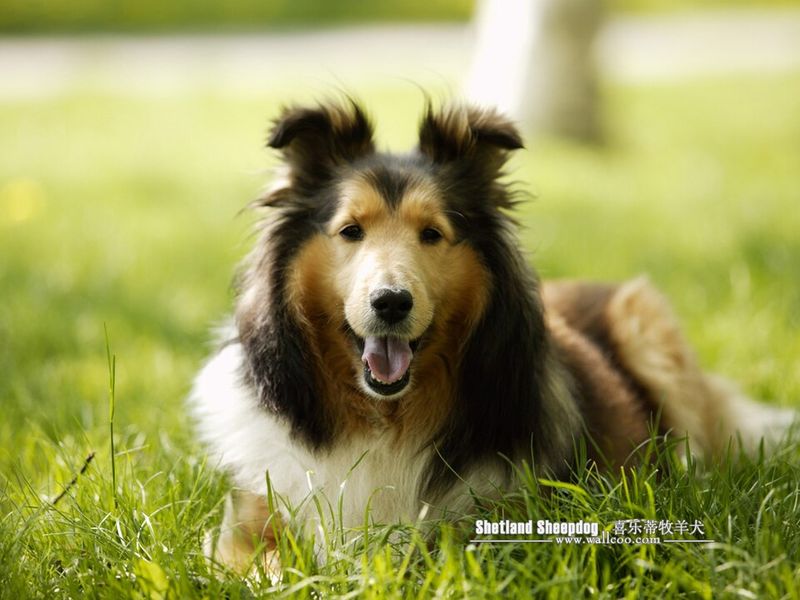
A Shetland Sheepdog often seems to read the room before anyone speaks. Developed in the Shetland Islands for farm work, the Sheltie is alert, bright, and people-aware.
Many like staying near family but may bark when life gets busy. Teach quiet cues early and reward calm watching.
Brushing helps manage the thick coat, and training games keep the brain satisfied. With patient guidance, a Sheltie becomes a thoughtful little helper who loves being included.
Cavalier King Charles Spaniel
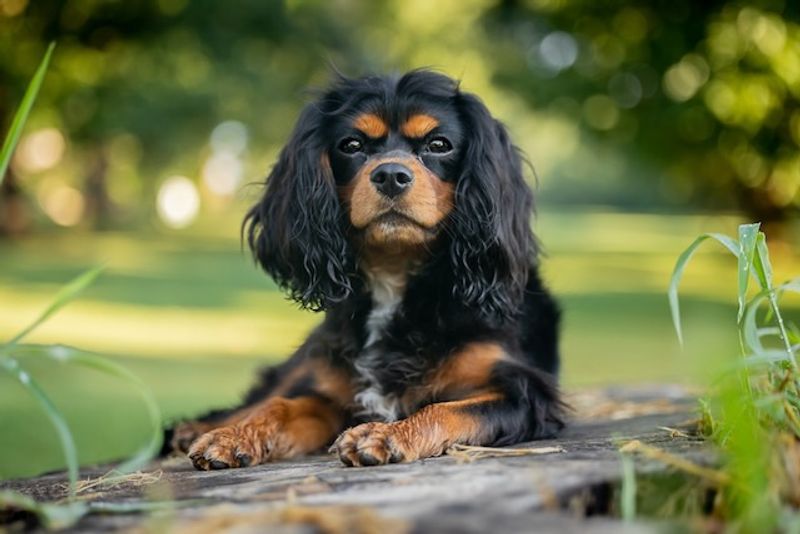
Few dogs settle beside a person as sweetly as a Cavalier King Charles Spaniel. With soft eyes and a wagging tail, this breed often turns closeness into a daily habit.
Gentle walks, lap time, and friendly training suit them well. Regular vet care matters, since Cavaliers can have heart and ear concerns.
They usually dislike being ignored for long stretches. Offer steady company and kind routines, and they will repay you with quiet, loving attention.