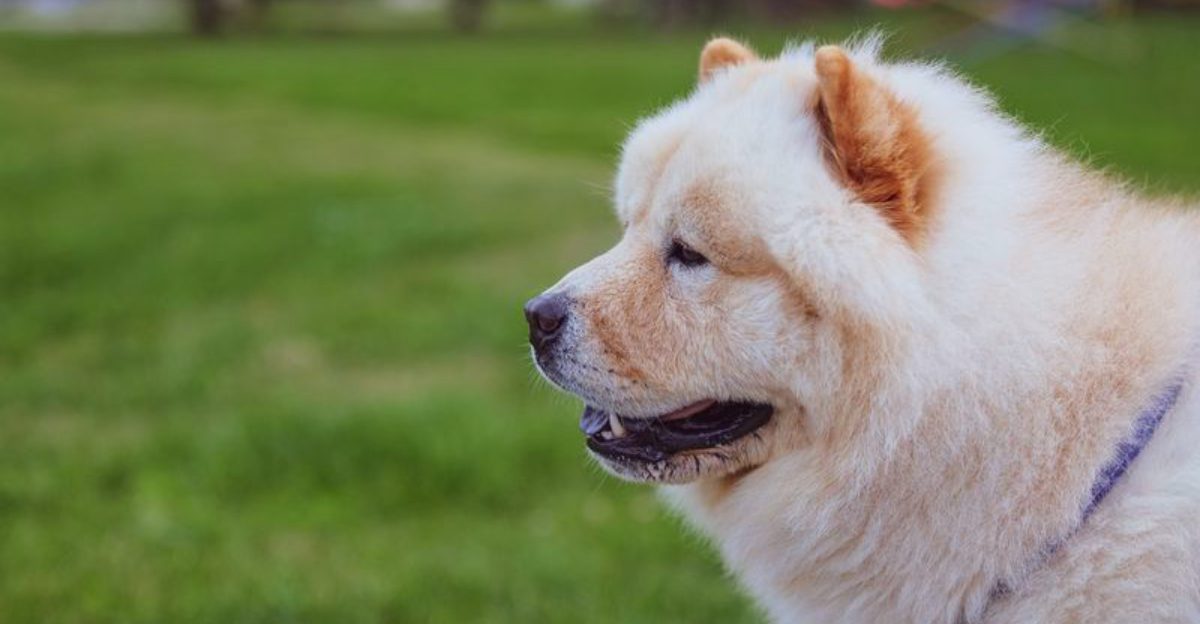
Some pups jump right into the action, but others take a moment to figure things out first. Careful dogs watch, think, and then decide what to do.
That pause can keep them safe and calm, especially in busy places or new homes. Knowing which breeds do this helps you train, socialize, and set routines that make them feel secure.
Basenji
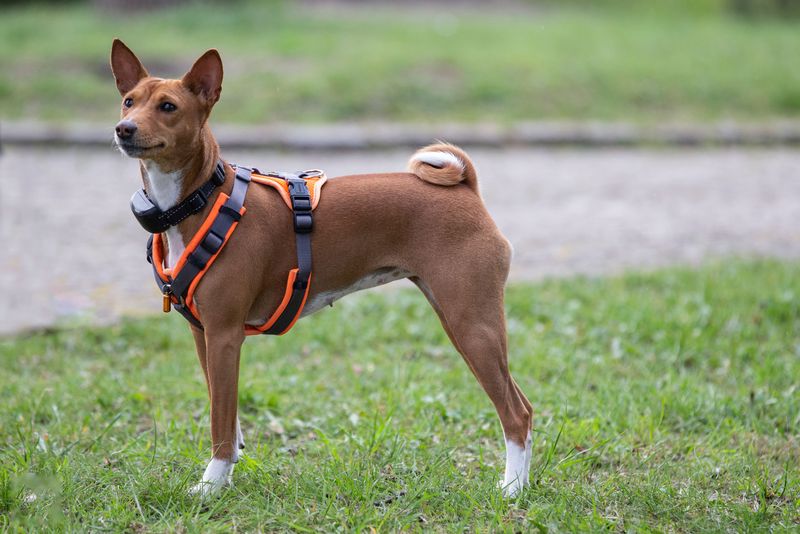
Quiet like a tiny librarian, the Basenji watches first and acts later. Known for a yodel instead of a bark, it studies body language before greeting new dogs or guests.
That thoughtful pause prevents mix-ups and keeps stress low.
Offer steady routines, short training sessions, and time to sniff the scene. Puzzle feeders and lure-coursing style games build confidence.
Once the picture makes sense, a Basenji unlocks sprinting play and clever tricks with bright-eyed charm.
Shiba Inu
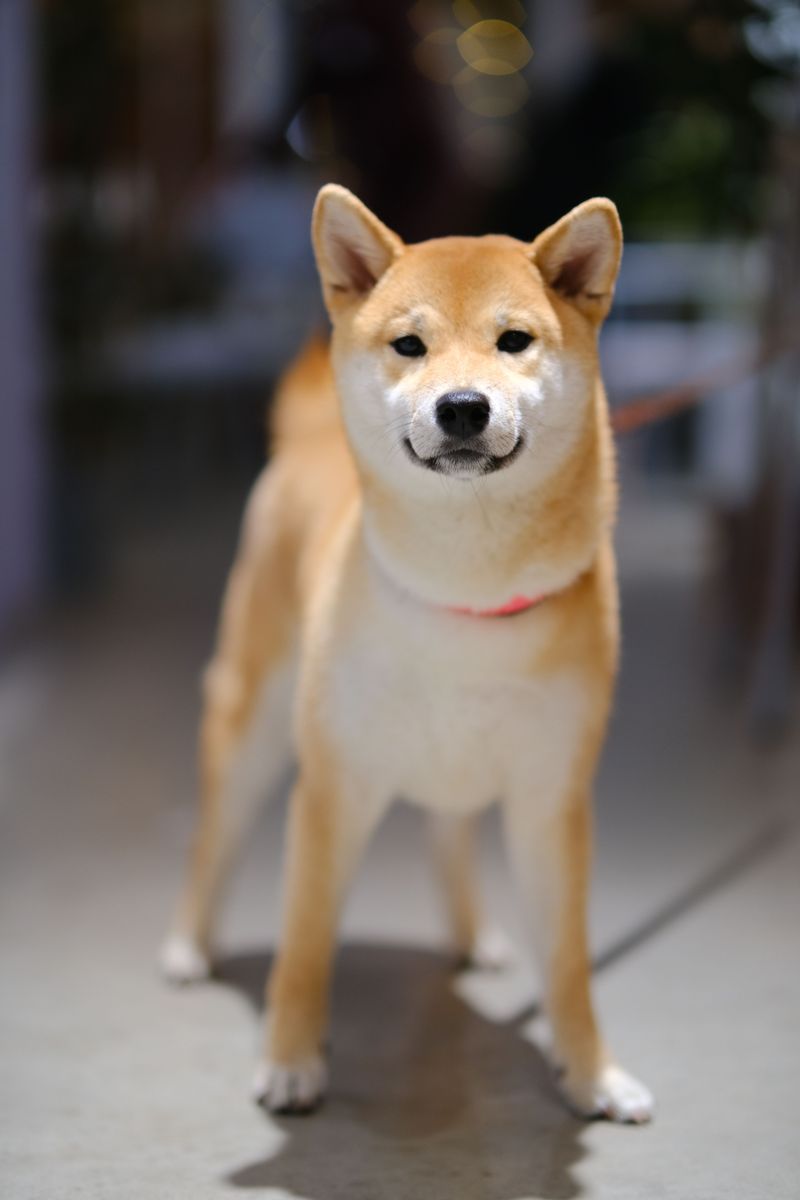
Like a savvy commuter, the Shiba Inu reads the room with sharp eyes and a curled tail held high. Independence shows in that brief pause at doorways and dog parks.
It wants the plan before it signs on.
Use calm introductions, high-value treats, and a predictable schedule. Teach hand targets and polite greetings to channel curiosity.
A Shiba that trusts your lead joins the fun with spry hops, neat spins, and a proud, cat-like grin.
Chow Chow
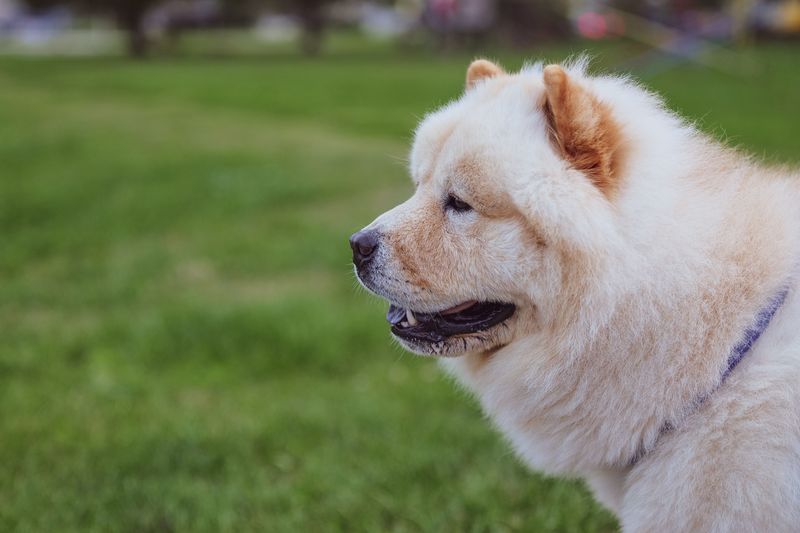
Regal and reserved, the Chow Chow prefers to size up visitors from a safe distance. That lion-like coat may look cuddly, yet the mind inside runs quiet checks before welcoming touch.
Patience earns its respect.
Set up calm hellos, slow movements, and clear household rules. Teach place training with a comfy mat and steady rewards.
Once satisfied that things are orderly, a Chow rests nearby, offering steady company and a dignified, watchful presence.
Akita
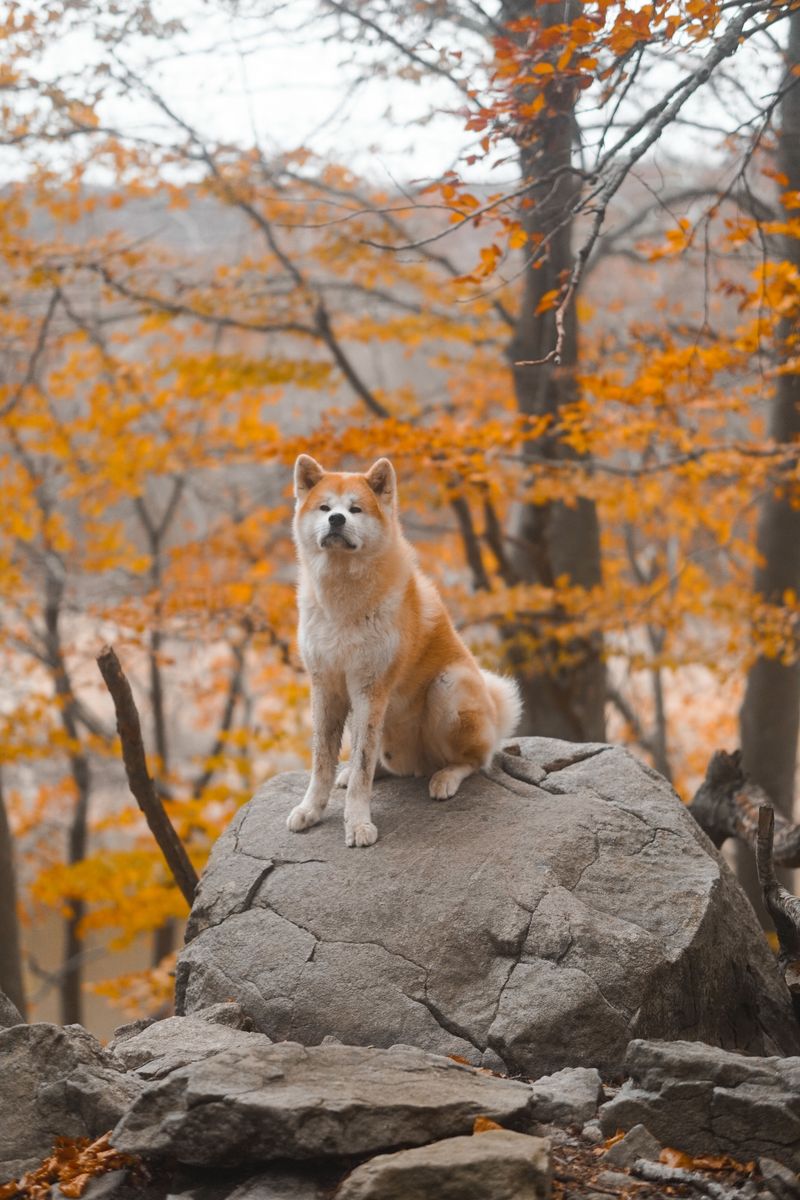
Guard-like instincts make the Akita a thoughtful decision maker. Instead of rushing, it studies movement and tone, protecting its circle with quiet confidence.
The dog prefers clarity over chaos.
Build trust through structured walks, focus games, and calm socialization. Keep greetings simple, use strong recall cues, and practice impulse control.
When the setting feels right, an Akita steps forward with steady steps, ready to participate and support, showing deep loyalty and a calm, capable heart.
Norwegian Buhund
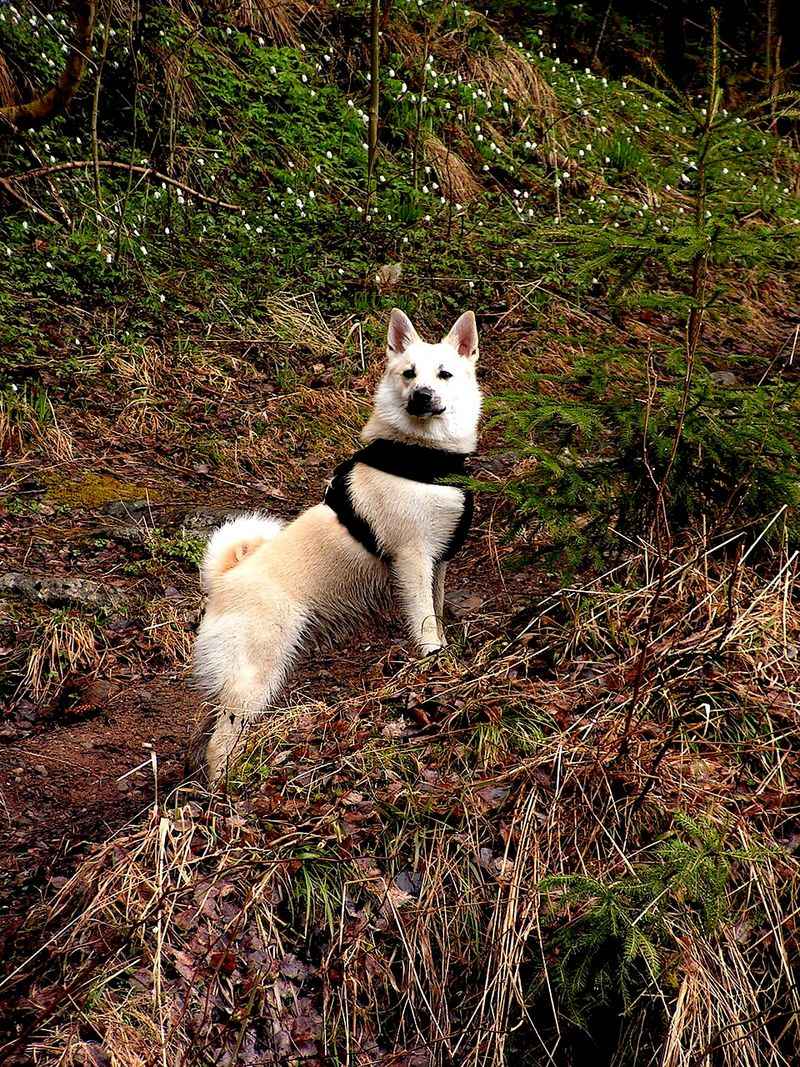
Farm-born smarts help the Norwegian Buhund pause and plan. Instead of dashing into noise, it listens for cues, then chooses a job.
That herding heritage favors teamwork built on signals and trust.
Use short herding-style games, whistle cues, and quick recalls. Offer a spot to observe before greeting others.
Once the pieces line up, this upbeat worker joins with springy steps, bright eyes, and a ready-to-help attitude that turns chores and play into smooth, shared routines.
Beauceron
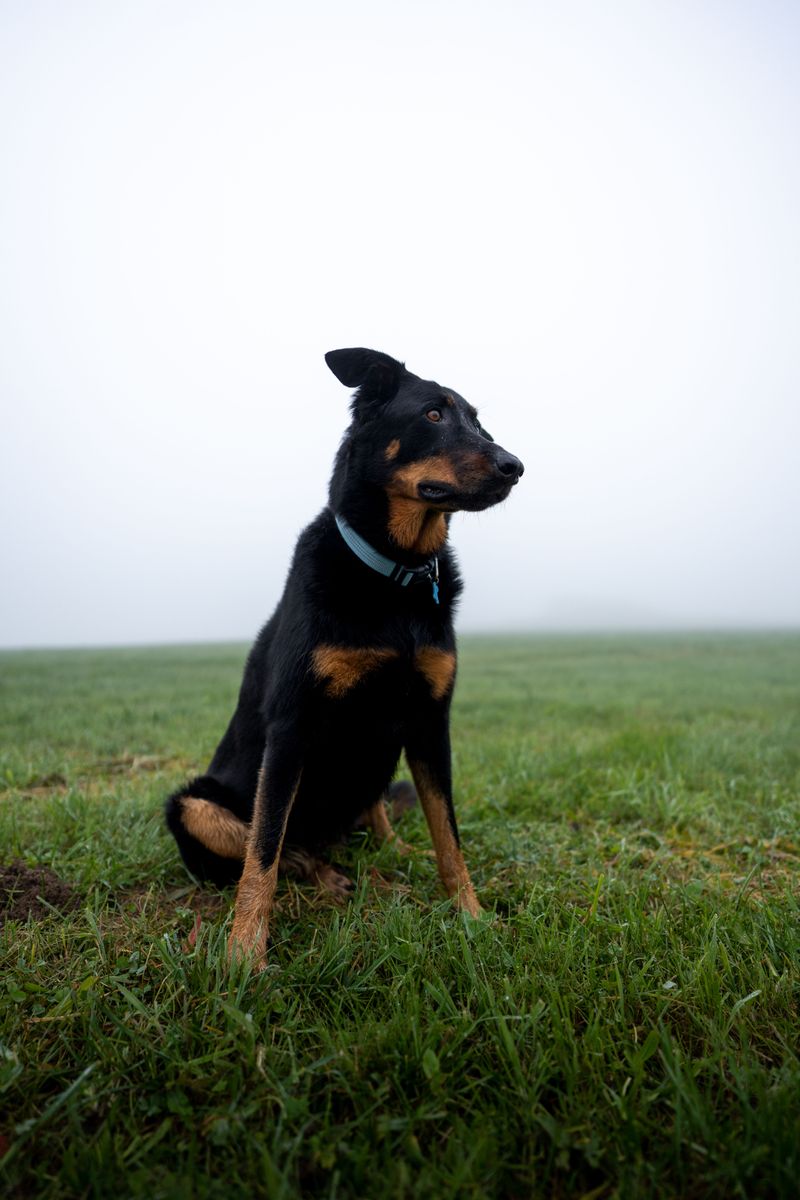
Professional is the word for a Beauceron that pauses to appraise the field. Military and farm roots show in its measured approach, reading handlers and obstacles before committing.
The dog likes a plan with purpose.
Provide clear jobs: tracking, obedience, or scent games. Mark quiet focus with praise, then release to work.
When expectations are set, a Beauceron moves with bold precision, joining activities smoothly and keeping the whole team balanced and on task.
Standard Schnauzer
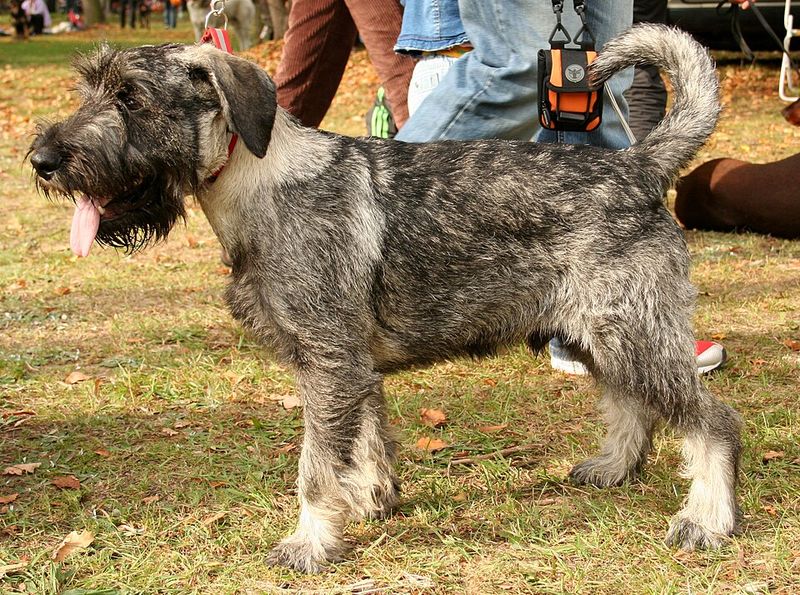
Those famous eyebrows are not just cute, they are busy analyzing. The Standard Schnauzer prefers to check exits, watch wheels, and read voices before mingling.
Curiosity and caution balance like two sides of a coin.
Teach watch-then-approach routines using sit, look, and go say hi. Food puzzles and scent searches channel that sharp mind.
When given a clear green light, this schnauzer trots in with jaunty steps, social charm, and a problem-solver’s grin.
Scottish Terrier
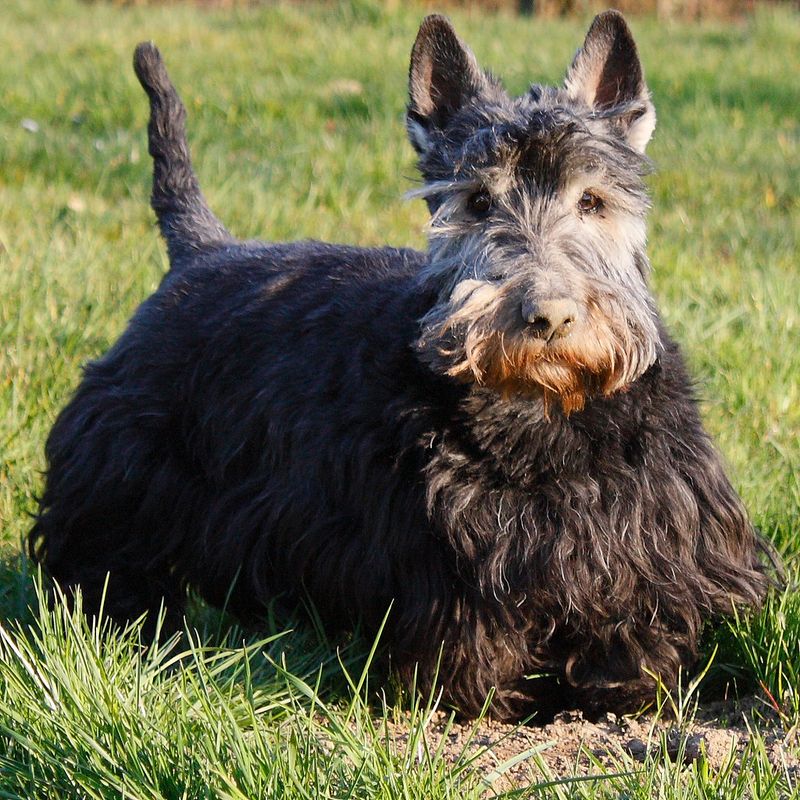
Stubborn legend aside, the Scottish Terrier is actually a thoughtful strategist. It pauses, sniffs the breeze, and decides if a meeting is worth the effort.
Dignity matters to this short but bold guardian.
Keep greetings small, use calm voices, and reward polite check-ins. Short scent games and tunnel toys suit its hunting history.
Once convinced the scene is friendly, a Scottie steps forward with proud steps, brisk tail wags, and a can-do spark that delights the room.
Anatolian Shepherd Dog
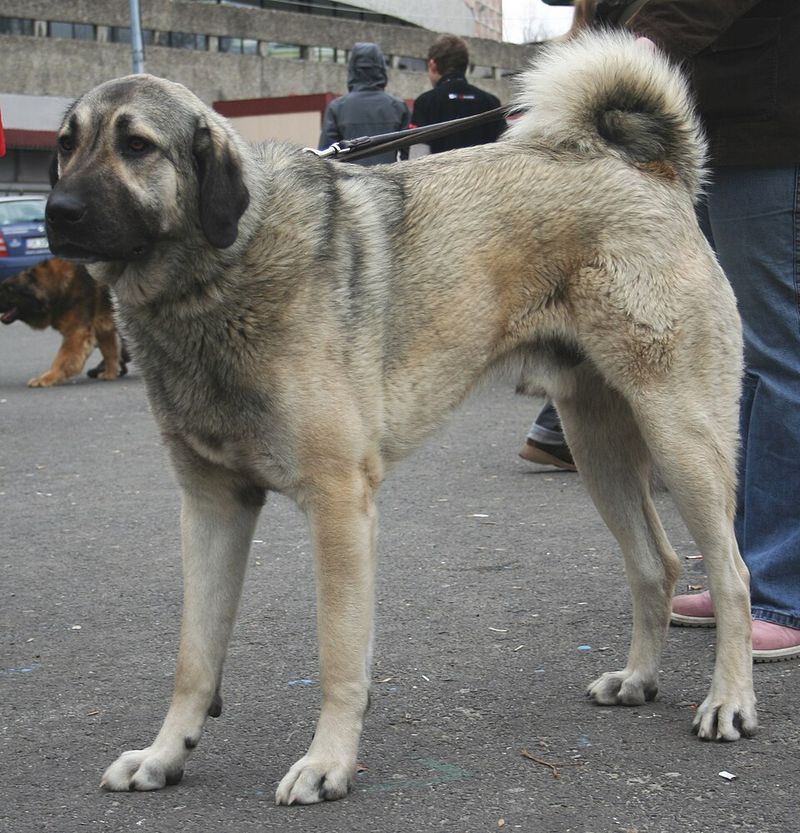
Livestock guardians like the Anatolian Shepherd prefer to measure threats before they act. Silence and stillness tell you the mind is working.
It keeps watch, sets boundaries, and avoids needless fuss.
Offer space, steady routines, and slow introductions to new people. Use boundary games, long settles, and quiet praise.
When the environment proves safe, an Anatolian relaxes near the group, joining activities with steady steps and a grounded presence that makes everyone feel secure.
Finnish Lapphund
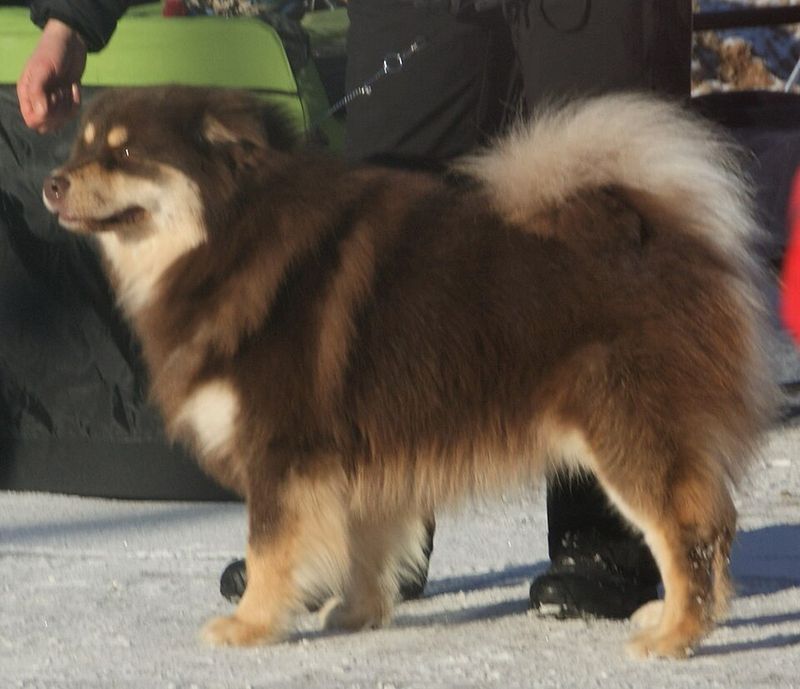
Born to work reindeer, the Finnish Lapphund reads motion like a language. Instead of racing in, it gathers information, then joins with friendly focus.
That pause keeps groups calm and tasks on track.
Practice loose-leash walks by crowds and reward confident choices. Add gentle herding games and nosework to build skills.
Once comfortable, a Lapphund trots into the fun, tail sweeping happily, guiding without fuss and bringing a cozy, winter-camp spirit to every outing.
Rhodesian Ridgeback
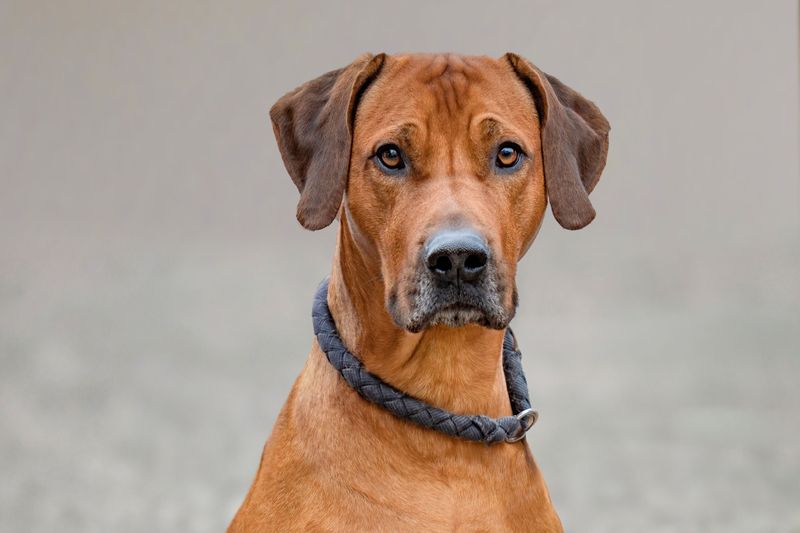
Strength meets restraint in the Rhodesian Ridgeback. Instead of leaping first, it checks the path, the people, and the energy in the space.
That hunter’s patience helps it avoid tangles and keep pace smoothly.
Use warm-ups, long-line recalls, and reward calm eye contact. Give a moment to observe new dogs before release.
When the scene feels right, a Ridgeback flows forward, stride long and sure, turning measured starts into powerful, joyful runs.