
Some dogs are chatty, but others keep things calm. If your home values peace, a quieter breed can be a great match.
Less barking can help with close neighbors, young sleepers, and people working from home. Here are breeds known for a softer sound and a relaxed vibe.
Basenji
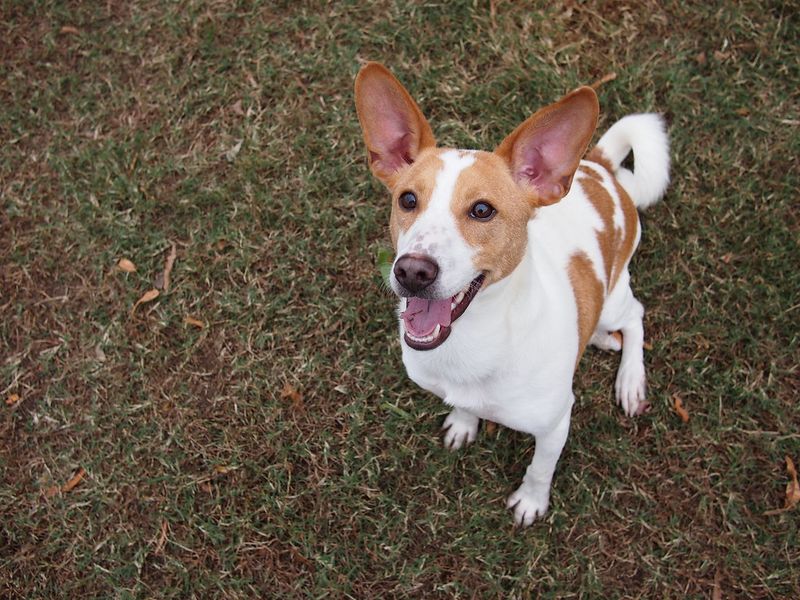
Nicknamed the barkless dog, the Basenji keeps the volume low and the curiosity high. Many households appreciate its catlike manners, tidy grooming, and quiet watchfulness.
Instead of loud alerts, you may hear soft yodels or chuffs during play.
Daily walks and puzzle toys keep minds busy without stirring noise. Consistent training, given, builds trust and manners around guests.
A secure yard, regular exercise, and chew toys help prevent bored mischief, making the peaceful mood last.
Whippet
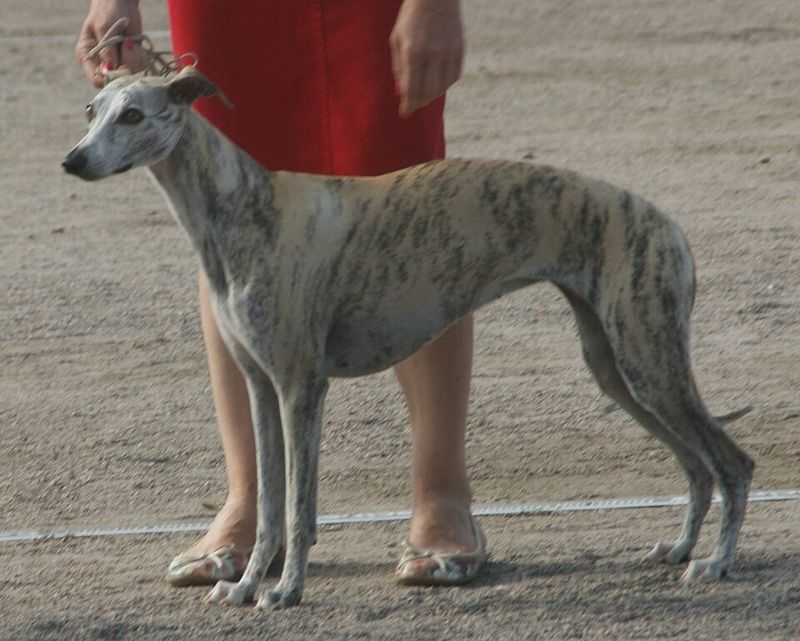
Blink and a Whippet has curled into a donut on the couch. Sprinters outside, they turn into quiet snugglers indoors, happy with soft beds and calm voices.
Most communicate with looks and tail taps instead of barking.
Short zoomies and a flirt pole session meet their exercise needs without causing a racket. Keep a comfy sweater for chilly mornings, and teach a solid recall for safe off leash fun.
Apartment neighbors thank their volume lifestyle.
Greyhound
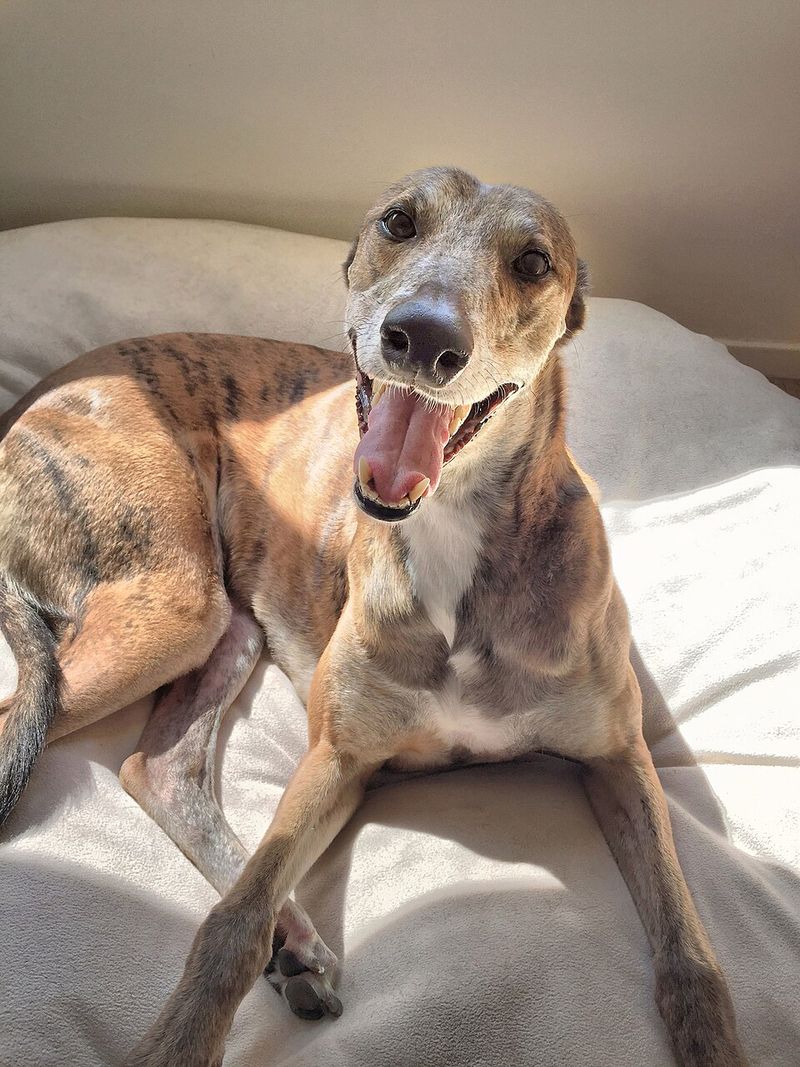
Fresh from the track or rescue, a Greyhound learns house life with gentle grace. Friends are surprised by how quietly they settle, content to nap in sunny spots.
Many prefer leaning softly on your leg instead of barking for attention.
Two walks a day, plus a sprint each week, suits them well. Use cushioned beds to protect bony elbows, and try enrichment like snuffle mats.
Calm routines and handling build trust, making harmony come quickly.
Borzoi
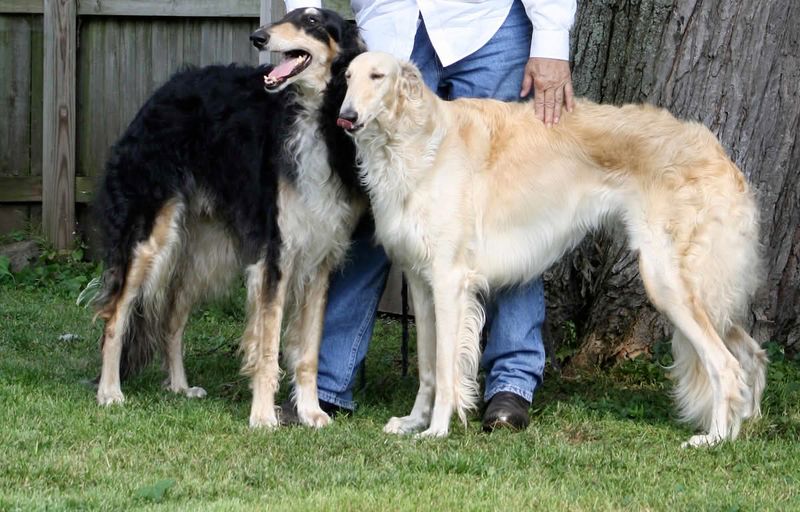
With a flowing coat and quiet eyes, the Borzoi glides through the home like a whisper. Barking is rare, though they may sigh dramatically after a long nap.
Many owners describe a polite, almost courtly way of asking for space.
Gentle walks and lure games satisfy the chase instinct without fuss. A tall fence protects wildlife and keeps everyone calm.
Provide brushing sessions with treats, plus social skills, to keep their spirit confident in places.
Japanese Chin
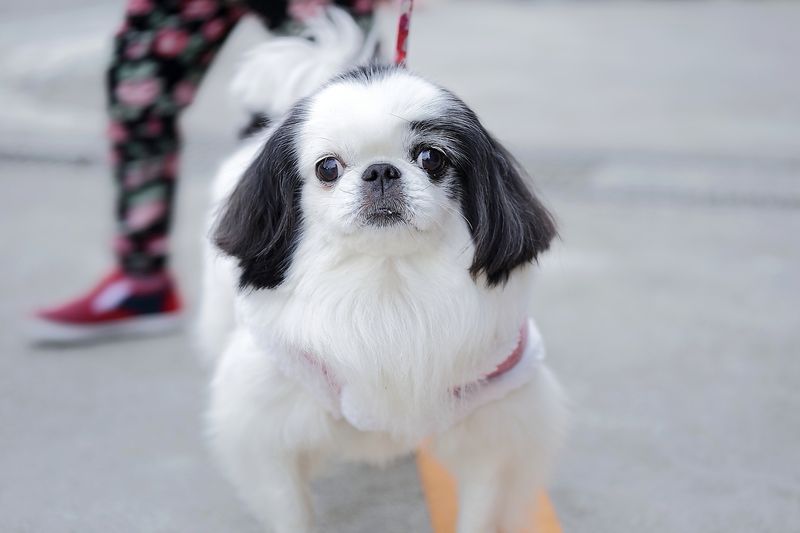
Storybook charm meets library hush with the Japanese Chin. Many communicate through expressive eyes and tiny head tilts, not with loud announcements.
Fans love their indoor manners and the way they match your mood during quiet afternoons.
Short play sessions, puzzle feeders, and laps keep them happy without extra noise. Watch for heat, keep coats tidy, and teach polite greetings for visitors.
Because they read people well, calm training and praise work, making homes sweeter.
Cavalier King Charles Spaniel

Ask one for cuddles, and a Cavalier answers with a quiet wag and warm eyes. Barking stays modest when needs are met and routines feel steady.
Many enjoy shadowing their people from room to room like silky clouds.
Daily brushing, short walks, and window watching keep spirits bright without chatter. Heart health and weight deserve attention, so schedule vet checks and measured meals.
Teach a mat cue for company, and you will have peaceful greetings.
Great Dane
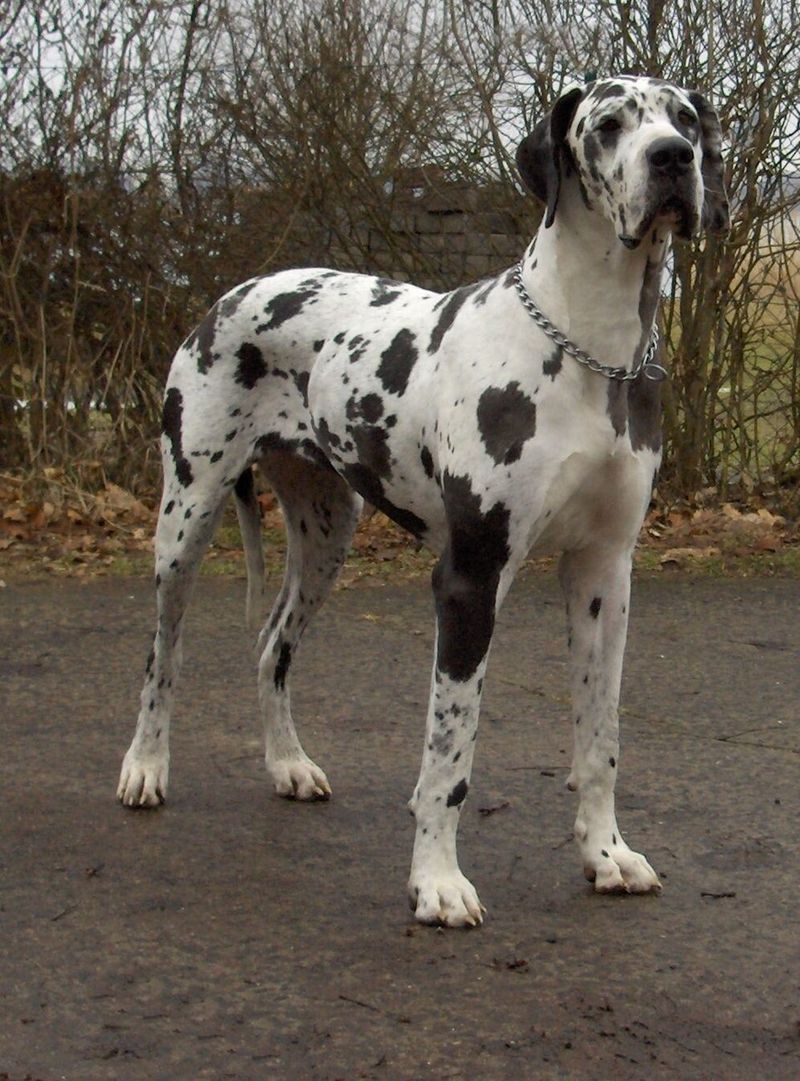
Big frame, small voice, that is the Great Dane surprise. Despite size, many are content to lounge quietly, watching the household rhythm.
A calm greeting at the door and a slow tail sweep often replace noisy alarms.
Steady routines and measured exercise support a calm attitude. Focus on early manners for size safety, like waiting at doors and walking near strollers.
Quiet time after meals helps prevent bloat risk, keeping families and dogs at ease.
Rhodesian Ridgeback
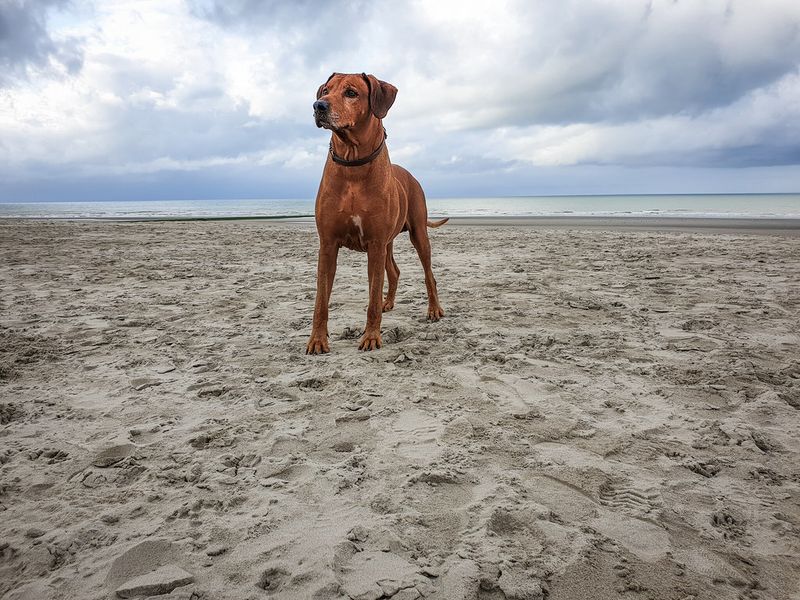
Once a hunter’s helper, the Rhodesian Ridgeback brings quiet confidence to modern homes. Many prefer to observe first, then act, which keeps barking minimal.
You will notice a thoughtful gaze and a steady pace during daily routines.
Long walks, hikes, and mental work give balance without noise. Early recall games and respectful introductions help manage prey interest and protect behavior.
Provide a cosy corner for downtime, and expect a shadow that speaks softly with presence.
Bullmastiff
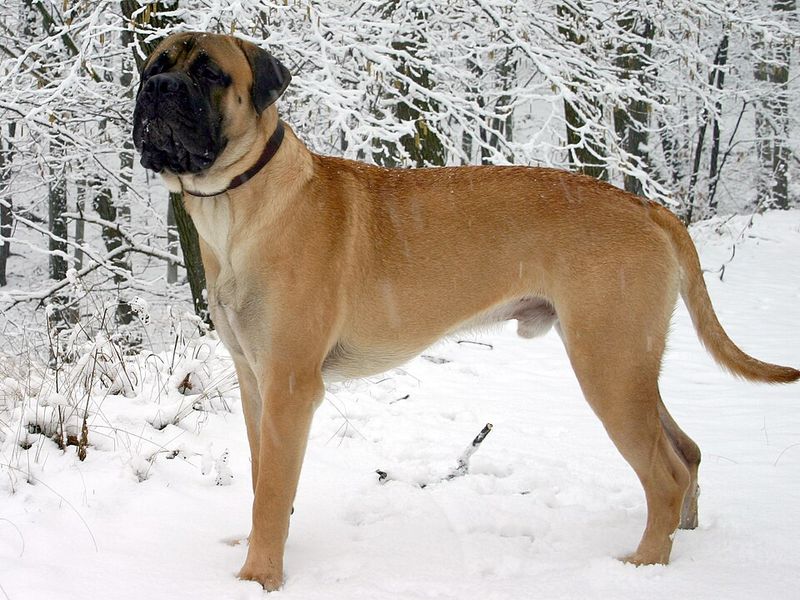
Neighbors might not notice a Bullmastiff lives next door, and that is the point. Bred to work quietly, they prefer to stand close and watch rather than bark.
Families value the calm body language and the steady heartbeat feel.
Short training bursts, clear boundaries, and solid leash skills maintain peace. Because of size, teach polite door routines and meet and greets early.
Provide durable chews, mats, and schedules to reduce noise, stress, and doorbell drama.
Shih Tzu
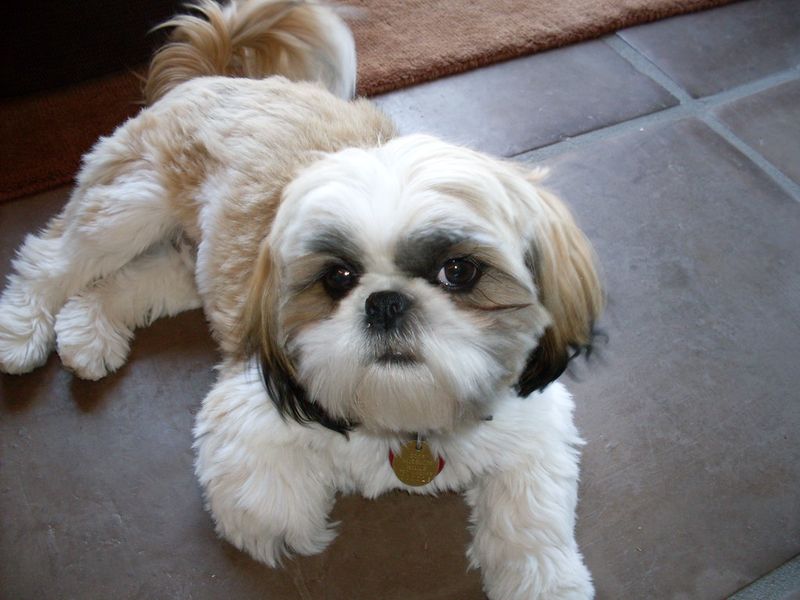
Palace roots, sofa goals, the Shih Tzu prefers close company over loud patrols. Many signal needs with soft grumbles, whisker twitches, or a tiny paw tap.
Their sunny personality shines during calm grooming time and evening TV cuddles.
Keep hair away from eyes with topknots, and use combing to prevent mats. Short walks and indoor games meet exercise without waking neighbors.
Teach wait for food bowls and door time, and the household rhythm stays sweet.
Irish Wolfhound
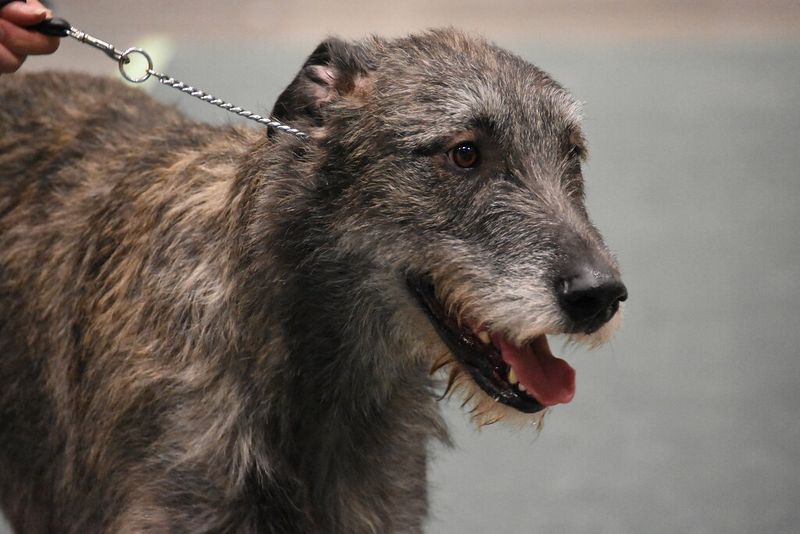
Despite towering height, the Irish Wolfhound tends to move like quiet weather. People notice kindness first, not noise, as they drift from bed to back door.
A soft head bump usually says hello better than any bark.
Gentle strolls, naps, and simple training keep their minds settled. Because joints mature slowly, avoid jumping games, and choose low impact play instead.
Neighbors rarely hear from them, especially when routines are calm and the family offers affection.