
Some dogs bark at every leaf, mail carrier, and squirrel like they are guarding a bank. Other dogs would much rather nap, sniff, play, or snuggle on the couch.
Knowing which breeds are less focused on guarding can help families pick a pet that fits their home and lifestyle. Here are some easygoing pups whose minds are usually on something other than patrol work.
Basset Hound: Nose First, Doorbell Later
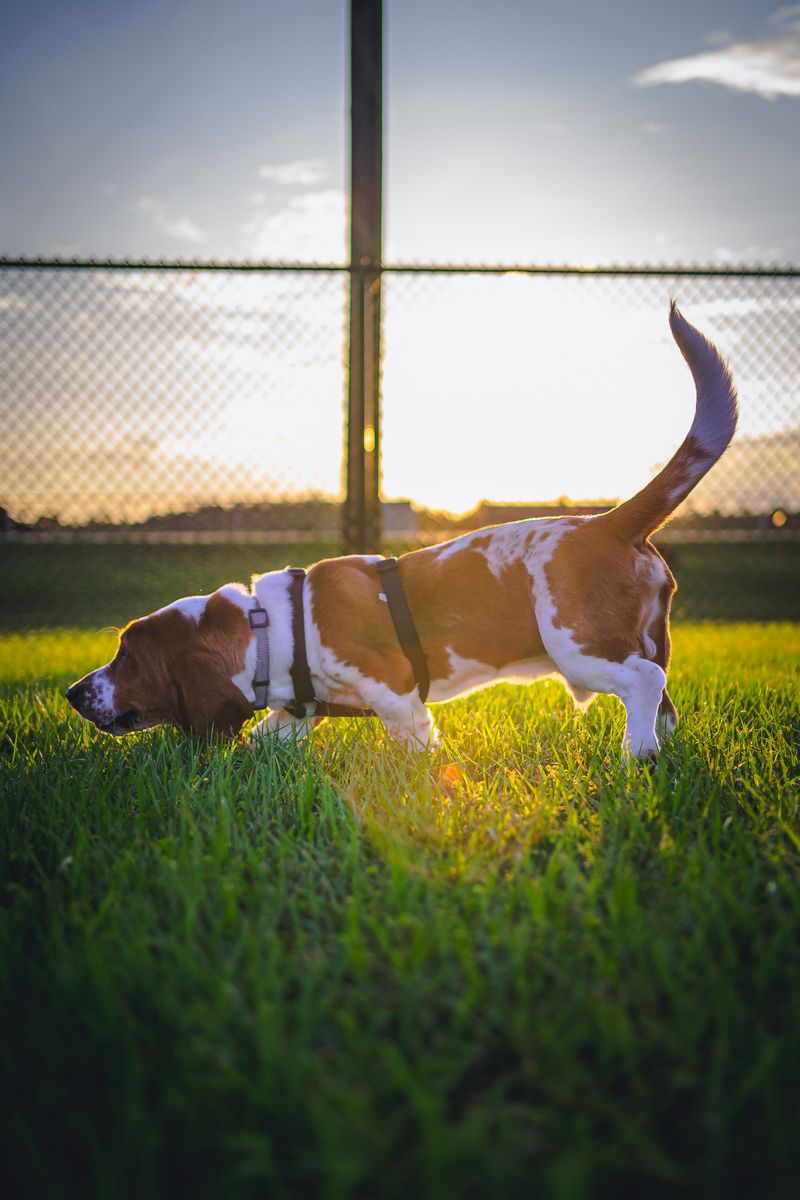
Picture a Basset Hound in the yard while a stranger walks by. Odds are good the dog will keep sniffing a patch of grass instead of looking up.
With roughly 220 million scent receptors, these short-legged hounds care far more about smells than visitors. They might let out a deep bay now and then, but it is usually about a rabbit trail.
Tip: give them daily sniff walks to keep them happy and calm.
Golden Retriever: Everyone Is a New Best Friend
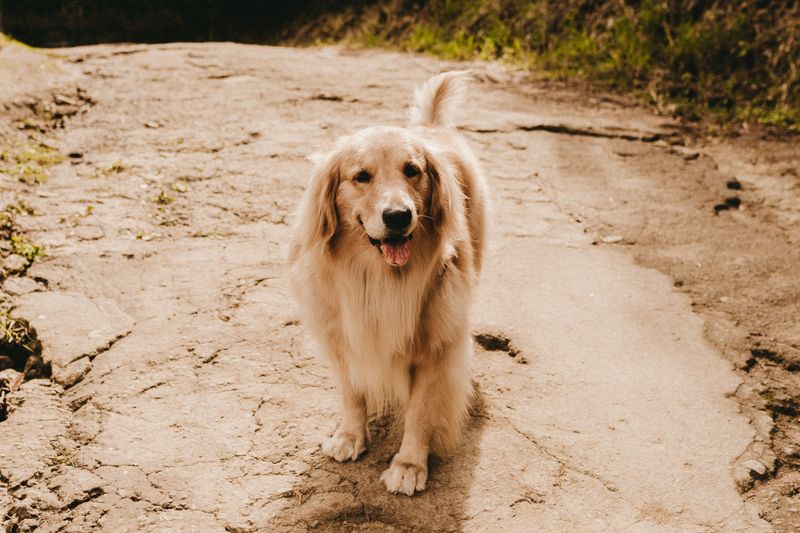
Ask any delivery driver which dog they love meeting most. Many will say the Golden Retriever, and for good reason.
Goldens tend to greet strangers with a wagging tail and maybe a tennis ball as a gift. Guarding is just not their thing.
They were bred to fetch birds for hunters, so their focus is on teamwork and fun.
Keep plenty of toys around, since that friendly mouth loves carrying things.
Bulldog: Professional Couch Tester
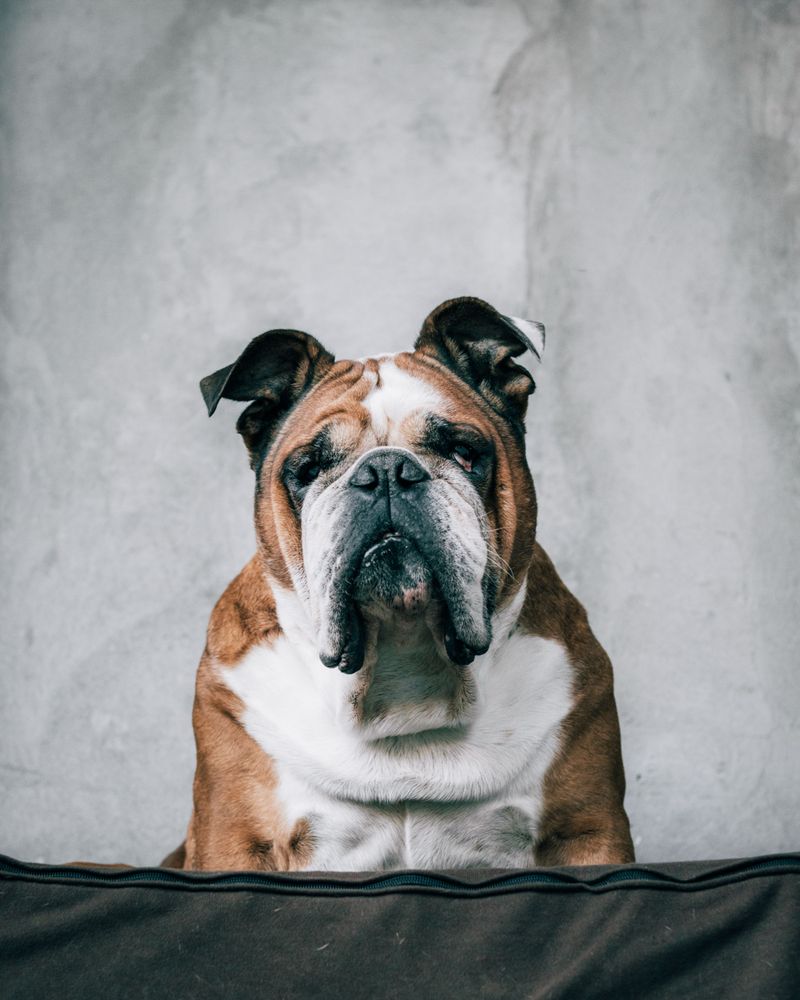
Snoring loudly on the sofa might be the English Bulldog’s favorite hobby. Despite their tough faces, most are total softies.
Bulldogs usually prefer naps over patrolling the house. Their flat faces also make heavy exercise hard, especially on hot days, so they happily save their energy.
Here is a fun fact: the Bulldog is the mascot of many schools and even the U.S. Marine Corps.
Short, cool walks keep them healthy without overheating.
Cavalier King Charles Spaniel: Lap Duty Only
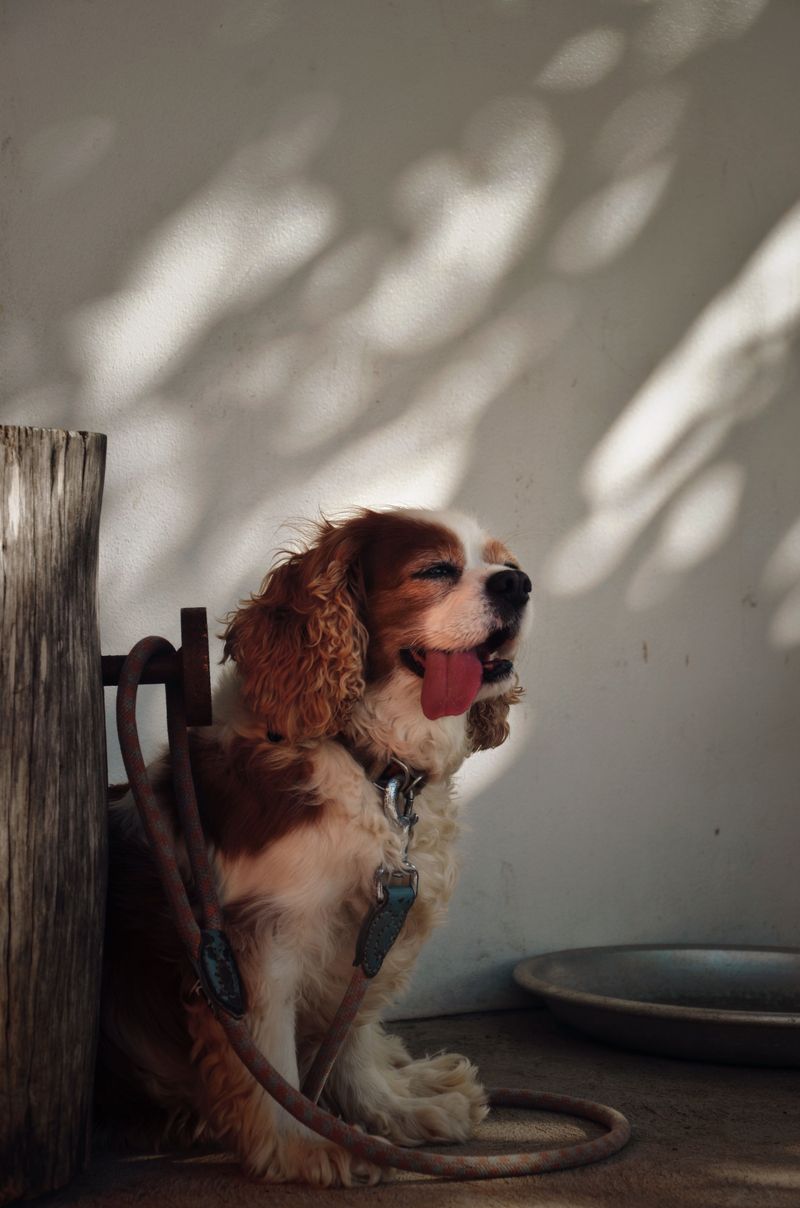
Royalty once kept these silky spaniels as warm lap companions, and the dogs never forgot their real job. Cuddling comes first.
A Cavalier might bark once when someone knocks, then trot over hoping for a pat. They bond tightly with their people and often follow them from room to room.
Because they dislike being alone, these little shadows fit best in homes where someone is around most of the day.
Greyhound: The Speedy Sleepyhead
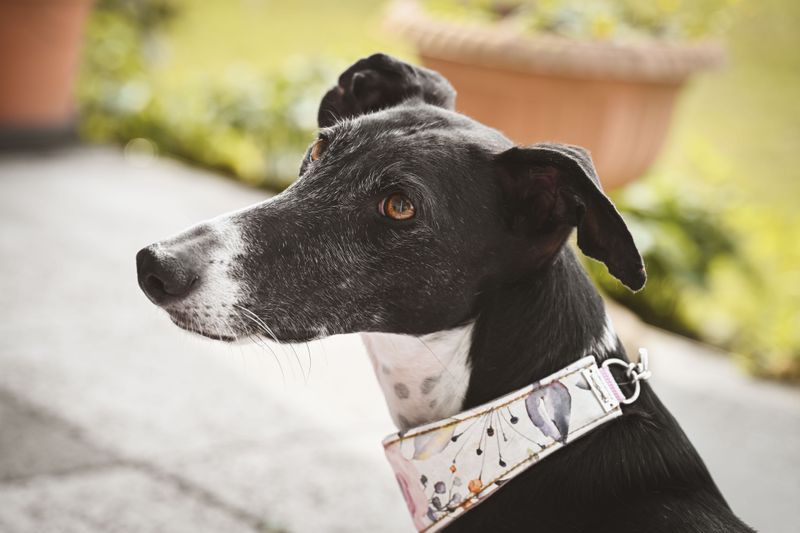
Here is a surprise. The fastest dog breed, reaching about 45 miles per hour, is often nicknamed the 40 mph couch potato.
Retired racing Greyhounds usually spend up to 18 hours a day resting. They rarely bark and seldom show interest in guarding anything except their comfy bed.
Give them a soft cushion, since their thin bodies feel hard floors. A short daily sprint in a fenced area keeps them content.
Beagle: Snack Detective on the Case
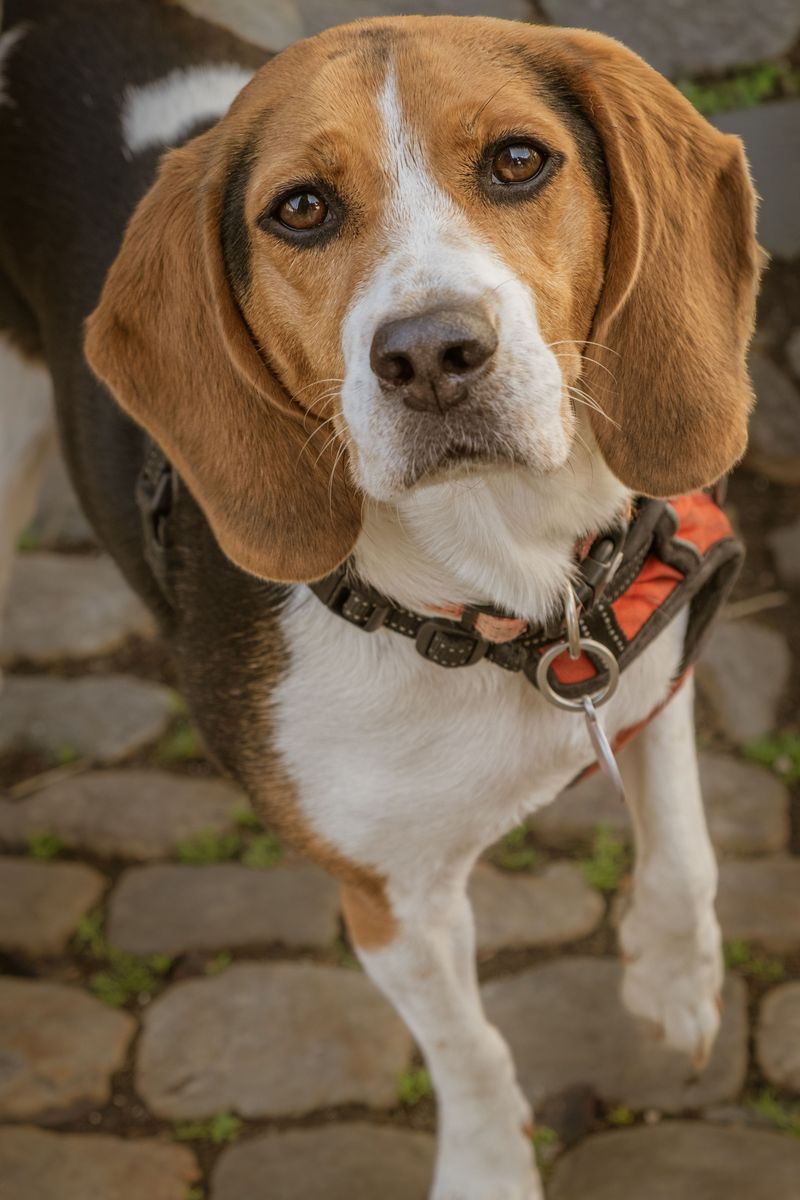
Leave a sandwich on the counter, and a Beagle will find it faster than you can say oops. Food is the mission here.
Beagles are so good at sniffing that airports use them to find hidden fruits and meats in luggage. Watching the front door?
Not really their focus.
Store snacks up high and use puzzle feeders. That way, their clever noses stay busy in a good way instead of raiding the trash.
Newfoundland: Gentle Giant, Water Lover
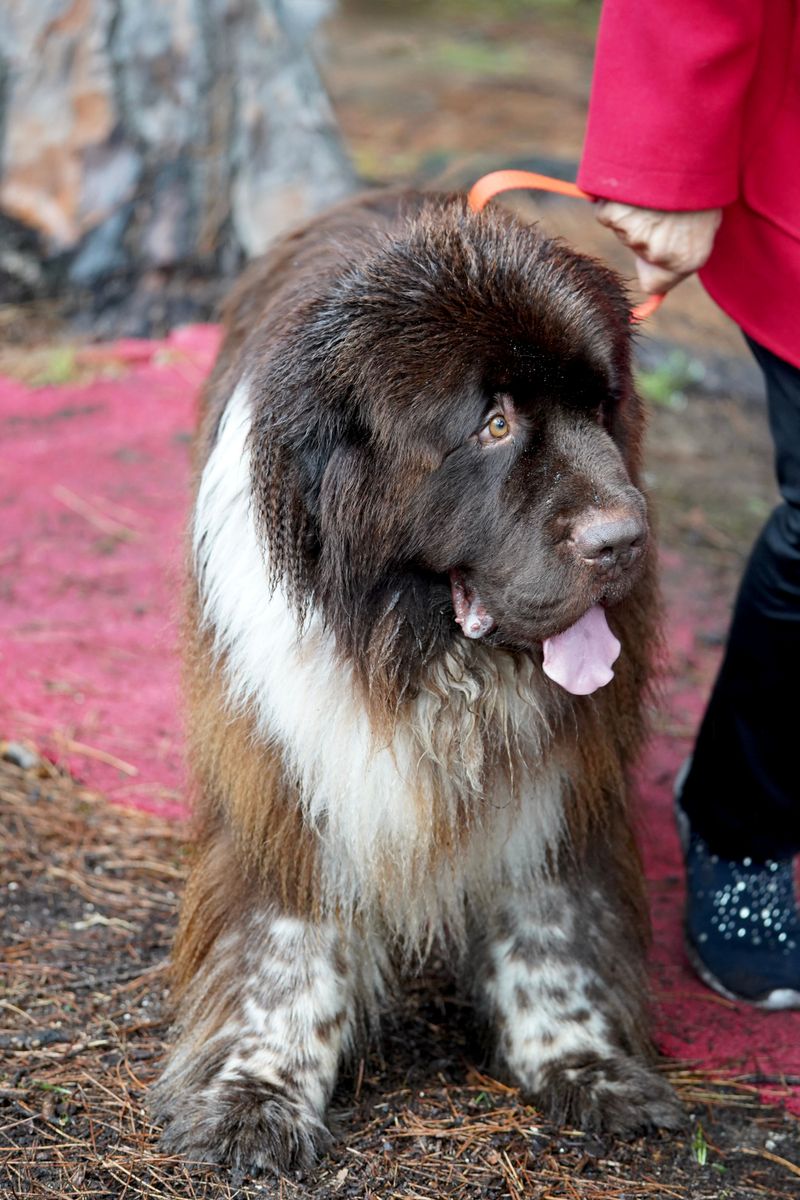
Big size can fool people. A Newfoundland may weigh over 130 pounds, yet many act like oversized teddy bears.
Instead of guarding, Newfies would rather swim. They have webbed feet and water-resistant coats, and they were once used to haul fishing nets and rescue people from cold seas.
Families should expect drool and lots of fur. A towel by the door helps, especially after a happy lake splash.
Labrador Retriever: Ball Is Life
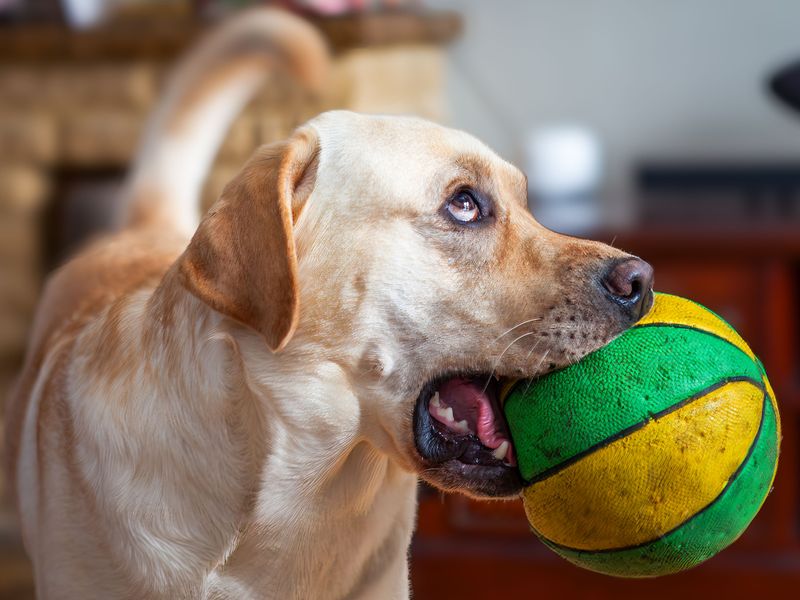
Toss a ball once, and a Lab will ask for it about two hundred more times. Playtime ranks high on their daily list.
Labs are famously friendly, which is why they often become guide and therapy dogs. A burglar might get licked rather than chased.
Did you know? Labradors actually come from Newfoundland, Canada, not Labrador.
Daily exercise, like fetch or swimming, helps keep their bouncy energy under control.
Bernese Mountain Dog: Hugs Over Barks
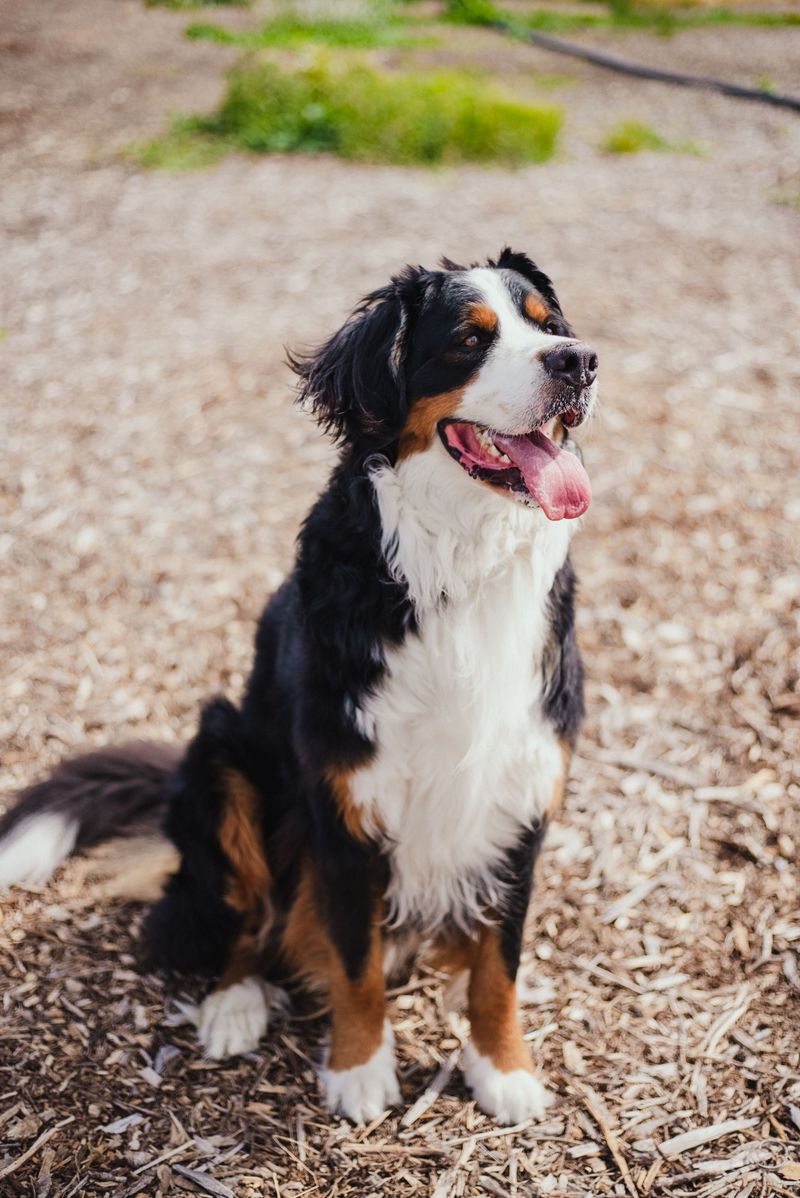
Swiss farmers once relied on these sturdy dogs to pull carts of milk and cheese. Today, many Berners mostly pull at your heart.
Bernese Mountain Dogs love leaning against their people for a big furry hug. They can be a bit shy with strangers but rarely act like strict guards.
Their thick coats love cold weather. On hot days, keep them inside with cool water and some fans.
Bichon Frise: Party Animal in a Cotton Ball
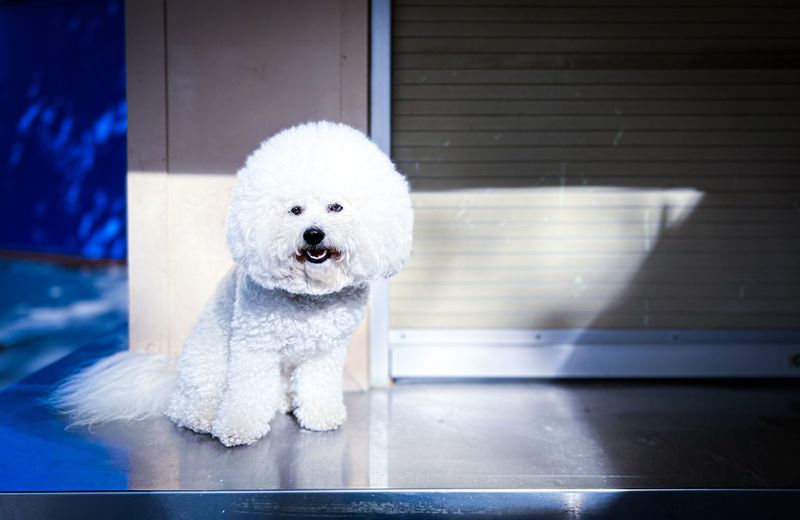
Back in the old days, Bichons performed tricks in circuses and street shows. That show-off spirit still sparkles today.
A Bichon Frise would rather do a happy spin, called the Bichon blitz, than watch the window for intruders. They love attention and usually welcome guests like party friends.
Their puffy coats grow nonstop, so plan for grooming every few weeks. Bonus: they shed very little around the house.