
Some dogs whisper, others hold full conversations, and a few practically host neighborhood announcements. If you have ever wondered which breeds fill the air with opinions, you are in the right place.
These twelve dogs are charming, expressive, and sometimes hilariously loud. Learn what sparks their voices and how to channel that energy into happy, manageable chatter.
Siberian Husky
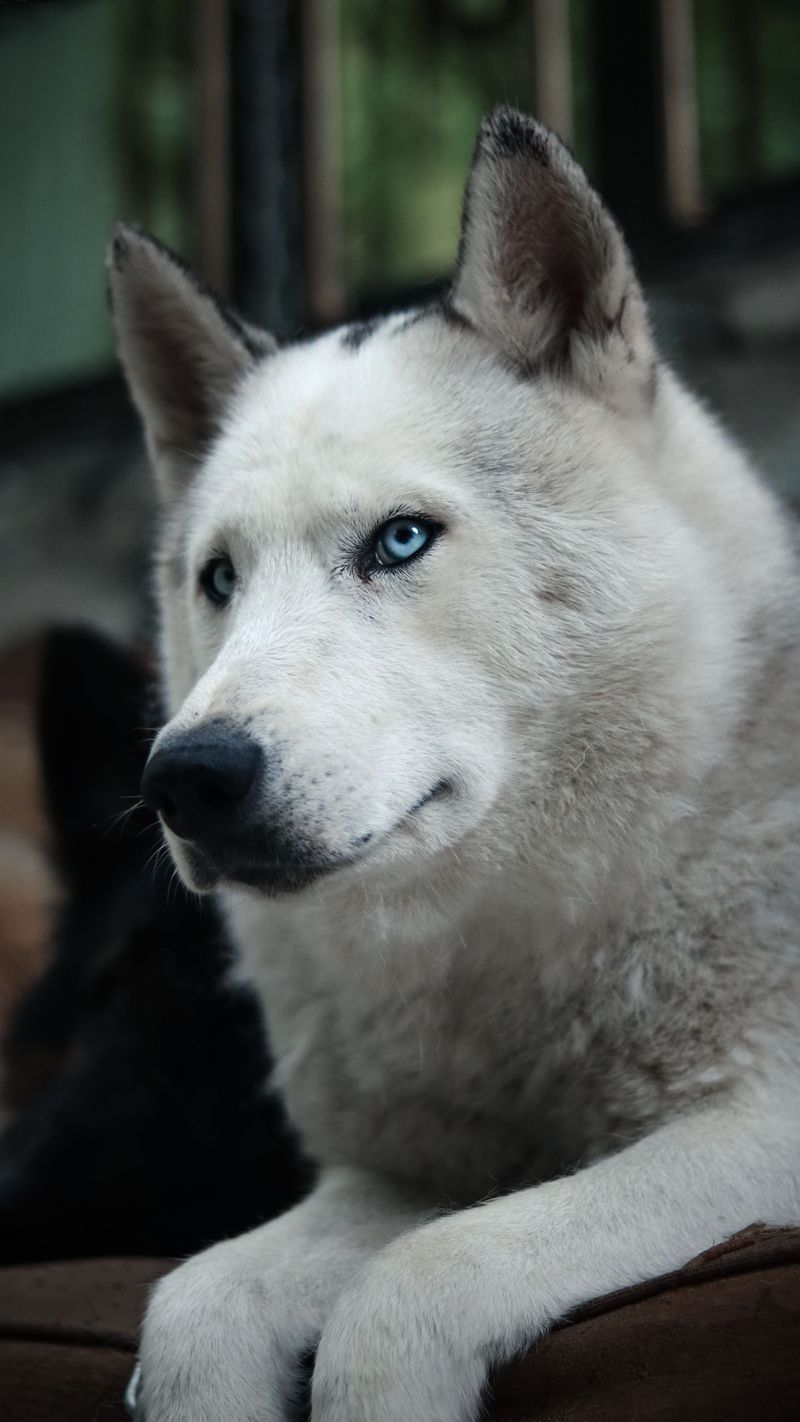
Siberian Huskies rarely just bark. They yodel, sing, and argue with enthusiasm that can surprise a quiet neighborhood.
That voice comes from pack instincts and a deep desire to chat with you about everything, especially when bored or under exercised.
Give a Husky a job and you will hear fewer protests. Daily runs, puzzle feeders, and structured training reduce operatic sessions.
Teach a reliable quiet cue, reward calm, and ignore melodrama when safe to do so.
Beagle
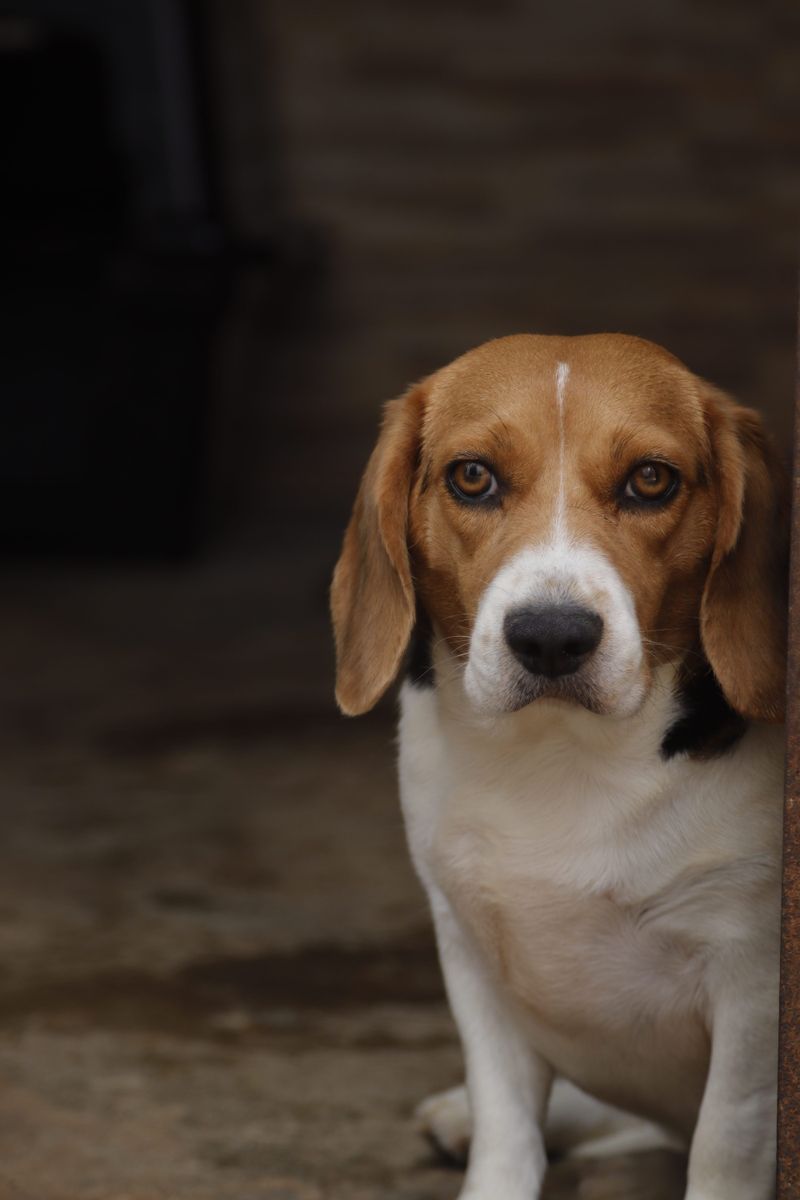
Beagles do not just bark, they bay, and that musical horn carries. Scent hounds announce discoveries, call the team, and celebrate the chase.
In suburbia, that becomes an unsolicited soundtrack when squirrels appear or delivery trucks rumble by.
Channel the nose to quiet the voice. Scent games, long sniffy walks, and food puzzles satisfy instincts and reduce vocal bursts.
Practice calm greetings, reinforce a strong recall, and provide predictable schedules so your Beagle can relax instead of narrate everything.
Bloodhound
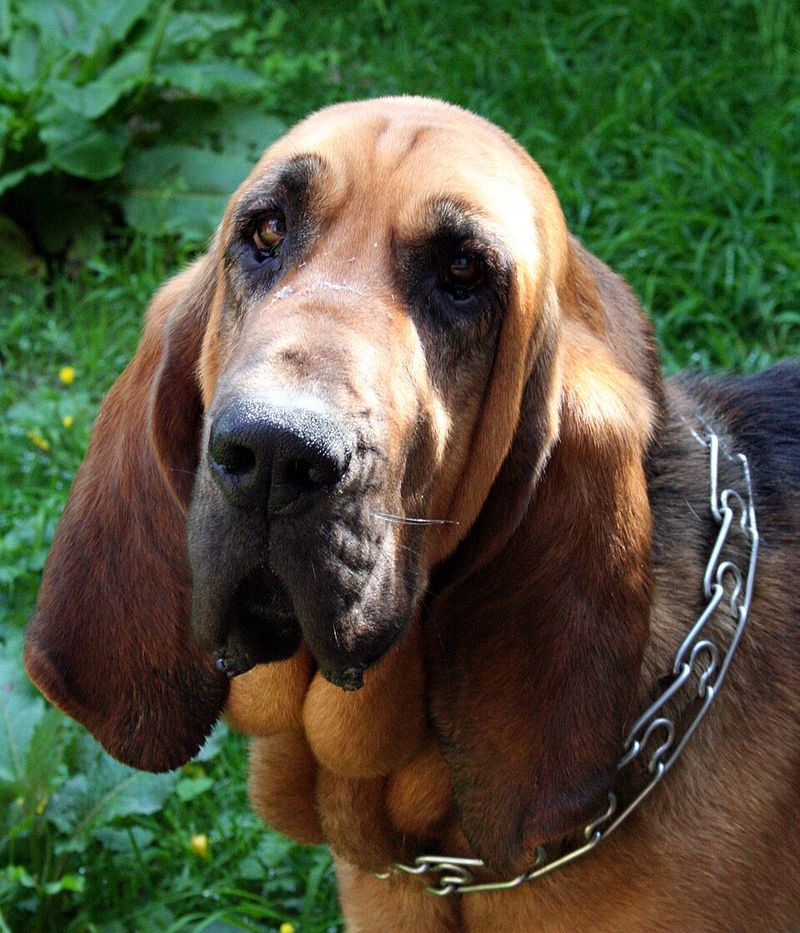
Bloodhounds possess thunderous voices designed to travel across fields. That booming bay is purposeful, alerting handlers during long tracking work.
At home, it can echo through walls when a scent trail teases their legendary noses.
Give those senses a mission. Organize tracking games, hidden treat trails, and calm decompression walks to lower arousal.
Train a go settle cue, reinforce moments of silence, and manage triggers with curtains, white noise, and strategic routines that keep curiosity satisfied without constant announcements.
Basset Hound
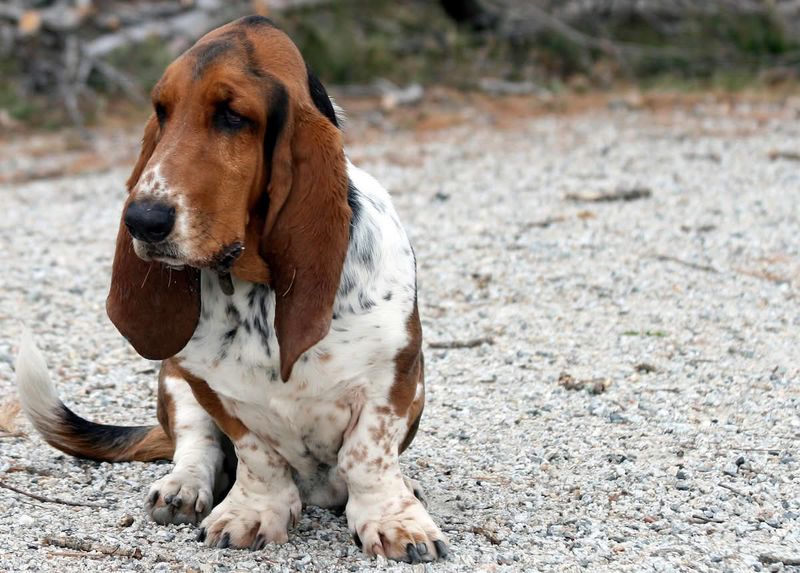
Basset Hounds look sleepy, yet their voices are anything but. Deep chests and hound heritage power impressive bays that roll like thunder.
They speak when excited, following scents, or rallying household members for snacks and strolls.
Help your Basset succeed with routine nose work and gentle exercise. Scatter feeding, snuffle mats, and mellow hikes take the edge off vocal urges.
Reward quiet lounging, teach a place cue, and keep windows managed so every passing scent does not become a loud announcement to the block.
Boxer
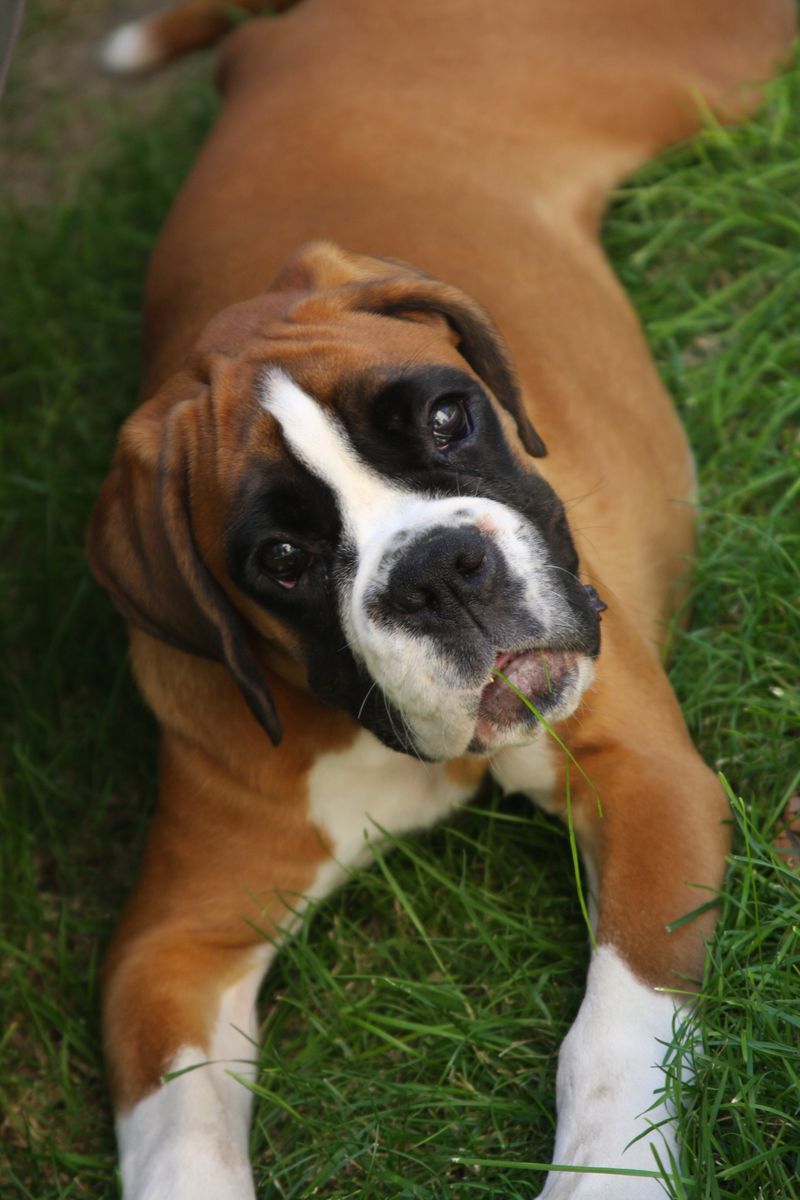
Boxers are exuberant storytellers. Many vocalize during play, frustration, and greetings, adding grumbles and woofs to their clownish body language.
When under exercised, that sound track becomes louder and more frequent.
Give your Boxer outlets for energy and thought. Short training bursts, flirt pole games, and structured fetch sharpen focus while tiring the body.
Reinforce sit for attention, reward quiet seconds, and plan daily cardio so barking feels unnecessary instead of irresistible.
Jack Russell Terrier
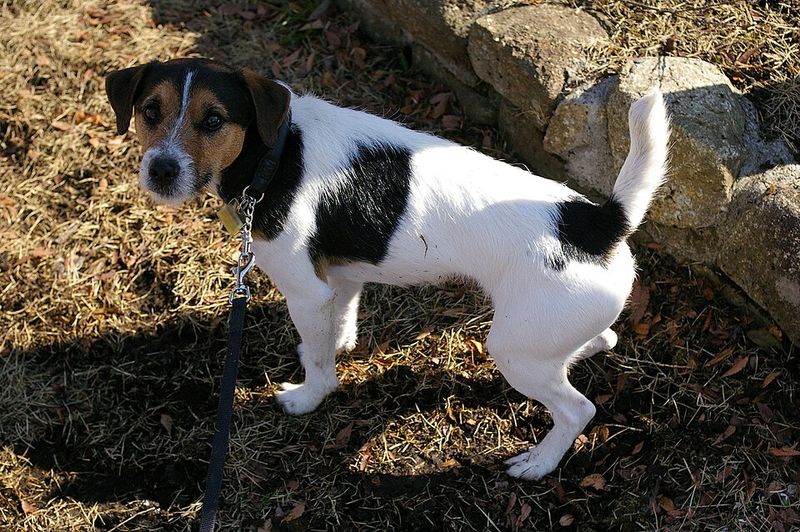
Jack Russells are tiny dynamos with megaphones. Bred to work underground and alert handlers, they broadcast opinions about movement, boredom, and critters.
Without a job, they invent one, then narrate it loudly.
Structure is your friend. Daily agility, trick training, and scent puzzles convert fizz into focus.
Reinforce quiet with rapid rewards, rotate enrichment toys, and give predictable rest periods so arousal can drop. Teach engage-disengage around wildlife, and you will hear fewer perimeter announcements.
Miniature Schnauzer
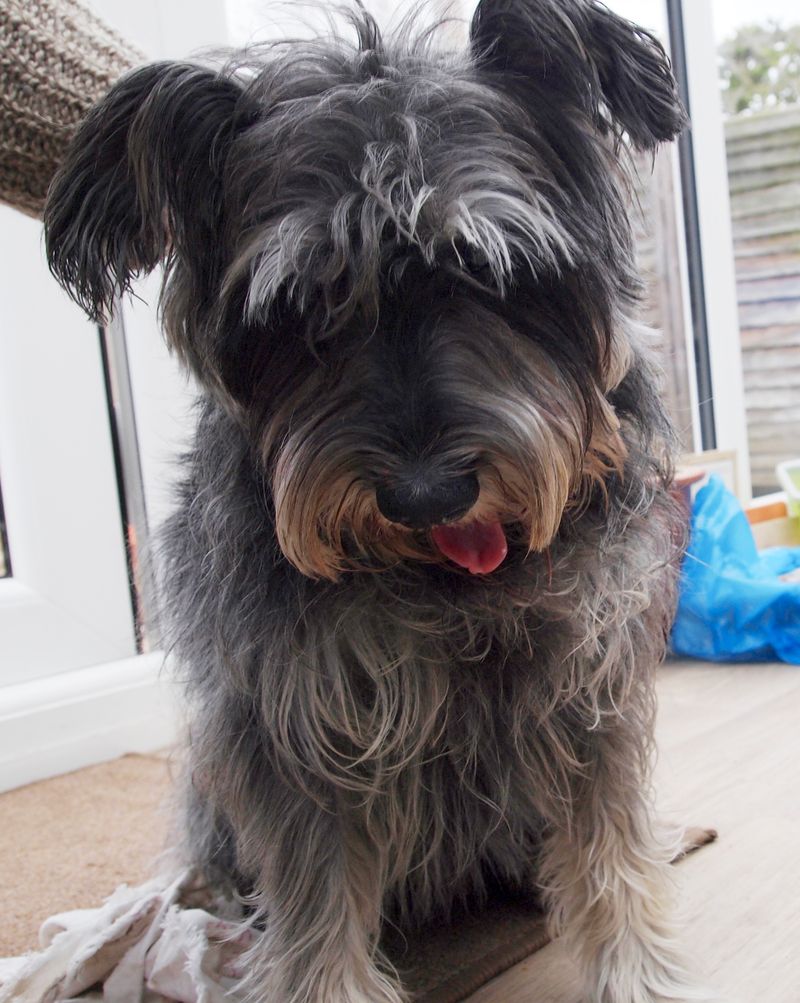
Miniature Schnauzers have watchdog hearts and quick triggers. They are brilliant at noticing everything and telling you immediately.
Doorbells, footsteps, and elevator dings can all invite brisk commentary.
Teach alternative behaviors. A go to mat cue near the door, paired with quiet rewards, builds new habits fast.
Add routine sniff walks, grooming sessions, and gentle brain games to drain energy. Manage sightlines with window film and relax with predictable visitors schedules so surprise noises do not spark a chorus.
Chihuahua
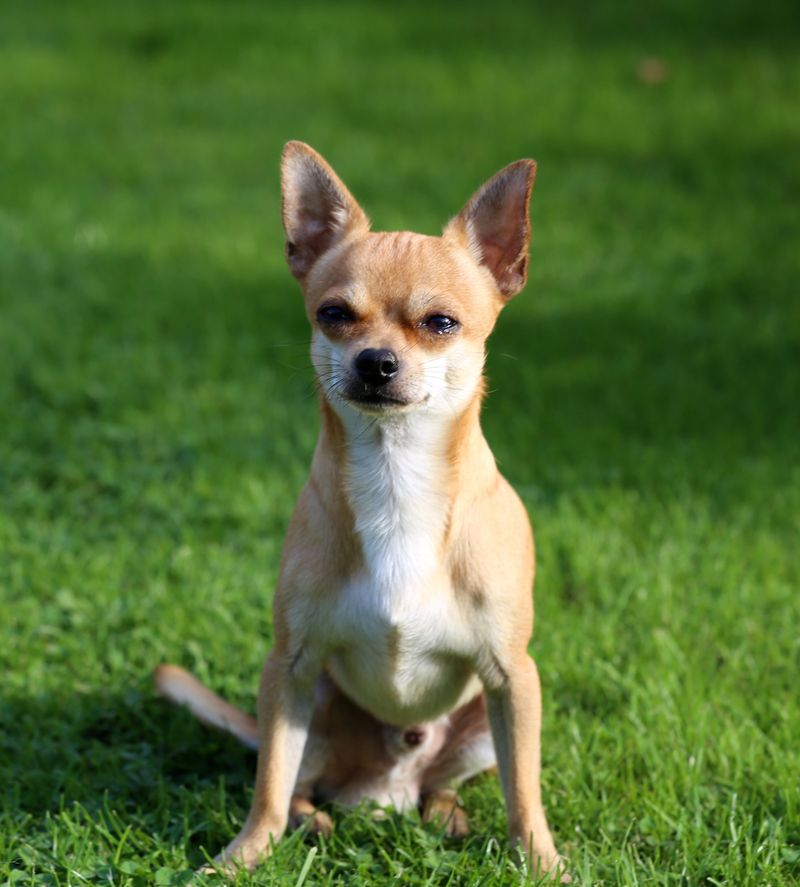
Chihuahuas are small guardians with big opinions. Their alerts often come from feeling unsure about fast approaches or looming shapes.
Elevation, like perching on a couch, can increase confidence and reduce rapid-fire yaps.
Use gentle socialization and clear routines. Reward quiet while visitors settle, and provide cozy dens where your dog can retreat.
Teach hand-targeting to redirect focus, and block intense views with frosted film. Short training games sprinkled through the day keep brains busy and voices softer.
Dachshund
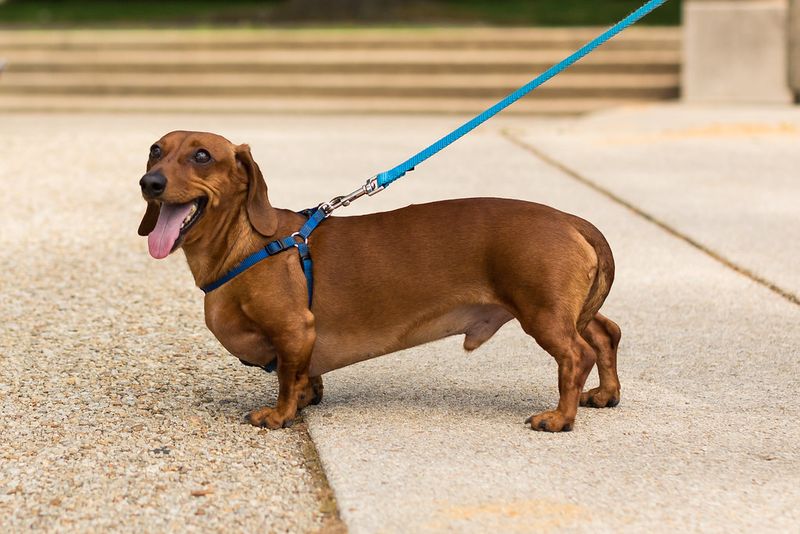
Dachshunds were designed to announce and pursue. That heritage shows up as sharp alerts at doors, fences, and rustling hedges.
Their persistence is admirable, but it can overwhelm apartments and patient neighbors.
Give them missions to satisfy drive. Nose work, dig boxes, and controlled fetch help release steam.
Train a watch me cue, mark moments of silence, and offer chew sessions for decompression. With consistent routines and early redirection, your Doxie can keep the charm while dialing down the decibels.
Yorkshire Terrier
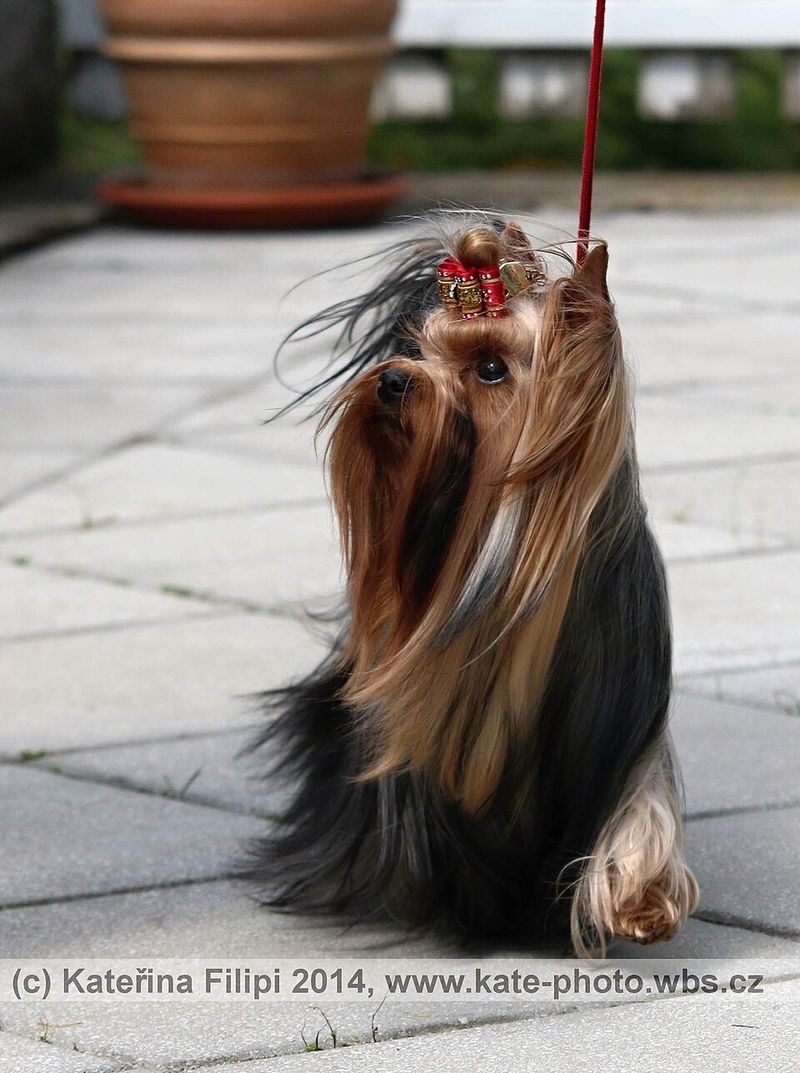
Yorkies are courageous pocket protectors. They notice everything and prefer to narrate it with quick, high barks.
Without structure, that vigilance becomes a hobby that fills your day.
Build calm as a skill. Practice place training near windows, feed meals in puzzle toys, and reward quiet during routine noises.
Use gentle desensitization to doorbells and hallway traffic. Consistency teaches your Yorkie that not every sound requires a press conference.
Coonhound
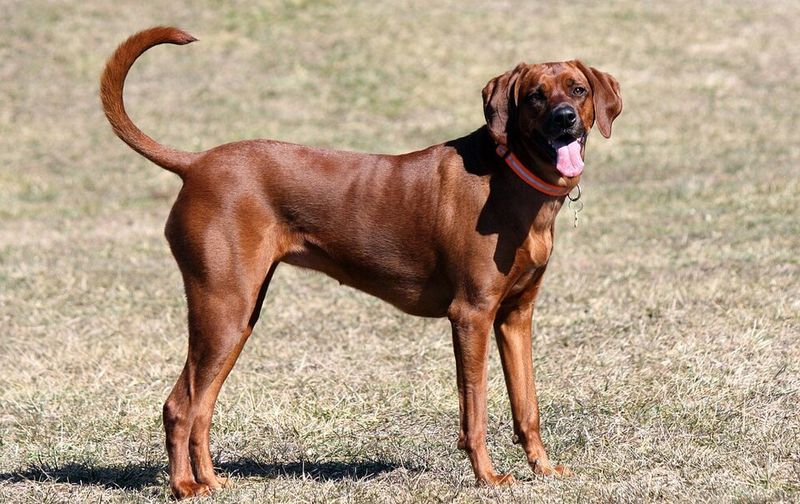
Coonhounds carry voices built for distance. Their bays are beautiful in the woods and extremely noticeable on quiet streets.
Triggers often include wildlife, boredom, and evening energy spikes.
Meet needs before noise arrives. Long sniffy hikes, tracking games, and structured downtime reduce pressure.
Train settle on leash, reward quiet during porch time, and manage wildlife views with privacy fencing or landscaping. Aim for predictable routines so your hound can relax instead of hosting nightly concerts.
Samoyed
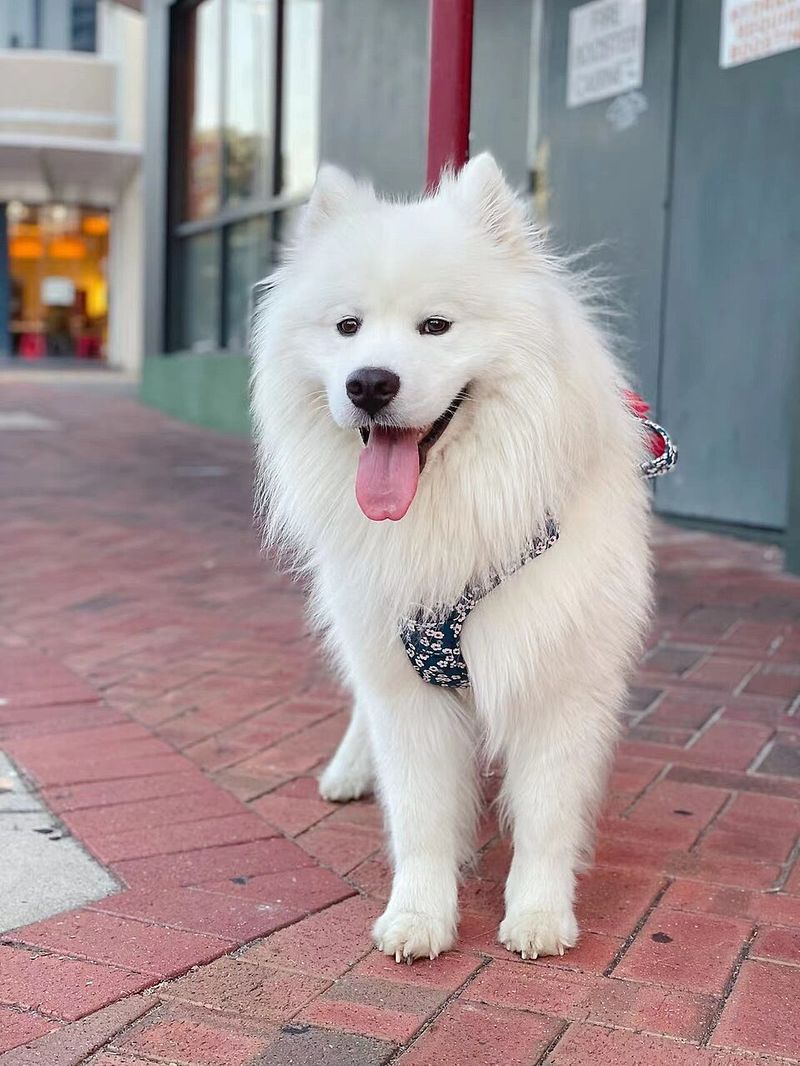
Samoyeds are joyful conversationalists. That famous smile often comes with friendly barks and playful woo-woo chats.
Under stimulated, they grow vocal while inventing snowless sled jobs inside your home.
Focus on enrichment and calm skills. Give daily aerobic exercise, chewy outlets, and trick training to tire brain and body.
Reinforce quiet during greetings, and schedule cool-down periods after play. With structure and patience, your Sammy keeps the sparkle while turning the volume knob to neighbor-friendly.