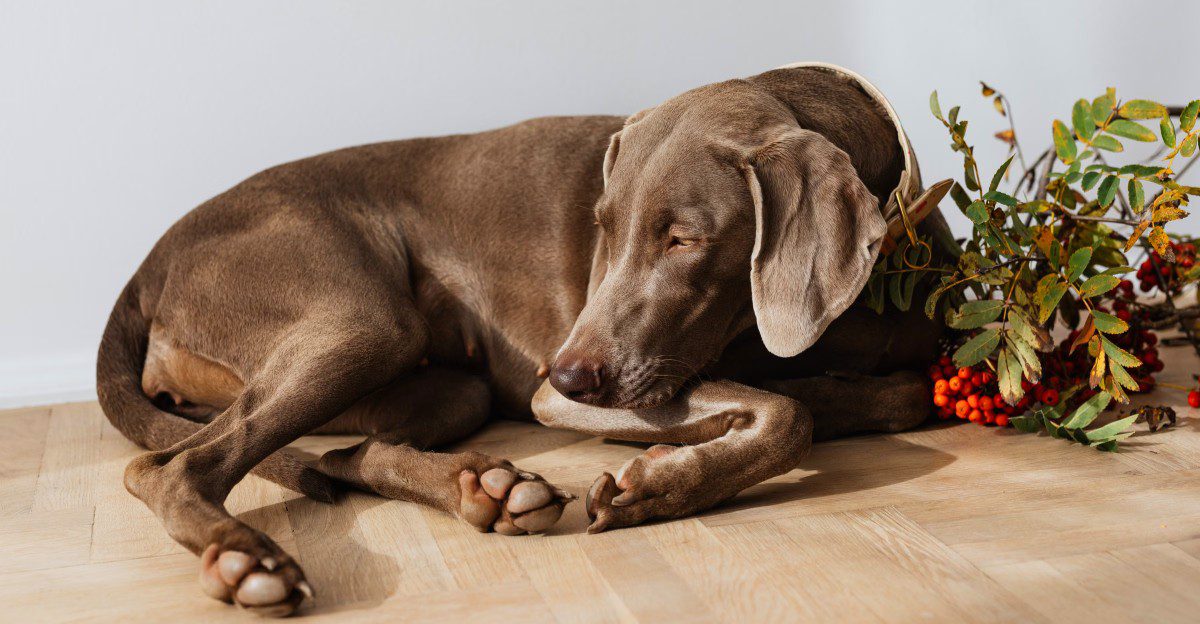
Cats and dogs can be wonderful housemates, but some pairings take extra care. Breed instincts matter because they influence chasing, guarding, and how pets handle stress.
With smart training and thoughtful setups, many homes find a peaceful rhythm. If you know the challenges ahead, you can plan for success and keep everyone safe.
Siberian Husky
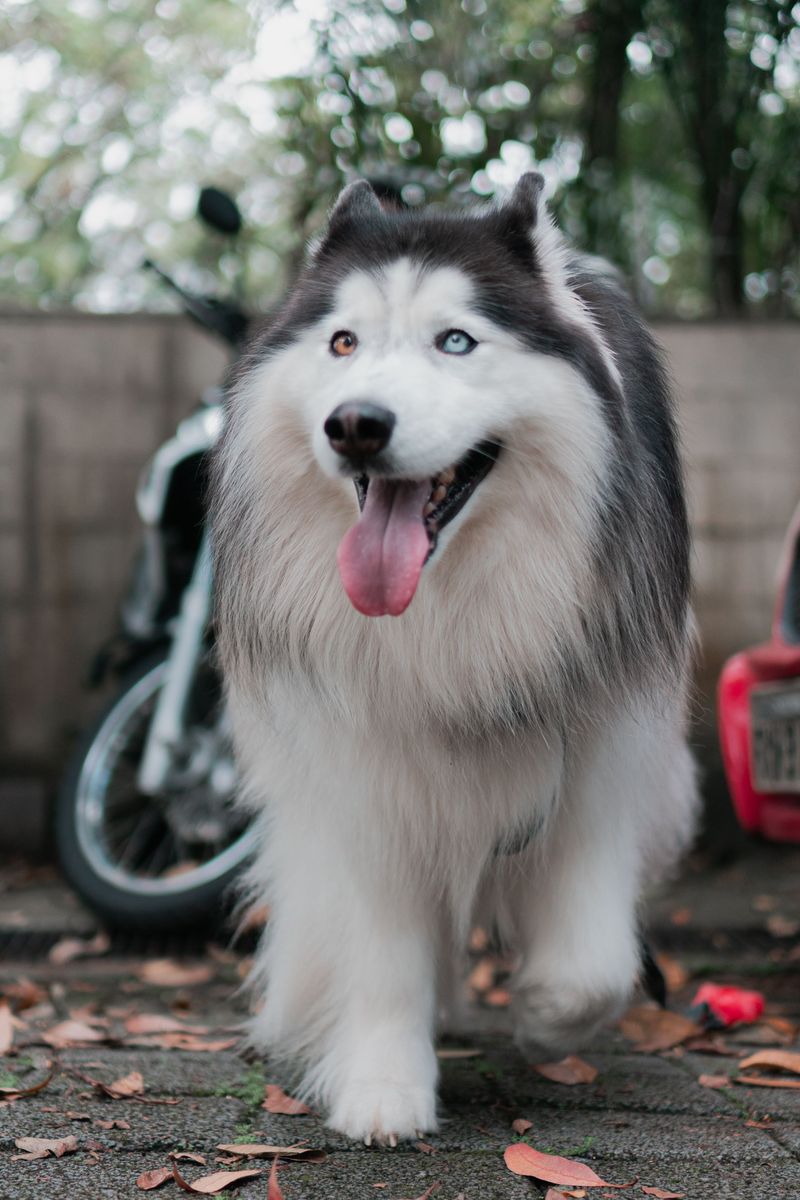
Blue eyes and a playful grin can hide a strong prey drive. Many Huskies see small, fast animals as chase toys, which can worry shy cats.
Early training and steady structure help more than wishful thinking.
Use baby gates, leashes, and calm introductions. Tire the Husky with long runs or sled-like workouts so curiosity softens.
Reward quiet, slow behavior near the cat. Some pairs thrive, but constant management keeps peace.
Supervision matters during playful bursts.
Jack Russell Terrier
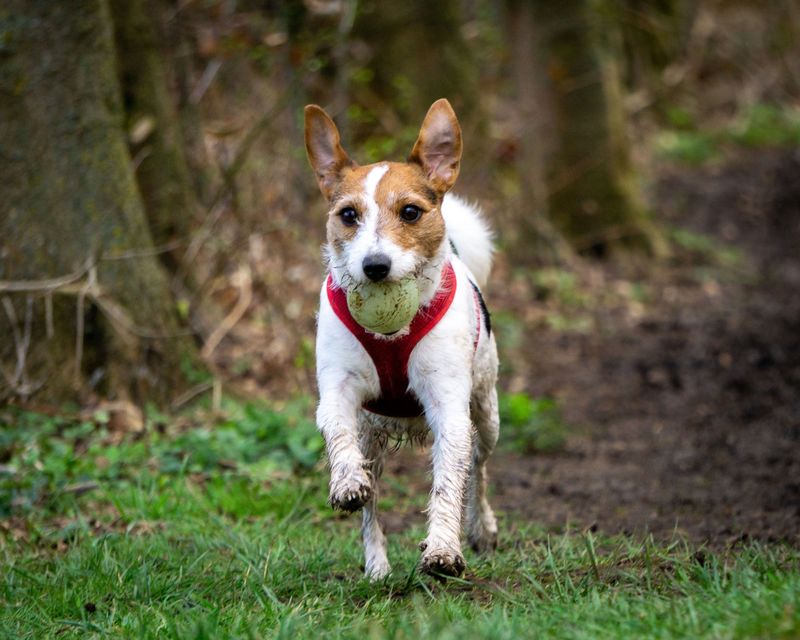
Energy on tiny springs, that is the Jack Russell vibe. Bred for fox work, many keep a sharp eye for movement and may pester cats.
Still, boundaries and brain games can channel that spark into polite manners.
Plan daily fetch, sniff walks, and puzzle feeders. Teach settle on a mat while the cat roams.
Use tethers at first, then short, positive visits. Praise curiosity without lunging.
Progress happens, just at a zippy pace. With patience.
Alaskan Malamute
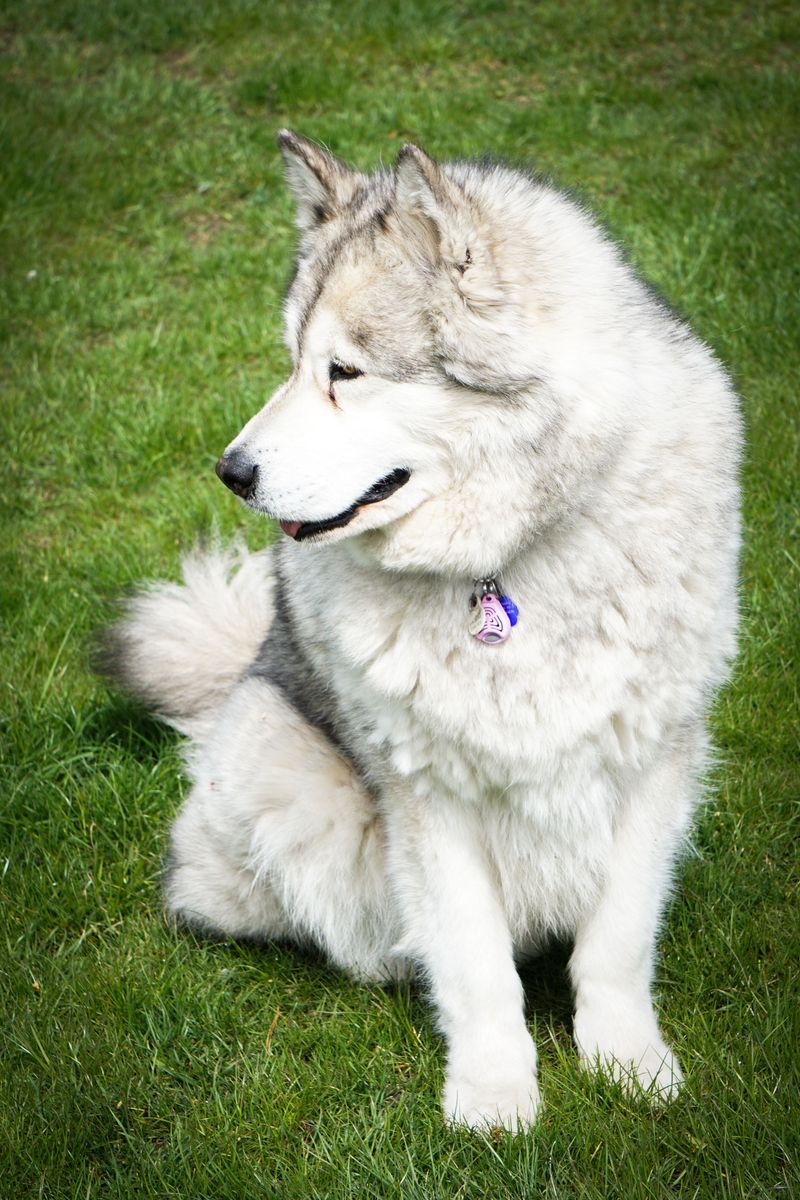
Snow-loving strength comes with powerful instincts. Many Malamutes have a history of independent work and can view small pets as prey, not pals.
Careful supervision and strict routines are your best tools.
Give heavy exercise, pulling carts or wearing a weighted backpack. Practice impulse control around doors and food bowls.
Start scent sharing between pets before face-to-face meetings. Reward calm glances at the cat.
If tension rises, back up a step. Safety wins every time.
Shiba Inu
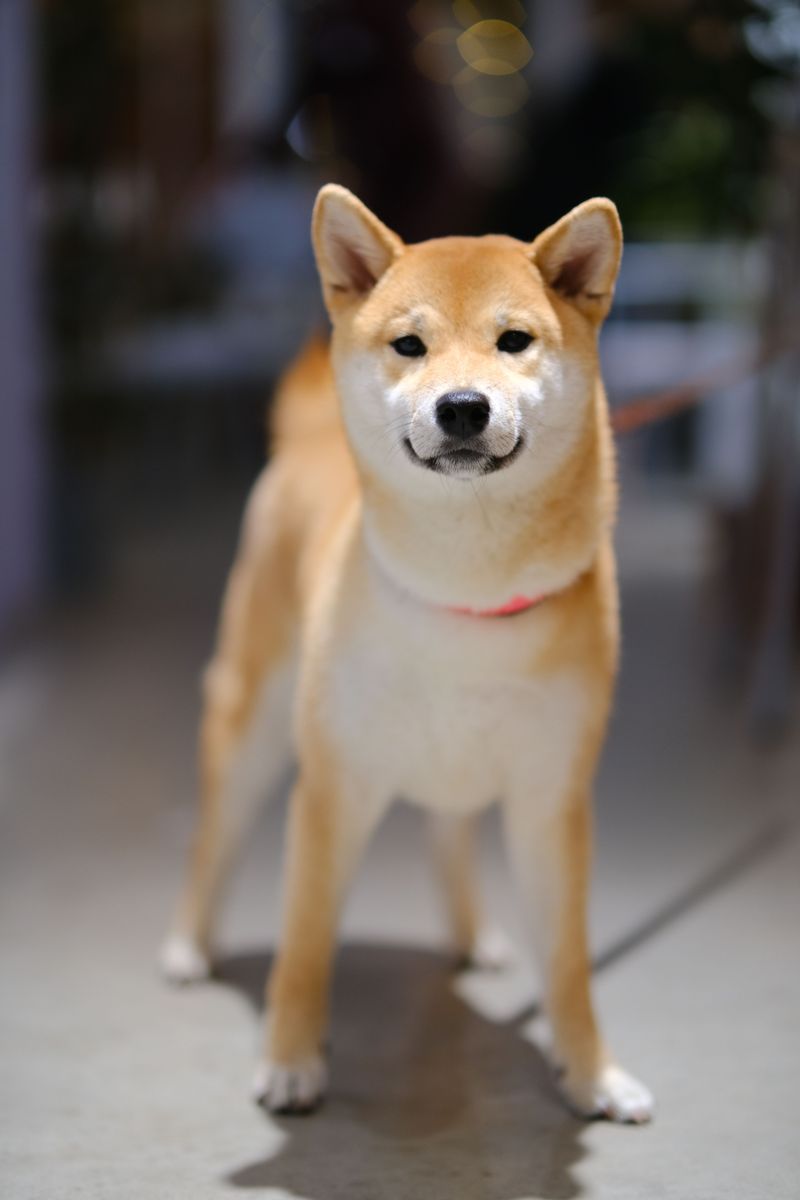
A foxlike smile can charm you, while a cat might not be impressed. Shibas enjoy doing things their own way and often dislike rude approaches, from anyone.
That independent streak can frustrate cats who value space.
Use parallel play, like training the dog while the cat snacks nearby. Keep greetings brief and low key.
Teach reliable recall and leave-it. Give vertical perches for feline escapes.
With routines and calm energy, harmony feels possible. Over time.
Akita
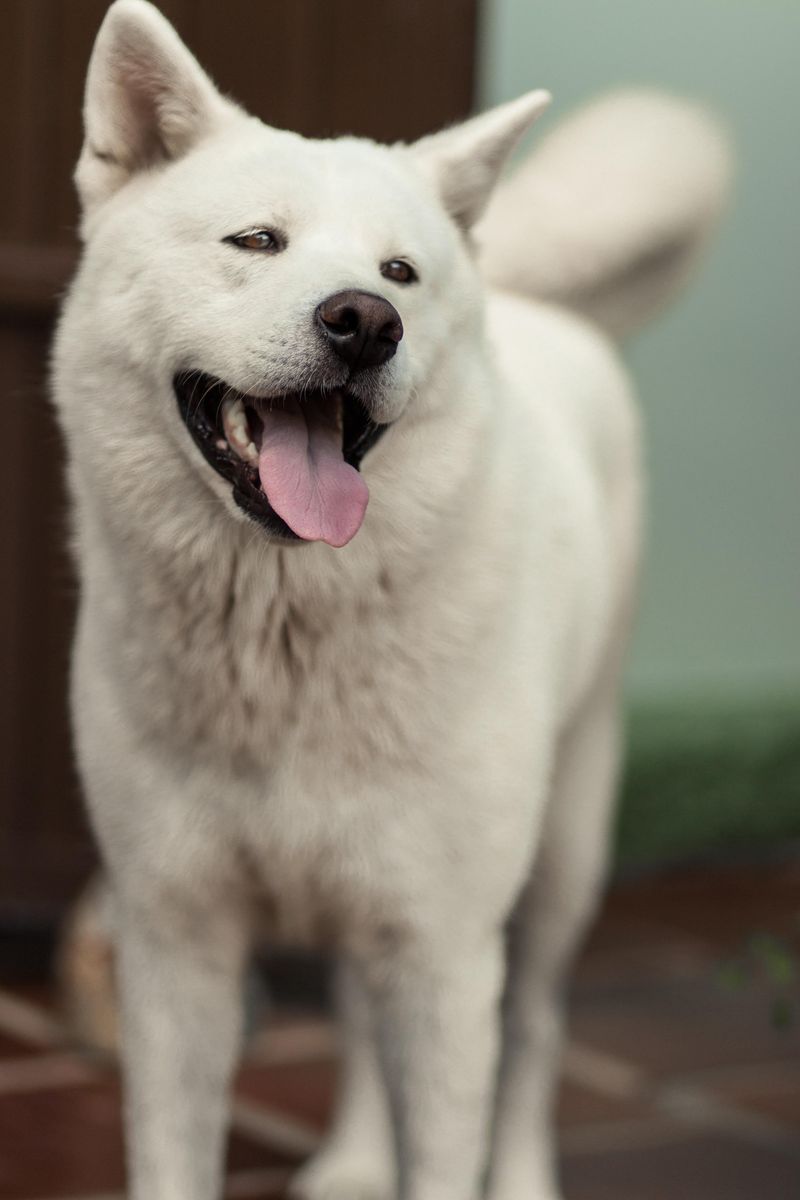
Quiet dignity can mask a serious hunter. Many Akitas are confident and bold, which can unsettle a timid cat.
Strong leadership and a clear structure lower risks and reduce pushy moments.
Prioritize obedience, especially stay, place, and leash manners. Exercise body and mind with tracking games and nose work.
Start introductions through a baby gate, trading treats for calm looks. If guarding starts, redirect early.
Keep sessions short, end on success, and protect everyone involved.
Greyhound
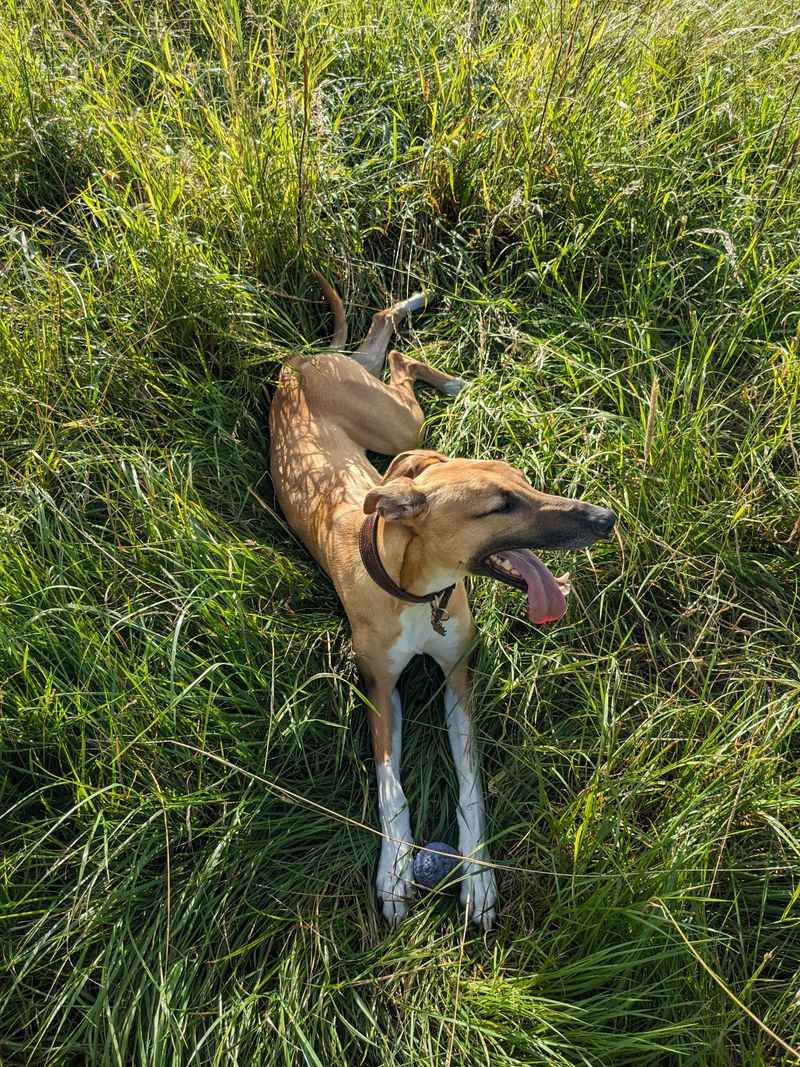
Track stars at heart, many retired racers have seen cats only as lures. Some learn house rules quickly, while others need layered safety plans.
Muzzles and leashes during early meetups are smart, not mean.
Give soft beds and quiet corners to lower arousal. Use slow, staged greetings with firm sit-stays.
Encourage nose boops through a gate, then build duration. Reward stillness around fast feline zooms.
Many households succeed when speed is managed and rest is prioritized.
Weimaraner
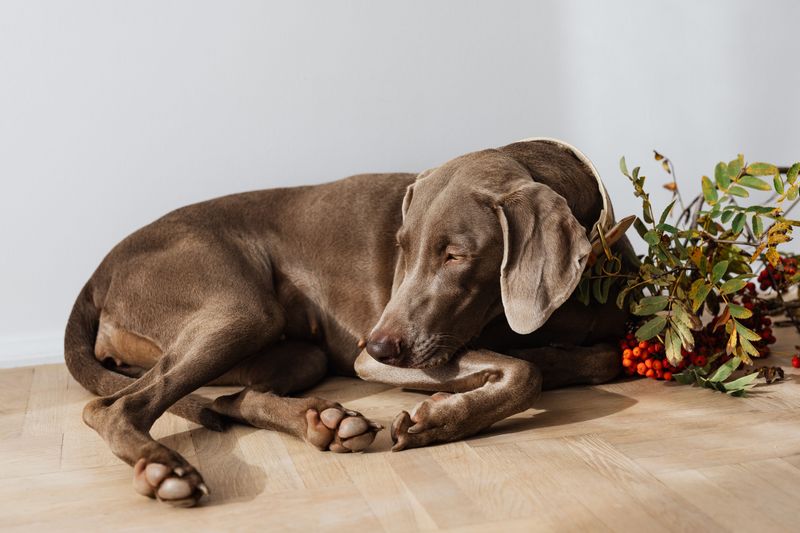
Silver ghosts love shadowing their people, which can crowd a cat. High energy and birdy instincts may spark chasey moments indoors.
With planning and patience, that intensity can shift into respectful coexistence.
Schedule long hikes, field games, and steadiness drills. Teach place near the couch, so the cat can pass without fuss.
Rotate chew projects after workouts. Reward eye contact and slow breaths around the cat.
Structure replaces chaos, and confidence grows on both sides.
Rhodesian Ridgeback
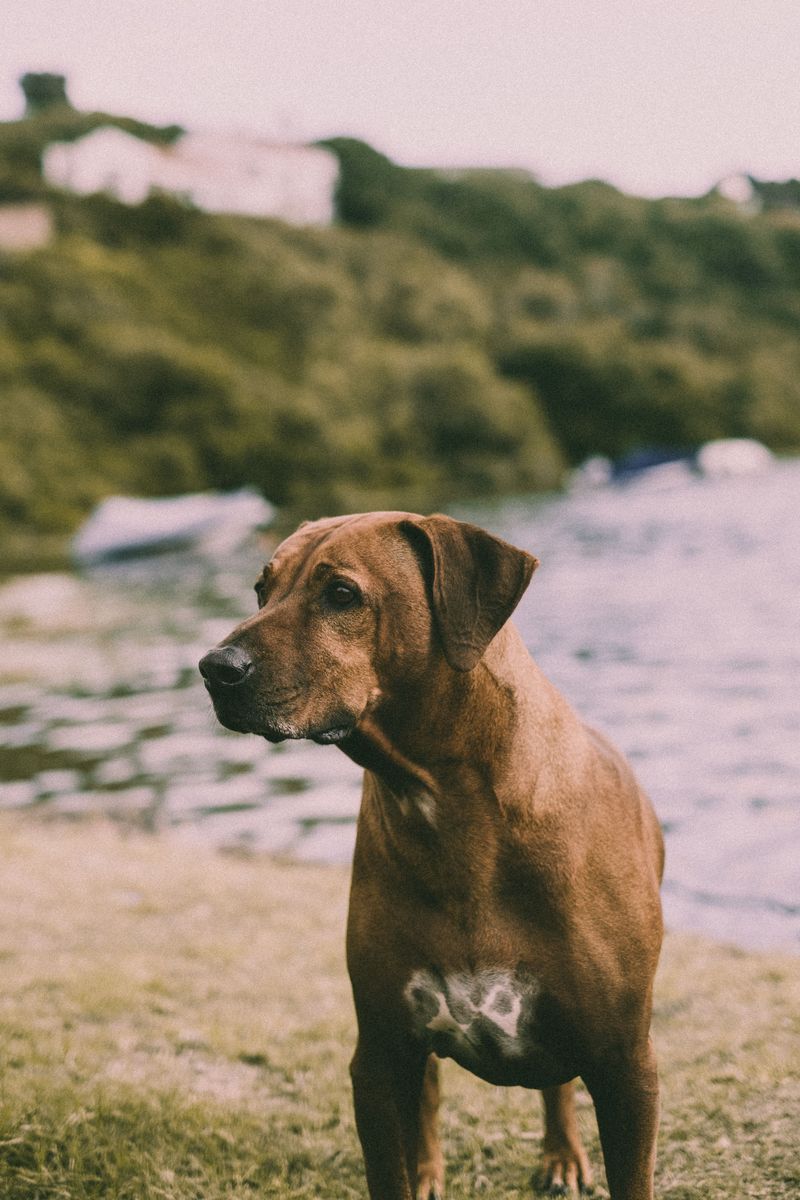
Born to track lions, the Ridgeback carries serious focus. That drive can turn a sprinting cat into a moving target.
Yet many are sensitive and responsive with fair guidance and enough action.
Plan off-leash runs in safe areas or use flirt poles for big play. Practice drop-it and check-ins.
Start with leash and gate setups, then graduate slowly. Feed meals near each other with calm space between.
When needs are met, harmony feels realistic, not lucky.
Dachshund
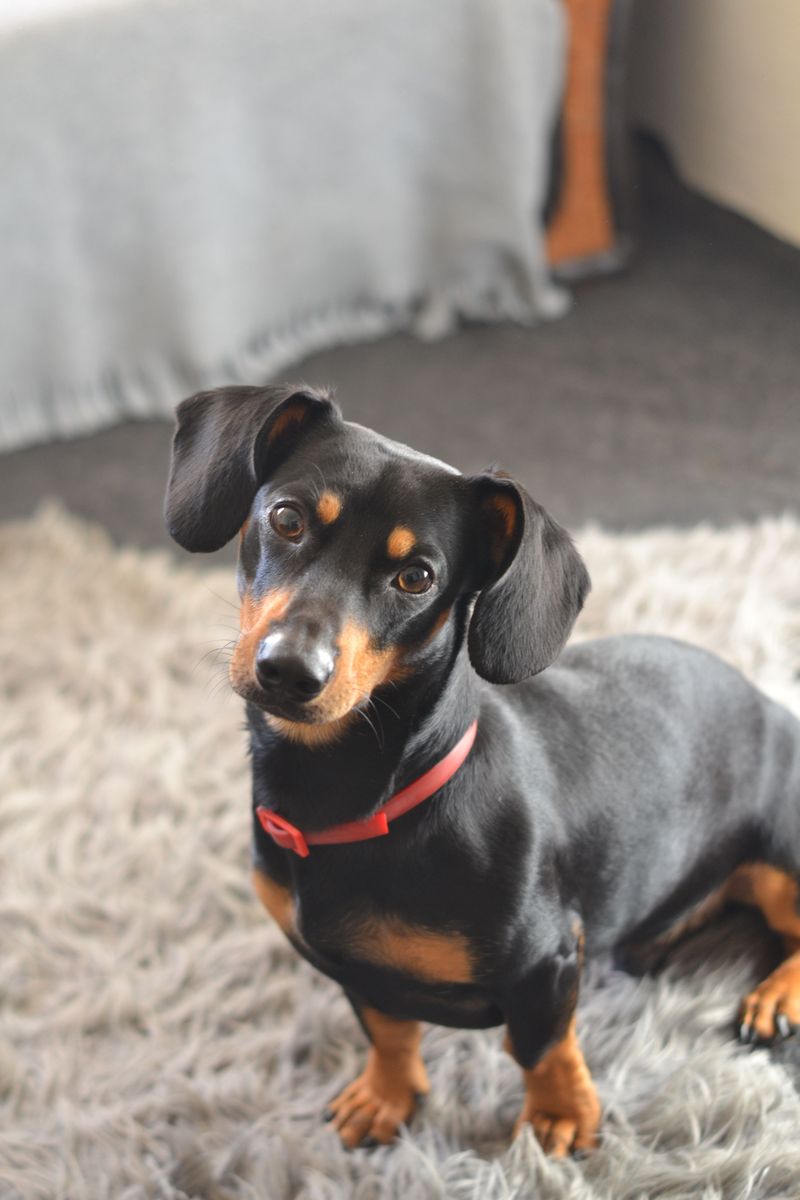
Small body, giant spirit, and a nose that never clocks out. Many Dachshunds love to investigate under furniture, which can annoy hiding cats.
Patience and creative setups keep everyone happier.
Use tunnels and snuffle mats to satisfy digging urges. Teach stay on a rug while the cat crosses.
Provide steps to windows so the dog does not crowd perches. Offer tiny training bursts after walks.
Celebrate gentle curiosity, and guide away from tail-chasing habits daily.
German Shorthaired Pointer

Bird dog brains light up at motion, and a nervous cat moves plenty. Still, GSPs love direction and often shine with structure.
A tired dog makes friendlier choices.
Run field retrieves, then practice place and stay near doorways. Use barriers for early meetings, trading treats for relaxed posture.
Teach find-it games so the nose works while the cat walks by. Consistency builds trust.
Over weeks, many GSPs switch from chase mode to calm roommate behavior.
Beagle
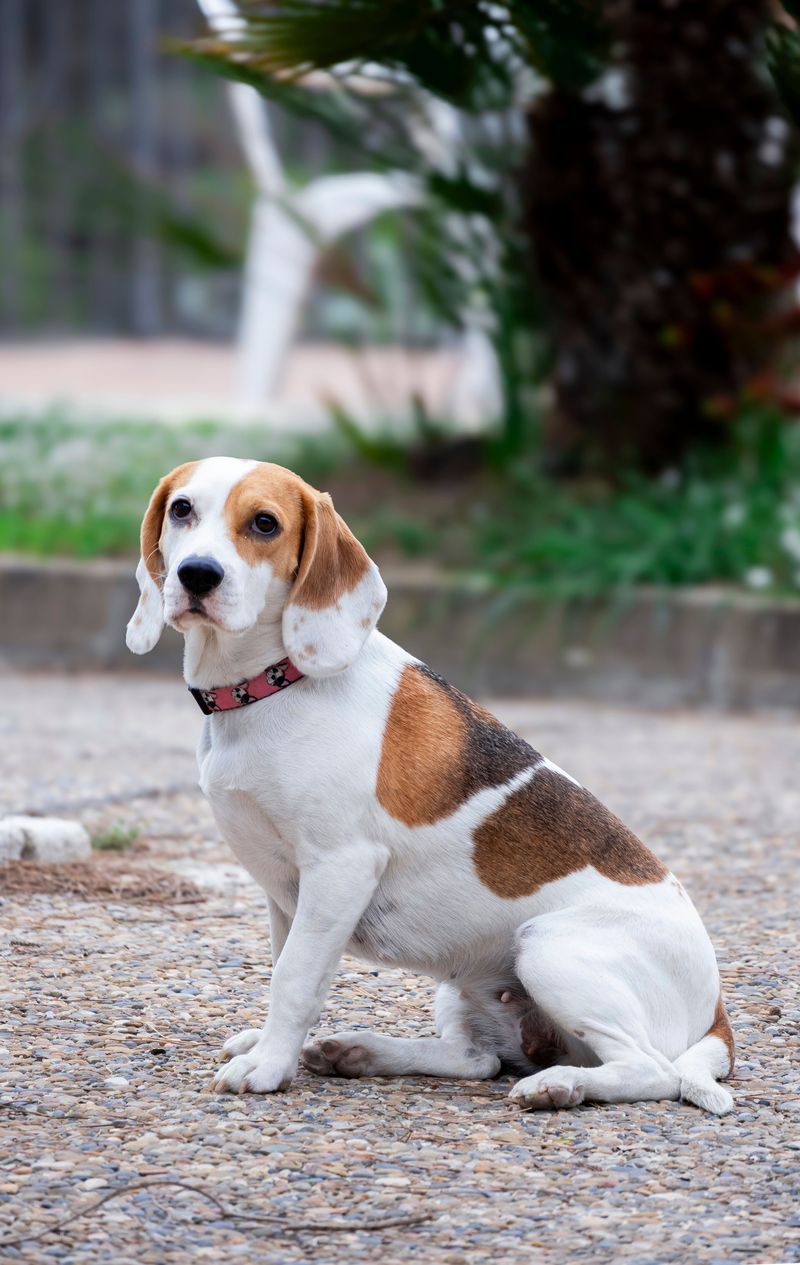
A merry voice and a busy nose come standard. Beagles track scents first and ask questions later, which can rattle a cat resting in sunlight.
Friendly hearts help, but impulse control needs practice.
Plan scent trails at home and scatter feed in the yard. Teach quiet on cue and reward loose-leash walks.
Start cat meetings after exercise, with short sessions and snack swaps. Watch body language closely.
Gentle guidance turns chaos into a relaxed truce.