
Some dogs are fine when you grab your keys, but others take it hard. They may pace, bark, or chew because being apart makes them stressed.
Knowing which breeds feel it deeply can help you prepare and support them better. With the right plan, your dog can relax while you are away.
Vizsla
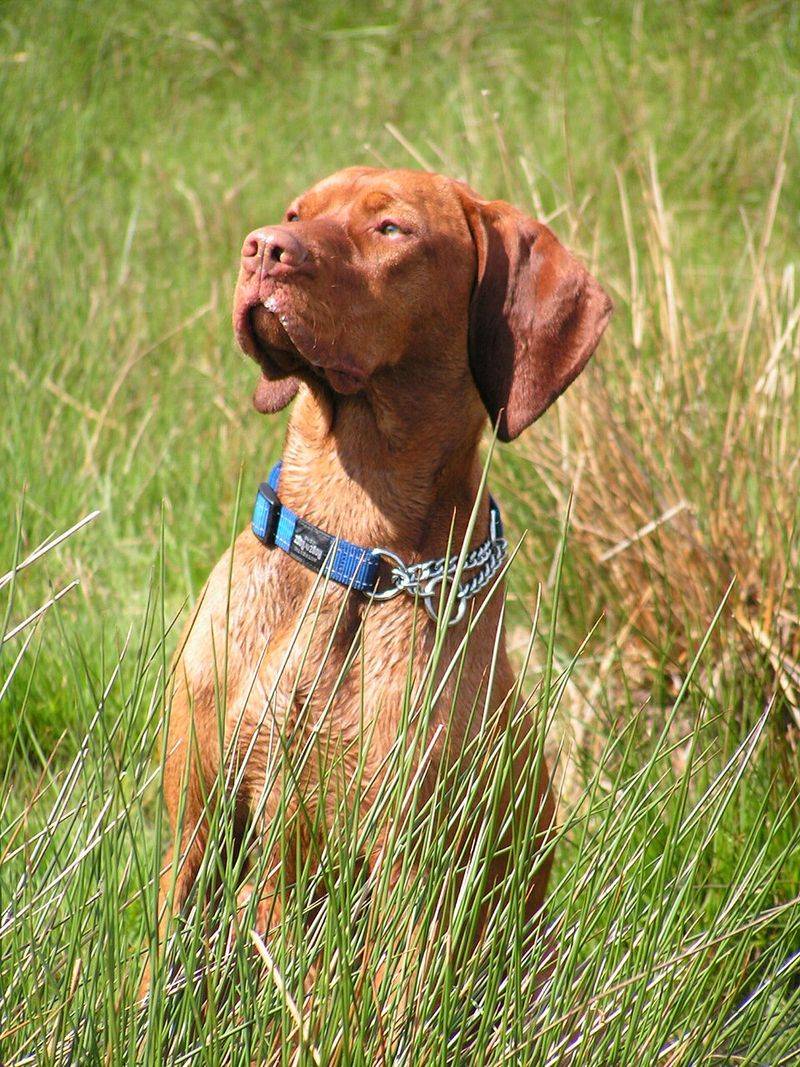
Built like a runner with a big heart, the Vizsla sticks close like a shadow. Many owners joke that privacy does not exist, because this dog wants in on every plan.
Left alone too long, the whines start, and mischief may follow.
Daily exercise helps, but connection counts more. Use puzzle feeders and scent games before you go.
Start with very short absences, pair a chew with a calm goodbye, and grow the time slowly.
Weimaraner
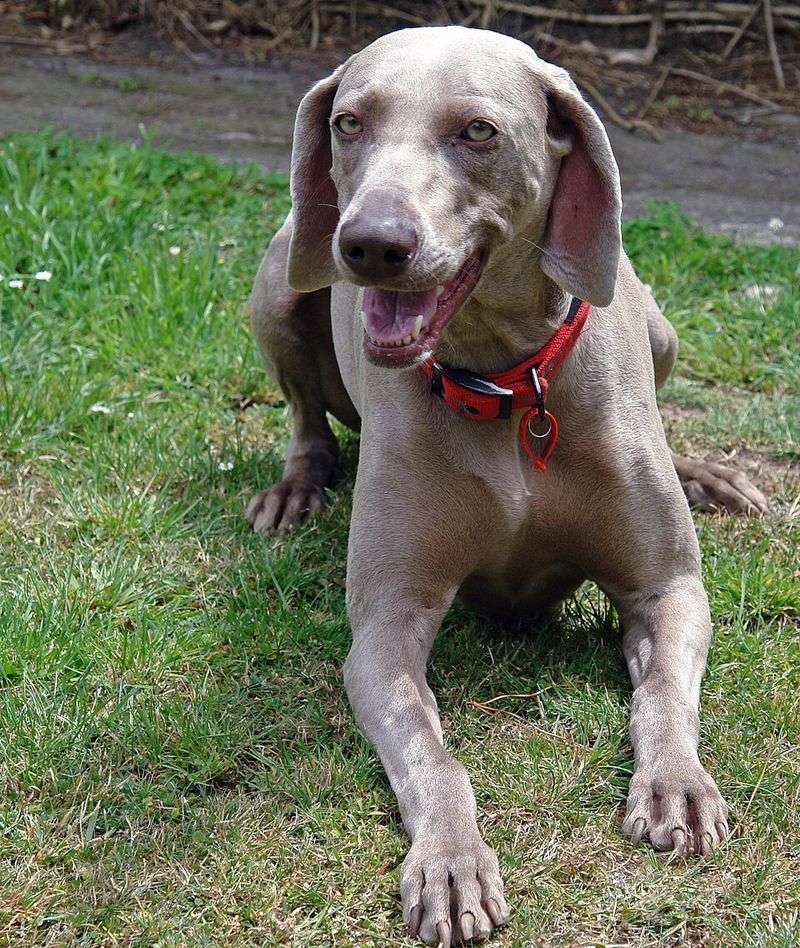
Nicknamed the gray ghost for its color and clingy habits, the Weimaraner loves being part of every mission. High drive plus a sharp brain means boredom turns into chaos fast.
Scratched doors and creative escapes can happen when feelings run hot.
Channel that energy with long fetch sessions, nose work, and structured training. Teach a solid settle on a mat.
Leave a worn T-shirt with your scent, and use background sound to soften quiet houses.
Doberman Pinscher
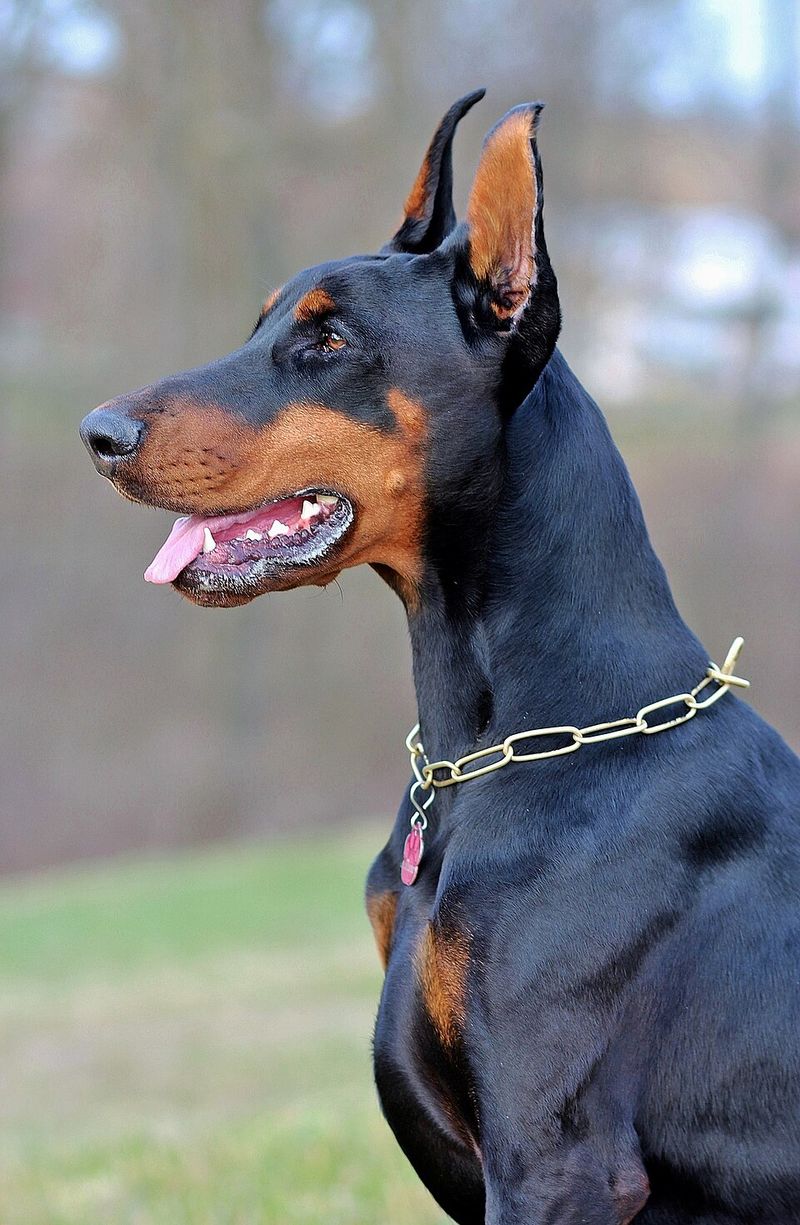
Guardian at heart, the Doberman bonds deeply and reads your mood like a book. Sudden alone time can feel like a job without a boss, which creates worry.
Some may pace or vocalize as they watch the door for your return.
Confidence grows with predictable routines. Practice place training, calm door manners, and quiet rewards.
Offer a heavy-duty chew, rotate toys, and consider a midday visitor. Mental drills, like obedience games, leave this thinker satisfied.
Cavalier King Charles Spaniel
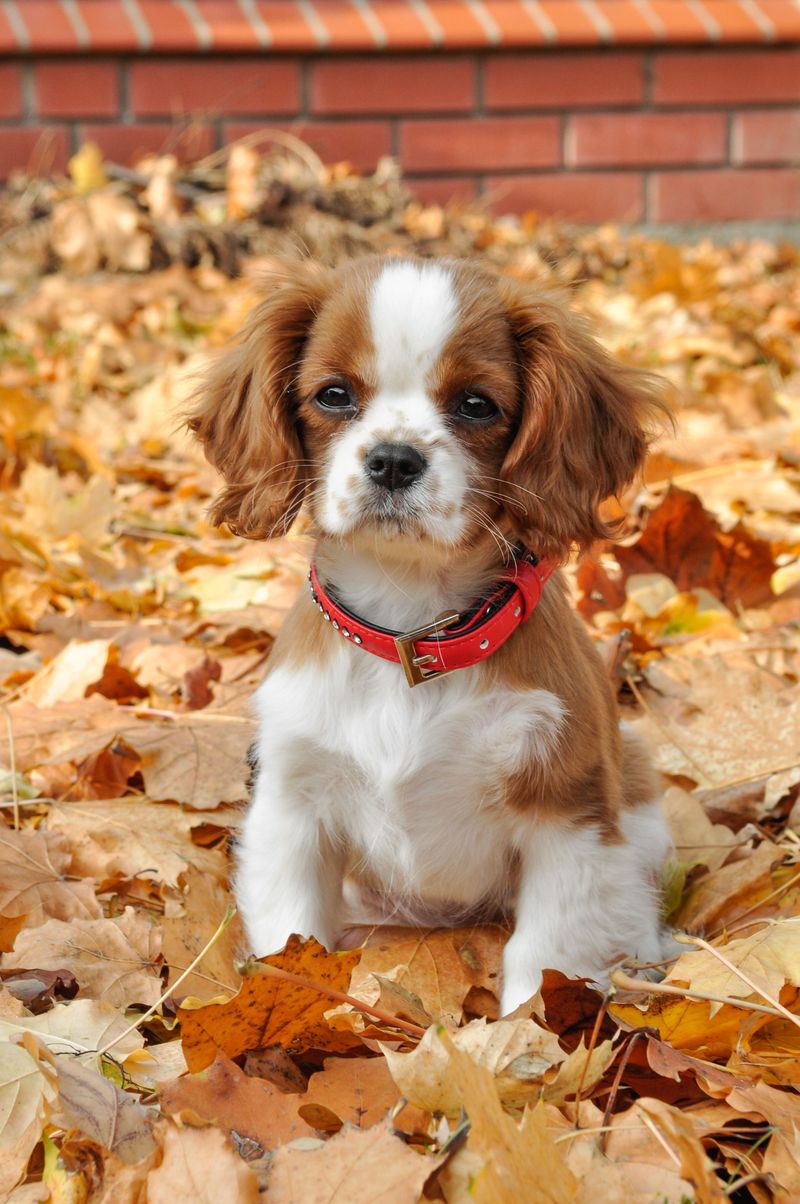
Affection is the Cavalier’s love language, and cuddles are their favorite plan. Quiet rooms can feel too empty, so some whimper or scratch for comfort.
Sensitive souls, they respond best to gentle guidance and steady habits.
Short practice breaks help a lot. Hand the dog a stuffed chew, step out for a minute, then return before stress builds.
Repeat and extend. Keep walks peaceful, use simple cue games, and avoid big emotional exits or returns.
German Shorthaired Pointer
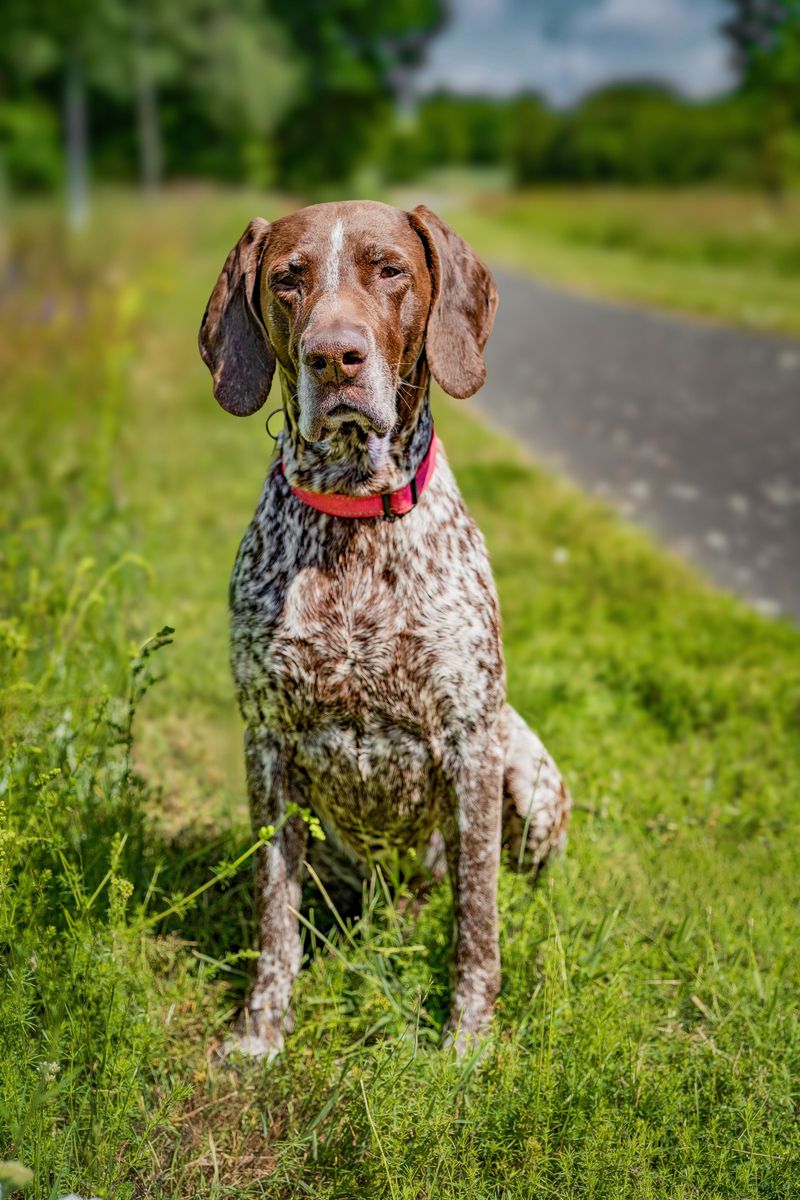
Built to move all day, the German Shorthaired Pointer gets antsy when adventure stops. Waiting indoors can feel like missing the hunt.
Without enough outlets, some invent projects, like counter surfing or digging at rugs.
Set a morning workout that truly tires body and brain. Try field-style retrieves, tracking lines, or hide-and-seek searches.
Before leaving, serve a frozen food toy. Crate train early to create a cozy den, and arrange midday activity when possible.
Italian Greyhound
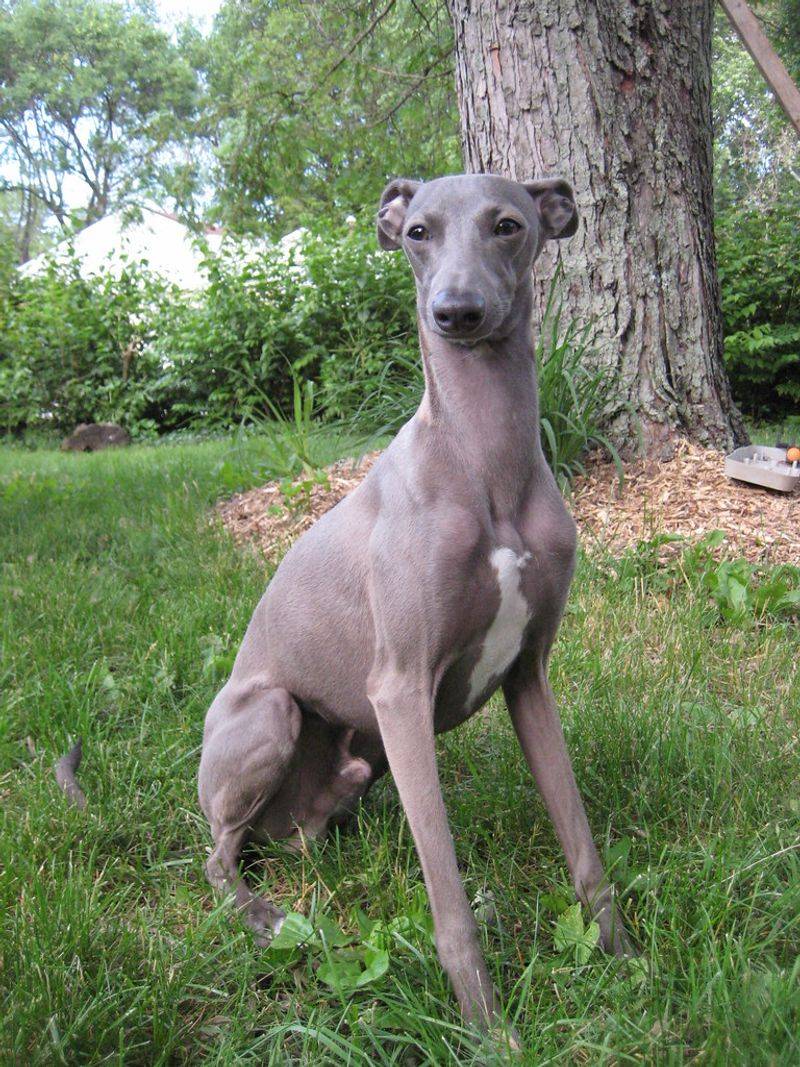
Delicate and devoted, the Italian Greyhound picks a favorite person and glues on tight. Silence can feel loud for such a sensitive pup.
Shivers may show stress, not just a chill, especially when you head out.
Warmth and routine bring comfort. Use a soft crate, cover it lightly, and offer a safe chew.
Practice tiny absences with calm returns. Gentle play like tug, brief sprints, and touch-based tricks help drain nerves without overdoing it.
Maltese
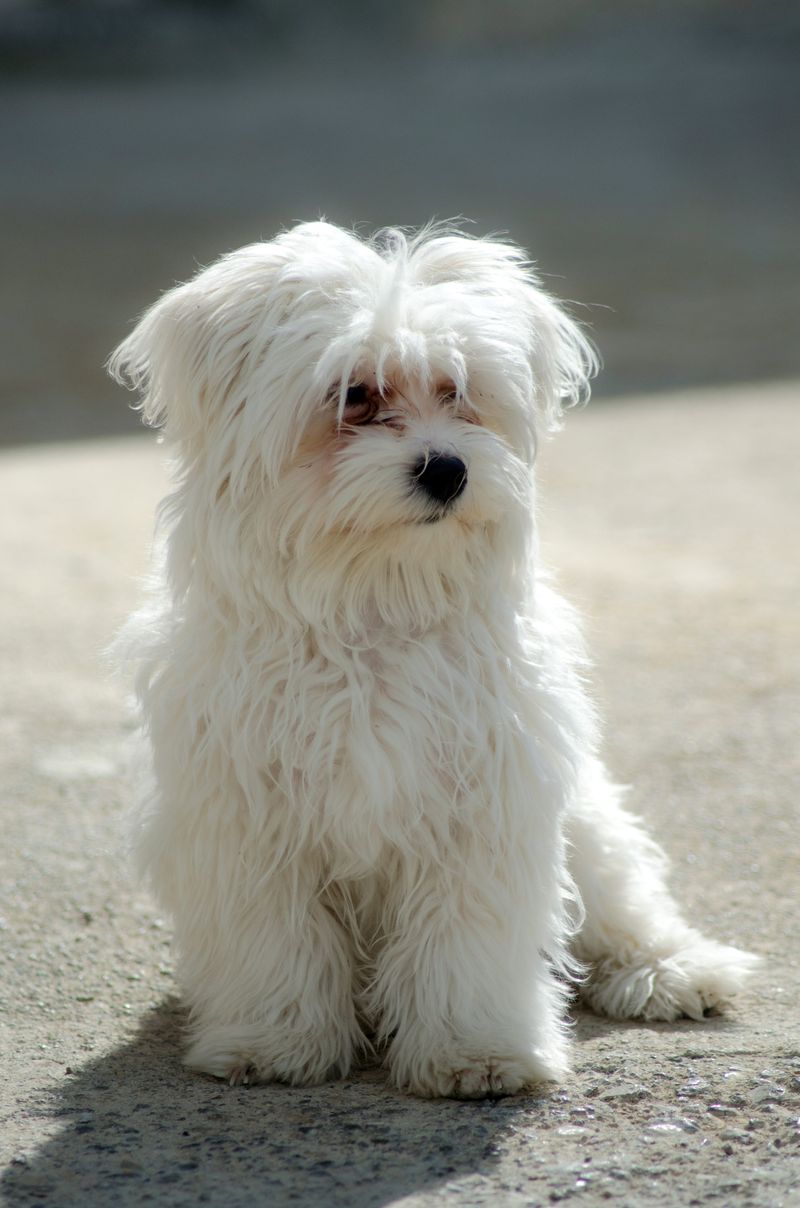
Big feelings in a small body, the Maltese reads every routine cue. Picking up keys can trigger worried pacing or yips.
They thrive on closeness and do best with patient, positive guidance.
Keep departures low key and set up calming rituals. Offer a snuffle mat or lick mat to keep the mind busy.
Teach stay on a mat while you move room to room. Gradual alone-time training prevents drama from building.
Havanese
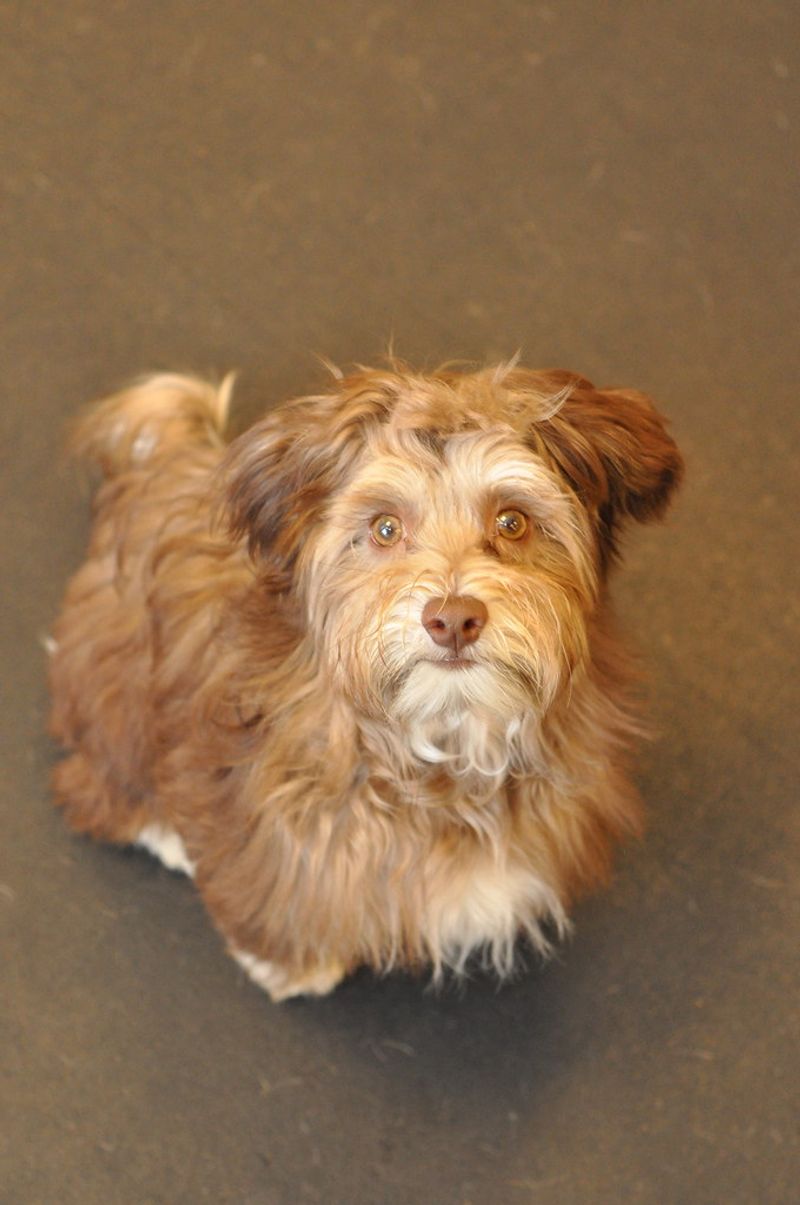
Often called a velcro pal, the Havanese loves following you from room to room. When the house goes quiet, some worry kicks in.
Barking at hallway sounds or pawing doors is their way of asking you back.
Set a schedule that includes short training games, gentle fetch, and patience breaks. Use soft music and a food puzzle at goodbye.
Encourage independence with place training while you cook or read. Celebrate calm behavior with quiet praise.
English Cocker Spaniel
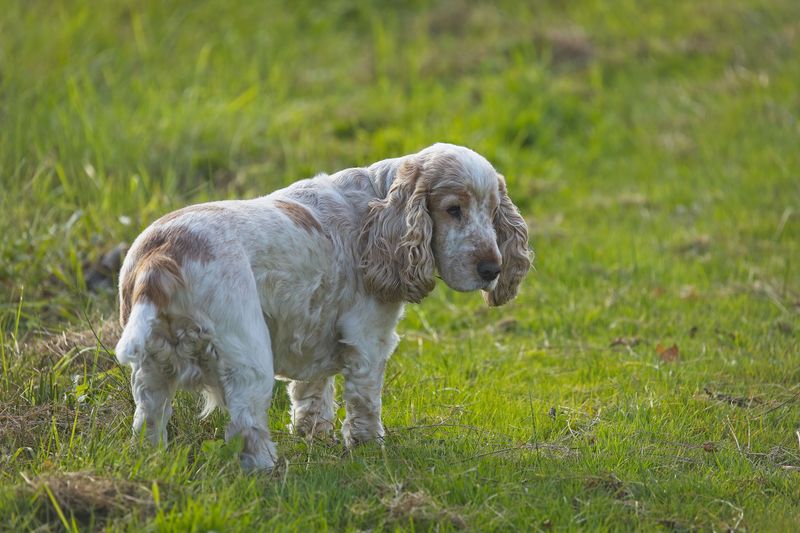
Sunny, sweet, and eager to join, the English Cocker hates missing out. Alone time can feel like the fun moved elsewhere.
Some may sing their feelings or carry shoes around for comfort.
Give structure through scent games, retrieve practice, and calm leash work. Before leaving, run a short training routine to take the edge off.
Leave a safe chew, and return while the dog is still relaxed. Consistency turns worry into confidence over time.
Staffordshire Bull Terrier
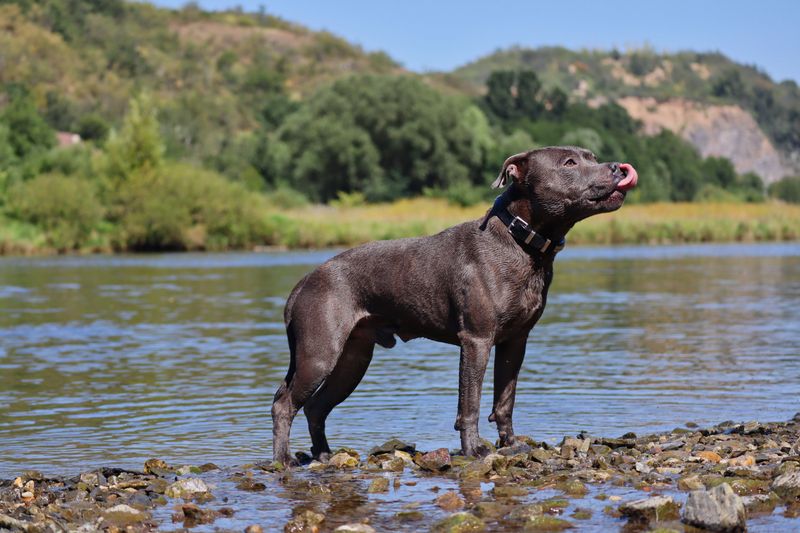
People-focused and brave, the Stafford loves being in the middle of family life. When left out, feelings can bubble up as loud complaints or restless chewing.
They do best when given jobs and clear routines.
Teach impulse control with sit, wait, and place games. Provide tough chews, rotate toys, and offer sniff walks to settle the mind.
Practice short, boring exits. A neighbor visit or daycare day, once or twice a week, can help too.
Bichon Frise
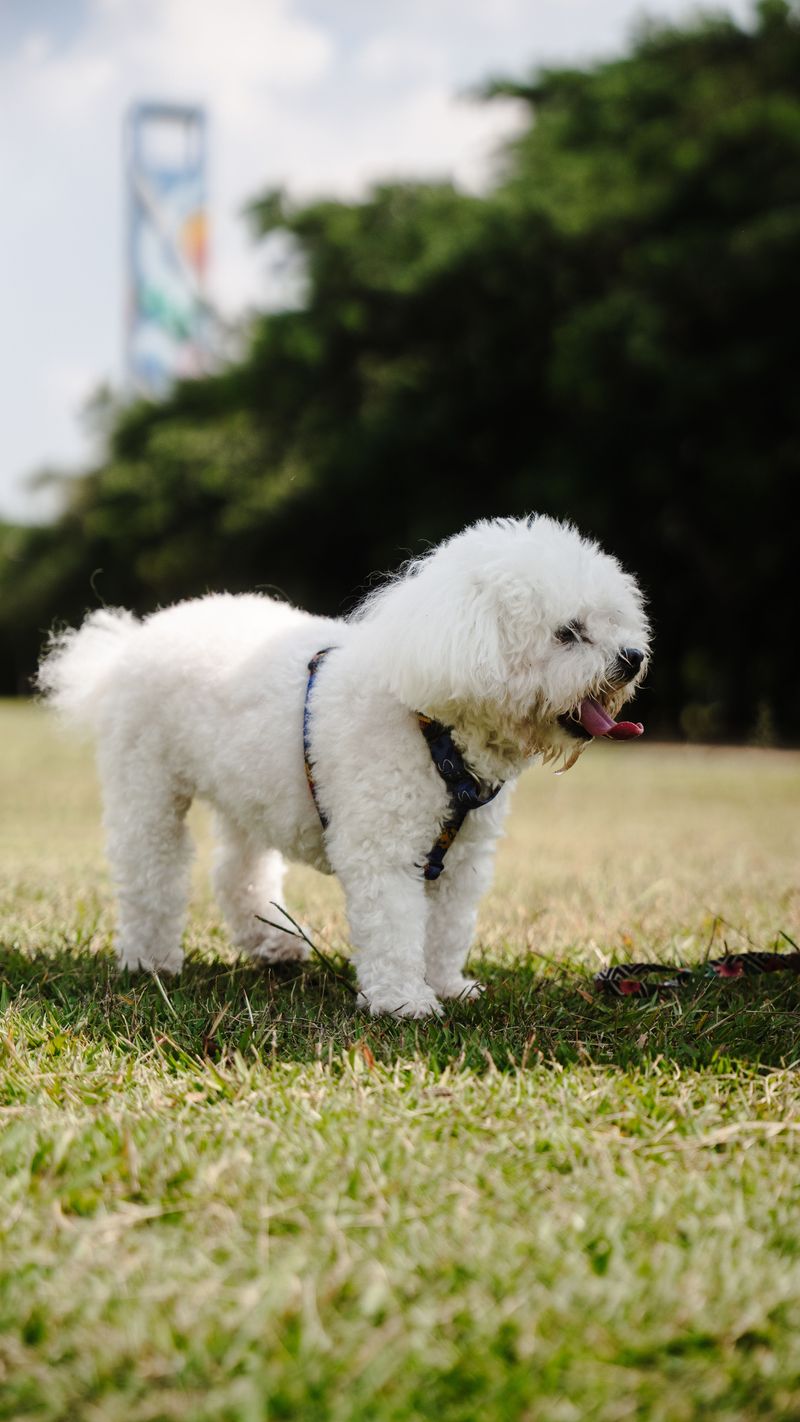
With a bubbly spirit and social streak, the Bichon expects company. Quiet halls can feel spooky to such a friendly dog.
Some may bark at tiny sounds or pace between rooms waiting for footsteps.
Build a goodbye routine that predicts good things. Offer a food puzzle, close curtains, and add gentle background noise.
Teach independence by rewarding calm on a bed while you move around. Short training bursts and a brisk walk pay off big.
Papillon
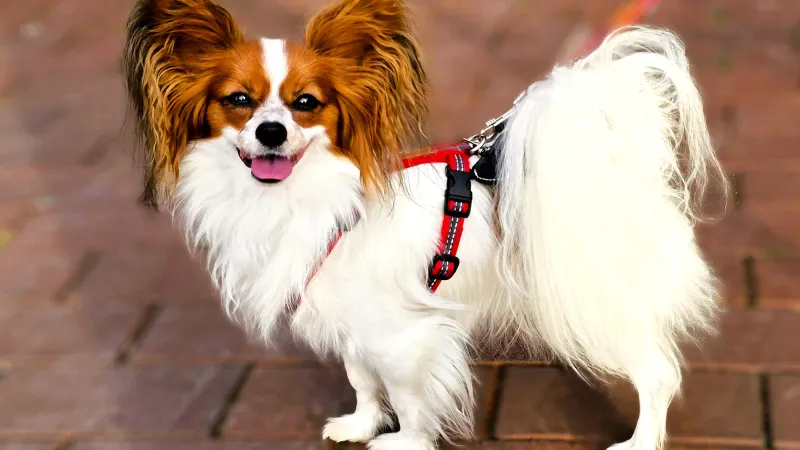
Light on paws but huge in heart, the Papillon bonds tight with trusted people. Smart and curious, they notice patterns fast, which can make door rituals extra exciting or stressful.
A little dog can still have big worries.
Shape calm behavior with simple nose targets, mat settles, and quiet rewards. Offer tiny scatter feeds before stepping out.
Keep greetings low energy, then play later. Rotate brain games to keep that sharp mind satisfied while you are away.