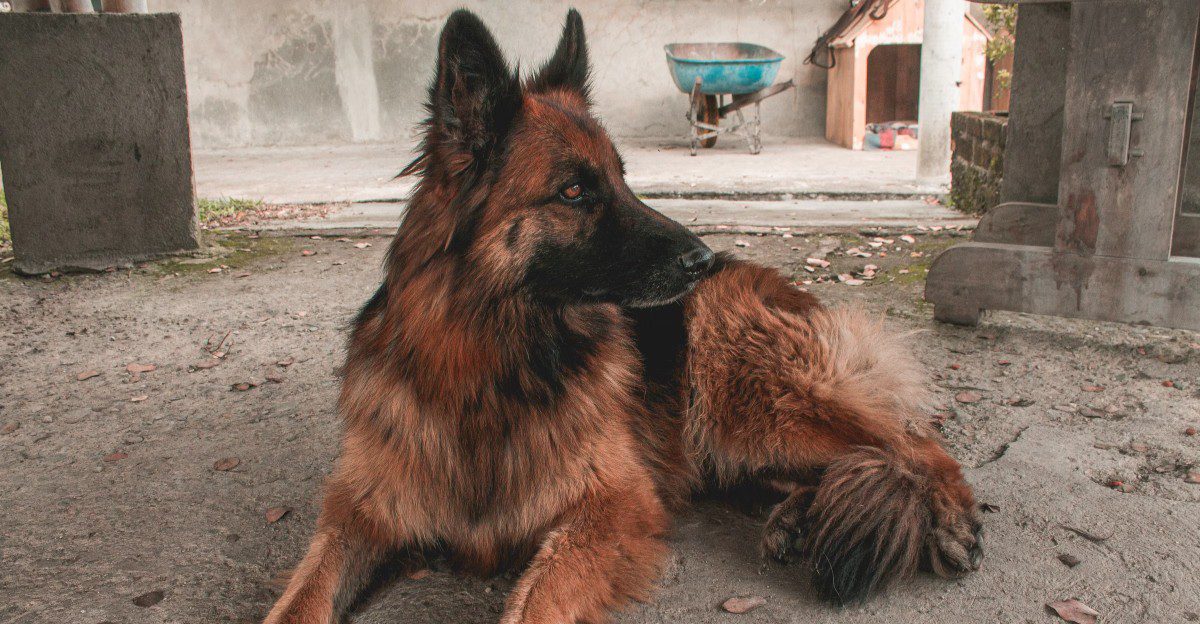
Some dogs give you a quick look and move on. Others lock onto your face like you just dropped a secret hint.
Those watchful pups love puzzles, jobs, and teamwork with their humans. Knowing which breeds do this helps you choose training games, plan fun activities, and build a stronger bond.
German Shepherd
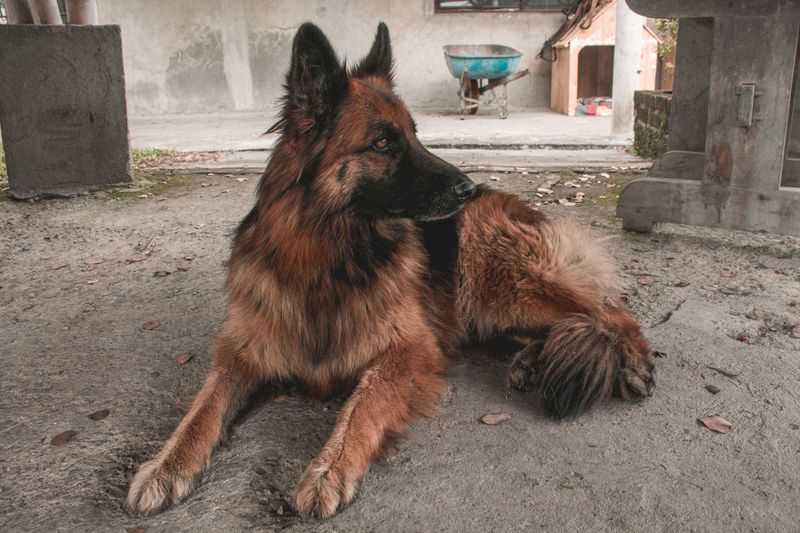
Locking eyes feels like a strategy session with a tiny detective in a fur coat. German Shepherds read posture, voice, and even your shoes, then guess the plan.
They thrive on clear jobs, fast feedback, and routines that challenge the mind.
Teach a chain of cues, such as look, heel, and place, using short, upbeat sessions. Add puzzles, scent games, and varied walks to keep focus sharp and hearts happy.
Border Collie
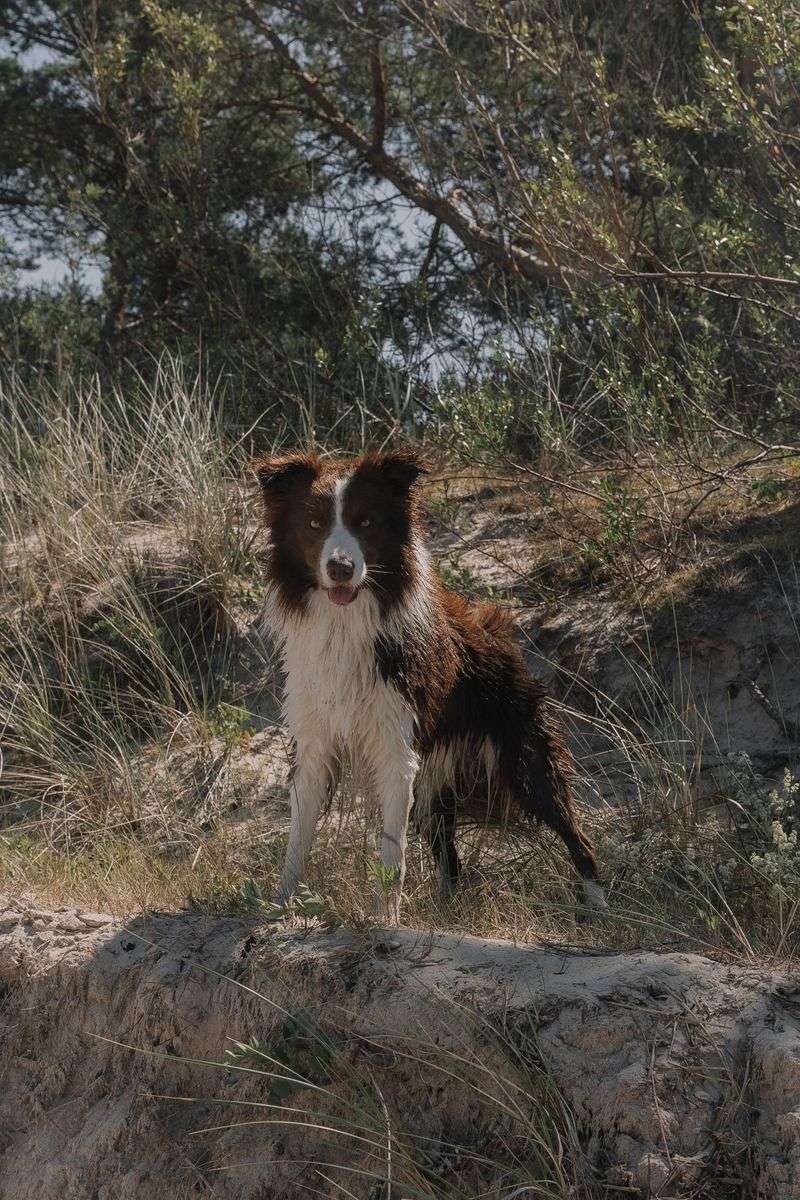
Farm kids say you can feel a Border Collie thinking. That trademark eye is not just a look, it is a laser pointer for your next move.
Structure helps most: clear timing, quick corrections, and big praise for little wins.
Rotate jobs like fetch, herding balls, and scent trails. Use a whistle cue for distance work.
When their brain stays busy, your living room stays calm and your teamwork gets dazzling.
Doberman Pinscher
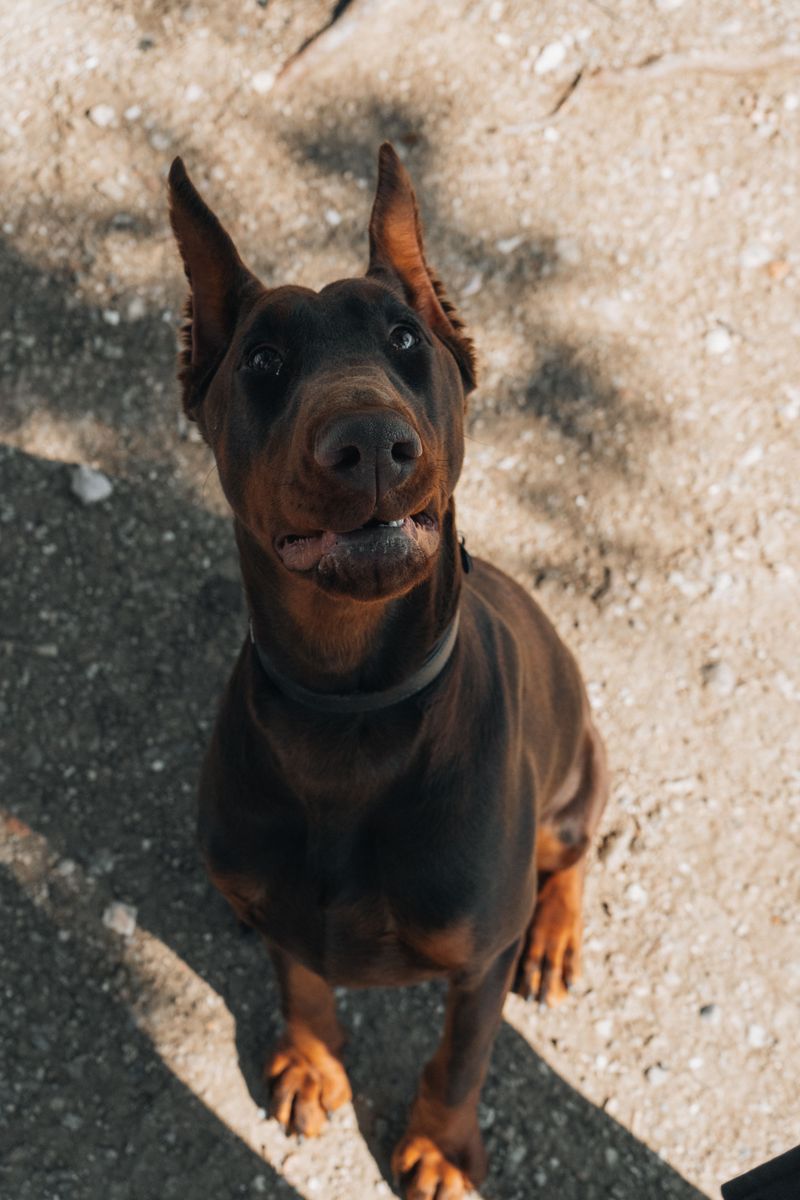
Like a bodyguard reading a room, the Doberman studies you for hints about what comes next. Confidence with kindness wins this breed over.
Short lessons filled with movement, clear boundaries, and generous praise keep them engaged.
Teach impulse control through sit-stay games at doors and curbs. Add rally-style heel patterns and tug sessions with rules.
A steady routine plus mental work brings out their sharp mind and loving loyalty.
Shetland Sheepdog
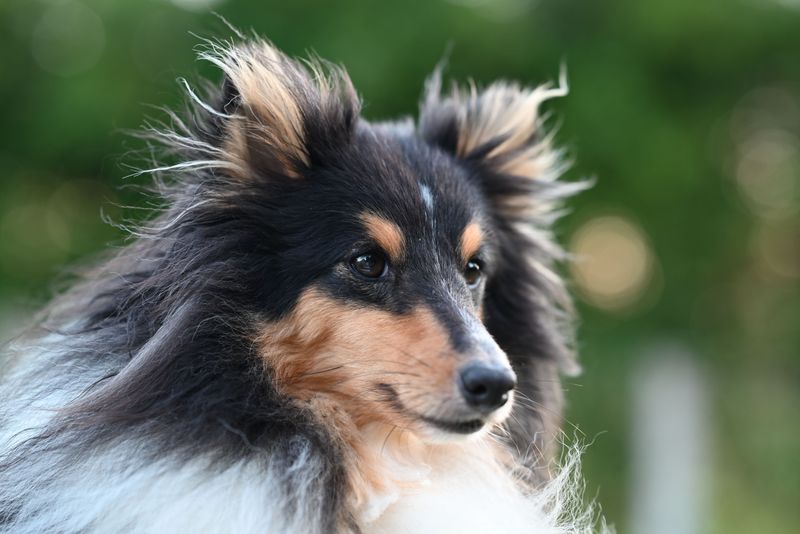
Like a cheerful class leader, the Sheltie wants to get the answer right. Sensitive ears catch tiny changes in your voice and face.
Gentle coaching, fast rewards, and variety prevent worry and boost confidence.
Try agility in short bursts, then switch to nosework or a trick like spin. Keep sessions upbeat and end on a success.
With kind guidance, their sparkling focus turns into beautiful teamwork.
Rough Collie
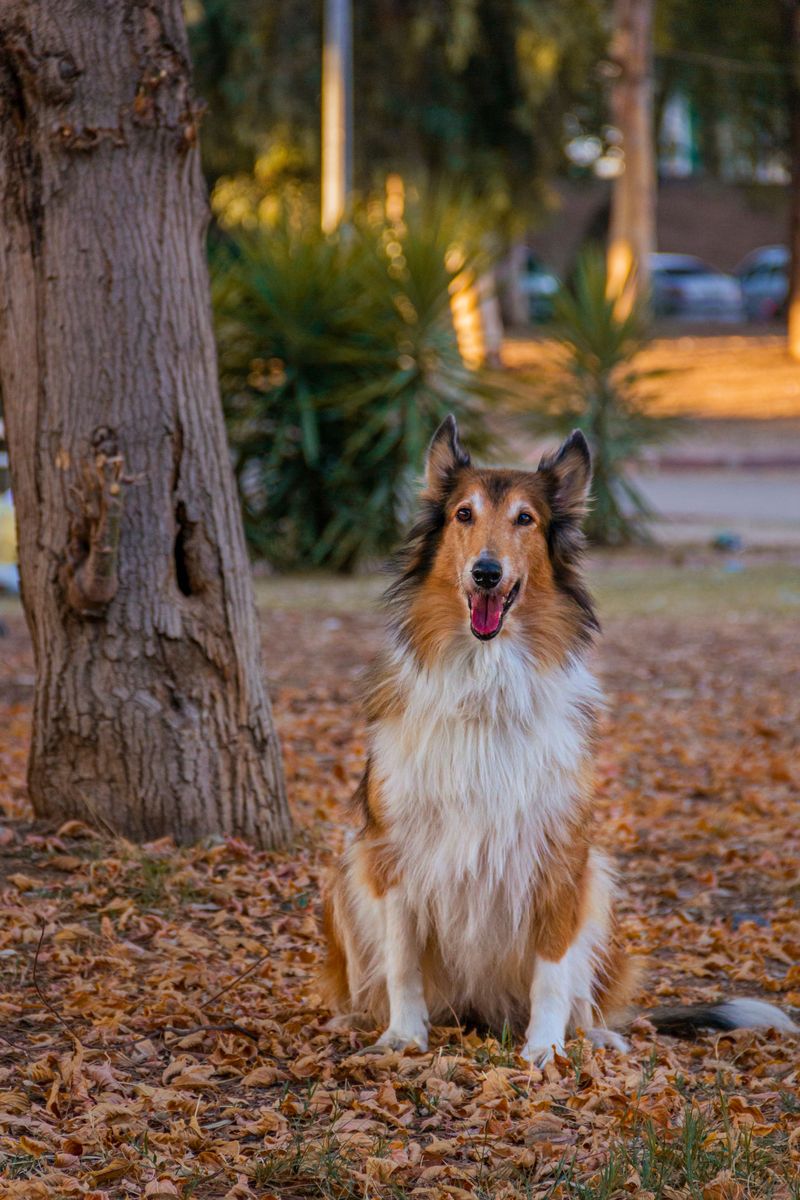
Storybook looks meet a thoughtful mind. Rough Collies like to understand the plan before they leap in.
Calm, predictable lessons help them shine, and gentle praise goes a long way.
Practice loose-leash walks that mix in sits, turns, and eye contact for treats. Add light herding games with balls or slow puzzle feeders for quiet evenings.
A steady rhythm keeps their attention bright and their spirits steady.
Australian Shepherd
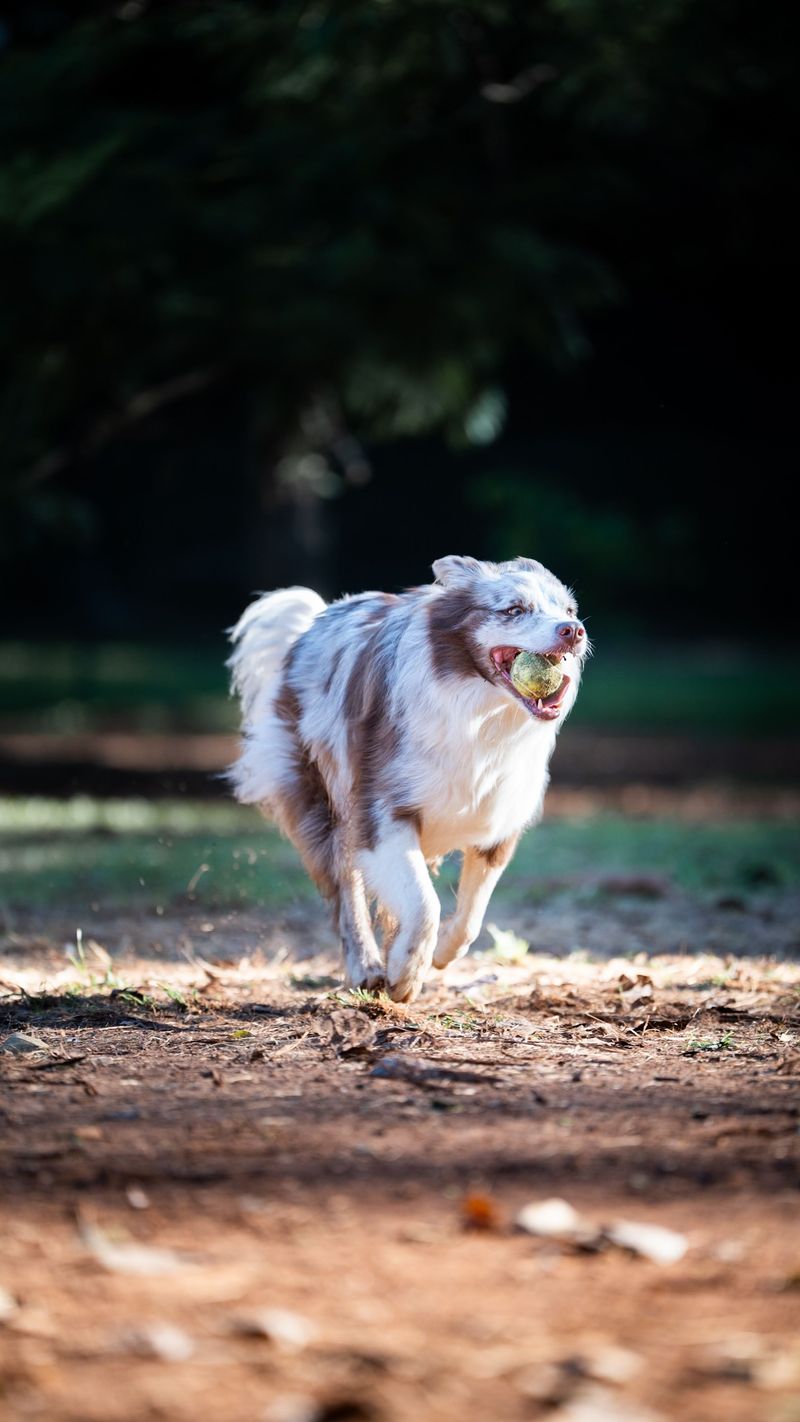
Energy with purpose is their favorite recipe. Australian Shepherds scan your face, fingers, and feet, ready to spring into action.
Clear hand signals, quick tasks, and frequent breaks channel that spark into skill.
Build sequences like sit, spin, hop, and touch a target. Try frisbee with rules and short herding-style games using exercise balls.
Mix physical bursts with brain teasers to keep focus crisp and fun.
Poodle
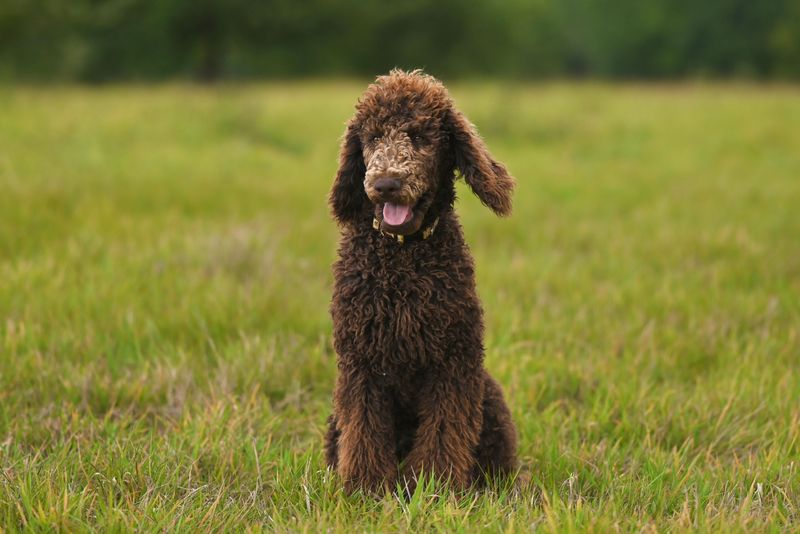
Elegance meets problem solver. Poodles watch for patterns and pick up new cues with impressive speed.
Keep lessons playful, use a clicker, and shape small steps toward bigger tricks.
Rotate activities: retrieve named toys, scent-match socks, or learn a bow. Grooming time can double as training by practicing stand, stay, and chin rest.
A thinking schedule turns their curiosity into joyful learning.
Papillon
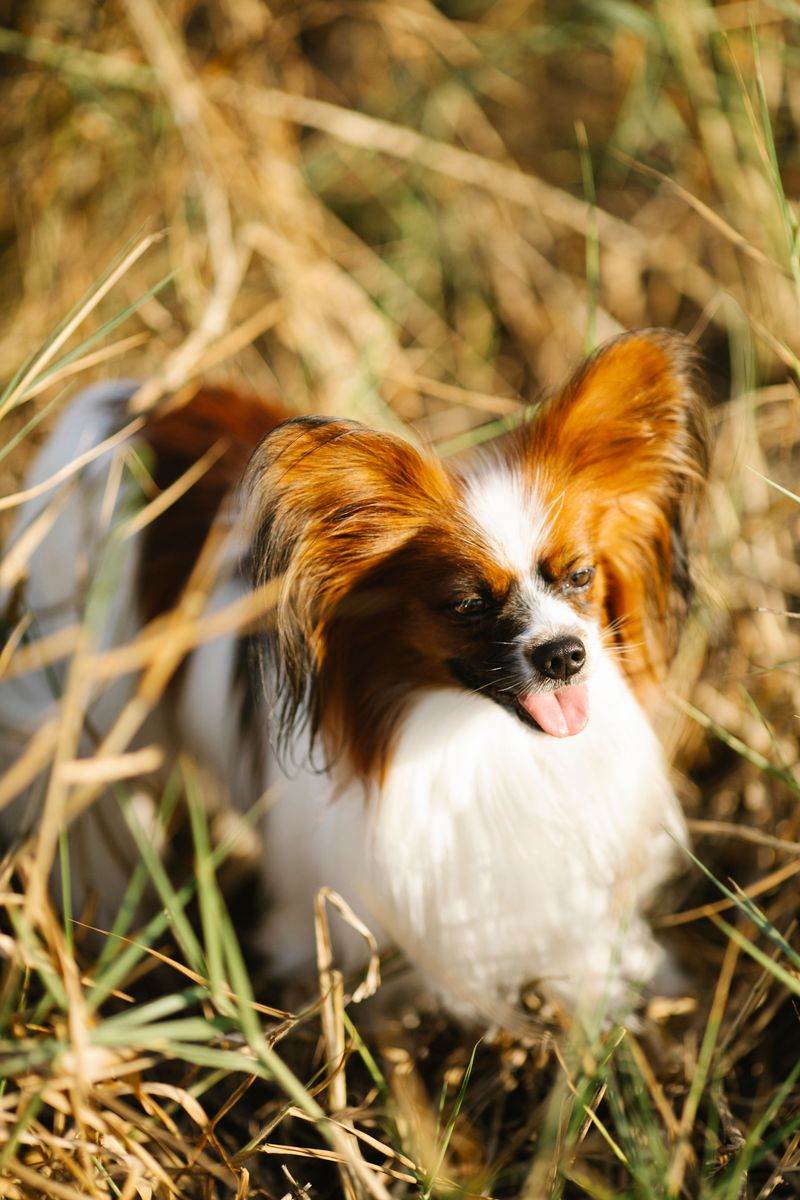
Small body, big brain. Papillons track your eyebrows like subtitles and love to figure things out.
Short, zippy sessions with lots of movement make learning feel like a game.
Teach platform stands, spins between feet, and target touches. Hide treats in tiny puzzle toys and practice recall across rooms.
Keep the vibe upbeat, and watch that keen gaze turn into reliable, fun skills.
English Springer Spaniel
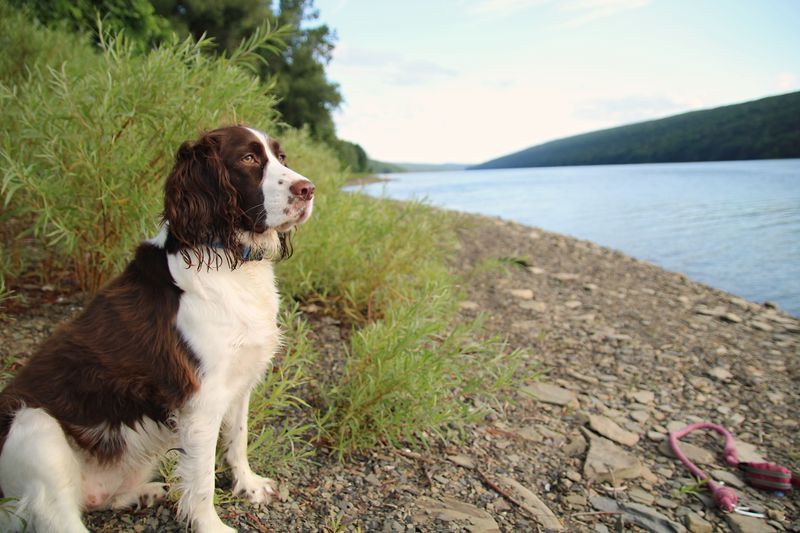
Birdy nose, people-focused heart. Springers bounce with joy, yet their eyes check in often for direction.
Turn that check-in into a habit you reward, and teamwork soars.
Play hunting-style fetch with sits before releases. Add hide-and-seek for both toys and family members.
Keep directions clear and upbeat. When their senses and brain work together, they settle nicely and stay eager to please.
Miniature Schnauzer
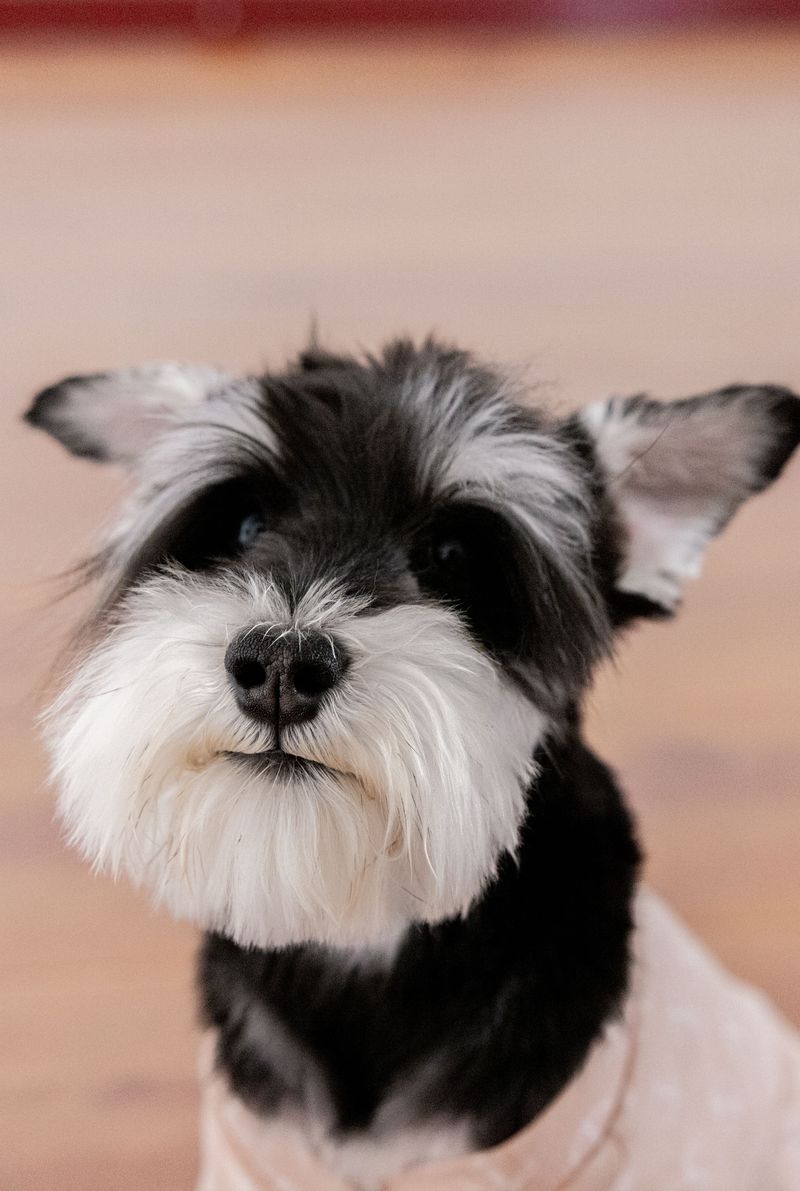
Those eyebrows are practically punctuation. Mini Schnauzers love routines but also enjoy clever twists.
Keep sessions brisk, mix in tricks, and reward quick eye contact so they learn checking in pays off.
Practice park bench manners, quiet greetings, and nosework with spice jars. Rotate tug-and-trade games to teach impulse control.
A playful teacher makes their sharp mind sparkle and their zoomies manageable.
Australian Cattle Dog
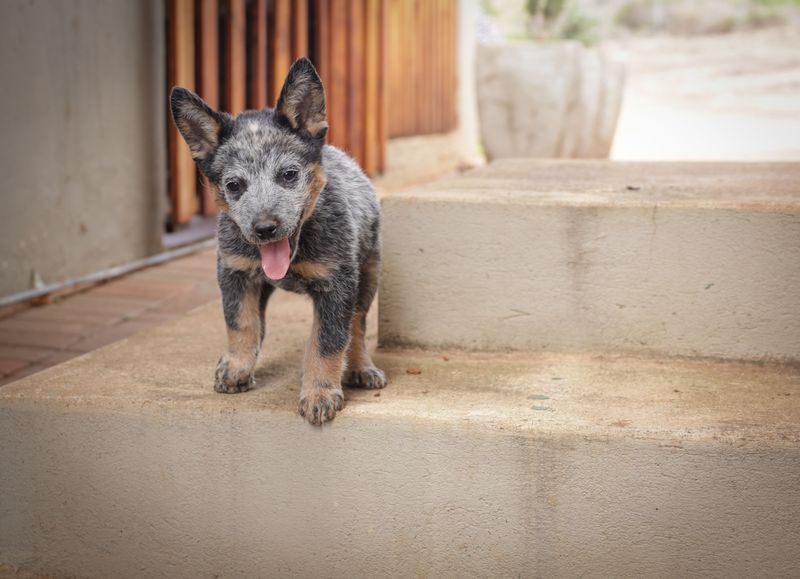
Tough, tidy, and tuned in. Cattle Dogs choose leaders who are fair and consistent.
Clear rules plus meaningful jobs create a focused partner instead of a bored rebel.
Set up structured fetch with sits between throws, balance discs for core work, and scent articles for calm thinking. Keep sessions short, precise, and daily.
When their mind and muscles work together, that committed gaze becomes your superpower.