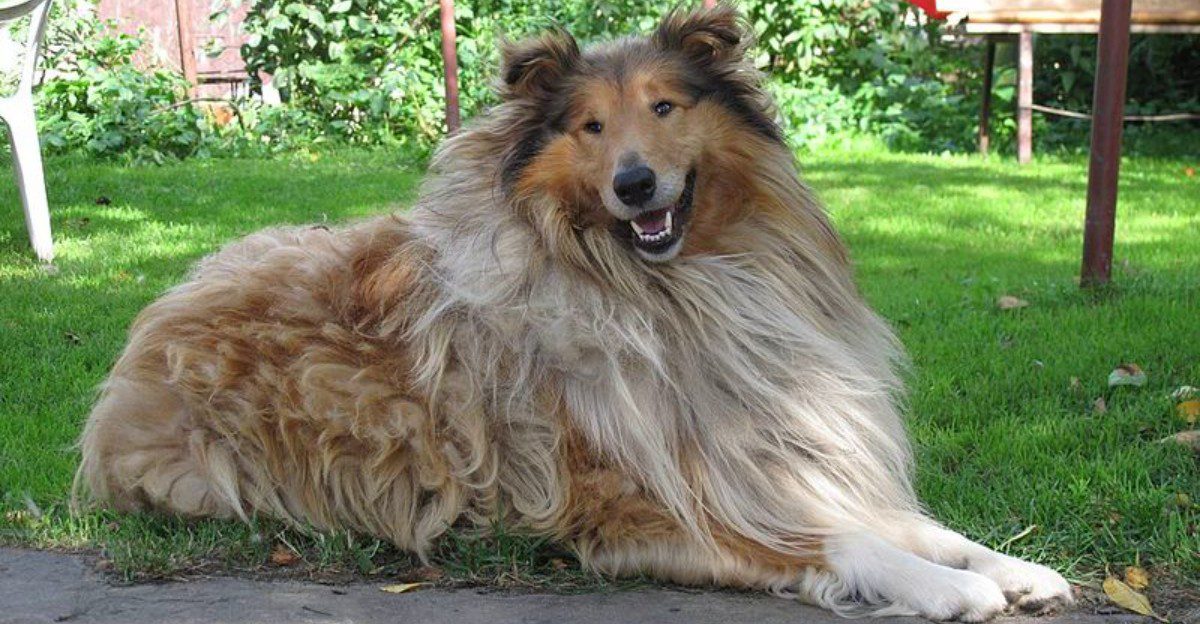
Your house might feel cozy to you, but your dog could be feeling something totally different. When the heater kicks on in winter or the air conditioner hums all summer, some dogs barely notice while others pant or shiver.
A lot of that comes down to their coat and body shape. Knowing how your breed handles these shifts can help you keep your furry friend happy and comfortable all year long.
Labrador Retriever
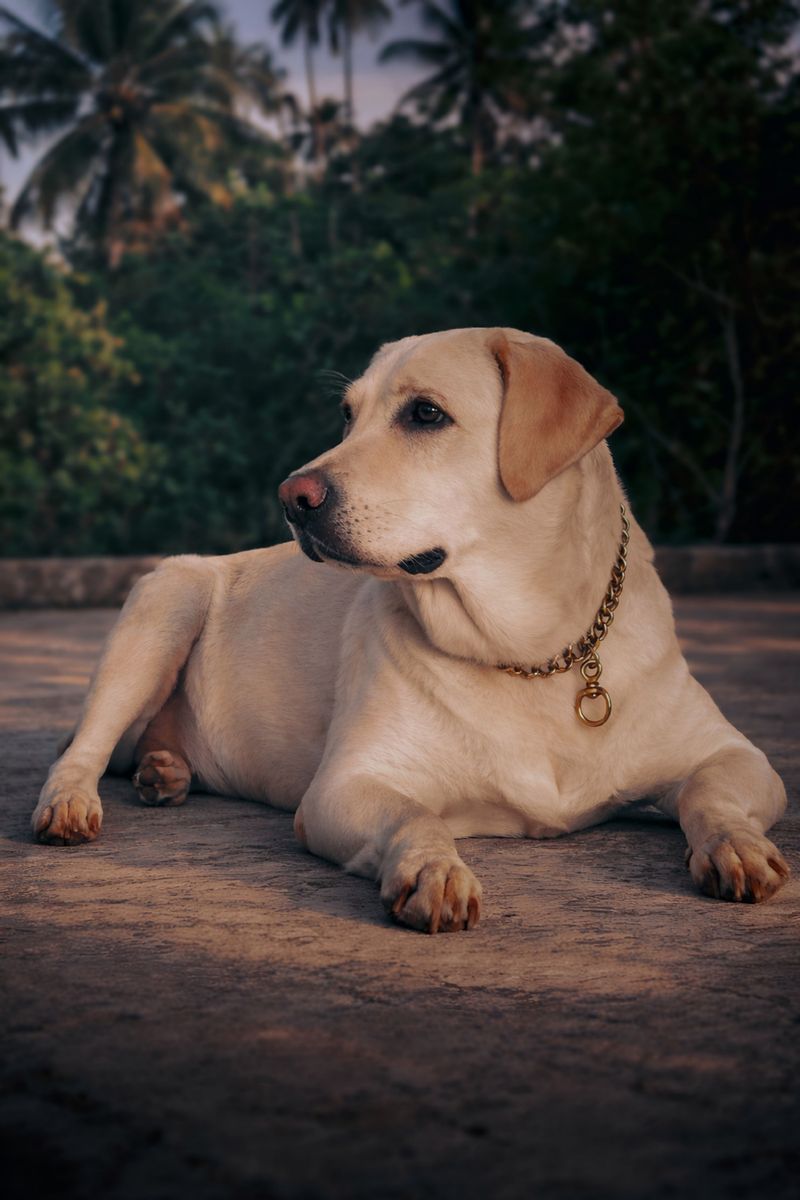
Picture a Lab sprawled across the cool kitchen tiles in July. That thick double coat was built for icy Canadian waters, so warm rooms can feel stuffy fast.
Labs shed their undercoat twice a year, and brushing during those times helps air reach their skin. Keep fresh water nearby and set the thermostat a little lower on hot days.
In chilly months, most Labs stay comfy without sweaters, thanks to that dense fur.
Beagle
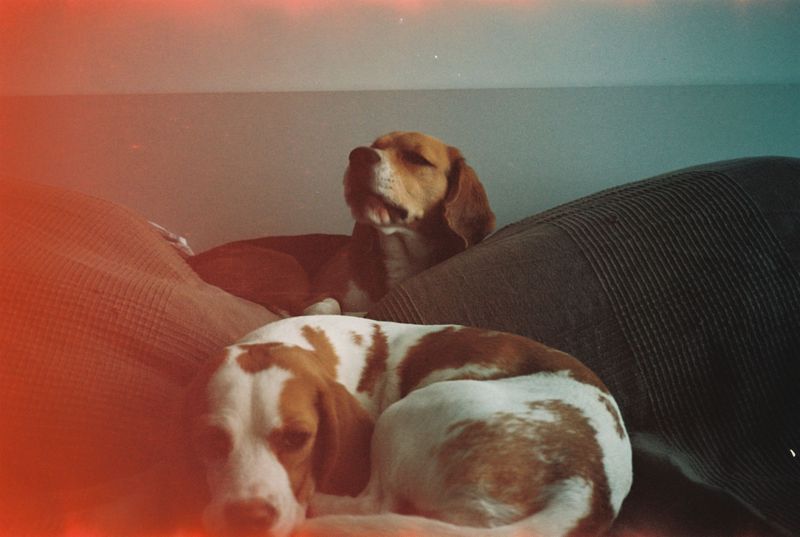
Short, tight fur makes Beagles surprisingly easygoing about indoor temperature swings. Their coat is dense enough to handle a drafty hallway yet light enough to keep them from overheating.
Still, these hounds love comfort. You might find yours burrowed under a blanket when winter nights get cold.
Fun fact: Beagles were bred to track rabbits across English fields in all kinds of weather. A soft bed away from vents keeps them content.
German Shepherd
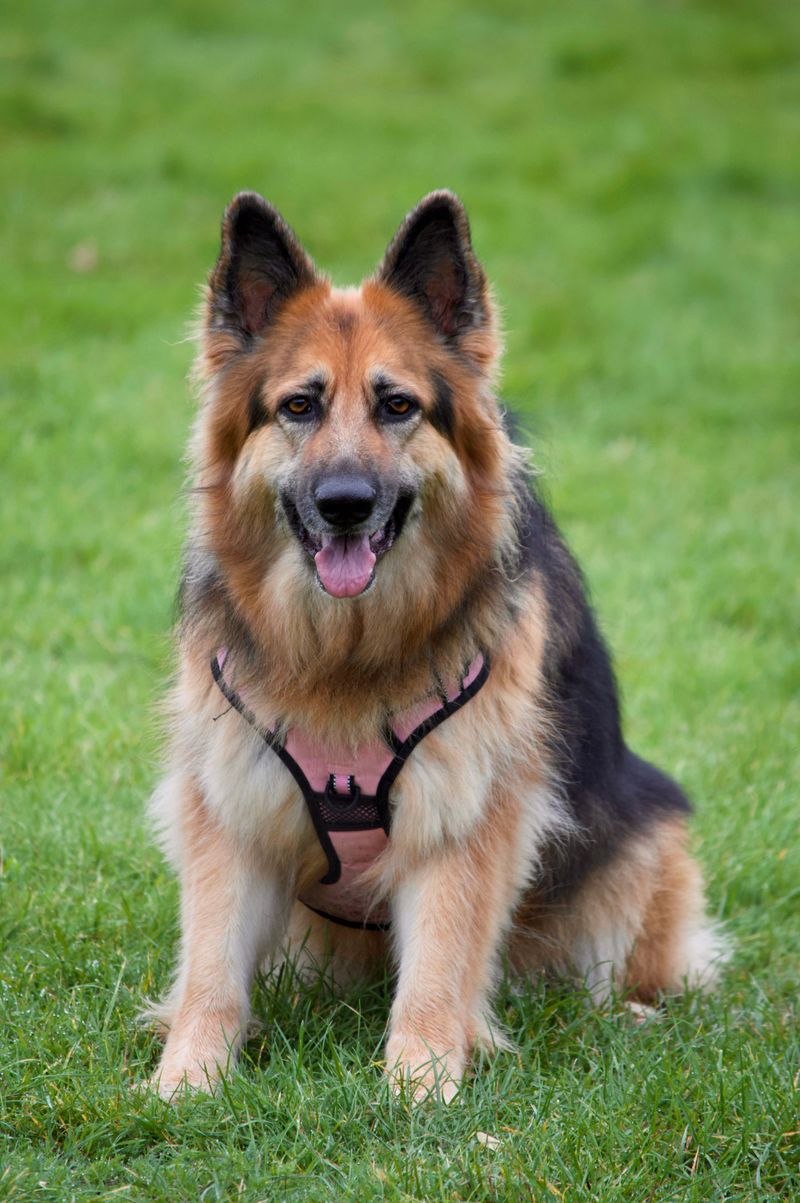
Ever vacuumed up enough fur to build a second dog? German Shepherd owners know that feeling well.
Their heavy double coat keeps them snug in cold weather, but a warm, stuffy house can leave them panting. A cooling mat or a spot near a fan works wonders.
Never shave a Shepherd, though. That undercoat actually helps protect against heat and sunburn.
Regular brushing is the smarter way to help them stay comfortable.
Australian Shepherd
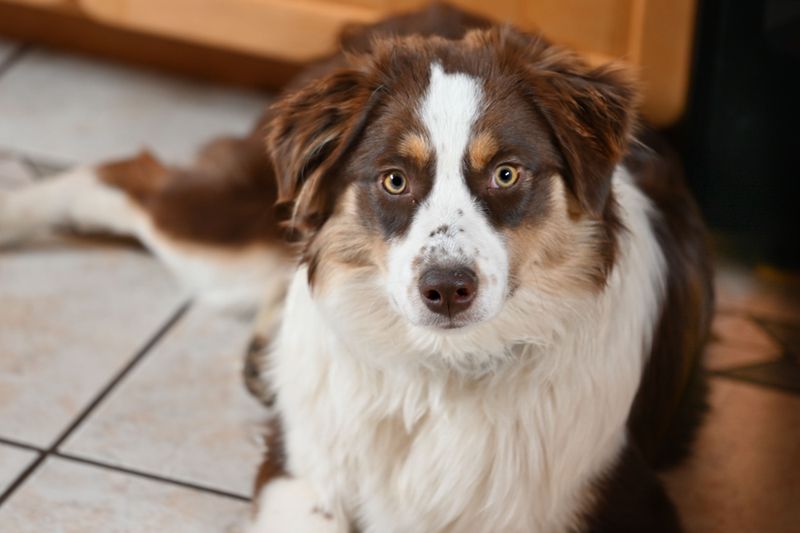
Despite the name, Aussies were actually developed in the American West, herding sheep through hot summers and snowy winters. That history gave them a flexible, medium-length double coat.
Indoors, they adapt pretty well, but they run warm after zooming around. Give them a cool floor to flop on after playtime.
Weekly brushing prevents mats that trap heat. When the furnace runs hard, watch for heavy panting and crack a window if needed.
Border Collie
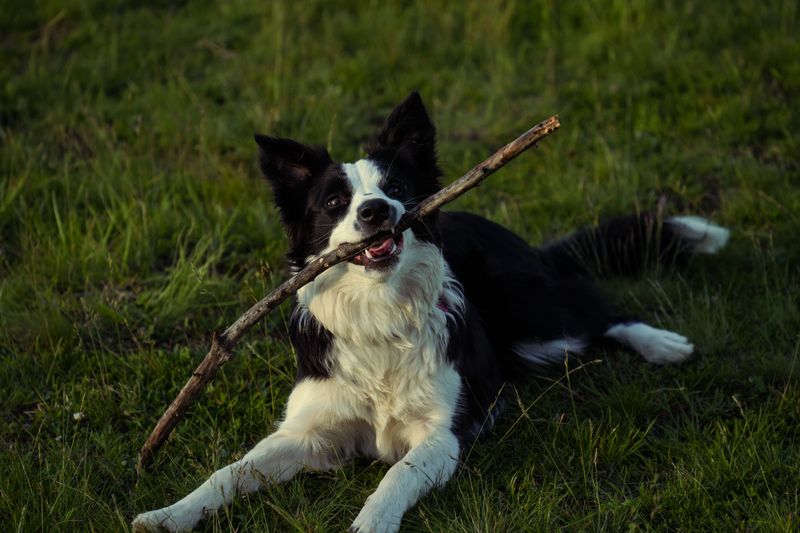
A Border Collie never really sits still, and all that energy creates plenty of body heat. Add a thick coat, and a toasty living room can quickly feel like a sauna to them.
Their lean, athletic build helps a bit, since there’s little extra fat holding warmth. Still, schedule indoor games during cooler parts of the day.
Many owners notice their Collie choosing the bathroom floor. Honestly, that’s a smart dog making a smart choice.
Miniature Schnauzer
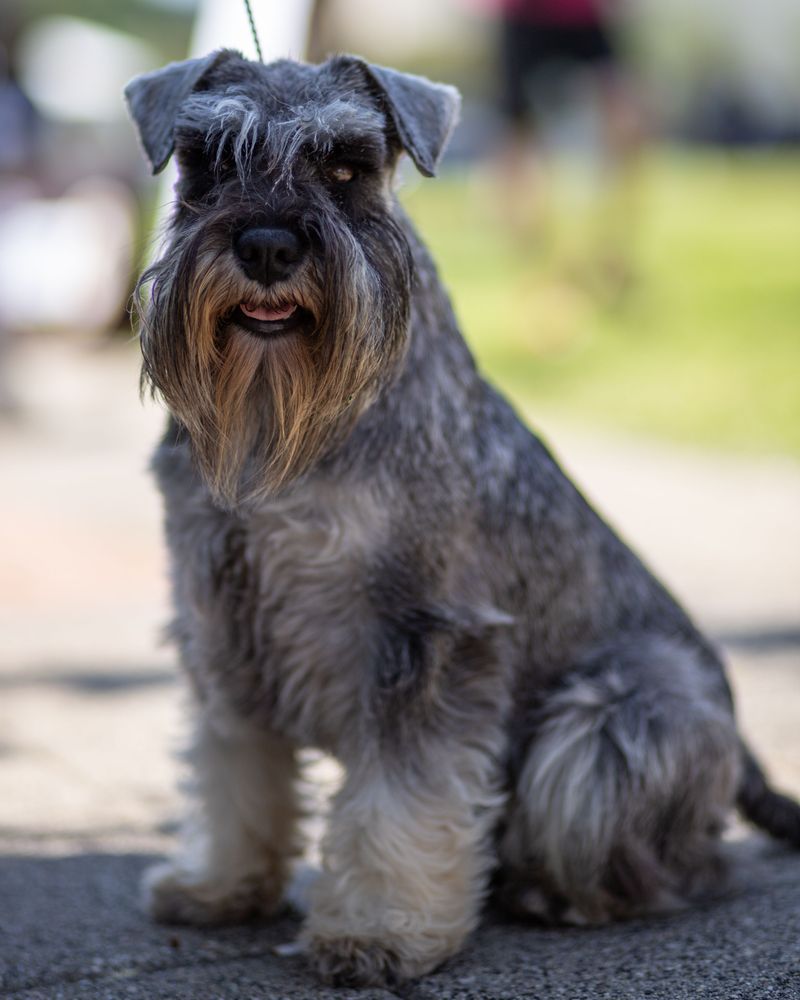
With those bushy eyebrows and a grumpy-old-man beard, Mini Schnauzers look like tiny professors. Their wiry coat doesn’t shed much, which is great news for your couch.
Small size means they lose heat faster than big dogs, especially after a fresh trim. A light sweater during drafty winter months can make a real difference.
In summer, they manage fine if kept groomed. Just keep their bed away from cold windows and chilly doorways.
English Springer Spaniel
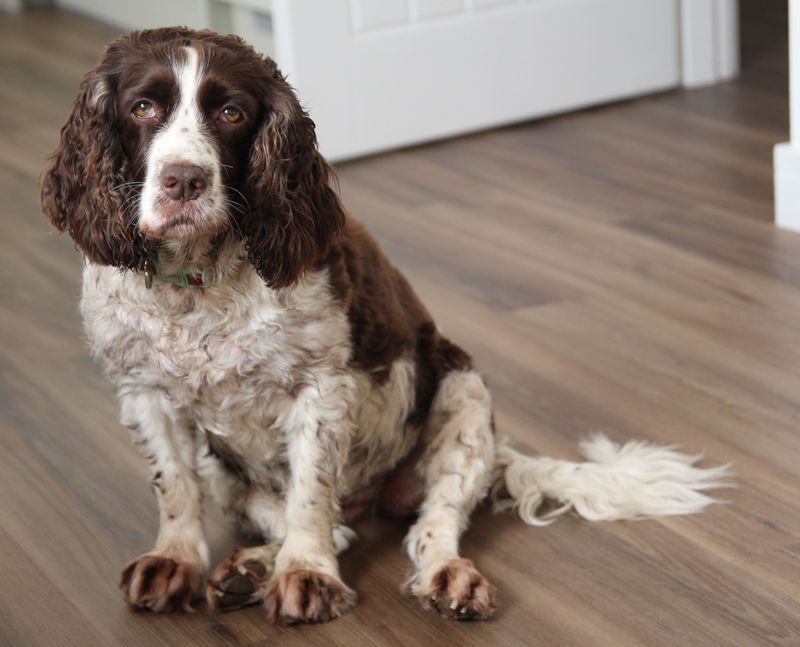
“Happy” might be the best word for a Springer. These tail-waggers handle most indoor conditions with a cheerful attitude and a medium-length, water-resistant coat.
Those feathery ears and legs can hold warmth, though, so trimming them in summer helps. Watch out for tangles too, since matted fur traps heat against the skin.
During winter, Springers usually stay comfortable. A cushioned bed off the cold floor adds that extra touch of coziness they love.
Brittany
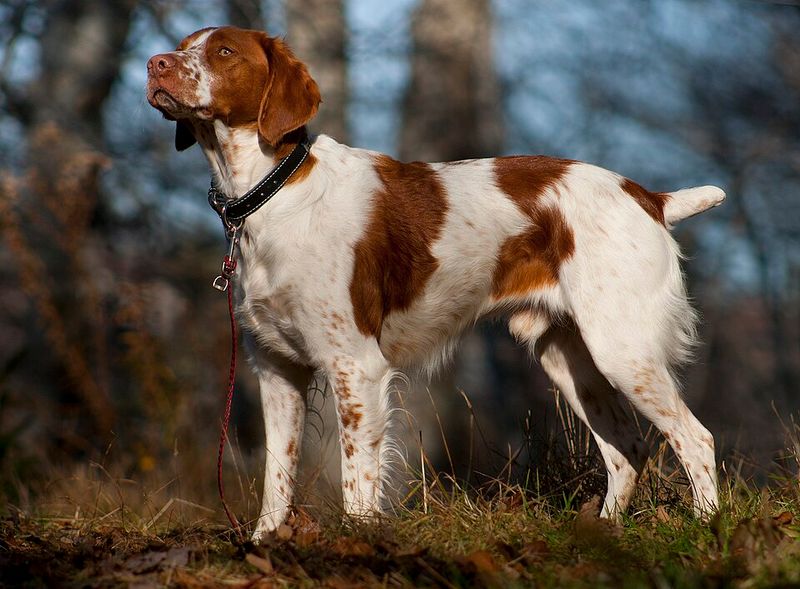
Named after a region in France, the Brittany is a slim bird dog with a light, flat coat. That thin fur means they cool off easily when the house heats up.
The flip side? Chilly rooms can bother them more than fluffier breeds.
You might catch your Brittany hunting for the sunniest spot on the floor.
Offer a warm blanket in winter and plenty of water year-round. Their lean frames appreciate both.
Rough Collie
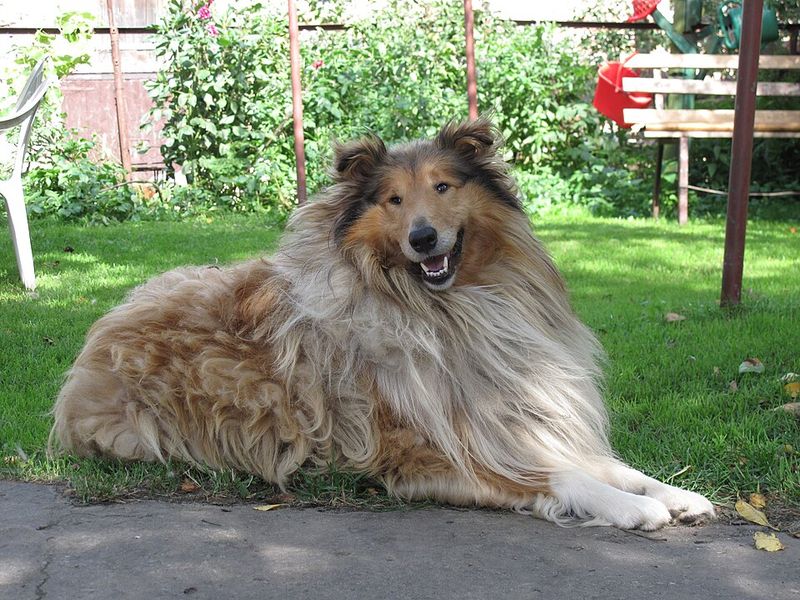
Remember Lassie? That famous flowing mane belongs to the Rough Collie, and it’s as practical as it is beautiful.
Originally from Scotland’s chilly hills, this breed was made for cold air.
Warm houses are another story. All that fluff can make summer indoors tough, so air conditioning and shade matter a lot.
Brush several times a week to remove loose undercoat. Your Collie will breathe easier, and your floors will thank you too.
Standard Poodle
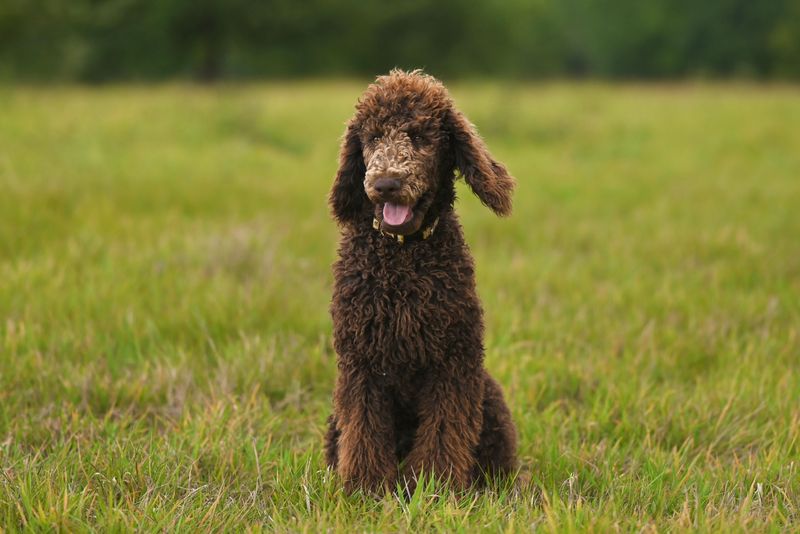
Forget the fancy show haircuts for a moment. Poodles were originally water retrievers in Germany, and their curly coat acted like a warm wetsuit.
Because that coat keeps growing, you control how warm your Poodle stays. A shorter clip suits hot months, while longer fur works nicely in winter.
Freshly shaved Poodles may shiver in a chilly house. Keep a cozy bed ready, and schedule grooming around the seasons for best results.
Australian Cattle Dog
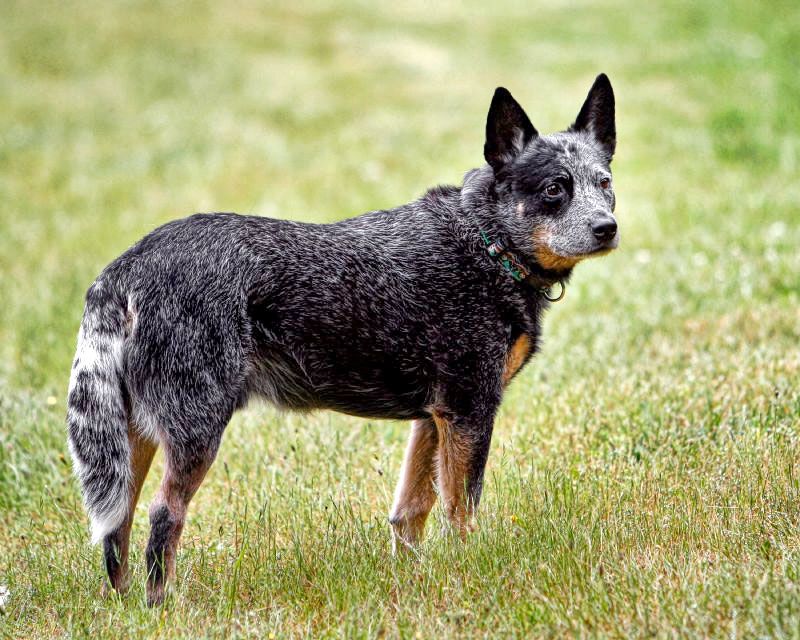
Tough as nails and bred for the blazing Australian outback, the Cattle Dog shrugs off most temperature changes. Its short, weather-resistant double coat handles heat and cold with little fuss.
That toughness can fool owners, though. These dogs push themselves hard and may not show they’re overheating until it’s serious.
Offer water breaks often during indoor play. Also, expect a big shedding season once or twice a year, so keep that brush handy.
Cocker Spaniel
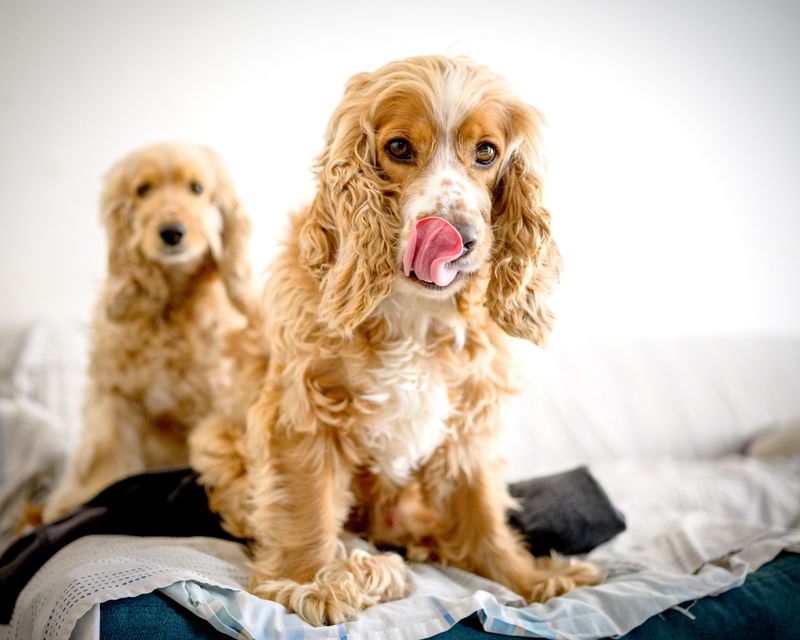
Those long, silky ears and soulful eyes make Cocker Spaniels hard to resist. Their fine, flowing coat, however, needs attention to stay comfortable indoors.
Thick fur on the belly and legs can trap heat in warm rooms. Many owners choose a shorter “puppy cut” for easier care and cooler summers.
Being compact, Cockers also feel drafts more. A padded bed in a warm corner keeps them snoozing happily through winter.