
You grab your keys, and before you reach the door, your dog is pacing, whining, or parked against your legs. For some dogs, being home alone is no big deal, but for others it can feel genuinely stressful.
Certain breeds were developed to work side by side with people all day, and that history can show up as clinginess, chewing, or barking once the house goes quiet. Every dog is an individual, yet these 10 breeds are often linked with a harder time handling alone time, and knowing why can help you plan a calmer day for both of you.
Australian Shepherd
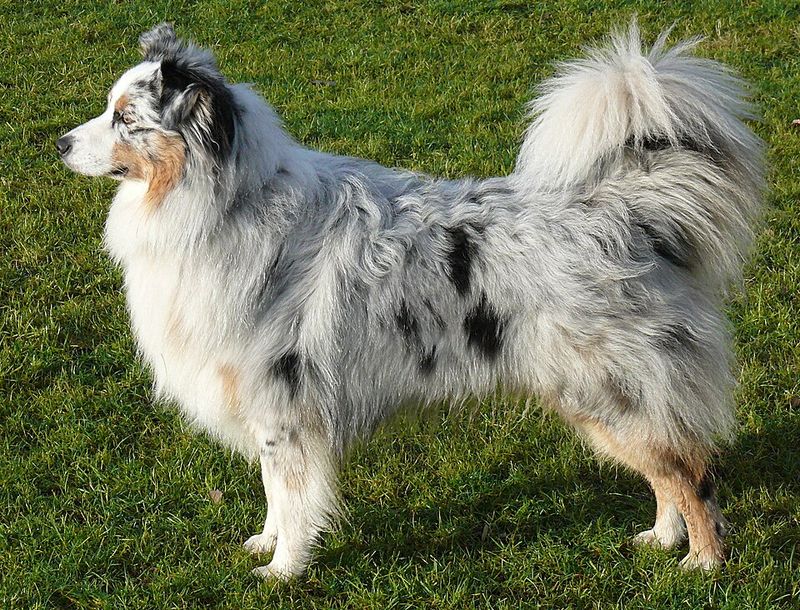
Picture a dog bred to spend sunrise to sundown moving sheep with a rancher. Then picture that same dog in a quiet apartment for nine hours.
The gap between those two lives explains a lot about why Aussies can struggle alone.
Australian Shepherds were developed on Western ranches as close working partners, and they often want a job and a person nearby. When neither is available, some may invent their own projects, like shredding couch cushions or herding the cat.
A solid morning workout plus a puzzle feeder before you leave can take the edge off. Many owners also find that a midday walker makes a noticeable difference for this breed.
Vizsla
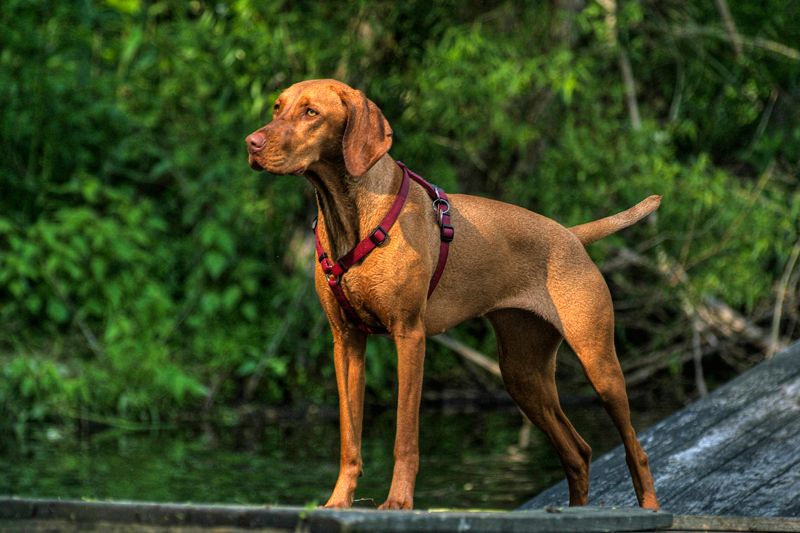
There is a reason people call the Vizsla a velcro dog. This Hungarian pointer often follows its person from room to room, including the bathroom.
Hunters in Hungary kept these dogs close as both field partners and household companions, and the breed tends to prefer physical contact. That strong attachment is lovely when you are home, but it can turn into whining, pacing, or escape attempts when you are not.
Short, gradual practice absences help Vizslas learn that you always come back. Starting with just a few minutes and building up slowly usually works better than a sudden full workday alone.
Bichon Frise
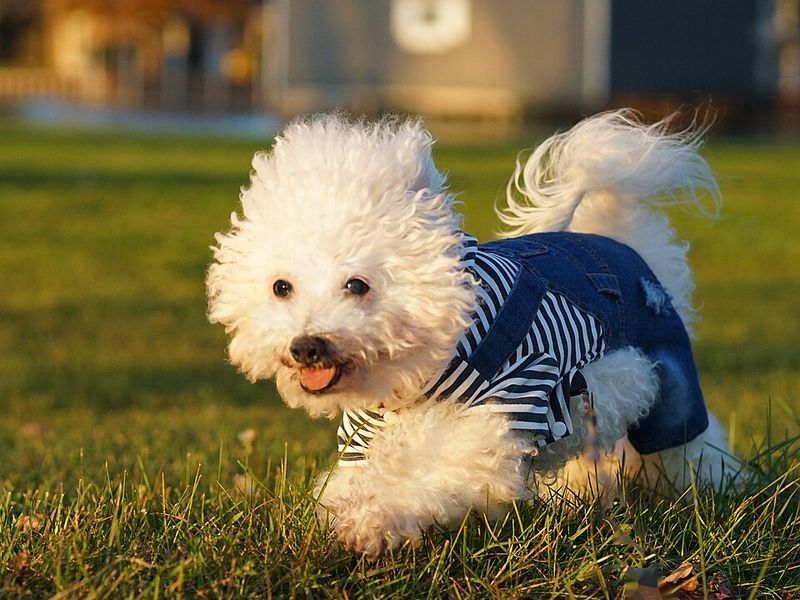
Small, fluffy, and cheerful, the Bichon Frise seems like it would happily nap the day away. In reality, many Bichons were bred purely for companionship, and being the center of attention is part of their job description.
Centuries ago, these dogs were favorites in European courts and later performed with traveling entertainers. A breed shaped around constant human company may feel unsettled in an empty house.
Bichons can also be tricky to house-train, and stress may make accidents more likely. If your Bichon suddenly starts having indoor accidents only when left alone, that pattern is worth noting and discussing with your vet or a trainer.
Border Collie
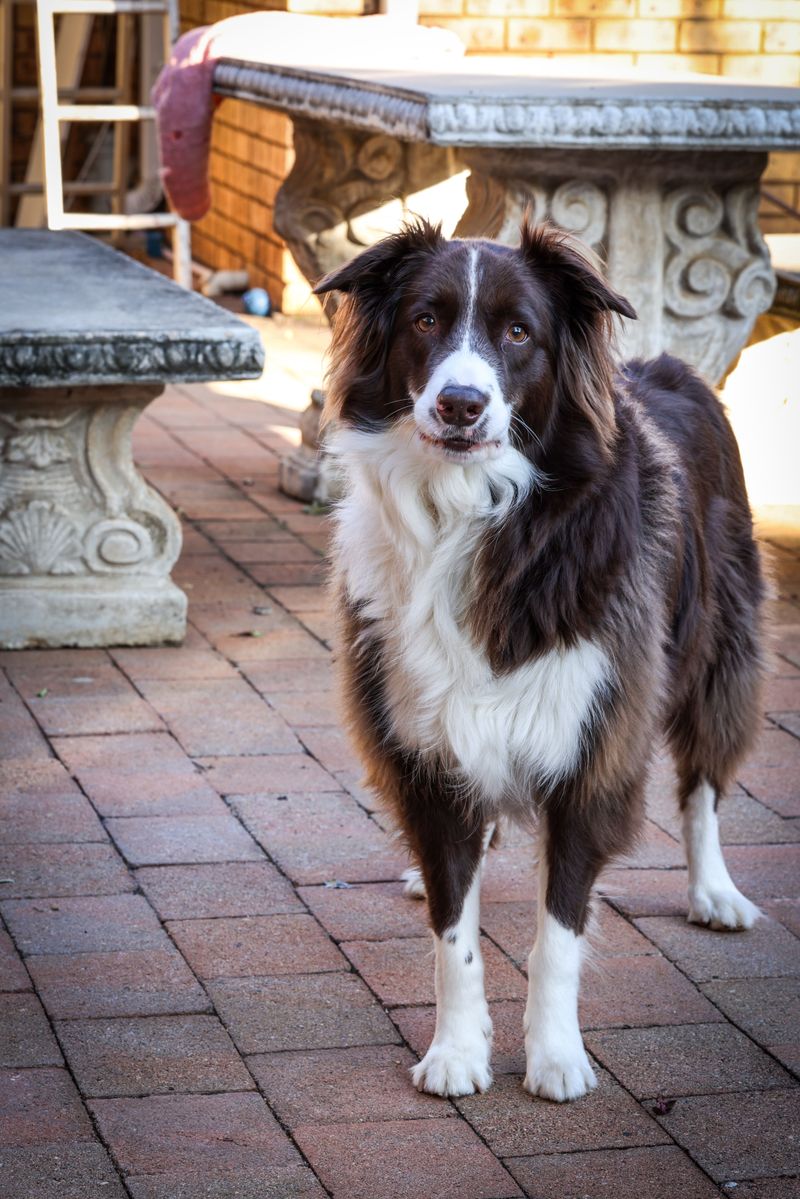
Boredom and loneliness are not the same thing, but for a Border Collie they often arrive together. This sheepdog was selected for intense focus and teamwork with a handler, sometimes for hours at a stretch.
Left without people or purpose, some Border Collies may fixate on shadows, chew door frames, or bark at every passing car. What looks like bad behavior is often an underused working brain plus missing company.
Training sessions, scent games, and sports like agility can tire the mind in ways a simple walk cannot. A mentally satisfied Border Collie usually handles alone time far better than one that started the day under-stimulated.
Cavalier King Charles Spaniel
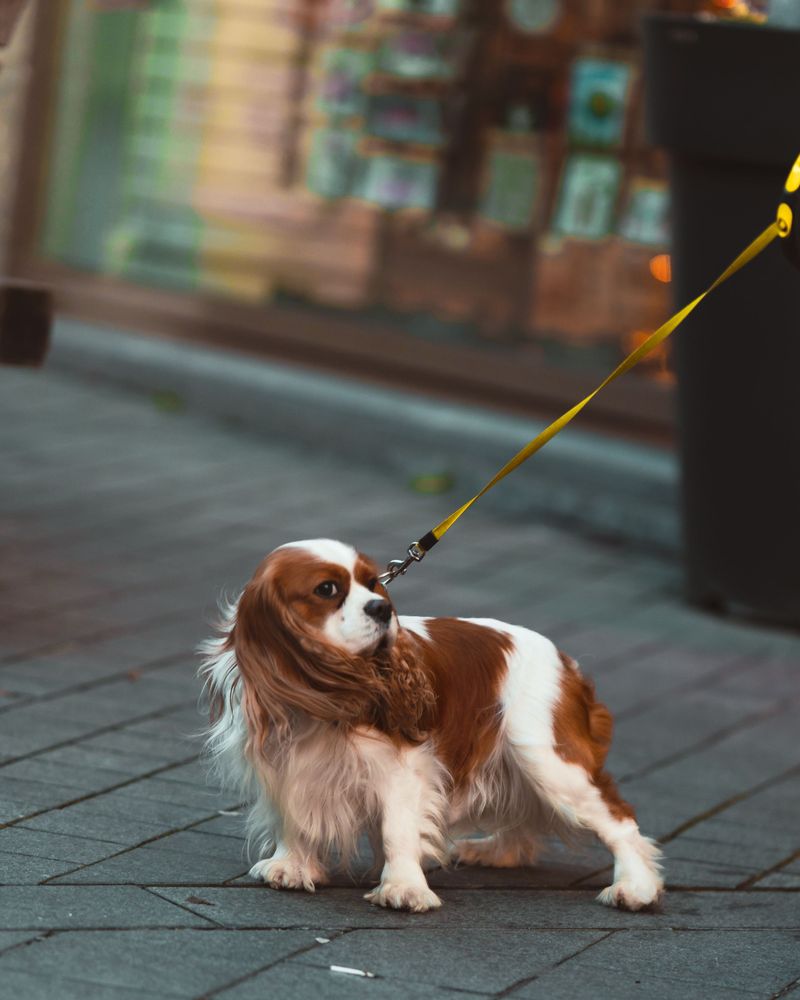
Few breeds wear their lap-dog history as proudly as the Cavalier. These spaniels were long kept as companions by British nobility, and warming a lap was very much the point.
Cavaliers are often described as adaptable and gentle, yet that same people-focus can make long solo stretches hard. Some may cry, scratch at doors, or skip eating until their person returns.
The good news is that Cavaliers usually enjoy calm company of almost any kind. A relative, neighbor, or trusted daycare can often fill the gap during long days away.
German Shorthaired Pointer
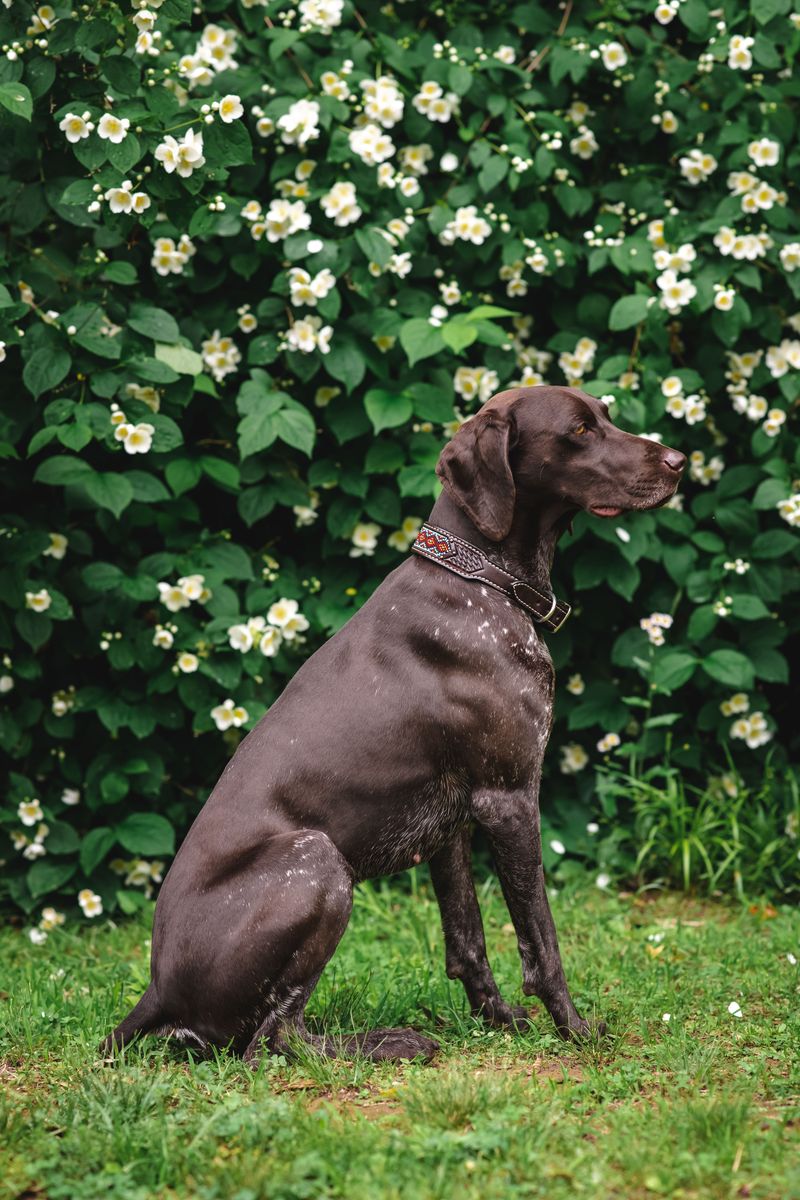
Ask a German Shorthaired Pointer owner about fences, and you may hear stories. This versatile hunting dog is athletic, determined, and very attached to its family.
Bred in Germany to hunt, point, and retrieve on land and water, GSPs typically need plenty of daily exercise. A dog with energy to spare and a strong bond with its owner may try digging or jumping to go find that person.
Secure containment and a tired body matter here. Running, swimming, or fetch before you leave can help a GSP settle instead of patrolling the yard all day.
Labrador Retriever
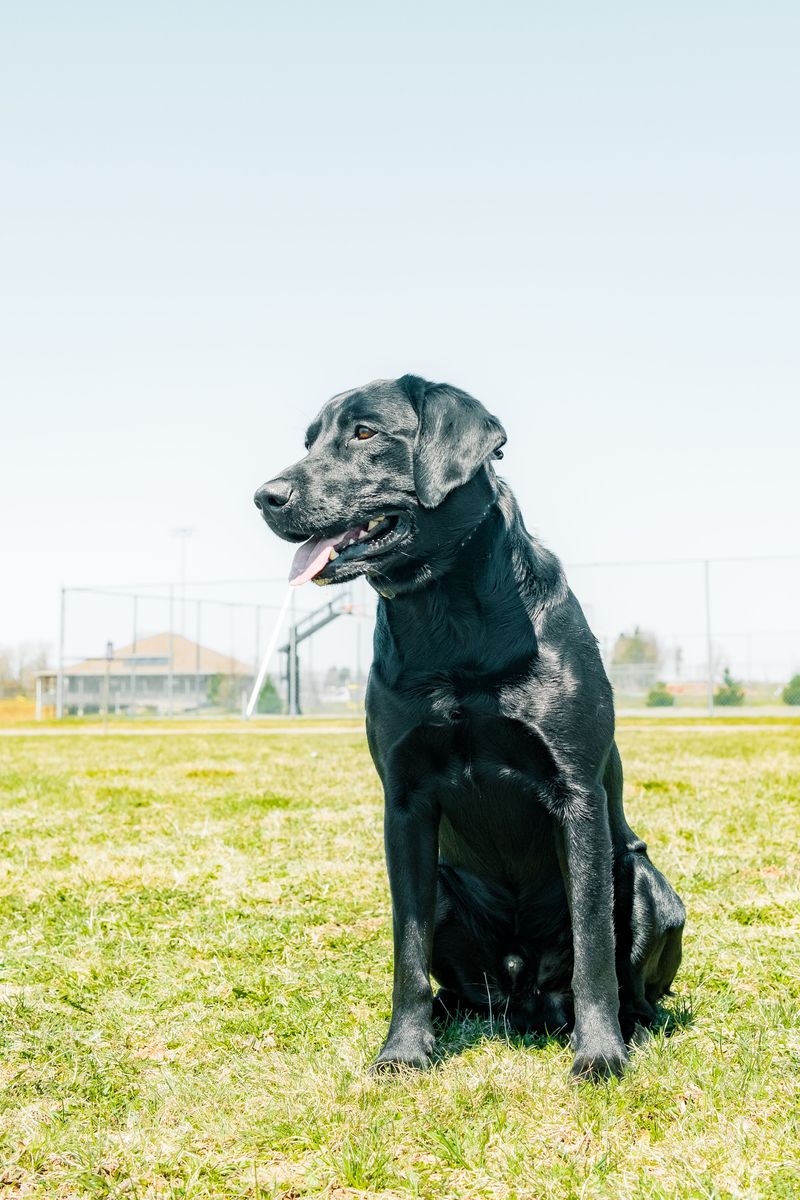
Chewed baseboards are something of a rite of passage with young Labs. America’s long-time favorite breed is social, food motivated, and often happiest in the middle of family life.
Labs were developed to work alongside fishermen and hunters, retrieving all day with people close by. Young Labs especially may struggle alone, and their strong urge to mouth things can make boredom expensive.
Durable chew toys and frozen food puzzles give that busy mouth something legal to do. Many Labs mellow with maturity, but a gradual alone-time routine from puppyhood helps a lot.
Chihuahua
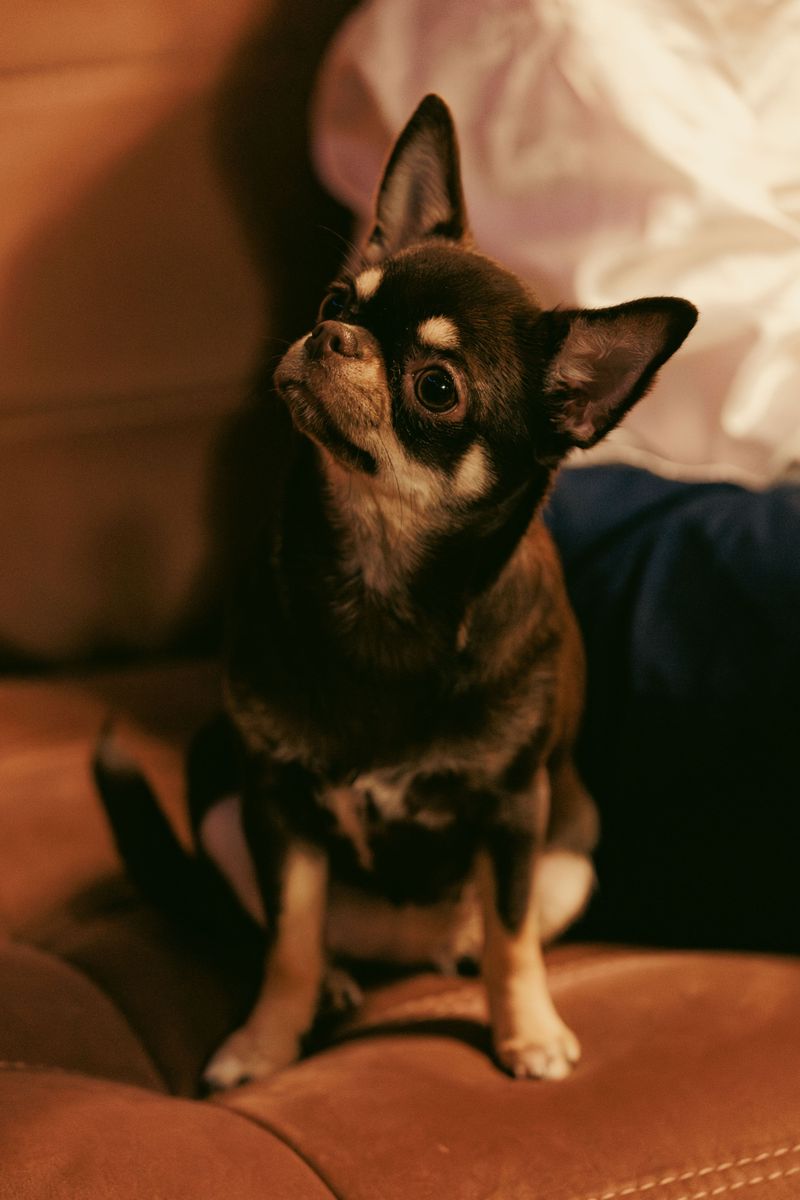
Tiny body, giant attachment. Chihuahuas often bond tightly with one person, and that devotion can make departures feel like a crisis.
Some Chihuahuas may bark or shiver when left alone, and their small size means many spend much of their lives being carried and kept close. A dog used to near-constant contact may never have learned that solitude is safe.
Encouraging independence helps, like letting your Chihuahua walk on its own and rest in a cozy spot away from you while you are home. Small steps toward confidence often pay off when you actually leave.
Italian Greyhound
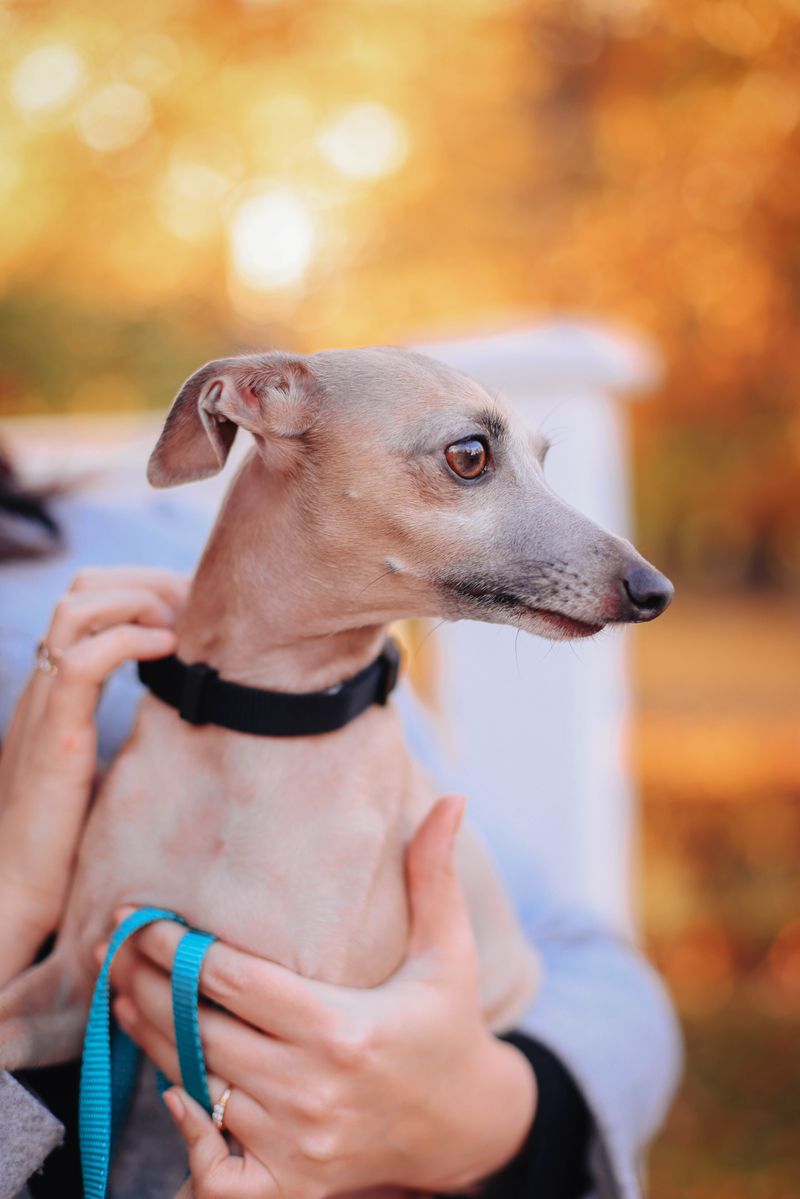
Sleek and elegant on the outside, the Italian Greyhound is often a sensitive soul underneath. This miniature sighthound has been a companion dog for centuries, appearing in Renaissance paintings beside its owners.
Italian Greyhounds tend to seek warmth and closeness, burrowing under blankets or tucking in beside people. Some can become anxious or vocal alone, and stress may also slow progress in house-training, which the breed is known for finding challenging.
A warm, quiet resting spot and a predictable routine can help. Because these dogs have delicate legs, keeping them calm instead of frantically jumping at doors is good for their safety too.
Jack Russell Terrier
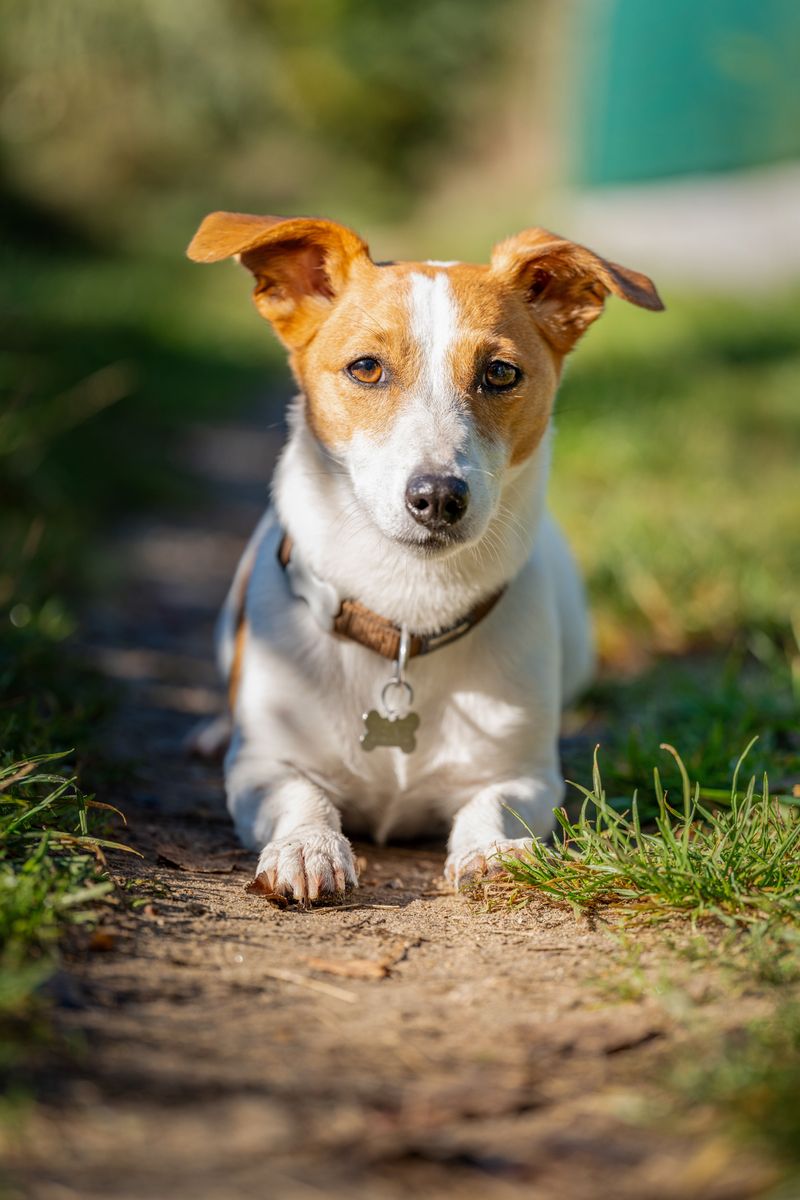
Not every dog on this list is clingy. The Jack Russell Terrier can be fairly independent, yet being left alone and underworked may bring out its loudest, most creative side.
Bred in England to chase foxes underground, Jack Russells have huge stamina for their size and a strong urge to dig and bark. A bored terrier in an empty house may tunnel into furniture or serenade the neighbors.
Tug sessions, flirt-pole play, and digging boxes channel that drive. For this breed, frustration more than sadness is often the real problem, and enough outlets usually make quiet days easier.