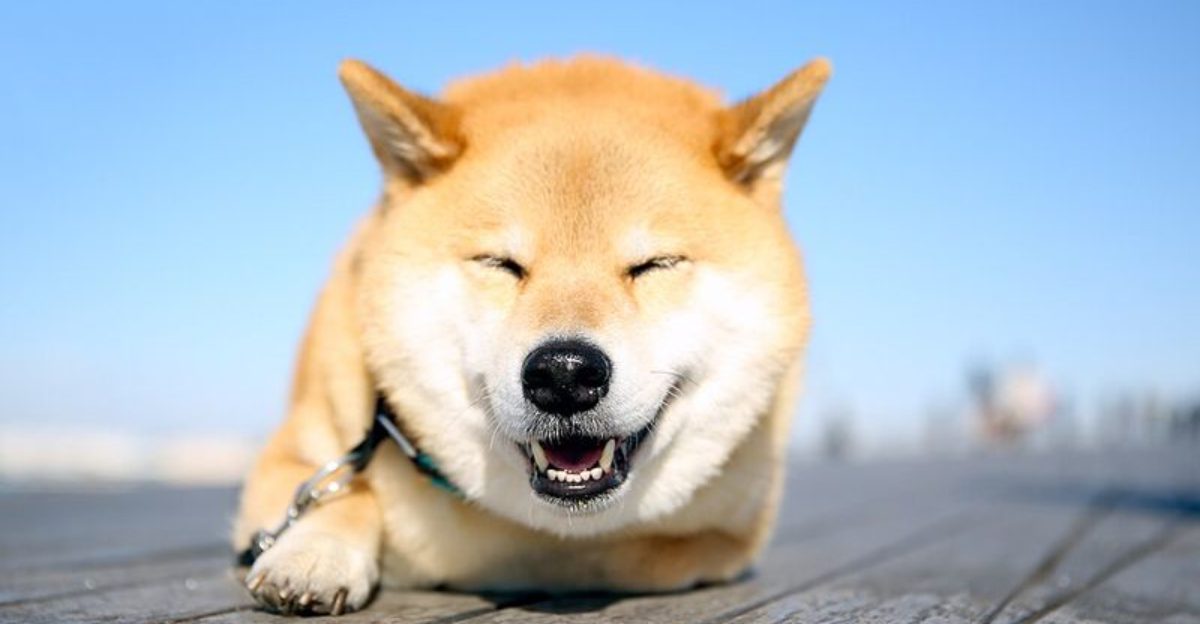
Dogs have feelings, but not every breed shows them the same way. Some pups smile with their whole body, while others keep calm faces even when excited or worried.
Knowing how to read different breeds can prevent mistakes, build trust, and help training. Let’s explore which dogs wear hearts on sleeves and which ones keep people guessing.
Akita
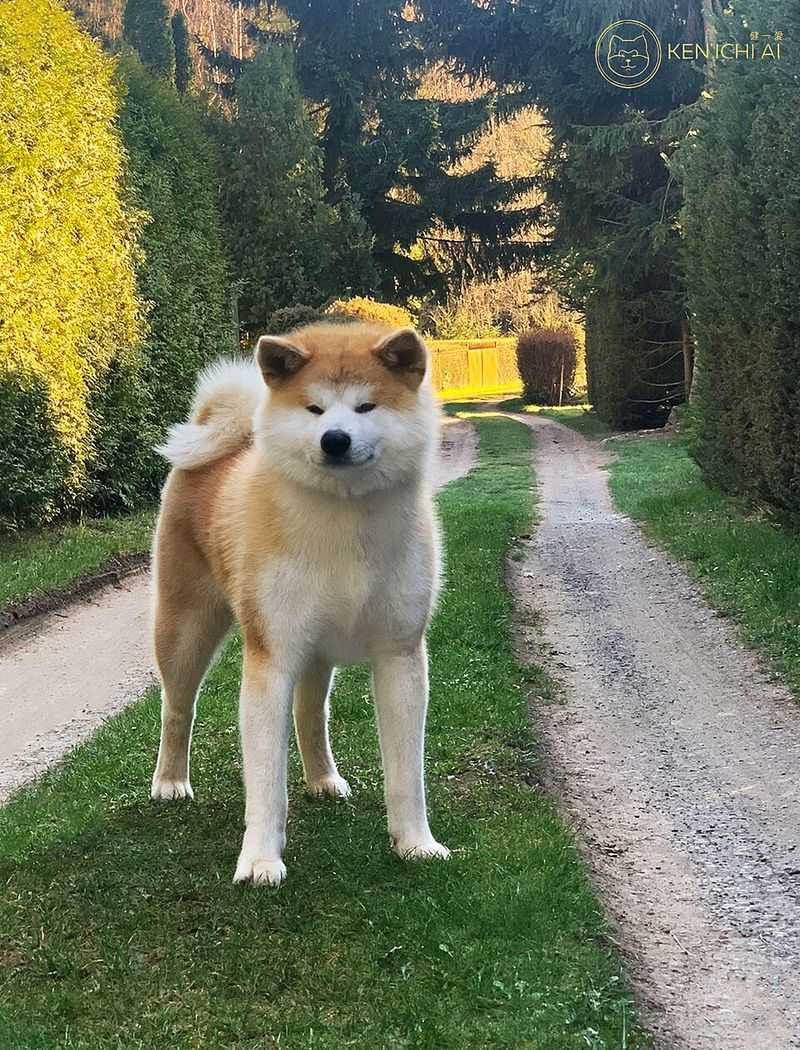
With a look that says, “I’ve got this,” the Akita often keeps feelings tucked away. Their posture speaks softly, not loudly.
Watch for small clues like a slow blink, a tail that loosens a little, or a calm sigh after greeting.
Training works best with steady routines and respectful space. Praise should be warm yet not over the top.
When visitors arrive, let the Akita choose the distance. Gentle patience reveals a loyal, thoughtful friend.
Shiba Inu
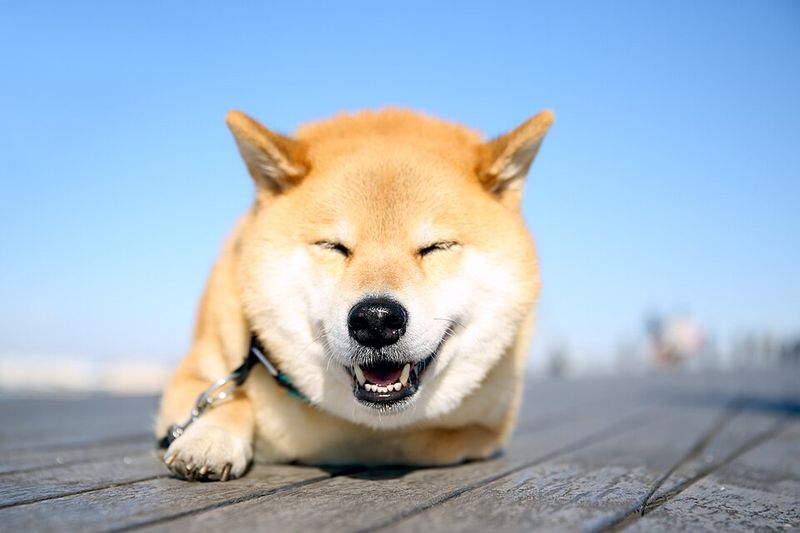
Like a tiny philosopher, the Shiba Inu often appears amused by human fuss. Joy shows in a springy trot and bright, cheeky eyes.
Frustration looks more like a slow freeze, a turned head, or a silent stare instead of a bark.
Short, upbeat training sessions fit their independent streak. Use high-value treats and end on a win.
Give choices, such as which toy to fetch, and you will see more honest, playful signals break through.
Chow Chow
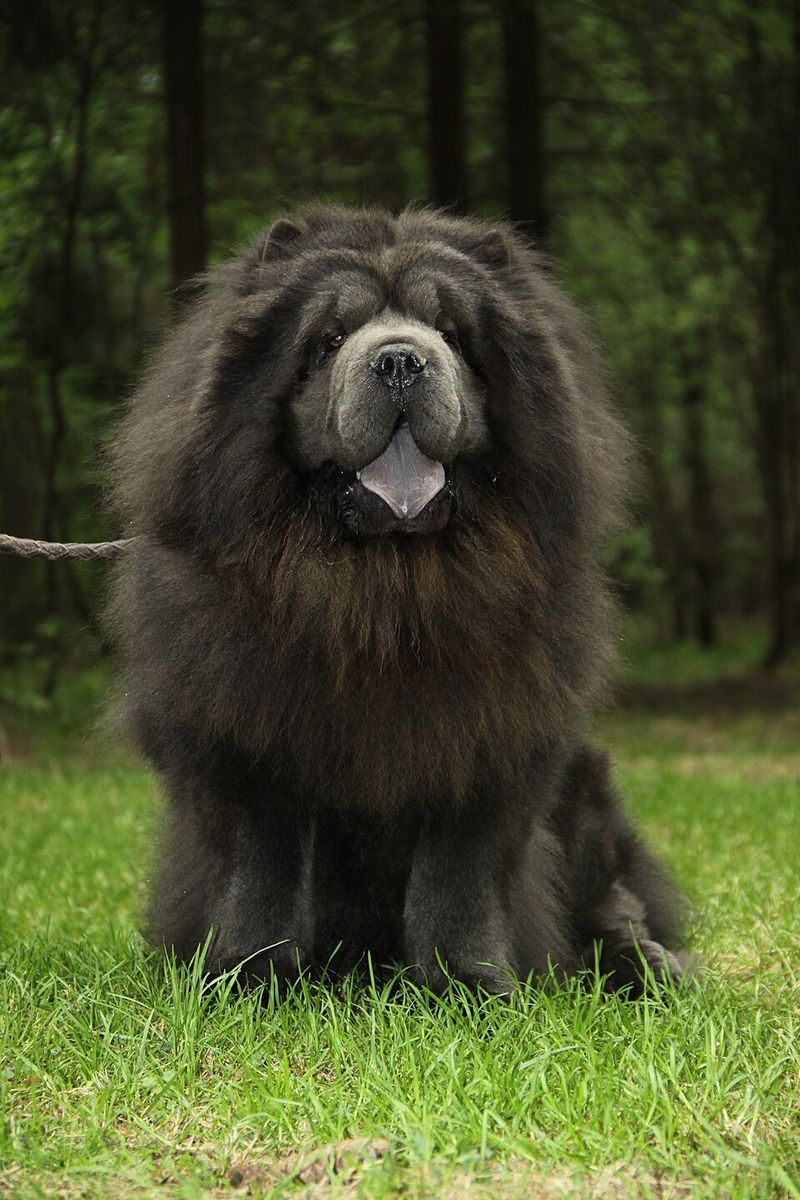
Picture a royal guard in fur. The Chow Chow’s face can seem unreadable, yet the body tells secrets.
A gentle tail sway or softer eye corners often mean comfort, while a still frame and tight mouth suggest concern.
Move slowly with greetings. Offer the back of your hand, then turn slightly sideways to reduce pressure.
Calm rituals, like brushing and quiet sit sessions, help trust grow. Respect earns a brave, steady companion.
Great Pyrenees
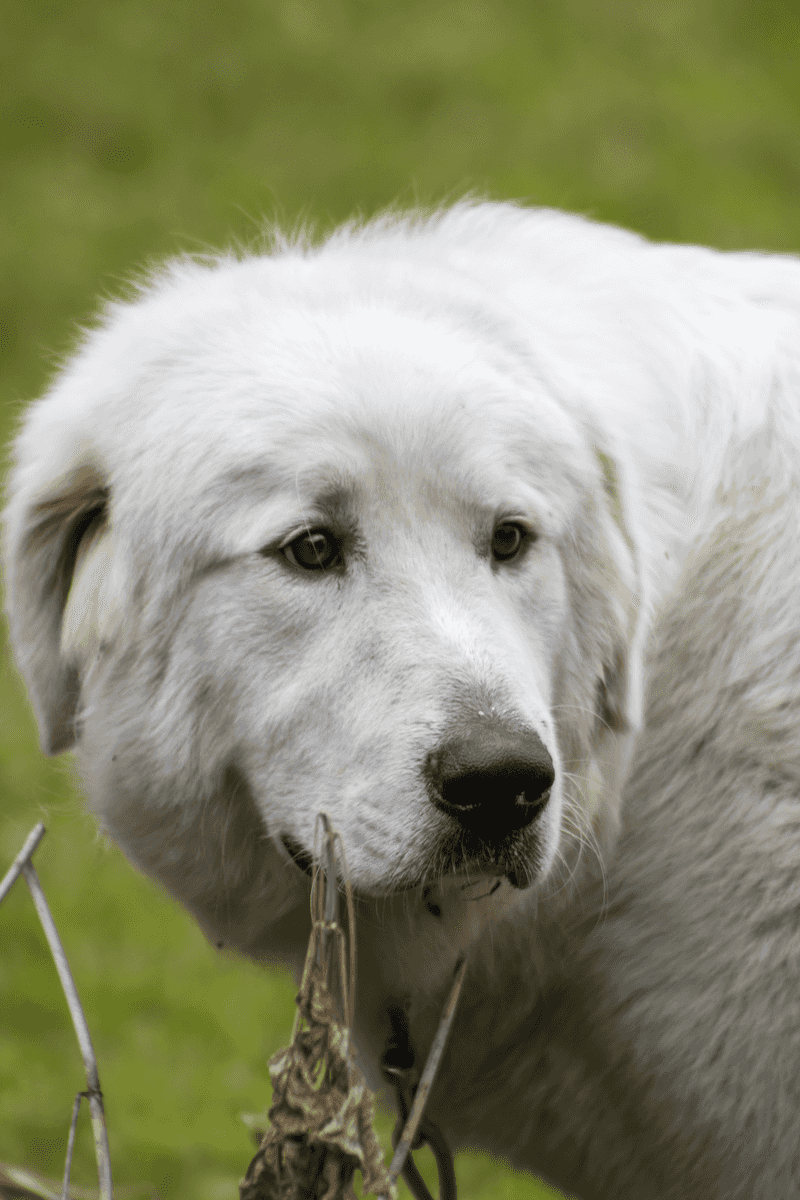
Farmers call them midnight watchers. The Great Pyrenees moves like a cloud and shows feelings in slow motion.
Contentment is a relaxed jaw and a sweeping tail, while worry appears as a tall posture and fixed gaze across the horizon.
They thrive on calm leadership. Keep commands simple and voice low.
Provide meaningful jobs like boundary walks or carrying a pack. Purpose unlocks their confidence, and their kindness appears in protective, measured steps.
Scottish Terrier
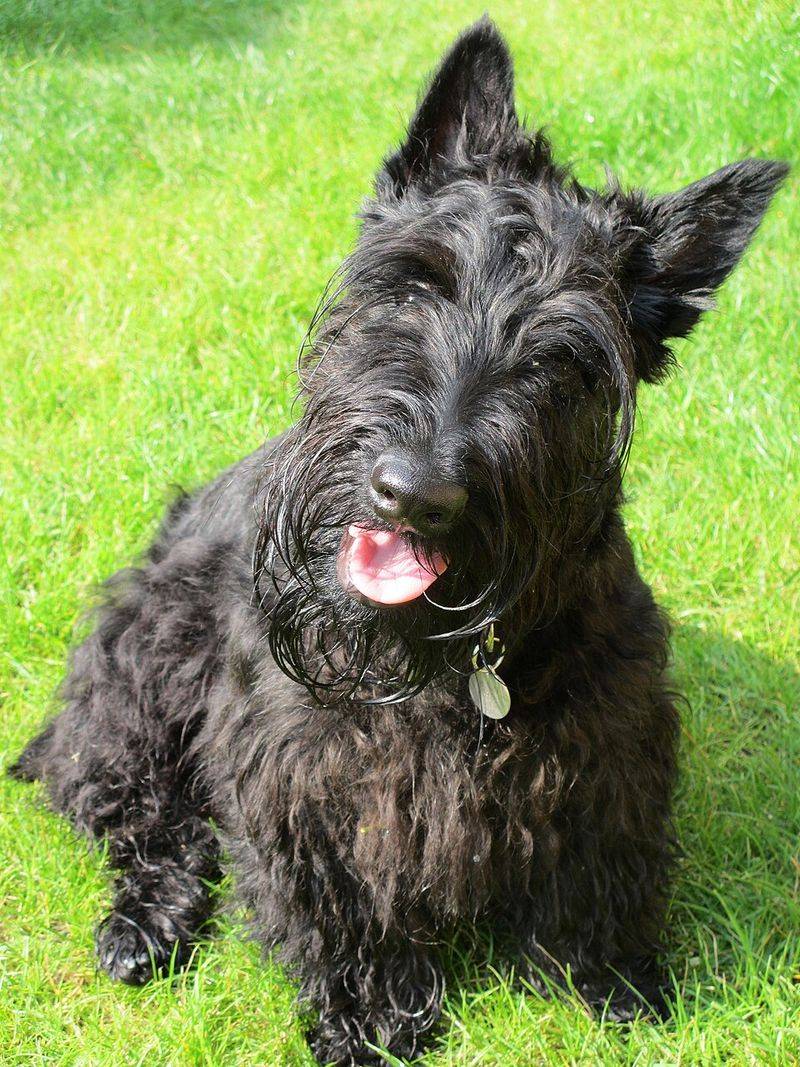
Small body, big attitude. The Scottish Terrier broadcasts opinions through brisk steps and a proud tail.
Happiness looks like a purposeful trot and sparkly eyes. If annoyed, expect a parked stance and a stubborn pause instead of barking.
Turn training into witty banter: short cues, clear rewards, and a little challenge. Trick sessions that involve nose work bring out their smart side.
When they get to solve problems, feelings shine through with charm.
Shar-Pei
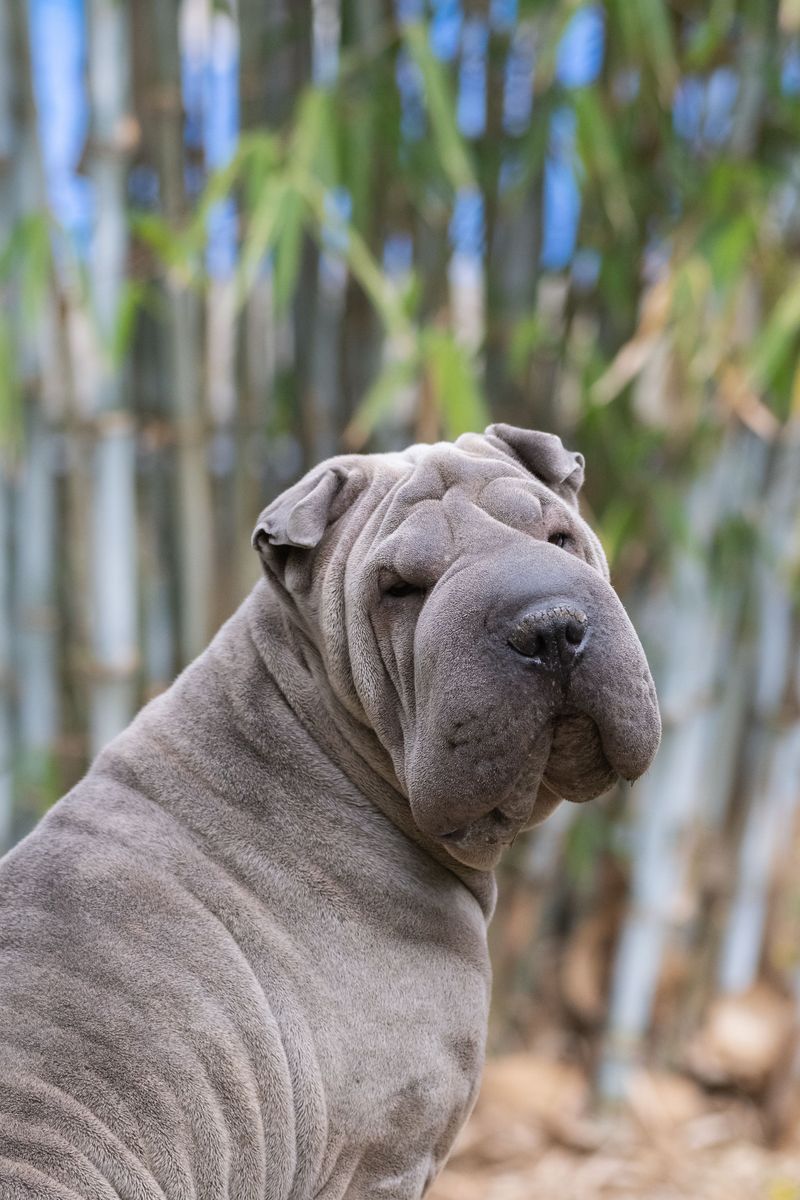
Those famous wrinkles can hide a lot. The Shar-Pei often keeps emotions tight, showing comfort through leaning lightly or taking a slow breath near you.
Tension shows as a stiff neck and a still, coiled tail.
Build trust with predictable routines and respectful touch. Let them approach first.
Reward curiosity with calm praise and tasty treats. Health checks matter too, since skin discomfort can change mood.
Steady care unlocks a deeply loyal spirit.
Basenji
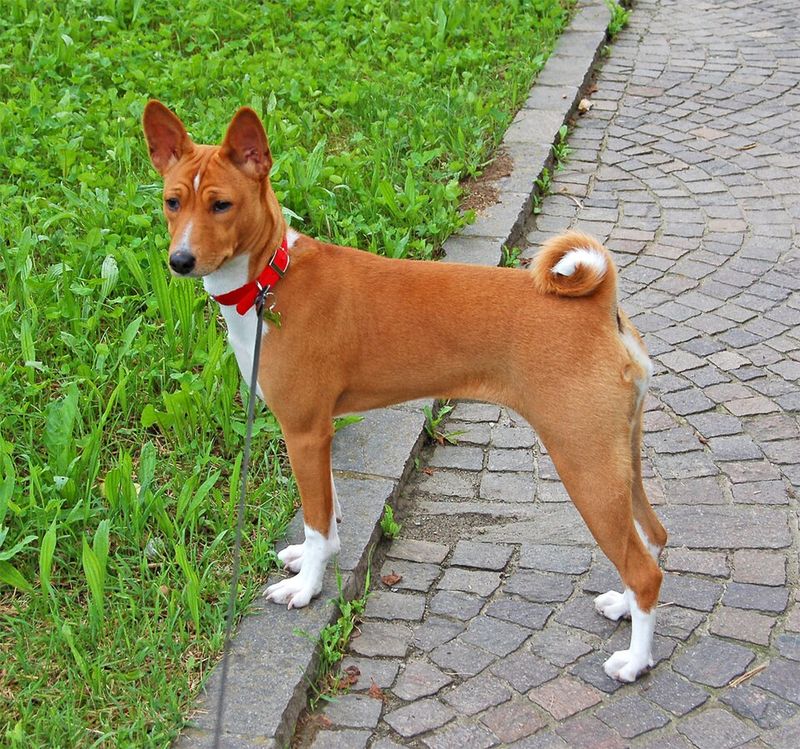
Known as the barkless dog, the Basenji still speaks volumes with movement. Excitement shows in prancy steps and bright eyes.
Discomfort might be a frozen pose or a lip lick before turning away.
Play brain games like scent puzzles to let their curiosity lead. Keep sessions short and upbeat.
Music or gentle humming can help during quiet grooming. When you meet their need to think and explore, their affection shows in soft, steady contact.
Afghan Hound
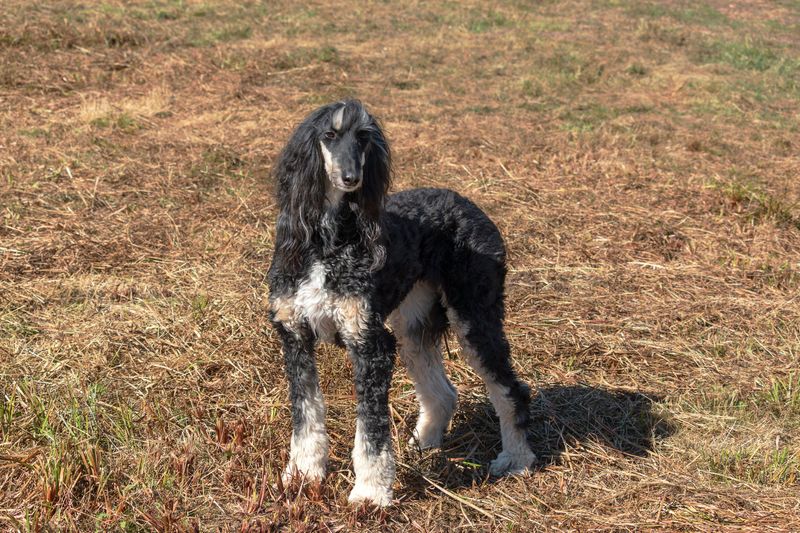
Grace on four legs, the Afghan Hound often feels like a dancer lost in its own music. Joy can be a floating gallop and soft eyes.
When uneasy, you might see a still silhouette and wind-catching ears that stop moving.
Keep training poetic: gentle cues, roomy spaces, and rewards that honor independence. Quiet walks where they can drift at the end of the leash help.
In that calm, tender glances appear like small gifts.
Lhasa Apso
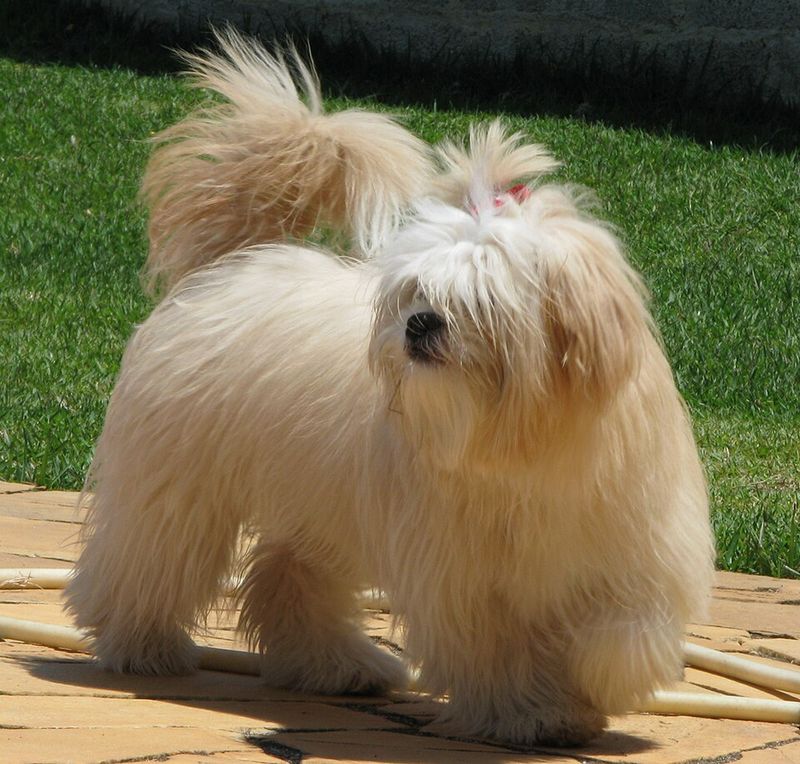
Monastery roots shaped a careful observer. The Lhasa Apso often judges new people from a safe distance.
Comfort shows as a relaxed mouth and slow approach, while a tight posture and tucked paws suggest caution.
Teach polite hellos with treats tossed gently to the side, not straight on. Grooming can become bonding time when paired with quiet talk.
Keep sessions short and respectful, and you will spot playful bursts and cozy snuggles emerging.
Anatolian Shepherd Dog
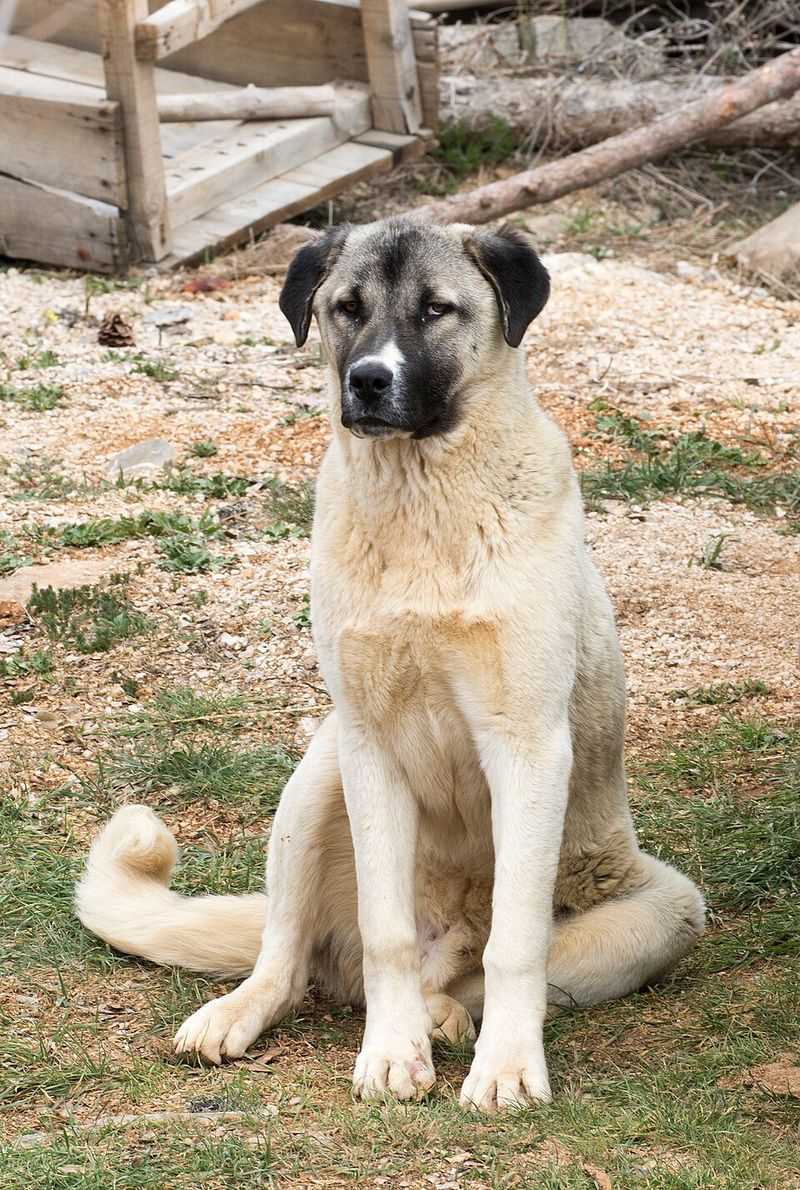
Born to guard, the Anatolian Shepherd Dog reads the world first and people second. Calm looks like a loose tail and scanning eyes.
Concern tightens posture and focuses the gaze far beyond you.
Offer jobs that make sense, like boundary walks or stationary stays with a view. Keep cues firm but friendly.
Socialize thoughtfully, never rushing greetings. When they trust your judgment, affection appears in quiet leaning and loyal shadowing across the yard.
Saluki
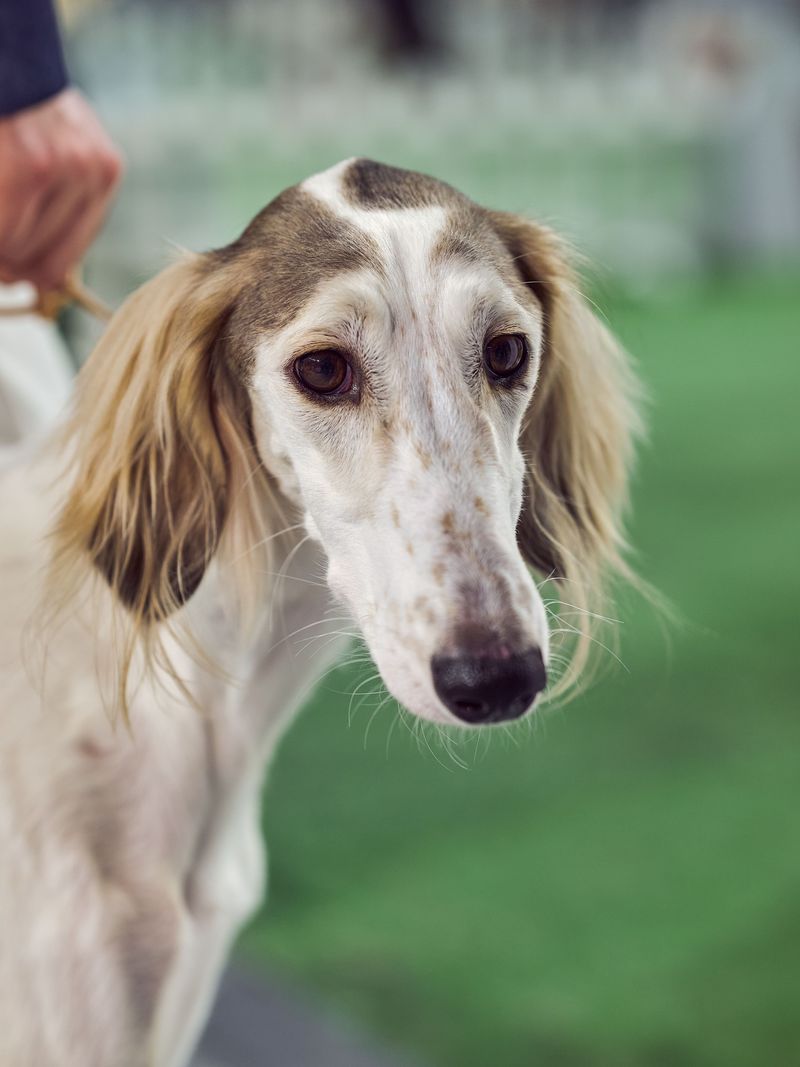
Like a whisper on the wind, the Saluki shares feelings in delicate ways. A soft eye and a gentle tail drift say contentment.
Stress looks like a frozen stand or quiet yawns that appear out of place.
Confidence grows with kind handling and roomy spaces to stretch. Use smooth, consistent cues and reward with movement games.
Peaceful companionship brings their warmth forward, and soon you will notice tender nudges and quiet closeness by your side.
Borzoi
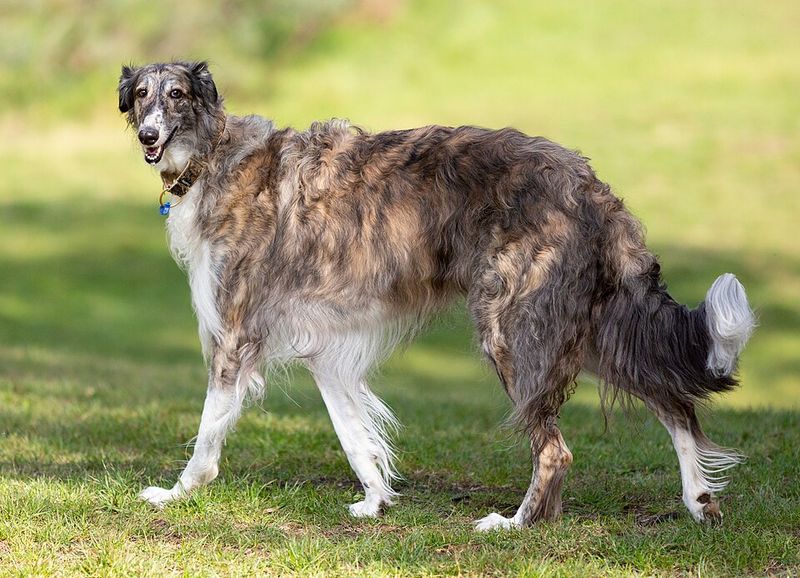
Poetry in motion fits the Borzoi. Happiness glides through a loose, sweeping gait and relaxed shoulders.
If uneasy, they may stand tall and still, with ears drifting back and a quiet glance away.
Gentle training with long lines lets them think while learning. Use soft praise and tasty rewards after calm recalls.
Provide cozy, draft-free resting spots for their long frames. In time, they show affection through graceful approaches and calm eye contact.