Some dogs treat every toy like a test. If you live with a power chewer, you know flimsy materials do not stand a chance.
The right toy and a few smart habits can help gear last much longer. Here are breeds known for strong jaws and big energy, plus tips to keep play safe and durable.
Labrador Retriever
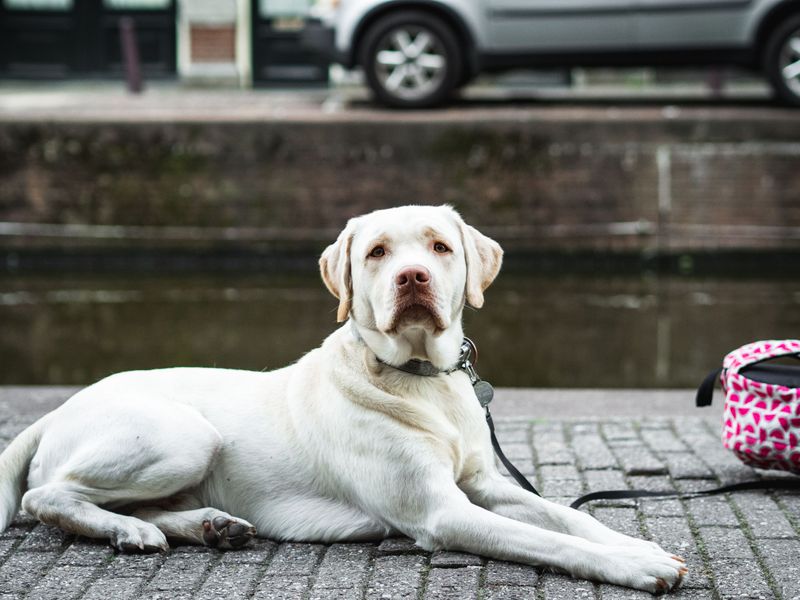
Big smile, bigger fetch drive, the Labrador can shred weak toys fast if bored. Give heavy-duty rubber or thick canvas, and rotate shapes to keep interest high.
Short training bursts teach calmer play, so chews last longer. A frozen Kong stuffed with kibble and yogurt satisfies their mouthy nature and protects seams.
Daily retrieves in a safe field burn energy, which prevents power chewing on furniture and toys. Inspect chew edges weekly for cracks forming.
Rottweiler

Proud head, steady eyes, a Rottie treats flimsy squeakers like confetti. Offer solid, single-mold rubber and braided rope knots, not stitched plush.
Oversize shapes spread bite pressure across wider surfaces.
Impulse control games, like waiting before grabbing a toy, save materials. Weight-pulling history hints at jaw stamina, so plan short chew sessions with breaks.
After workouts, choose cooling chews from the fridge to reduce gnaw force.
Boxer
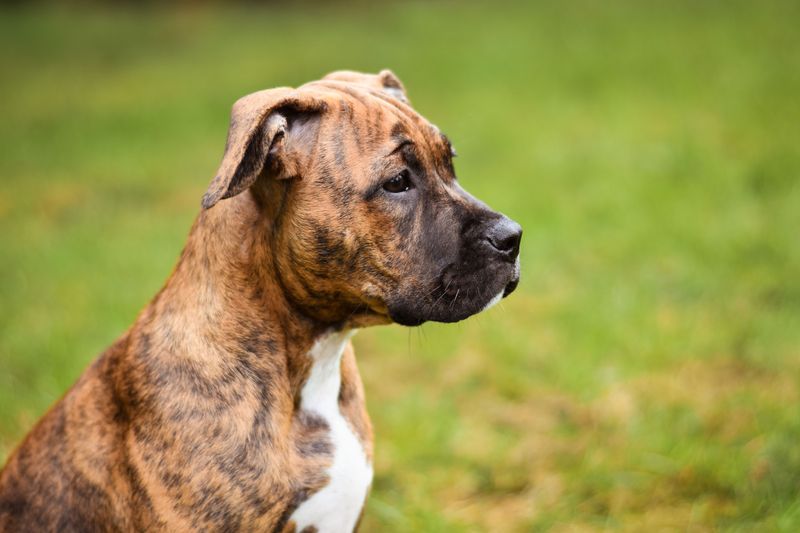
Wiggly energy meets curious mind, and the Boxer turns toy time into comedy hour. Select springy rubber balls with thick walls and avoid thin seams that split when pounced.
Stuffable cylinders keep that busy mouth working safely.
Short nose means wider grips work better. Teach trade games so excitement stays low and toys do not become tug targets.
Five-minute fetch sprints, then rest, protect materials and joints.
American Staffordshire Terrier
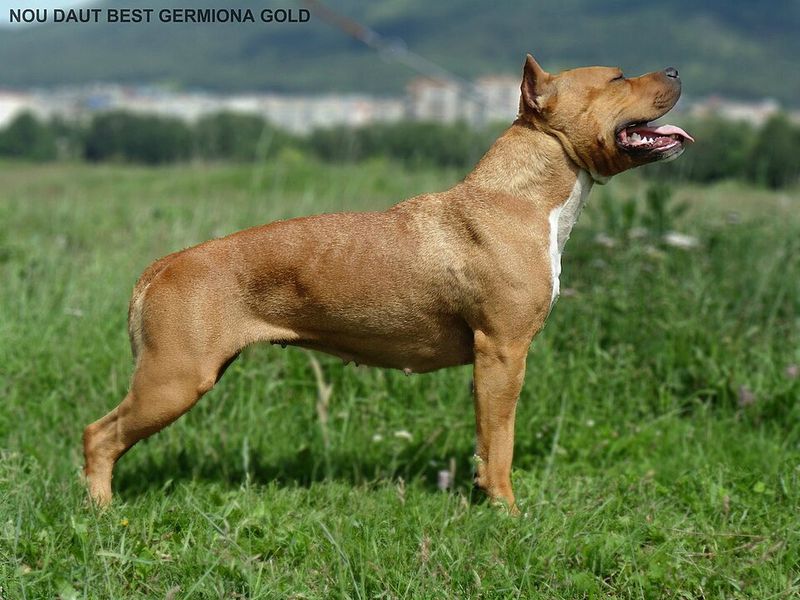
Muscle meets charm in the AmStaff, but toys must be built like gym gear. Go for thick rubber rings, fire-hose fabric, and no-squeak cores to avoid obsessive ripping.
Teach a relaxed hold with gentle marking and rewards. History as a working terrier means determination, so plan chew windows, then swap for sniff games.
Check toy surfaces after play and trim frays to extend life safely.
German Shepherd
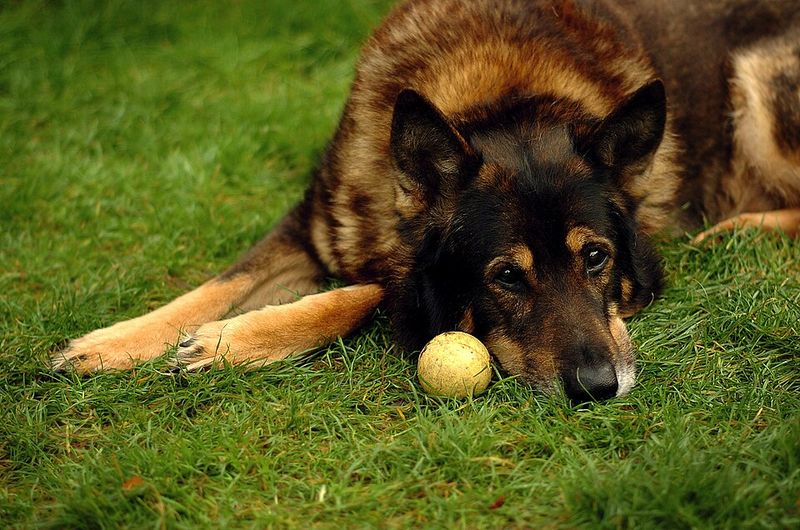
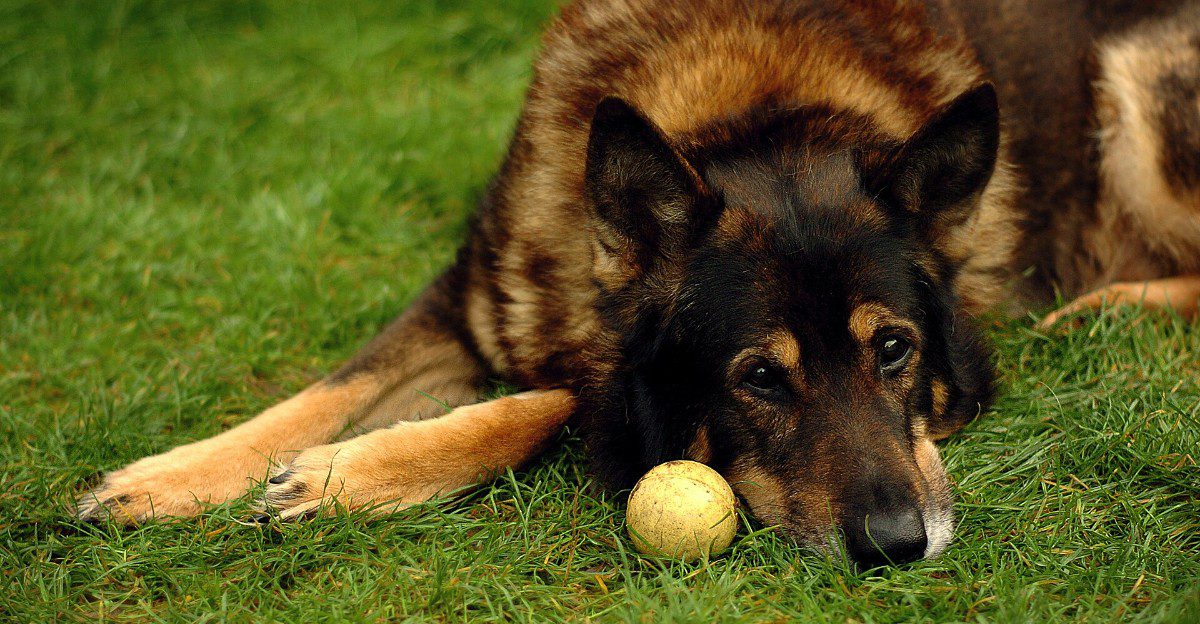
Always thinking, the German Shepherd solves puzzle toys like homework and then asks for harder. Choose load-bearing chew sticks and textured balls, not brittle plastics.
Brain games cut stress, which protects toys from anxious gnawing. Teach out on first ask, reward calm sits, and rotate toys every few days.
Daily tracking walks satisfy their nose and tire out busy minds. Oversized handles help safer tug without tearing stitches.
Staffordshire Bull Terrier
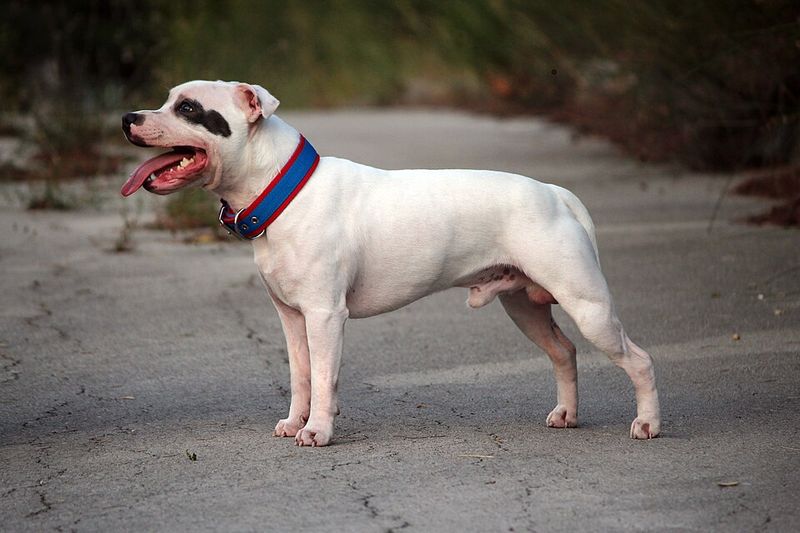
Stocky frame, sunny grin, and a Staffy loves a good chew after zoomies. Pick dense rubber dumbbells and layered canvas discs that survive spirited tug sessions.
Practice settle on a mat to switch off that buzz. Freeze broth inside treat toys for slower chewing and fewer bite marks.
A quick history note, miners prized these dogs for toughness, so plan sturdy play gear at home.
American Bulldog
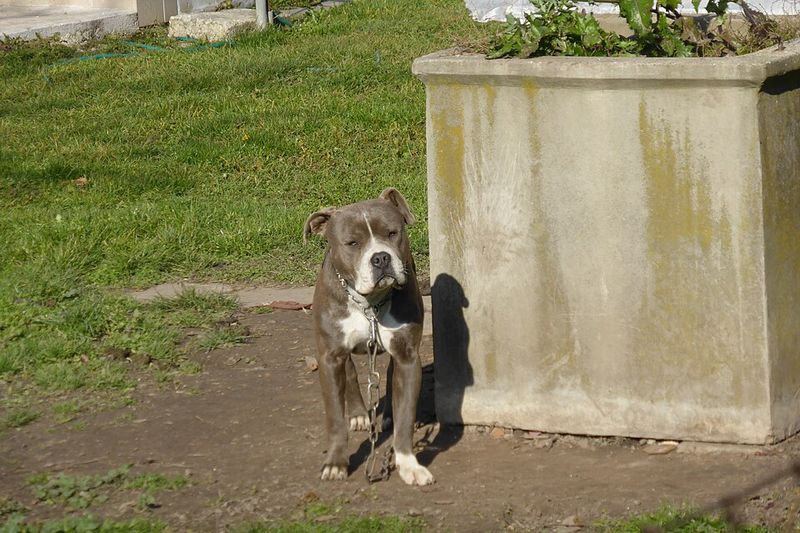
Farm roots show up when an American Bulldog grabs a rope and leans with purpose. Use long, thick tugs with knotted ends and avoid metal parts that can chip teeth.
Teach two-toy swaps to prevent locking on one prize. Short hill climbs burn energy, then calm chews keep jaws busy without destroying seams.
Inspect stitching and cut loose strings before play starts for extra safety.
Bullmastiff
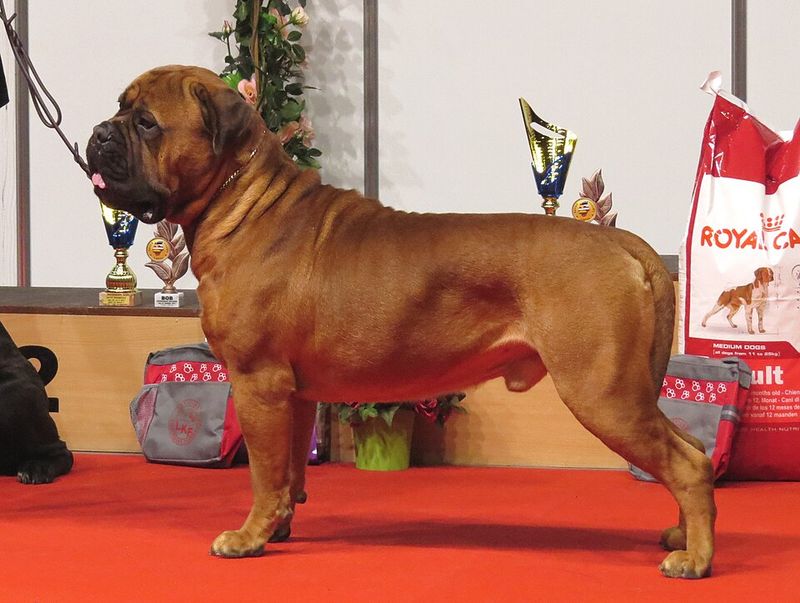
Quiet strength defines the Bullmastiff, and slow, steady chewing is still powerful. Choose hefty, single-piece toys and XL size to fit that broad mouth.
Because heat can bother giants, indoor scent games help reduce stress chewing. Teach drop with gentle trades and praise to avoid clampy habits.
After meals, offer a textured chew to massage gums and slow momentum. Floor-friendly materials protect hardwoods during play.
Jack Russell Terrier
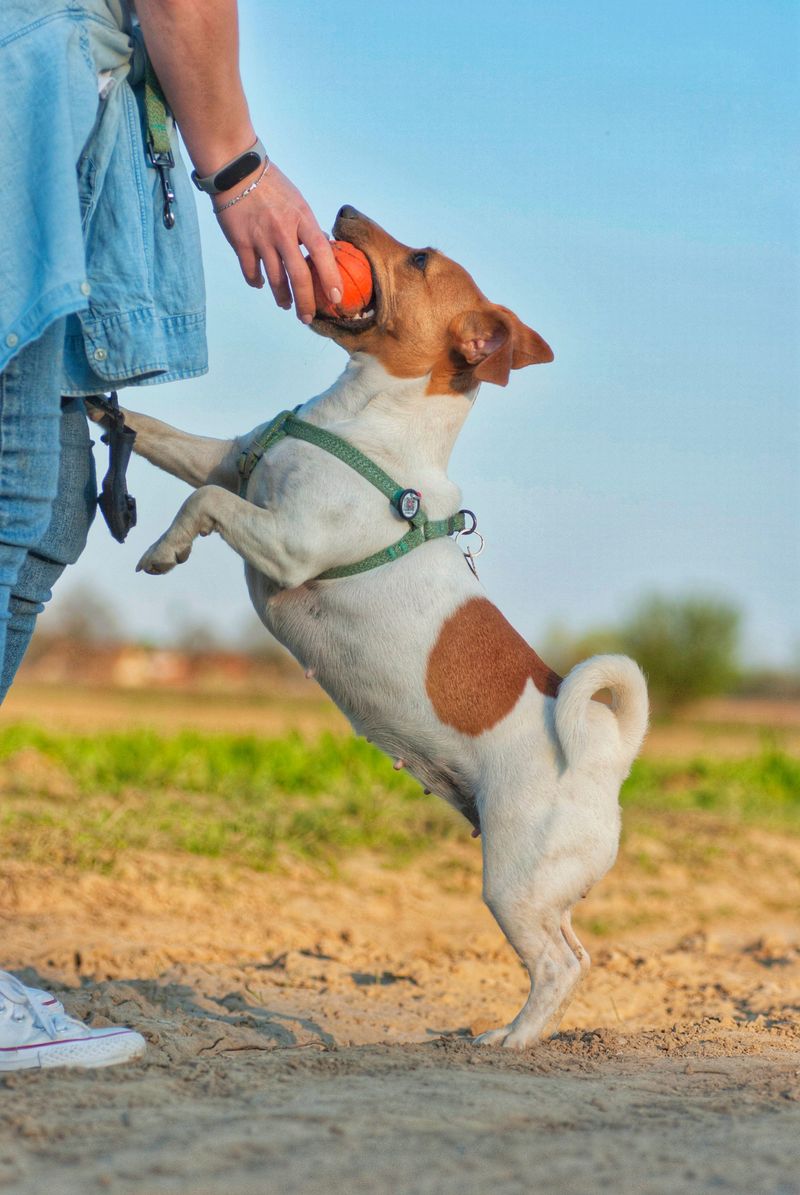
Small body, rocket engine, the Jack Russell treats flimsy toys like targets in a field. Go with compact rubber balls, tough woven tug rings, and puzzle feeders to channel drive.
Ten-minute nosework hunts beat boredom better than nonstop fetch. Teach a gentle take, then a clean give, using treats and calm praise.
Fun fact, the breed chased foxes underground, which explains tireless chewing stamina today.
Australian Cattle Dog
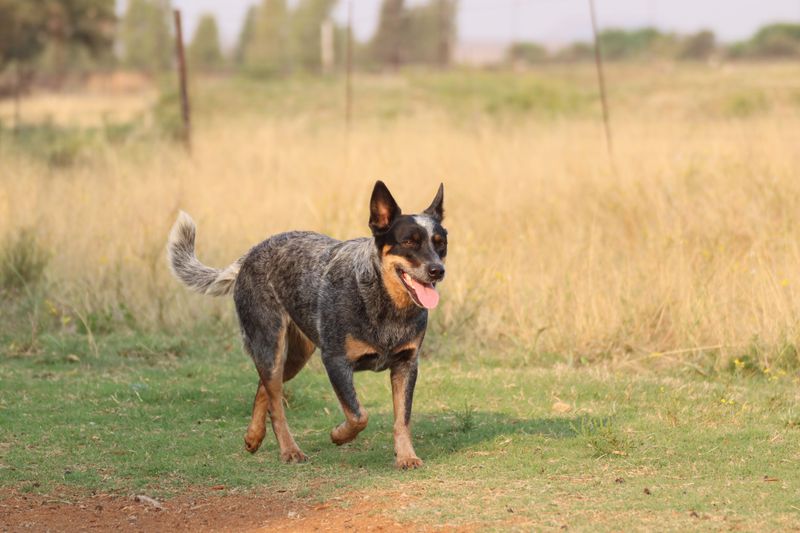
Workaholic by nature, the Australian Cattle Dog views toy time as a job to finish. Pick firm discs and durable rubber bones that survive sharp, quick bites.
Trick training before play lowers arousal and protects gear. Herding roots crave tasks, so hide toys around the yard and let problem solving begin.
Rotate colors and textures weekly to reset novelty and reduce destructive patterns during play.
Cane Corso
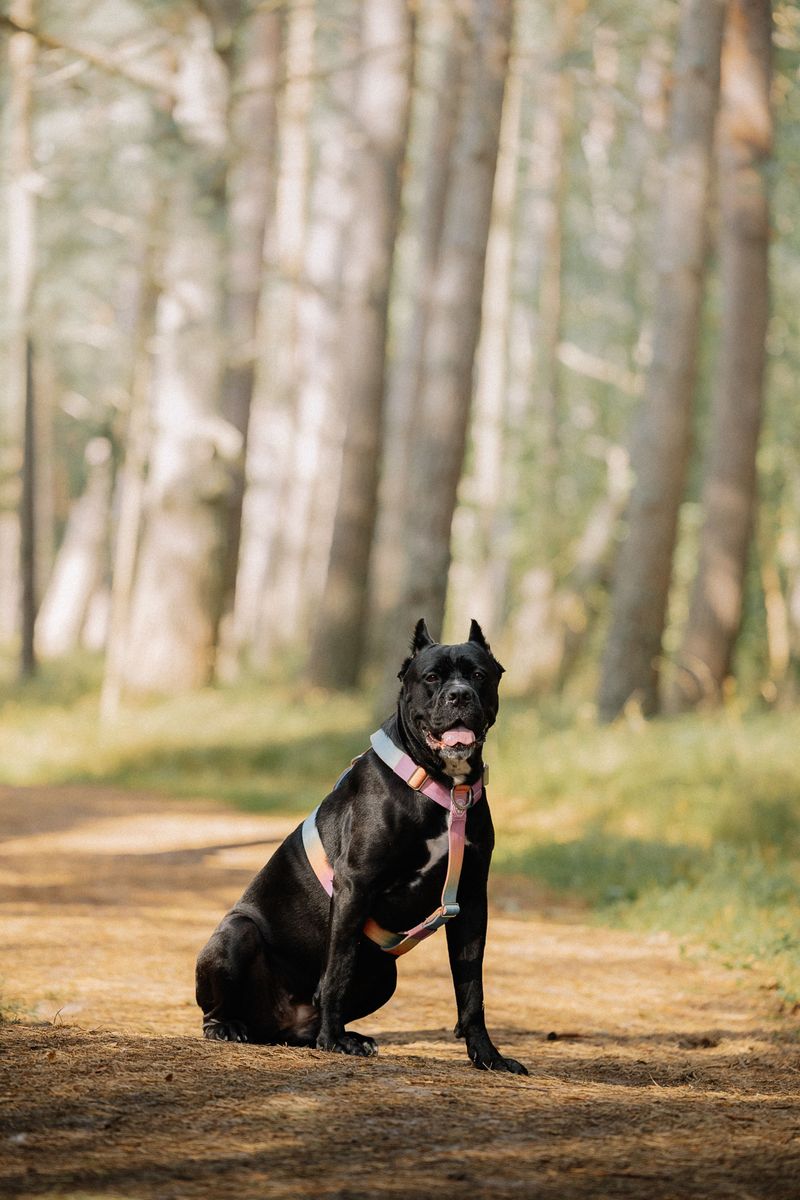
Impressive presence, calm posture, the Cane Corso still carries serious jaw power. Select reinforced rubber hammers and heavy rope with protection sleeves, skipping fragile plastic parts.
Manners matter for longevity, so require a sit before each fetch or tug. Brief patio sunbaths followed by shaded chew time prevent heat crankiness that ruins toys.
Weekly inspections and prompt trimming of frayed fibers keep play safe longer.