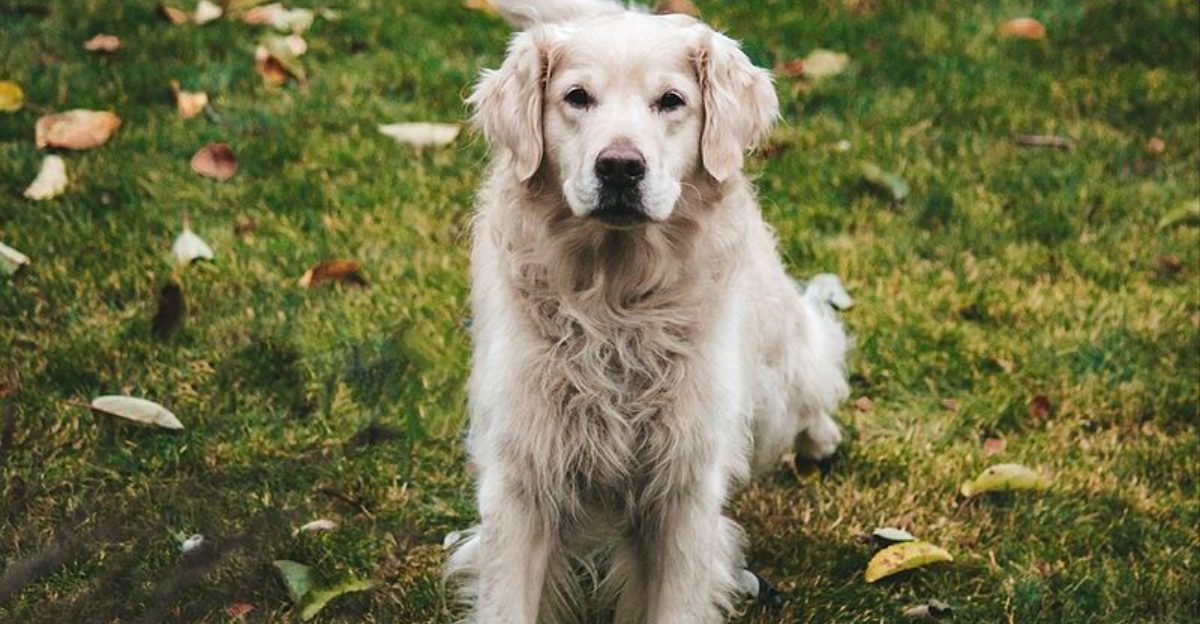
Ever notice how some dogs seem to grow into themselves, choosing patience when they once chose chaos? That shift is not magic, it is emotional maturity, and you can actually see it in everyday moments.
These breeds prove that empathy, restraint, and reliability can be trained and nurtured. Keep reading, and you will recognize the turning points that transform good pups into thoughtful partners.
Golden Retriever
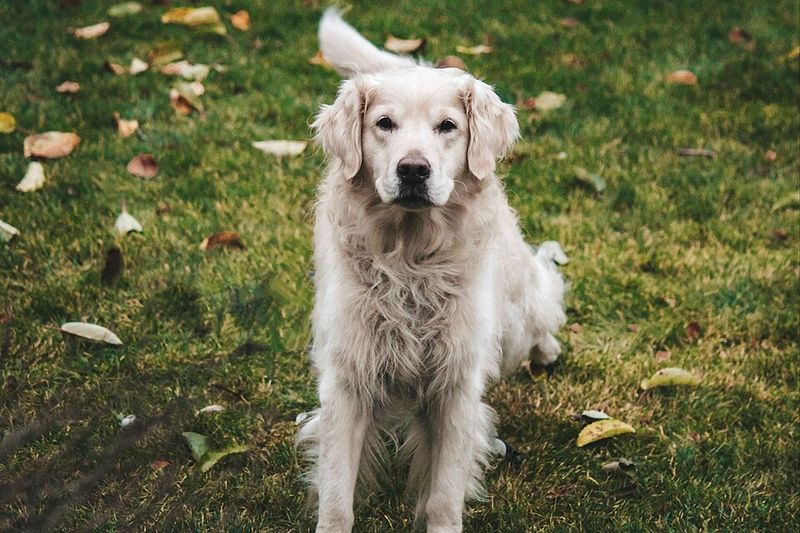
Golden Retrievers wear their hearts on their sleeves, but real growth shows when that sunshine turns steady. You notice it the first time they ignore a squeaky distraction to check on you.
That gentle pause says they understand moods, not just commands.
As they mature, fetch becomes less about winning and more about sharing time. They read rooms, settle kids, and offer a warm head when stress spikes.
With patient training and daily structure, their kindness sharpens into calm, reliable empathy.
That steadiness also shows on walks when they yield the path to nervous dogs. They choose patience over push, then glance back for approval.
In those moments, you see a partner who grows emotionally alongside you, not just a pet learning tricks.
Labrador Retriever
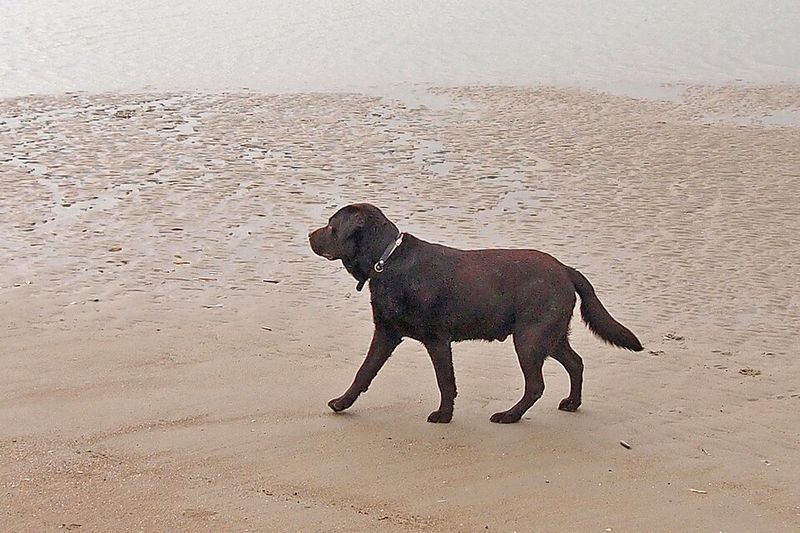
Labradors start as goofy athletes, but their turning point is focus under pressure. You notice it when the ball rolls away and they look to you first.
That quick check-in says, your lead matters, and they are ready to follow it.
With steady routines, Labs become guardians of good vibes. They buffer kids from rough play, settle around strollers, and watch doorways politely.
You see choices that favor safety, empathy, and a job well done over constant thrill-seeking.
Feeling your stress, they downshift and press close without being clingy. They learn to gauge tone, not just words.
Over time, your Labrador becomes the same joyful companion with a wiser heart, proving that fun and maturity can absolutely live together.
German Shepherd
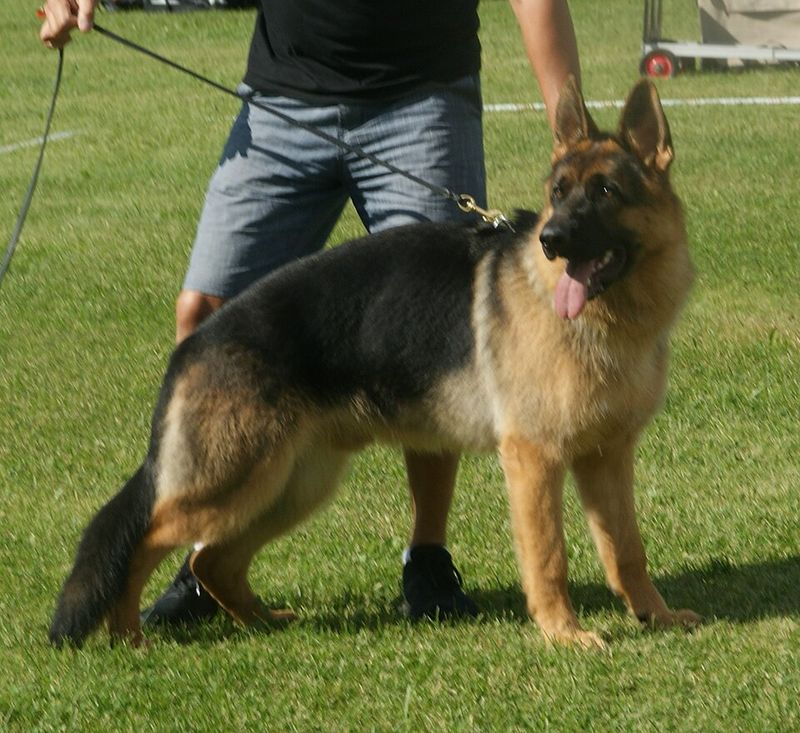
German Shepherds are famous for brains, but maturity is their real superpower. You see it when they choose observation over immediate action.
Instead of charging at a noise, they post up, watch, and wait for your cue before deciding.
That restraint protects households and keeps nervous guests at ease. Structured training brings out thoughtful responses, like stepping back from a doorway so others pass.
They still love work, yet the work becomes service, not just intensity.
During tense moments, they sidle in quietly, placing themselves between you and chaos. They scan, breathe, and soften their eyes.
That blend of courage and measured calm feels like a teammate who understands responsibility, not just a dog obeying commands.
Bernese Mountain Dog
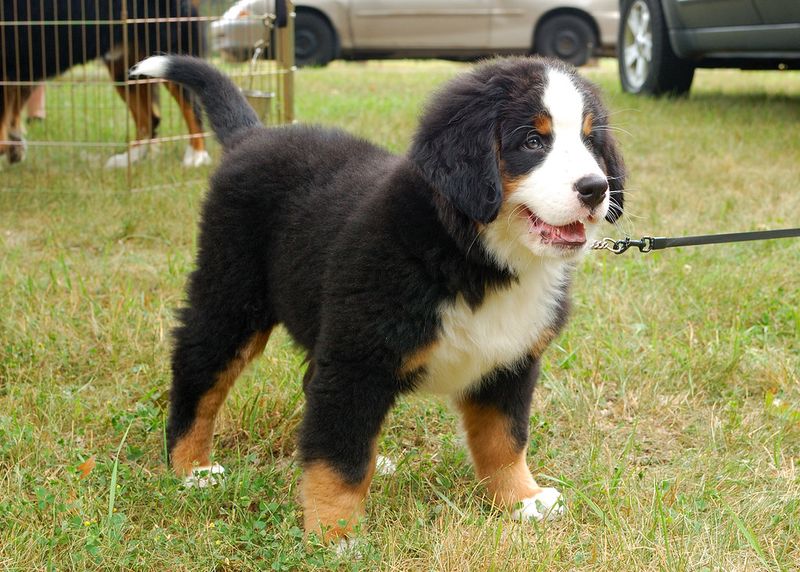
Bernese Mountain Dogs bloom slowly, and the payoff is profound steadiness. You notice it when they stop crowding the couch and find a respectful spot to keep watch.
They love closeness, but maturity adds grace to that big, affectionate presence.
They become masters of gentle choices in busy homes. When toddlers wobble, they pause, adjust, and offer a patient shoulder.
Training lands deeply, because they enjoy being trustworthy more than being first.
On walks, their pace becomes considerate of you, not just the scenery. They check back, skip puddles, and avoid jostling strangers.
That considerate rhythm makes daily life easier and calmer, proving that slow-growing hearts can become the most reliable ones.
Newfoundland
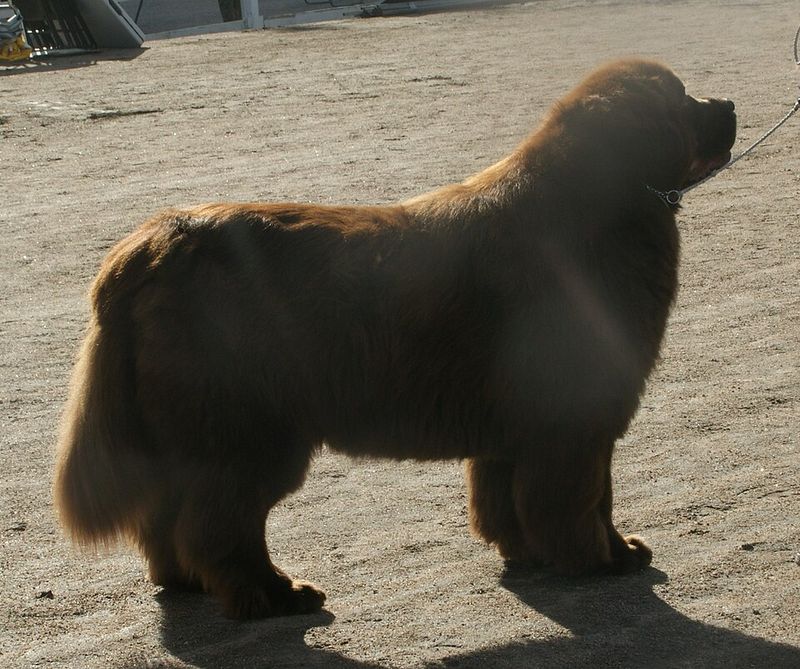
Newfoundlands are born with big bodies and even bigger softness, but maturity gives that softness direction. You see it when they sidestep splashing kids to stand watch near the edge.
They are playful, yet purposefully place themselves where help might be needed.
Indoors, they choose low-energy reassurance over clumsy enthusiasm. They stretch out near your feet, lift their head at a sigh, and settle the room with quiet presence.
Training sticks best when framed as calm caregiving.
On trails, a mature Newfie adjusts pace without nagging. They respond to subtle leash cues and pause to let people pass.
Your days feel safer and steadier because their kindness evolves into dependable, situational awareness you can actually count on.
Doberman Pinscher
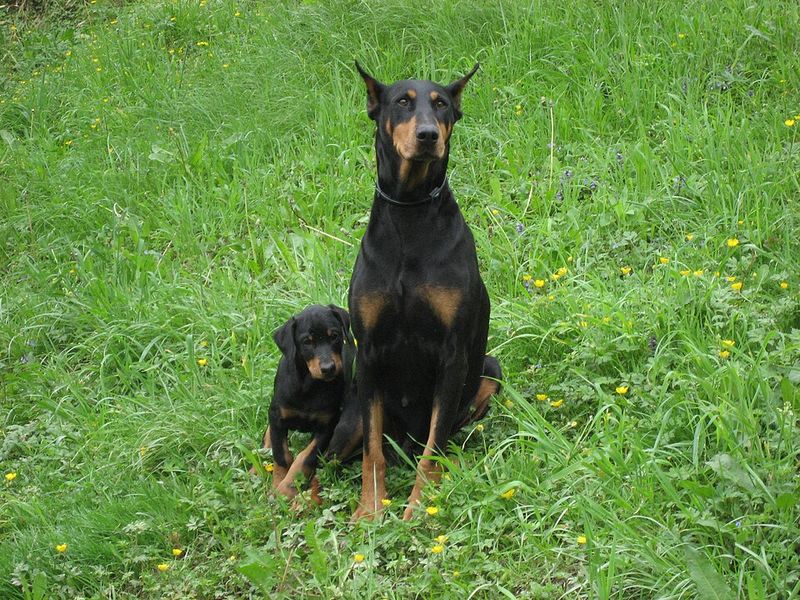
Dobermans can be all edges at first, but true growth rounds those edges into self-control. You spot it when they acknowledge a trigger and choose a sit without being asked.
That decision says they trust your plan over their impulse.
With consistent boundaries, their intensity refines into elegant focus. They heel through crowds, glance for feedback, and relax on cue.
The bond deepens because communication stops being loud and starts being precise.
At home, they trade constant patrolling for selective vigilance. They rest, then rise only when something genuinely matters.
That discerning filter turns raw drive into reliable protection, giving you a confident companion who leads with poise instead of pressure.
Boxer
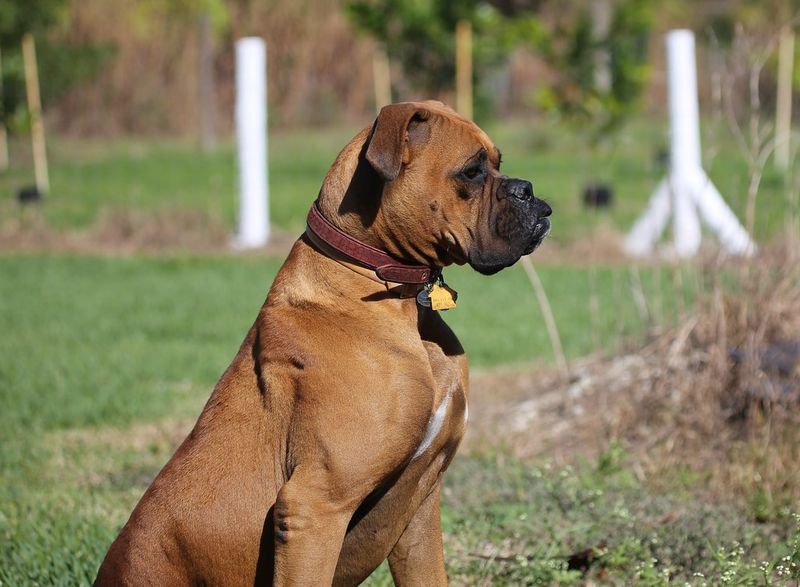
Boxers are comedians by default, but maturity shows when timing replaces chaos. You notice it when the zoomies pause at the fence line and they sit to greet a neighbor.
The joke still lands, just with considerate delivery.
They learn to throttle energy to match the room. Around kids and seniors, they move gently and hold eye contact for guidance.
Consistent cues help them channel enthusiasm into cooperative games rather than bulldozing play.
With time, they become expert mood readers. When you are drained, they flop nearby and entertain themselves.
When you are ready, they bring the toy and wait for the nod, proving silliness can share space with thoughtful self-control.
Collie
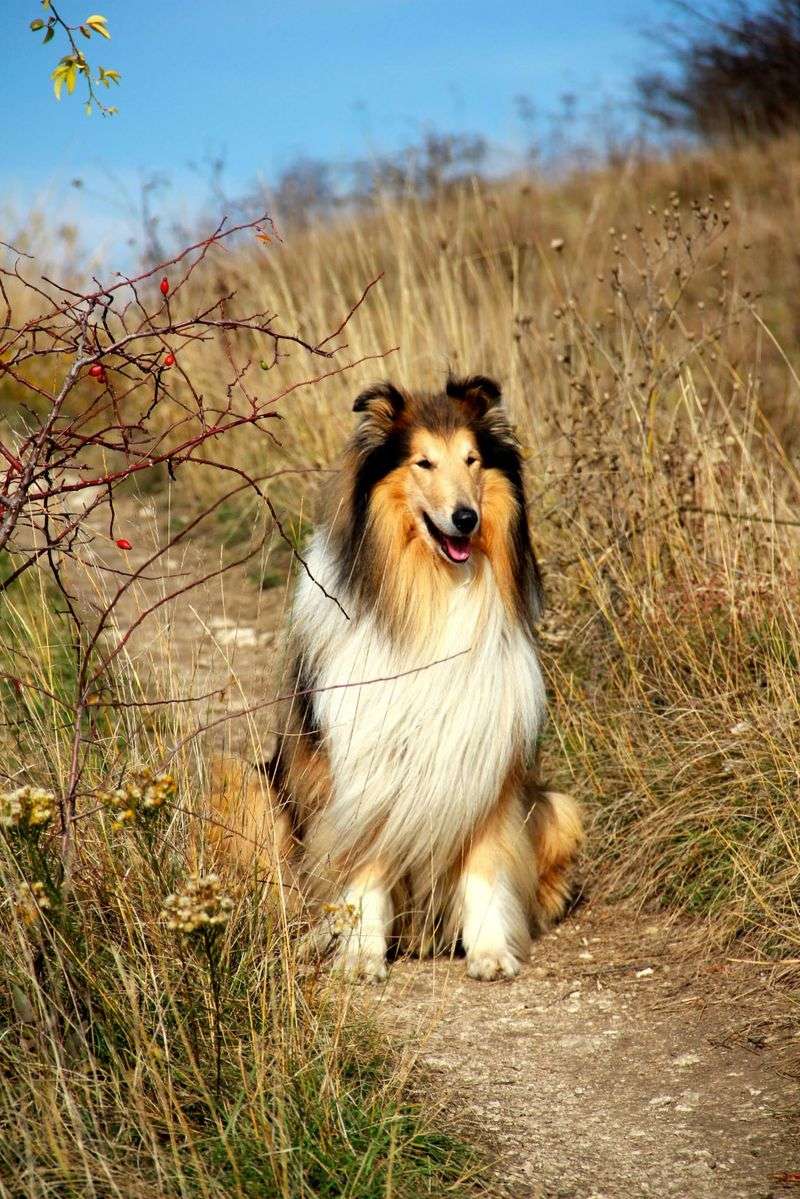
Collies begin as attentive whirlwinds, then mature into quiet coordinators. You see it when they switch from herding feet to guiding space gently.
They float to the side of activity, keeping flow without adding pressure.
They specialize in soft interventions. A nudge becomes a suggestion, a glance replaces a bark, and chaos gets trimmed without drama.
Training translates beautifully because they value harmony as much as precision.
At home, they anticipate. Before you ask, they settle on a mat when guests arrive or give kids extra room.
That predictive calm feels magical, but it is really experience plus empathy, proving emotional growth can be beautifully subtle.
Standard Poodle
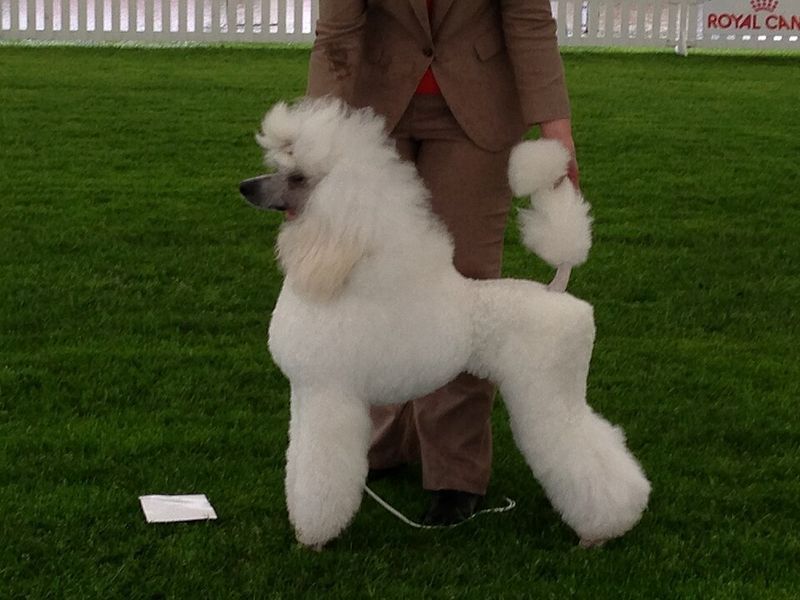
Standard Poodles pair sharp minds with social sensitivity, and maturity fuses both into grace. You notice it when they stop anticipating every cue and start waiting for context.
They hold still, listen, and choose the right answer rather than any answer.
Groomed or not, their elegance becomes emotional, not cosmetic. They ease through doorways, share space, and place themselves where they help most.
Games shift from frantic guessing to thoughtful problem-solving that includes you.
During stressful days, they offer balanced support without crowding. A chin on the knee, then a quiet retreat to their mat.
That calibrated presence makes life lighter, proving that intelligence matures best when it serves connection.
Great Dane
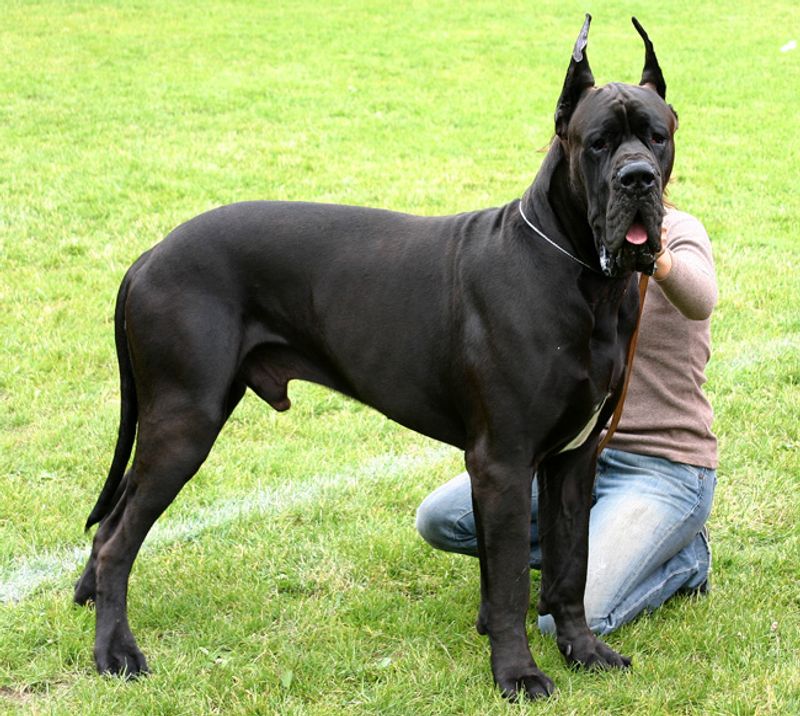
Great Danes grow into their size emotionally as much as physically. You see it when they fold those long legs and tuck themselves small in tight spaces.
They decide not to be overwhelming, even though they could be without trying.
Training gives them a language for restraint. With a quiet cue, they wait at thresholds, move at half-speed, and settle calmly for guests.
Their presence commands attention, but mature Danes choose to be considerate giants.
Outdoors, they accept shorter bursts of play to protect joints and harmony. They check back often and sidestep anxious dogs.
That blend of gentleness and self-restraint is the heartbeat of their adulthood, making daily life feel spacious and safe.
Cavalier King Charles Spaniel
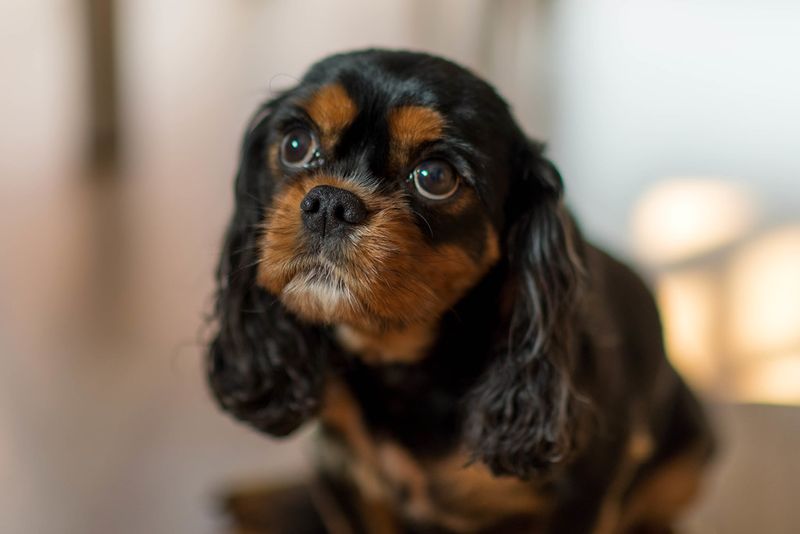
Cavaliers arrive sweet, and maturity turns that sweetness into steady companionship. You see it when they stop shadowing every step and choose a comfy spot within view.
They understand closeness can breathe, and you both relax more deeply.
They develop patience with greeting rituals and kids’ unpredictability. Instead of leaping, they sit, tail fluttering, waiting for your cue.
Gentle training plus predictable routines help them balance affection with composure.
When emotions run high, they offer soft contact then settle nearby. They do not demand, they support.
That refined empathy makes them priceless in busy homes and small apartments, proving tiny dogs can carry big emotional wisdom without any fuss.
Vizsla
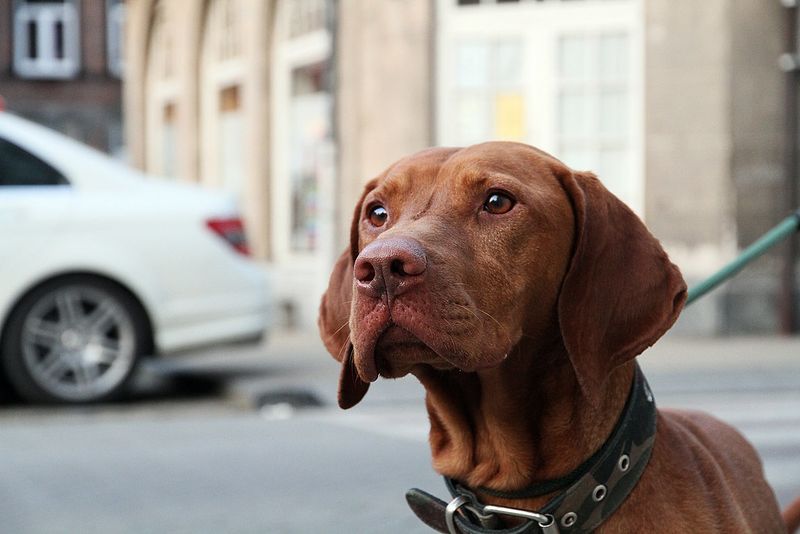
Vizslas are velcro by reputation, yet maturity teaches comfortable closeness. You notice it when they enjoy off-leash freedom but arc back proactively to check in.
That boomerang loop says they choose partnership, not just speed.
With structured outlets, their fire refines into focus. They sit before gates open, hold a down while runners pass, and match your pace on technical trails.
Training becomes a quiet conversation rather than constant reminders.
At home, they rest hard because they have worked right. They curl up with a sigh, content to recharge without nagging you for more.
That self-regulation is the win, proof that a high-drive heart can mature into thoughtful self-control.
Shetland Sheepdog
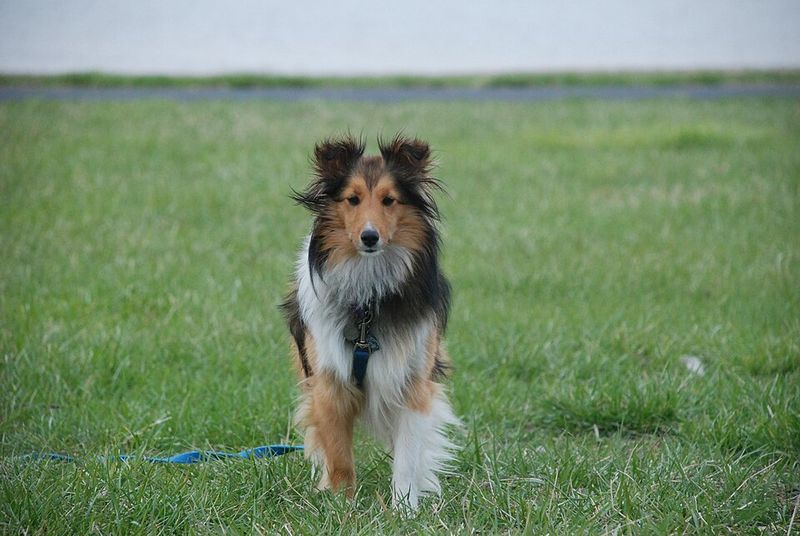
Shetland Sheepdogs begin tuned to every flutter, then learn which signals matter. You see growth when they soften their bark into a glance and wait for input.
Noise becomes information, not an emergency siren.
They shine with routines that reward thoughtful pauses. Before dashing, they look to you, then choose the right path.
Their herding instinct matures into spatial kindness, guiding flow rather than controlling it.
Inside, they practice elegant boundaries. They perch nearby, offer focus during training, and settle swiftly after success.
That switch from busy to balanced proves a Sheltie’s brilliance is not just speed, it is discernment shaped by trust.
Australian Shepherd
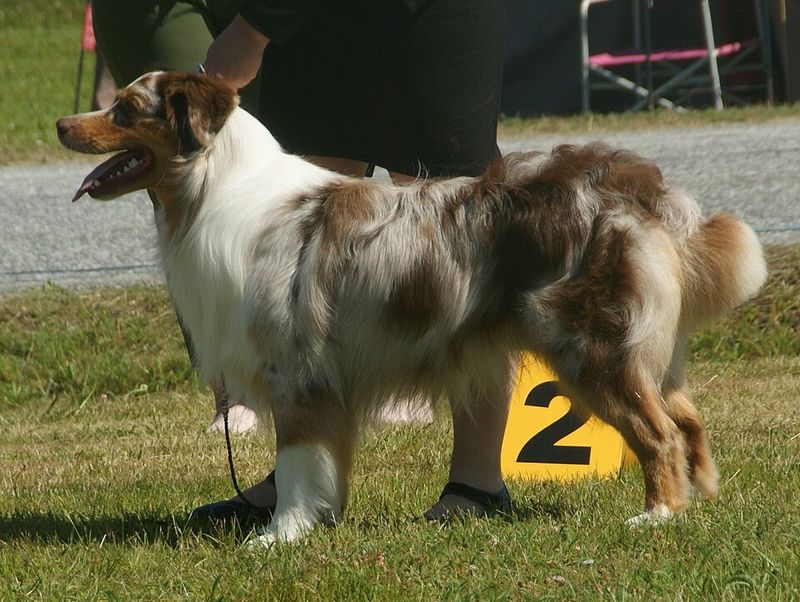
Australian Shepherds are kinetic thinkers, and maturity tempers that electricity. You notice it when they choose a down-stay while bikes pass and hold it without fuss.
They begin to prioritize clarity over motion, which changes everything.
With outlets for brain and body, they become task partners, not task tornadoes. They learn to pause, listen, and then execute beautifully.
Herding smarts turn into household harmony, where guidance is subtle and shared.
They also become kinder teammates to other dogs. Instead of micromanaging, they offer space and read signals.
That cooperative shift proves high-drive does not need high-drama when emotional maturity joins the toolkit.
Rough Collie
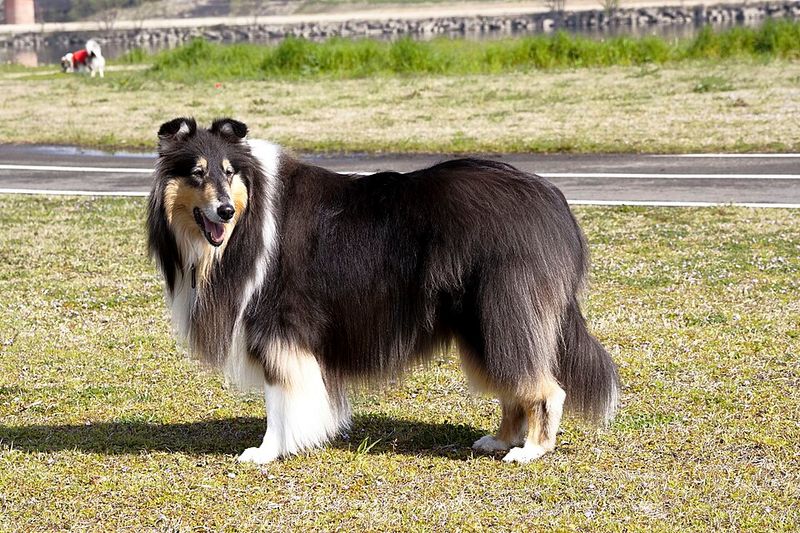
Rough Collies carry a calm that deepens with age. You notice it when they escort guests to the sofa, then retreat to give space.
They manage energy elegantly, turning hospitality into a quiet art.
Training unlocks an attentive, nuanced listener. They hold position through distractions, trade barking for eye contact, and respond to whispers.
Their famous coat hides a measured heart that values peace over spectacle.
With kids and seniors, they choreograph movement thoughtfully. A step forward, a pause, then a gentle pivot to open space.
That choreography is emotional maturity in motion, proof that leadership can look like kindness you barely notice.