
Not every dog wants to guard the front door. Some breeds are so friendly, they may greet a stranger like a new buddy instead of a threat.
That matters if you want a dog that fits your family and lifestyle. Knowing which breeds are more welcoming can help you choose the right four legged friend.
Golden Retriever
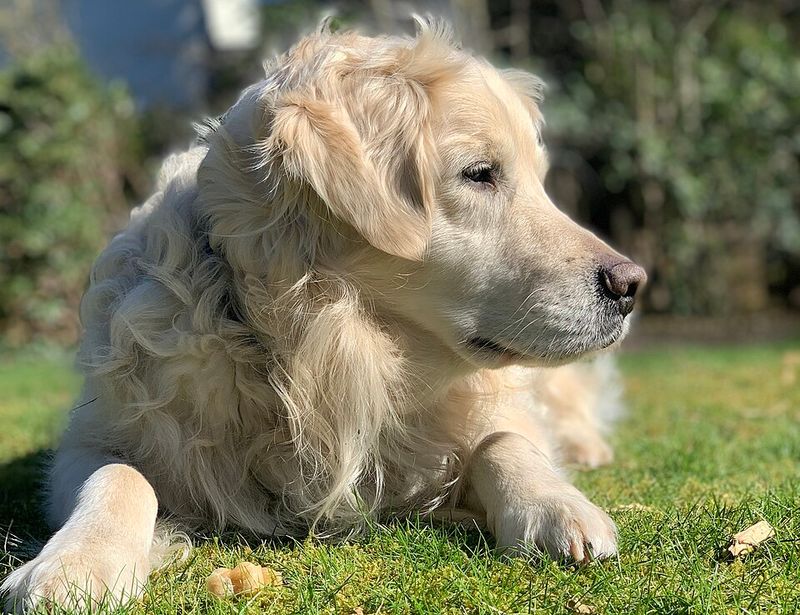
One wag from a Golden Retriever can make a visitor feel invited before the door fully opens. They are cheerful, social dogs that often greet new people like old friends.
Training polite manners matters, since excitement can lead to jumping.
Families who want a watchdog may need another plan, but homes wanting warmth will love this breed. Daily walks, fetch games, and steady routines help channel all that sunny energy into good behavior around guests.
Labrador Retriever
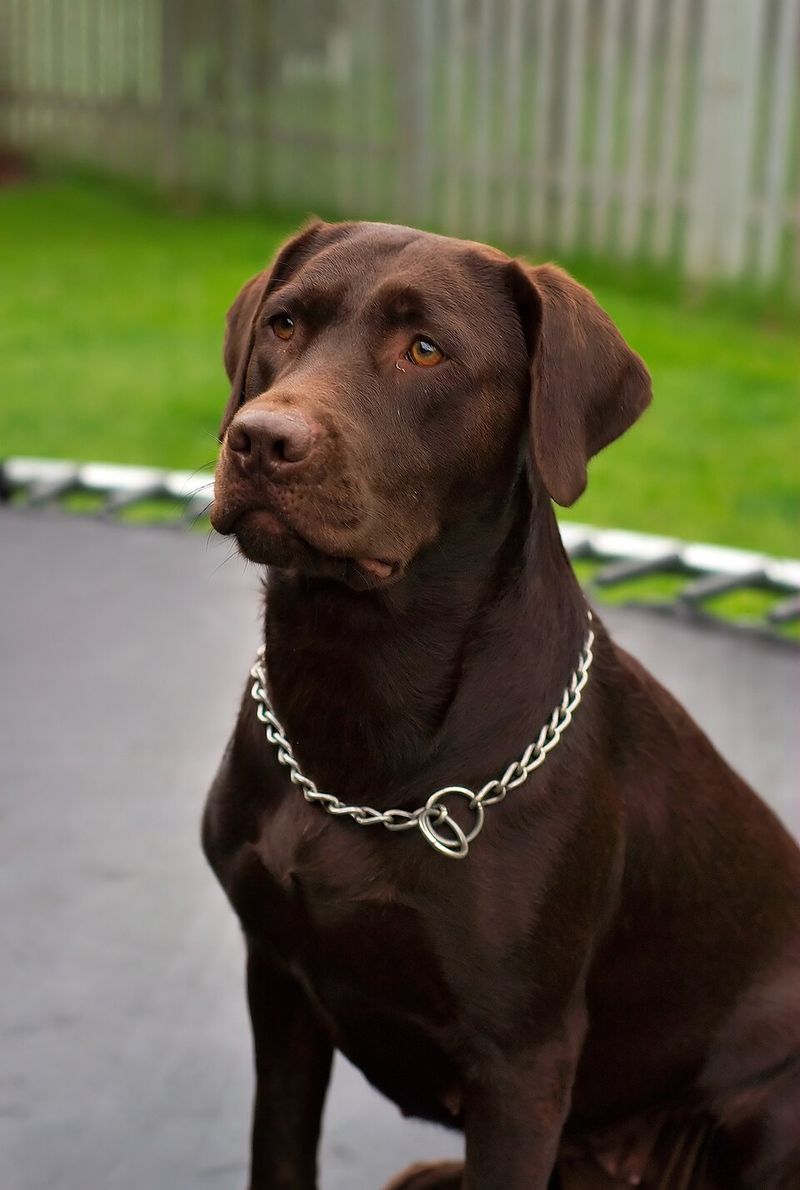
A Labrador Retriever often acts like the neighborhood mayor, ready to welcome nearly everyone with a happy tail. Their friendly style makes them lovable, yet not very suspicious of strangers.
Basic obedience helps prevent wild greetings when company arrives.
Because Labs love food, guests holding snacks may become instant heroes in their eyes. Keep treats put away, teach a solid sit at the door, and give plenty of exercise so their enthusiasm stays nicely manageable indoors.
Flat-Coated Retriever
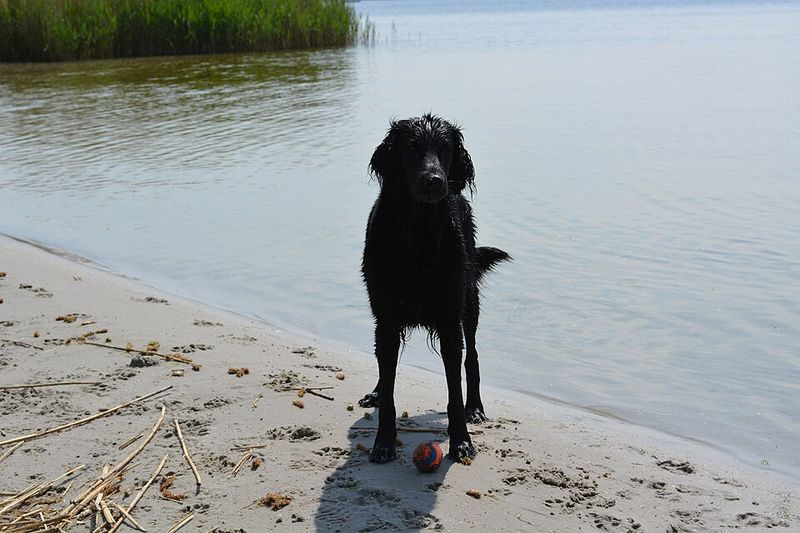
Always seeming a little goofy, the Flat-Coated Retriever meets newcomers with bright eyes and a bounce in its step. This breed keeps a playful outlook well into adulthood, so strangers rarely seem threatening.
Early lessons help them control that eager energy.
If you expect serious guarding, this charmer may disappoint you quickly. Still, people who enjoy a companion should offer puzzle toys, outdoor games, and practice with door manners to keep greetings friendly not chaotic.
Irish Setter
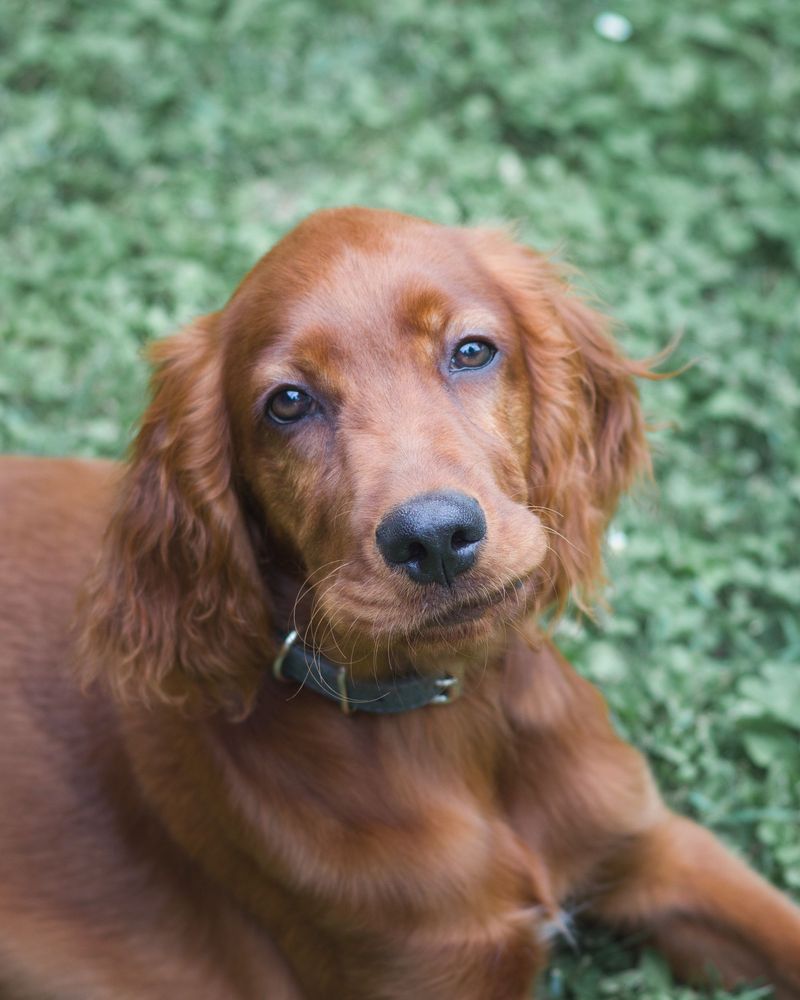
Red coats and silly charm make the Irish Setter more likely to start a party than stop an intruder. Many are outgoing and curious, especially when a new face appears at the door.
Calm training helps them avoid leaping on visitors.
Space to run really matters for this lively breed. Long walks, scent games, and greeting practice can turn whirlwind welcome into better manners while letting the dog keep its spark with friends and strangers.
Beagle
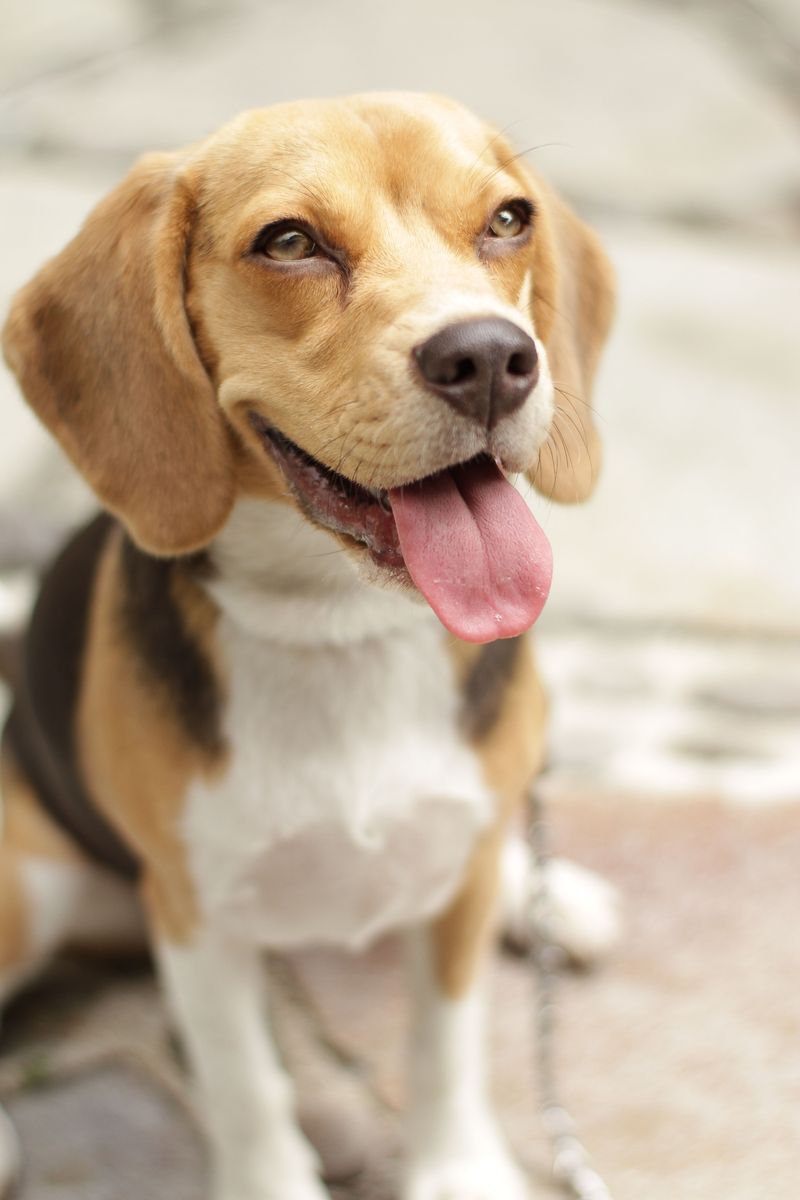
A Beagle may hear a strange car before anyone else, but that does not mean it plans to defend the house. Most are curious noses first, following interesting smells instead of acting tough.
Consistent training keeps their excitement from taking over.
Visitors can win points fast if crumbs are involved, since Beagles adore food. Use secure bins, practice recall, and provide scent games so their sharp noses stay busy without leading them to mischief indoors.
Bichon Frise
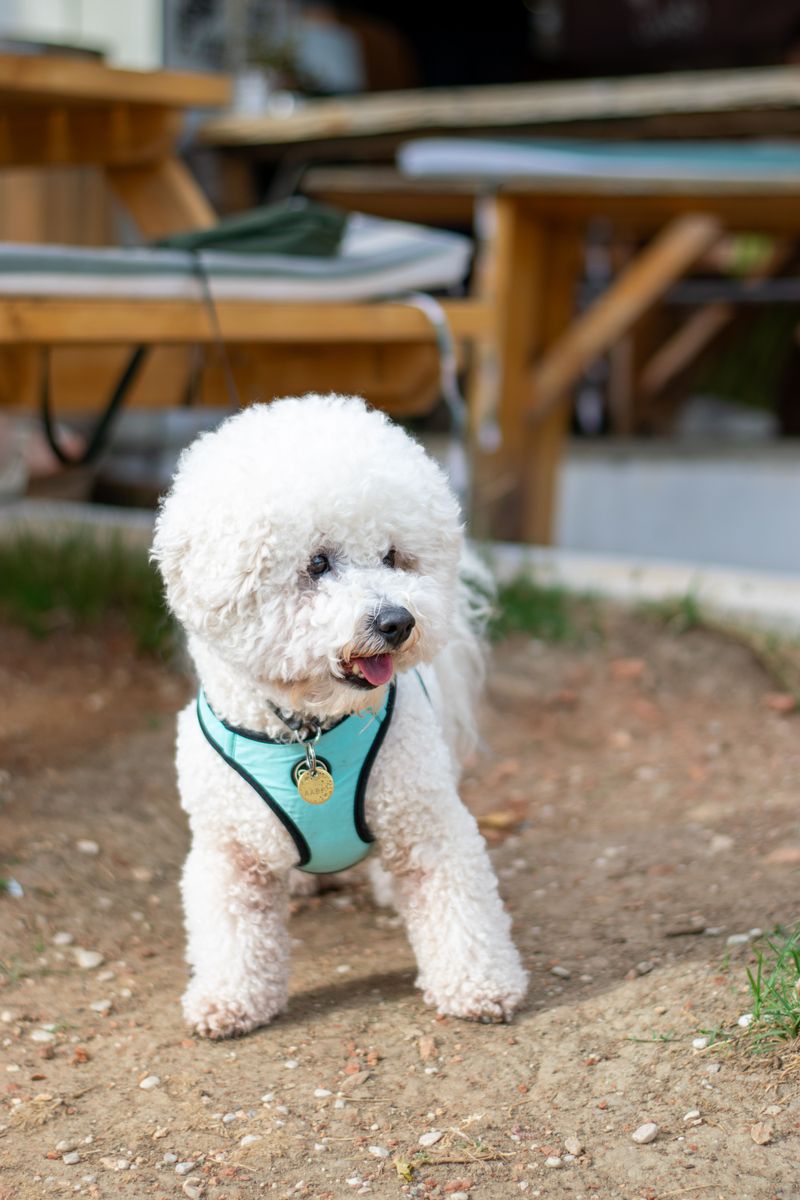
Small fluff, big welcome, that is often the Bichon Frise style when someone new arrives. This breed usually prefers making friends over sounding any serious alarm.
Gentle rules at the door help keep barking from turning into nonstop chatter.
Apartment owners often enjoy their bright merry attitude, especially when socialized early. Short sessions, grooming time, and reward based lessons teach a Bichon to greet guests politely without spinning in circles or begging hands for attention.
Cavalier King Charles Spaniel
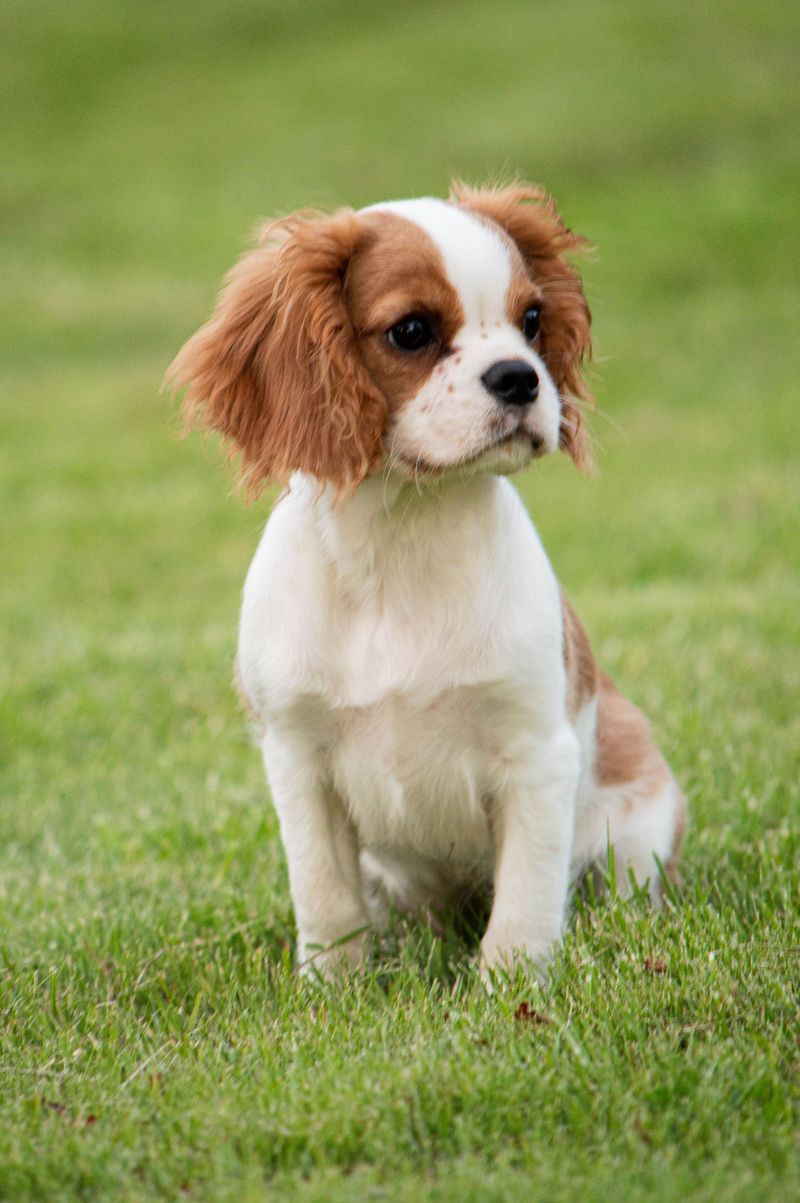
Few dogs can melt tension like a Cavalier King Charles Spaniel with its soft eyes and gentle approach. Many would rather climb into a stranger’s lap than guard the hallway.
Early social habits usually make their sweet nature even stronger.
They do best in homes that want affection more than protection. Because they crave closeness, teach a calm place command, keep greetings quiet, and watch for separation stress if the house gets busy with visitors.
Havanese

Cheerful and quick on their feet, Havanese dogs often treat guests like the best part of the day. They may bark at first, yet that alert usually fades once they spot a friendly face.
Manners training helps stop overexcited circling.
For families in smaller homes, their adaptable size is a bonus. Rotate toys, offer short walks, and reward calm behavior at the door so this little entertainer does not turn every arrival into a celebration.
Pug
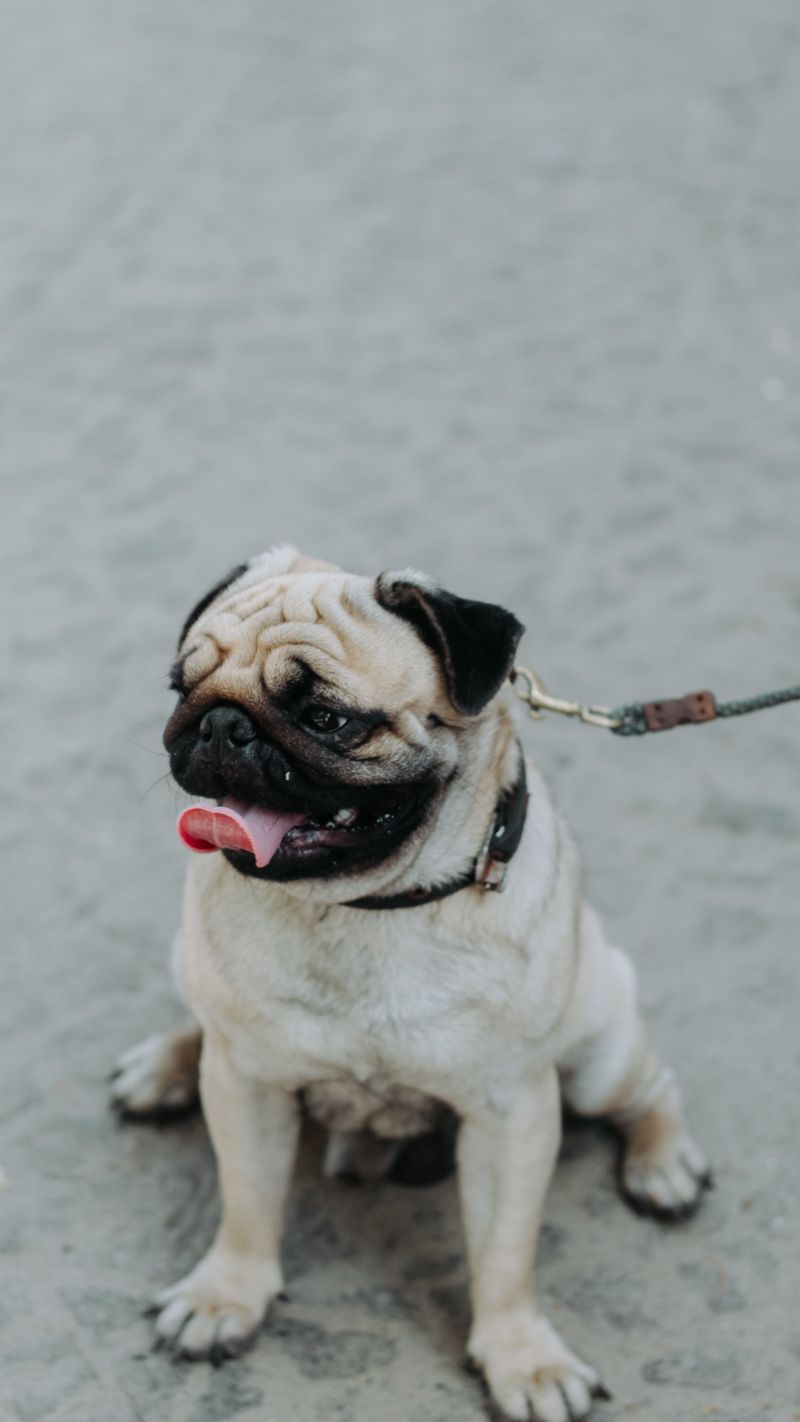
A Pug can look serious for a moment, then ruin the effect by snorting happily at the newcomer. Most prefer attention, snacks, and a cozy seat over guarding duty.
Clear routines help them stay polite when excitement fills the room.
Because their flat faces can make hard exercise tricky, keep activity gentle and steady. Teach visitors not to overfeed, practice door cues, and provide cool resting spots so a Pug stays comfortable while playing host.
Boston Terrier
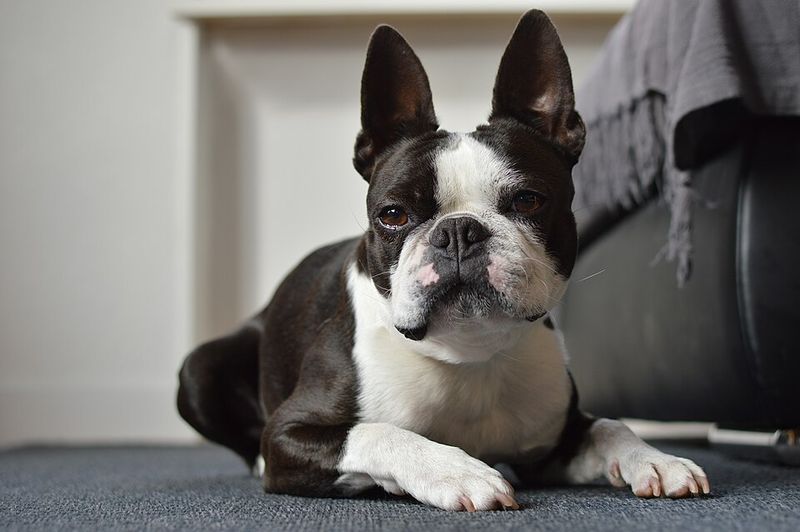
Dressed like it is ready for a formal event, the Boston Terrier usually greets strangers with comic confidence instead of caution. This compact breed tends to be bright, social, and eager to join household action.
Consistent boundaries keep greetings from getting too rowdy.
City living often suits them well, especially with regular chances to burn energy. Short games, leash walks, and a settle command help a Boston welcome guests without bouncing from sofa to doorway.
English Springer Spaniel
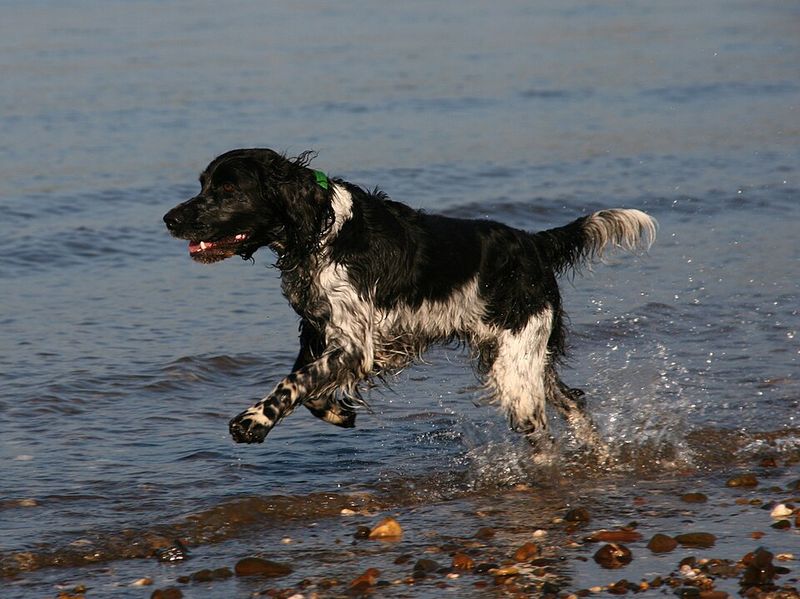
Built for action and always ready to check things out, the English Springer Spaniel may announce a guest, then quickly switch to friendly mode. Their sharp senses notice movement fast, but warmth often wins over suspicion.
Regular training shapes better greetings.
Busy families often enjoy this breed because it loves having a job to do. Fetch sessions, sniffing games, and front door practice help channel energy so visitors meet a happy helper at the house.