Some dogs curl up in their own bed and want nothing to do with you once the lights go out. Others wiggle, scoot, and inch closer until they are pressed right against your side.
Knowing which kind of sleeper your dog is can help you plan your bedtime setup and understand their need for comfort. Here are the breeds most likely to turn your pillow into a shared space.
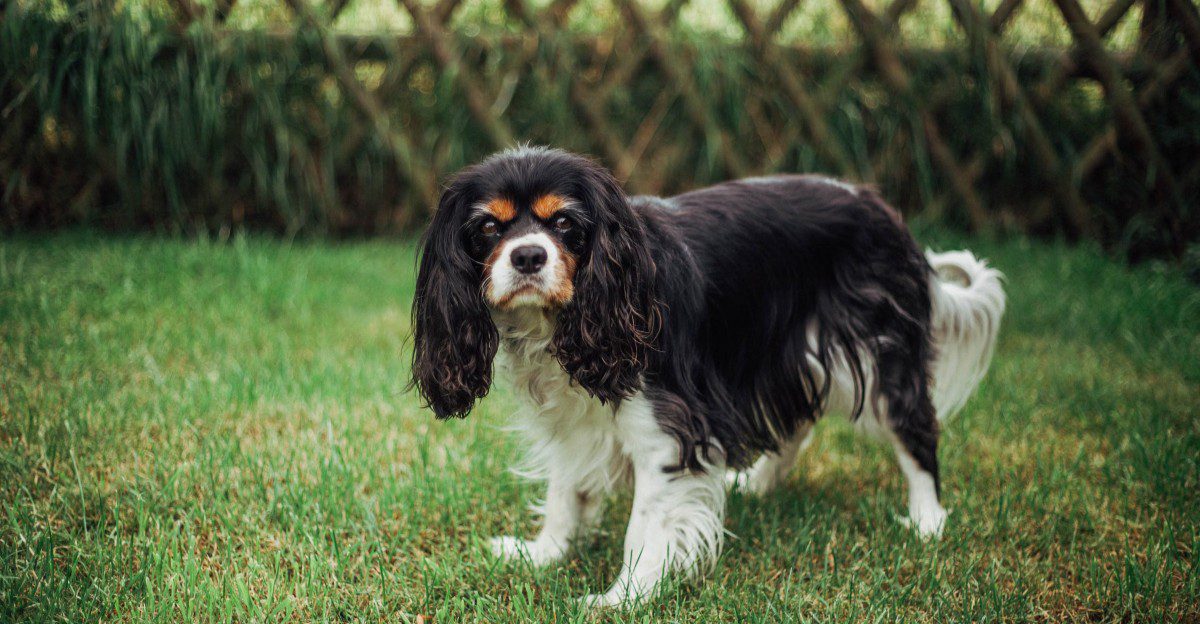
Cavalier King Charles Spaniel
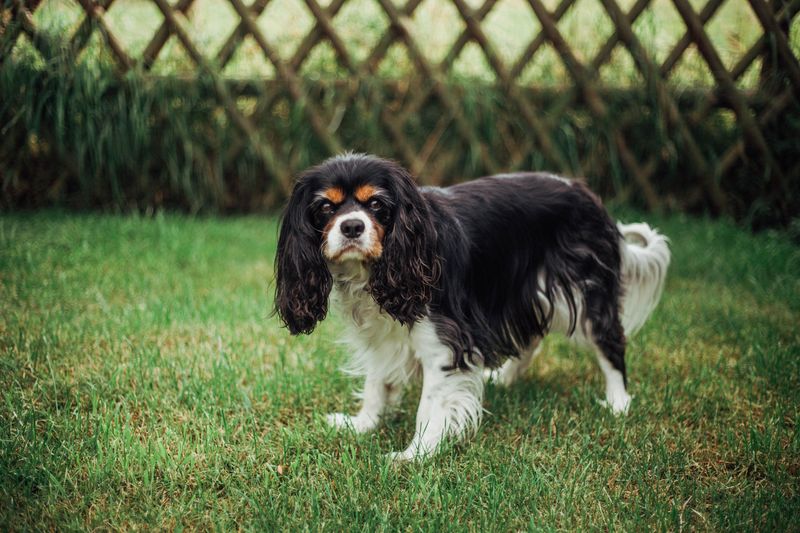
Royal lap warmers since the 1600s, Cavaliers were bred to keep noble ladies cozy in drafty castles. King Charles II loved them so much that he rarely went anywhere without a few at his heels.
That history still shows at night. Many Cavaliers will slowly creep up the bed until their head rests on your arm.
A washable throw blanket on your side of the bed can protect your sheets from their silky, shedding coat.
Dachshund
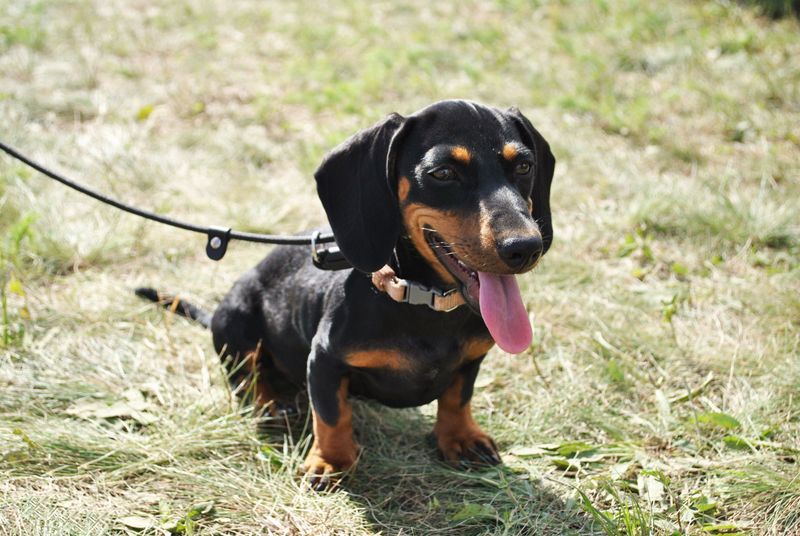
Ever wake up to find a lump under the covers pressed against your legs? Say hello to your Dachshund.
Built to dig into badger dens, these long little hounds have a strong instinct to tunnel. At bedtime, that means sliding under blankets and snuggling right into your warmth.
Give them a pet ramp so they can get on and off the bed safely. Jumping can hurt their long, delicate backs over time.
Staffordshire Bull Terrier
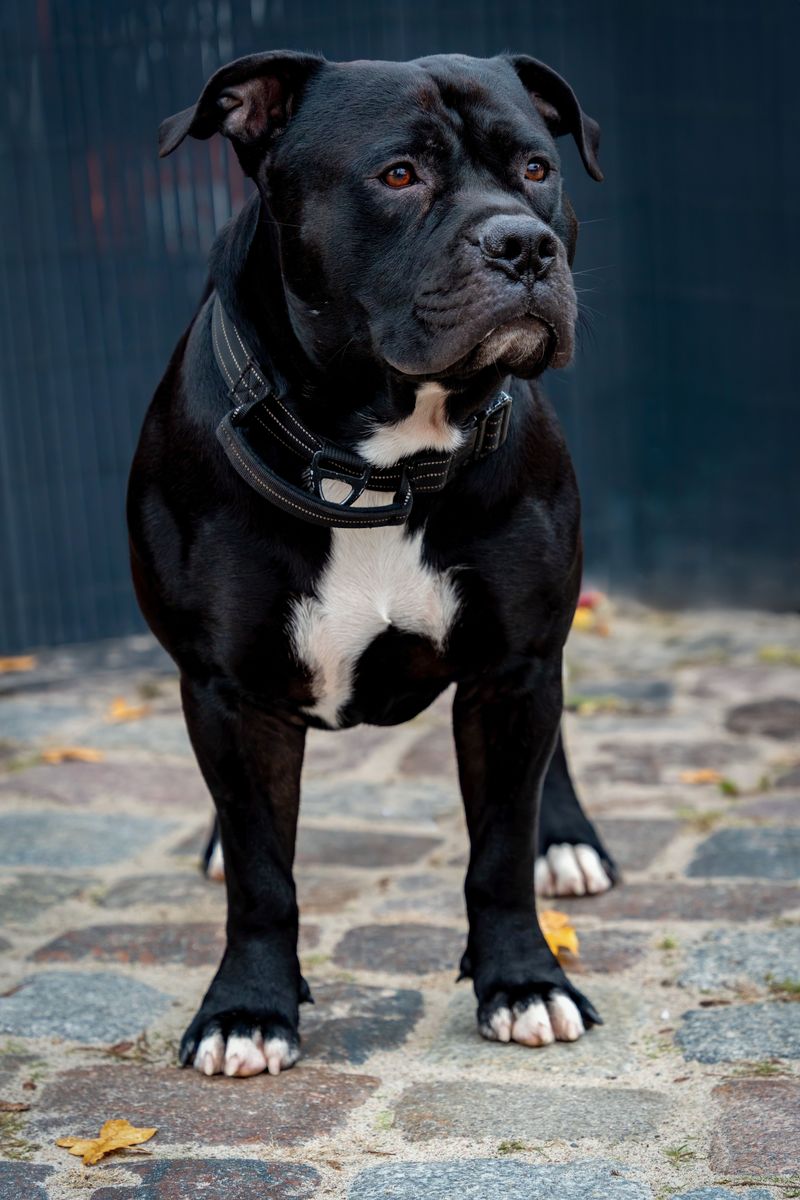
Tough looks, marshmallow heart. The Staffie might seem muscular and serious, but owners often call them the biggest babies in the house.
In England, they earned the nickname nanny dog for their devotion to family. That loyalty follows them straight into your bed, where they love to lean their full weight against you.
Expect snoring and a few elbow jabs from sleepy paws. A firm mattress helps both of you rest better.
Havanese
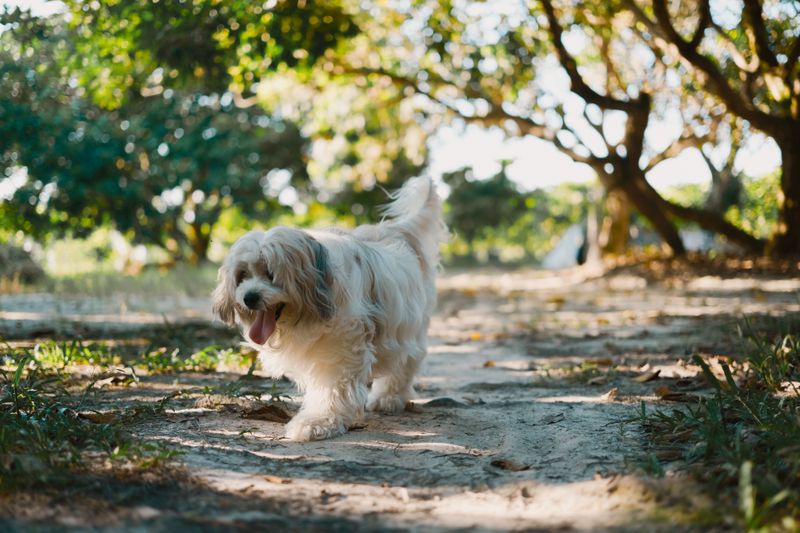
Cuba’s only native breed, the Havanese was once the pampered pet of wealthy families in Havana. They were bred for one main job: being close to people.
Because of that, many of them feel uneasy sleeping alone. You may find your little shadow tucked beside your pillow by morning.
If you want some space, try placing a soft dog bed right next to yours. Being nearby is often enough to help them settle.
Maltese
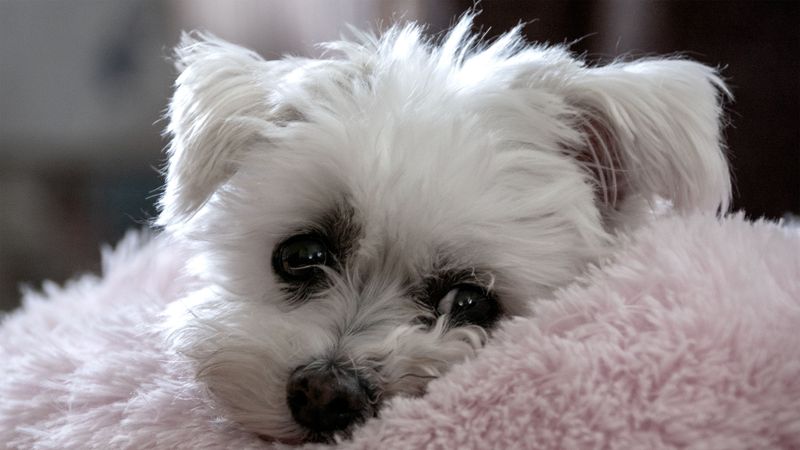
Picture a tiny cloud of white fur that refuses to leave your side. That is life with a Maltese.
Ancient Greeks and Romans adored these pups, and some even carved them into pottery. Thousands of years of lap time have made them true cuddle experts.
Their small bodies lose heat quickly, so they seek your warmth at night. Keep an extra light blanket handy, and be careful not to roll over on them.
Chihuahua
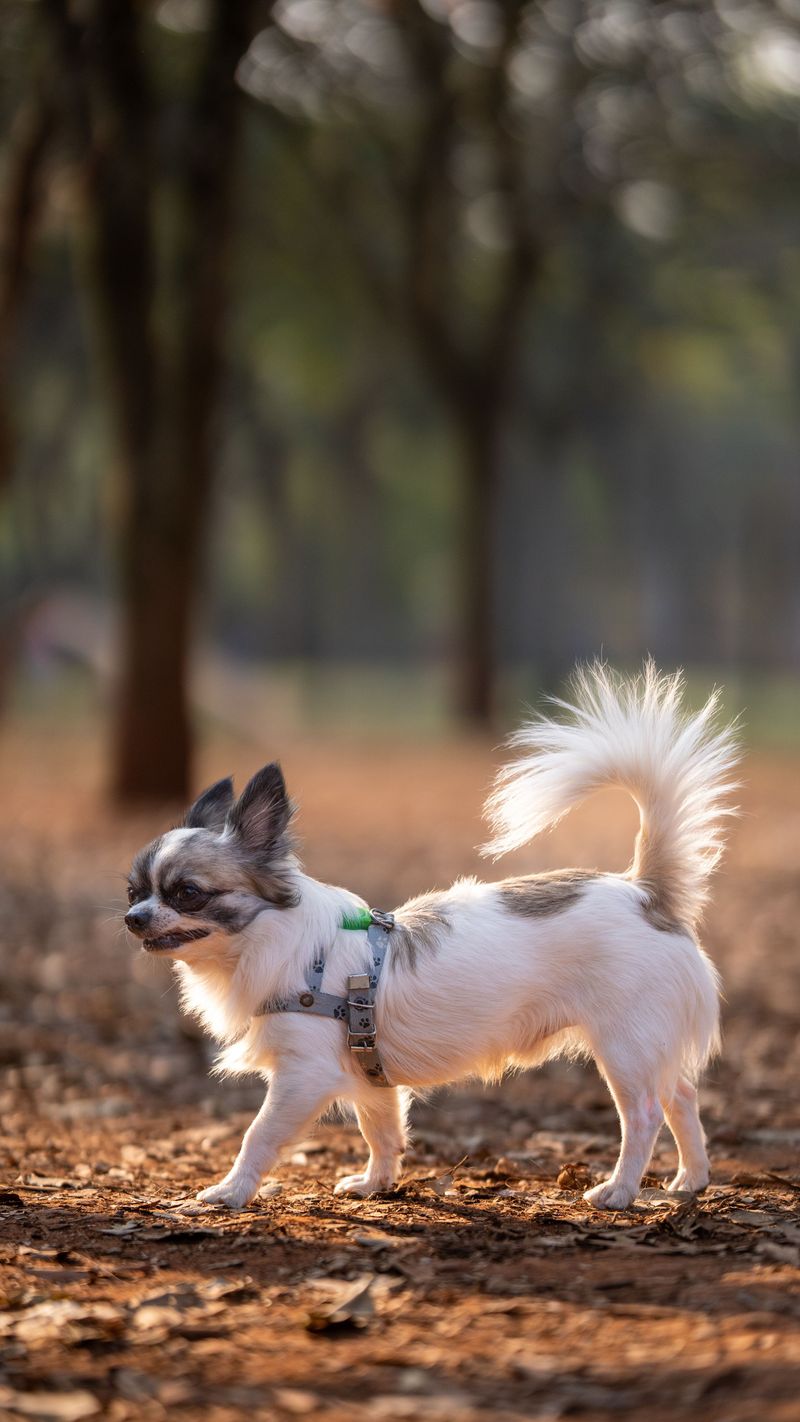
Shivering at bedtime? Your Chihuahua probably is too, and they have a plan to fix it: you.
These pint-sized pups from Mexico weigh just a few pounds and struggle to stay warm. Many pick one favorite person and burrow right up to their neck or chest.
A cozy fleece or a heated pet pad can help on chilly nights. Just know your tiny bed buddy may still end up curled under your chin.
Italian Greyhound
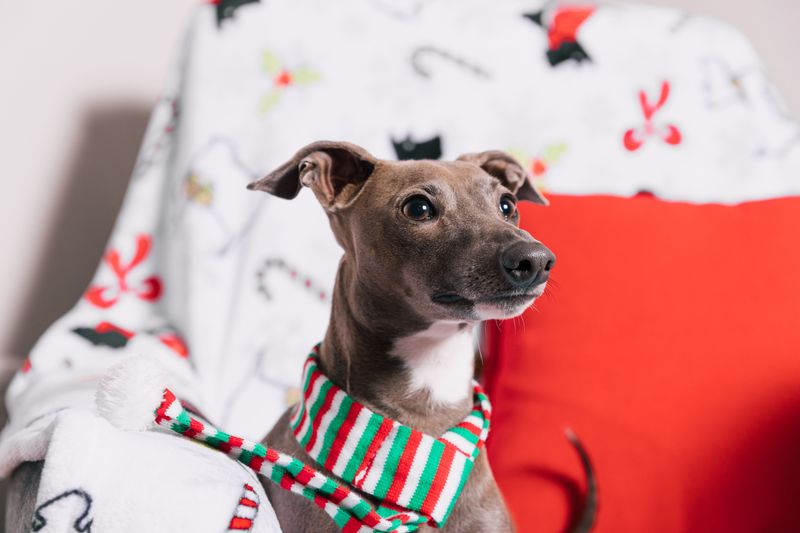
Fun fact: Italian Greyhounds have very little body fat and a thin, short coat. In other words, they get cold fast.
So it makes sense that these graceful sprinters turn into heat-seeking missiles at night. They often slip under the covers and press their skinny bodies against yours.
Pajamas for dogs are not just cute here. A soft sleep sweater can keep them comfy and might give you a little more room.
Pug
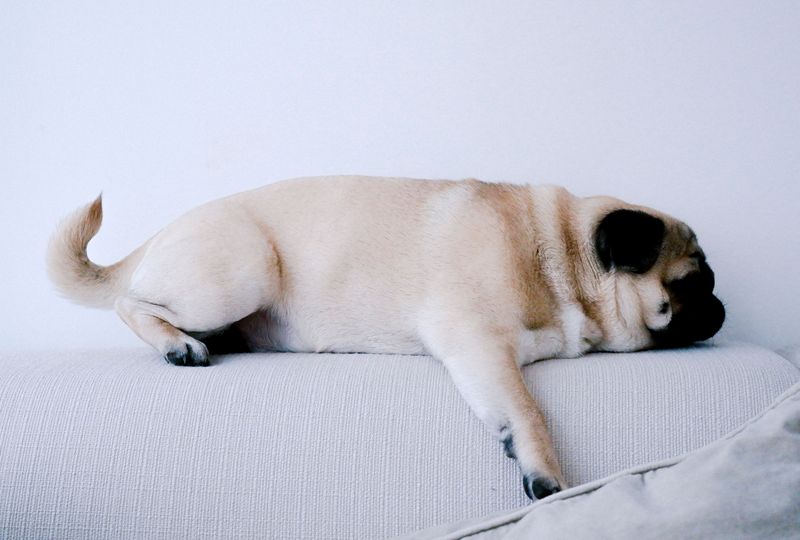
Snort, snore, snuggle, repeat. Sharing a bed with a Pug is never quiet, but it is always sweet.
Chinese emperors kept these wrinkly charmers as companions over 2,000 years ago. Today, they still crave being right beside their people, often plopping down against your back.
Since their flat faces make breathing harder, keep the room cool. A fan or open window helps them sleep better, and you might even hear fewer snores.
Yorkshire Terrier
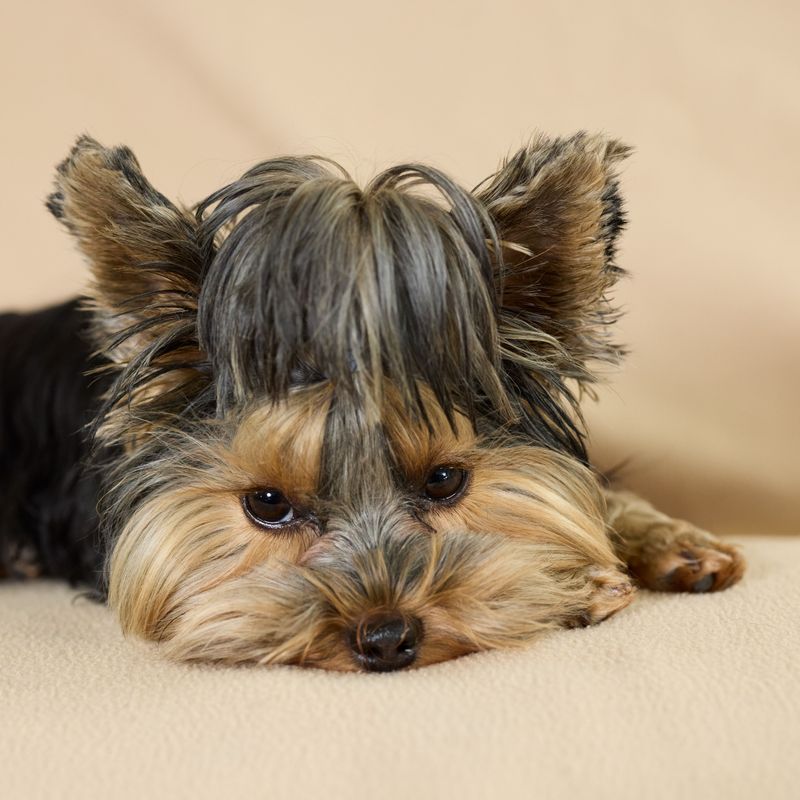
Believe it or not, Yorkies started out as rat catchers in English mills during the 1800s. Somewhere along the way, they traded factory floors for fancy laps.
These spunky little dogs act brave all day, then melt into clingy sweethearts at night. Many will snuggle near your face or tuck into the curve of your knees.
Brush their long coat before bed. Fewer tangles means a comfier night for your tiny terrier.
Boston Terrier
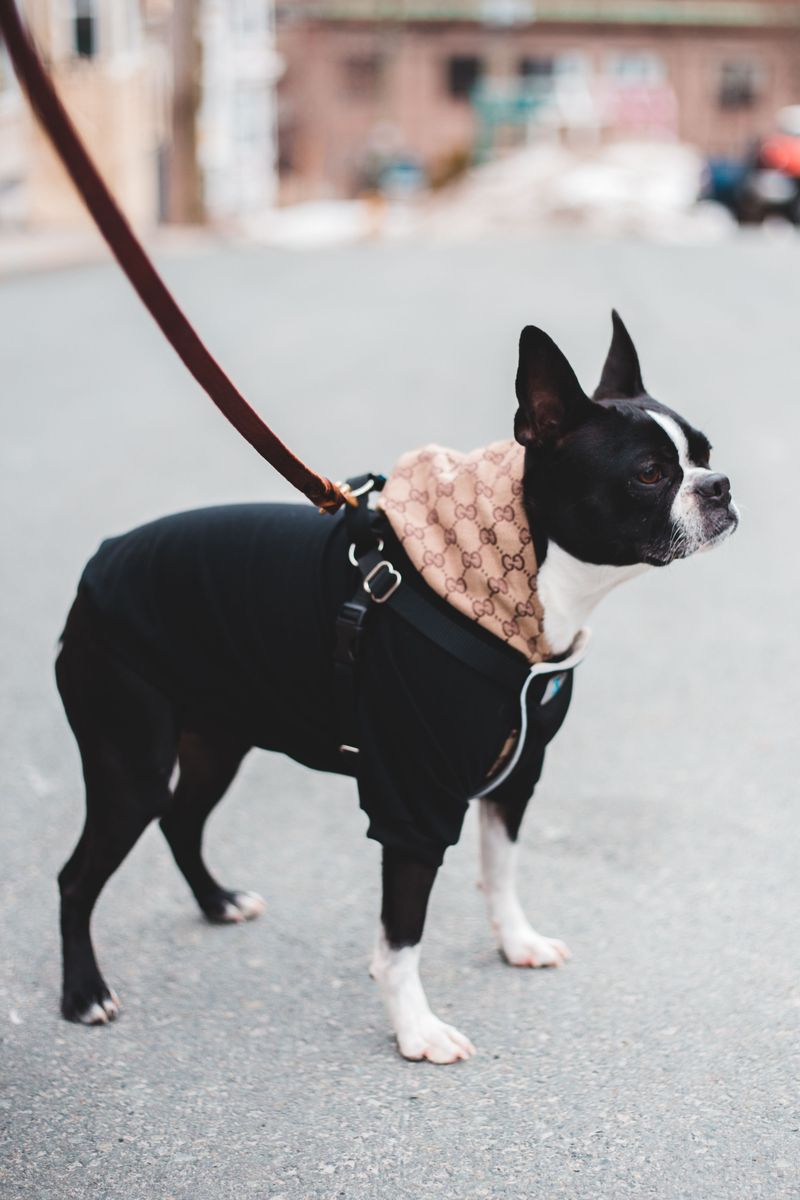
Known as the American Gentleman for its tuxedo-like coat, the Boston Terrier has plenty of charm. Once bedtime rolls around, though, those good manners go out the window.
Bostons love to sprawl out right next to you, sometimes even resting their heads on your chest. They simply want to feel part of the family pack.
Like Pugs, they have short snouts and can snore. A raised pillow may help them breathe a bit easier.
Boxer
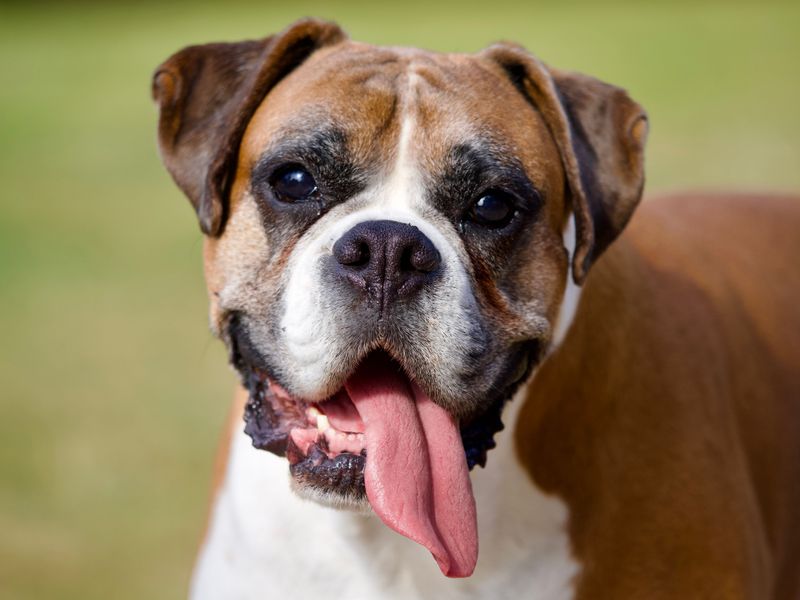
Here is a surprise: a 65-pound dog who thinks it is a lapdog. Boxers are bouncy clowns by day and heavy, loving leaners by night.
Their deep bond with family means they rarely want to sleep far away. Many will scoot closer and closer until you are clinging to the edge of the mattress.
A bigger bed or a large orthopedic dog bed beside yours can keep everyone happy and well rested.
Pomeranian
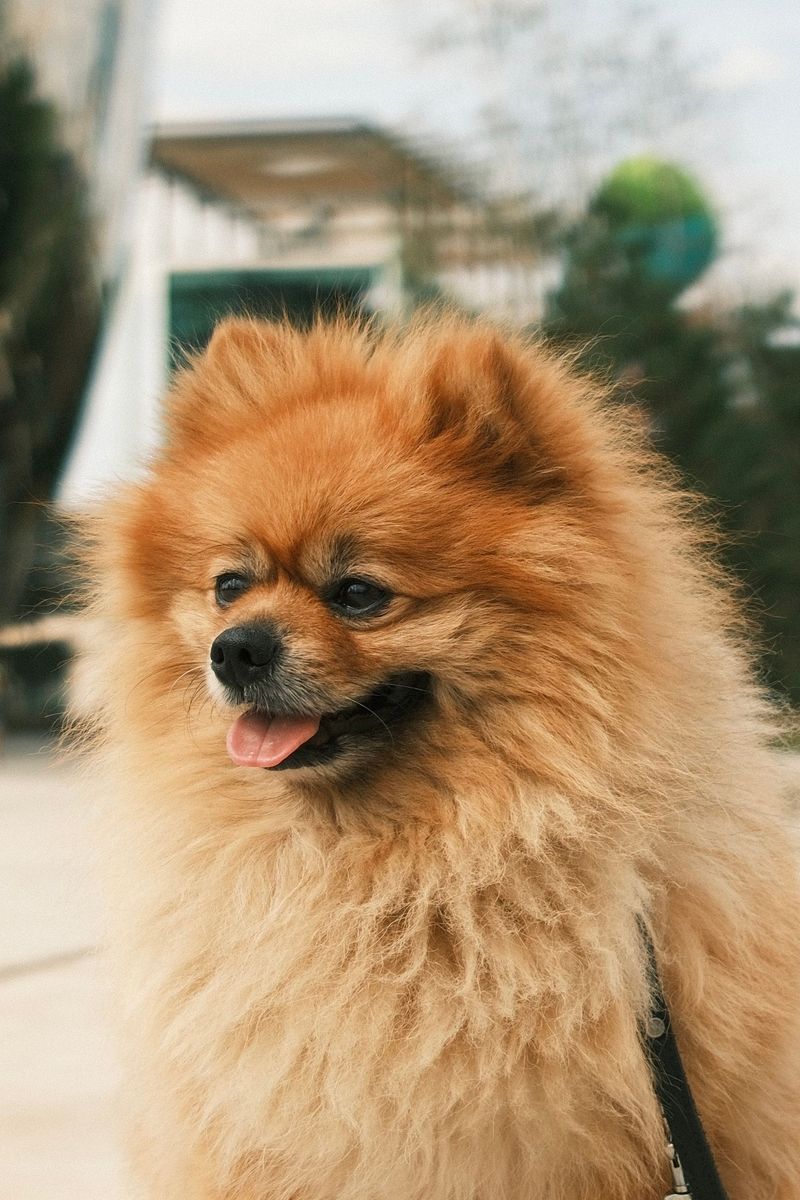
Queen Victoria helped make Pomeranians famous, shrinking the breed from larger sled dog ancestors into the fluffy puffballs we know today.
Despite their big attitude, Poms love a warm spot next to their favorite human. They often circle a few times, then plop down right against your hip.
Their thick double coat can get warm, so they may shift around at night. Offer a cool spot nearby they can use when needed.