
Dogs notice more than we think. Many breeds study our faces, voices, and actions to figure out how we feel.
When we are sad or stressed, the right dog can offer comfort, calm, and even a nudge to take a break. Here are breeds famous for paying close attention to human emotions and responding with real care.
Golden Retriever
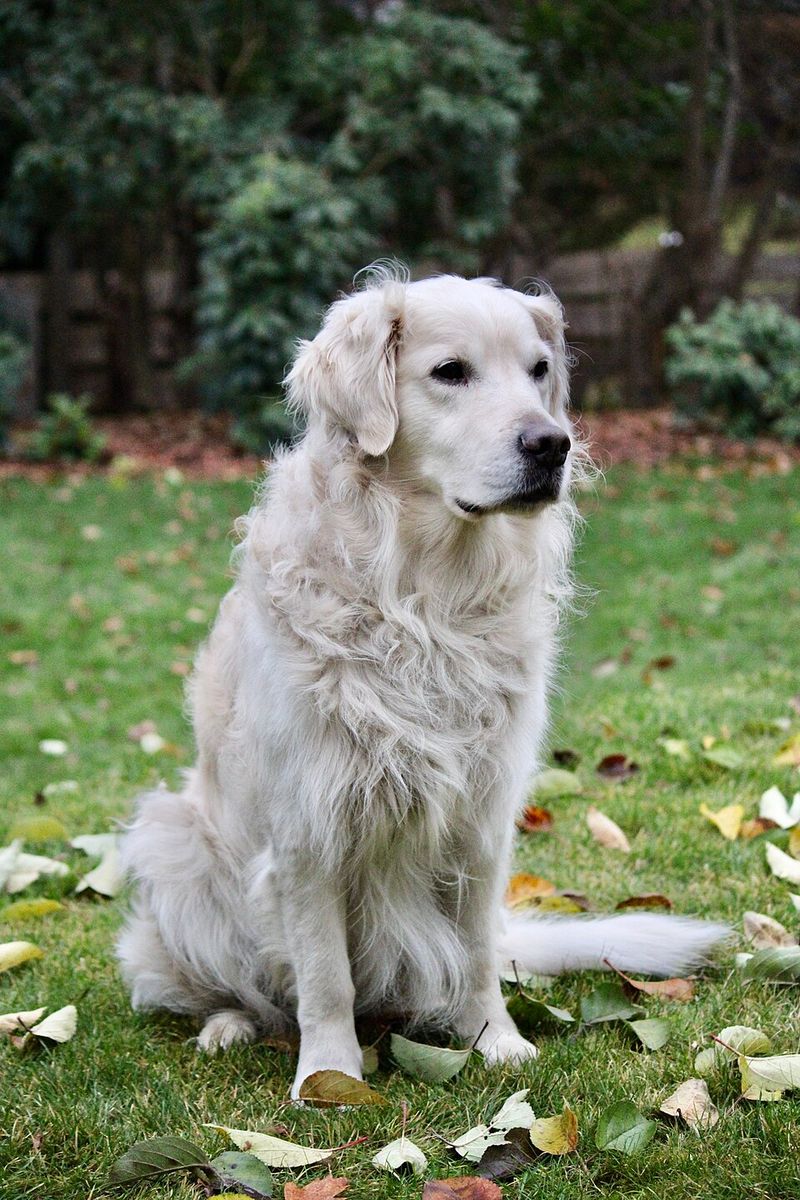
With a tail that seems to smile, a Golden often checks your face before you even speak. They read tone, posture, and small gestures, then match your mood with patience.
Many families say their Goldens lean in during tough moments, bringing quiet support.
For better bonding, practice calm praise and gentle cues. These dogs learn routines fast and thrive on consistency.
Daily fetch and short training sessions keep their minds focused, which helps them notice your needs even more.
Labrador Retriever
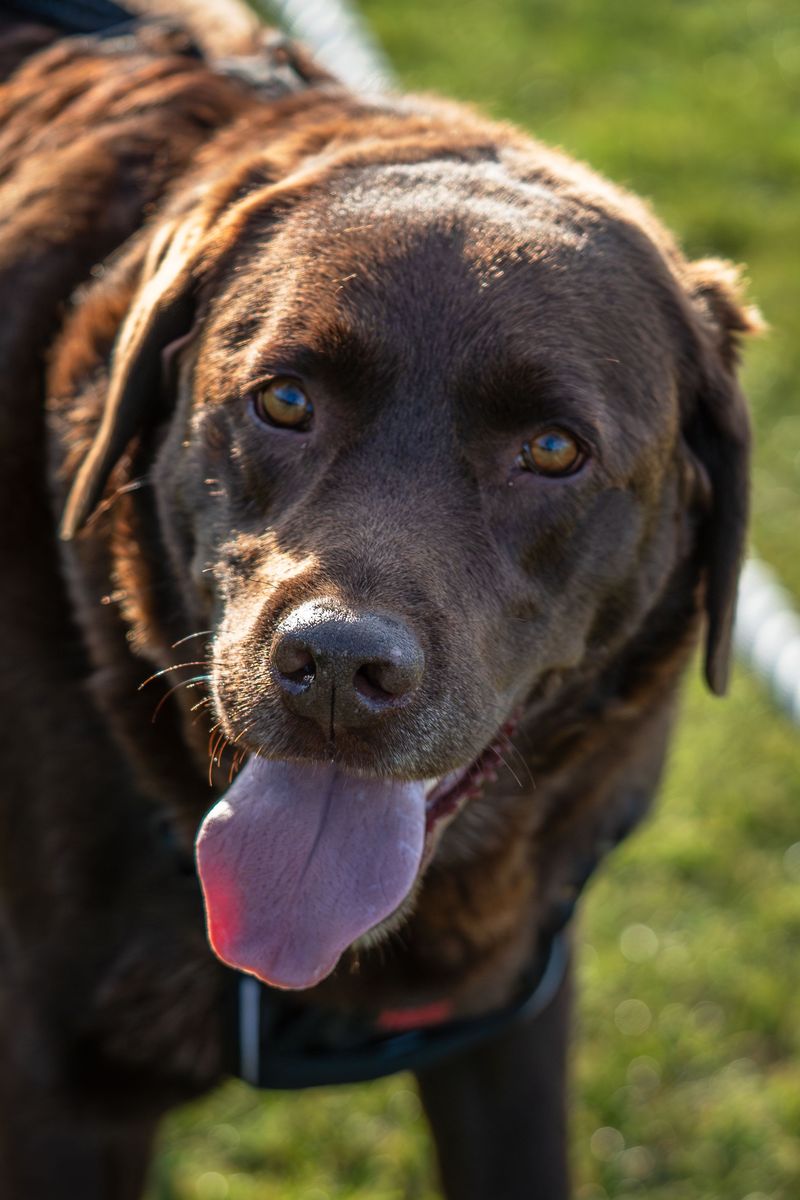
Some Labs act like mood magnets, sticking closer when your day goes sideways. They key in on sighs, slower steps, or a quiet room, then offer presence without fuss.
Many guides and therapy teams rely on their people-first focus.
Give them jobs to channel that energy, like carrying mail or finding a dropped glove. Quick, upbeat training with treats and toys builds trust.
When you relax, they mirror it, learning that your calm sets the tone.
German Shepherd
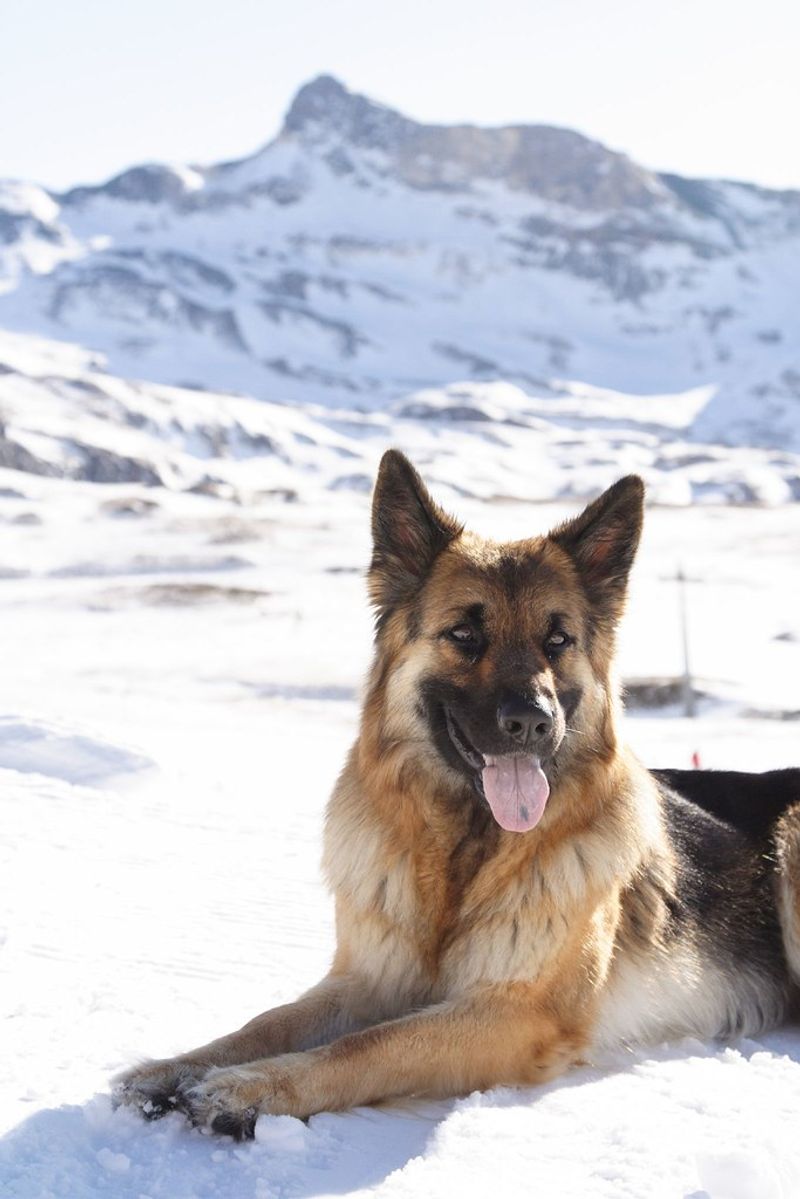
First to notice a shaky voice or rushed steps, German Shepherds pick up stress like radio signals. Their sharp eyes and work ethic make them excellent at tracking human cues.
Many serve in support roles, guiding people through busy spaces safely.
Structured routines help them relax. Mix obedience with scent games to channel their brainpower.
When you practice steady breathing and clear hand signals, the dog responds quickly, learning that your calm direction means everything is under control.
Poodle
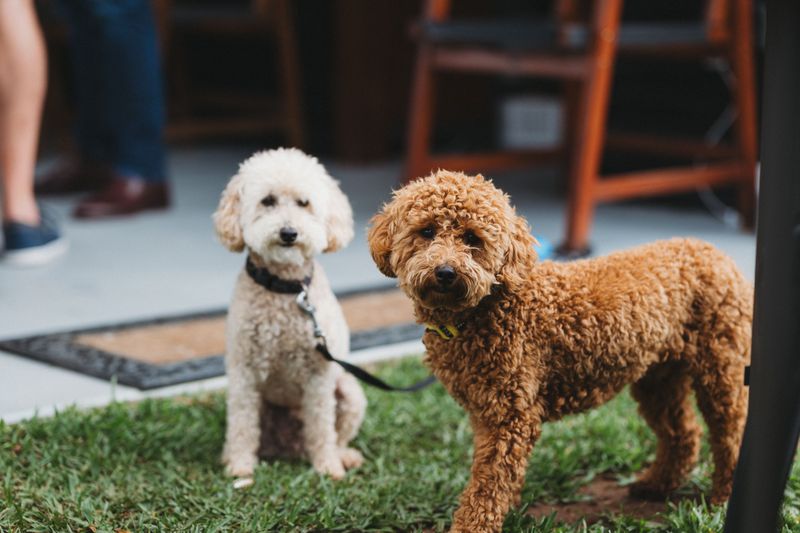
Smart as a puzzle master, the Poodle notices tiny changes in your routine. A skipped laugh or slower walk gets their attention right away.
Many owners report their Poodles rest their head on a knee during sad moments like a quiet check-in.
Keep their minds busy with trick training and gentle nose work. Short, playful sessions avoid frustration.
Celebrate small wins with calm praise, and you will see them tune in closer, matching your mood with ease.
Rough Collie
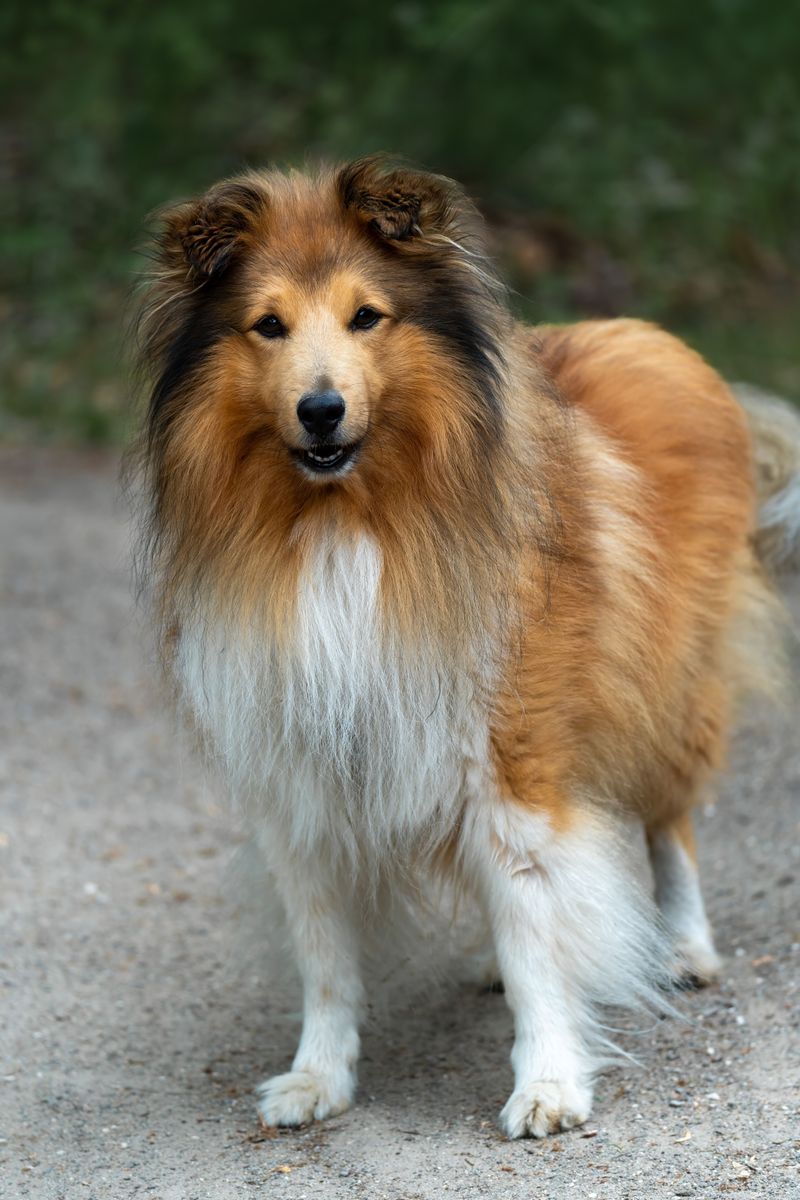
Stories of Lassie made the Collie famous, but real-life Collies also read people beautifully. They glance from your eyes to your hands, checking for clues.
If tension rises, many Collies move closer, guiding you toward a chair or a door like gentle traffic cops.
Quiet, predictable routines help them thrive. Teach simple direction cues and reward with soft praise.
Herding games and calm walks build confidence, so they can respond thoughtfully when your emotions shift.
Boxer
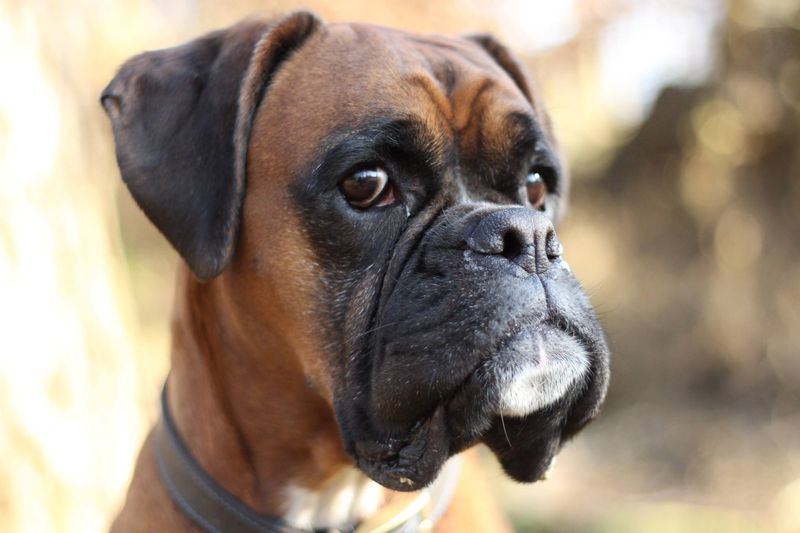
Clown at heart, the Boxer can flip to caregiver fast when it senses worry. They read energy levels, bouncing when you are upbeat and settling when you are low.
That shoulder lean is their signature hug, steady and grounding.
Short bursts of training mixed with games keep them sharp. Practice calm touch and consistent phrases.
When you model deep, slow breathing, many Boxers mirror it, loosening their body and easing tension in the room.
Cocker Spaniel
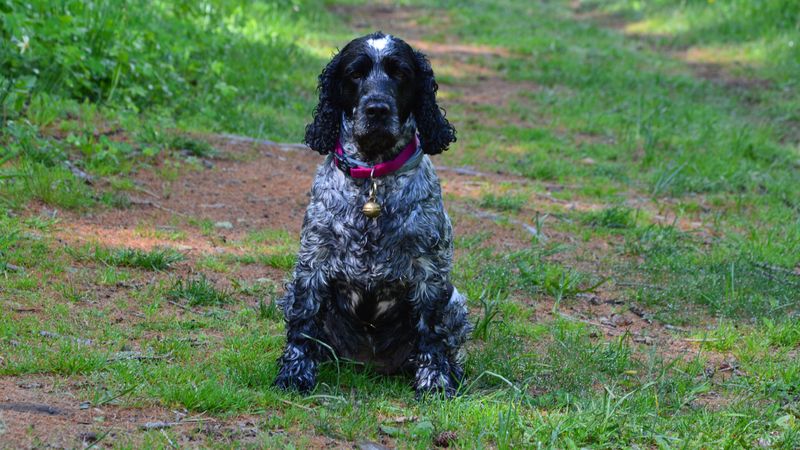
Soft-eyed and attentive, the Cocker seems to listen with its whole body. When voices drop or hands tremble, many Cockers slide closer, offering quiet warmth.
Families often say the dog checks each person in the room like a friendly host.
Daily brushing doubles as bonding time. Add simple scent games to keep their mind busy and confident.
Gentle, upbeat words work best, helping the Cocker pair your tone with reliable comfort rituals at home.
Shetland Sheepdog
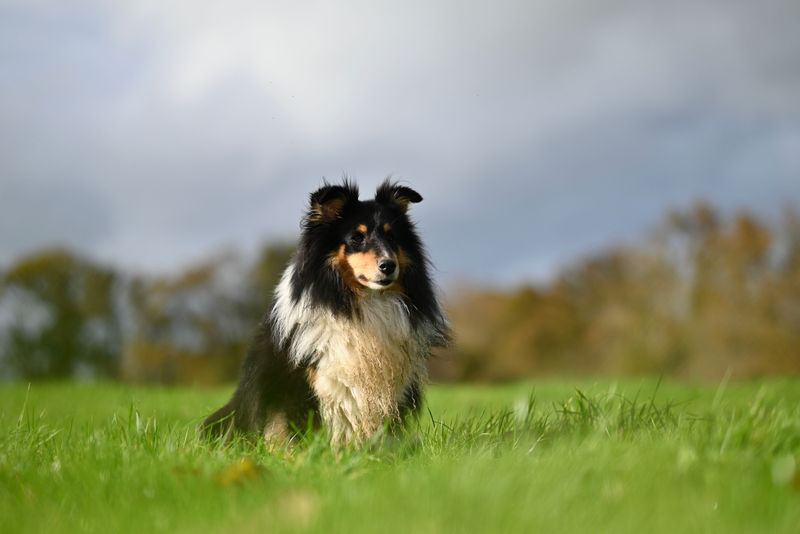
Quick to notice a frown, the Sheltie watches people like a helpful assistant. They look for tiny signals, then adjust their distance and pace.
Many will circle lightly or guide toward the door when the room feels too busy.
Confidence grows with fun agility or simple obstacle courses. Keep instructions clear and cheerful.
When you slow your steps and speak softly, Shelties read the change and respond, offering steady companionship that makes stressful moments easier.
Doberman Pinscher
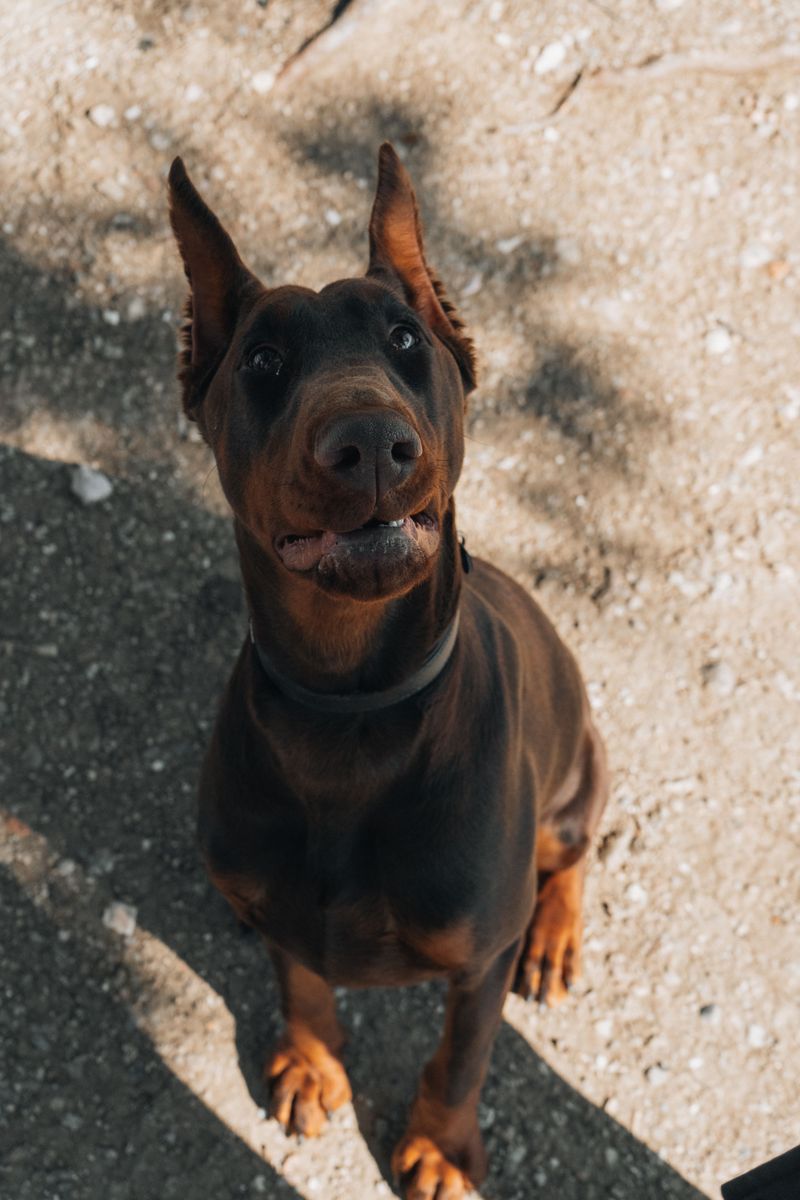
Like a loyal shadow, many Dobermans track your mood minute by minute. They study your breathing and stance, choosing when to be watchful or relaxed.
That close connection helps them sense unease before words arrive.
Clear boundaries and consistent routines build trust. Mix obedience with scent puzzles to satisfy their sharp minds.
When you show steady confidence through calm posture, the Doberman tunes in and mirrors it, creating a secure bubble that helps emotions settle.
Papillon
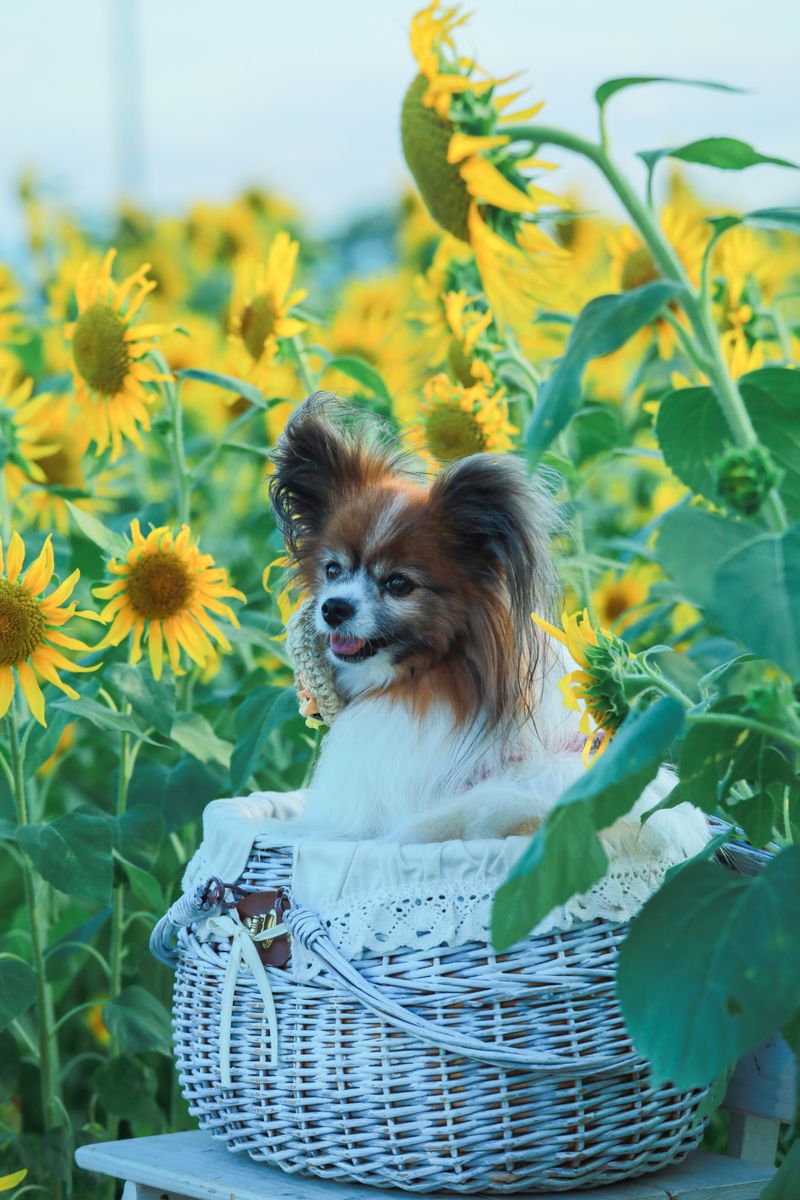
Tiny body, big emotional radar. The Papillon notices changes in your voice faster than many larger breeds.
When stress rises, they often scoot closer or tap a paw, like saying hey, take a break. Their playful spark can lift a heavy mood.
Short trick sessions are perfect. Rotate simple cues with hide-and-seek to keep them engaged.
Gentle praise and a calm lap teach them that your quiet moments are safe and welcome.
Brittany
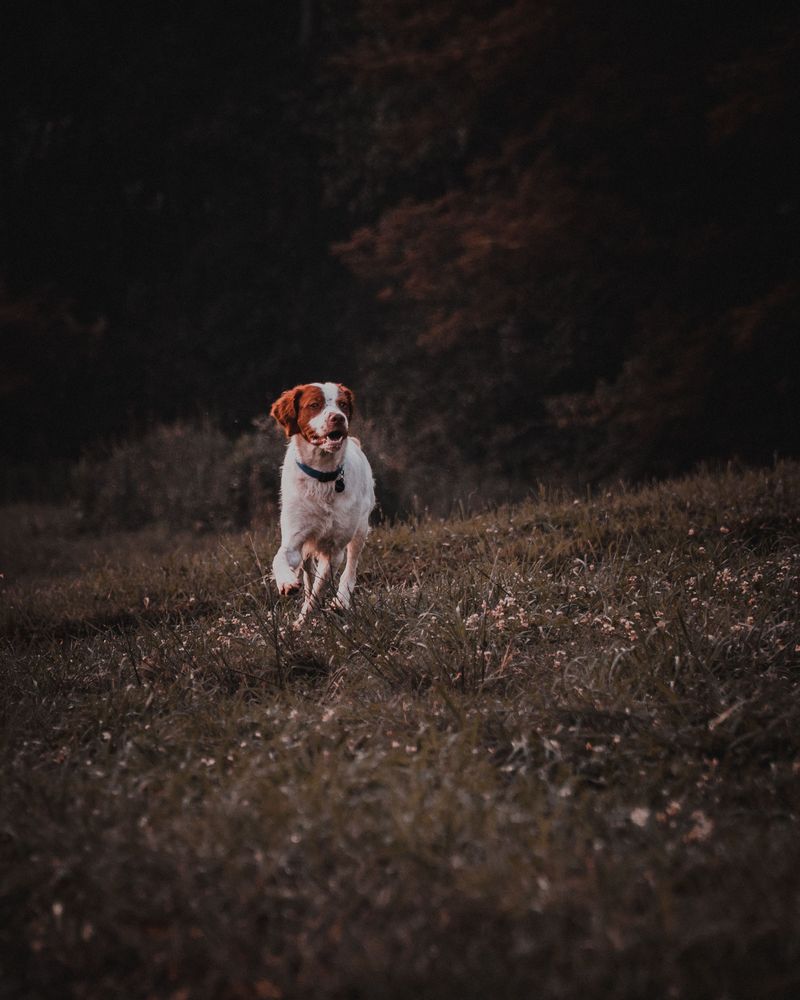
Built for action yet tuned to people, the Brittany reads pace and posture instantly. If you slow down or sigh, many Brittanies adjust, trotting closer and checking in with bright eyes.
Their enthusiasm often becomes calm encouragement on long days.
Channel energy with fetch, field games, or scent work. Keep commands short and upbeat.
When you reset with water and a deep breath, they notice and respond, helping turn stress into steady forward motion.