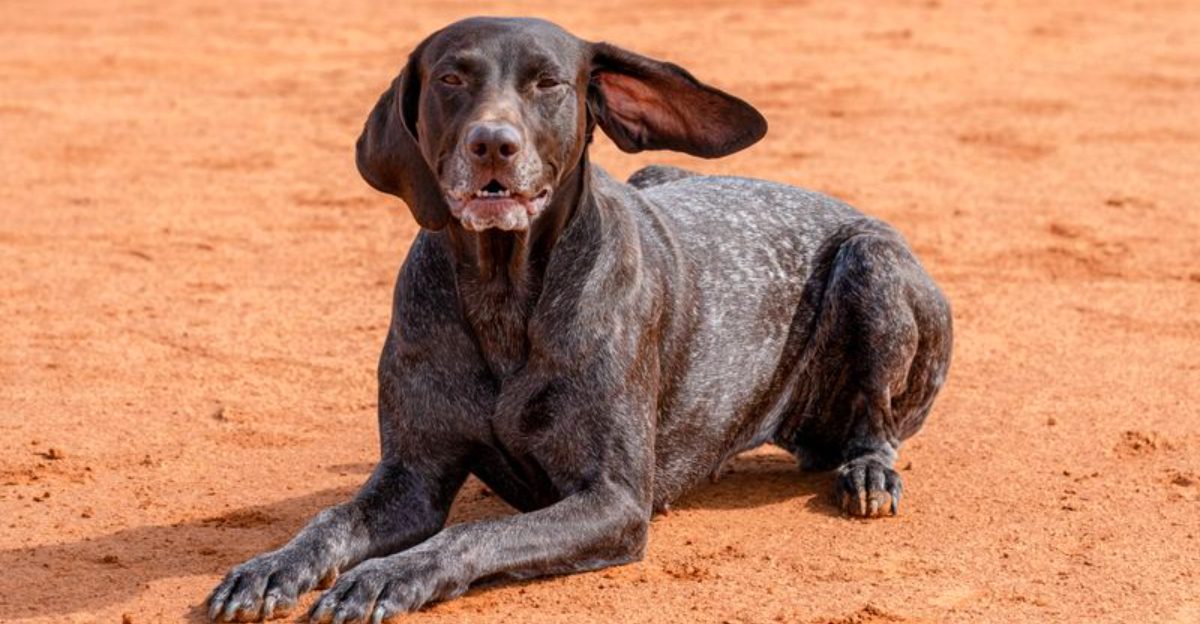
Some dogs cannot ignore a wiggle in the grass. They are built to sniff, search, and solve.
That natural talent helps with family games, outdoor adventures, and even safety. Meet ten breeds that turn a backyard mystery into a fun mission.
Beagle
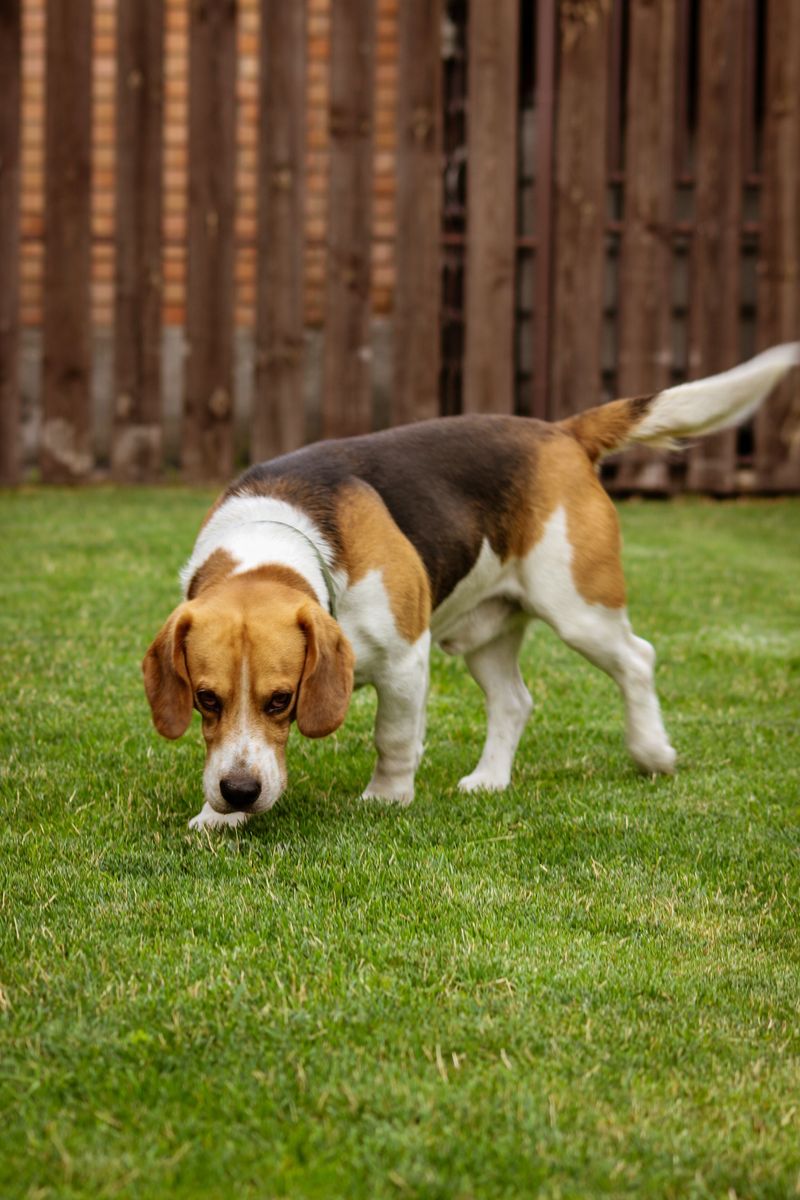
Nose to the ground, a Beagle turns everyday grass into a grand mystery. Friendly and bold, this small hound follows scent like a detective trailing clues.
Give short sniffing games, like hiding treats along a path, to satisfy that brain.
Walks work best with a long line and sniff breaks. At home, puzzle feeders and cardboard boxes keep energy focused, happy, and busy.
Fun fact, Beagles once rode in holds while tracking contraband in airports.
Dachshund
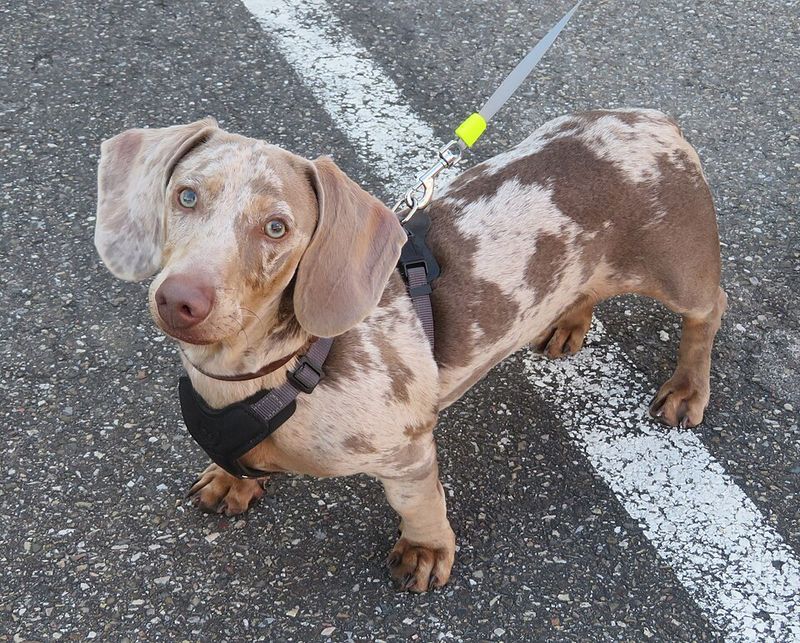
Short legs, tall pride, the Dachshund charges into grass like a tiny explorer. Bred for badgers, that long body and brave heart make quick work of tunnels and brush.
Hide a squeaky toy under leaves to spark careful digging without ruining your yard.
Leash training matters because instincts switch on fast. Use calm voice cues like wait and find, plus rewards to guide focus.
Fun history, early Dachshunds worked in German forests hunting underground pests.
Jack Russell Terrier
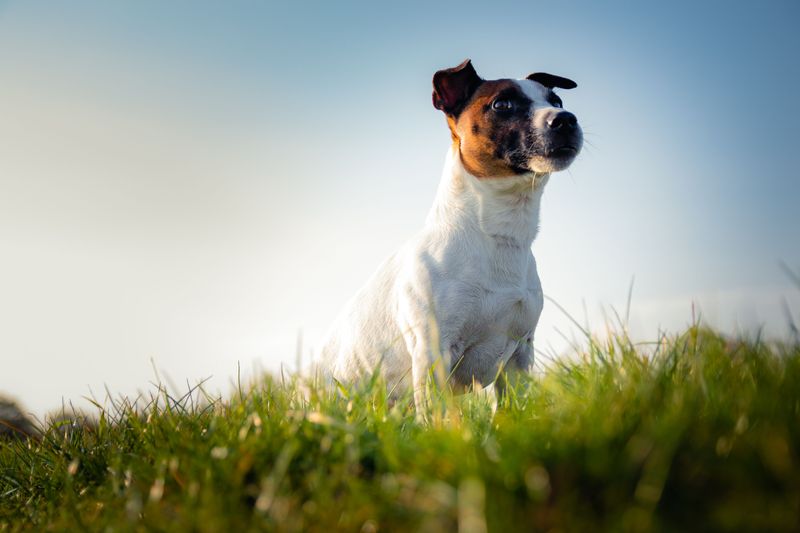
Blink and a Jack Russell is already nose deep, tail vibrating like a metronome. High drive and quick wit make this compact athlete a master of pest patrol.
Channel sparks into fetch bursts, flirt pole games, and short tracking trails around the yard.
Clear rules help, since curiosity can outpace manners. Teach check-ins, then reward calm pauses before another search.
Fun fact, early Jack Russells rode with fox hunters and were prized for fearless grit.
German Shorthaired Pointer
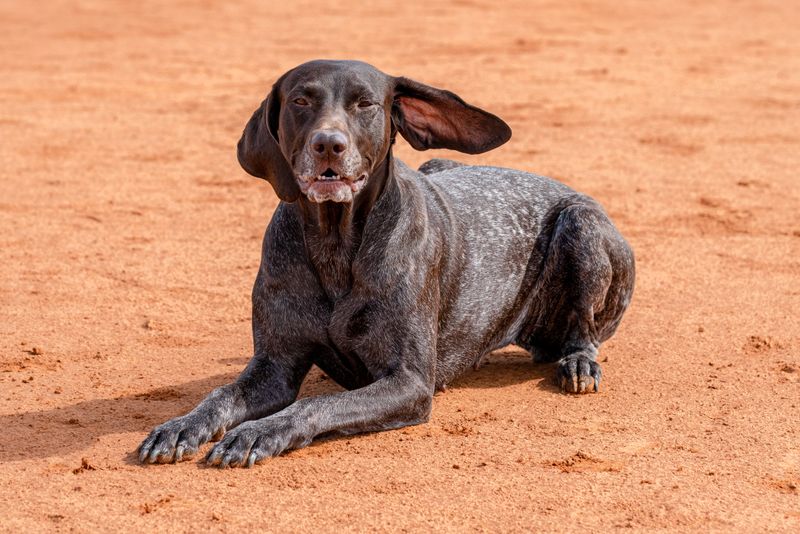
One breeze, and the GSP freezes in a perfect point, eyes locked, body steady. Built for all-day work, this versatile hunter loves tasks that mix running, scent, and cooperation.
Set up simple field searches with orange bumpers or hidden socks to meet that need.
Obedience under excitement is the secret sauce. Practice recall from moderate distractions, then raise difficulty slowly.
History note, German foresters designed the breed to handle birds, rabbits, and even water retrieves.
Weimaraner
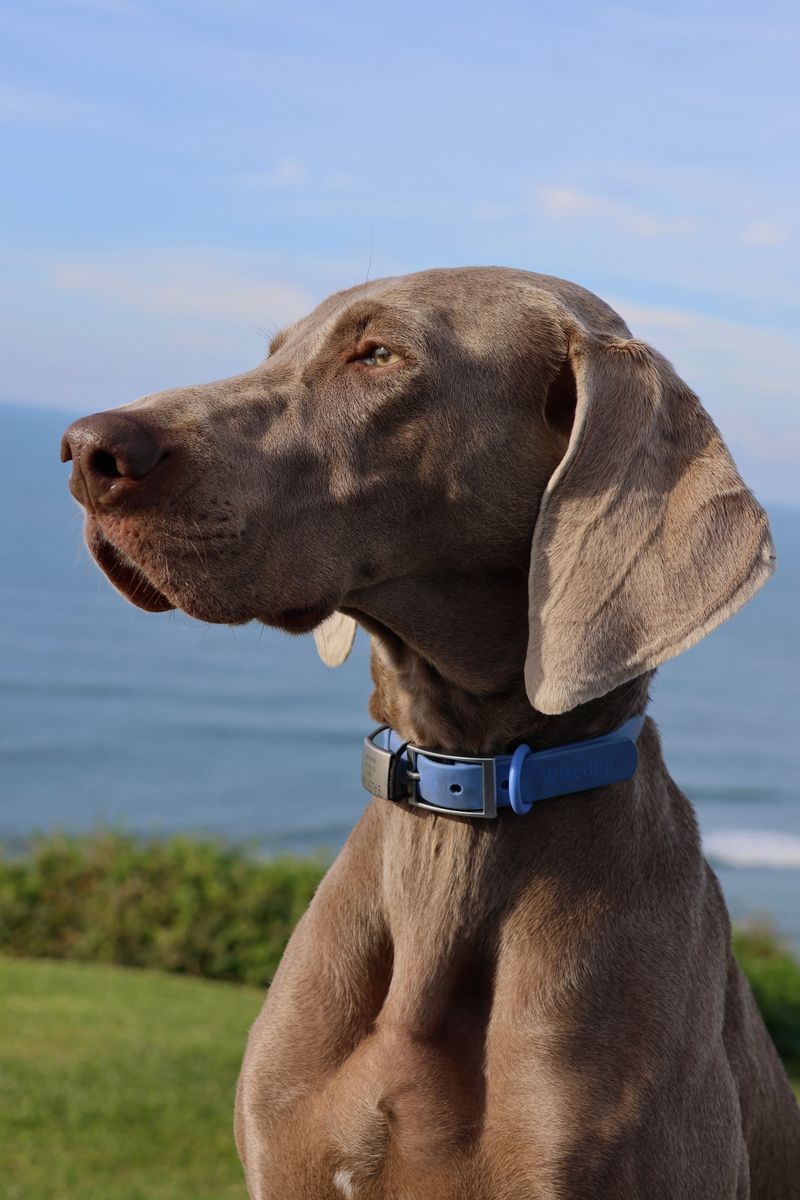
Silver coat glinting, the Weimaraner sweeps the grass like a searchlight at dusk. Fast legs and a curious mind crave big spaces and purposeful jobs.
Try long hikes, tracking lines, or hide-and-seek with family members to feed that working spark.
Structure keeps thrills under control. Teach place, crate comfort, and polite leash skills so excitement has clear, respectful boundaries.
Fun tidbit, Weimaraners once guarded royal game preserves, which explains their confident style today and grace.
Brittany
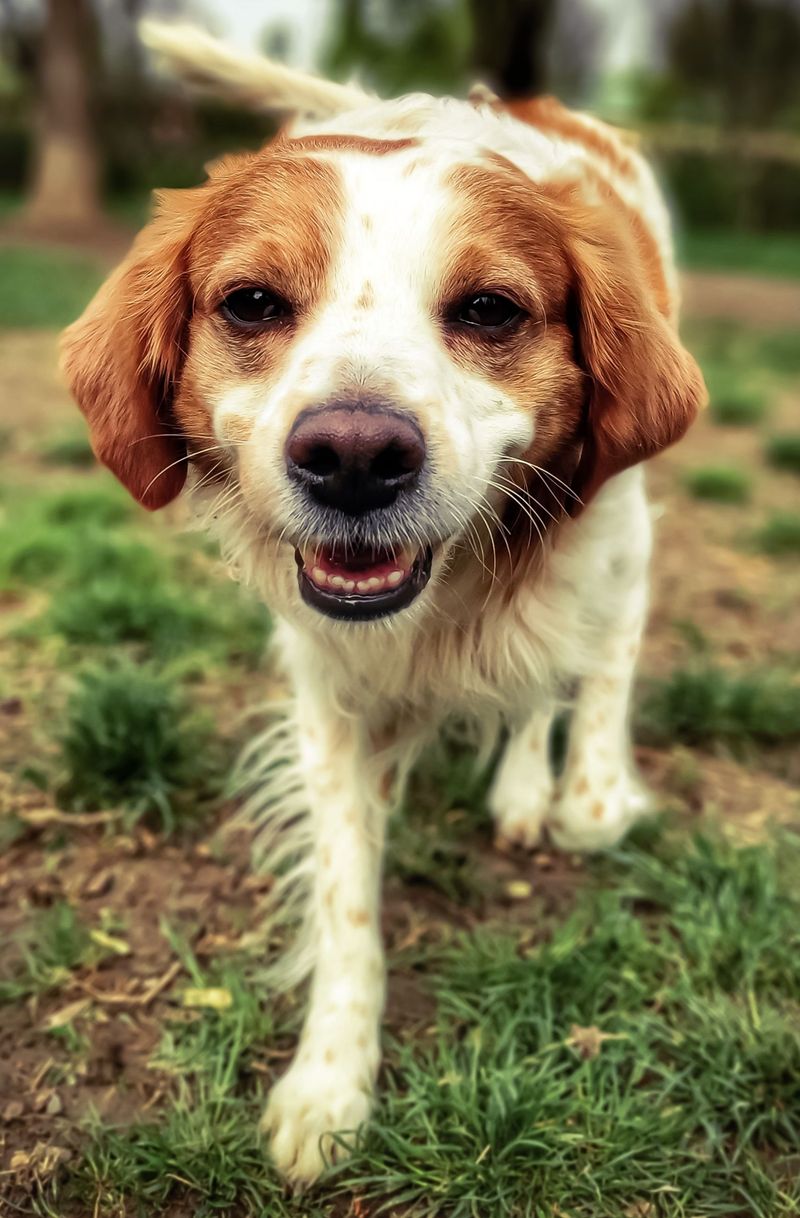
Light on its feet, a Brittany paints quick zigzags across clover like a joyful brush. Bird sense and eager spirit make training feel like a game you both win.
Plant scent swabs or feathers under cups, then trade finds for praise and a toss.
Keep sessions short, upbeat, and frequent. A soft touch works best, since many Brittanys read human moods quickly.
History note, the breed grew in French villages, balancing chores with bird work.
English Pointer
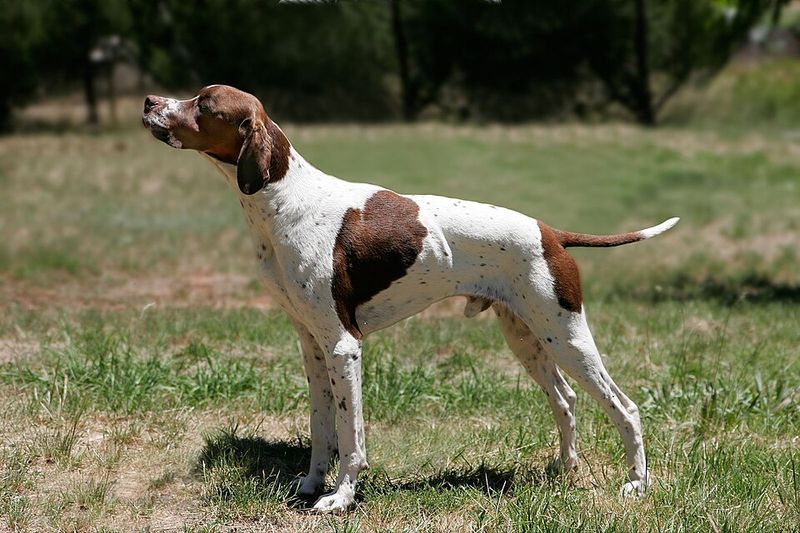
A steady tail and lifted paw tell you the English Pointer has found a story in scent. Built for wide fields, they love long strides and clear signals from their person.
Place bumpers upwind, then walk cross-breeze so the nose catches scent like a net.
Control grows from calm habits. Practice steadiness by asking for a sit after each find, then release to search again.
Fun detail, Pointers once guided horseback hunters across vast estates.
Bloodhound
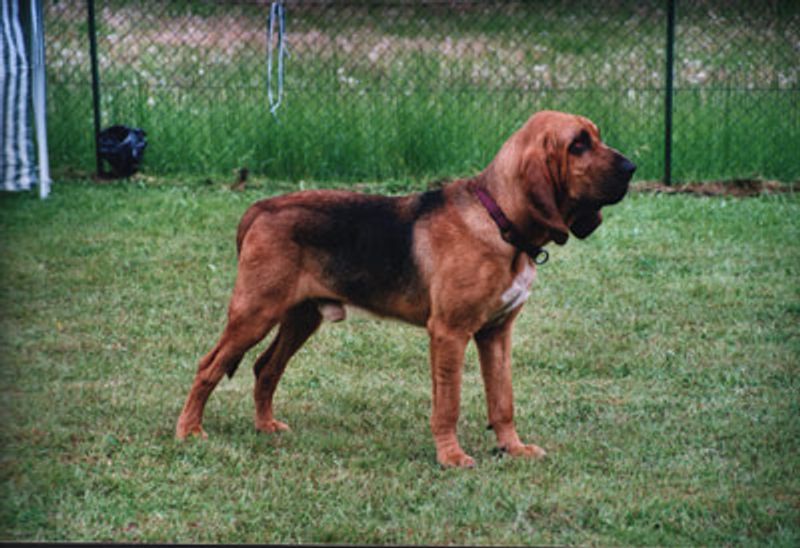
Those wrinkles are not just cute, they funnel scent to a Bloodhound nose built like a lab tool. Slow, steady tracking turns lawns into maps, and patience becomes the superpower.
Lay long scent trails with worn socks, reward at the end, and keep water handy.
Pull strength can surprise new handlers. Use a sturdy harness, teach a lean-friendly pace, and let the dog work.
Famous cases show Bloodhounds helping police and search teams for centuries.
Basset Hound
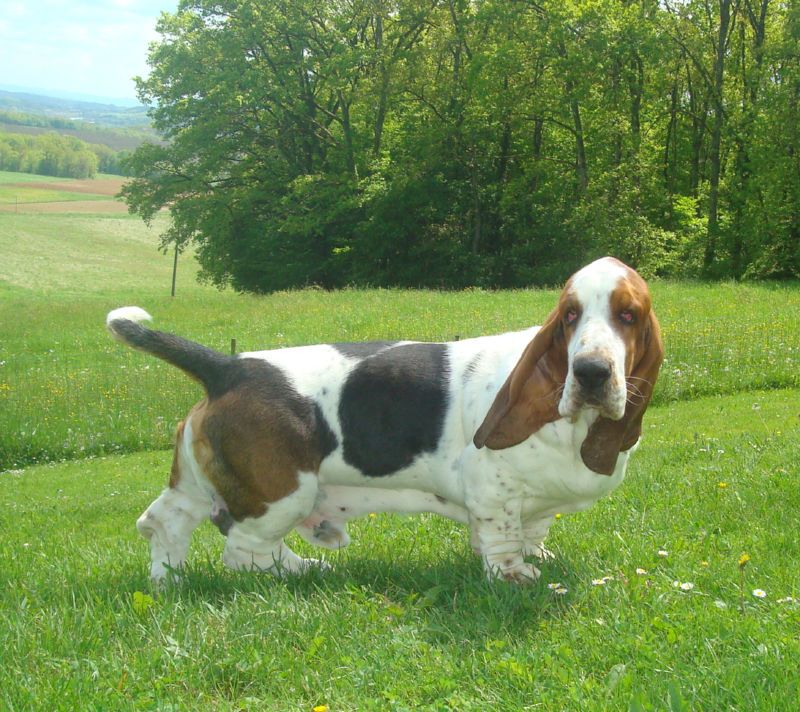
Ears brushing the grass, a Basset Hound turns whispers of scent into a booming trail. Low to the soil, it follows smell more than voice, so plan with patience.
Scatter tiny treats in a snuffle mat or lawn patch to satisfy curious noses.
Short walks suit their joints, yet sniff time should be generous. Gentle guidance, pay, and comfy naps keep spirits bright.
Fun note, French monks favored Bassets for slow, accurate tracking on foot.
Rhodesian Ridgeback
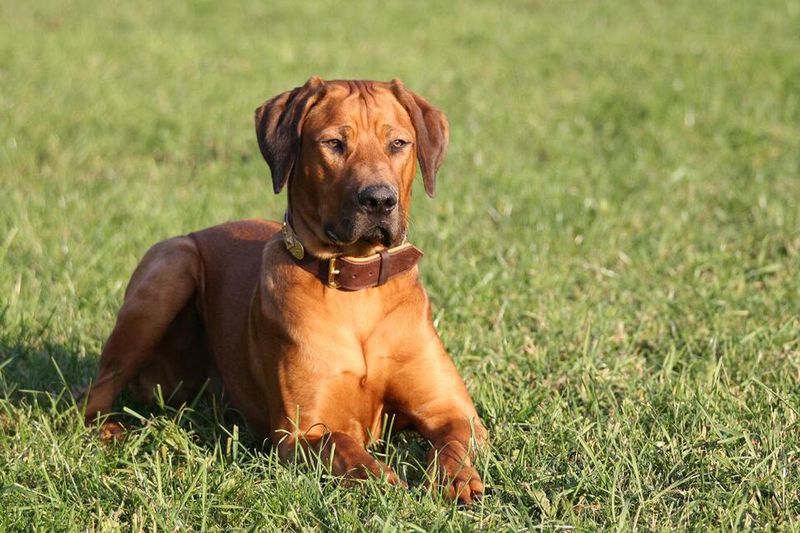
Quiet as a cat, the Rhodesian Ridgeback scans motion with watchful eyes. Originally bred in southern Africa, they balanced family life with brave work beside hunters.
Tap that thoughtful nature with scent puzzles, off-road hikes, and controlled chase games using flirt poles.
Strong will meets big heart, so leadership must be calm and fair. Teach reliable recall before allowing off leash time, and reward freedom to explore.
Old lore says ridgebacks guarded camps at night.