
Too many dogs get praised for being protective when they are actually stressed, insecure, or rehearsing pushy behavior. You love your dog and want to keep others safe, but mixed signals can turn small warnings into big problems.
Ready to swap fear-based guarding for confident, reliable manners that work in real life? Let us break down breeds that often get mislabeled and show you what to do instead.
German Shepherd
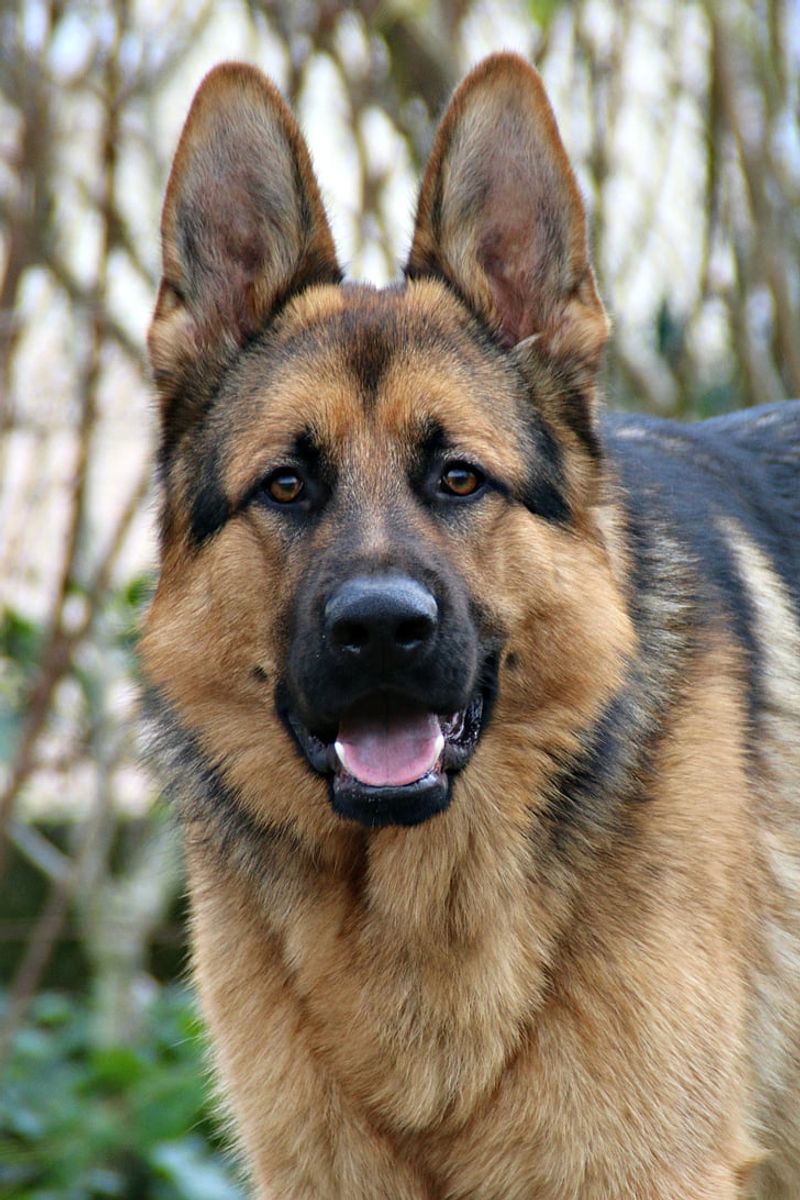
German Shepherds are brilliant, intense, and ridiculously fast at pattern learning. When you cheer for vocal barking at the window, you unintentionally reinforce anxiety and territorial rehearsals.
The dog believes noise makes threats go away, so the habit strengthens and escalates over time.
Teach neutrality with strategic exposures: park farther from triggers, reward quiet observation, and keep sessions short. Give this dog a job that builds clarity like place training, scent games, or precision heeling.
Advocate for space, and stop letting strangers rush in.
Confident shepherds appear boring: loose bodies, slow breathing, predictable routines. Protection should mean composure, not chaos.
Train impulse control daily, and you will see a steady companion emerge.
Belgian Malinois
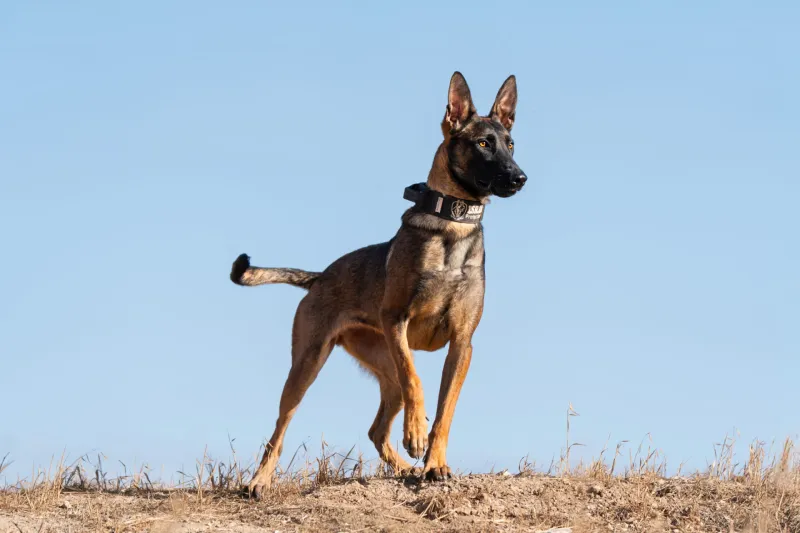
The Belgian Malinois is a Formula 1 brain in a go kart body. If you label frantic spinning or explosive barking as protective, you are reinforcing arousal without direction.
This dog thrives on structure, clarity, and short, high quality reps that end before burnout.
Teach decompression like mat work and off switch games. Build stillness first, then add movement and pressure.
Reward neutrality around doorways and visitors, and do not allow chaotic greetings or window patrols.
Channel drive into controlled tasks: platform work, bite sports under professionals, or nosework with strict criteria. Confidence looks quiet, measured, and spring loaded.
Over arousal is not courage, and you will not out cardio this dog.
Doberman Pinscher

Dobermans read your emotions like a book. If you tense up and praise big displays, you teach them to escalate whenever you are unsure.
That looks protective, but it is actually insecurity with a fashionable finish.
Practice calm leadership: consistent rules, leash handling that is smooth, and clear boundaries for doors and guests. Cue a place command before knocking starts.
Reward quiet breathing and soft eyes, not chest-puff theatrics.
Socialization should mean neutrality, not forced petting. Teach clean recalls and heel work around mild distractions before raising difficulty.
Confidence is polite, still, and responsive. When your Doberman learns that calm earns access to life, the edge fades and real steadiness shows.
Rottweiler
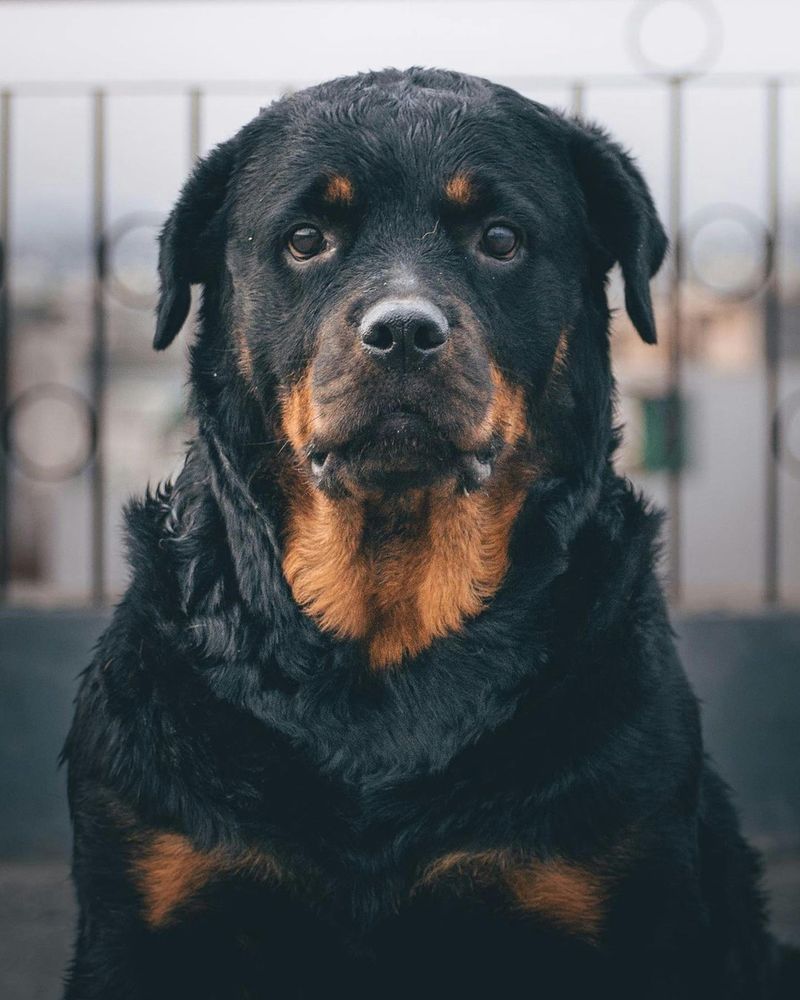
Rottweilers are thoughtful, biddable, and naturally imposing. People step back, the dog learns that posture moves the world, and you praise it as protective.
Soon the dog rehearses hard stares at strangers and owns the sidewalk.
Shift the script. Reward checking in with you, not scanning others.
Teach a quiet heel past people with food and clear markers. If someone wants to greet, advocate boundaries or skip it entirely.
Structured games like tug with outs, carting practice, or scent puzzles build clarity. Avoid window duty and fence wars.
Calm routines reduce reactivity and preserve the dog’s excellent problem solving. True protection is stable nerve and controlled choices, never intimidation practice.
Cane Corso
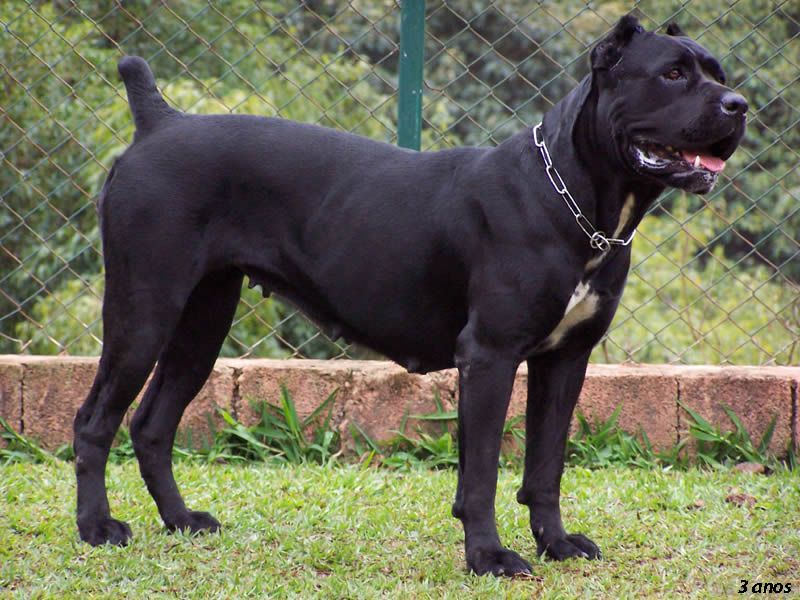
Cane Corsos mature slowly and feel every ripple in the environment. Calling low growls protective can cement suspicion toward guests and deliveries.
The dog learns to manage space because you will not, and that responsibility creates constant stress.
Prioritize predictable routines, clear guest protocols, and controlled exposure. Place training at doors, leash on before knock, and reward calm scanning that returns to you.
Keep greetings low key and brief, or skip them.
Give structured outlets like tracking, obedience, and controlled tug. Teach a rock solid out and finish patterns.
Confidence for this breed is quiet ownership of obedience, not posturing. When you steer the environment, the Corso can finally relax and be steady.
Boxer
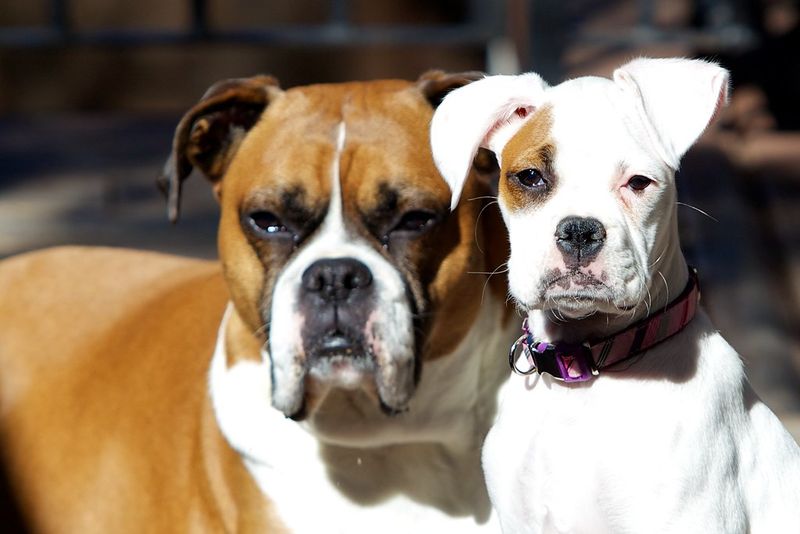
Boxers are clowns with springs for legs. People laugh at lunging hello sessions and label it protective when excitement gets noisy.
In reality, the dog is over aroused and practicing rude door behavior that can scare visitors.
Teach an off switch. Place before the doorbell, scatter feed to lower arousal, and reward stillness with access to greet later.
Keep greetings short and on leash, or skip them entirely when energy spikes.
Provide jobs that drain brain, not just legs: shaping games, scent boxes, and impulse control drills. Calm Boxers are cuddly and reliable.
Reinforce quiet choices and you will transform bouncy chaos into polite charm that fits any neighborhood.
Beauceron
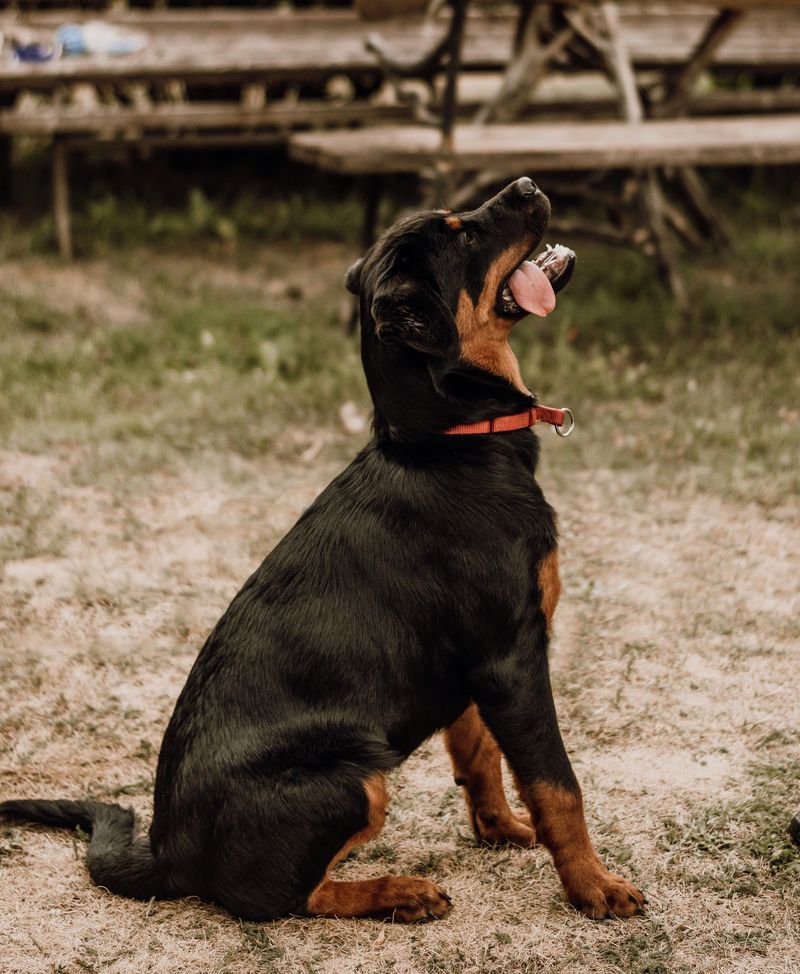
The Beauceron is sharp, observant, and loyal with a serious mind. If you cheer for alert barking at every passerby, you reinforce hyper vigilance, not bravery.
These dogs need purpose and neutrality more than constant stimulation.
Use long line recalls and structured heel to give the brain a lane. Reward head checks and quiet body language.
Teach stationing at home so windows do not become security posts.
Confidence is the ability to ignore noise. Introduce controlled social contact in short, successful reps, and exit before arousal spikes.
Herding breeds read patterns, so make your pattern calm. When you own the routine, the Beauceron will relax and follow your lead.
Dutch Shepherd
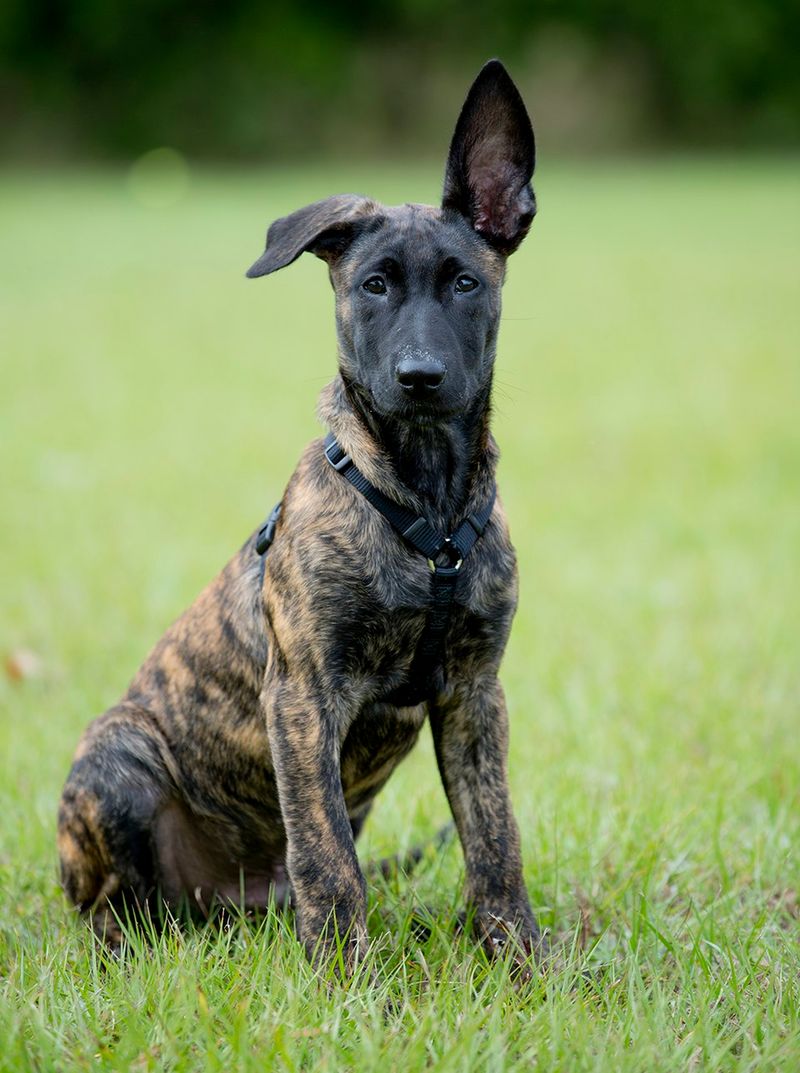
Dutch Shepherds are problem solvers with endless gas. People mistake friction barking and pacing as protective confidence.
It is usually frustration and uncertainty searching for a job.
Give that job: structured obedience, nosework, or bite sport with a qualified coach. Meanwhile, rehearse neutrality daily.
Place for the doorbell, food for quiet breaths, and a clean heel past triggers.
Train decompression after work sessions with sniff walks and long settle periods. Confidence is stillness on command and engagement under mild pressure.
If you do not provide criteria, the dog invents its own. Reward thoughtful choices and the edge gives way to a reliable, tuned partner.
Belgian Laekenois
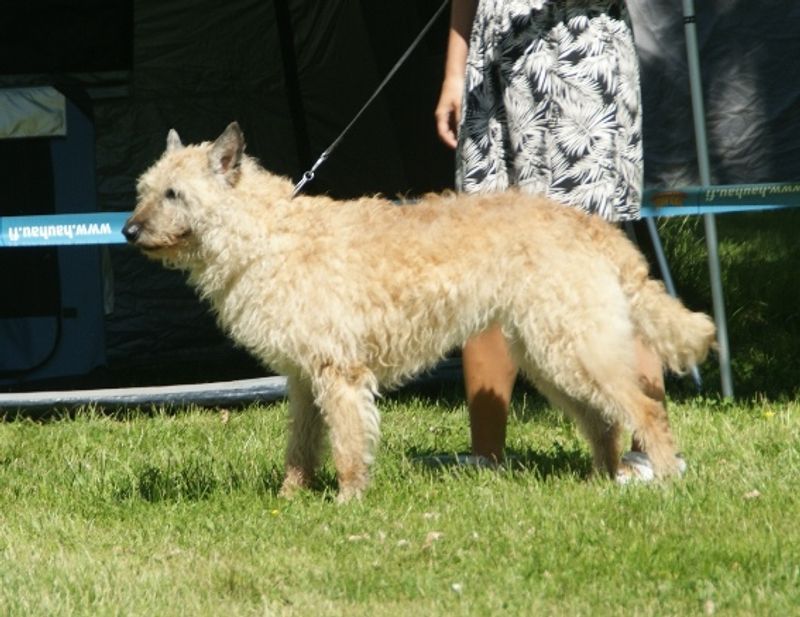
The Belgian Laekenois is sensitive and watchful with rustic charm. Praising stiff posture at strangers teaches the dog to escalate and manage space.
That is stress with a curly coat, not noble protection.
Build confidence through predictable exposures: sit at distance, reward scans that return to you, and keep reps short. Use place for guests and teach a conditioned relaxation protocol.
Avoid chaotic dog parks that spike arousal.
Give meaningful tasks like scent puzzles and calm fetch with clean releases. Courage looks like loose muscles and responsive ears.
If you mark quiet choices, your Laekenois learns safety comes from your leadership, not loud displays.
Hovawart
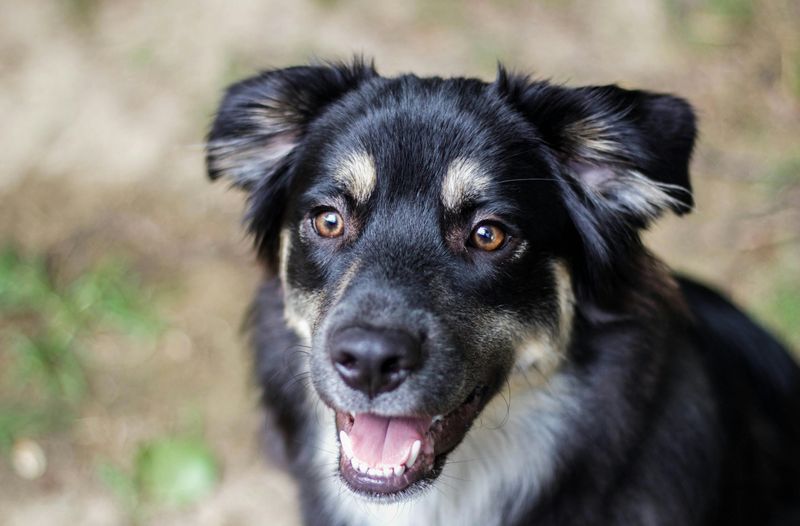
Hovawarts are natural guardians with big hearts. They often get applauded for low rumbles at delivery drivers.
That rewards suspicion and rehearses the wrong script at your front door.
Switch to structure. Clip the leash before the knock, send to place, and pay for quiet breathing.
If the dog cannot hold composure, skip greetings and let neutrality win the day.
Work on predictable exposure walks with head checks, then add mild distractions. Teach a reliable recall and finish pattern to reset focus.
True steadiness shows in relaxed posture and soft eyes. When you protect the space, the Hovawart no longer feels compelled to patrol.
Great Pyrenees
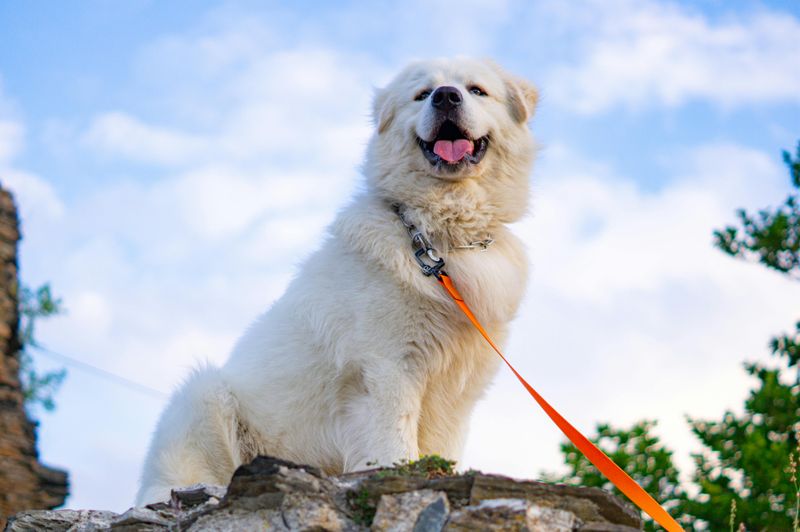
Great Pyrenees were bred to make solo decisions. In suburbia, that becomes yard barking and perimeter pacing dressed up as protective.
You think it is their job, but the neighborhood disagrees.
Give clear boundaries. Limit unsupervised yard time, add visual barriers to reduce triggers, and teach place during peak activity hours.
Reinforce quiet with food and release to sniff when calm.
Provide real work: scent games, cart pulling, or structured hikes. Confidence should be calm observation, not endless announcements.
When you lead, the Pyrenees can rest, and the white cloud finally settles into a gentle companion.
Anatolian Shepherd Dog
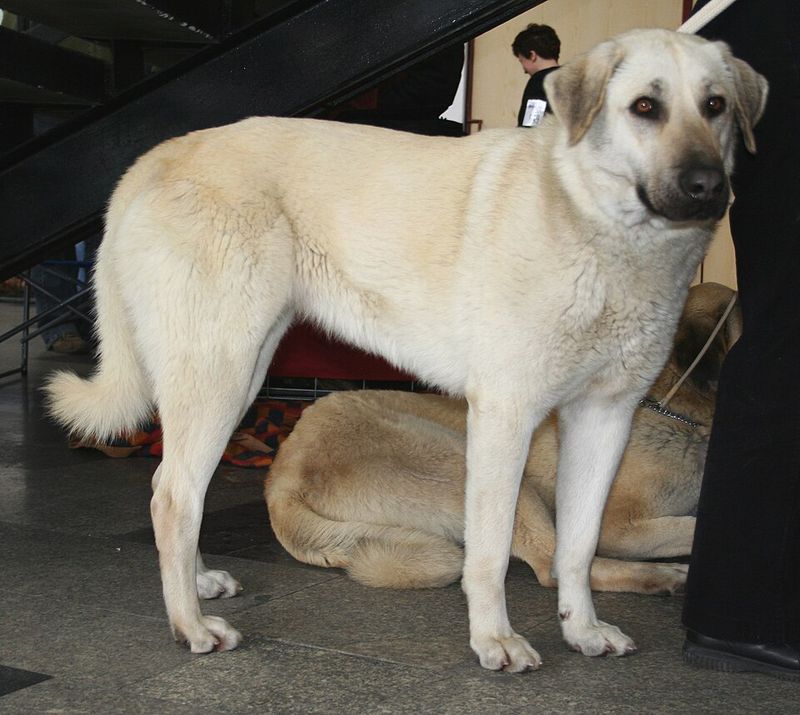
Anatolians are independent guardians built to manage big spaces. Labeling intense staring at strangers as protective rewards suspicion.
In reality, the dog is self assigning security tasks because you have not.
Use long lines, planned exposures, and strict guest management. Teach stationing behind a gate for deliveries.
Reinforce engagement and slow breathing, not vocal pressure or body blocking.
Give heavy duty jobs like tracking or controlled boundary walks with you leading. Confidence appears in quiet choices and responsiveness when called.
Set criteria, keep it boring, and your Anatolian becomes a steady partner instead of a neighborhood sentinel.
Kuvasz
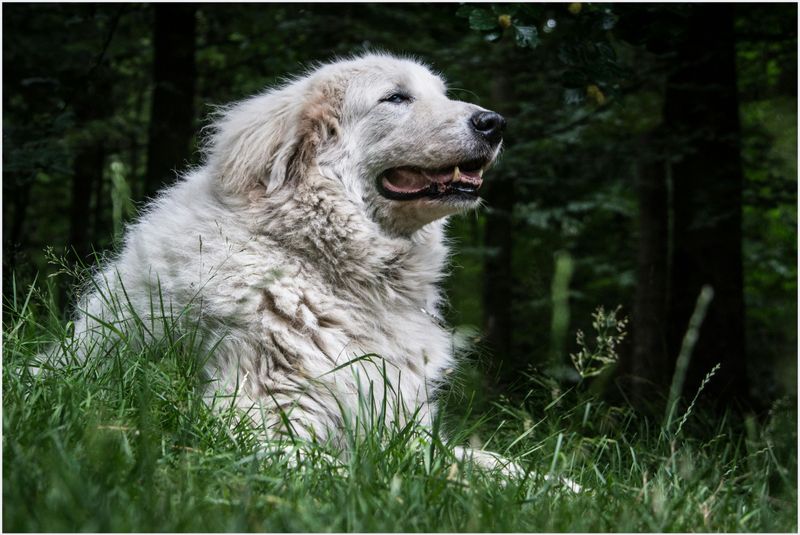
The Kuvasz is sensitive, loyal, and quick to notice patterns. If you praise warning barks at every creak, you nurture hyper vigilance.
That is not protection. It is stress rehearsed as a habit.
Install routines that predict safety: leash on before guests, place behind a gate, and reward quiet. Keep sessions brief and end on wins.
Skip greetings when arousal spikes.
Work the brain with scent games and shaping calm behaviors. Reinforce soft eyes and relaxed shoulders.
With consistent criteria, the Kuvasz stops managing the room and lets you handle it. Confidence becomes quiet and dependable instead of loud and prickly.
Akbash
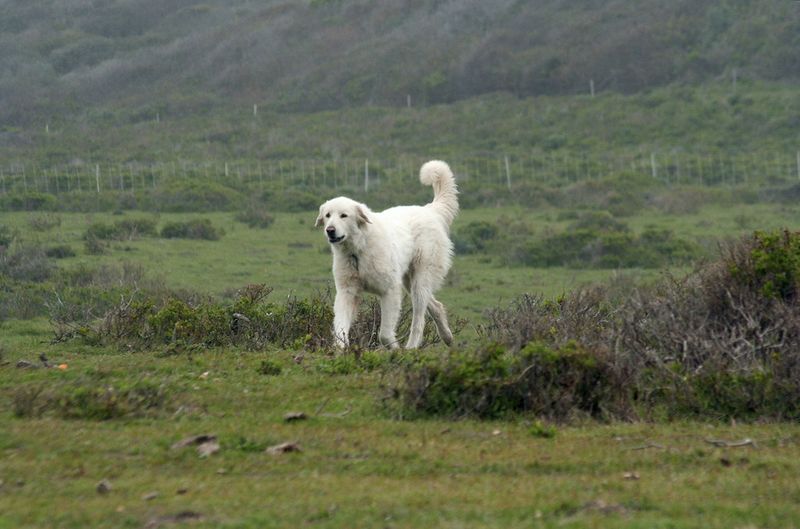
Akbash dogs are serious guardians that default to distance evaluation. If you reward standoffs with tense posture, you teach them to escalate.
Many owners confuse that with noble protection.
Structure is the antidote. Use long lines, place work, and threshold manners.
Reward checking in and moving with you rather than posting up to stare. Keep visitors behind gates and keep greetings optional.
Give practical outlets like tracking and controlled patrol walks with you setting the route. Confidence looks boring and cooperative.
When you define the job, the Akbash relaxes and stops auditioning as head of security.
Tornjak
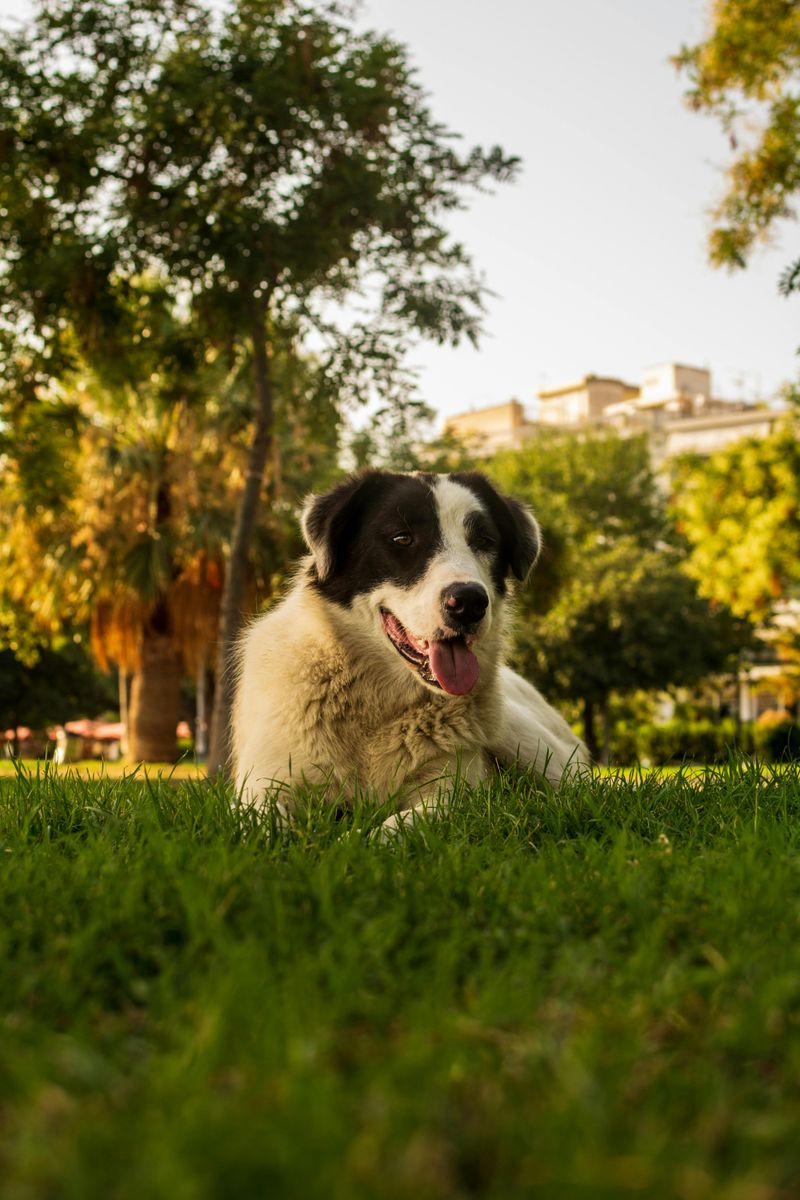
The Tornjak is thoughtful and steady when trained, but quick to practice boundary decisions if left to guess. Praising vocal alerts at fences reinforces an anxious loop.
It reads as protective, but it is really rehearsal.
Teach gate neutrality, leash up during peak traffic, and mark quiet observation. Use stationing and decompression walks to lower baseline arousal.
Keep interactions short, clear, and boring.
Provide jobs that build clarity like scent work and obedience patterns. Confidence emerges as relaxed posture and reliable recalls.
When you guide the environment, the Tornjak shifts from patrol mindset to companion mode that fits modern life.