
If walks feel tense and your dog seems to pull harder the tighter you hold, you are not imagining it. Many high drive breeds actually escalate when pressure hits the leash, turning a simple stroll into a tug of war.
The fix starts with understanding how leash tension triggers opposition reflex and frustration. Learn which breeds are most sensitive and how small changes in handling can transform your daily walk.
German Shepherd Dog
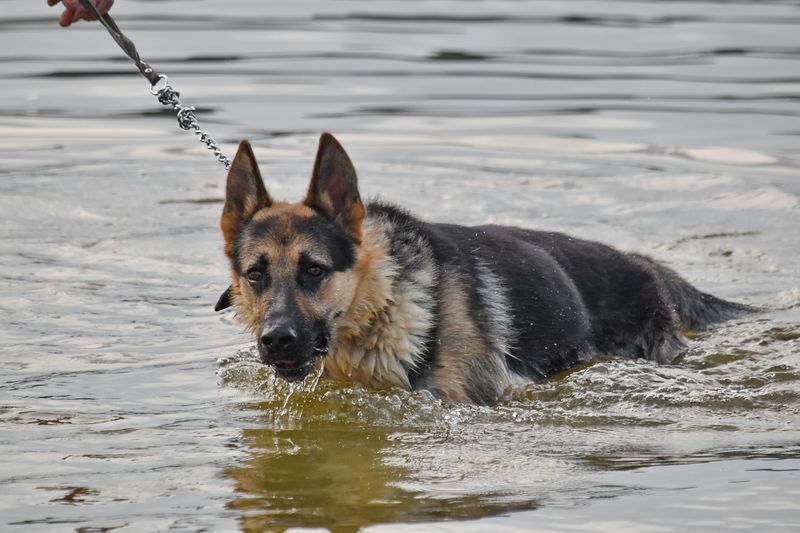
German Shepherds are brilliant problem solvers, so leash pressure often feels like a puzzle to overcome. Tightening the leash can trigger their opposition reflex and ramp up frustration, especially when they are hyper focused on stimuli.
You will see weaving, forging, and vocalizing when restraint increases.
Teach loose leash skills with reinforcement for position and engagement. Reward check ins, use pattern games, and practice calm starts before stepping off the driveway.
A front attach harness can help without relying on force.
When arousal spikes, increase distance and let the leash stay slack as you turn away. Small decompression sniff breaks lower stress quickly.
With clarity and consistency, you will discover their thoughtful, cooperative stride returns.
Rottweiler
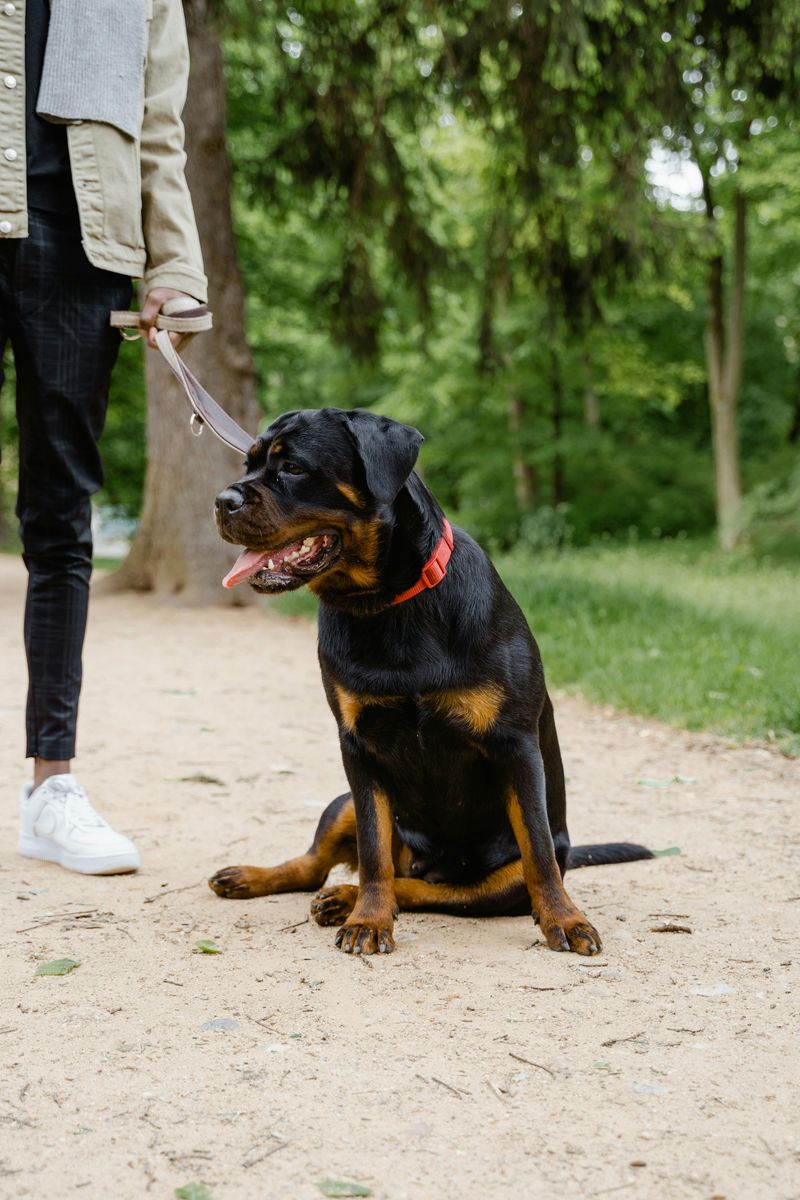
Rottweilers are powerful, thoughtful dogs who respond poorly to constant restraint. A tight leash often creates a brace and push effect, feeding into their natural strength.
You might feel like you are waterskiing as they lean harder the more you pull back.
Start with structured decompression at the beginning of the walk. Reward heel position in short bursts, then release to sniff on cue to prevent bottle up frustration.
A properly fitted front clip harness gives guidance without conflict.
Keep your hands low, elbows soft, and leave slack whenever safe. Pre cue engagement before triggers appear and pivot away early rather than hauling back.
You will see a proud, steady partner who chooses connection over muscle.
Doberman Pinscher
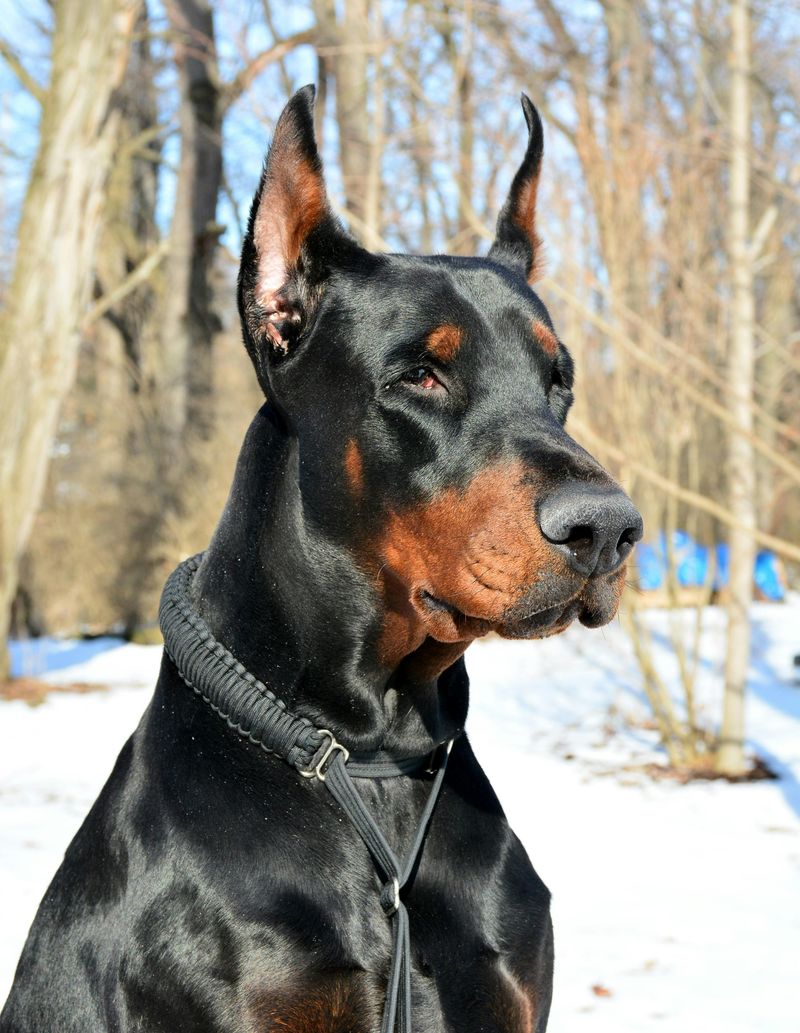
Dobermans are sensitive, fast processing guardians who notice everything. When the leash tightens, arousal and anticipation spike, making them forge or pogo.
They read tension in your hands and body, so bracing can accidentally cue them to charge ahead.
Build default attention through pattern games and reward eye contact before moving. Use short training loops with frequent resets to keep clarity high.
Reinforce calm stand and head turn when surprises pop up.
Switch between focused heel and free sniff time on verbal cues to reduce pressure. Keep turns smooth, leash loose, and voice quiet.
With predictable rules and soft handling, their elegant rhythm returns and your stride matches beautifully.
Cane Corso
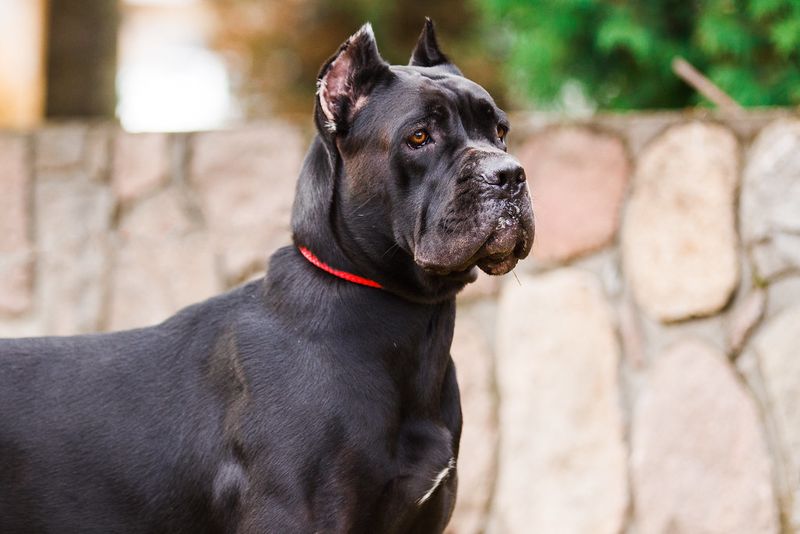
Cane Corsos are imposing yet sensitive molossers, and tight restraint can create conflict. When tension rises, many brace and power forward, interpreting pressure as resistance to overcome.
You might see hard eye, tightened mouth, and freight train movement.
Focus on slow starts and reinforcement for calm, neutral scanning. Reward check ins and loose leash position every few steps early on.
Use distance as your friend, and arc around triggers before your dog locks in.
A wide, padded front clip harness helps guide the chest without neck strain. Keep the leash like a telephone line, not a tow rope.
With relaxed handling, they settle into a confident, controlled pace that turns heads for the right reasons.
American Staffordshire Terrier
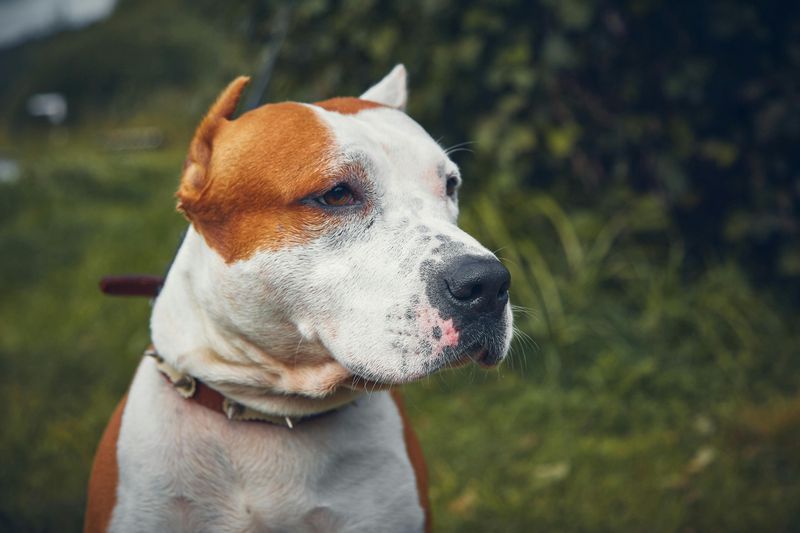
AmStaffs are enthusiastic, people focused dogs whose zest can boil over when restrained. Tight leashes dial up frustration and can trigger springy pulling, hopping, and barking.
The more you clamp down, the more they try to sprint toward life.
Begin with engagement games at the door and pay generously for position beside you. Alternate one minute of focused heel with one minute of sniff permission to release steam.
Keep sessions short and celebratory.
Use a front clip harness or double clip leash setup for guidance without conflict. Turn often, reward U turns, and speak before you move.
Soon you will feel that joyous, bouncy energy channel into a light, cooperative trot.
Staffordshire Bull Terrier
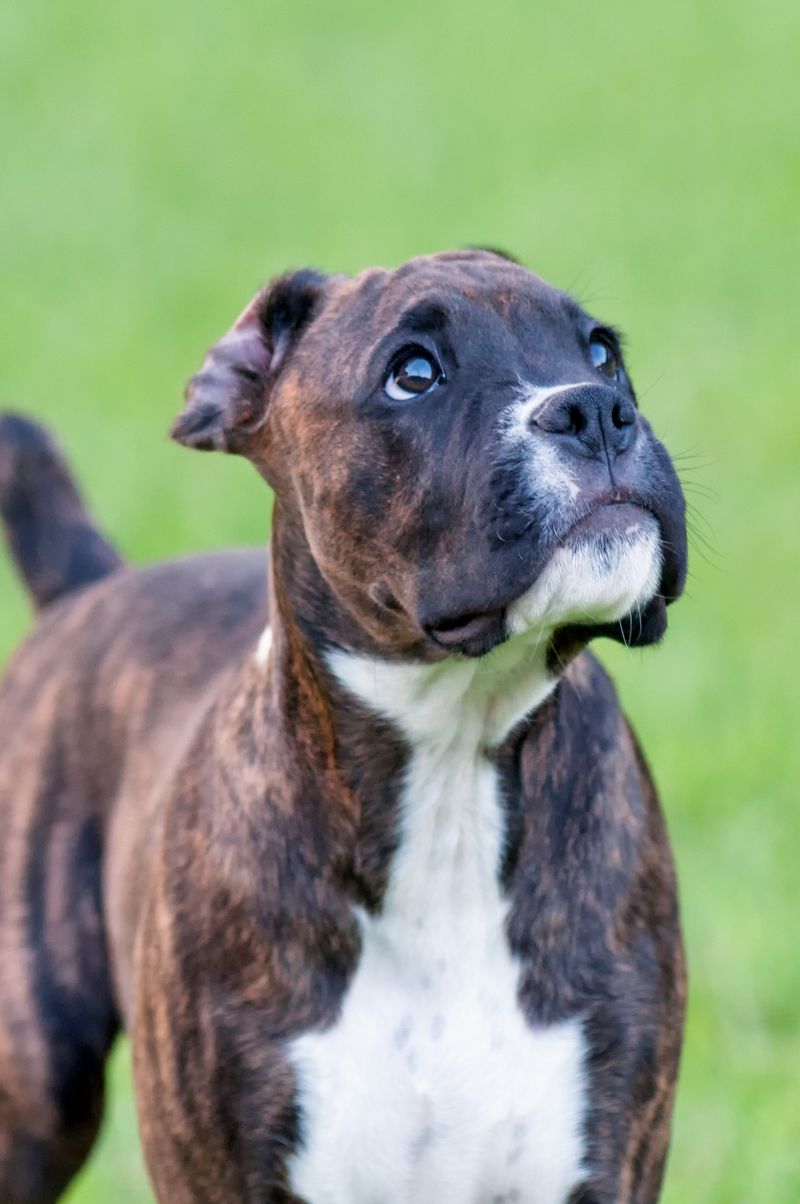
Staffies bring big feelings in small packages. A tight leash amps them up, making them bulldoze gleefully toward smells and people.
That opposition reflex is strong, and frustration can bubble into whining or play yodels.
Pay for calm starts and reinforce a shoulder by knee position early and often. Use treat scatters to reset arousal, and add hand target turns for smooth redirections.
Keep your leash draped, not tense, and breathe.
Set a rhythm: focus, sniff, focus. Predictability helps them stay composed without losing their sparkle.
Soon you will have a cheerful companion floating along instead of a determined little locomotive towing you down the block.
Belgian Malinois
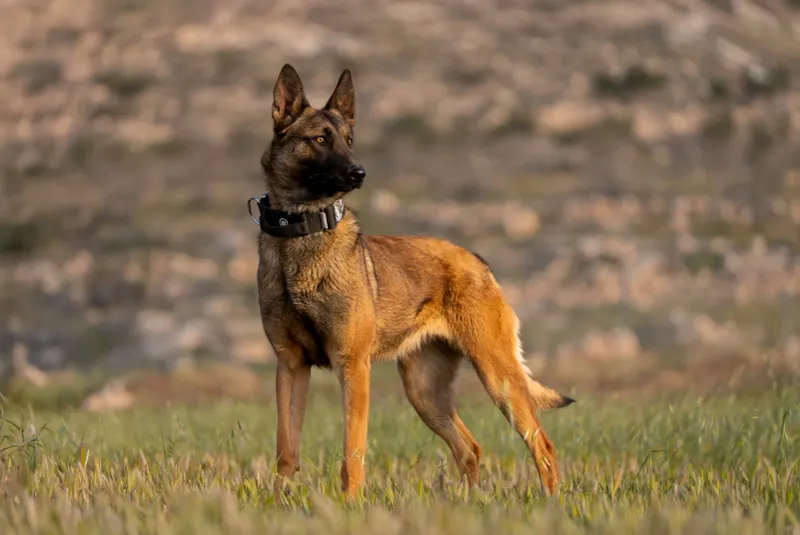
Malinois are intensity distilled. Tight leash pressure can feel like a challenge, spiking drive and creating pogo pulling or crabbing.
They read micro tension, so a clenched hand can cue go faster instead of slow down.
Use structured decompression at the start and frequent food reinforcement for heel. Practice pattern games and calm stationary behaviors near mild distractions.
Reward breathy exhale and head turns generously.
Keep the leash feather light and turn before tension builds. Provide jobs on walks like middle position, find it, or side changes.
When their brain has a task and your hands stay soft, that jet engine power channels into a beautiful glide.
Dutch Shepherd
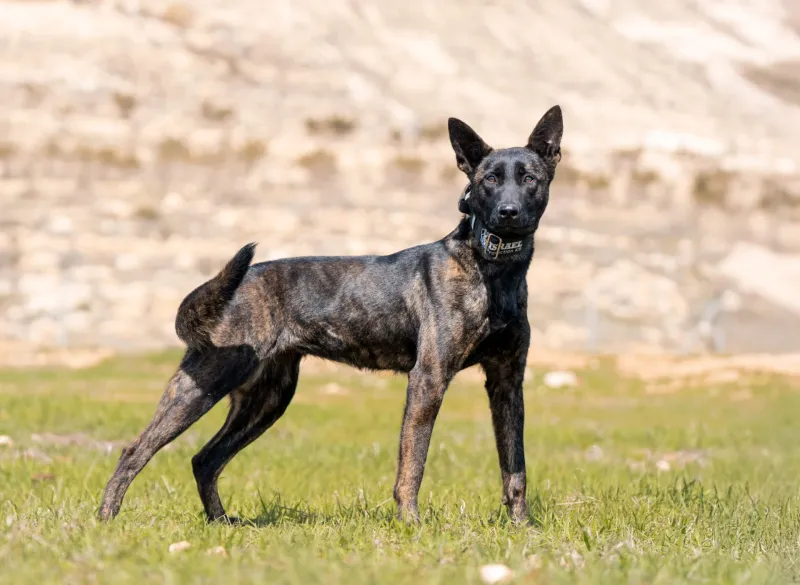
Dutch Shepherds are agile, investigative herders who thrive on clarity. A tight leash fuels opposition reflex and pattern rehearsals like zigzagging.
They can escalate quickly if restraint meets curiosity, turning exploration into tugging contests.
Front clip harnesses and two point leashes offer steering without battles. Reinforce behind the seam of your pants, and use food toss resets to reestablish position.
Vary pace and direction to keep their brain collaborating, not competing.
Let them sniff on cue after brief focus work sets. Distance and arcs around hot spots prevent fixation.
With predictable choices and a floating leash, you will enjoy that trademark elastic stride beside you.
Australian Cattle Dog
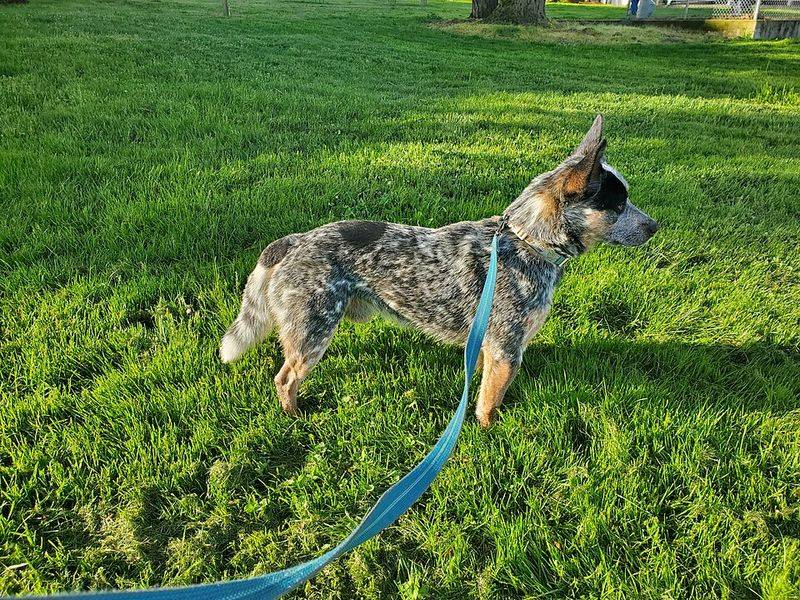
Australian Cattle Dogs are tireless doers who push into pressure when excitement climbs. Tight leashes can invite bracing and lateral pulling, especially when wheels, joggers, or livestock scents appear.
You may notice crouchy stalking morph into sudden lunges.
Start with engagement and heel drills in low distraction areas. Pay generously for smooth pace changes and side switches to keep their mind working.
Strategic sniff breaks release steam without losing structure.
Use a front clip harness to guide the chest while keeping your leash soft. Arc early around triggers and reward head turns and resets.
Soon that gritty determination becomes a steady, cooperative march that feels effortless.
Border Collie
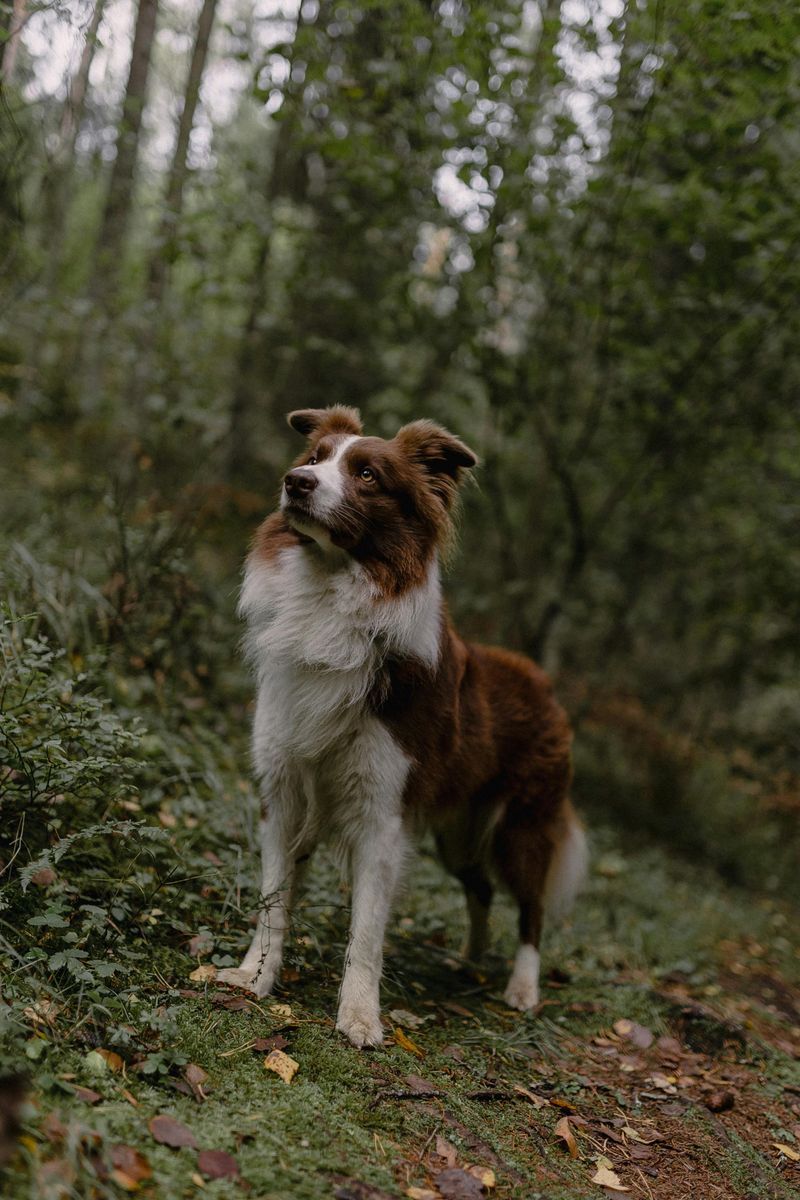
Border Collies track motion obsessively, and leash tension magnifies that focus. Tightening can convert quiet stalking into springing pulls or spinning.
They also mirror handler stress, so clenched shoulders mean faster feet.
Use pattern games, hand targets, and reinforcement for heel position. Interleave work and decompression: one minute heel, one minute sniff.
Practice visual barriers and arcs to defuse bikes and runners.
Keep the leash slack and hands low. Pay generously for soft eye and breathing out.
With communication and choice, their brilliant mind shifts from herding the world to harmonizing with your pace.
Australian Shepherd
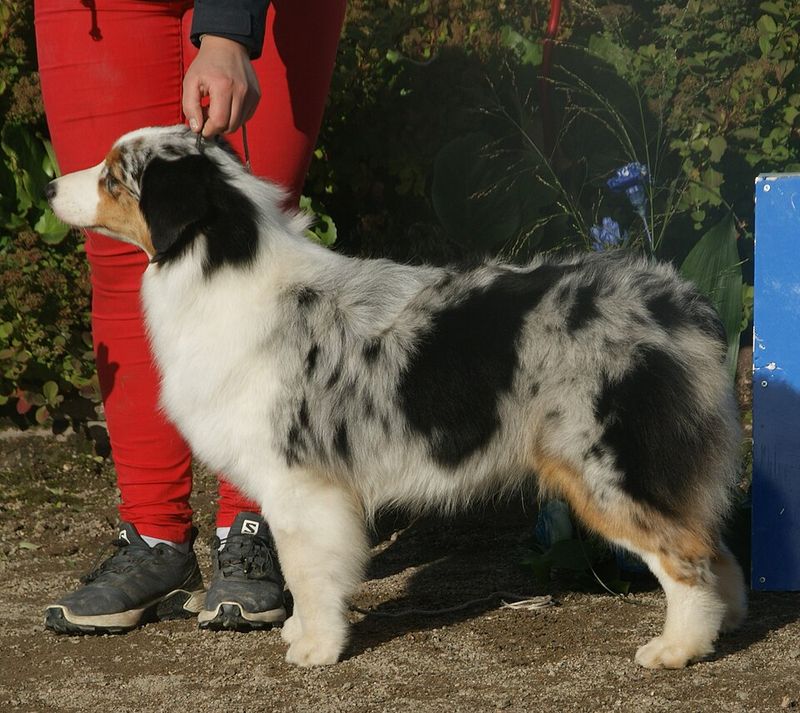
Australian Shepherds love to manage everything, including the direction of the walk. Tight leashes raise arousal, and they push harder to control the environment.
Expect weaving, side pulling, and sudden dashes toward movement when tension climbs.
Teach clear cues for heel, side changes, and go sniff. Reinforce calm scanning and frequent check ins, especially at the start line.
Use food scatters and sniff breaks to bleed off fizz before tackling triggers.
Front clip gear helps steer without battles, but relaxed hands matter most. Turn early, keep slack visible, and praise soft choices.
Soon the micromanager becomes a cooperative partner who flows beside you like a dance.
Giant Schnauzer
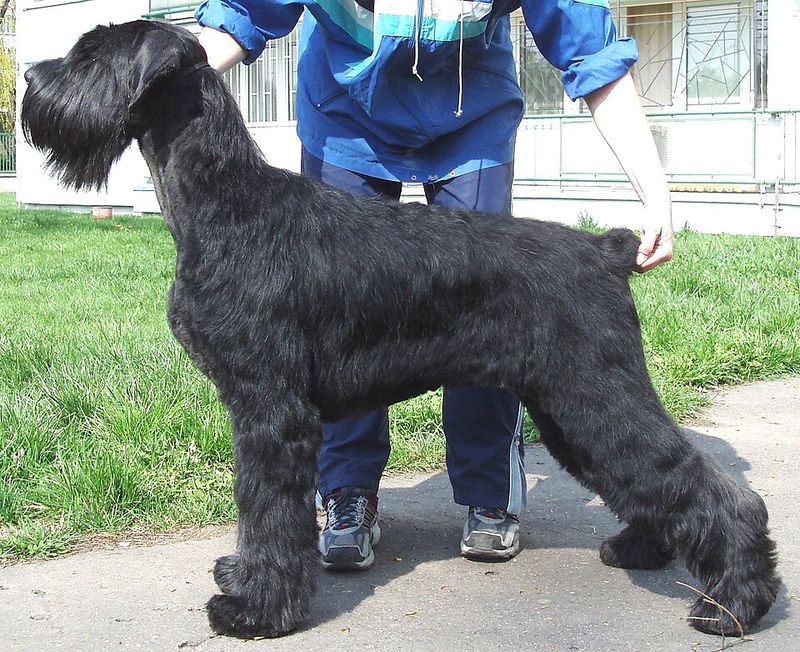
Giant Schnauzers are intense, driven workers who meet pressure with power. A tight leash can feel like a contest, inviting them to lean and tow.
Frustration stacks quickly in stimulating environments, turning curiosity into forceful pulling.
Begin with structured engagement at home and reward heel position every few steps. Incorporate stop and breathe resets and head turns before moving again.
Keep sessions short with frequent successes.
Use a front clip harness for guidance and keep your grip light. Arc around hot zones and layer distance before difficulty.
With consistent, calm handling, their impressive strength transforms into a commanding, cooperative stride that feels effortless.