
Not every dog dreams of being a living teddy bear, and that is perfectly normal. Some breeds are sensitive, independent, or simply wired to value space more than snuggles.
When you learn their preferences, you reduce stress, prevent nips, and build real trust. Here are ten breeds owners say prefer calm respect over surprise hugs, plus tips to keep your bond strong.
Basenji
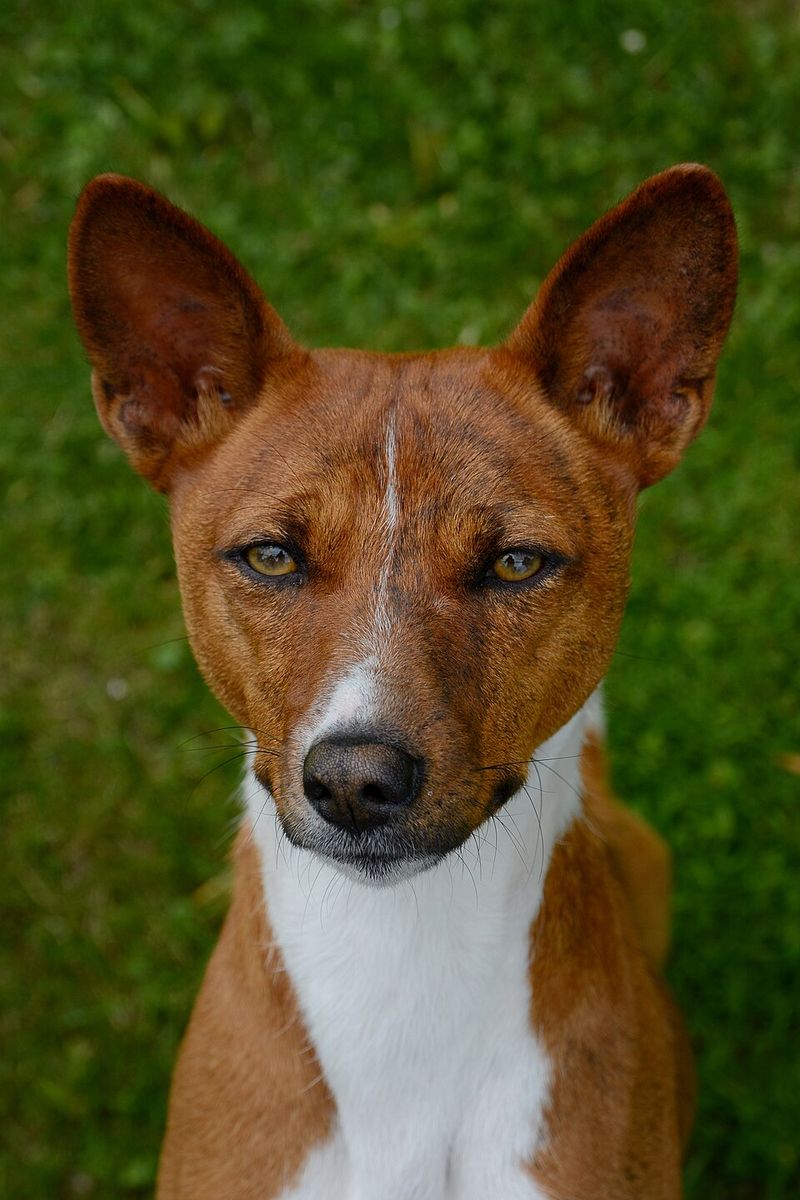
The Basenji is famously independent and observant, processing the room before engaging. You might notice a side eye or a slow lean away when arms move in for a squeeze.
That is not rejection, it is a boundary. Respecting it builds trust faster than insisting on cuddles.
Offer play with flirt poles, scent games, and calm touch on the chest or side, not over the head. Let the dog approach first, then reward the choice.
Watch for relaxed blinking, softened ears, and a loose jaw before petting. If they step away, honor it, and you will see their confidence and affection grow.
Shiba Inu
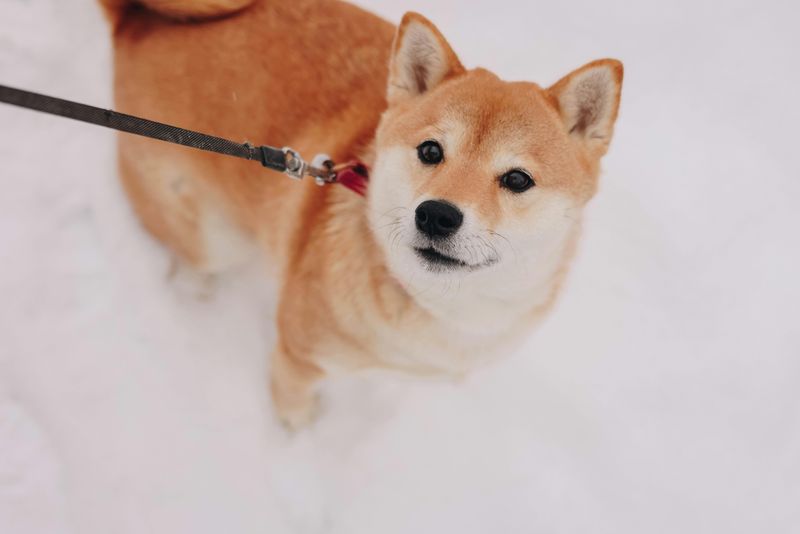
Shibas have big feelings and bigger boundaries. Sudden hugs can feel like restraint, which many find stressful.
You will get more connection by crouching sideways, offering a hand to sniff, and letting them vote with their feet. Respect that vote consistently and watch how much more they choose you.
Use high value treats, short training sessions, and enrichment like snuffle mats. Pet under the chin or chest when body language looks loose.
Avoid reaching over the head or cornering. If your Shiba gives a whale eye or stiffens, pause, breathe, and give space.
That calm patience teaches safety, and safety invites real affection on their terms.
Akita
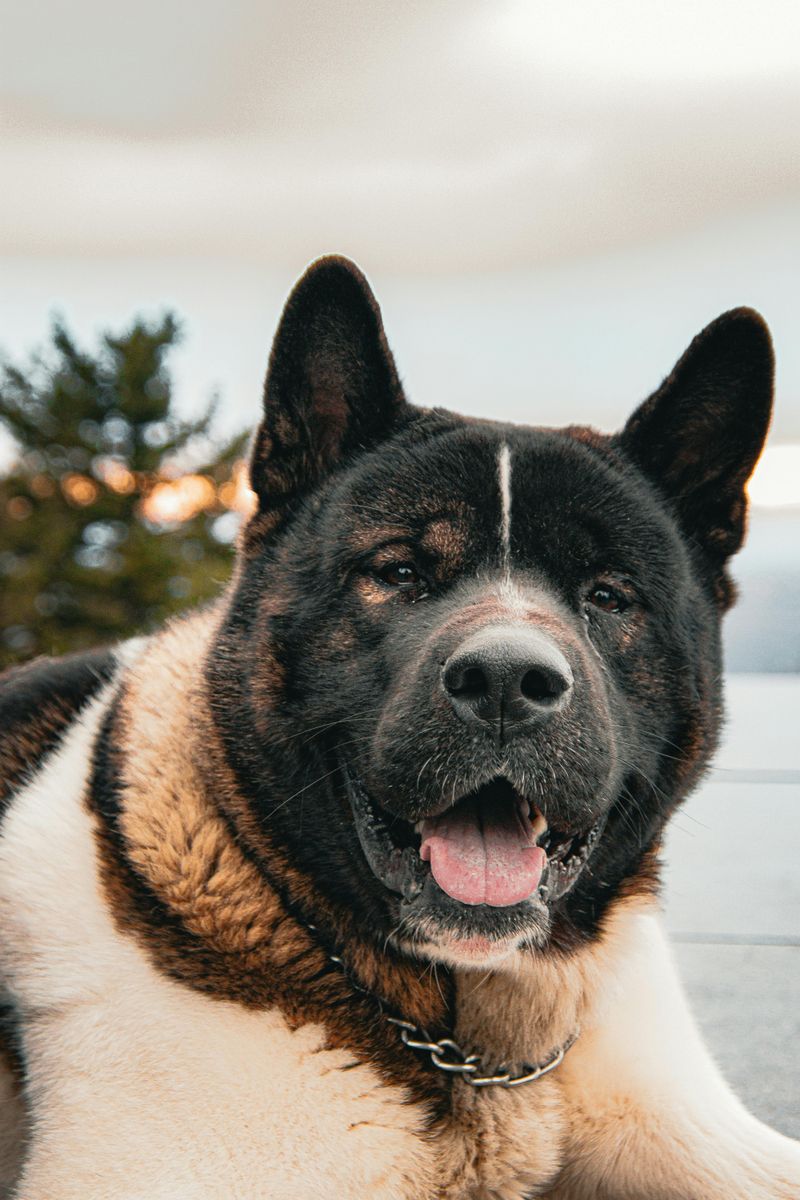
Akitas are dignified guardians with a serious presence. Heavy hugging can feel intrusive, especially from unfamiliar people.
You earn trust by being steady, predictable, and giving them room to make choices. Approach from the side, keep movements smooth, and avoid leaning over their shoulders.
Short massages on the chest or shoulders work better than full body squeezes. Use structured walks, place training, and scent work to create mental engagement without pressure.
Notice relaxed ears, slow blinks, and a soft tail carriage before touching. If tension rises, step back and invite a recheck.
With patience and mutual respect, you will experience tender, quiet moments that feel far more intimate than any forced cuddle.
Chow Chow
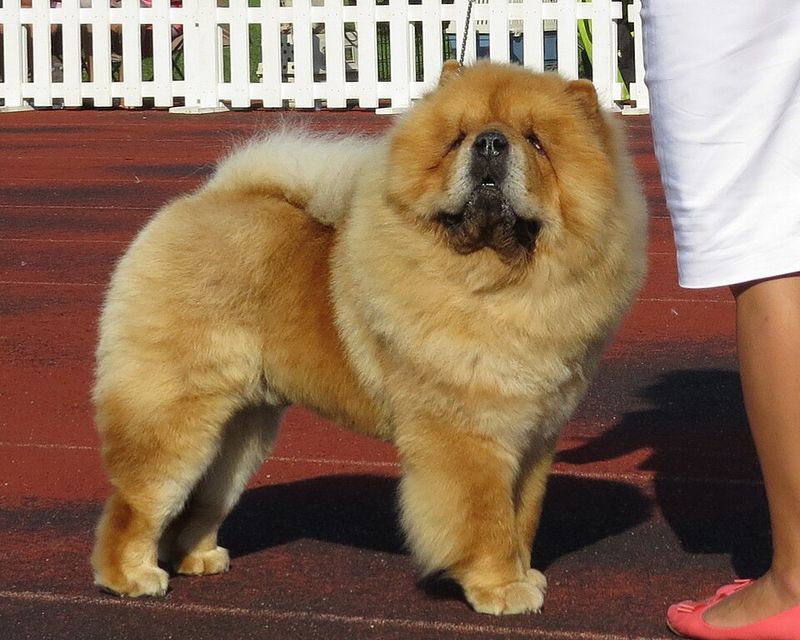
Chows often act like catlike roommates. They bond intensely but dislike clinginess.
A frontal hug can feel like a trap, so let them choose contact first. Sit nearby, read or work quietly, and offer gentle scratches when they sidle up.
You will see more trust when you move less and listen more.
Grooming can become a bonding ritual if you keep sessions short and sweet. Reward calm behavior, keep tools soft, and take breaks often.
Watch for lip licking, head turns, or a still tail as early stress signs. Back off before they escalate.
Building a consent-based routine helps Chows show their affectionate side without compromising their need for autonomy.
Shar Pei
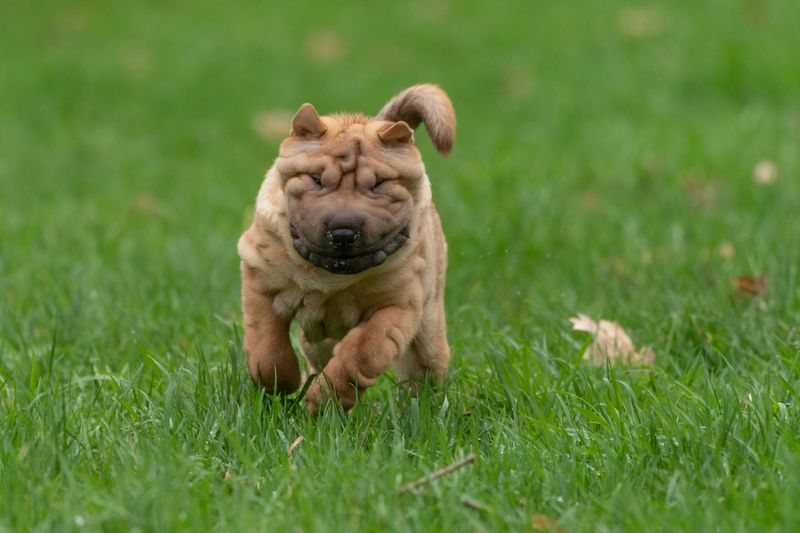
Shar Pei dogs are thoughtful and sometimes wary with handling. Their history as multipurpose workers shows in their self possessed demeanor.
Big squeezes can feel like pressure, especially around the neck and shoulders. Instead, invite touch on the chest or flanks after they settle near you.
Use slow breathing, quiet voice, and light touch. Respect a head turn or stillness as a polite no. Pair brief grooming or vet handling practice with treats to make it positive.
Enrichment like food puzzles and scent games keeps them relaxed. When you honor their signals, they start offering leaning contact and calm companionship, which beats a forced hug every time.
Whippet
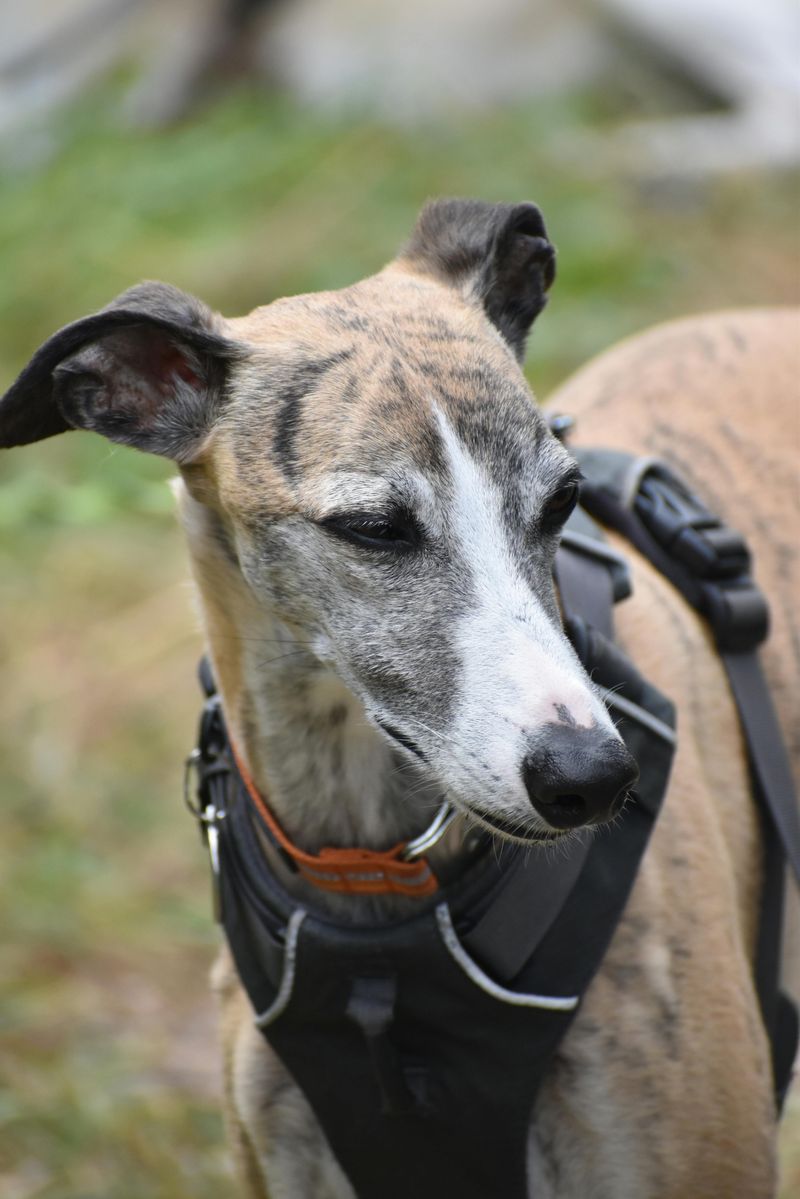
Whippets love comfort but not necessarily squeeze hugs. Many prefer gentle warmth, soft blankets, and slow strokes along the chest or side.
Start contact when they are already relaxed, not mid zoomies. A blanket burrito near you can be their love language without the restraint of wrapping arms around them.
Use quiet time, soft voice, and low pressure touch. If they shift away or tuck their tail, give space and invite later.
Keep children taught to pet with one hand and pause often. Enrichment through lure courses, sniffy walks, and calm decompression after play helps them choose closeness.
Respect equals trust, and trust turns into sweet, voluntary snuggles.
Italian Greyhound
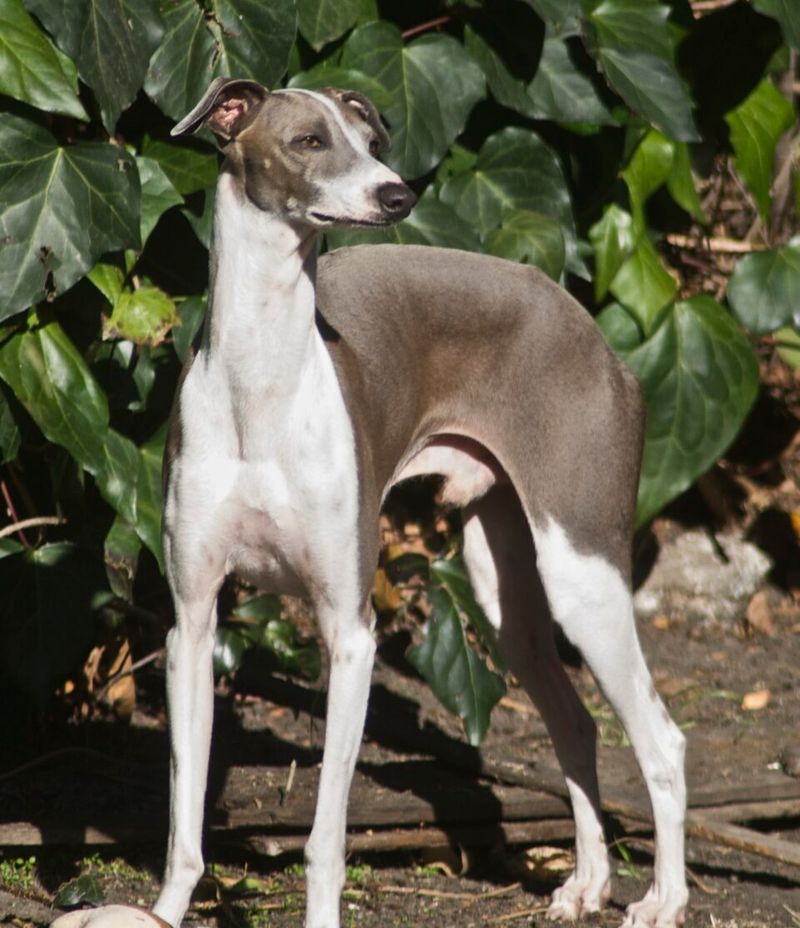
Italian Greyhounds can be cuddle bugs when warm, yet many dislike restrictive hugs. Their delicate frames and sensitive skin make tight holds uncomfortable.
Sit sideways, pat the cushion, and let them climb into your lap by choice. Offer gentle strokes along the chest and neck, pausing often so they can readjust.
Mind temperature and try soft sweaters or blankets to keep them cozy. Use positive reinforcement to build handling tolerance for nails and vet care.
Watch for shivers that are not cold related, lip licks, or stillness as stress signs. Give breaks and invite again later.
With permission based affection, they will burrow happily, proving that consent creates deeper connection than any forced embrace.
Greyhound
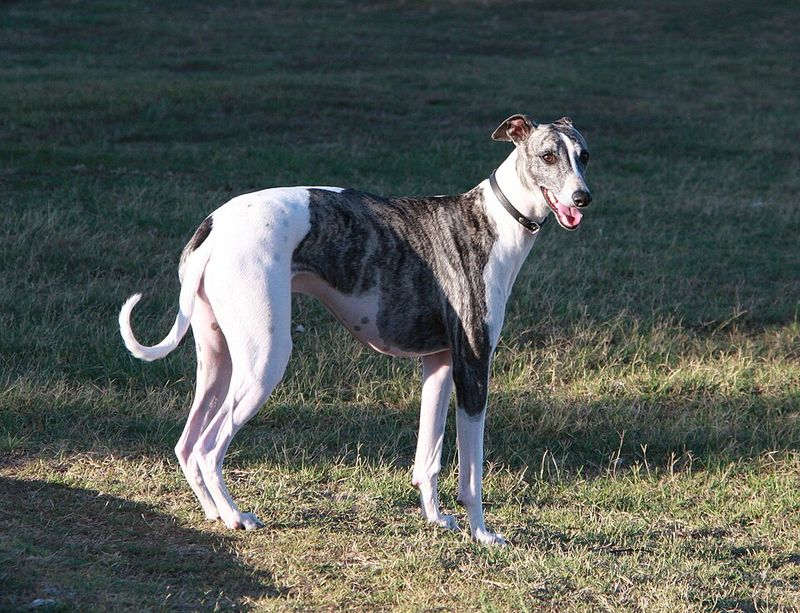
Greyhounds are gentle souls who often prefer calm companionship over tight hugs. Their long limbs and lean bodies make restraint feel awkward.
Sit low, invite them over, and use long, slow strokes along the chest or shoulders. A soft bed nearby lets them choose closeness without pressure.
Practice consent checks: pet for a few seconds, stop, and see if they nudge for more. Look for soft eyes, a loose mouth, and a gently wagging tail as green lights.
If they freeze or turn away, pause. Enrichment like sniffy walks and quiet decompression helps them settle into affection.
Respecting space turns into meaningful connection, the kind you can feel in their sigh.
Shikoku
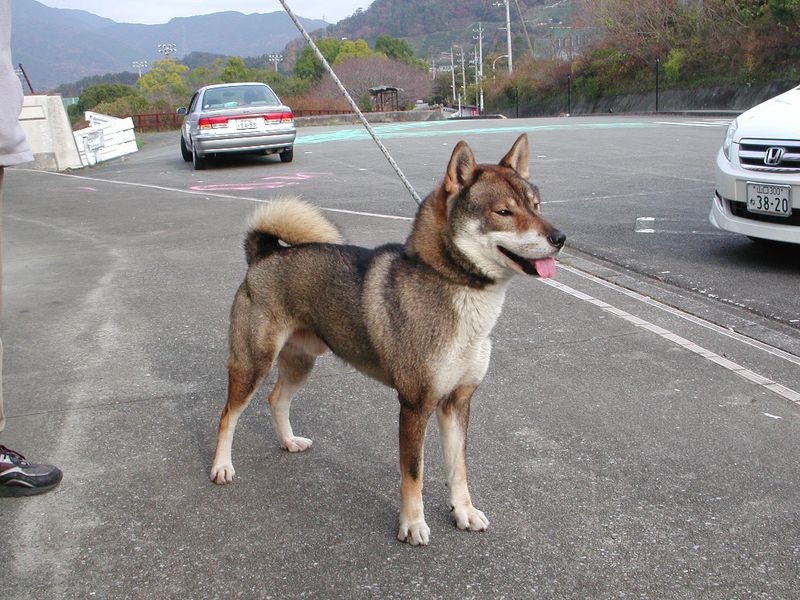
The Shikoku is agile, alert, and naturally independent. Many dislike being restrained by hugs, especially from strangers.
Build rapport with side body scratches, play, and food rewards. Keep greetings low key, turn your body slightly, and let them initiate.
That small choice matters more than a dozen cuddles.
Use hiking, tracking games, and short training bursts for mental satisfaction. Read their signals: a head turn, stiff tail, or still body says not now.
Pause, breathe, and try later with softer energy. Reward voluntary touch with calm praise.
Over time, you will see leaning, quiet companionship, and relaxed check ins that feel authentic and earned.
Thai Ridgeback
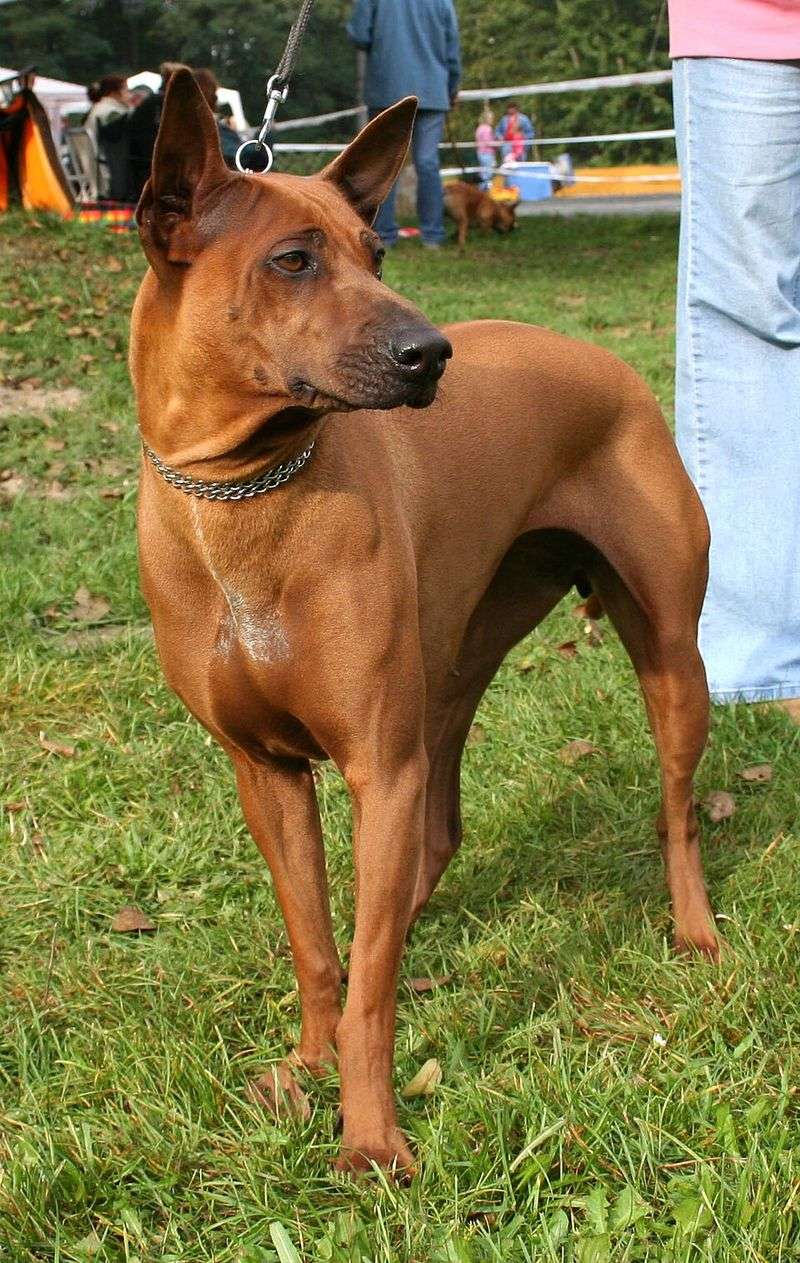
Thai Ridgebacks are smart, athletic, and often reserved with strangers. Many prefer clear personal space, especially in new environments.
Hugs feel like restraint to a dog bred for independence. Build trust through training games, nose work, and quiet time nearby.
Invite touch with an open hand and let them choose when to close the distance.
Pet the chest or shoulder, not the top of the head. If the body stiffens, tail stops, or ears pin, pause immediately.
Reinforce calm check ins, and keep sessions short. Predictable routines reduce worry and make affection safer.
With patience, they offer gentle closeness that feels like a gift, not a demand.