
Some dogs were bred to follow, and others were bred to figure things out on their own. If you have one of these independent thinkers, you know commands are more like suggestions.
That does not mean they are stubborn in a bad way. It means your training has to respect their brains, instincts, and fierce sense of purpose.
Akita
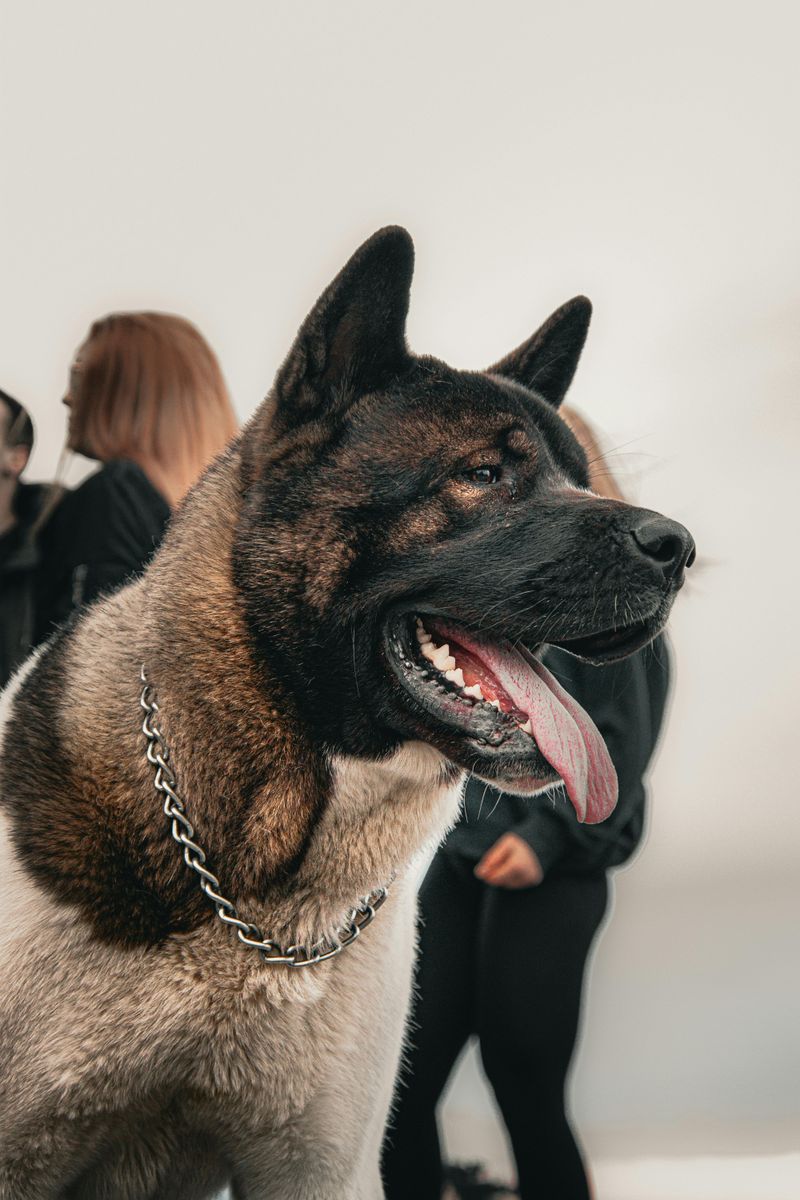
The Akita is a serious thinker, bred to make protective decisions fast. You will feel their calm presence, yet obedience comes only when the request makes sense.
Clear boundaries, short sessions, and rewarding choices work better than nagging.
This breed watches everything and remembers. Socialization is non negotiable to shape that powerful mind.
Give purposeful jobs like scent games, controlled guarding drills, or structured hikes to satisfy their need to do.
Affection matters, but they dislike pushy handling. Keep training fair, consistent, and respectful.
When you treat the Akita like a capable partner, you get loyalty that shows up when it counts, not performative tricks.
Chow Chow
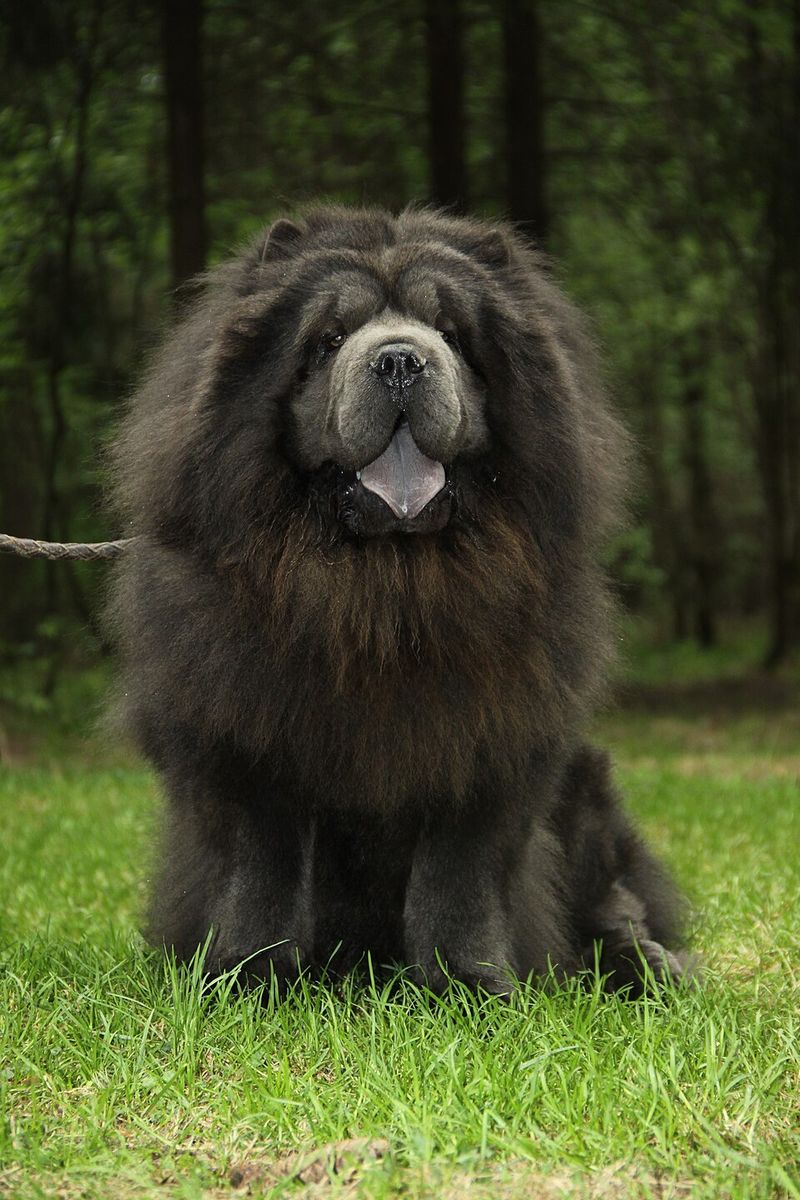
The Chow Chow carries itself like royalty, and you are the staff. They weigh requests against their own priorities, so you must earn trust with calm consistency.
Overhandling or babying backfires, triggering resistance rather than connection.
Short, predictable training with generous breaks works best. Grooming becomes a bonding ritual if you pair it with treats and patience.
Early socialization widens their comfort zone and reduces suspicion toward strangers.
Respect their space, avoid rough play, and give structured walks that let them observe. Problem solving games beat repetitive drills.
When you honor the Chow Chow’s dignity, you unlock quiet devotion wrapped in plush fur and sharp judgment.
Shiba Inu
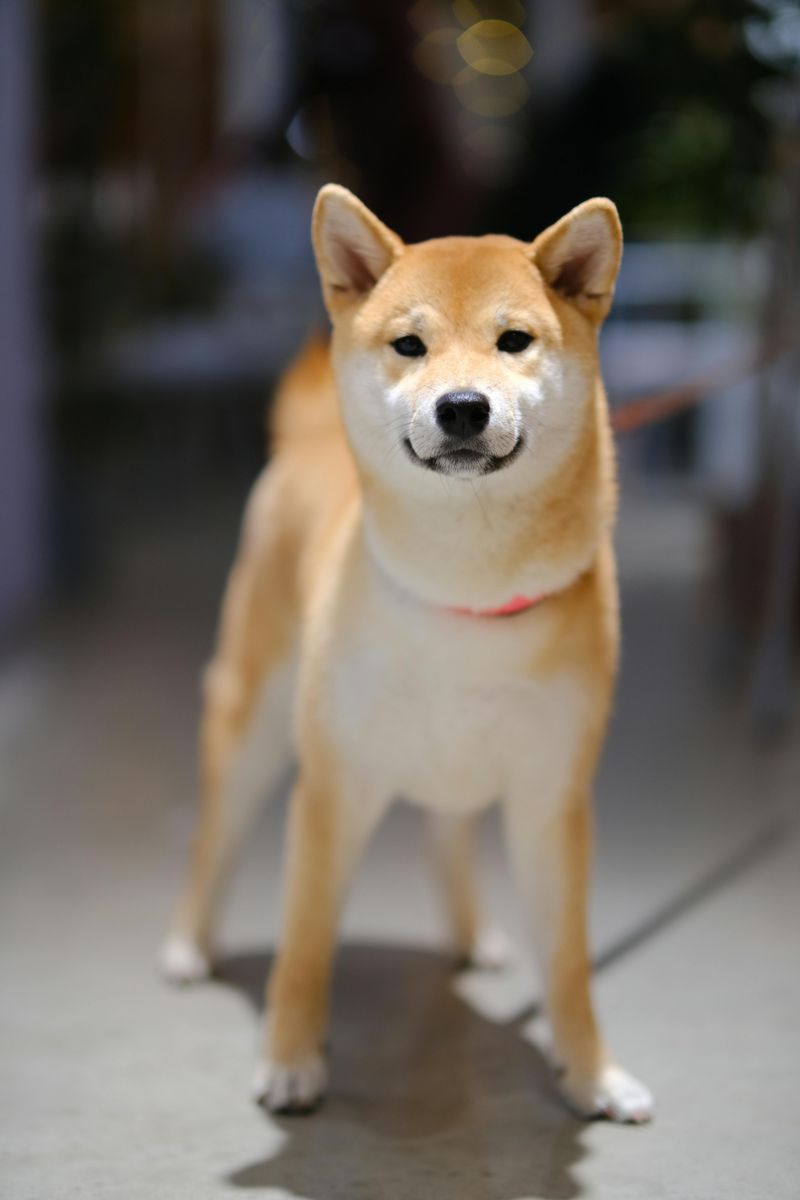
Shiba Inus are clever escape artists with foxlike charm. They evaluate recall like a business decision, so your rewards must be worth their time.
Keep sessions playful, spontaneous, and high value to outbid distractions.
Harness that curiosity with scent games and clicker training. Barriers matter, because their prey drive triggers sprint mode.
Socialization reduces reactivity and helps them tolerate novelty with less drama.
Use leashes and long lines to protect your bond while practicing freedom. Rotate toys and challenges to prevent boredom.
Treat the Shiba like a witty partner and you will earn flashes of brilliance that feel extra sweet because they were freely given.
Basenji
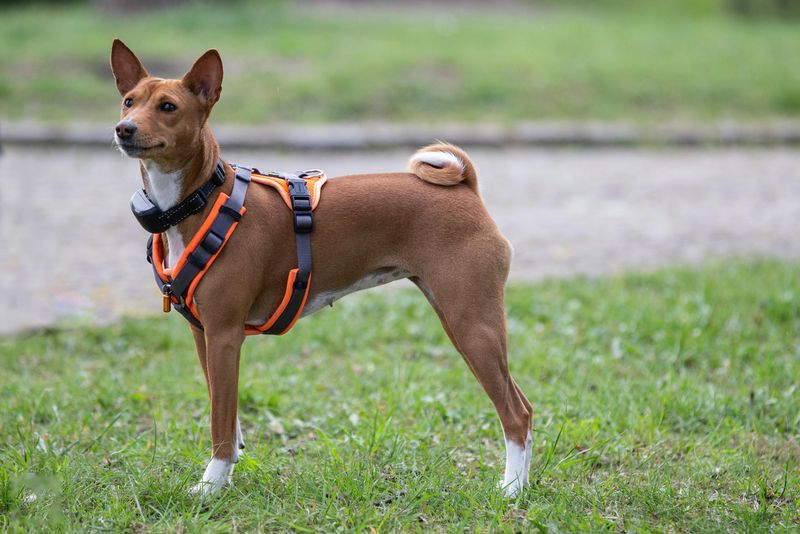
The Basenji thinks fast and moves faster. Known as the barkless dog, they communicate with yodels and side eye.
Traditional obedience bores them, so make training a puzzle that pays well and ends before interest fades.
Chase games, flirt pole sessions, and scent trails burn energy. Rotate activities to match their sudden bursts of focus.
Early off switch training helps them settle indoors after athletic play.
Secure fencing is non negotiable, because curiosity and prey drive can override manners. Teach cooperative care for nails and ears with generous reinforcement.
Respect the Basenji’s independent streak and you will enjoy a witty, catlike roommate who chooses you daily.
Afghan Hound
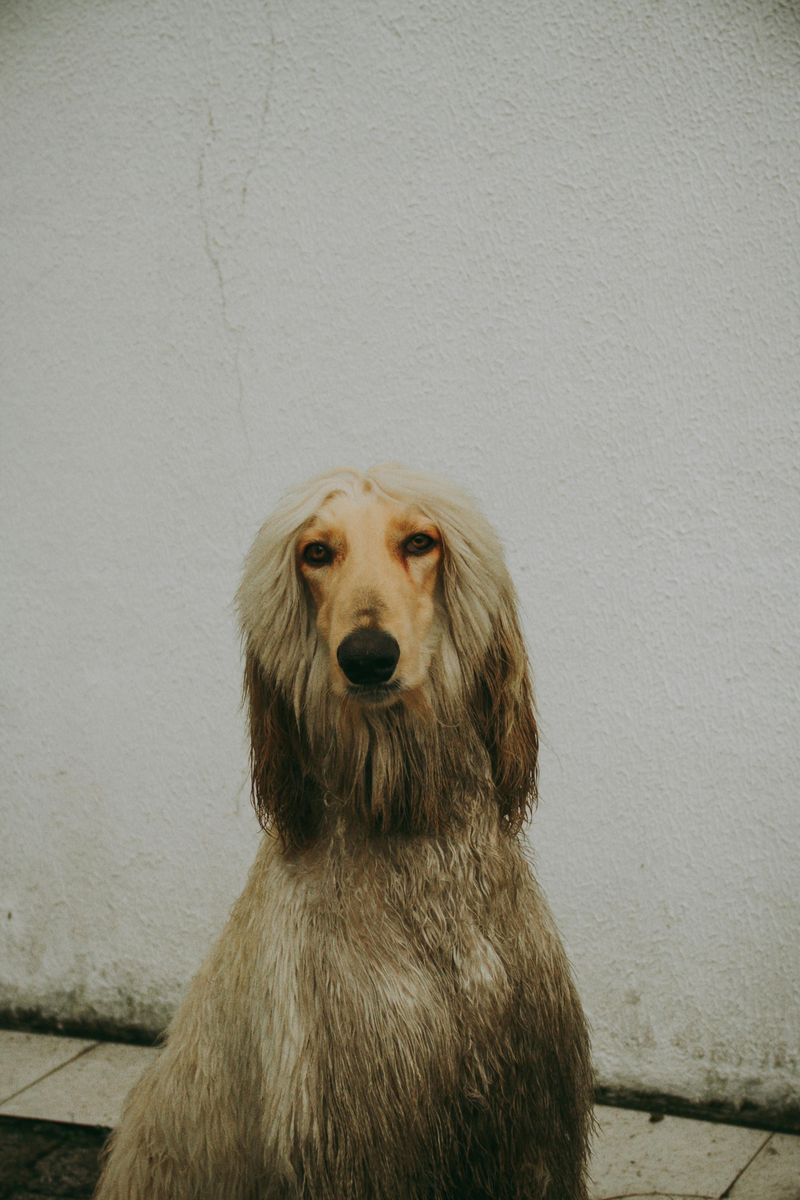
The Afghan Hound glides like poetry, but compliance is optional. As a sighthound, they were bred to spot movement and decide.
Use quiet cues, generous rewards, and short sessions to keep that airy focus tethered.
Brush often, but make grooming cooperative with mats, treats, and breaks. They need sprint time in secure areas to stay sane.
Lure coursing or fast fetch satisfies the urge to chase without chaos.
Recall becomes stronger when you pay for it with great rewards and predictability. Avoid nagging or harsh tones that break trust.
Treat the Afghan as a graceful teammate, and you will get elegant moments of yes that feel like gold.
Saluki
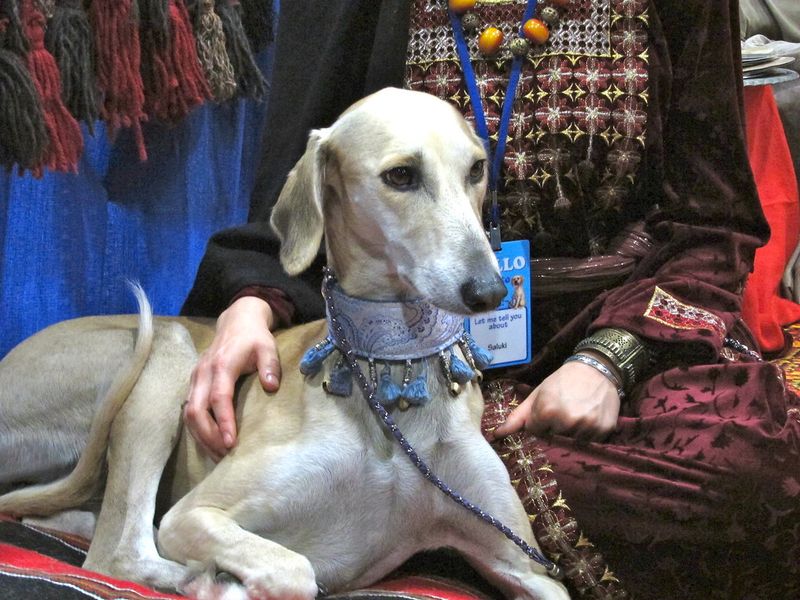
Salukis are serene sprinters with ancient instincts. They respect fairness and subtlety, not pressure.
Keep training light, reward rich, and let them stretch their legs safely to unclog the mind.
They bond deeply yet guard their autonomy. Long line recall practice with jackpots and calm praise builds reliability.
Pair endurance runs with quiet recovery time for balance.
Scent and sight games are ideal enrichment. Gentle handling during grooming maintains trust in those sensitive souls.
Offer structure without smothering, and your Saluki will return the favor with tender devotion and breathtaking speed that never stops thrilling you.
Borzoi
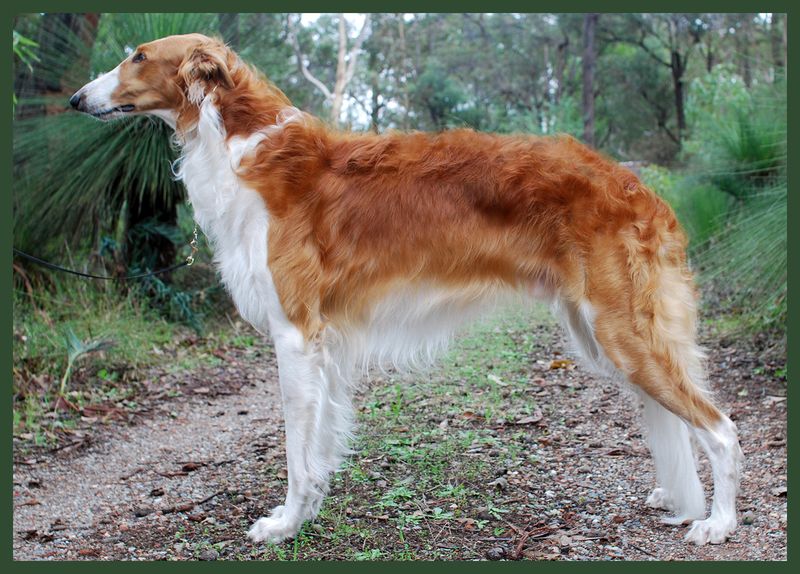
The Borzoi is thoughtful and quiet, rarely impressed by loud commands. Patience pays here.
Keep sessions minimal, use soft cues, and reward generously when they volunteer attention.
They need safe sprint outlets and ample decompression walks. A long line helps you practice recall without gambling.
Gentle consistency builds trust more than rigid drilling ever could.
Grooming becomes meditative when you move slowly and praise often. Puzzle feeders and sight based games satisfy their brain without noise.
Treat your Borzoi like the dignified thinker they are, and you will see cooperation unfold in elegant, unhurried waves.
Great Pyrenees
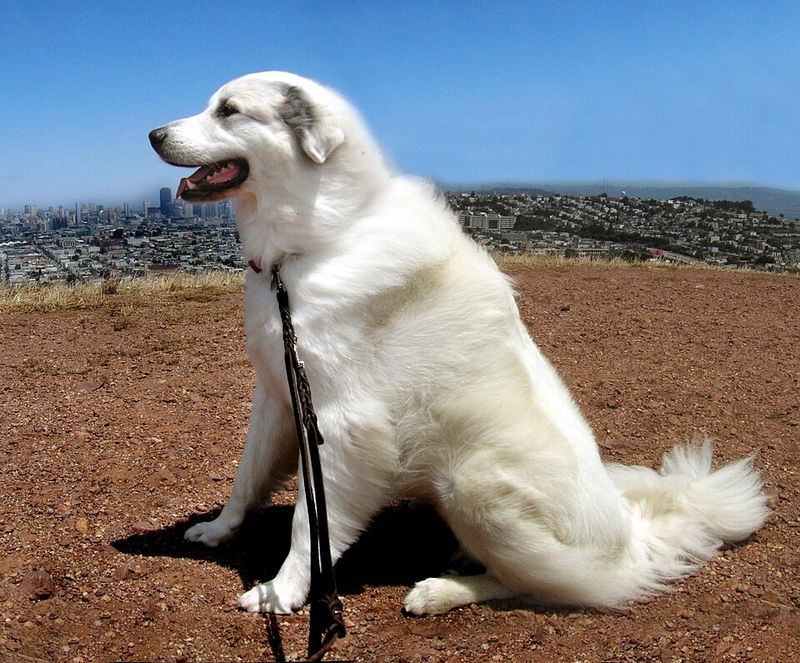
The Great Pyrenees was bred to protect livestock without direct supervision. That independence shows at home, where they assess risks and act.
Training works when you channel that duty into watchful routines rather than obedience drills.
Teach quiet cues, boundary patrols, and calm greetings. Expect alert barking and manage it with enrichment, exercise, and structured downtime.
Socialization helps them sort real threats from everyday life.
They love cool weather walks and steady jobs. Cooperative care for grooming keeps that coat manageable.
Honor the guardian heart and you get a steadfast ally who thinks before acting and stands their ground when it matters most.
Anatolian Shepherd Dog
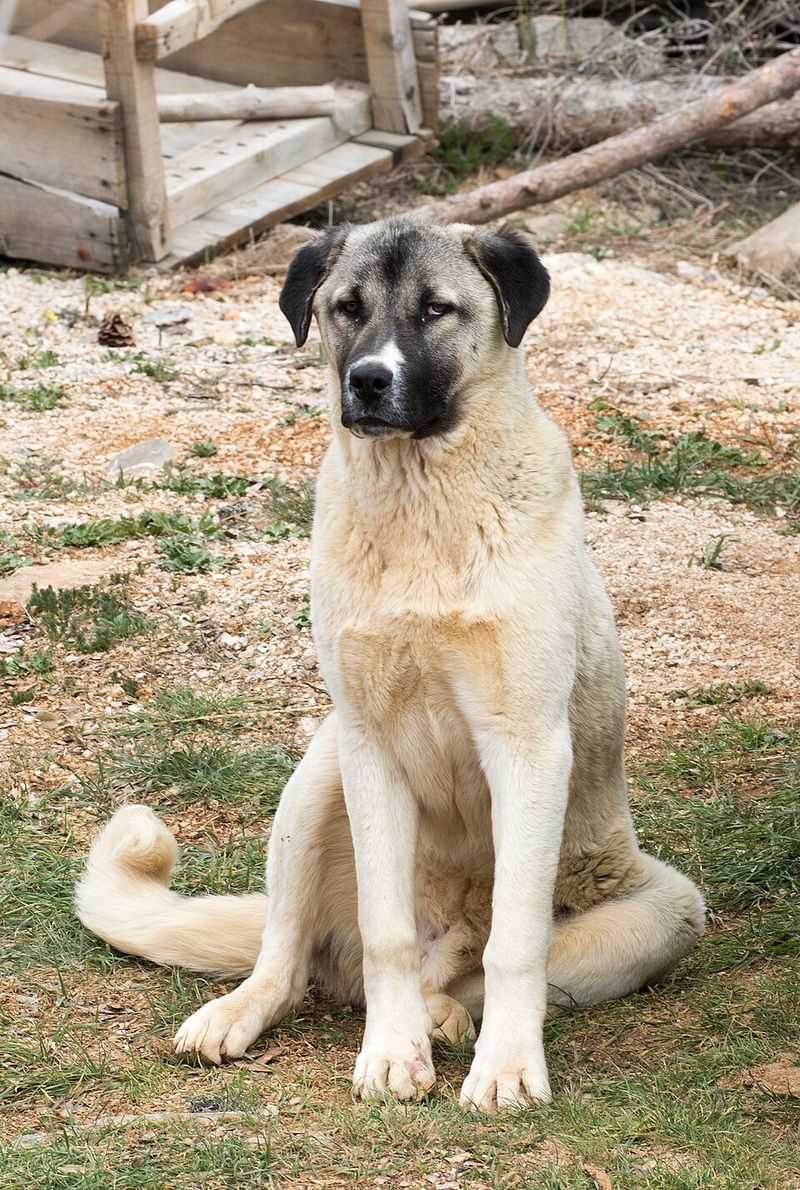
The Anatolian Shepherd Dog is a strategic guardian bred for solo decision making. They prefer clear jobs over repetitive commands.
Establish boundaries early, reward calm vigilance, and avoid confrontational methods that erode trust.
Daily patrol walks satisfy their working brain. Exposure to varied environments improves judgment and reduces overreactions.
Use long line practice to build reliable recall without power struggles.
They thrive on predictable routines, secure fencing, and thoughtful introductions to visitors. Enrichment that mimics patrol duties keeps them content.
Respect the Anatolian’s intelligence and you will share life with a steadfast protector who cooperates because it aligns with their purpose.
Kuvasz
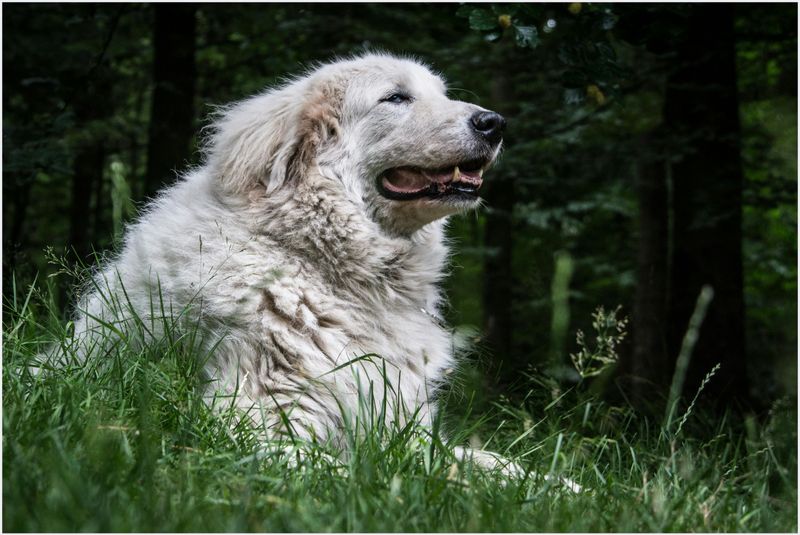
The Kuvasz brings sharp judgment wrapped in a snow white coat. Historically a guardian, they think for themselves and act decisively.
Training succeeds when you offer structure, meaningful tasks, and rewards that acknowledge initiative.
Socialization shapes their protective instincts into discernment. Teach place, calm greetings, and boundary respect with steady consistency.
Avoid nagging, because they tune it out and disengage.
Provide long walks, scent mapping, and quiet decompression to balance their watchfulness. Cooperative care matters for grooming and vet visits.
Treat your Kuvasz like a capable colleague, and you will earn loyal partnership grounded in mutual respect, not mere obedience.