
Tired of wondering why your dog ignores commands one day and zooms like a rocket the next. The truth is different breed groups were built for wildly different jobs, and their instincts still drive daily behavior.
Learn what your dog was designed to do so you can finally meet needs with confidence instead of guesswork. Decode each group’s exercise, training, and enrichment sweet spot, then enjoy a calmer, happier companion.
Sighthounds
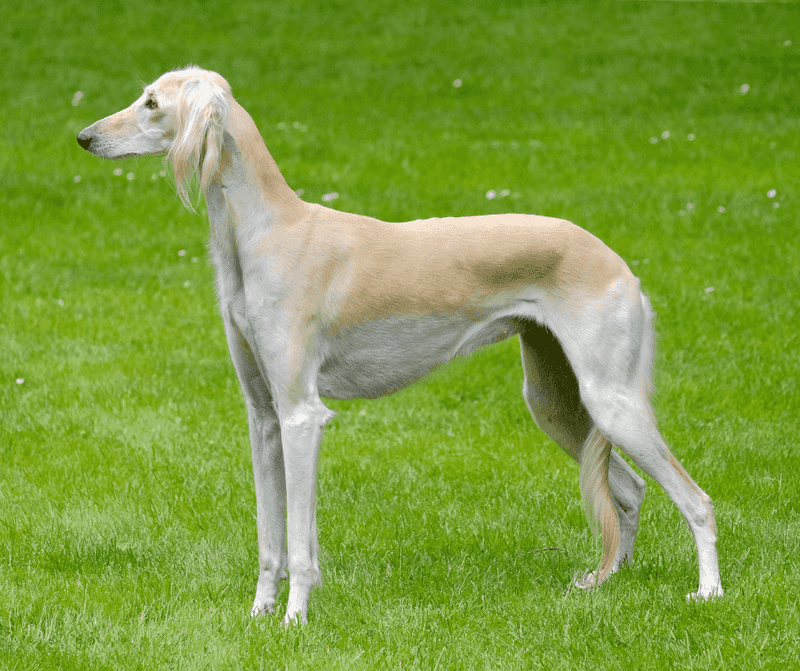
Built for speed and vision, sighthounds scan horizons and sprint in explosive bursts. They cherish soft couches, but do not confuse calm with laziness.
Give short, fast play sessions, fenced zoomies, and flirt pole games to satisfy chase instincts.
They are sensitive souls who prefer gentle training with low pressure and high value rewards. Recall can be tricky when prey appears, so reinforce emergency cues and use long lines.
Thin skin and low body fat mean warmth and cushioned bedding matter.
Mental work should be low frustration, like visual tracking, lure courses, and pattern games. Off leash freedom requires secure areas.
Respect their independence and they reward you with quiet elegance at home.
Scent hounds
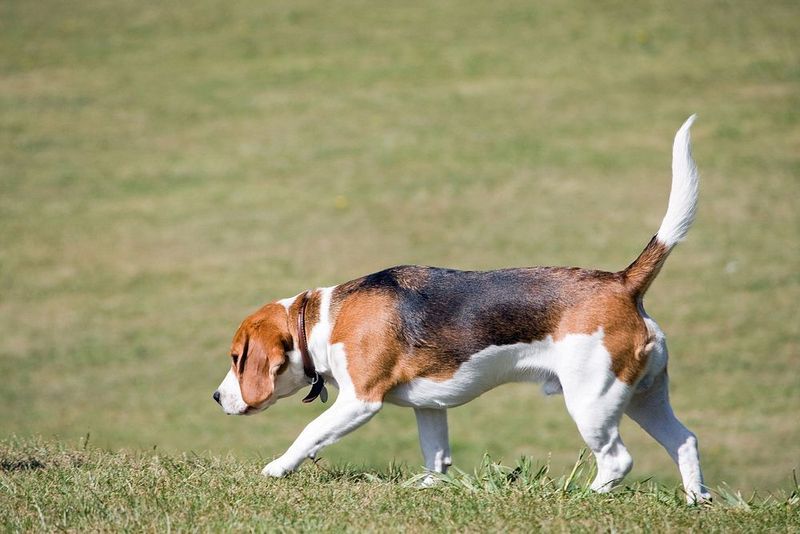
Born to follow noses, scent hounds live for aroma rich adventures. Expect head down sniffing, musical voices, and selective hearing when an irresistible trail beckons.
Instead of fighting it, give structured scent walks and mantrailing games.
Training thrives on patience, tasty reinforcement, and clear thresholds before arousal spikes. Long lines, secure fences, and decompression sniffaris keep everyone sane.
Use nosework puzzles and hidden food searches to tire them without endless fetch.
They can be social and easygoing at home, but boredom sparks baying and escape artistry. Teach a rock solid settle mat and reinforce frequent check ins.
Channel their superpower into legal sniffing outlets and they become delightful companions.
Herding dogs
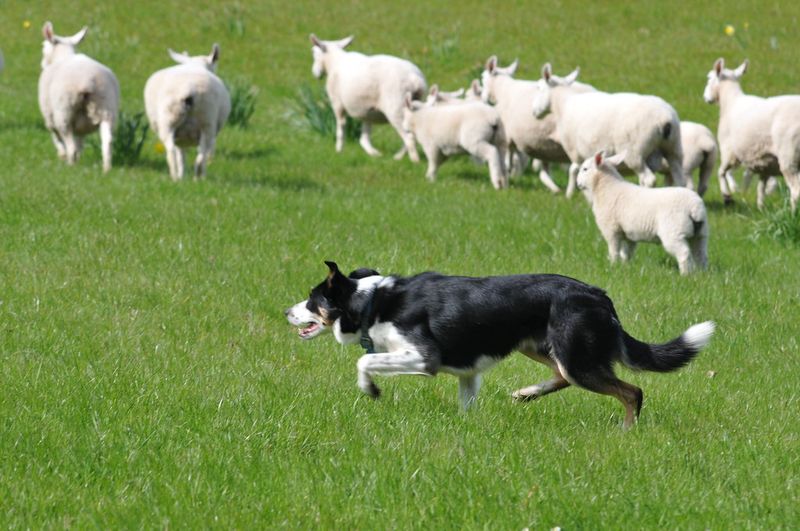
Herding dogs are problem solvers wired to control movement. That laser focus can become nipping heels, stalking kids, or herding other pets without direction.
Meet needs with structured jobs like herding lessons, treibball, or precision obedience.
They crave frequent, short training reps and thrive on clear criteria. Teach off switches, boundary games, and impulse control alongside energetic play.
Over arousal is common, so balance with calm sniff walks and decompression.
Enrichment should include puzzles that reward thoughtful choices rather than frantic flailing. They bond intensely and may guard routines if under challenged.
Give their brilliant brains a roadmap and they will move through life like reliable teammates.
Gundogs
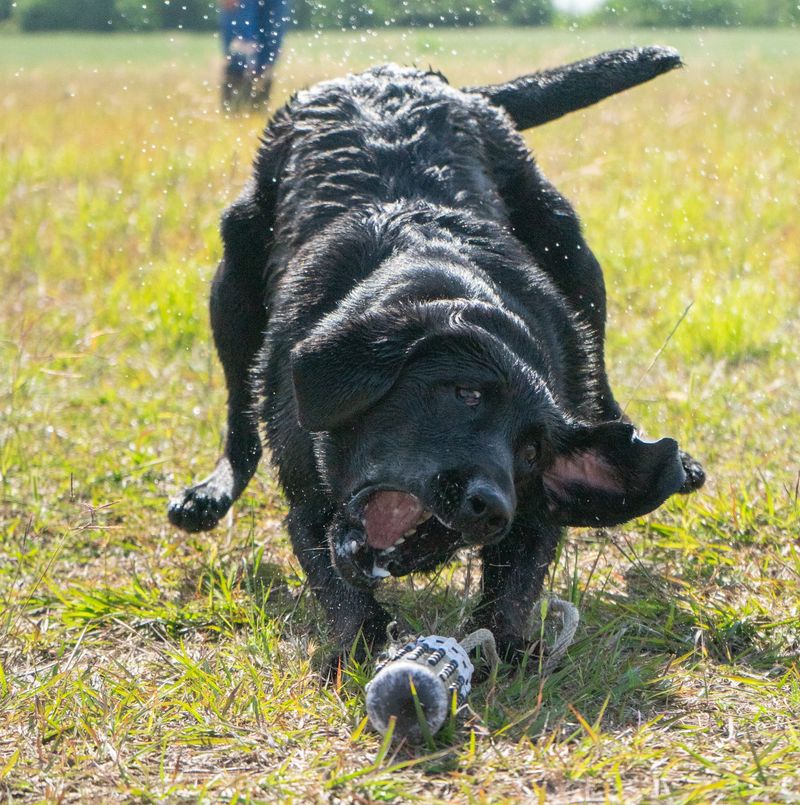
Gundogs were bred to locate, flush, and retrieve birds with cooperation. Expect friendly temperaments, soft mouths, and enthusiasm for water.
They need aerobic exercise, field games, and structured retrieves to feel fulfilled.
Use positive reinforcement with lots of play, especially tug and fetch with rules. Teach delivery to hand, steadiness before release, and recall around distractions.
Variety matters, so rotate water retrieves, land marks, and search patterns.
Without outlets they invent jobs like counter surfing or garden excavation. Sniff heavy walks and feather scented dummies satisfy instincts.
Keep sessions upbeat, end on success, and enjoy their big hearted eagerness to work alongside you.
Terriers
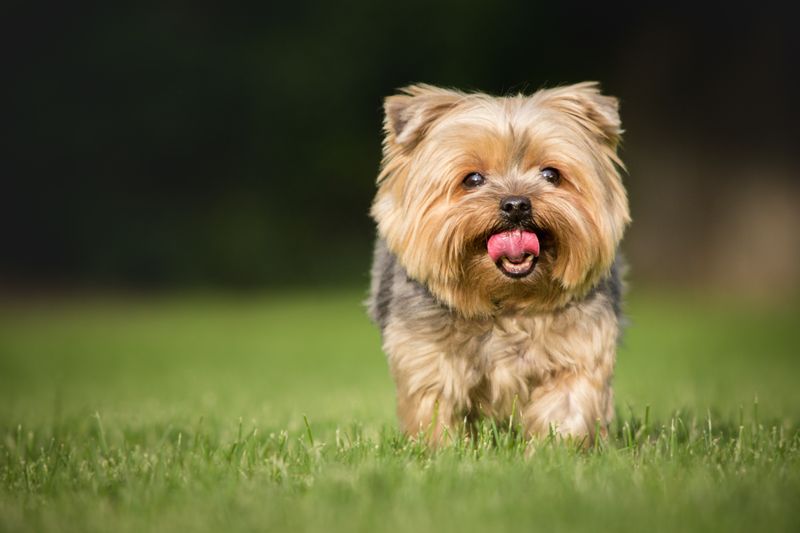
Terriers are bold diggers with opinions and a love of vermin chasing. Small bodies, giant engines, and fast problem solving define the group.
Channel that grit into legal outlets or watch gardens and sofa cushions disappear.
They respond best to clear boundaries, short sessions, and high value reinforcers. Practice hand targets, impulse control, and reliable drop cues.
Flirt poles, earthdog style tunnels, and supervised digging pits are sanity savers.
Expect noise when excitement spikes, so teach quiet and reinforce calm default behaviors. Puzzle feeders that require ripping or shredding scratch ancient itches.
Respect their tenacity and you will get hilarious, fiercely loving companions who keep life interesting.
Guardian mastiffs
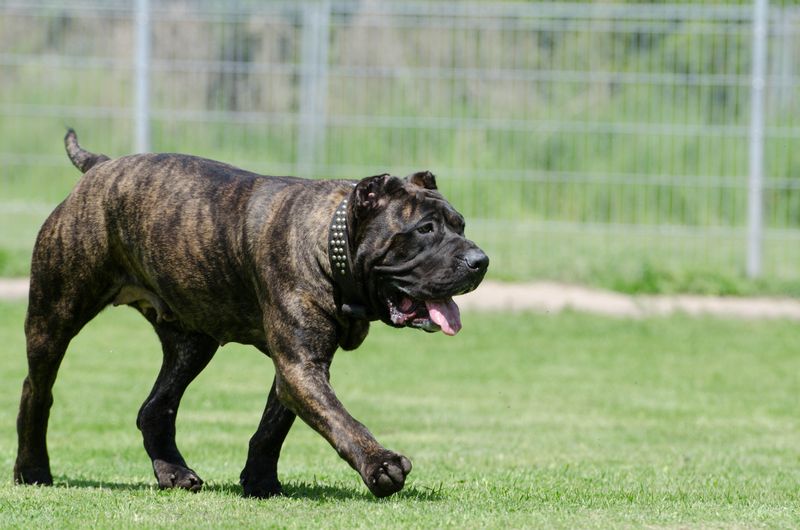
Guardian mastiffs are steady protectors bred to deter threats with presence more than pursuit. They mature slowly and value calm routines, clear boundaries, and respectful handling.
Early socialization is non negotiable to prevent over guarding.
Training should be fair, consistent, and low conflict with generous reinforcement for neutrality. Teach place, door manners, and polite greetings to manage their size.
Short, joint friendly walks and strength building, not endless fetch, suit their bodies.
Mental work like scent pads and cooperative care builds trust. Expect drool and snoring, but also deep loyalty when their world feels predictable.
Keep encounters positive and structured so their natural confidence remains balanced, not pushy.
Toy companions

Toy companions pack big emotions into tiny frames and thrive on closeness. They are portable, sensitive, and often chilly, preferring laps and warm beds.
Do not mistake size for simplicity, because enrichment and training still matter.
Use gentle methods, micro training sessions, and confidence building games. Teach harness comfort, polite greetings, and independent settle skills to reduce clingy behavior.
Short sniff walks, indoor obstacle courses, and tiny fetch rounds work wonders.
Watch for overprotective barking and fragile joints jumping from furniture. Provide step stairs, cozy layers, and safe chew options sized appropriately.
Meet social and mental needs daily and you get bright, cuddly partners who travel anywhere happily.
Northern spitz types
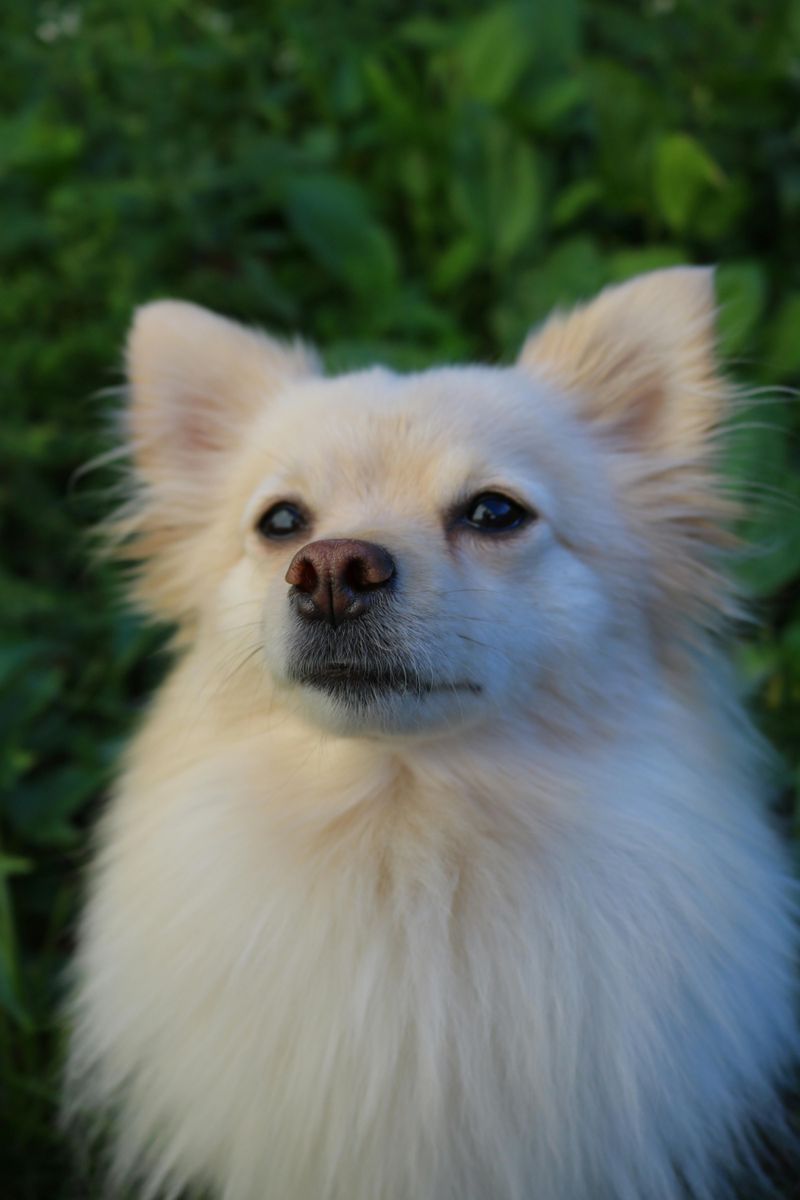
Northern spitz dogs are weather tough, vocal, and built for endurance work. Expect independence, thick coats, and a love for movement in cold air.
They enjoy pulling sports, scenting the wind, and surveying territory from vantage points.
Training should be upbeat, varied, and brief to keep buy in. Reinforce recalls heavily and use long lines in open areas.
Provide mushing lite activities like canicross, bikejor, or urban sled workouts with safety gear.
Grooming undercoats is non negotiable during seasonal blowouts. Enrichment through puzzle feeders and howl friendly music sessions reduces boredom.
Respect their spirited nature and give purposeful outlets, and they repay you with sparkling energy and devotion.
Livestock guardian dogs
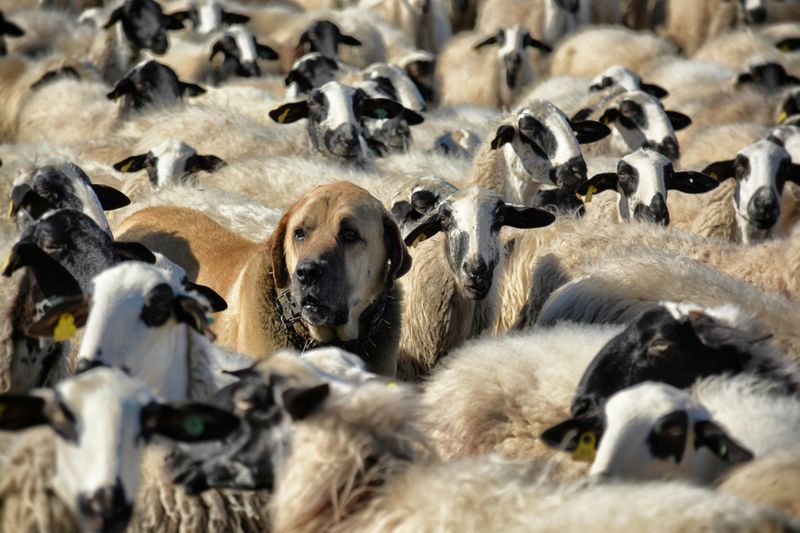
LGDs were bred to live with and protect stock, not chase predators. They value autonomy, perimeter patrols, and calm observation.
In suburban life, that can look like fence watching, alert barking, and selective affection.
Socialize thoughtfully without erasing natural wariness. Teach reliable recalls, boundary manners, and quiet on cue.
Provide big spaces, secure fencing, and predictable routines to lower stress.
They need work like supervised flock time, scent perimeter games, or family guardian tasks. Mental enrichment that rewards patience beats frantic fetch.
When their job feels clear and environment stable, they transform into steady, devoted household sentinels.
Retrievers

Retrievers are eager partners bred to carry things gently and work beside people. They brim with energy and affection, which becomes chaos without structure.
Give daily aerobic exercise, purposeful retrieves, and water time when possible.
Training thrives on play, food, and clear criteria for delivery to hand. Teach impulse control around birds, balls, and doorways.
Rotate casting drills, memory marks, and scent searches to engage brains.
At home they need chew outlets and settle training to prevent counter surfing and demand barking. Use enrichment feeders and relaxed sniff walks on off days.
Meet their social, physical, and mental needs and you get dependable, joyful teammates.