Every week, a new post about not letting strangers pet dogs lights up the comments, and the same debate erupts. Some breeds get named again and again, usually with a mix of myths, half truths, and real experiences.
If you have one of these dogs, you know how fast a well meaning hello can turn into stress. Let’s talk about the breeds most mentioned, why consent matters, and how to keep both people and pups comfortable.
Chow Chow
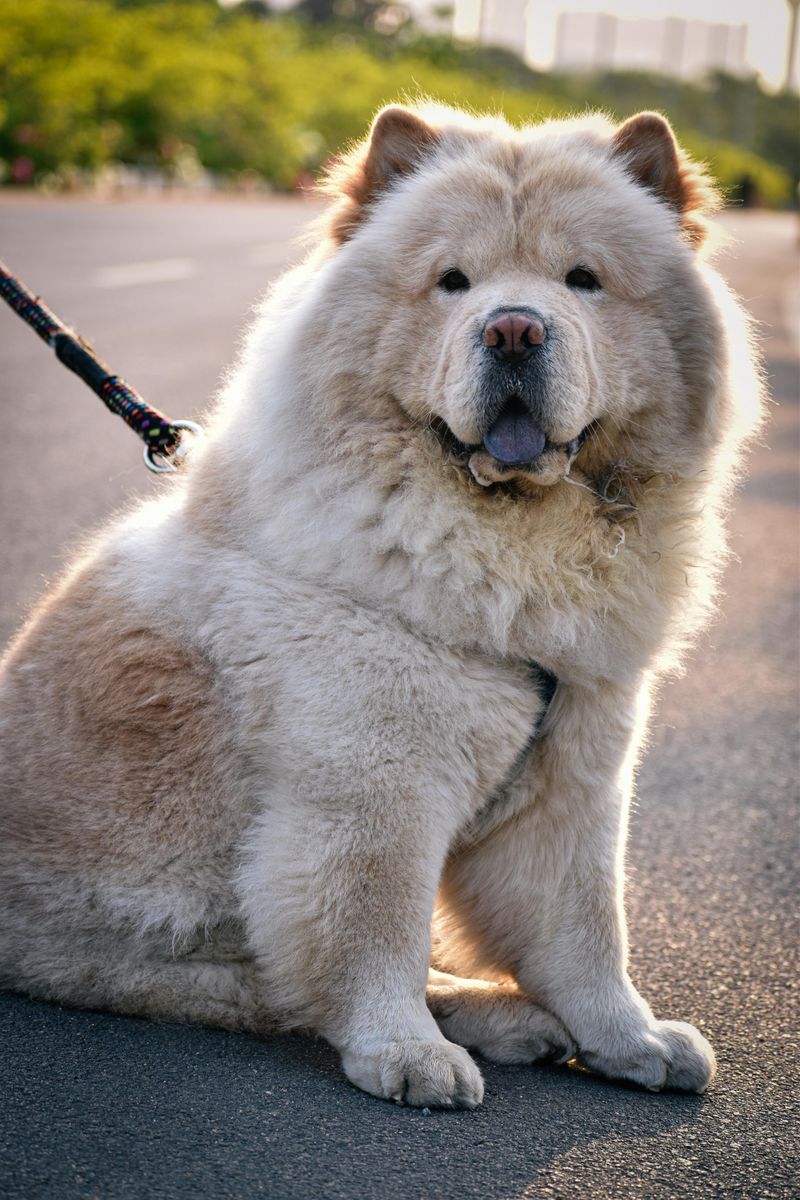
Chow Chows are famously reserved, and that aloof vibe can be misread as grumpiness. What they really need is space and predictability, especially around strangers reaching over their heads.
If someone wants to say hi, ask first and approach from the side, letting the dog sniff on their terms.
Watch for lip licks, head turns, or stiff posture, which say I’m not into this. Short, calm interactions work best, with treats tossed instead of hands pushed forward.
Consent here means reading the room and accepting a no before it becomes a growl.
Shar Pei
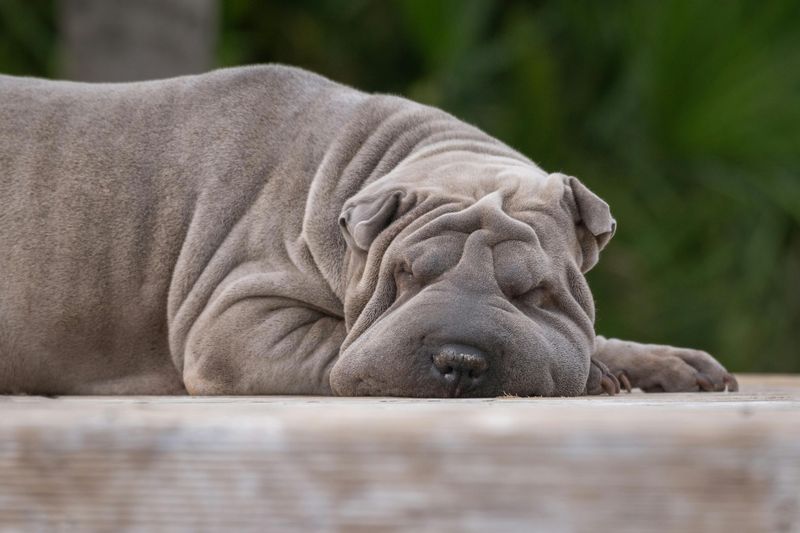
Shar Pei tend to form deep bonds with their people and can be wary of outsiders. Those plush wrinkles invite touching, but surprise handling can spike anxiety.
A polite introduction looks like a calm greeting, no looming, and letting the dog choose whether to close the gap.
Keep sessions brief and neutral, avoiding high squeals or hovering. If the eyes harden or the tail lowers, pause and give space.
Reward curiosity with gentle praise and a treat offered at arm’s length, not a head pat. Consent means the dog opts in, not is lured in.
Akita Inu
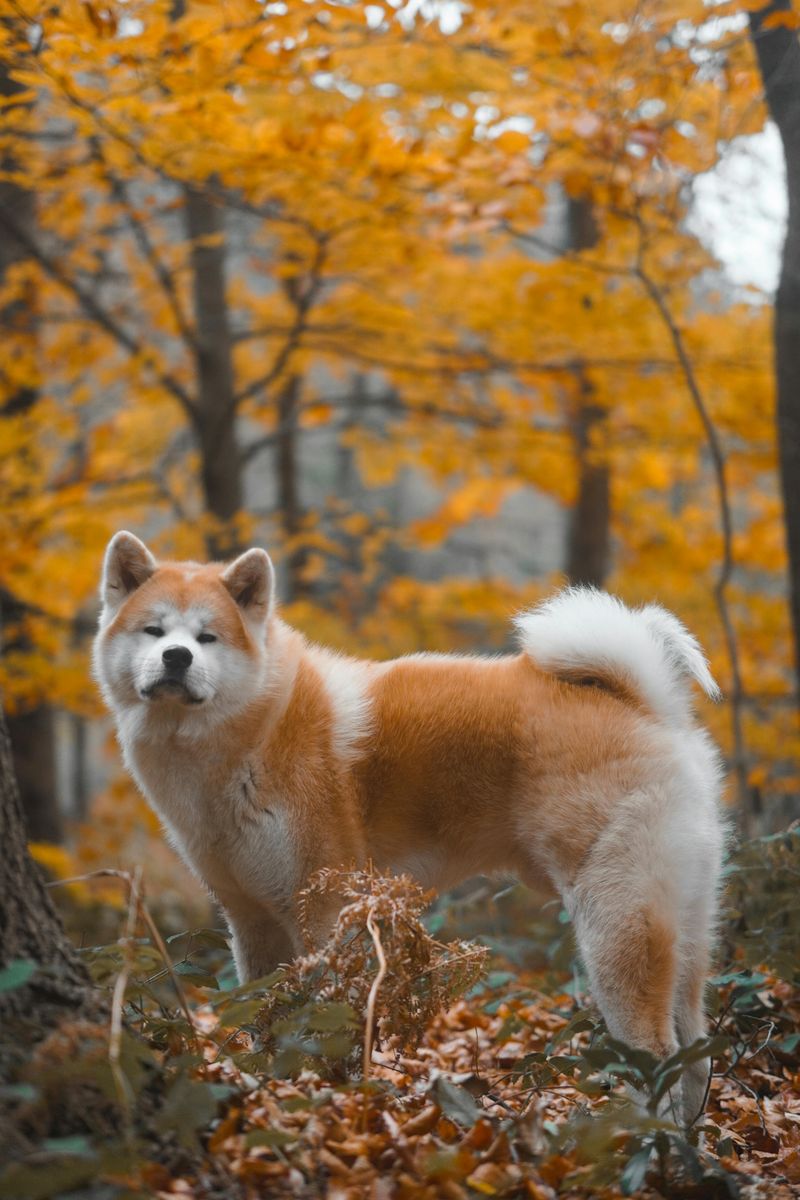
Akitas are confident guardians with strong opinions about personal space. They are not public petting-zoo dogs, and that is okay.
If someone asks to greet, coach them to turn sideways, avoid eye contact, and let the dog approach if comfortable.
Even friendly Akitas may prefer a sniff and move on. Watch for a relaxed mouth and soft eyes as green lights, versus a high tail and still body as caution flags.
Keep greetings low key, avoid back-of-neck pats, and use chest or shoulder scratches if invited. Consent protects both the dog’s dignity and everyone’s safety.
Shiba Inu
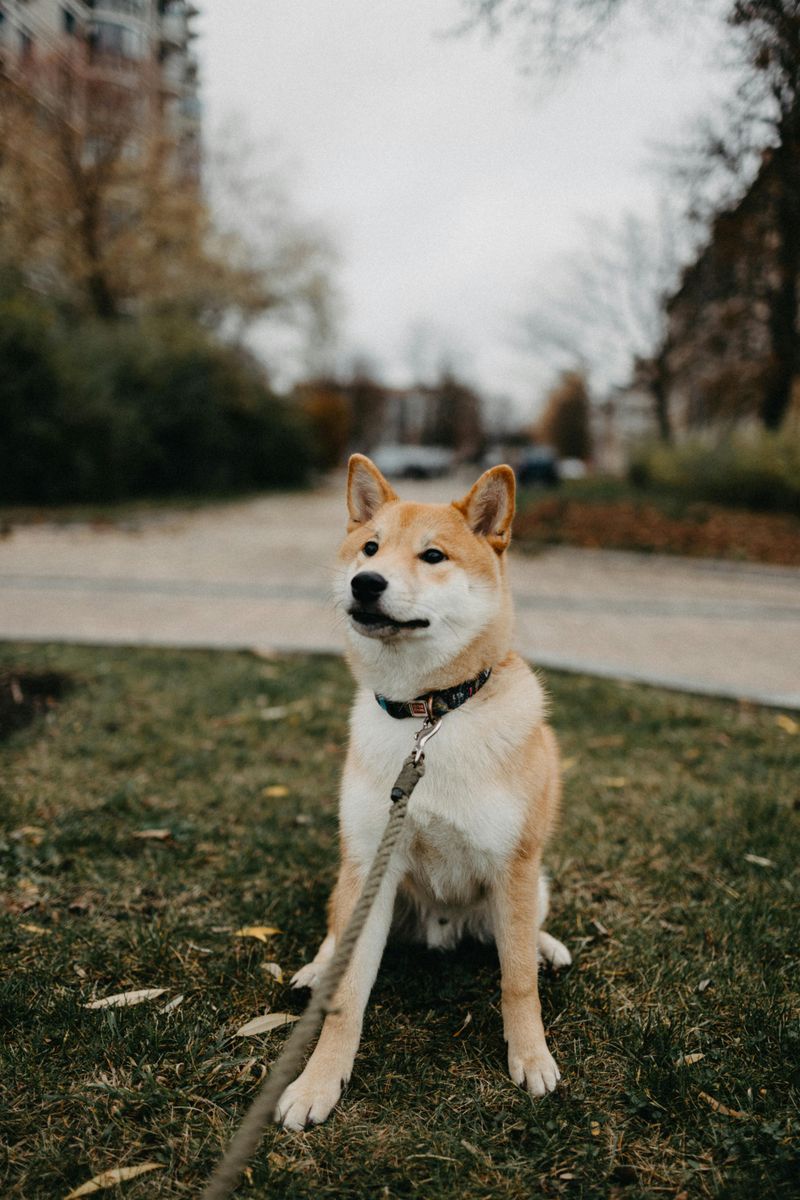
Shibas are expressive and independent, famous for saying no with flair. That cute fox face draws hands fast, but a stranger’s hover can trigger the Shiba side-eye or a dramatic protest.
Ask first, then let them come to you for a brief sniff, no grabbing.
Pet low on the chest instead of reaching over the head. If the tail loosens and the body wiggles, continue for a second; if it stiffens, stop.
Keep exits open so the dog can walk away. Consent with Shibas often looks like quick, polite hellos rather than lingering hugs.
Basenji
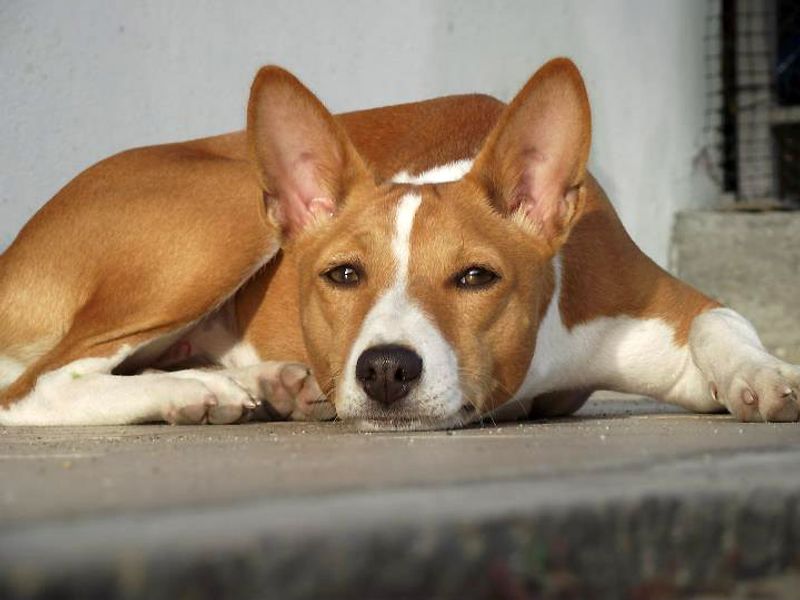
Basenjis are keen observers and can be sensitive to sudden hands. They read motion and tone closely, so slow movements and soft voices matter.
If the dog curves toward you and sniffs, offer a gentle chest rub; if they sidestep, honor that boundary.
Because many Basenjis dislike restraint, avoid hugging or leaning. Watch for subtle stress: paw lifts, tight mouth, or a freeze before a dart away.
Treats can help create positive associations, but do not bribe a no into a maybe. Consent is about choice and timing, keeping interactions short, sweet, and optional.
Finnish Spitz
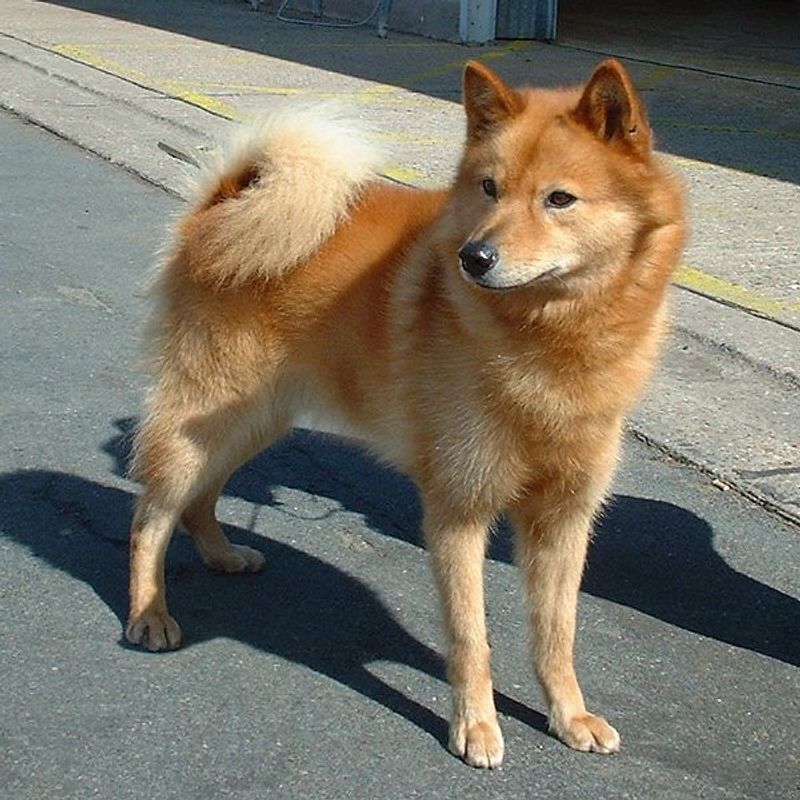
Finnish Spitz are bright, vocal, and sometimes cautious with unfamiliar people. Their confidence grows when greetings are calm and predictable.
Ask, wait, and let the dog initiate a brief hello rather than stepping in fast.
Use a soft voice and avoid looming from above. Pet under the chin or chest only if the body language relaxes: loose tail, wiggly hips, blinking eyes.
If you see tension or hear alert barks, reset by giving space. Consent keeps these sensitive communicators feeling safe, which turns quick meetings into pleasant moments instead of fireworks.
Keeshond
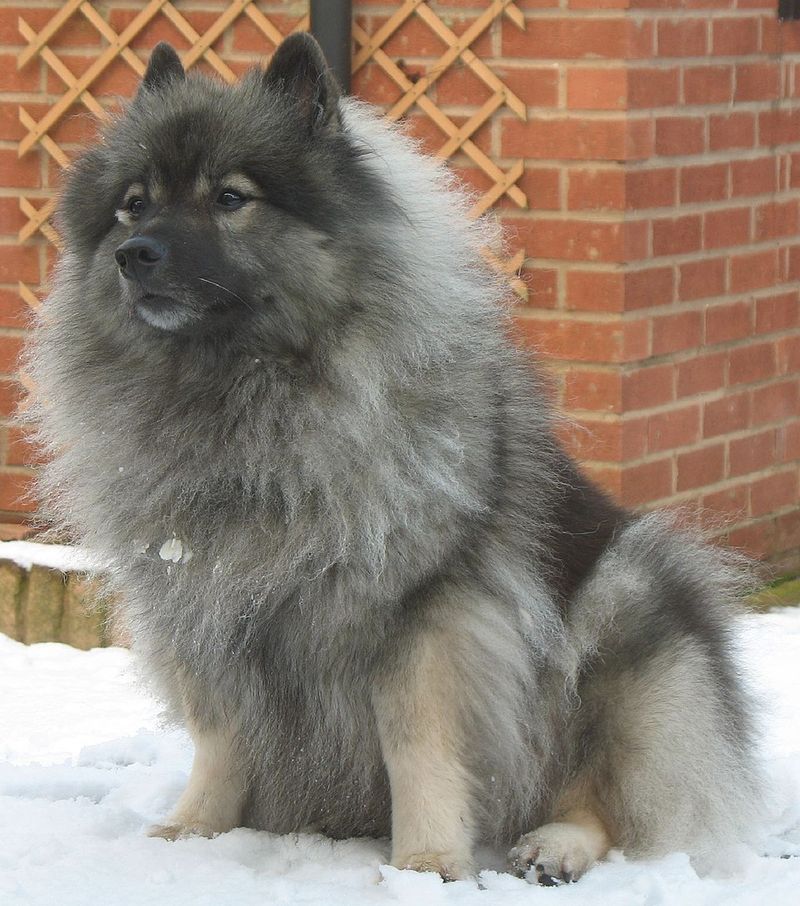
Keeshonden often look endlessly friendly, but even social fluffballs deserve choice. That smiling face can hide nerves when hands rush in.
Teach people to crouch sideways, let the dog sniff, and start with gentle strokes on the chest or shoulder.
Monitor for yawns, shakes, or a step back, which ask for a pause. Keep interactions short and upbeat, adding treats for positive associations.
If the tail stops swishing or the ears pull back, end the session kindly. Consent does not kill the vibe; it preserves trust and keeps that trademark Keeshond cheer truly genuine.
American Eskimo Dog
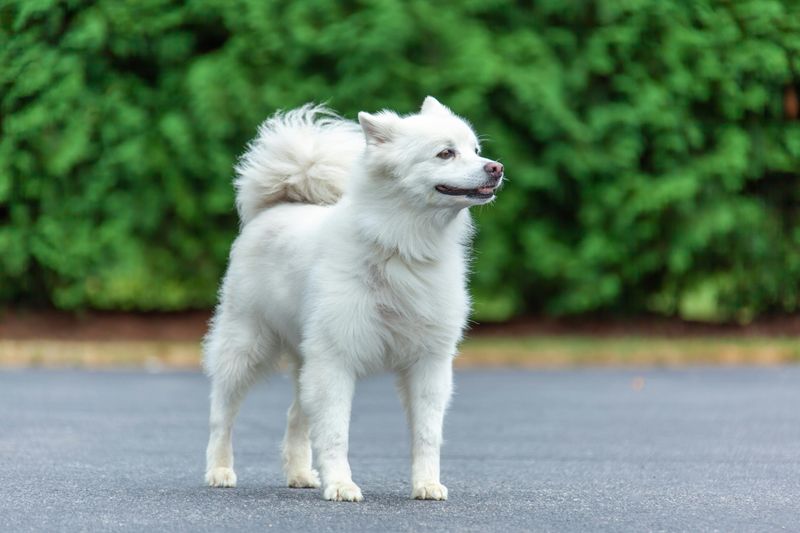
American Eskimo Dogs are eye catching and clever, which means strangers notice fast. Many enjoy people but can get overwhelmed by direct, fast approaches.
Ask first, then let the dog choose to come close before any touch happens.
Keep hands low and movements smooth. If the dog’s ears soften and they lean in, a short chest scratch is welcome; a head turn or freeze says not now.
Reward consent with a tiny treat and a brief exit. Building these patterns makes public hellos predictable and kind, which keeps confidence high and stress low.
Norwegian Elkhound
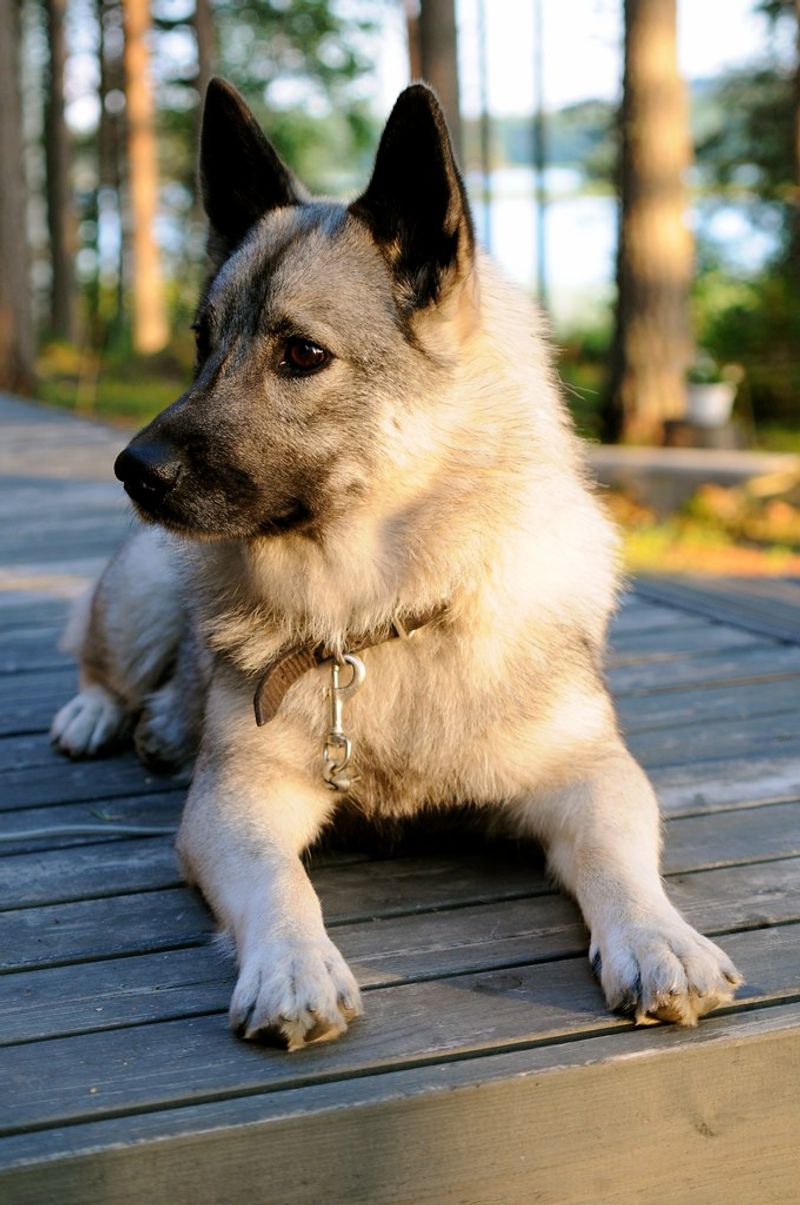
Norwegian Elkhounds are sturdy, alert, and loyal to their circle. Their job history primes them to assess strangers carefully.
When someone asks to pet, coach a side approach, no towering, and let the dog decide whether to step in.
Check for soft eyes and a relaxed tail wag before touching. If the body gets still or the mouth clamps shut, pause and breathe.
A short greeting with praise and a treat tossed to the ground beats a prolonged cuddle. Consent centered hellos keep this confident breed feeling secure and cooperative.
Icelandic Sheepdog
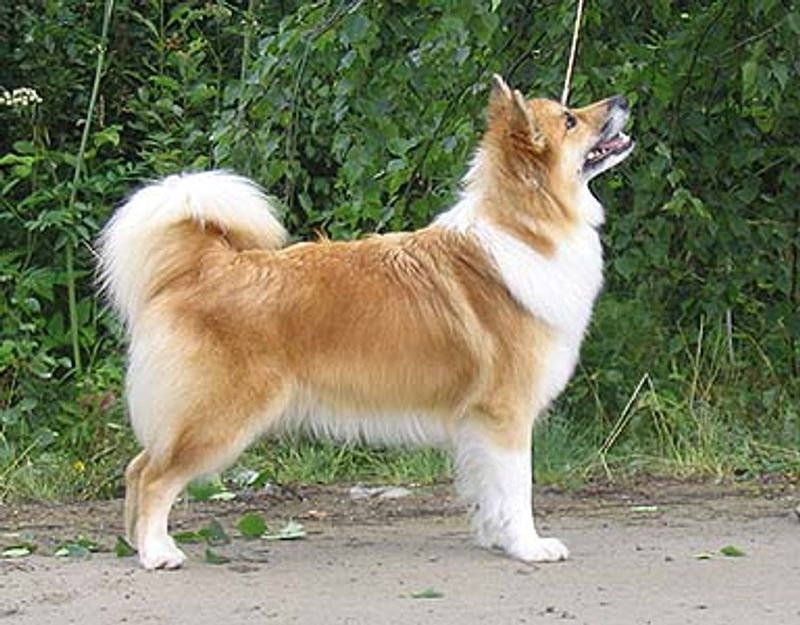
Icelandic Sheepdogs are social by nature, yet they benefit from structured introductions. Excited energy can tip into overwhelm if several hands reach at once.
Ask first, limit greeters, and invite the dog to approach for a quick sniff.
Pet along the chest or shoulder, avoiding over-the-head pats during the first seconds. If the dog softens and leans, continue briefly; if they bounce back or glance away, give space.
Normalize no thanks with a smile, not pressure. Consent focused routines protect that bubbly temperament and make community walks easier for everyone.
Swedish Vallhund
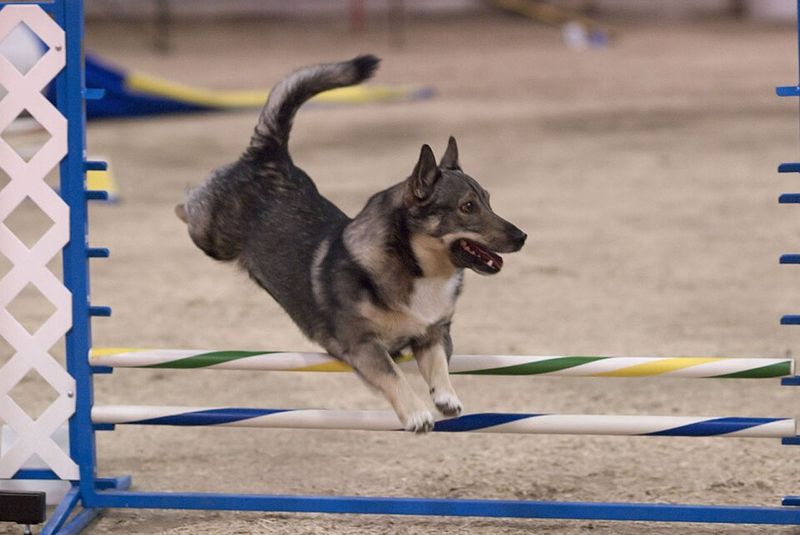
Swedish Vallhunds are bright herders who notice everything. Quick movements and grabby hands can read like livestock to manage, not friends to meet.
Teach people to slow down, turn sideways, and let the dog check them out first.
Reward curiosity with gentle praise and a tiny treat placed on the ground. Touch should follow only if the body loosens and the dog chooses to stay.
If you see stillness or a hard stare, end the interaction kindly. Consent helps channel that smart, busy brain into calm, successful hellos.
Finnish Lapphund
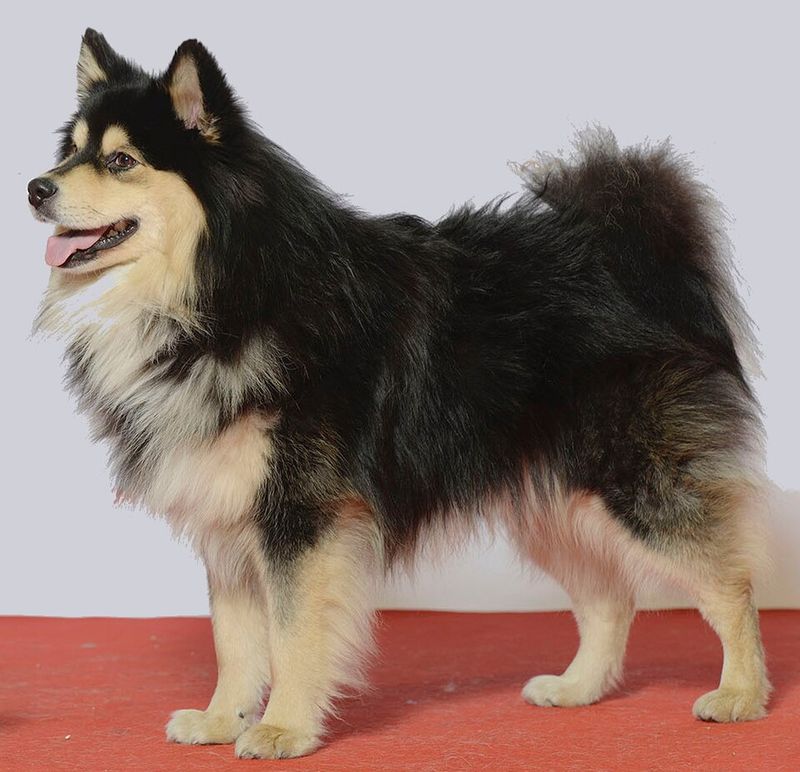
Finnish Lapphunds are friendly, but their sensitivity means surprise hugs can be too much. They thrive when strangers follow a simple script: ask, wait, then offer a calm hand low and to the side.
Keep early touches brief and focused on the chest.
Look for soft tail sweeps, relaxed ears, and leaning as consent. If the dog flicks their tongue, backs up, or freezes, that is a polite decline.
Offer a treat and exit with cheer. Practicing these boundaries preserves their confidence and keeps that affable nature genuinely comfortable.
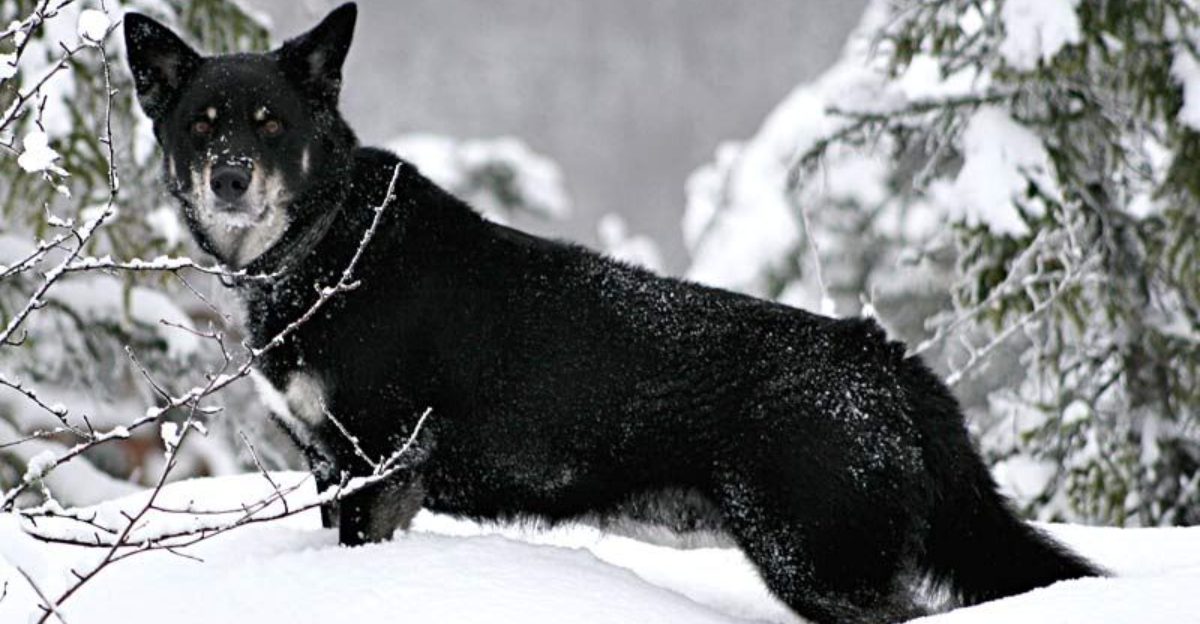
Lapponian Herder
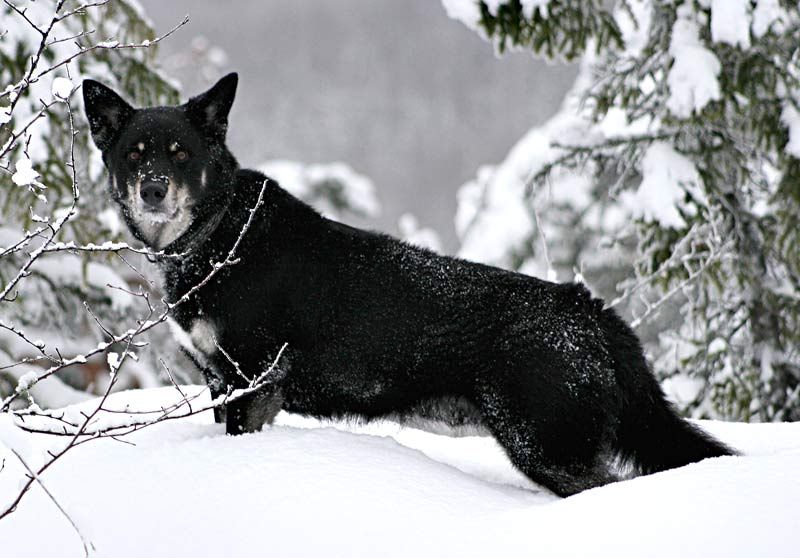
Lapponian Herders are thoughtful workers with a steady, observant presence. They may take a beat to evaluate new people, and rushing ruins trust.
Ask first, turn sideways, and let the dog choose the distance.
When the body softens and the dog steps closer, a brief chest rub is fine. If the posture stiffens or the tail drops, step back and reset.
End greetings on a high note with praise and a tossed treat, not persistent petting. Consent centered habits turn everyday encounters into confidence builders for this thoughtful breed.