
Hearing a dog growl can feel alarming, but it is often the safest message you will ever get. A growl is a clear, honest signal that gives you time to respond before things escalate.
When we punish it, we remove the early warning and risk a silent bite later. Learn why welcoming the growl as information can protect you, your dog, and everyone around you.
It prevents bites
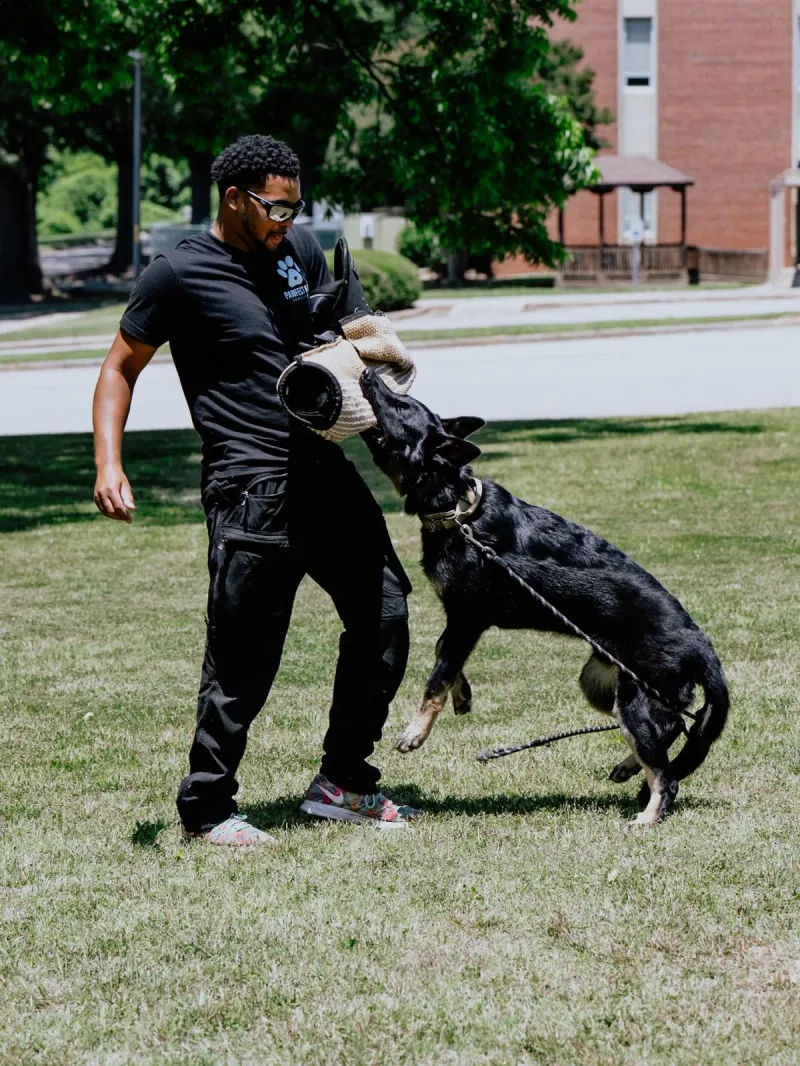
A growl is a flashing yellow light that keeps you safe. It tells you the dog needs space so you can pause, step back, and defuse the moment.
When you heed that warning, teeth never need to get involved.
Punishing growls removes the early signal and encourages the dog to skip straight to a bite. That is when people say the dog bit without warning.
In reality, the warning was trained out.
Respecting a growl teaches you to slow down and adjust your approach. It prevents bites by restoring choice and distance.
Safety grows when communication is allowed, not silenced.
It communicates discomfort early

Dogs do not have many ways to say this is too much. A growl communicates discomfort before panic sets in.
It gives you an early snapshot of how the dog feels in that exact moment.
Listen for paired body cues like whale eye, stiff posture, or a frozen tail. Those signs plus a growl mean please back off now.
Rewarding space with distance teaches the dog that growling works safely.
Early communication helps you avoid tough lessons later. You can change the environment, slow contact, or stop entirely.
When dogs feel heard, discomfort does not snowball into aggression.
It shows the dog is trying to cope

A growl can be a coping strategy, not defiance. It says I am managing this but I need help.
Instead of exploding, the dog chooses a controlled alert to protect themselves.
When you honor that choice, you reinforce calm communication. Pair it with decompression, distance, and predictable routines.
Add sniffy walks and rest so stress hormones can settle.
Dogs that cope successfully today cope better tomorrow. By respecting the growl, you help the dog stay within their window of tolerance.
Coping grows into confidence when the message is heard.
It signals boundary needs
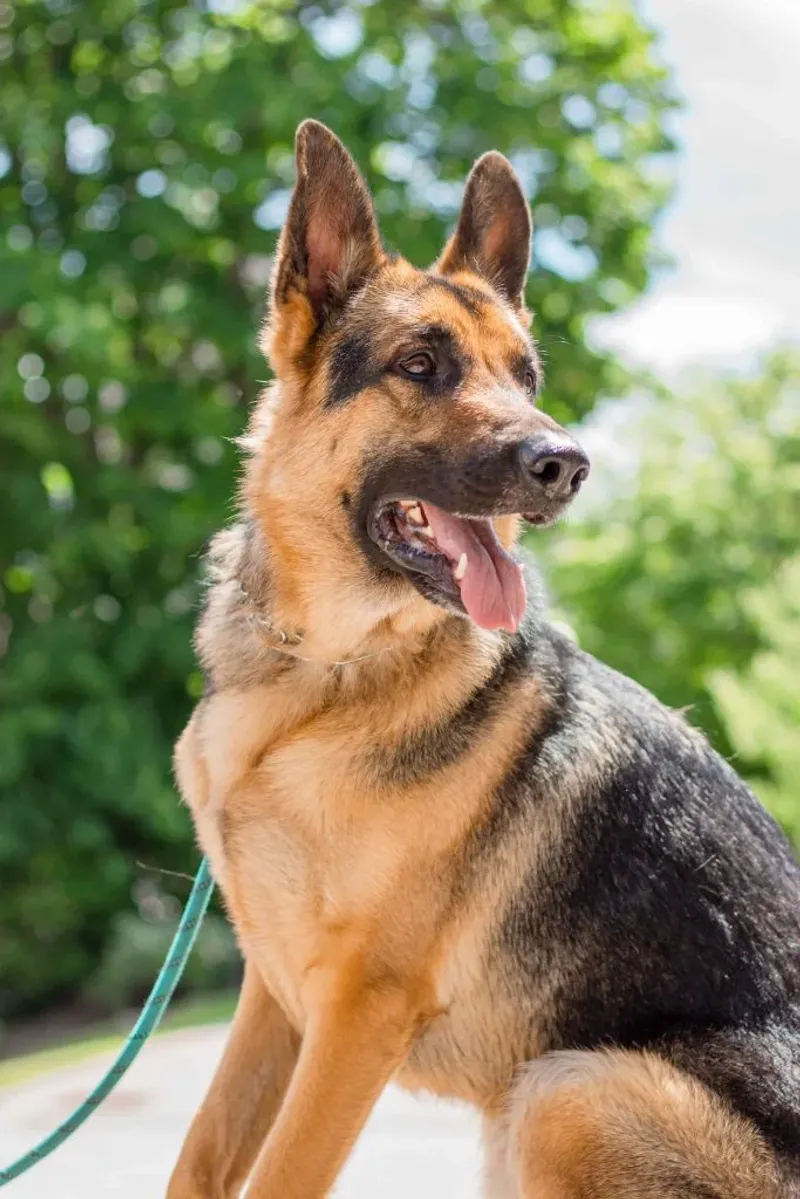
Boundaries keep relationships healthy, and dogs need them too. A growl around food, beds, or tight hugs says please give me space.
Honoring that line protects trust and prevents conflict.
Teach family members to wait for consent before touching. Invite rather than invade, and use gentle call-offs.
Provide safe zones where the dog can rest without interruption.
When boundaries are respected, the need to escalate fades. The dog learns that subtle communication works.
In turn, you get clearer signals and a more relaxed home.
It can point to pain

Sometimes a growl appears when a dog is touched near sore spots. That warning can spotlight hidden pain from arthritis, ear infections, dental issues, or injuries.
Treat the body and behavior improves.
If growling appears suddenly, call your veterinarian first. Pain often masquerades as irritability or reactivity.
A thorough exam and diagnostics can reveal the root cause.
After medical care, adjust handling to prevent flare ups. Use cooperative care techniques so the dog participates willingly.
Pain-informed training restores comfort and reduces growling naturally.
It reveals fear, not “dominance”

Most growls come from fear, not dominance. The dog is asking for safety, not a power struggle.
When you remove pressure, fear eases and the growl subsides.
Dominance myths push people to confront or correct, which backfires. Fear punished becomes fear intensified.
Replace confrontation with distance, choice, and reinforcement of calm behavior.
Look for fear markers like tucked tails, lowered bodies, and avoidance. Support with gradual exposure and predictable routines.
When fear is addressed compassionately, cooperation blooms.
It helps you identify triggers
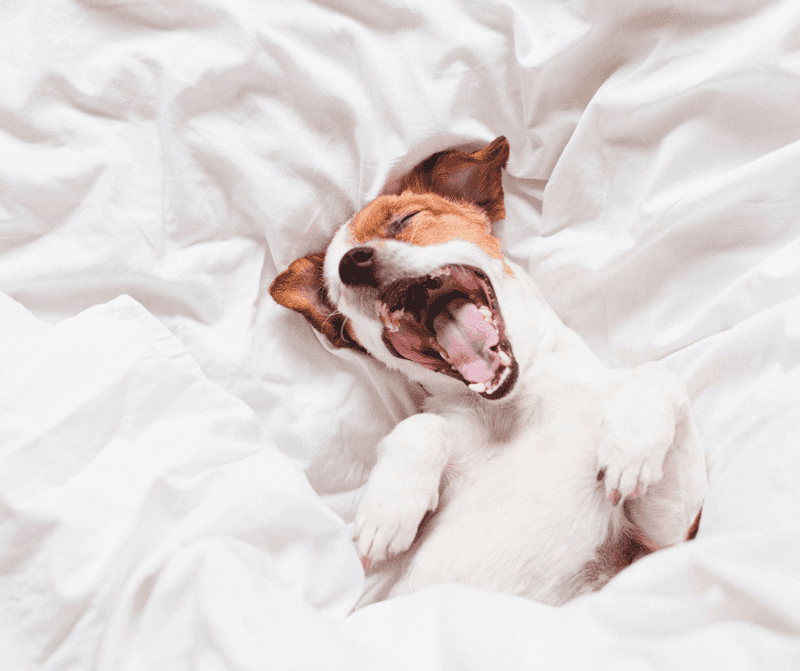
Each growl is data about what feels unsafe. Track the context, distance, sounds, and people present.
Patterns reveal specific triggers like fast toddlers, hands over the head, or sudden noise.
Once you map triggers, you can adjust routes, create buffer zones, and plan training sessions. Clarity replaces guesswork.
The dog relaxes because predictability grows.
Use a behavior journal and video when possible. Small details like wind direction or time of day can matter.
Data-guided choices make progress tangible and compassionate.
It allows training plans to work
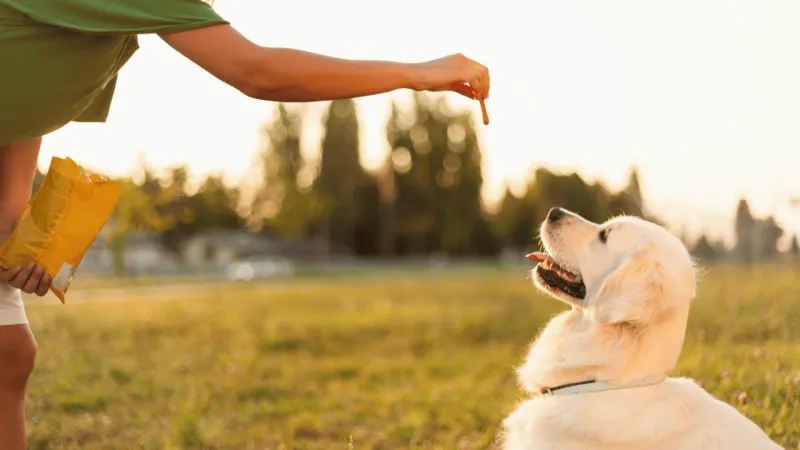
Training needs information, and a growl provides it. With that cue, you can lower intensity, mark calm, and reinforce safety.
It keeps the dog under threshold so learning actually sticks.
Use desensitization and counterconditioning with generous distance. Play look-at-that and reinforce disengagement.
Small successes snowball when arousal stays manageable.
Consistent, kind training transforms scary moments into predictable games. You are not rewarding growling, you are rewarding calm after listening to it.
The plan works because the dog feels understood.
It protects kids and visitors
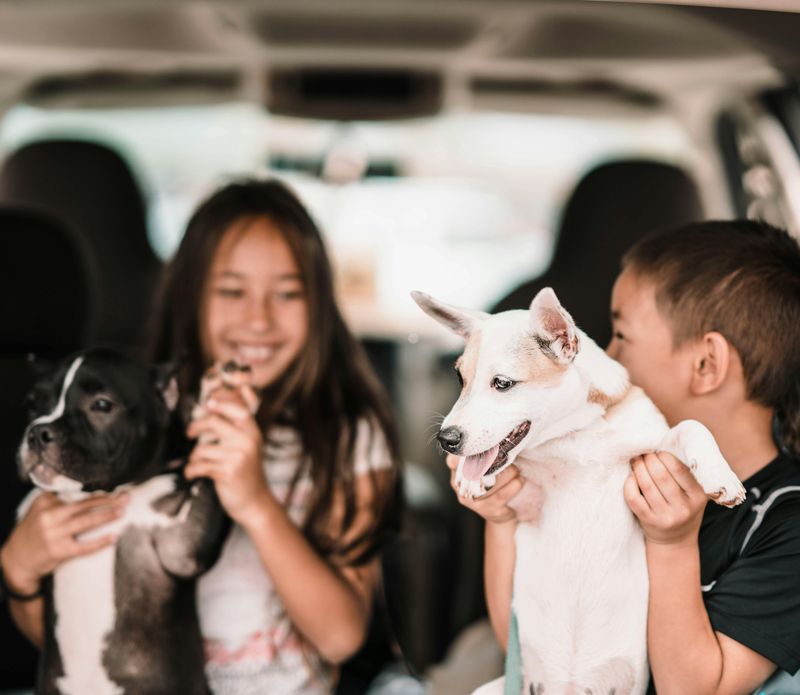
Growls help you manage real life. When kids move fast or visitors lean in, that sound says pause and reset.
You can create distance, use gates, and switch to low pressure greetings.
Teach children to be dog smart with ask-first rules. Coach guests to turn sideways, avoid looming, and toss treats away.
Rituals make safety repeatable and friendly.
With a respectful plan, everyone feels welcome and protected. The dog learns people listen, so tension fades.
Your home stays peaceful without risky surprises.
It’s safer than silence

Silence can be dangerous because it hides rising stress. A growl is safer since it offers a clear stop sign.
You get time to respond, adjust space, and protect everyone.
Dogs that were punished for growling may go quiet and then bite. That is not unpredictability, it is lost communication.
Bring the warning back by honoring it consistently.
Choose the dog that speaks over the dog that suppresses. Encourage voice, then reward calm choices afterward.
Safety lives where communication is allowed to breathe.