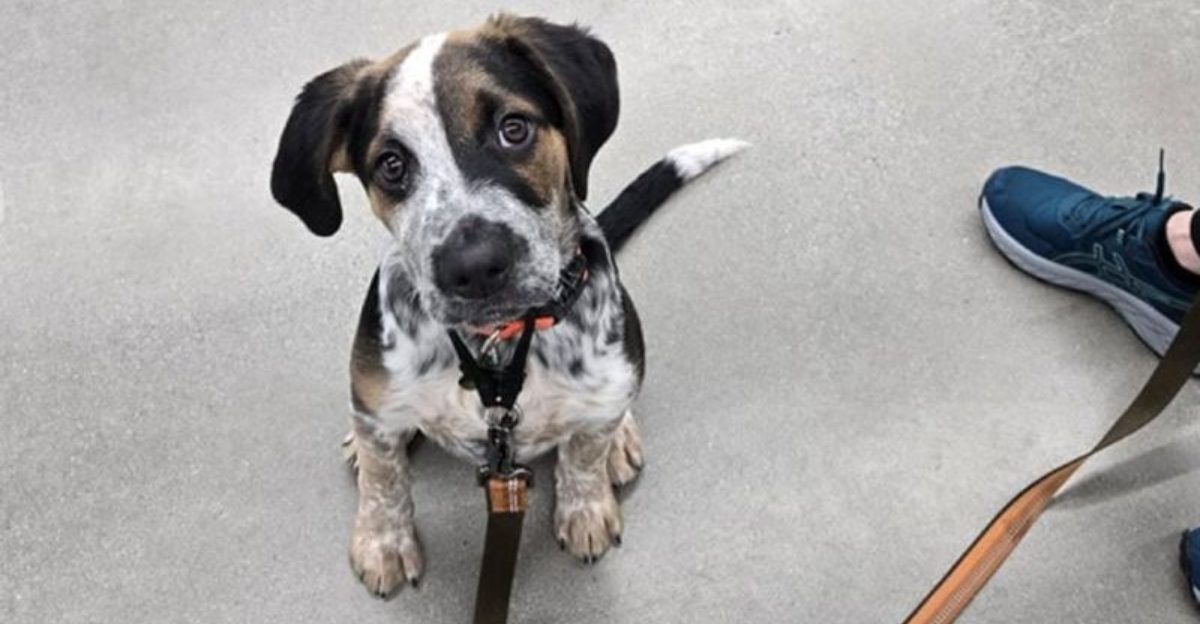
If your dog seems to melt down out of nowhere, you are not imagining it. What looks like random bad behavior is often a build up of stressors stacking one on top of another.
Once you learn the signs, you can step in sooner and protect your dog’s nervous system. Let’s decode the patterns so you can prevent explosions and build calmer, more confident walks.
Too many close encounters in one walk
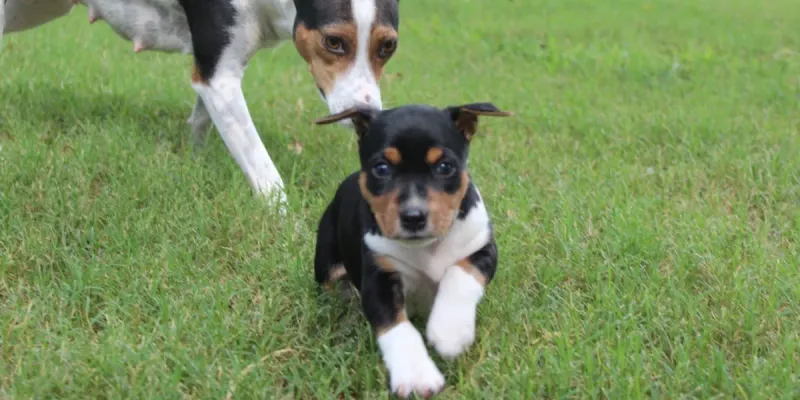
When every block brings a new dog, skateboard, or loud truck, stress stacks before the first one clears. You might notice tension rise with each pass, even if your dog stays quiet.
Distance shrinks, choices disappear, and your dog’s bucket fills quickly.
Think of each close pass like adding weight plates to a bar. Eventually, even a small wobble makes the whole thing crash.
Spacing out encounters and using wider arcs helps drain the load between triggers.
Your job is not to “get through it,” but to manage flow. Cross the street early, pause behind parked cars, or pivot to a quieter route.
Fewer close calls often beats more practice reps.
No recovery time between triggers
Recovery time is the reset button that nervous systems need. Without a pause, the last trigger lingers like background static, priming the next reaction.
You might see a dog who seems fine, but their breathing stays shallow and the head stays high.
Build decompression moments on purpose. Sniff breaks, slow figure eights, or a quick scatter feed can reboot attention.
Watch for softer eyes and longer exhale as green lights to continue.
Skip the recovery and tiny stressors snowball. That is when you get overreactions to small stuff because nothing cleared.
Protect the reset, and your dog’s threshold stretches in a kinder, steadier way.
Sudden “zero-to-100” over small things
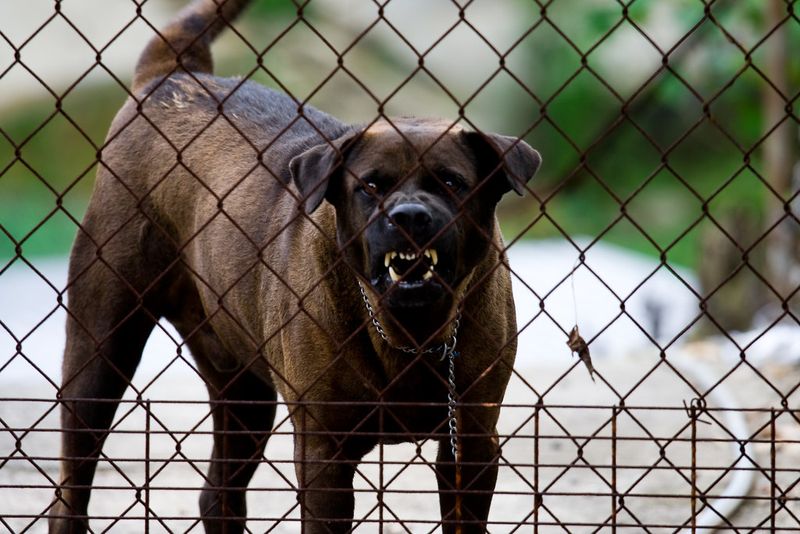
That instant flip from calm to chaos rarely starts at zero. Stacked arousal hides under the surface until a tiny spark ignites it.
A dropped fork or a rustling bag becomes the final straw, not the main problem.
Notice earlier breadcrumbs. Was your dog already tight through the shoulders, blinking less, or breathing fast?
Those early tells whisper that the fuse is already lit.
Respond by lowering intensity instead of pushing through. Increase distance, offer a familiar pattern like hand target, and reward settling breaths.
When the baseline drops, those “small things” stop detonating into big reactions.
Explosions later in the day, not in the moment
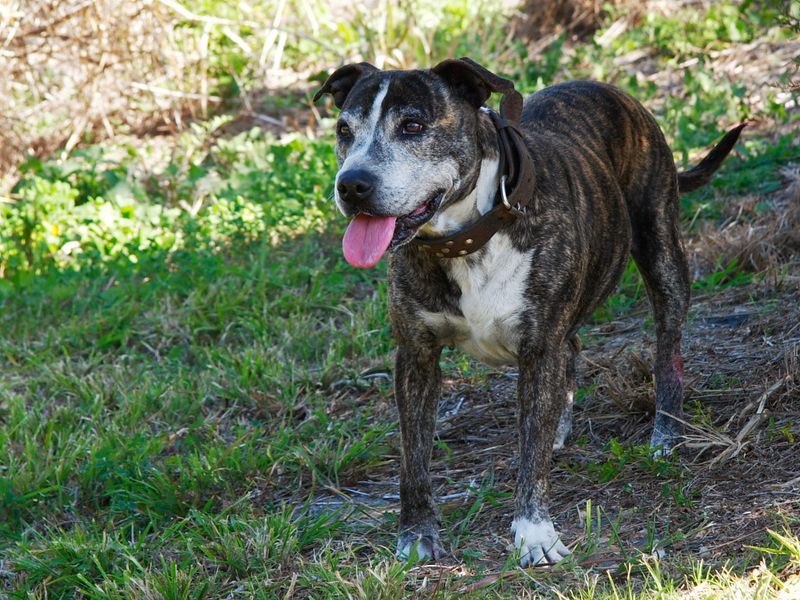
Sometimes the outburst shows up hours after the walk. Your dog may hold it together through morning chaos, then blow up at dusk over the mail slot.
Delayed explosions are classic stacking, where stress runs a tab and collects later.
Track your dog’s day like a budget. Busy errands, visitors, daycare, and tight walks all withdraw from the same account.
By evening, one tiny sound can overdraft the system.
Balance the ledger with early decompression. Quiet sniff walks, predictable routines, and rest windows reduce the rebound.
When you respect the delayed costs, evenings stop feeling like booby traps.
Panting when it’s not hot
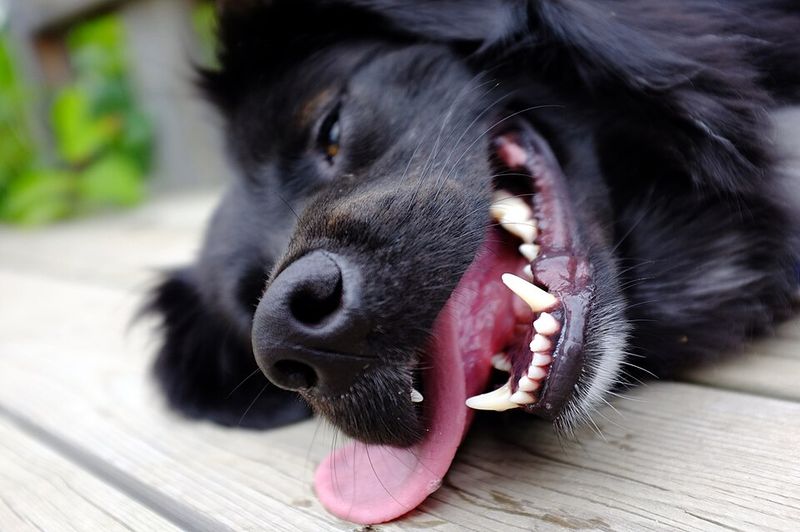
Panting can be about heat, exercise, or stress. When the room is cool and exercise is mild, panting often signals arousal and nervous system overload.
Look for tight commissures, triangular eyes, and a tongue that flicks rather than drapes.
This is your early-warning siren. Instead of pushing forward, downshift the environment.
Add distance, slow your pace, and let the dog sniff while you breathe together.
When panting softens, so does the brain’s threat filter. Reinforce that calmer state with gentle rewards, not rapid fire cues.
Catching the panting phase prevents bigger reactions that feel like they came from nowhere.
Hard scanning and freezing
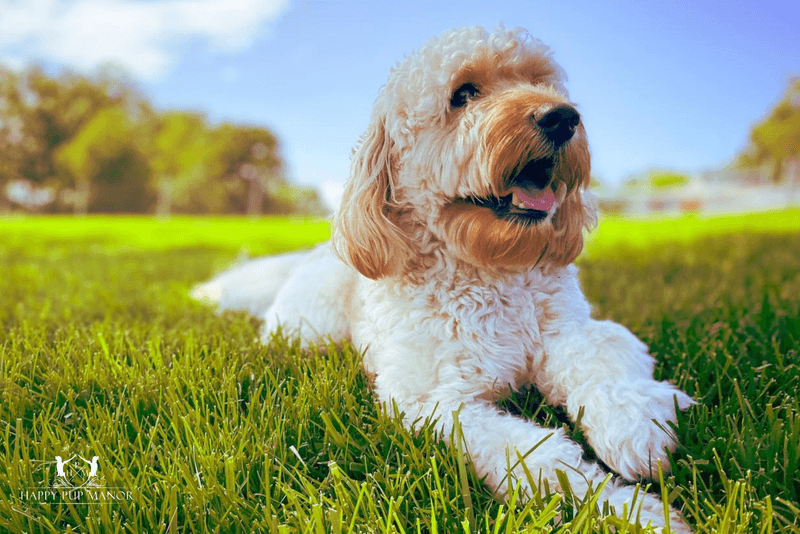
Hard scanning looks like a periscope searching for problems. The head lifts, eyes widen, and the body freezes as hearing sharpens.
Freezing is not cooperation, it is assessment under pressure.
Stacked dogs live in this mode because their threat bucket is full. If you see this, you are at or near threshold.
Staying still in the open often makes it worse.
Create cover and movement. Arc away using trees or cars, then give a simple pattern like “look at that, then look back.” Reward the check-ins and the softening muscles.
When scanning melts, curiosity replaces panic.
Refusing food that normally works
When a food-motivated dog declines chicken, alarms should ring. Appetite shuts down when the nervous system shifts into survival mode.
It is not stubbornness, it is biology prioritizing safety over snacks.
Check the context. Are multiple triggers stacking nearby, or did a surprise event just happen?
If yes, stop training plans and start creating space.
Offer easier wins once arousal drops: sniffing, gentle foraging, or a calm sit behind a barrier. When your dog takes food again, you know capacity is returning.
Let that be your green light, and keep the next ask small.
Shaking off repeatedly
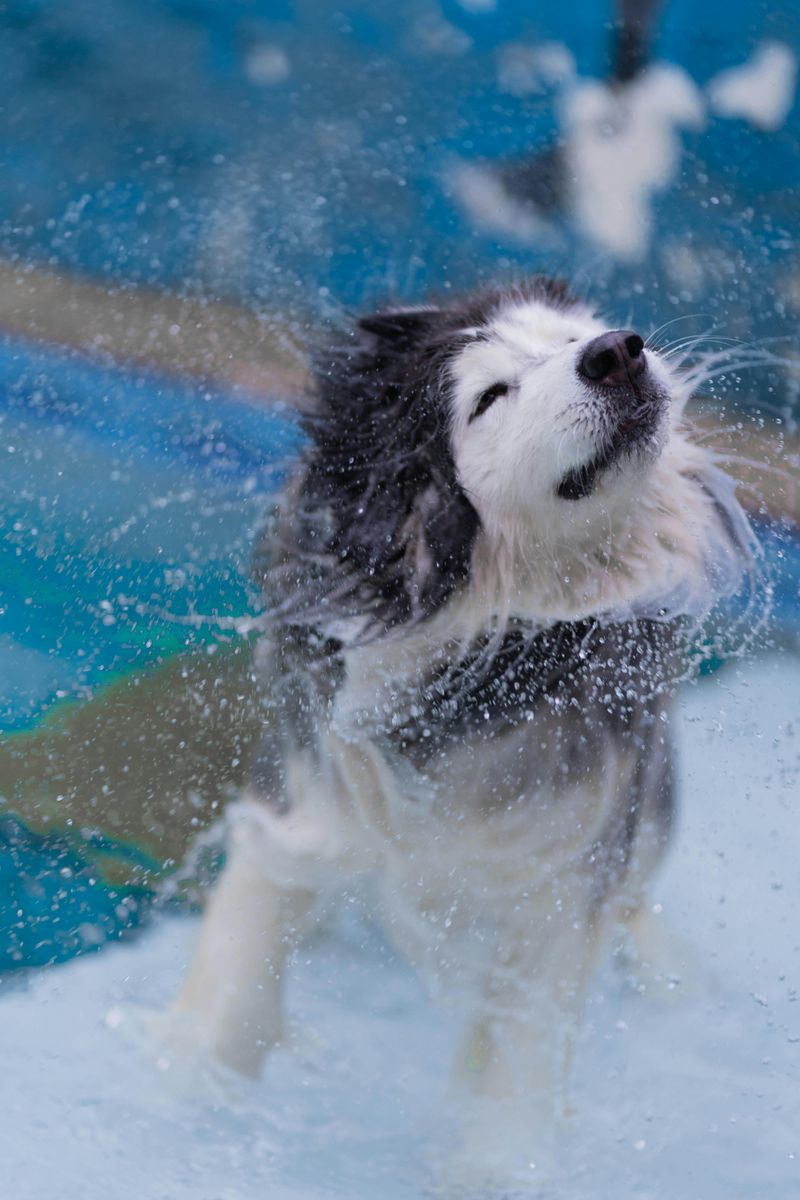
Shake-offs release tension like hitting a reset switch. One shake after a stressful moment can be healthy.
Repeated shake-offs across a walk often mean stress keeps refilling faster than it drains.
Notice when they happen. After close passes, loud noises, or tight spaces?
That pattern is your map of pressure points.
Give more decompression between those moments. Slow the pace, add sniffing, and take wider arcs.
If shakes stop clustering, you are back under threshold. Use the behavior as feedback instead of trying to stop it.
Pulling harder as stress rises
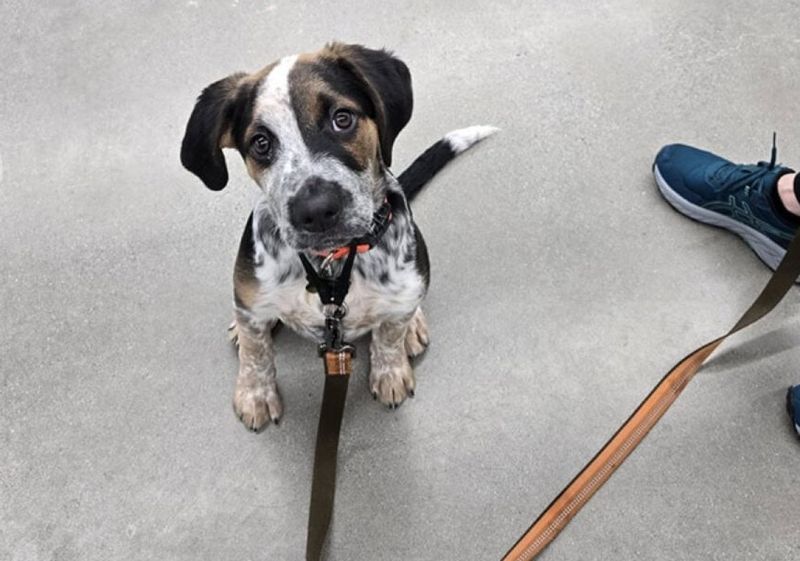
Pulling is not always about manners. As arousal climbs, bodies move faster toward or away from perceived threats.
The leash tightens, breathing quickens, and thinking narrows to escape or confront.
Switch goals from heel perfection to nervous system safety. Increase distance, use a front-clip harness, and guide gentle arcs that reduce pressure.
Let the leash go slack the moment your dog chooses softer movement.
Reward orientation back to you with calm praise or slow treats. When the environment is easier, practice loose-leash skills again.
Pulling fades when the body stops bracing against overwhelm.
Sleep gets worse after “busy” days
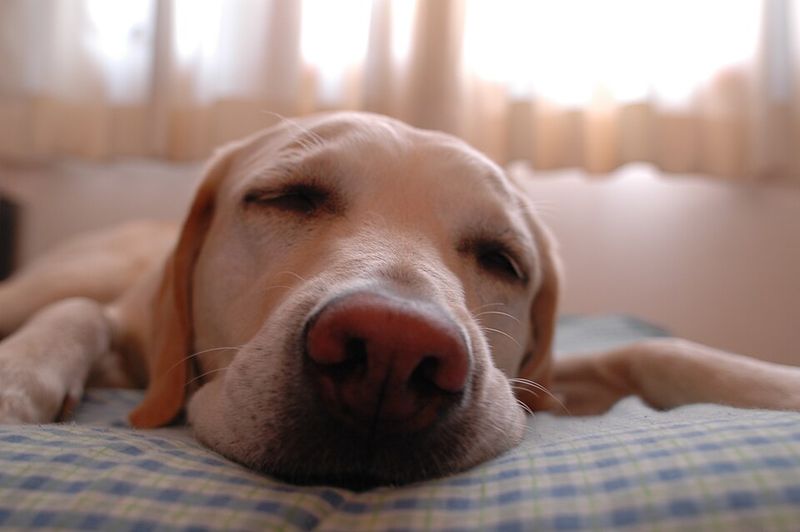
After stacked days, many dogs struggle to settle. You might see pacing at night, startle barks, or dreaming that looks more intense.
Poor sleep is both a symptom and a multiplier of stress.
Help the nervous system land. Shorten evening demands, add a sniffy decompression walk, and keep the routine predictable.
Try calming chew time or scent games that lower arousal gently.
Track sleep quality like a training metric. When rest improves, reactivity usually eases too.
Protecting sleep is not indulgent, it is essential recovery that prevents tomorrow’s blowups.