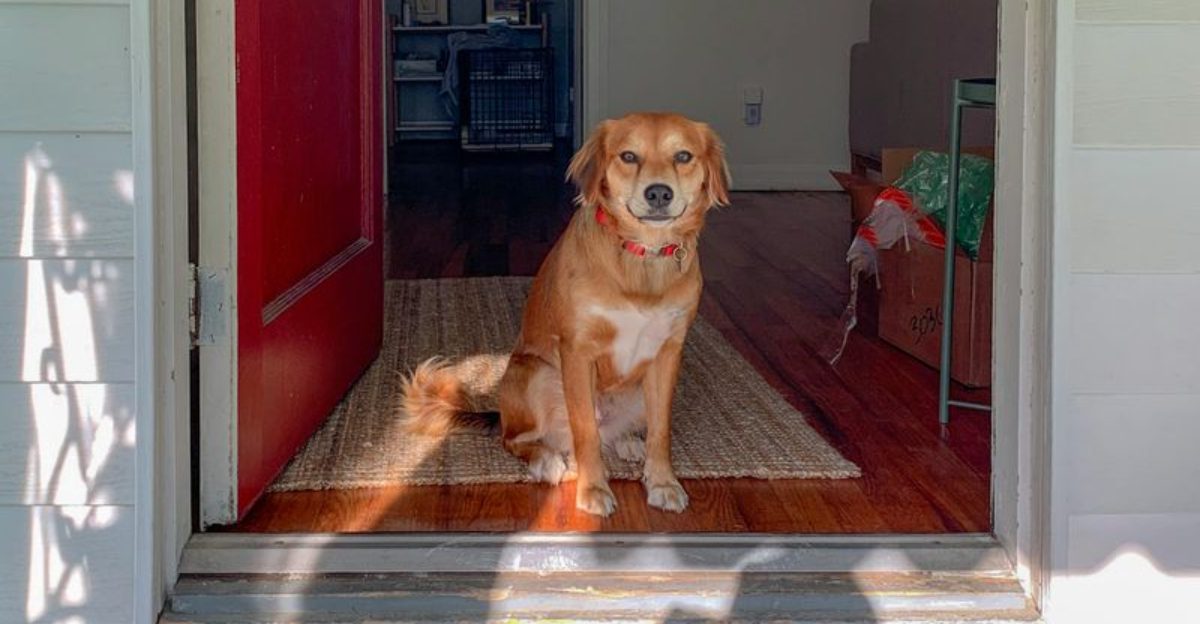
Every dog owner cherishes their furry companion, but sometimes these loving pets can become overly enthusiastic, especially around guests. Understanding common mistakes that encourage jumping can help transform your pup from a bouncing ball of energy into a calm and welcoming host.
Greeting Your Dog Before They’re Calm
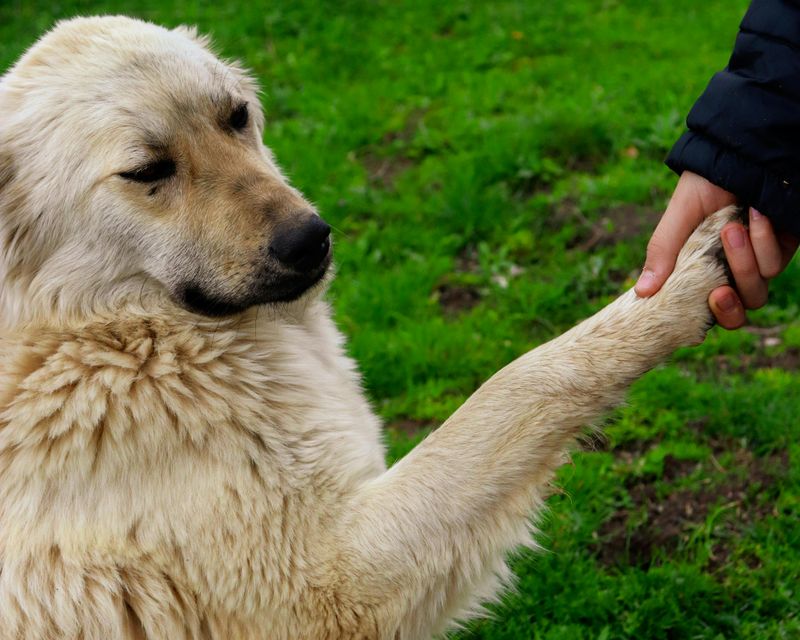
Imagine coming home to an ecstatic dog, furiously wagging its tail and leaping with joy. Greeting your pup while they’re still bouncing reinforces their excitement. Instead, wait for calmness before acknowledging them.
This teaches patience and encourages them to settle. Dogs are creatures of habit; consistent calmness will help them understand that jumping isn’t rewarded.
Over time, your dog will learn to associate calmness with positive attention, making your entrances much more peaceful.
Letting Guests Pet a Jumping Dog “Just This Once”
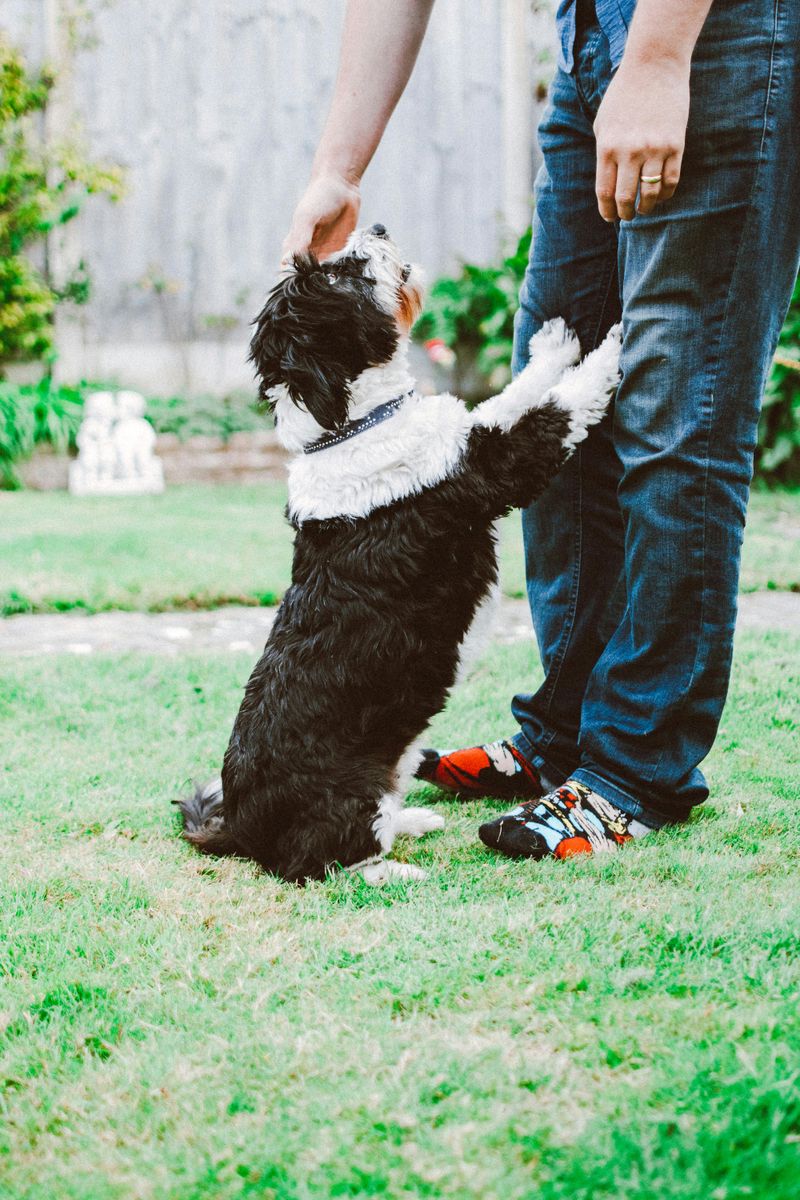
It’s tempting to let a guest pet your enthusiastic jumper, thinking it’s harmless fun. Unfortunately, this sporadic reinforcement can confuse your dog. They may think jumping is an acceptable way to earn affection.
Instead, ask guests to ignore jumping until the dog is calm, then reward them with attention. Consistency is key.
By setting these boundaries, you create a clear expectation for behavior. Your dog will soon understand that only calm interactions lead to the affection they crave.
Laughing or Talking During Jumping
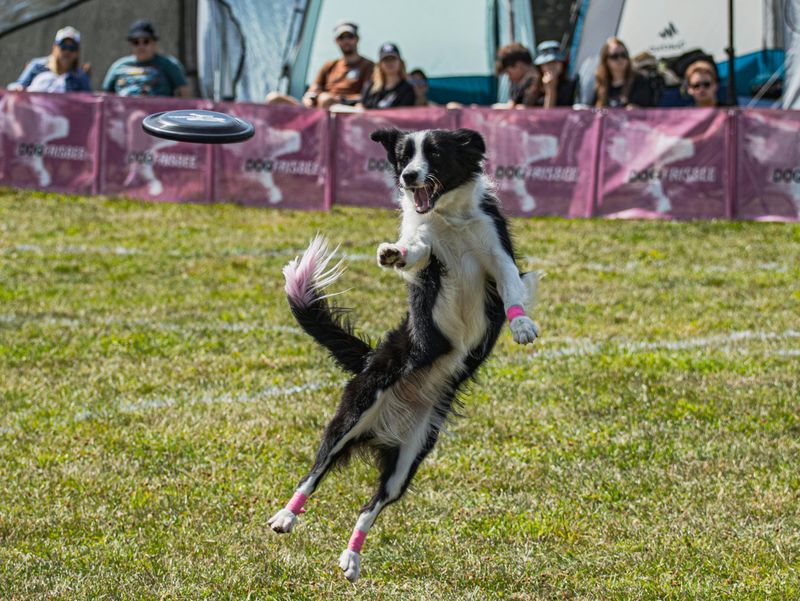
Laughter is contagious, but when aimed at a jumping dog, it can be misinterpreted. To your dog, this might seem like encouragement, fueling more energetic bouncing.
Maintaining a neutral demeanor when your dog jumps helps them realize this behavior isn’t rewarded. Speak softly or remain silent.
Your calm response will teach your dog that jumping doesn’t result in playful interaction. Over time, they’ll adopt a more relaxed approach.
Pushing the Dog Away With Hands or Knees
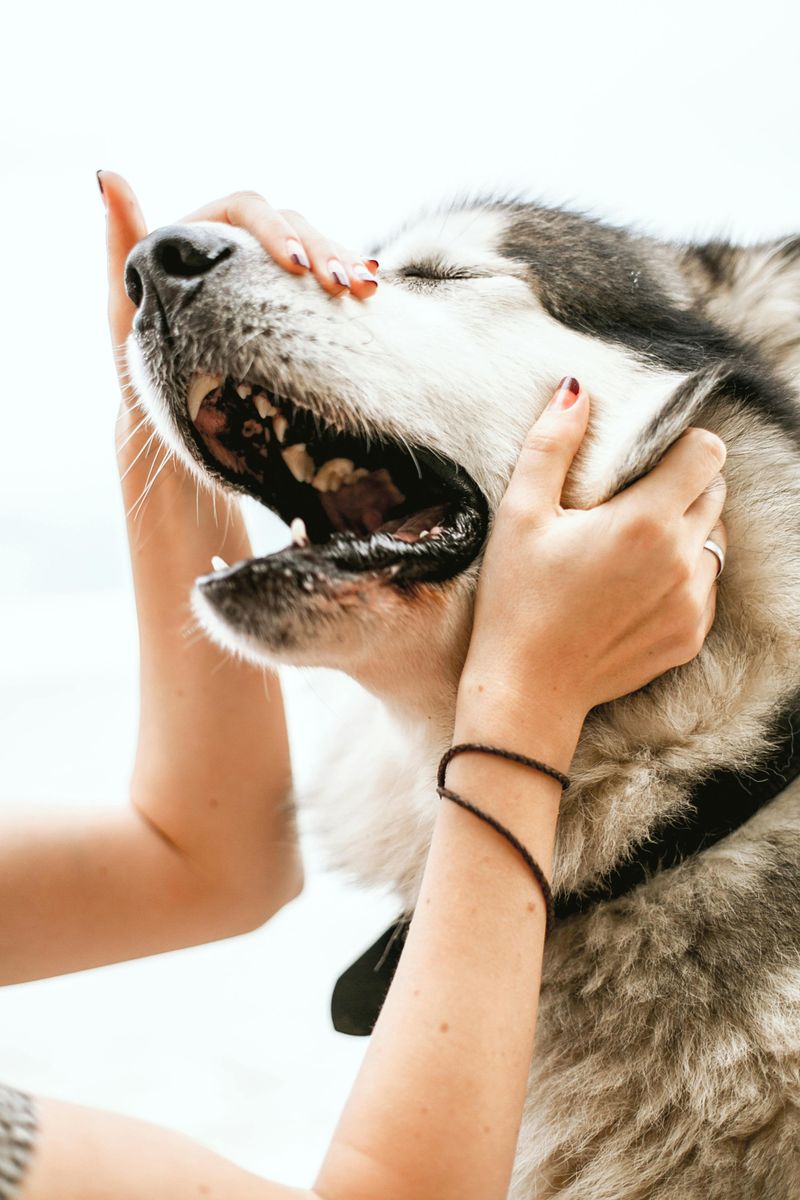
While pushing a jumping dog away might seem instinctive, it can have the opposite effect. To them, it feels like play, prompting more jumps.
Instead, turn away or step back, minimizing attention. This action teaches your dog that jumping doesn’t lead to desired interaction.
By consistently ignoring the jumping, your dog will begin to understand that calmness yields better results. This method is both gentle and effective.
Allowing Face-to-Face Greetings Too Fast
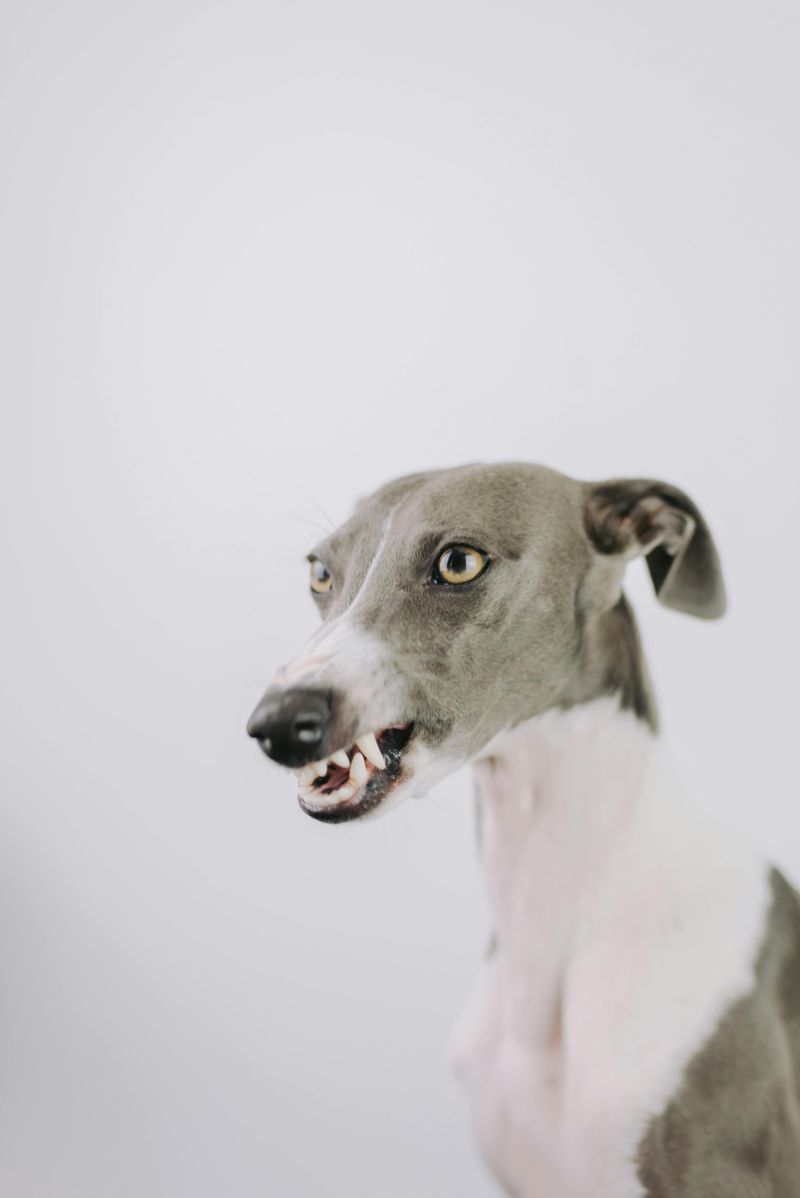
Introducing a dog face-to-face quickly might result in overexcitement. Dogs can see this as an invitation to jump, especially when meeting new people.
Begin with side-by-side interactions, allowing the dog to settle before facing a new person. Gradual introductions help maintain calmness.
This approach creates a comfortable environment for both guests and dogs, reducing the likelihood of jumping. A slower pace builds confidence and control.
Inconsistent Rules Between Family Members
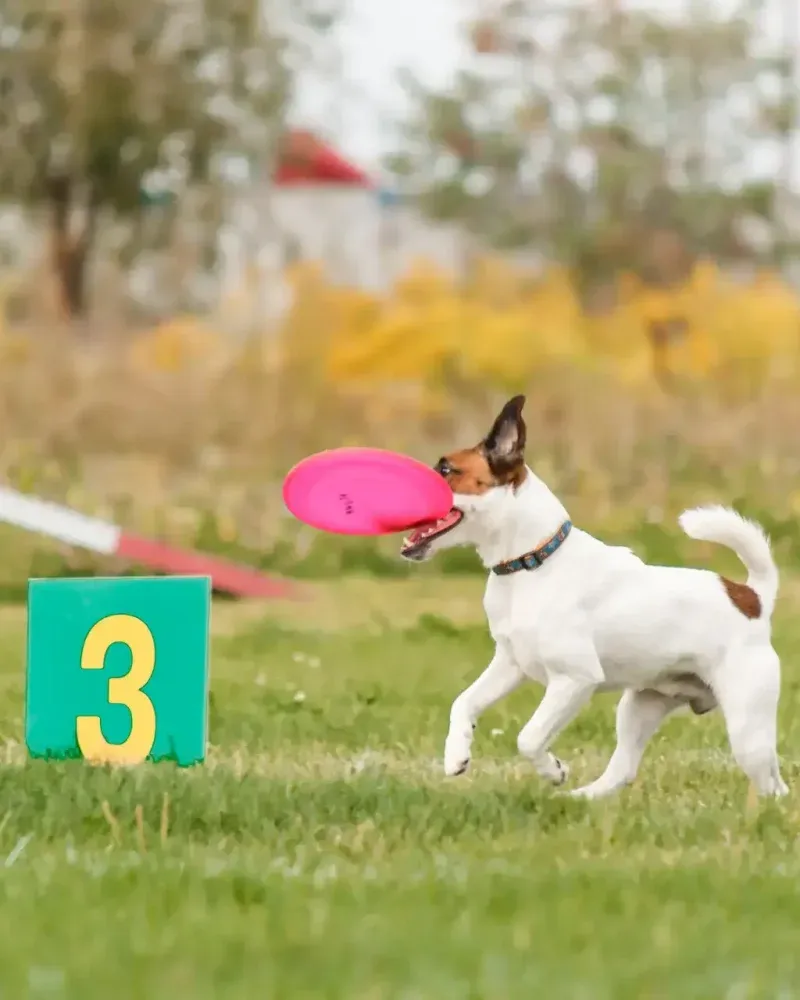
Inconsistency is confusing for dogs. If one family member allows jumping and another doesn’t, your dog won’t know what’s expected.
Establish and communicate clear rules within the household. Consistency across family members reinforces expectations.
With unified guidelines, your dog will learn appropriate behavior more quickly. Consistency breeds clarity, building a harmonious home environment.
Excited Voices at the Door
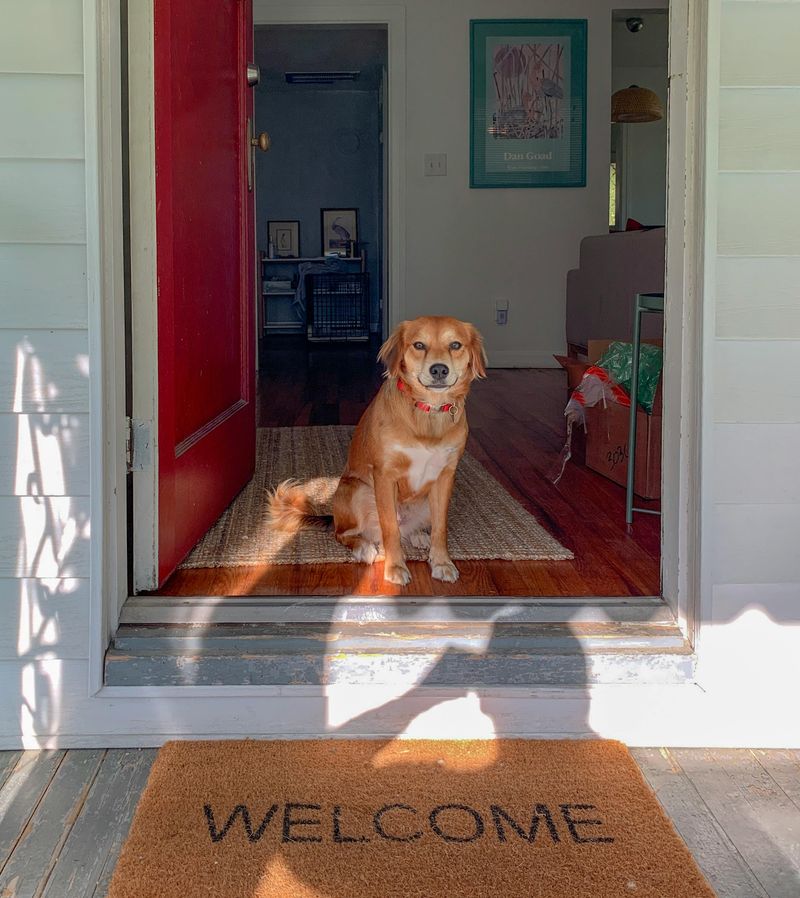
Excited voices can stimulate a dog’s jumping behavior. When family members or guests arrive with enthusiastic greetings, dogs may respond with leaps of joy.
Instead, encourage everyone to use a calm tone. This helps set a peaceful tone for interactions.
Your dog will quickly learn to mirror this energy level, leading to calmer greetings and a more relaxed atmosphere.
No Clear Place or Station During Arrivals
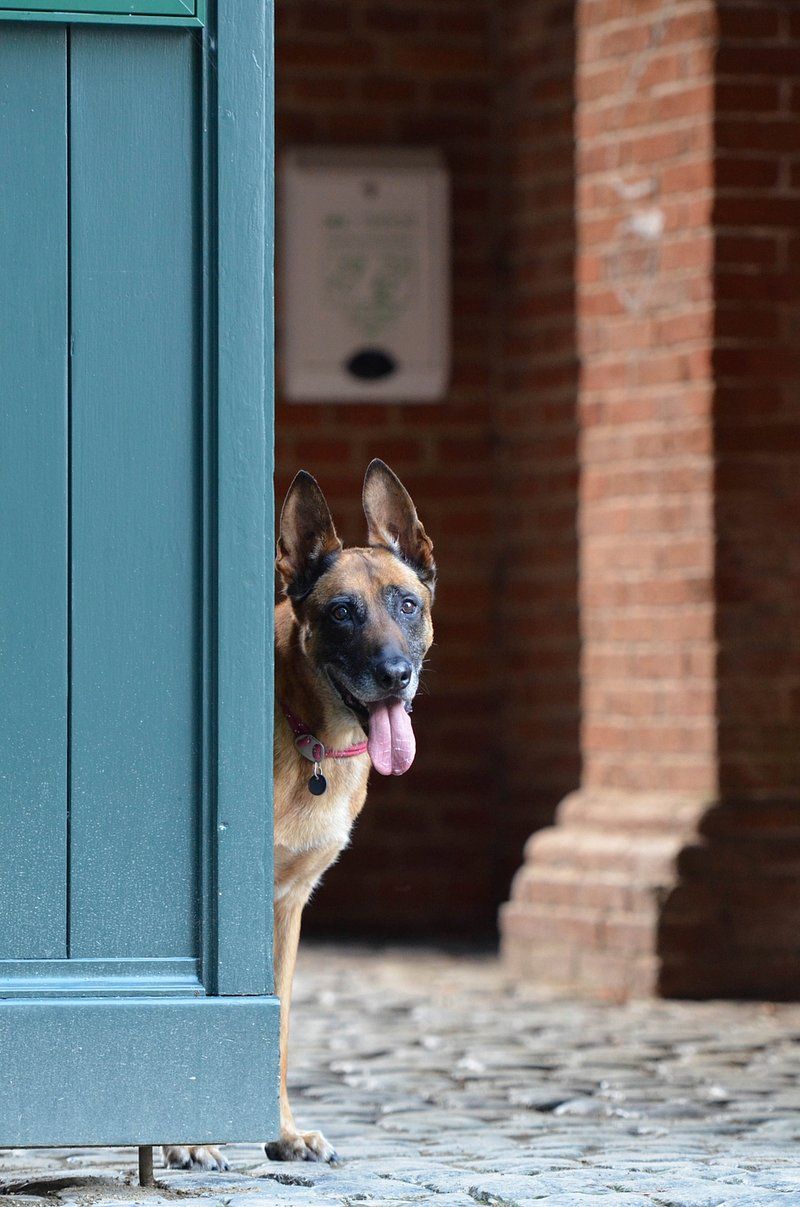
Without a designated spot during arrivals, dogs can become restless and jumpy. Establish a specific station, like a mat or bed, where your dog can wait calmly.
Practice this routine, rewarding them when they remain at their station as guests enter. This structure minimizes chaotic welcomes.
A defined place provides security and predictability, reducing jumping and promoting good behavior during guest visits.
Overstimulation Before Guests Enter
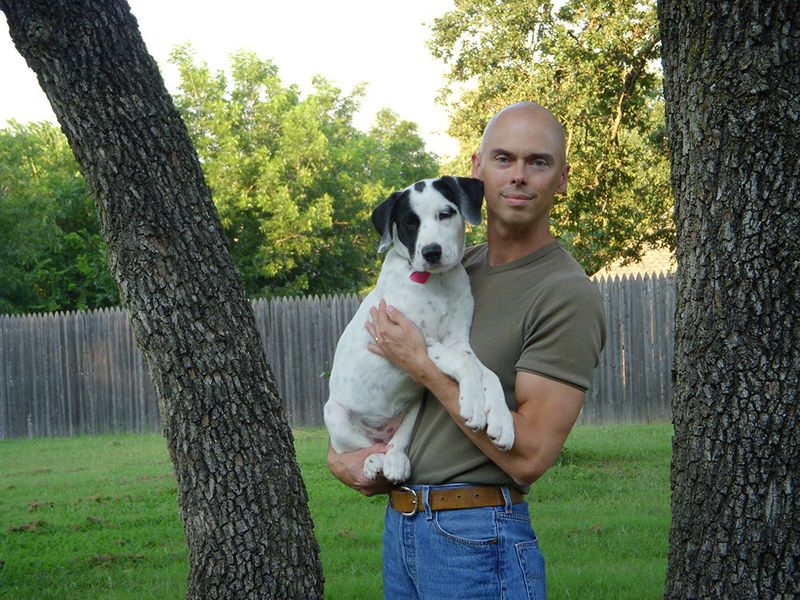
Overstimulating your dog with play or excitement right before guests arrive can lead to jumping. High energy levels increase the likelihood of bouncy greetings.
Wind down activities prior to arrivals, allowing your dog to relax. A calm environment minimizes excitement.
Preemptive calmness prevents jumping and sets a tranquil tone for guest interactions. It’s about managing energy before it peaks.
Ignoring Jumping Until It Gets Extreme
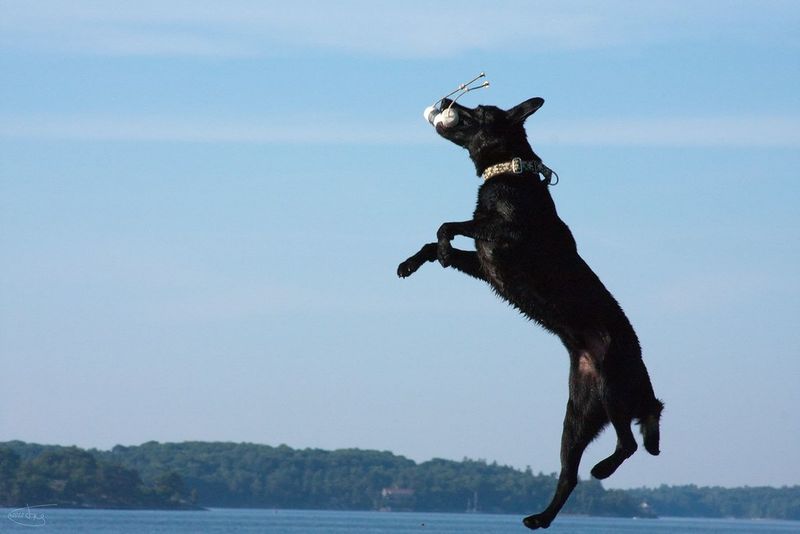
Ignoring jumping might seem like a solution, but waiting until it becomes extreme can reinforce the behavior. Address it early to prevent escalation.
Subtle redirection when jumping starts is more effective than waiting. Consistent, gentle correction is key.
Proactive management ensures that jumping doesn’t become a deeply ingrained habit. Early intervention guides better behavior.
Rewarding Too Late After the Dog Calms Down
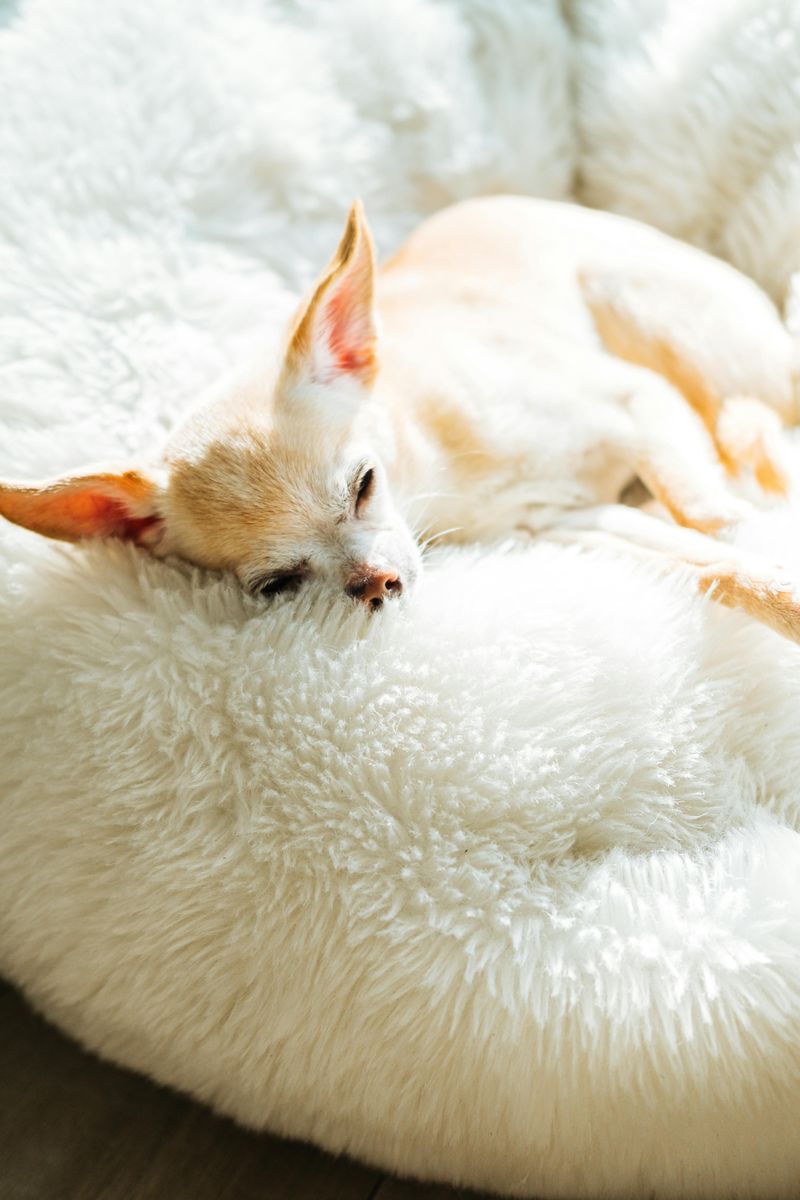
Timing is crucial when rewarding calm behavior. If you wait too long after your dog calms, they may not connect the reward with the desired behavior.
Promptly rewarding when they settle reinforces the behavior you want. Immediate rewards solidify the link between calmness and positive outcomes.
A well-timed reward system encourages consistent, desired behavior. Quick recognition fosters understanding and compliance.
Expecting Self-Control Without Teaching It
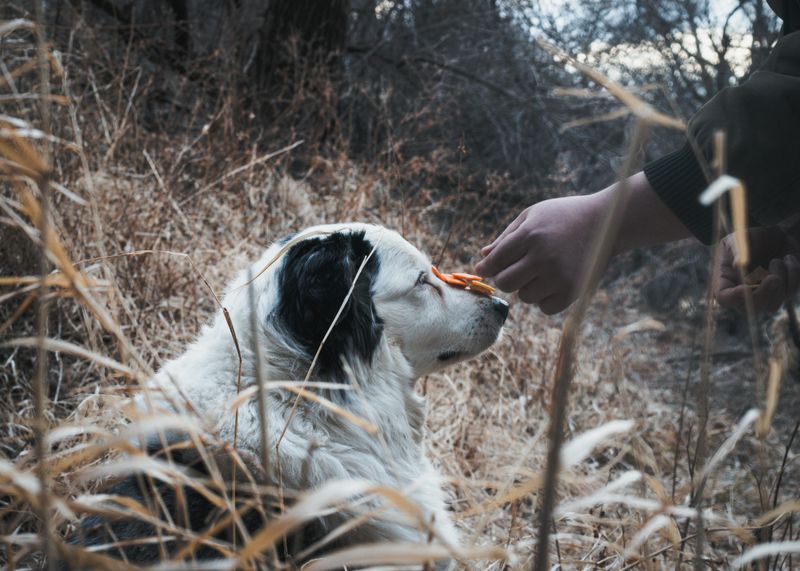
Expecting a dog to exhibit self-control without training is unrealistic. They need guidance to manage their impulses.
Teaching basic commands like “sit” or “stay” builds a foundation for self-control. Practice these regularly to strengthen discipline.
Structured training empowers your dog, providing them with tools to manage excitement. Patience and persistence cultivate calmness.