
Every time someone says stop treating dogs like babies, these adorable faces somehow take the heat. You probably know at least one of these breeds that loves cuddles, strollers, and tiny sweaters.
The truth sits somewhere between pampering and proper care, and that tension sparks nonstop arguments online. Let’s talk about the usual suspects and why they keep ending up in the middle of the debate.
French Bulldog
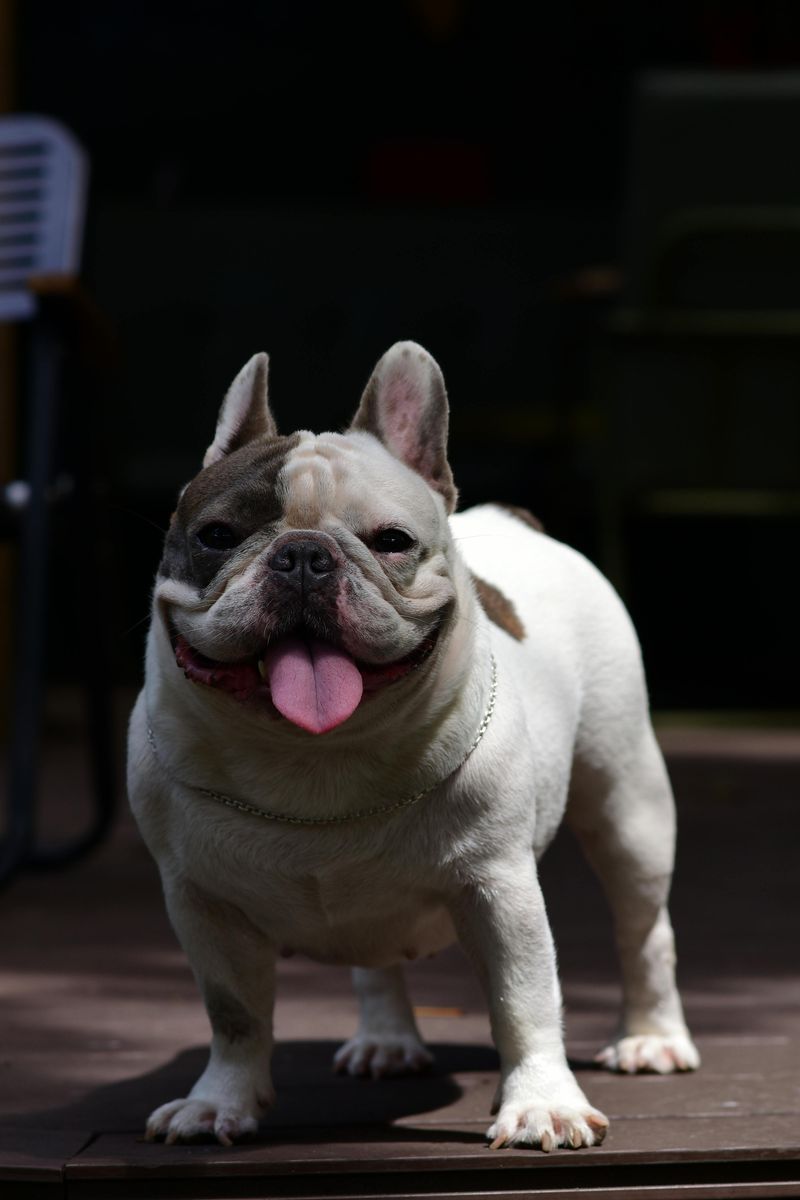
Frenchies show up in every treat-them-like-babies argument because they lean into affection. You pick them up, they melt.
They also have real needs, like temperature sensitivity and breathing concerns, which makes people interpret extra care as babying.
Strollers, cooling vests, and gentle walks are not spoiling. They are practical solutions for a brachycephalic companion in a human world.
You are not overreacting when you plan shade breaks and short sessions.
Boundaries still matter. Teach calm greetings, discourage resource guarding, and build confidence without constant carrying.
Give enrichment puzzles, balanced training, and vet-led health plans. Love them boldly, but let them be dogs.
English Bulldog
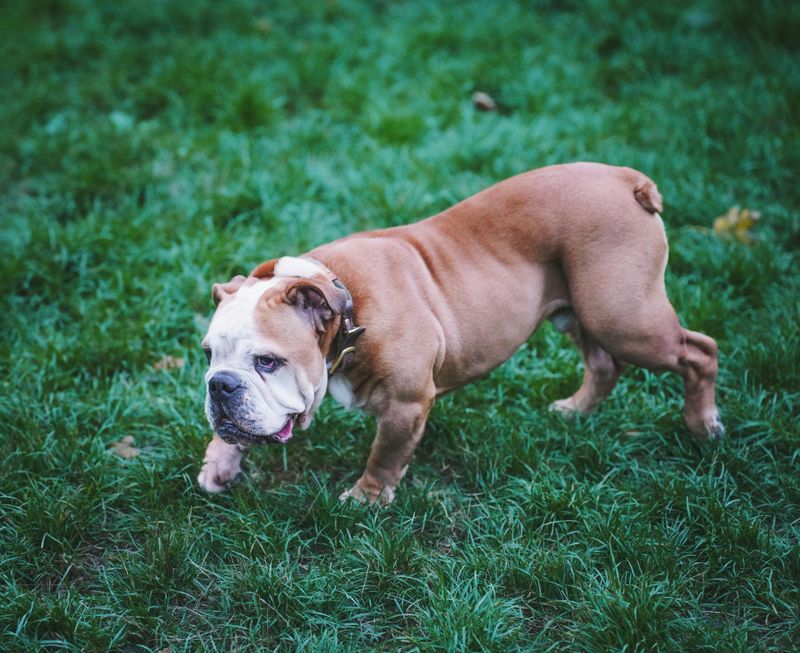
English Bulldogs trigger the stop babying them chorus the second someone sees a cooling mat or stroller. Yet their squat build and airway issues make heat a serious risk.
Extra planning looks like coddling, but it is simply responsible ownership.
You can still avoid treating them like glass. Use short, structured walks, reinforce polite leash manners, and practice low-impact exercise.
Keep nails trimmed and weight managed to protect joints and breathing.
Affection is wonderful, but skip the constant lifting and enable independence. Rotate enrichment, teach place training, and advocate at the vet for proactive airway evaluations.
Balanced care means comfort, structure, and realistic expectations without treating every grumble like a crisis.
Pug

Pugs are magnets for baby talk and sweater jokes, but that squishy face needs thoughtful care. People call it pampering when you pick cooler routes, slow the pace, or carry extra water.
Truth is, brachycephalic anatomy sets limits you cannot ignore.
Let your Pug be a dog with snuffle mats, trick training, and short, fun play sessions. Teach impulse control to balance the goofball energy.
Use a well-fitted harness to protect the neck and airway.
Spoiling is reliance on treats and constant coddling. Good care is paced exercise, weight control, vet collaboration, and calm routines.
You can cuddle fiercely while still building resilience, independence, and safe adventures that match their body.
Shih Tzu
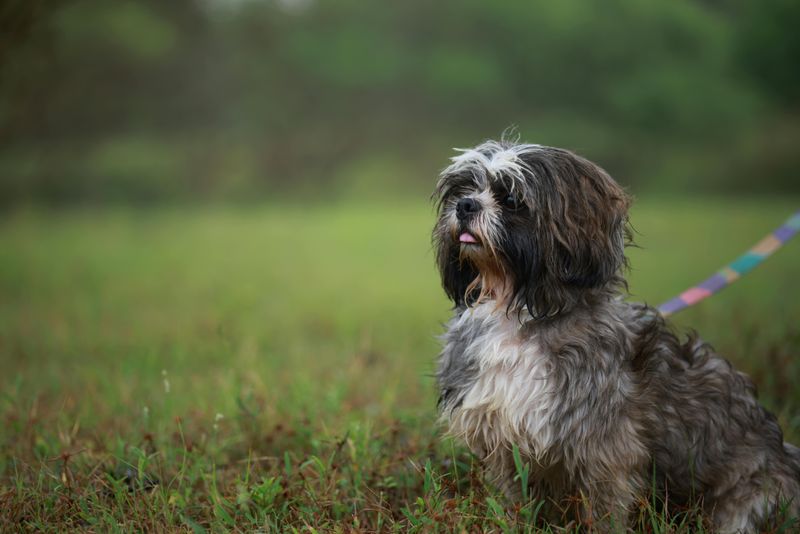
Shih Tzus often get labeled as pampered lap ornaments because their coats look salon-ready. But grooming is not vanity.
It is essential to prevent matting, discomfort, and eye irritation. Practical trims and eye care support real wellbeing.
You can ditch the constant carrying and still enjoy snuggles. Encourage confident walking, polite greetings, and short skill sessions.
Teach settle on a mat so the dog learns calm without being cradled every minute.
Choose breathable harnesses, keep tear stains clean, and prioritize dental routines. Rotate toys and puzzles to fight boredom.
When strangers say stop babying that dog, you can smile, because your structured affection, clear boundaries, and daily maintenance hit the healthy middle ground.
Maltese
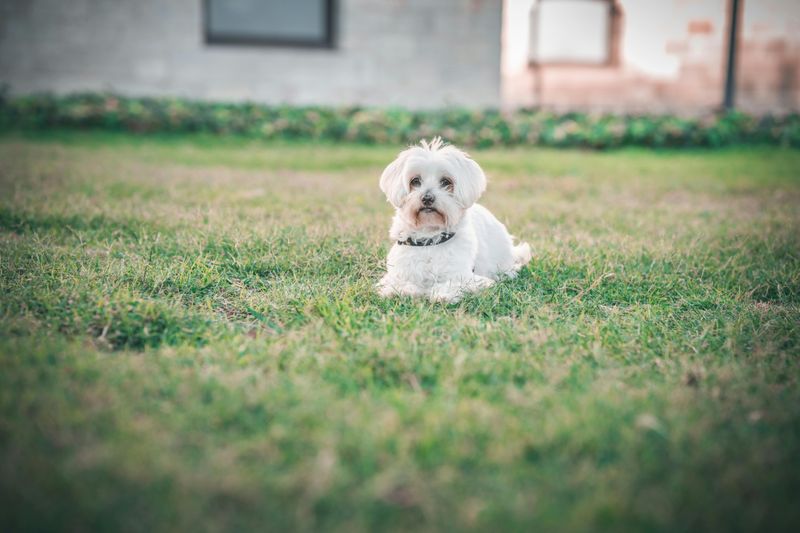
The Maltese looks like a storybook cherub, which makes people assume constant pampering. Yes, the coat needs brushing and gentle detangling.
That is healthcare, not babying. Eye care, dental upkeep, and skin-friendly shampoos keep them comfortable.
Balance the glam with grit. Practice loose-leash walking, recall games, and short confidence-building obstacles at home.
Encourage independent settling rather than nonstop lap time, so you avoid separation meltdowns.
Use lightweight harnesses and mental puzzles to satisfy an alert little brain. Keep training sessions upbeat and brief.
When someone rolls their eyes at your grooming bag, remember you are meeting a breed’s needs while teaching resilience and calm routines that prevent fragile behavior.
Yorkshire Terrier
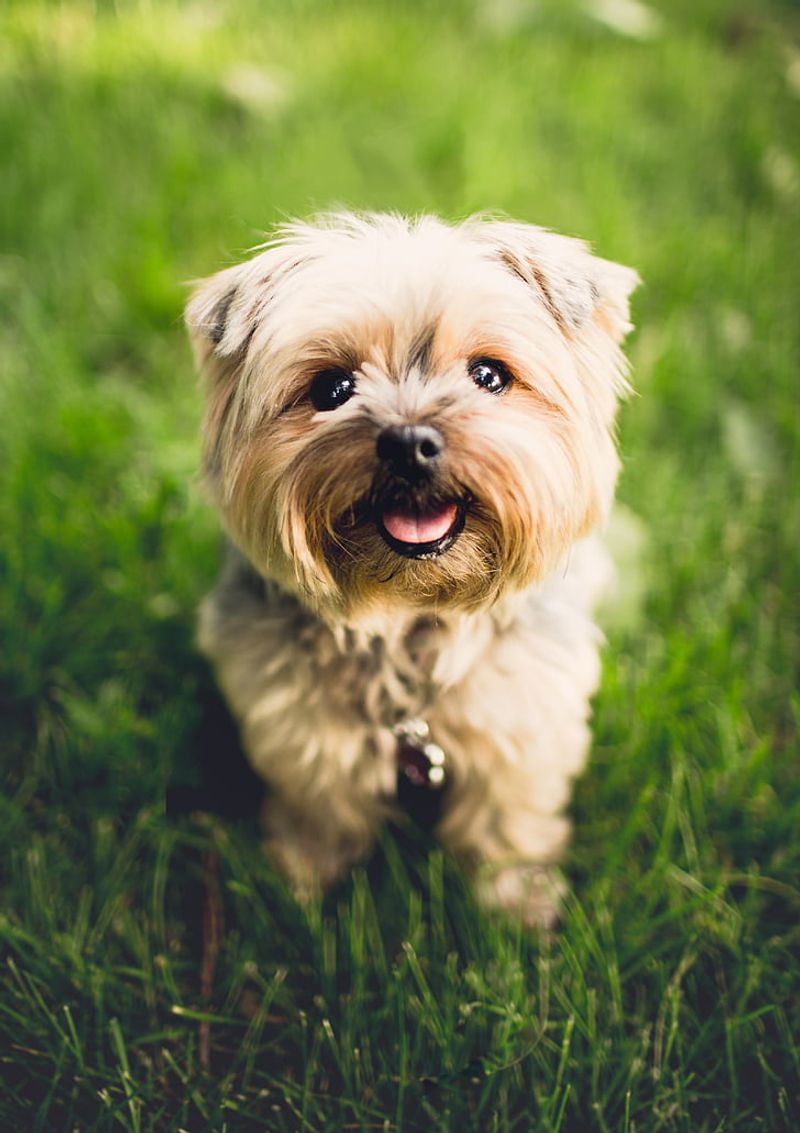
Yorkies get tucked into designer bags and then accused of being treated like babies. The truth is they are terriers with big opinions and sharp minds.
Constant carrying fuels reactivity, while structured walking builds confidence.
Keep grooming practical, not performative. Trim hair around eyes, manage nails, and prevent mats.
Use short training bursts for focus, loose-leash skills, and polite greetings to curb the tiny dictator routine.
Rotate scent games, fetch corridors, and puzzle feeders. Teach place so the dog can relax without clinging.
Show the world that good care means independence, fitness, and clear rules, not permanent purse residency or sugary treats every time those bright eyes sparkle.
Chihuahua
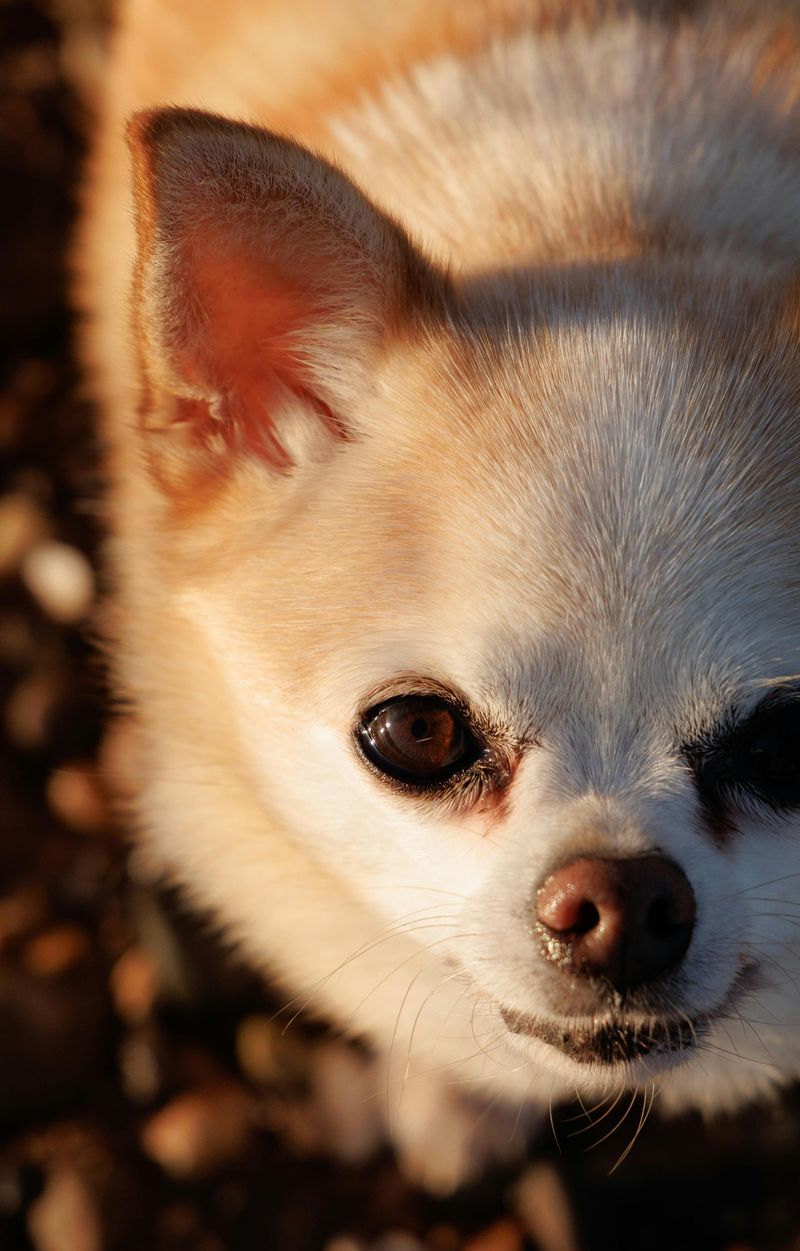
Chihuahuas are tiny, and people scoop them up like fragile trinkets. That can unintentionally feed anxiety and snappiness.
Let them walk, sniff, and explore. A well-fitted harness and gradual exposure to sights and sounds build real courage.
High-pitched baby talk and constant cuddling might feel sweet, but dogs crave clarity. Teach solid recall, hand target, and settle.
Reward calm choices rather than frantic attention seeking.
Keep them warm with practical layers in cold weather, not novelty costumes daily. Provide chew options, puzzle feeders, and predictable routines.
You are not heartless by setting boundaries. You are helping a small dog grow sturdy in spirit, instead of living under a permanent blanket of worry.
Pomeranian
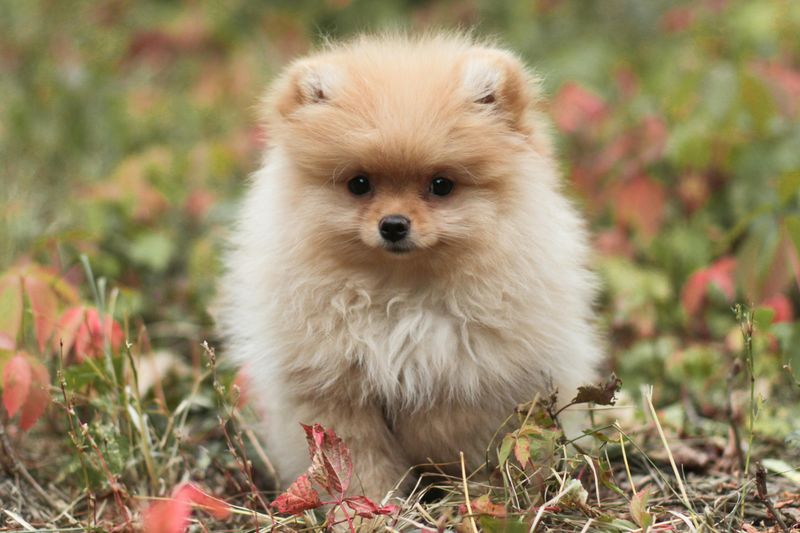
Pomeranians look like plush toys, so people assume stroller life and endless babying. Yet they are spunky, alert companions who thrive on brain work and brisk mini adventures.
Over-carrying can magnify barking and insecurity.
Channel that foxlike energy with tricks, short agility-style games, and scatter feeding. Use a snug harness, keep coat maintenance consistent, and watch for heat under all that fluff.
Weight control matters more than bows and bows.
Affection is great, rituals are helpful, and boundaries are everything. Reward quiet, confident choices instead of frantic cuteness.
When someone says stop treating that dog like a baby, your plan shows otherwise: exercise, enrichment, training, and a joyfully independent little lion.
Dachshund
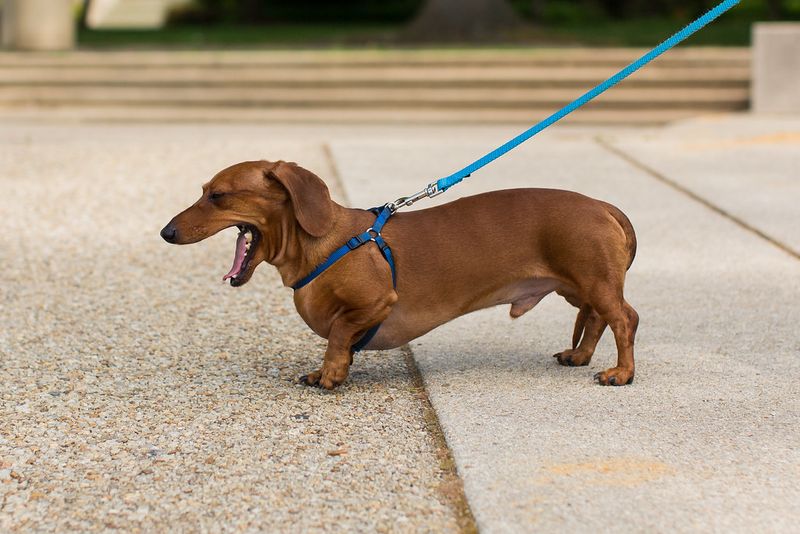
Dachshunds often get carried too much because people fear back injuries. Caution is smart, but wrapping them in bubble wrap creates different problems.
Teach safe movement, use ramps, and keep jumping minimal while still letting them explore.
Structured strength work matters. Short walks on soft ground, controlled stairs, and core-building exercises help the long back.
A fitted harness supports the chest without neck strain.
They are brave scent hounds, not porcelain ornaments. Play nosework, tug with rules, and impulse control games.
Manage weight like a hawk to protect the spine. When critics shout stop babying, your approach blends prevention with confidence, proving careful does not equal coddled.
Boston Terrier
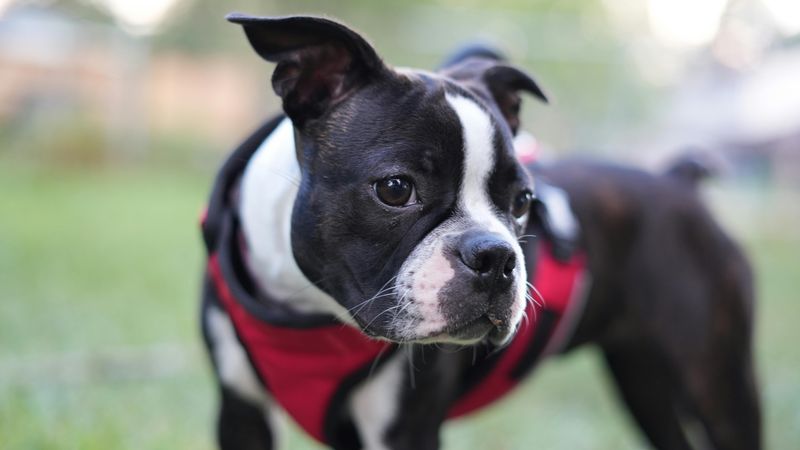
Boston Terriers get painted as pampered because owners watch heat, eyes, and breathing. That vigilance is not babying.
It is respect for a compact, athletic dog with brachycephalic quirks.
Offer short, spirited play bursts, then structured rest. Teach fetch rules, polite drop, and calm greetings to prevent overarousal spirals.
Keep eyes protected from pokes and wind, and choose harnesses that do not press the throat.
Balance high-fun energy with clear boundaries. Use puzzles, trick chains, and place training.
When onlookers scoff at cooling breaks, you can know you are doing right by your dog, delivering fitness, enrichment, and safety without wrapping life in bubble wrap.
Cavalier King Charles Spaniel
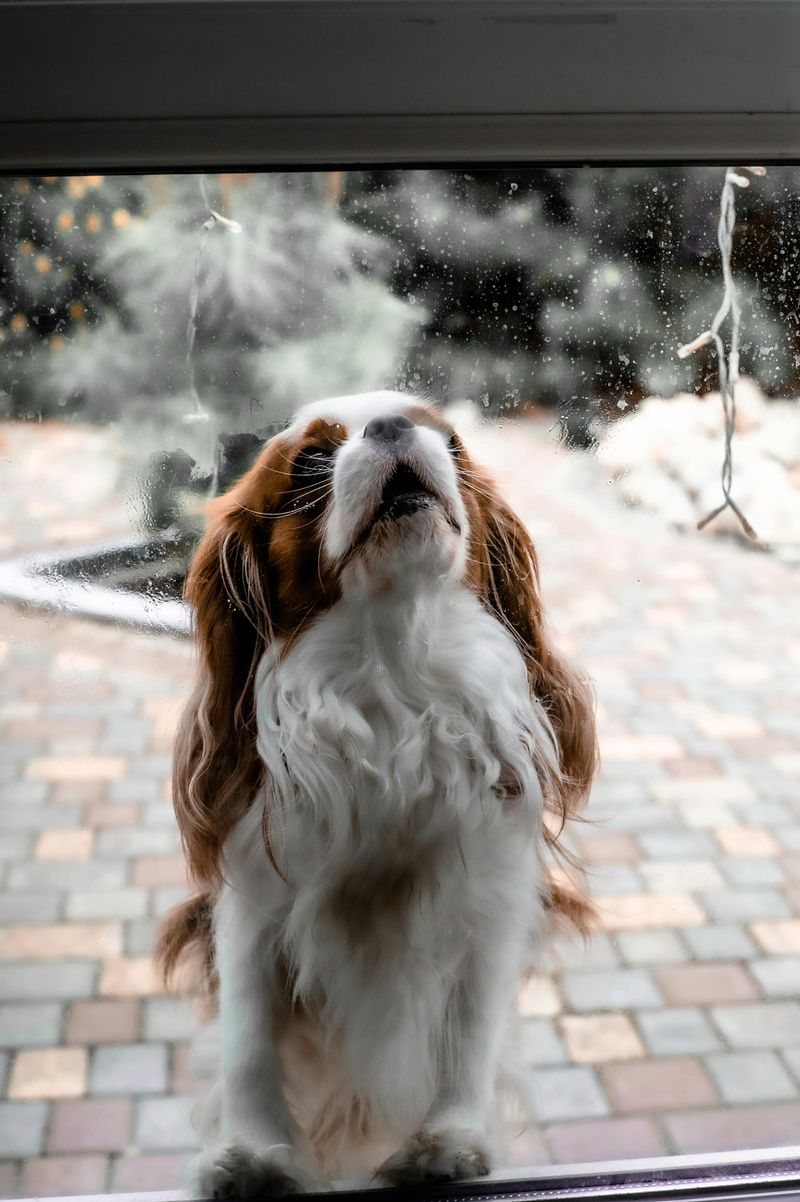
Cavaliers look delicate, so people default to constant cradle mode. But this spaniel has a true sporting heart.
Gentle exercise and mental games help prevent clinginess and keep joints happy.
Health screening for hearts and eyes is essential, not overprotective. Keep walks moderate, watch heat, and maintain weight with measured meals.
Regular grooming prevents ear tangles and skin irritation.
Teach independence through crate or mat time, and reward calm, confident choices. Trick training, scent work, and recall games tap their gentle drive.
When someone says stop treating that dog like a baby, your balanced routine shows love with structure, not smothering sweetness, honoring both softness and spirit.
Havanese
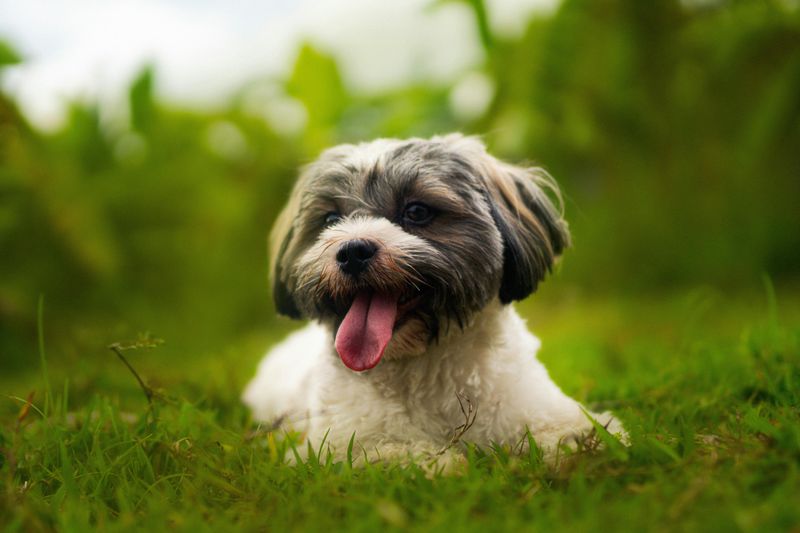
Havanese are social butterflies, which tempts people to keep them glued to a lap. That can backfire into separation stress.
Build independence with short alone-time reps, scatter feeding, and rewarding relaxed behavior.
Grooming is routine healthcare, not pageantry. Brush, detangle, and keep eyes clean.
Keep play sessions brisk and upbeat. Light agility-style games help coordination without overtaxing joints.
Teach polite greetings so friendliness does not tip into chaos. Use a soft harness and keep training short and rewarding.
You are not babying by meeting coat, social, and mental needs. You are crafting a confident companion that handles cuddles and alone time with equal grace.
Bichon Frise
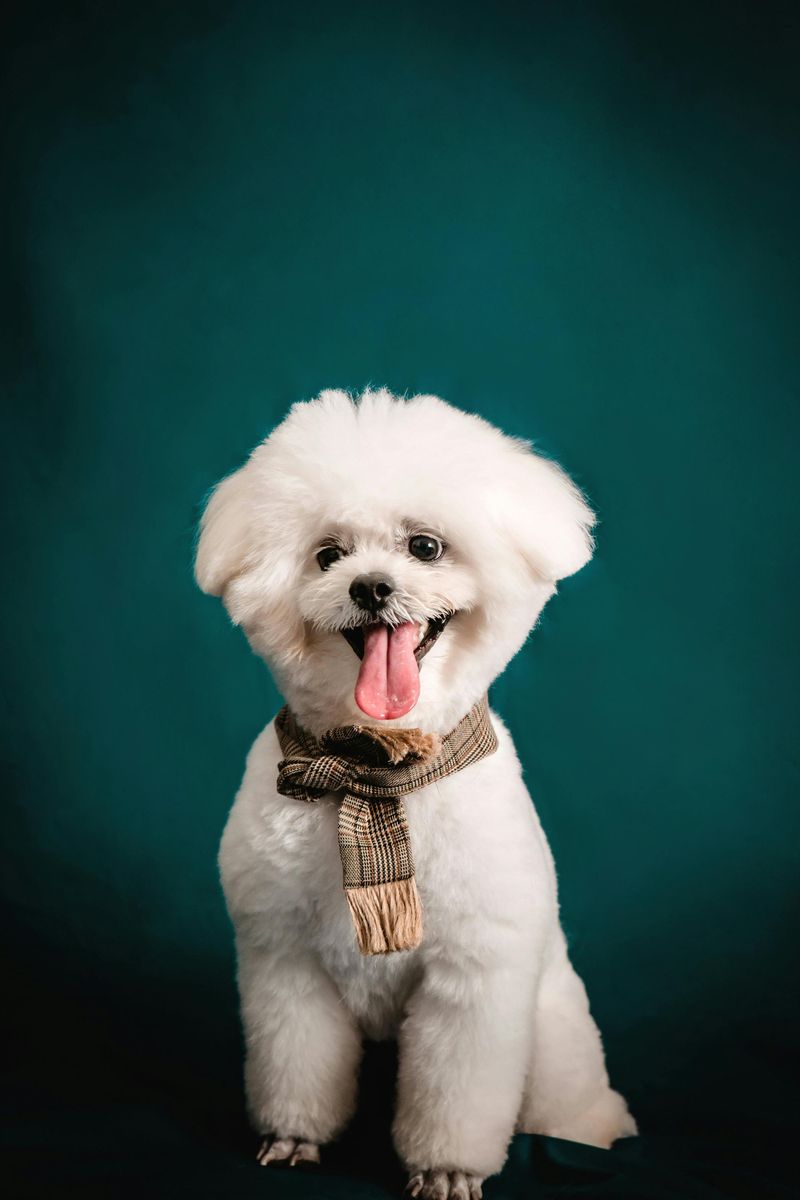
Bichons are cloud-soft charmers, so people assume endless spoiling. Yet this breed shines with structure.
Regular grooming, dental care, and skin-friendly products are essentials, not indulgences.
Channel their cheerful energy into obedience games, shaping tricks, and scent hunts. Short, frequent walks beat long marathons.
Teach calm door manners to avoid jumping and yapping spirals.
Use enrichment instead of constant treats. Rotate puzzle feeders, flirt pole play with rules, and place work for downtime.
Affection is plentiful, but boundaries keep the fluff from running the household. When critics complain about baby treatment, your routine proves you are raising a resilient cotton puff with brains and bounce.
Pekingese
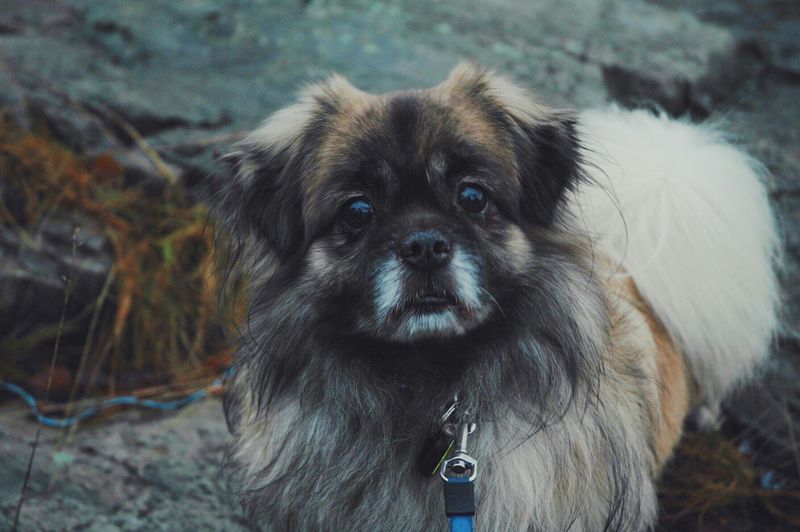
Pekingese carry royal vibes, which tempts people to treat them like delicate heirlooms. While their build and coat deserve respect, they still need agency.
Let them walk, sniff, and choose routes within safe limits.
Regular grooming prevents mats and discomfort. Keep walks short and cool, watch weight, and use a chest harness to protect the neck.
Calm training builds confidence without pressure.
Affection should not replace structure. Reward polite behavior, practice settle, and introduce gentle puzzle feeders.
When someone says stop treating that dog like a baby, you can nod, because your plan mixes dignity, health management, and small-dog independence with quiet, steadfast care.