
Flat faces look adorable, but cuteness does not move air. If you love these dogs, you owe them spaces, schedules, and habits that protect their breathing.
This guide gives you practical, loving rules tailored to the breeds most at risk, so you can prevent scary vet visits and daily discomfort. Let’s keep the snuggles and ditch the struggle by making breath-friendly choices every day.
French Bulldog
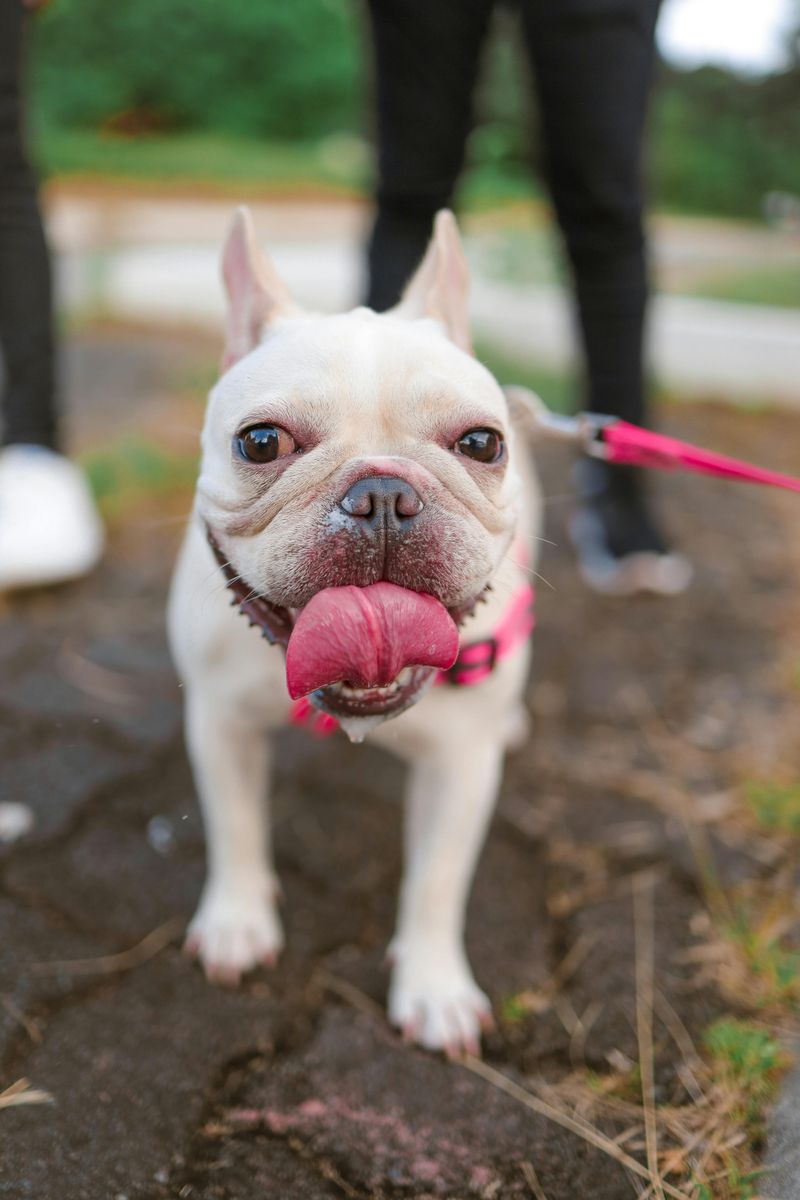
Frenchies are irresistible, but airflow comes first. Choose a well-fitted harness to avoid neck pressure, and keep walks short during warm hours.
Indoors, use fans, cooling mats, and shaded rooms that stay calm and quiet.
Prioritize sniffaris over sprints. Let your dog explore at a slow pace, with frequent water breaks and a carry option for hot days.
Skip crowded patios and opt for early morning errands where your pup can relax and breathe.
Train a solid settle cue so excitement does not spiral into panting. Keep treats soft to reduce gulping, and schedule regular vet checks for nostril and airway assessment.
Cute is nice, but comfort and safety win.
English Bulldog
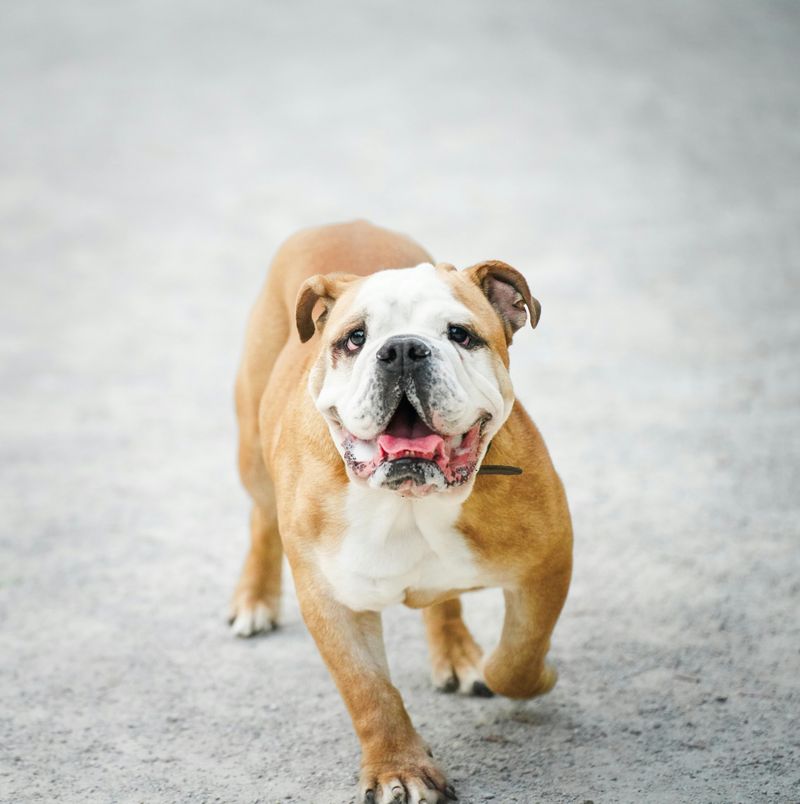
English Bulldogs are lovable couch companions, but they overheat quickly. Build your day around cool temps: dawn potty walks, indoor play, and midday naps.
A cooling vest and non-restrictive harness are must-haves for pressure-free breathing.
Keep exercise low impact. Use puzzle feeders and snuffle mats to satisfy their brains without spiking panting.
Elevate water bowls slightly to reduce neck strain and allow smoother swallowing.
Skip stairs marathons and stick to short, smooth surfaces. At the vet, ask about nostril widening or soft palate evaluation if snoring seems excessive.
You are the thermostat and the pace car for this breed, so choose environments that favor slow, easy air.
Pug
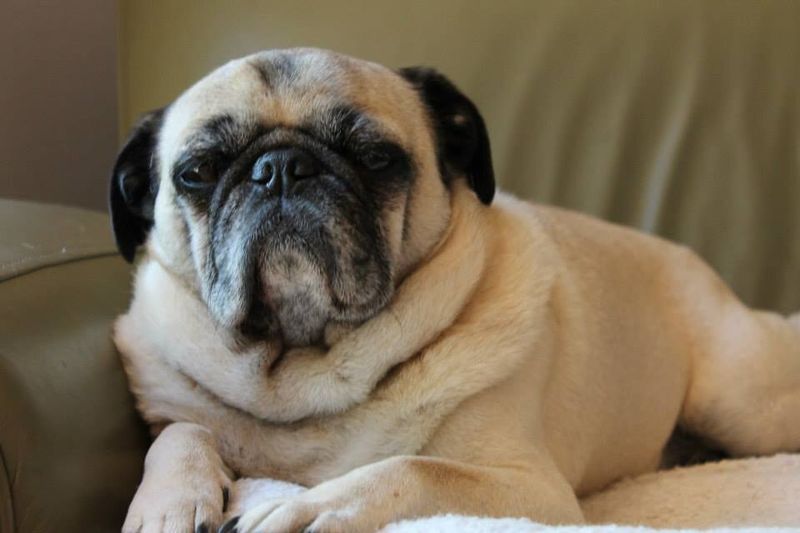
Pugs are comedians, but breath control is serious business. Keep indoor humidity moderate and provide cool tile or a gel mat for daily lounging.
Use a harness with a wide chest plate that avoids throat pressure and lets ribs expand.
Make fun low intensity. Practice nose-targeting games and short training bursts with frequent rests.
Slow-feeders help prevent frantic gulping that can trigger coughing or gagging.
Plan social time thoughtfully. Avoid crowded dog parks and choose quiet meetups with calm buddies.
During hot spells, keep potty breaks brief and bring water everywhere. Regular vet checks for nares and palate, plus weight management, do more for your Pug’s happiness than any costume ever will.
Boston Terrier
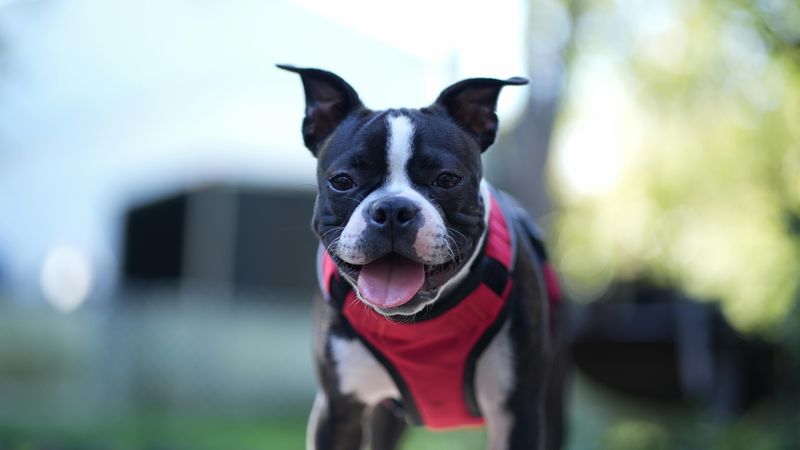
Boston Terriers love to hustle, yet they need a breathable plan. Choose mesh harnesses that do not pinch, and schedule exercise when pavement is cool.
Keep sessions playful but short, then switch to brain games indoors.
Teach calm greetings to avoid excited panting. Practice settle routines on a mat with gentle chews and quiet praise.
Bring a collapsible bowl on every outing, and use shade breaks as part of the game.
Monitor snorts and reverse sneezes. If they increase, dial back activity and call your vet for guidance on airway evaluation.
Keep rooms ventilated and avoid scented candles or smoke. Your Boston’s style shines brightest when their breathing stays smooth and easy.
Boxer
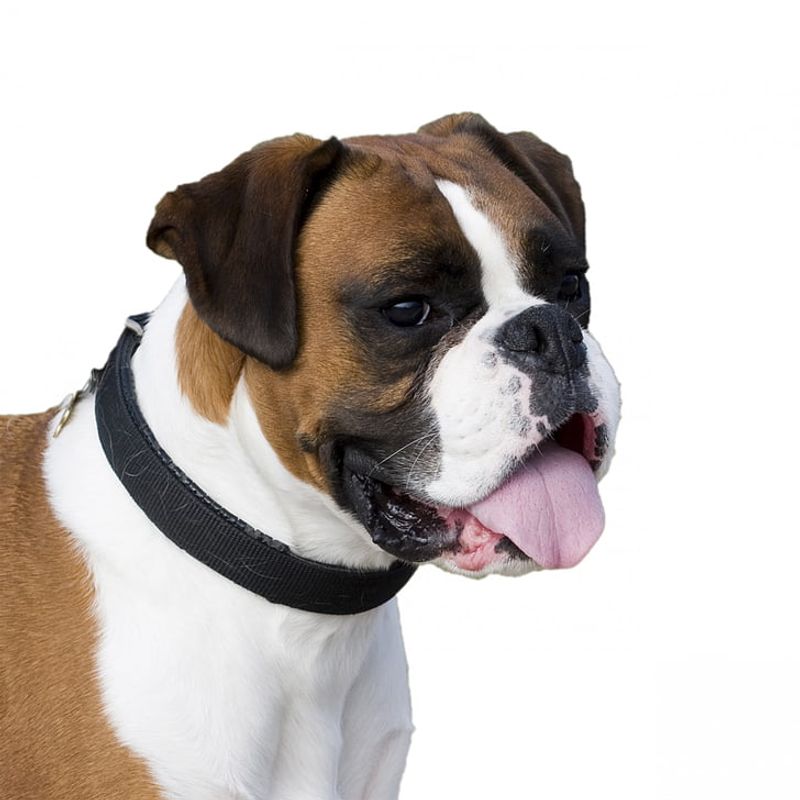
Boxers are athletic, but many still have shortened snouts that dislike heat and speed. Keep runs conservative and favor shaded trails.
Use a padded Y-harness, offering frequent water and sniff stops to keep respiration controlled.
Watch for tongue color changes and exaggerated panting. If they appear, pause immediately and cool down with shade and damp cloths.
Indoors, create breezy zones and rotate low-impact strength work like tug and controlled stairs.
Play to their goofy heart without gassing them. Fetch becomes two throws, then rest.
Train impulse control to prevent over-arousal spirals. Regular vet airway checks and lean body condition help your Boxer breathe easier, enjoy life longer, and still feel like the champion they are.
Pekingese
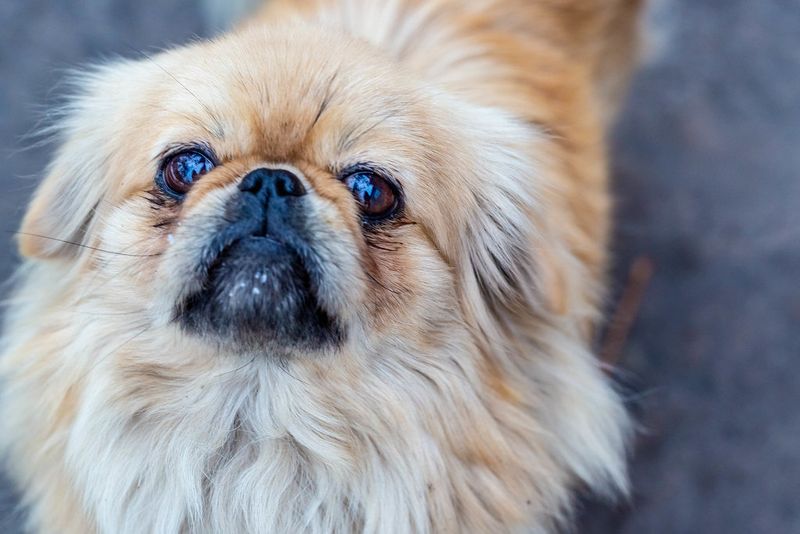
Pekingese charm hides fragile airways. Keep their world calm, cool, and draft-balanced.
A raised mesh bed, light fans, and quiet rooms prevent overheating. Trim facial hair to keep nostrils clear, and use a flat, soft harness that does not press the throat.
Exercise is a gentle stroll followed by cozy downtime. Swap high-energy games for scent work or foraging boxes.
Offer cool water often, and avoid humid bathrooms or sun-baked patios.
Watch for noisy breathing or blue-tinged gums and respond fast with rest and cooling. Schedule regular vet exams to discuss nares and palate.
You can absolutely spoil a Peke while also protecting every breath, which is the most loving luxury of all.
Shih Tzu
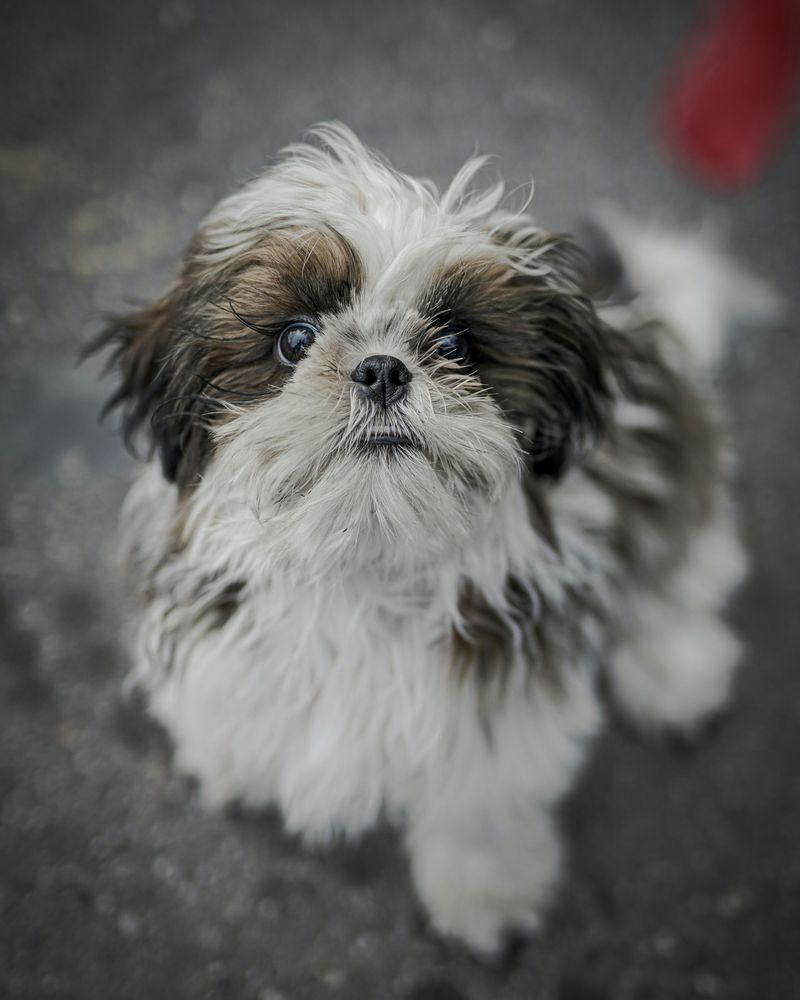
Shih Tzus thrive on gentle routines. Keep hair neat around the nose and eyes to open airflow and visibility.
Step-in harnesses prevent neck compression, and slow garden walks beat long midday outings.
Hydration matters, so carry water and offer frequent sips. Indoors, use fans and breathable bedding, avoiding heavy blankets that trap heat.
Rotate calming puzzle toys that do not encourage frantic play.
Teach your dog to relax on cue, then reward quiet breaths. If snoring worsens or exercise tolerance drops, talk to your vet about airway evaluation.
Small changes, like cooler rooms and shorter bursts of movement, make a big difference. Your Shih Tzu will thank you with peaceful naps and bright, easy mornings.
Japanese Chin
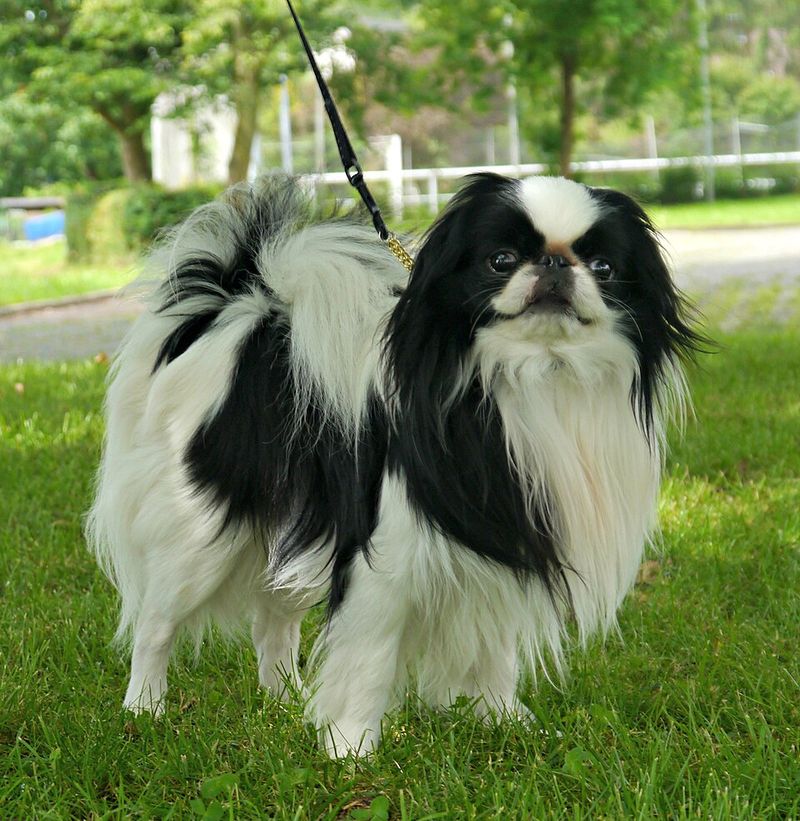
Japanese Chins are delicate and elegant, so treat airflow like a precious resource. Keep their environment serene, with filtered light, minimal heat, and a water fountain that encourages frequent drinking.
Use a featherlight harness and avoid neck pressure completely.
Exercise is a brief flirt with the outdoors, preferably at dawn or dusk. Practice slow tricks inside and use soft treats that do not trigger gulping.
Reduce dust and fragrance indoors to minimize irritation.
Travel with a cooling pad and avoid cramped carriers. If breathing sounds rough or recovery takes long, pause and consult your vet about nares and palate.
Loving this breed means curating ease, quiet, and every gentle breath they take.
Bullmastiff
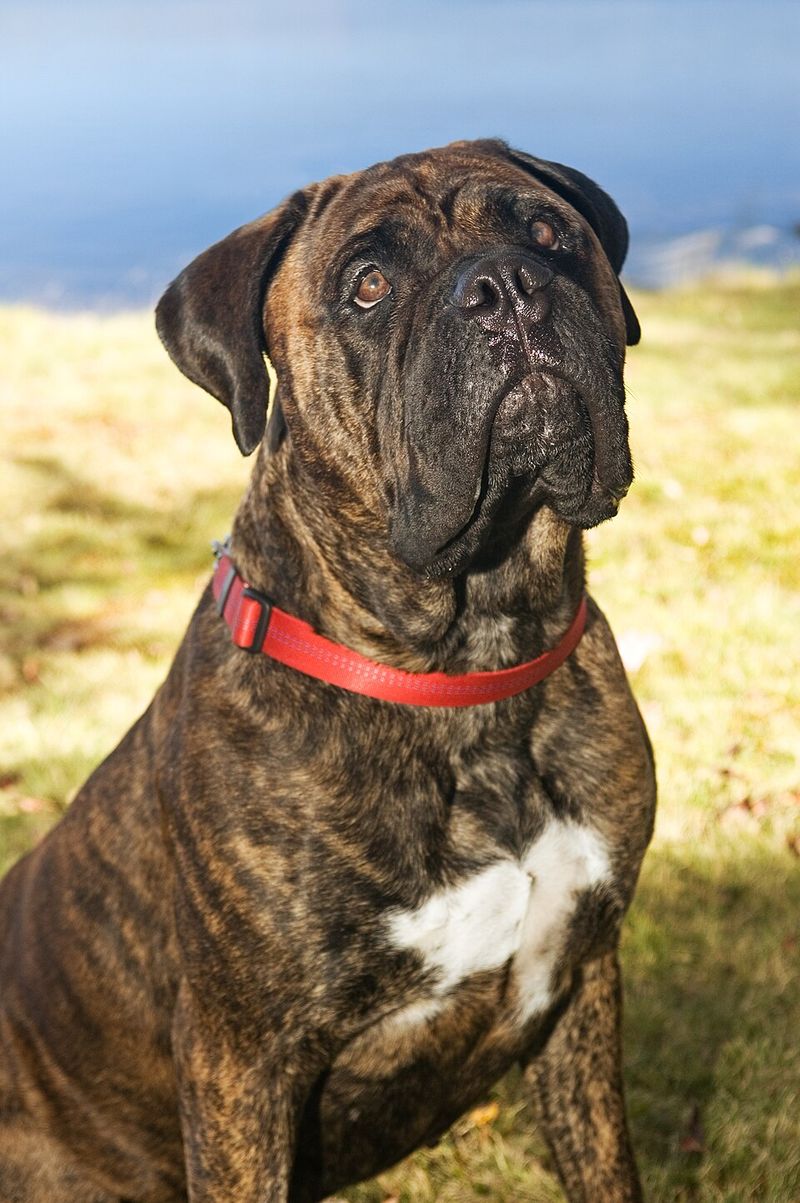
Bullmastiffs bring power and presence, but heavy bodies plus shortened muzzles raise heat risk. Keep outings short, shaded, and slow.
Use a breathable harness that spreads pressure, and schedule training in cool hours with generous rest windows.
Weight control is a kindness. Choose low-impact strength games, like controlled tug and brief uphill walks, then recover in shade with water.
Indoors, maintain airflow and consider cooling mats for those deep naps.
Learn their early fatigue signals: drool strings, wide tongue, delayed recovery. If you see them, stop and cool immediately.
Regular vet checks for airway health matter, as do calm greetings that prevent panting spikes. Your steady pace protects this gentle guardian’s breath.
Dogue de Bordeaux
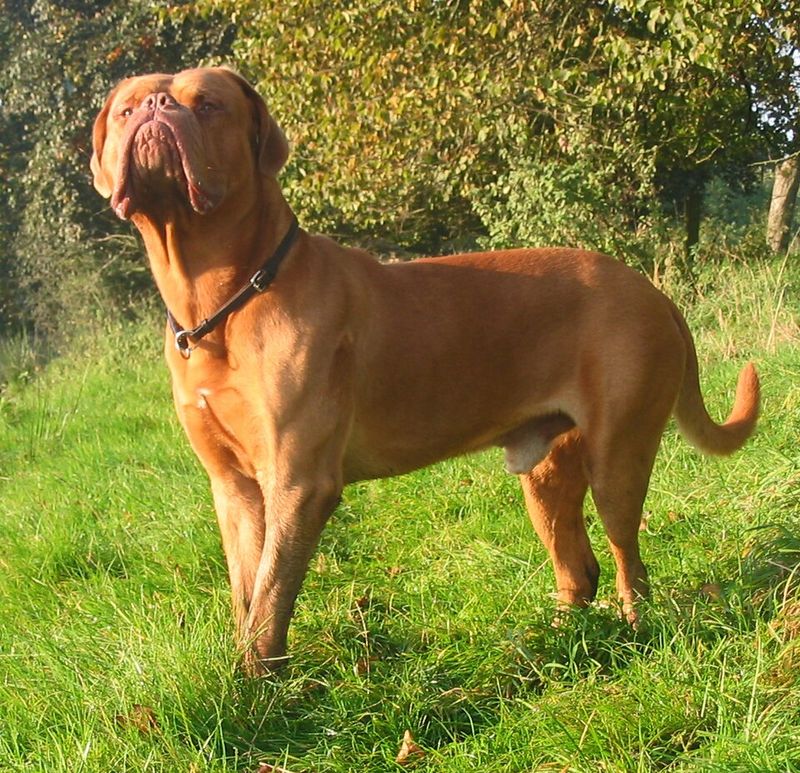
The Dogue de Bordeaux is a warm-hearted giant with a vulnerable airway. Heat is the enemy, so plan life around cooler hours, shade, and quiet spaces.
A wide padded harness supports the chest while sparing the neck.
Keep movement measured. Two short strolls and indoor scent games beat long hikes.
Offer big water bowls and teach calm behaviors that avoid panting spikes. Cooling mats and fans are not luxuries here, they are essentials.
Stay vigilant for raspy sounds, slow recovery, or gum color changes. If trouble appears, stop, cool, and call your vet.
Breathe-friendly routines let this noble companion stay comfortable, connected, and wonderfully present without sacrificing safety.