
The wolf-look turns heads, but a striking coat and amber eyes do not walk themselves, train themselves, or fit every lifestyle. If you are tempted by those wild aesthetics, pause and ask whether your daily routine matches the engine under that fur.
These breeds can be brilliant, loyal, and unforgettable, yet they demand time, training, and respect. Let us unpack the truth so you can choose with clarity, not just a pretty picture.
Czechoslovakian Wolfdog
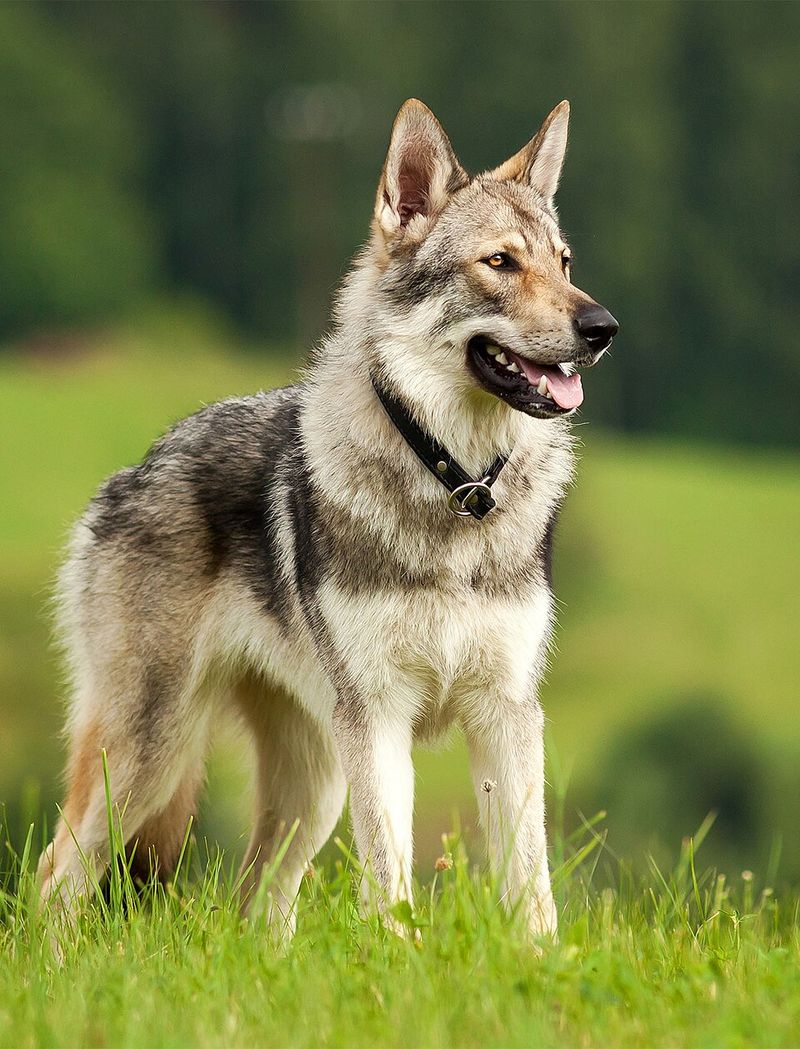
The Czechoslovakian Wolfdog looks cinematic, which is exactly why people get in trouble. Behind the sharp silhouette sits a serious working dog with bottomless energy, intense drive, and notable independence.
Without daily jobs and structured training, this breed invents its own entertainment, often by remodeling your walls.
You need time for tracking games, long runs, and problem solving. Socialization cannot wait, and recall takes months of patient practice.
If you want obedient companionship, invest in distance commands, long lines, and consistent boundaries.
They bond deeply yet do not live to please. You must lead calmly, give fair rules, and expect teenage pushback.
Choose this breed for purpose, not photos.
Saarloos Wolfdog
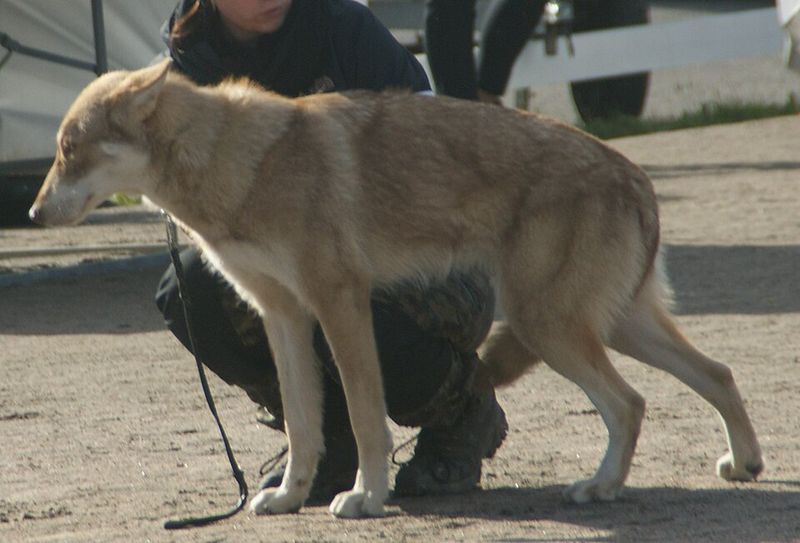
The Saarloos Wolfdog wears a quiet, ethereal look, but aloofness is part of the package. This breed can be cautious with strangers and easily overwhelmed by chaotic environments.
You will need patient exposure to city sounds, polite greetings, and calm handling.
They are sensitive, so heavy-handed methods backfire fast. Use distance, choice, and gentle reinforcement to build trust.
Exercise should focus on steady endurance walks, scent work, and controlled off leash time in secure areas.
Security matters because flight is a common coping strategy. Fences must be tall, gates latched, and boredom reduced.
If you want a social butterfly, look elsewhere. If you want a thoughtful partner, proceed carefully and honestly.
Tamaskan Dog
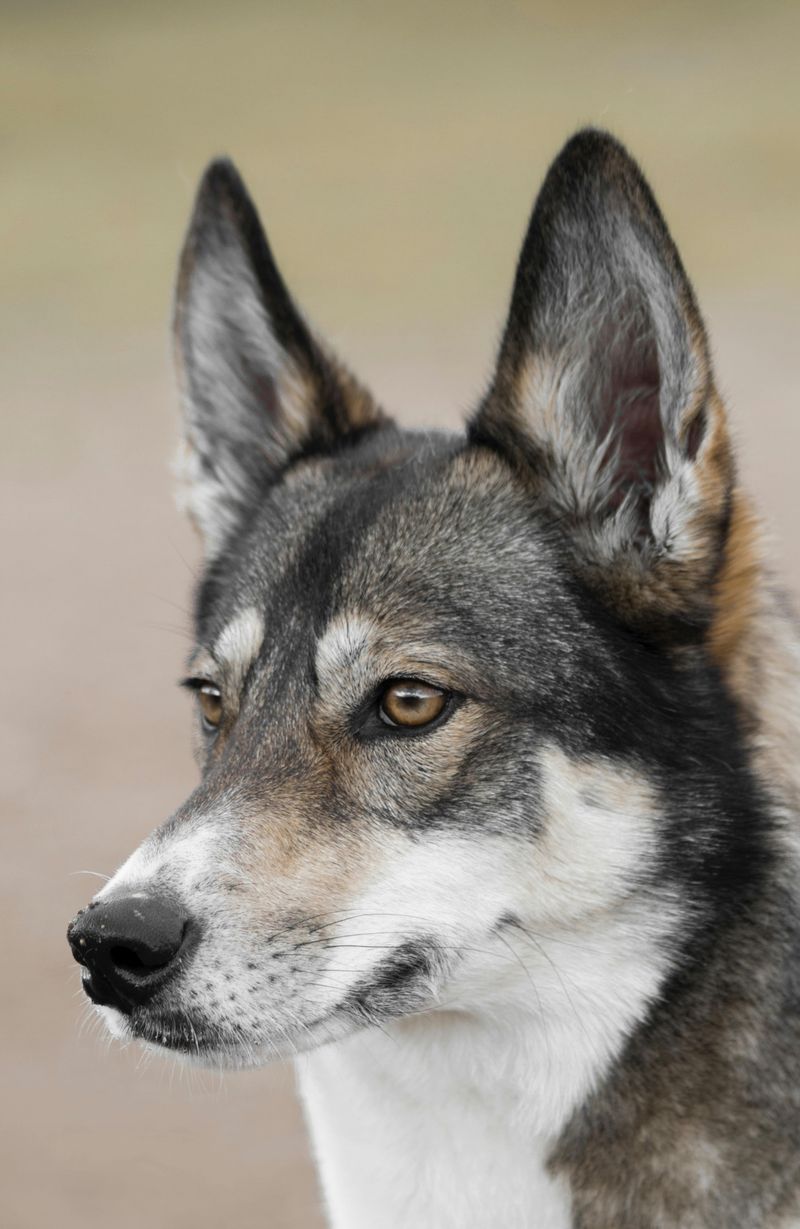
The Tamaskan Dog resembles a storybook wolf, yet the day to day is about stamina and brainwork. Expect a social, active companion that needs long hikes, canicross, or bikejoring to stay sane.
Skipping exercise turns enthusiasm into destruction.
They often enjoy training but require novelty to stay engaged. Rotate cues, add puzzles, and use scent games.
Grooming is seasonal chaos, so embrace heavy shedding and a robust vacuum.
Separation tolerance varies. Crate training, stuffed Kongs, and predictable routines help prevent anxiety.
Dog parks are not universal fun, so supervise carefully and advocate for space. Choose this breed if you want a teammate for outdoor adventures, not a decorative couch accessory.
Siberian Husky
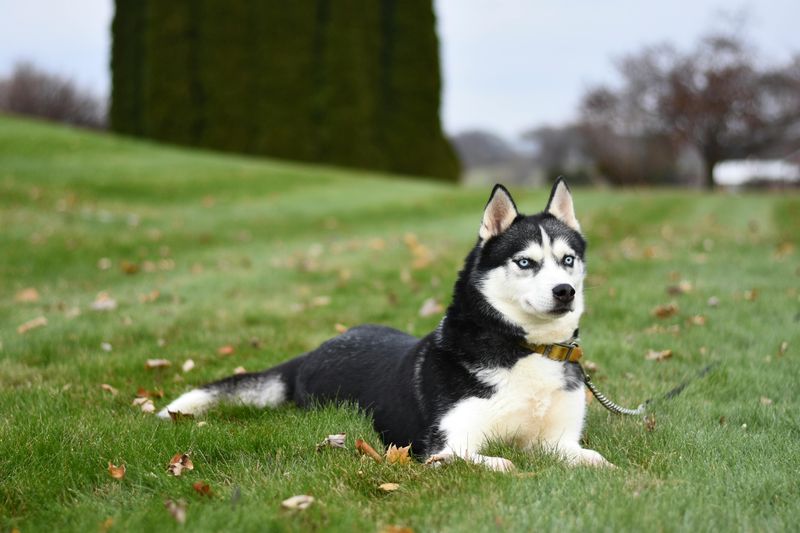
The Siberian Husky is the poster child for wolf-look cravings. Friendly, chatty, and athletic, this dog does not care about your minimalist apartment aesthetic.
Daily mileage matters, and so does secure containment because huskies are escape artists.
If you love running, skijoring, or long hikes, you will love this breed. If not, you will love repairing drywall.
Training works best with upbeat sessions, varied rewards, and realistic expectations about stubborn streaks.
Grooming means snow drifts of fur during blowouts. Vocalization is part comedy, part siren.
Respect neighbors with enrichment and routine. Adopt for that goofy, magnetic spirit and work ethic, not the ice blue eyes you saw in a commercial.
Alaskan Malamute
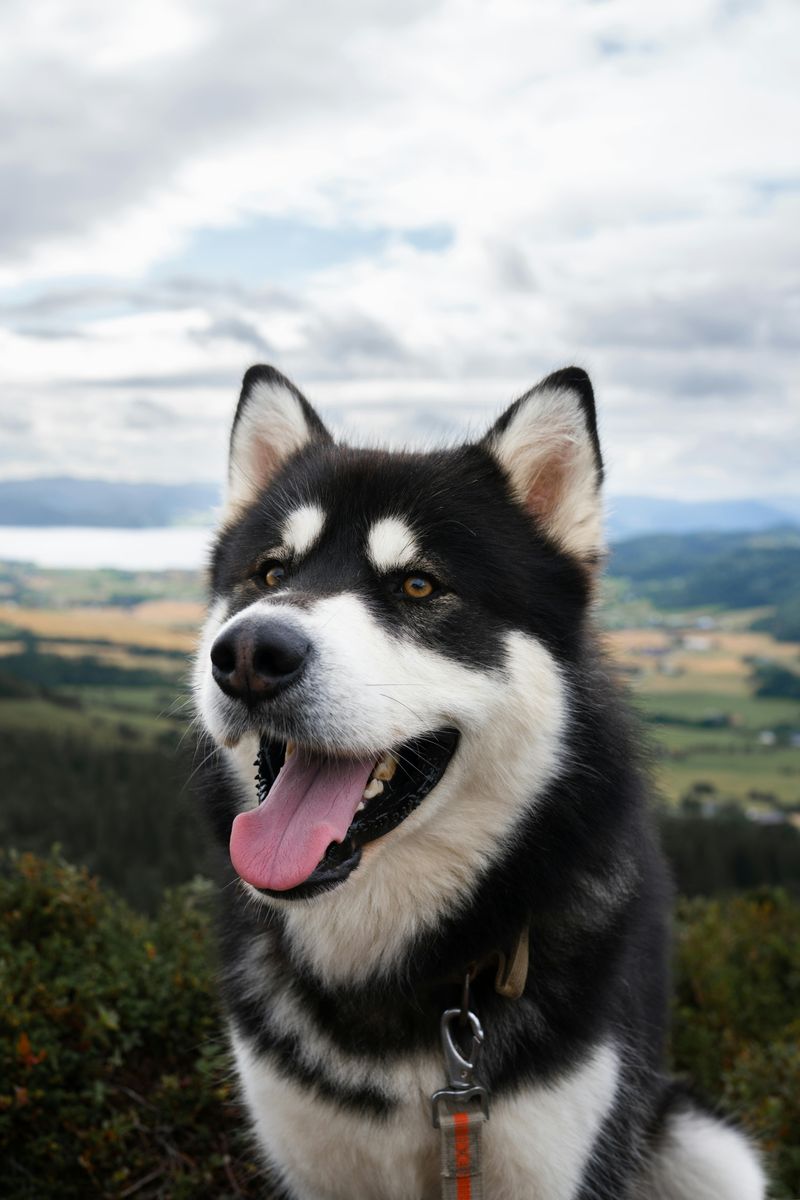
The Alaskan Malamute is a freight hauler in a pet suit. They are affectionate, expressive, and impressively strong.
Without real work, that strength channels into pulling you down the block or excavating the backyard.
Think weight pulls, sledding, canicross, or dragging a tire on safe surfaces. Training should prioritize impulse control, loose leash skills, and calm greetings.
Food motivates, but consistency and patience matter more.
They shed mountains and drool enthusiasm. Some have same sex dog tension, so manage introductions and keep play balanced.
If your lifestyle includes cold weather adventures and sturdy fencing, this breed thrives. If you want a passive roommate, this noble powerhouse will overwhelm you fast.
Akita
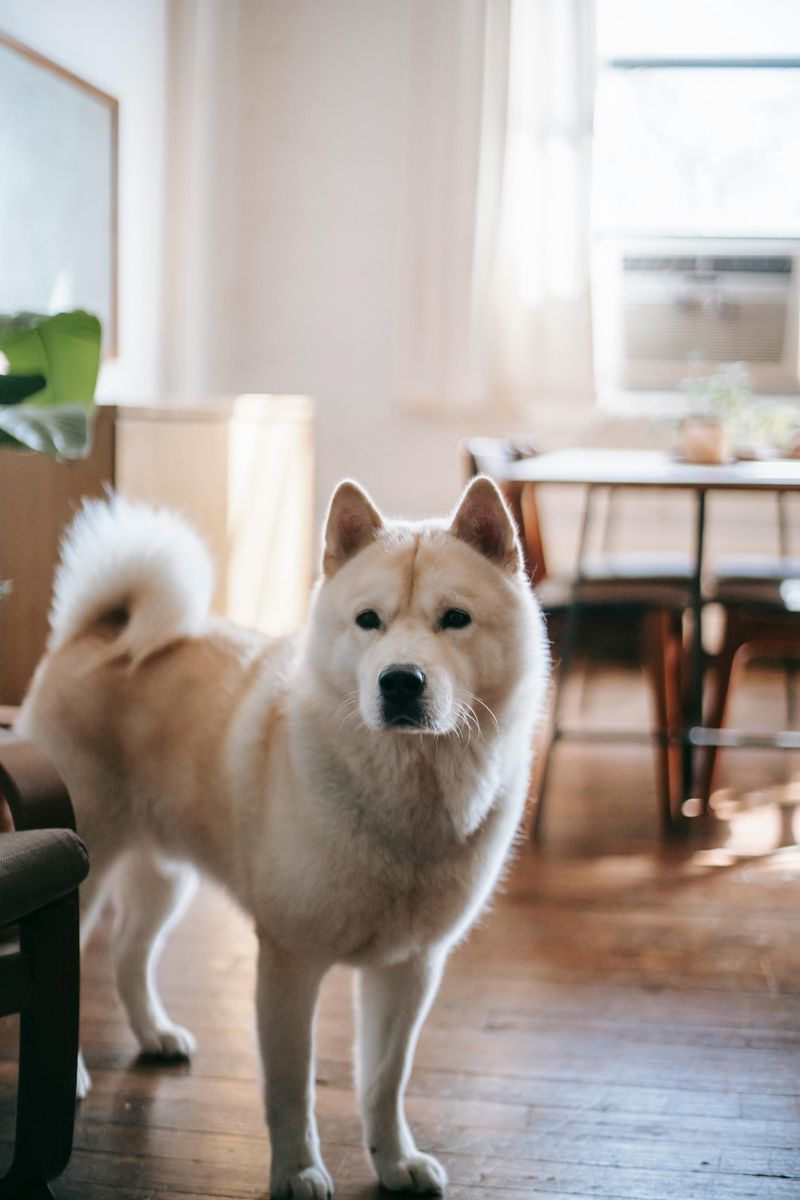
The Akita is majestic and self possessed, with a guardian heart. That presence tempts people to choose looks first, then get surprised by independence.
Early socialization is non negotiable, and respectful handling beats confrontation.
They bond deeply but do not perform for applause. Expect selective hearing and a need for calm leadership.
Reinforce neutrality around strangers, food boundaries, and polite leash behavior.
Grooming is significant, and heat can be tough. Many Akitas prefer low drama dog interactions, so advocate for space and structured walks.
Apartment living can work with diligent exercise and mental tasks. Choose an Akita for composure and loyalty, not as a silent status symbol.
Shikoku
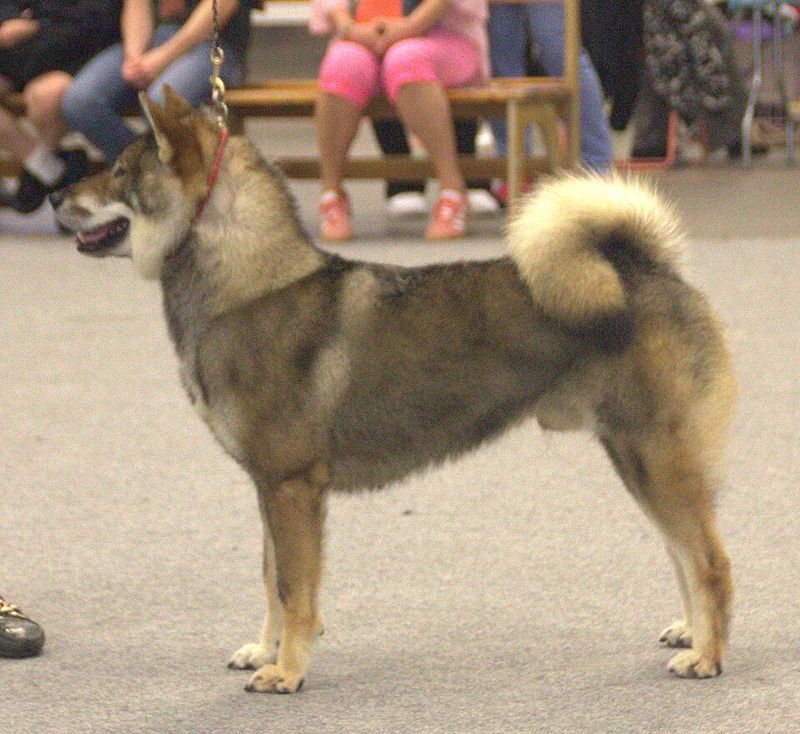
The Shikoku blends a primitive vibe with a quick mind and serious prey drive. That fox wolf look hides a dog who wants to move, sniff, and solve problems.
You will need brisk hikes, nosework, and training games to keep things balanced.
They are loyal but not clingy, and they notice every squirrel. Leash skills and reliable leave it cues are essential.
Keep sessions short, playful, and varied to hold attention.
Dog social preferences can be selective. Manage intros, watch body language, and avoid pushy play.
Grooming is straightforward but shedding arrives in fluffy waves. Choose this breed if you enjoy outdoor miles and thoughtful, fair structure every single day.
Kai Ken
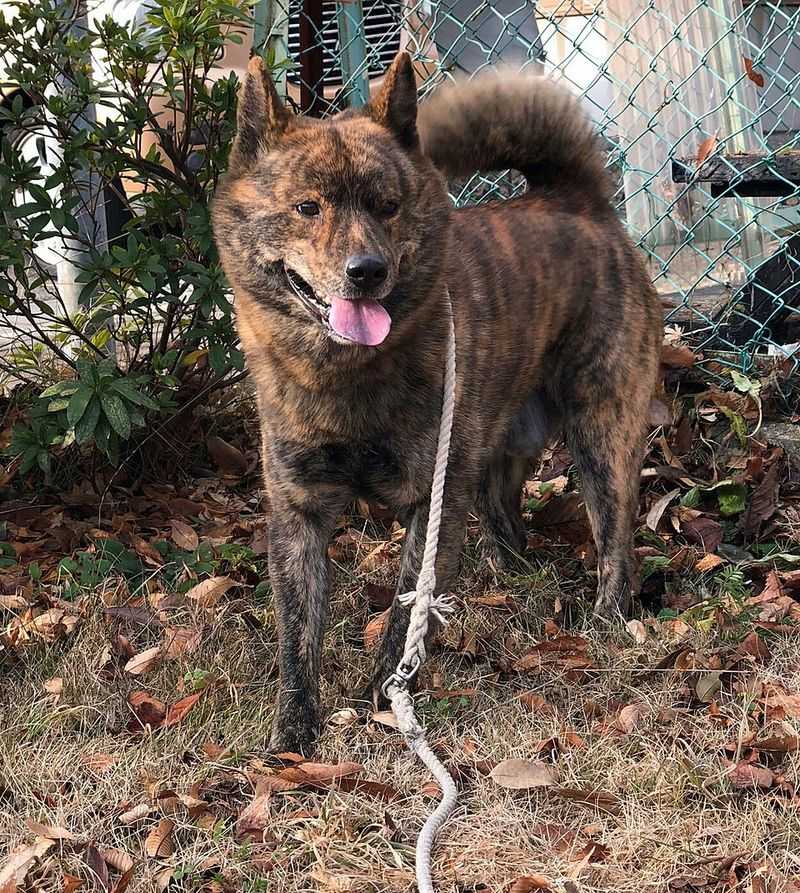
The Kai Ken’s brindle coat is stunning, but the engine underneath is what you must respect. Agile, observant, and often reserved with strangers, this breed needs steady exposure and calm leadership.
Daily exercise should include varied terrain, sniffing opportunities, and purposeful tasks.
Training thrives on short, rewarding reps. Avoid nagging, and celebrate small wins to build confidence.
Secure fences matter because prey interest can switch on fast.
They bond closely yet value autonomy. Expect a thoughtful companion who watches before acting.
Grooming is minimal outside of seasonal shed storms. Choose a Kai Ken if you want subtle loyalty and outdoor adventures, not just a rare coat pattern for social media.
Norwegian Elkhound
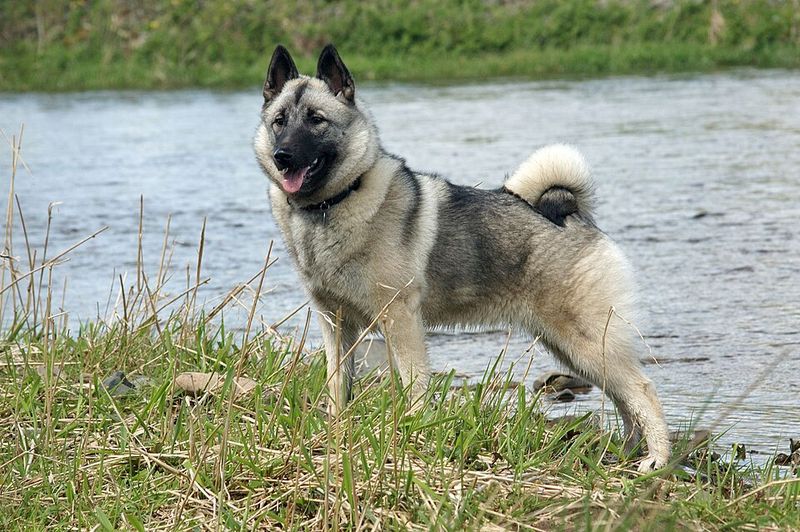
The Norwegian Elkhound is cheerful, sturdy, and vocal. That wolfy profile masks a hunting heritage with stamina and independence.
Expect a watchdog voice, so teach quiet on cue and give legal outlets for energy.
They enjoy hiking, scent games, and structured fetch rather than endless sprinting. Training benefits from consistency and humor because stubbornness appears at inconvenient times.
Food and play both work well as rewards.
Grooming involves serious shedding, especially with seasonal coat changes. Socially, they are friendly but can be pushy if under trained.
Manage greetings and build impulse control. Choose this breed for hearty adventures and laughter, not just a classic Nordic aesthetic.
Karelian Bear Dog
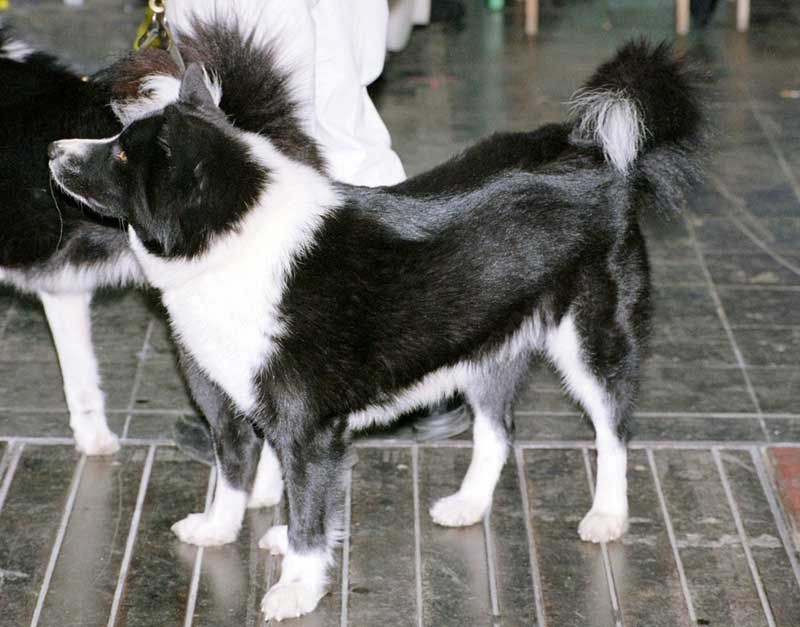
The Karelian Bear Dog is not a casual pet with a cool mask. Bred for big game, it brings grit, volume, and independence.
You will need management skills, reliable containment, and a sense of humor about noise.
Training should target rock solid recalls with long lines, plus muzzle conditioning and calm neutrality around triggers. Mental work like track laying or advanced scent games helps engage that driven brain.
Dog sociability varies, and same sex friction is not rare. Supervise interactions and prioritize parallel walks over chaotic parks.
Exercise demands are high but focused effort beats frantic sprints. Choose this breed for purpose and partnership, not an edgy look.
Greenland Dog
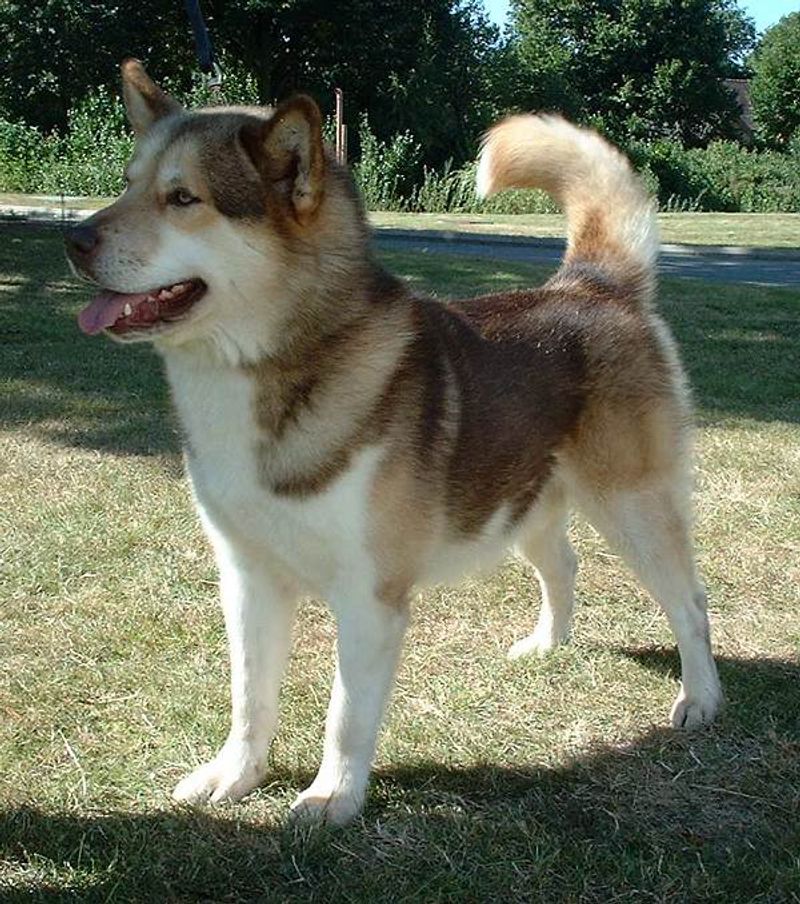
The Greenland Dog thrives on work, weather, and teamwork. If you want couch cuddles more than miles, this is the wrong pick.
Their drive for pulling and group living means they excel with jobs and clear structure.
Expect a strong voice and a tough body. Training must emphasize impulse control, respectful handling, and safe harness work.
Heat management is crucial, so plan early or late exercise in warm climates.
They shed intensely and require durable gear. Dog relationships can be complex, so match personalities thoughtfully.
Provide routine, purpose, and fair leadership. Choose this breed to share demanding adventures, not to complete a winter themed Instagram grid.
Finnish Spitz
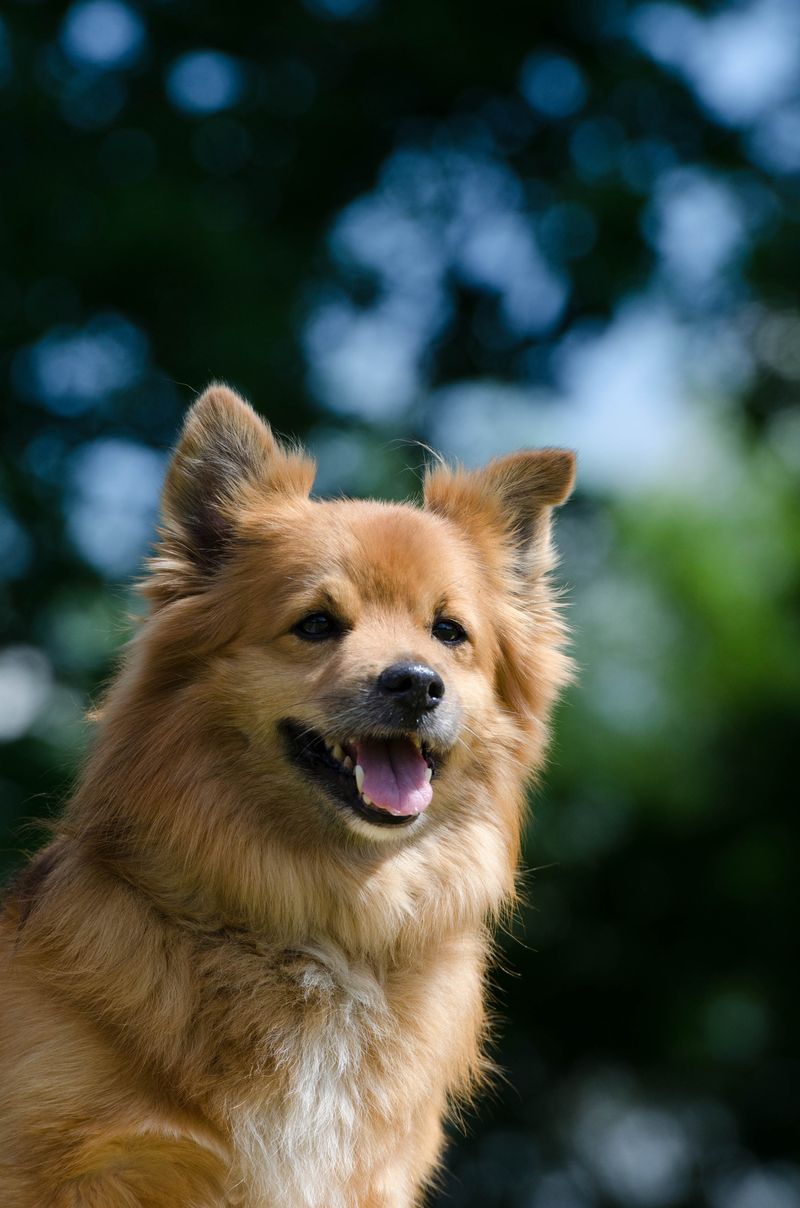
The Finnish Spitz looks like a tiny fox and sounds like a tiny opera. Bred to bark-point game, they announce everything.
Teach quiet cues early, then channel voice into tricks and games.
They are spirited, playful, and smarter than your schedule. Short, fun training keeps focus high without souring their enthusiasm.
Exercise should include brisk walks, recall games in safe spaces, and plenty of sniffing.
Grooming is moderate with seasonal blowouts. Socially, they are friendly yet can be independent.
If you want a silent apartment dog, look elsewhere. Choose this breed for charm, wit, and a lively partnership that outshines any foxy aesthetic.