
Some dogs love to listen, and some would rather make their own plans. A stubborn breed is not bad or mean, but it can test your patience in funny and frustrating ways.
Knowing why these dogs act this way helps you train smarter and live together more peacefully. Here are the breeds most likely to dig in their paws and make you rethink who is really in charge.
Dachshund
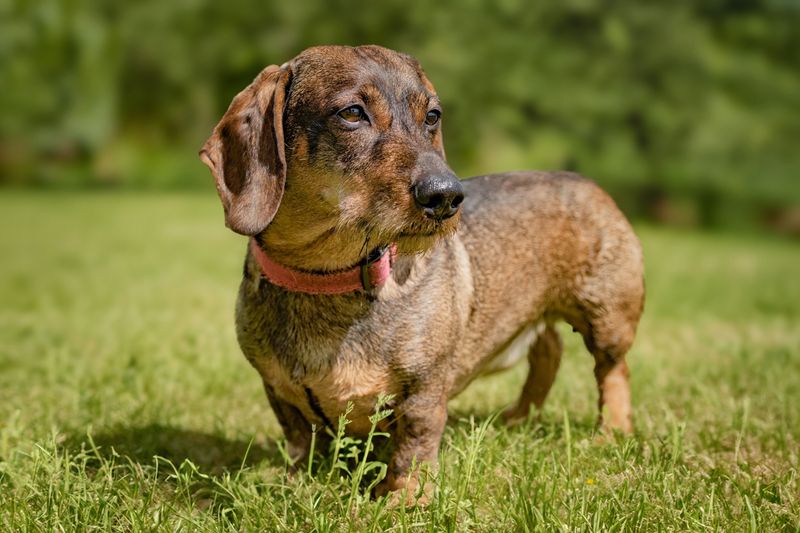
One look at a Dachshund and you might expect pure comedy, but there is steel under that long body. Bred to chase badgers, they learned to make bold choices without waiting for permission.
Training works best when lessons feel like games and rewards come fast. If you argue, they simply dig in deeper.
Stay calm, keep rules steady, and celebrate small wins, because pressure usually turns their stubborn streak into a full performance at home.
Shiba Inu
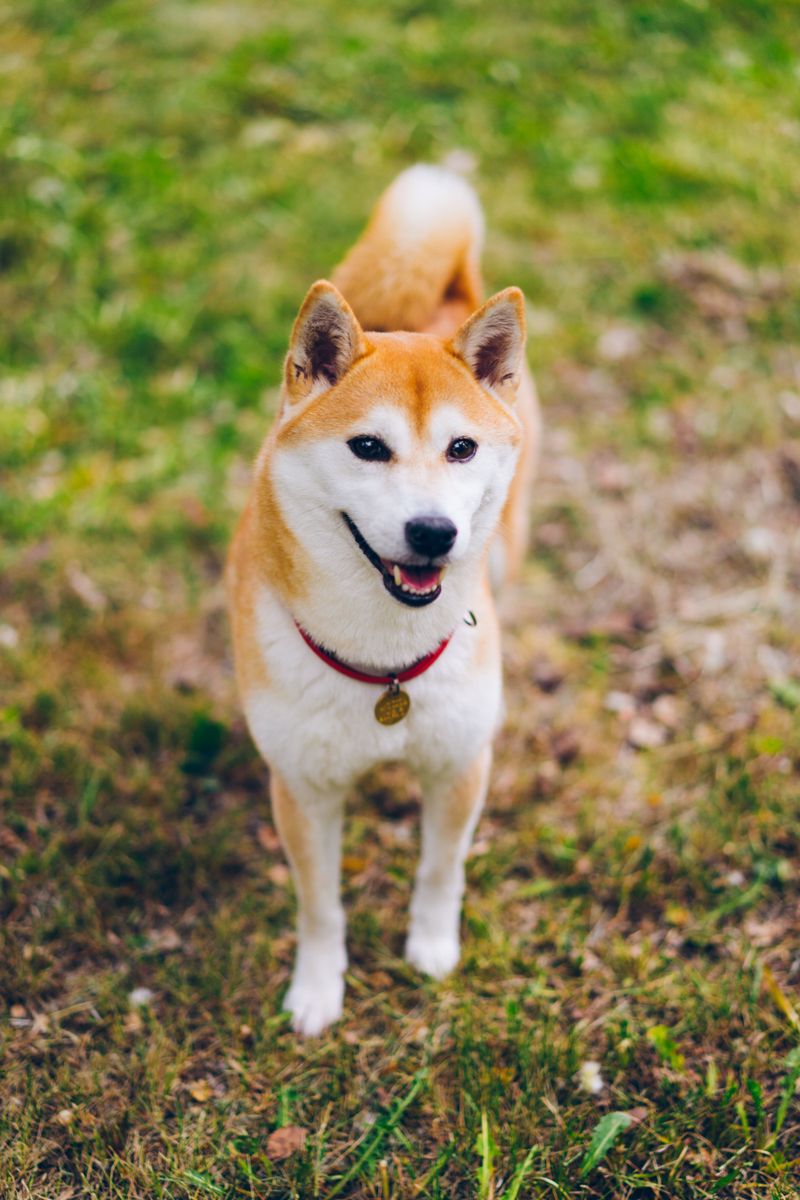
A Shiba Inu often acts like it wrote its own rulebook years ago. Smart and alert, this breed notices everything, yet it only cooperates when your request seems worth the effort.
Harsh correction can damage trust fast. Short sessions, tasty rewards, and a little humor go much farther.
Give clear choices instead of endless commands. When a Shiba plants its paws and stares back, patience beats pride nearly every single time at home.
Beagle
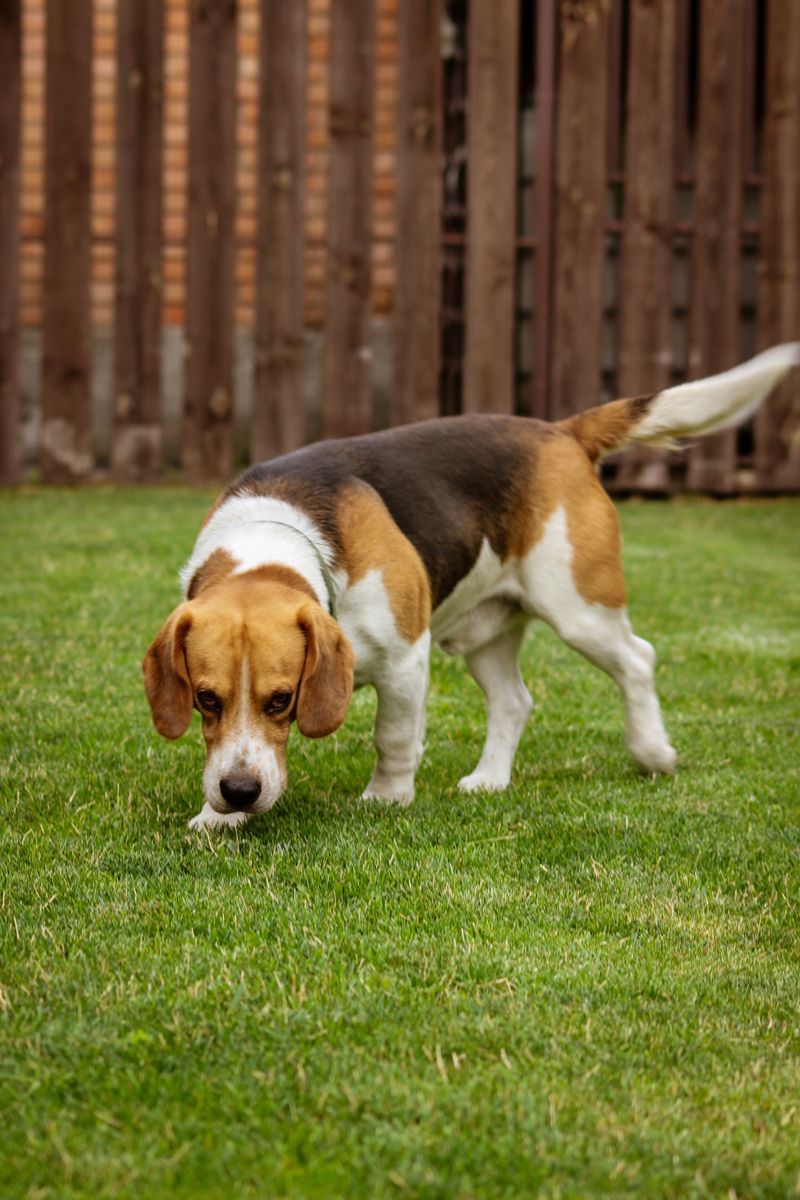
A Beagle follows its nose like the rest of the world barely exists. That powerful scent drive can make recall feel optional, especially outdoors where every smell tells a story.
Owners do best with fenced spaces, long leads, and rewards that truly matter. Repeating commands often becomes background noise.
Make training lively, keep snacks handy, and remember that stubborn behavior is sometimes a hunting brain doing exactly what it was built to do each day.
Siberian Husky
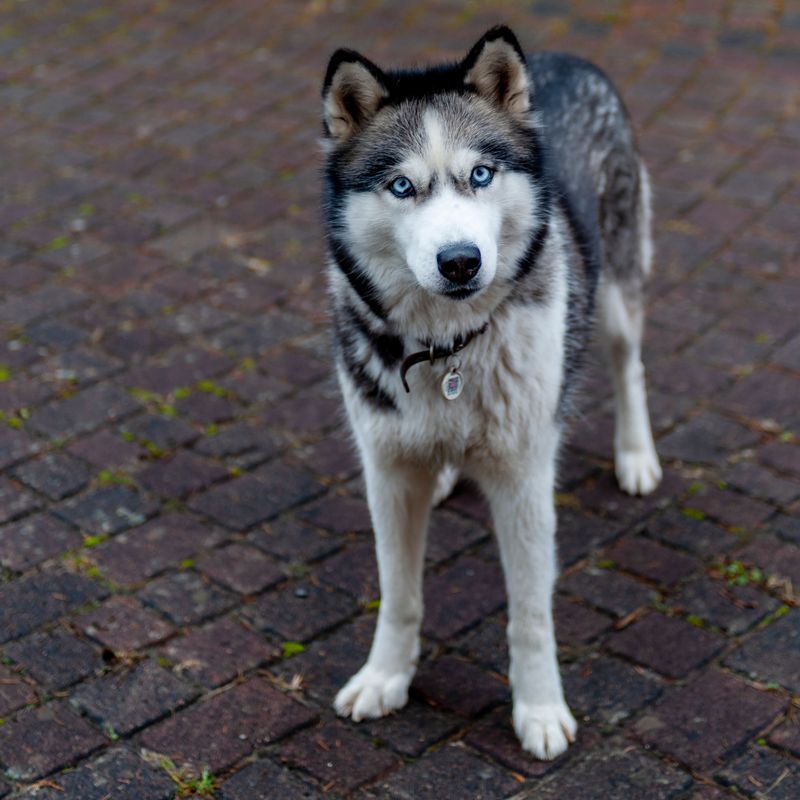
Some dogs test limits quietly, but a Siberian Husky turns it into an adventure. Bred to run long distances and think on the move, this breed dislikes boring drills and weak follow-through.
A tired Husky listens better than a restless one, so exercise is not optional. Keep routines firm, add puzzle play, and lock gates carefully.
Try to win a battle of wills, and your dog may answer with a joyful escape across the yard.
Jack Russell Terrier
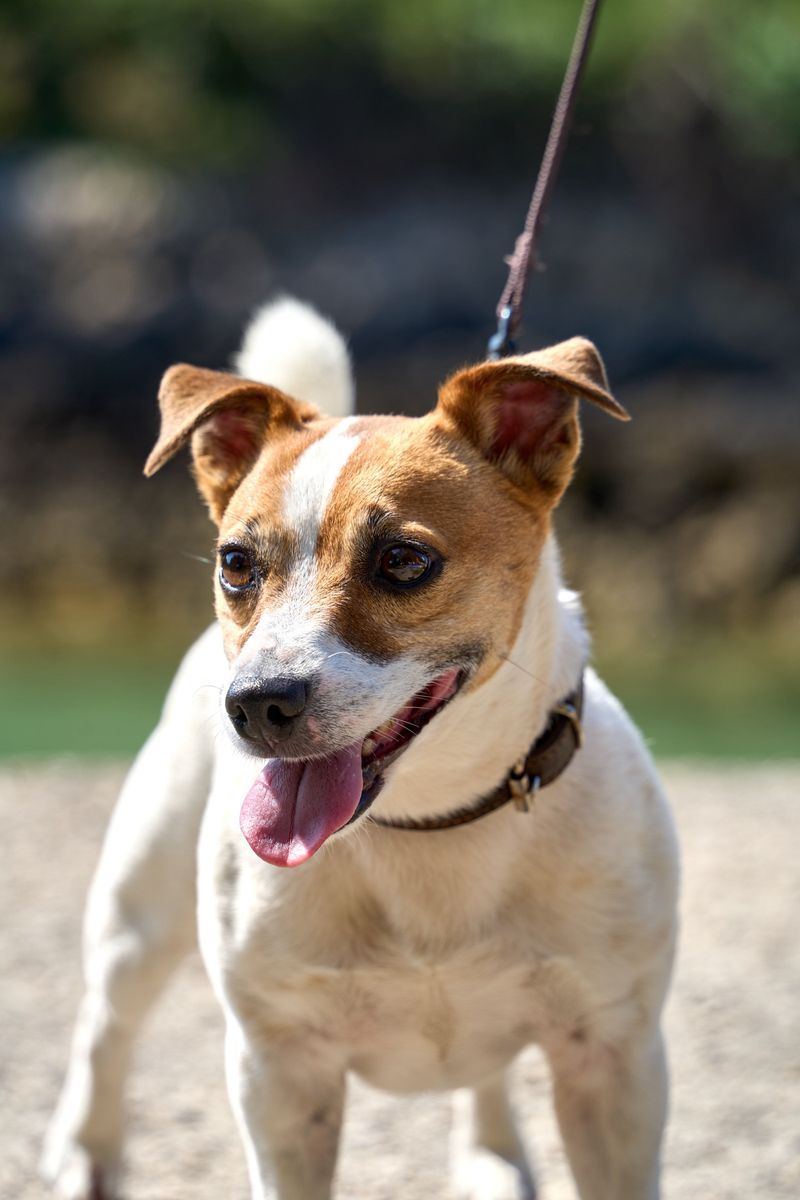
Energy blasts out of a Jack Russell Terrier, and opinions do too. This little dog was shaped for hard work, quick reactions, and fearless decisions, which can look a lot like sass at home.
Training needs movement, variety, and real consequences for ignored rules. Long lectures will fail every time.
Use brief lessons, channel that busy brain into games, and never mistake small size for easy handling, because this breed loves winning arguments with people.
Scottish Terrier
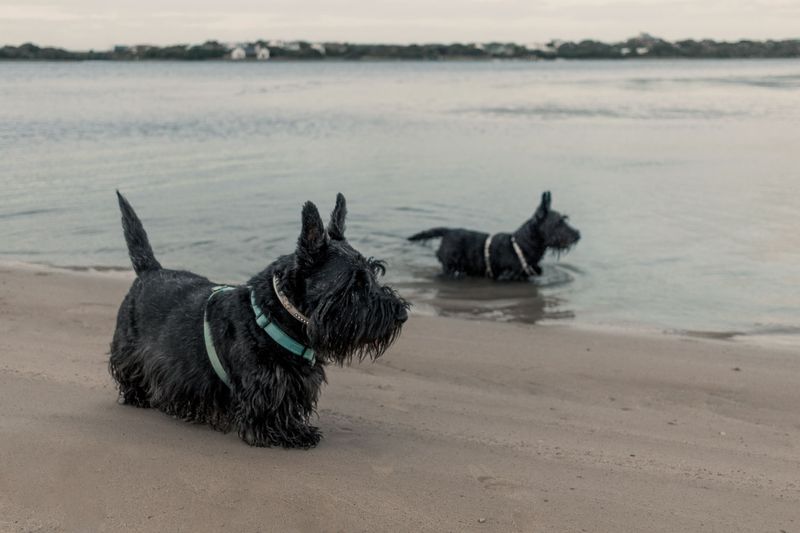
A Scottish Terrier carries itself like a tiny boss in a fancy coat. Independent by nature, Scotties often decide first and listen second, especially if they sense fussiness or unfair rules.
Their pride responds better to respect than nagging. Calm training, firm boundaries, and consistent routines help them settle into teamwork.
Push too hard, and they may shut down completely. Earn their trust instead, and that stubborn edge can become loyalty and focus over time.
Basset Hound
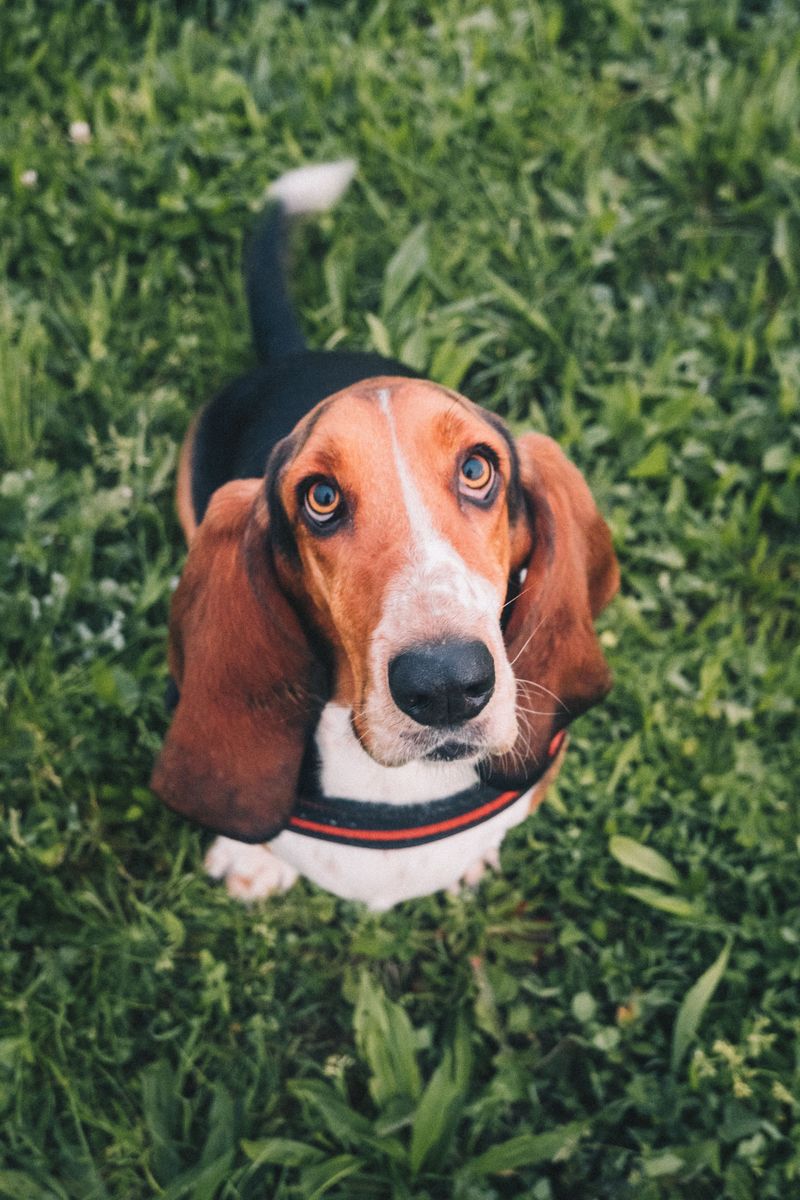
Nothing about a Basset Hound seems rushed, including its decision to obey you. Behind those droopy ears is a determined scent hound that prefers following smells over following schedules.
Owners who expect speedy responses may get comic levels of slow motion. The trick is to stay cheerful and very consistent.
Use food rewards, protect recall with a leash, and avoid turning training into a power struggle, because Bassets can wait out humans with impressive skill.
Akita
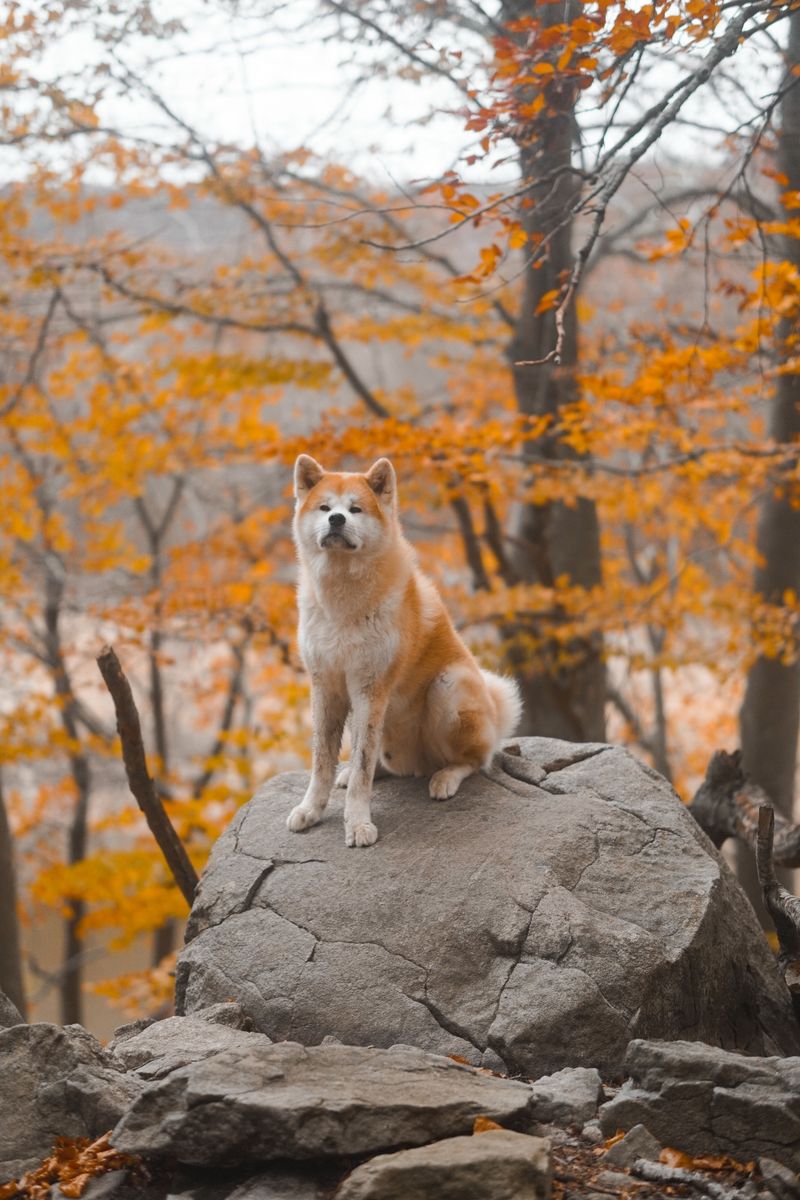
Quiet confidence is the Akita’s signature, and that confidence can harden into pure refusal. This powerful breed tends to think independently and may question commands that feel pointless or inconsistent.
Early socializing matters, but so does calm leadership every single day. Shouting only creates tension.
Set firm limits, keep interactions respectful, and train with purpose. When an Akita understands the rules and trusts the person giving them, cooperation becomes much more likely at home there.
Chow Chow
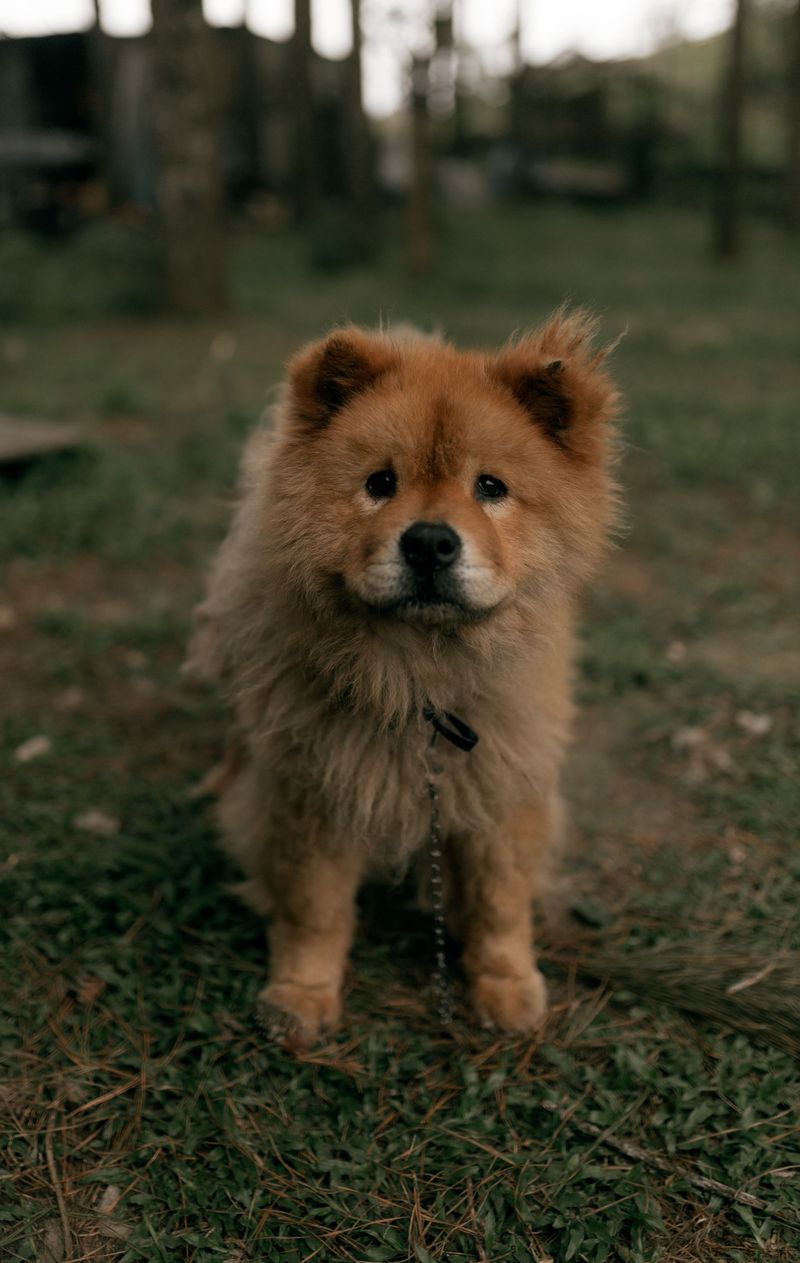
A Chow Chow can look cuddly, yet its mindset is often wonderfully self-directed. Known for being reserved and dignified, this breed does not usually hand out obedience just because someone asks twice.
Respect, routine, and early training matter a lot. Pushy handling often backfires.
Think steady guidance instead of constant correction. When owners learn to read mood, guard space, and reward cooperation promptly, a Chow becomes easier to manage without daily stand-offs or frustration there.
Bull Terrier
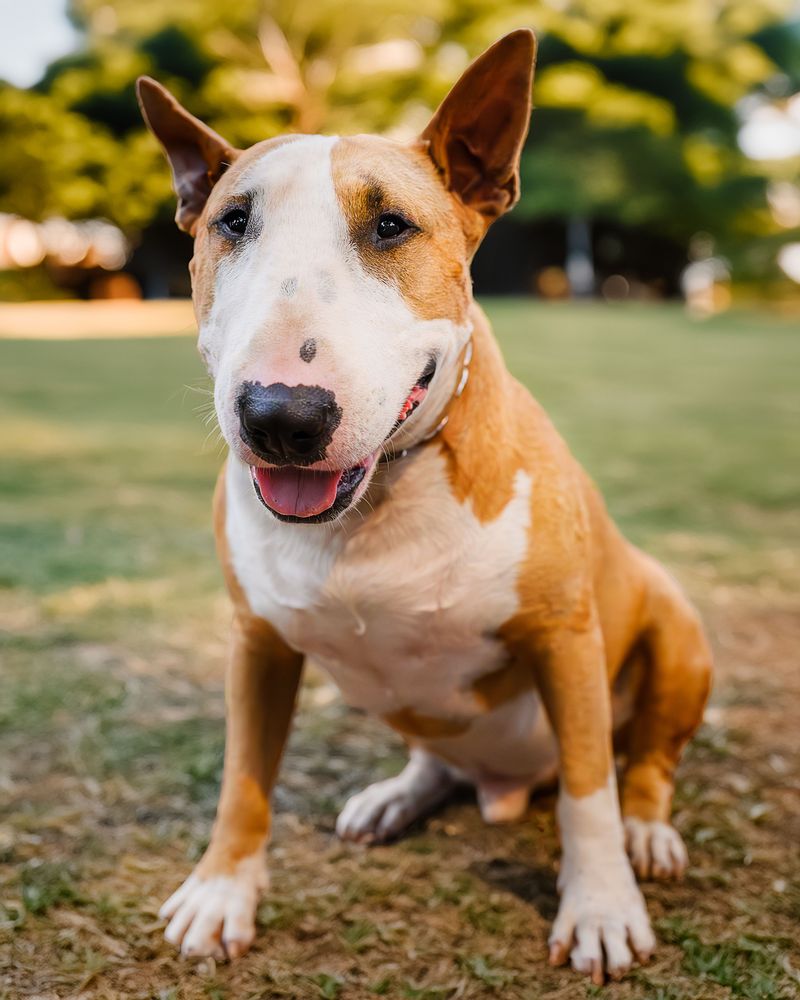
A Bull Terrier brings clown energy to serious moments, which can fool people fast. Under the goofy charm sits a strong-willed dog that likes testing boundaries for sport.
If rules change from day to day, expect pushback and plenty of mischief. Clear structure helps more than scolding.
Keep training upbeat, use toys and treats, and teach self-control early. Once boredom takes over, a Bull Terrier may invent its own job, and you may hate it.
Alaskan Malamute
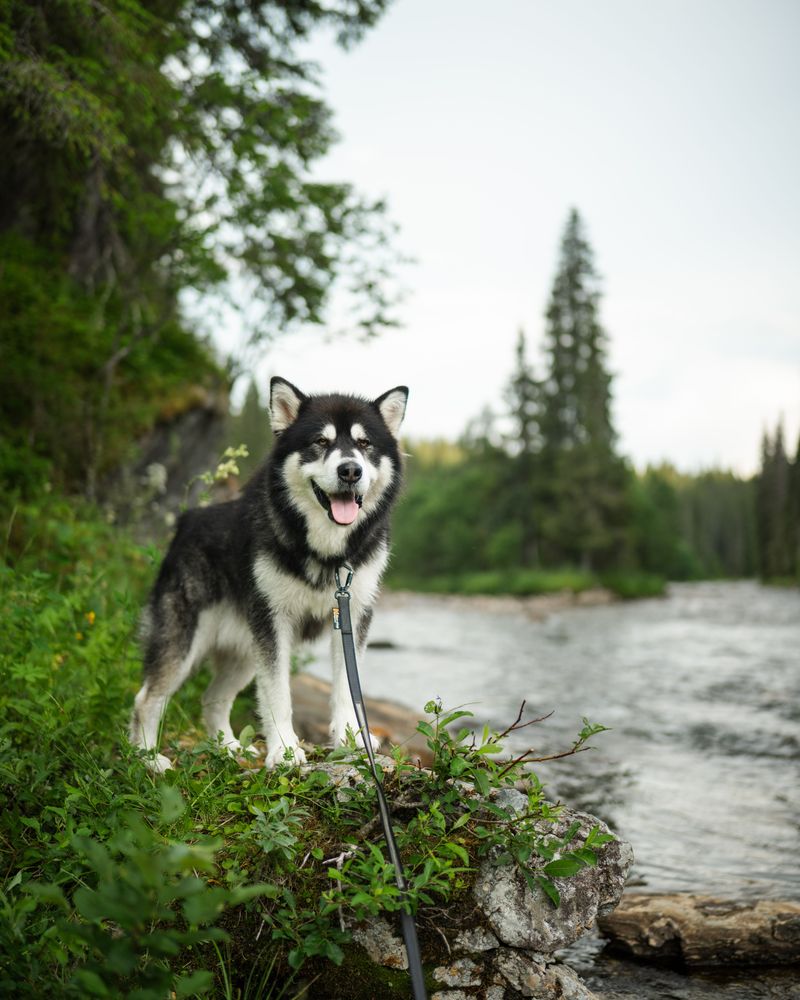
Living with an Alaskan Malamute can feel like negotiating with a furry heavyweight. Bred for strength and endurance, Malamutes often prefer doing things their own way unless training feels fair and worthwhile.
They need exercise, mental work, and a person who means what they say. Empty threats do nothing.
Use calm consistency, protect loose-leash habits early, and never underestimate their ability to drag, dig, or ignore you with impressive confidence outdoors on busy winter walks.
West Highland White Terrier
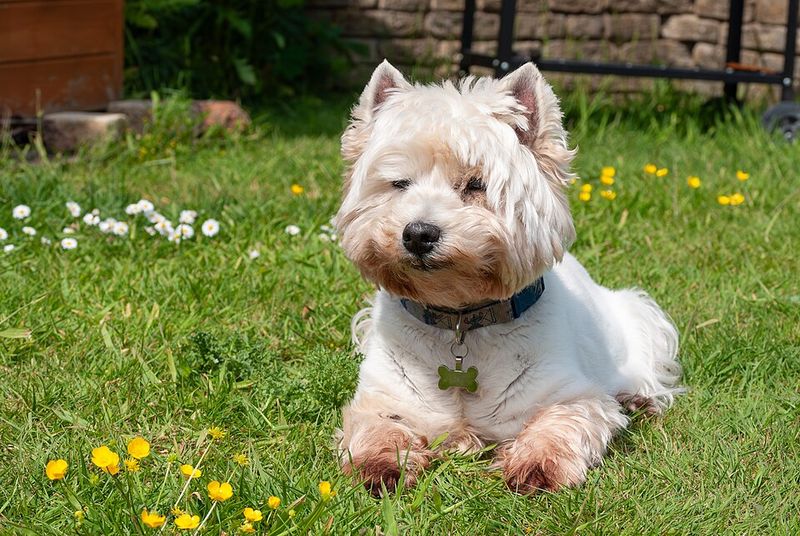
A West Highland White Terrier may look neat and cheerful, but it carries plenty of terrier grit. Westies were made to be bold, curious, and ready to challenge anything interesting, including your plans.
That independent streak can be charming until rules get fuzzy. Keep lessons short and lively.
Reward fast choices, redirect barking before it becomes a habit, and offer games that satisfy curiosity, because a bored Westie will happily create trouble with sparkle today.
Basenji
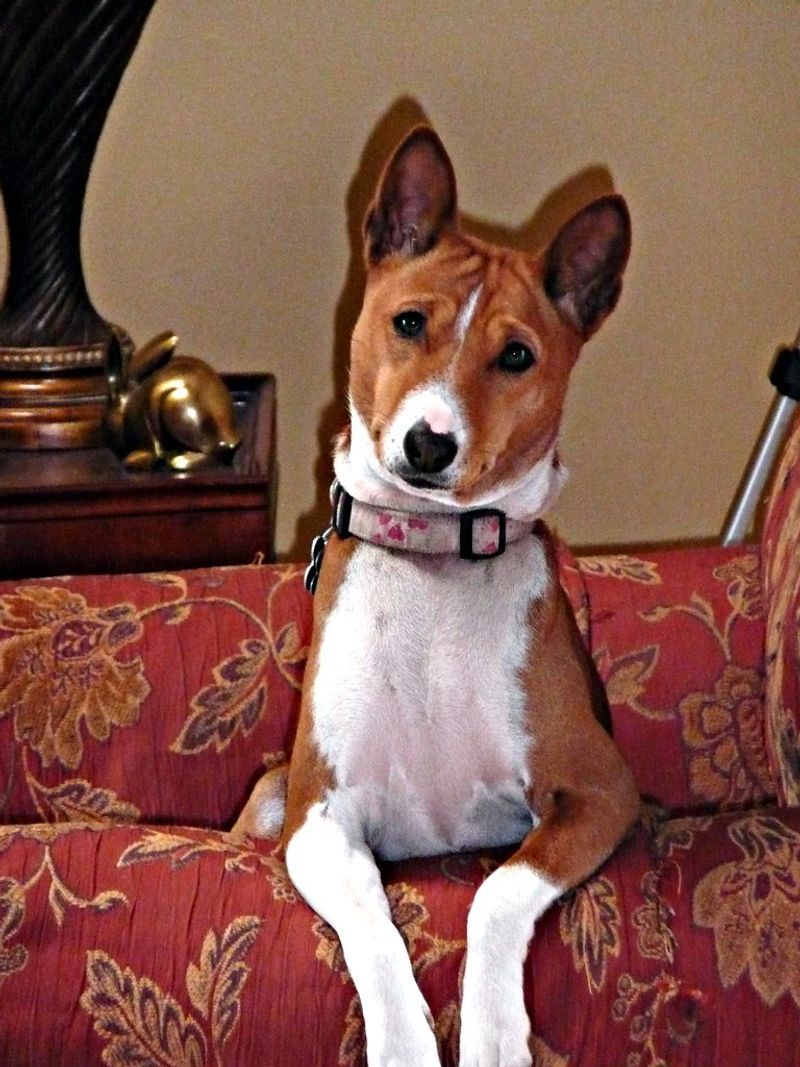
If a Basenji had a slogan, it might be, I heard you, I am thinking about it. Famous for catlike habits and a mind of its own, this breed often weighs options before reacting.
That can frustrate owners who want quick obedience. Smart planning works better.
Use engaging games, keep valuables out of reach, and build recall carefully, because Basenjis are curious problem-solvers who do not see stubbornness as a flaw, only a lifestyle choice.
Afghan Hound
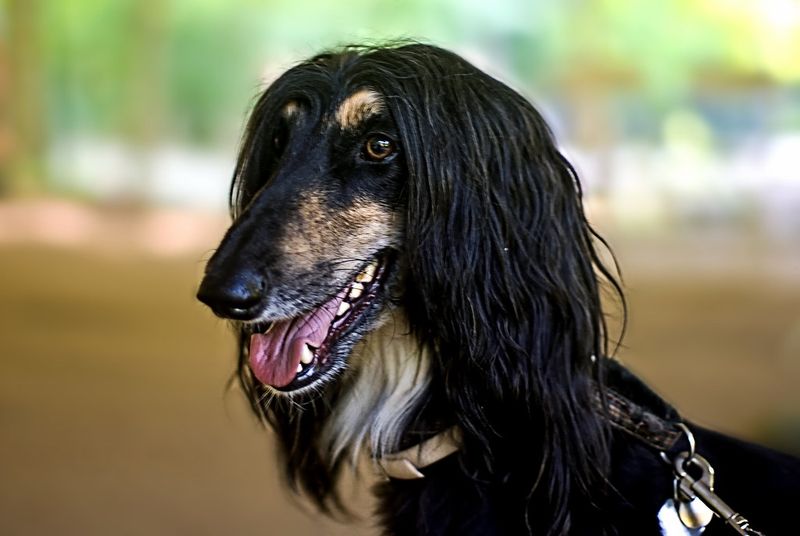
An Afghan Hound seems to float through life on elegance alone, yet there is a stubborn brain under that glamour. Originally built to hunt at a distance, this breed is used to making decisions without constant human input.
That independence can surprise first-time owners. Gentle consistency gets the best results.
Keep training positive, avoid endless repetition, and use secure spaces for practice, because an Afghan may ignore your agenda if something more interesting appears nearby.