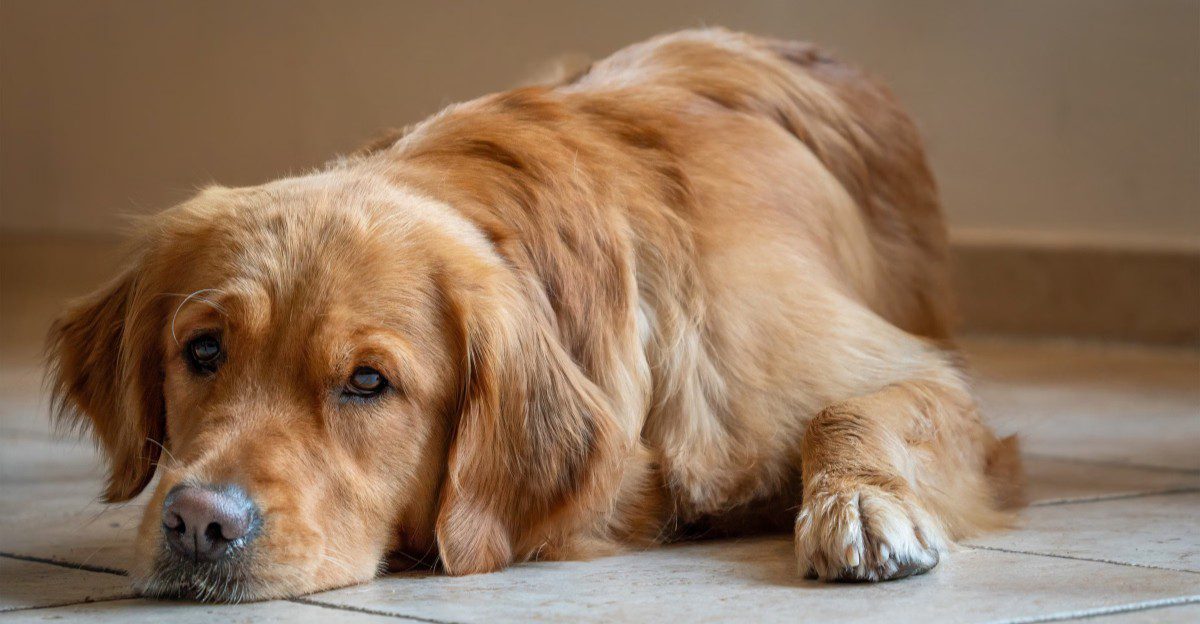
You found a better dog food, poured a full bowl, and by the next morning your dog had an upset stomach and you had a mess to clean up. That happens a lot, and it usually has less to do with the new food and more to do with the speed of the switch.
A dog’s gut gets used to a certain mix of ingredients, fats, and fibers, and the bacteria that help with digestion need time to adjust. Vets commonly recommend a gradual change over about a week, sometimes longer for sensitive dogs.
The good news is that a slower swap is simple once you know the steps. These eight gentle moves can help your dog settle into a new diet with far fewer surprises in the yard.
Check in with your vet before you switch
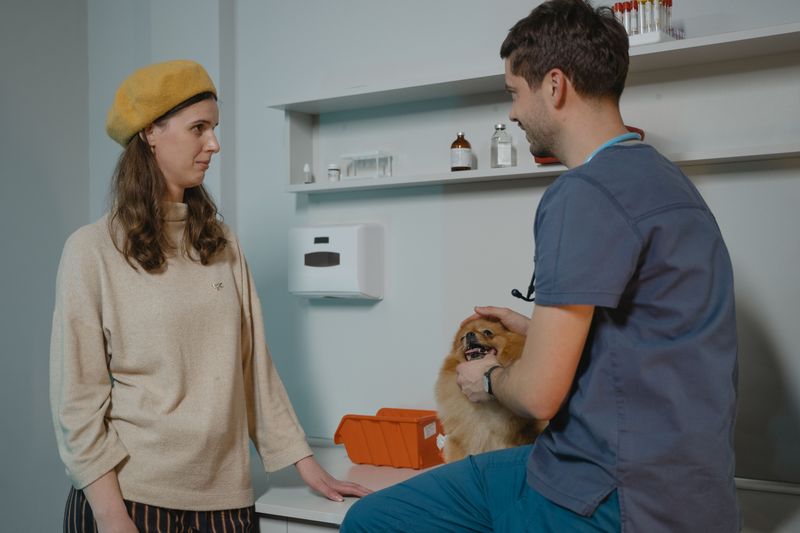
A food change is a great moment to ask a quick question first. Your vet already knows your dog’s weight, age, and health history, so they can tell you whether the new formula actually fits.
Some dogs are on prescription diets for kidney, urinary, or digestive issues, and switching away from those without guidance can cause real problems. Puppies, seniors, and dogs with known food sensitivities may also need a slower plan than the standard one.
Bring the bag or a photo of the label to the appointment. A five-minute chat can save you a week of guessing, and it gives you a baseline if anything goes sideways later.
Buy the new food before the old bag runs out
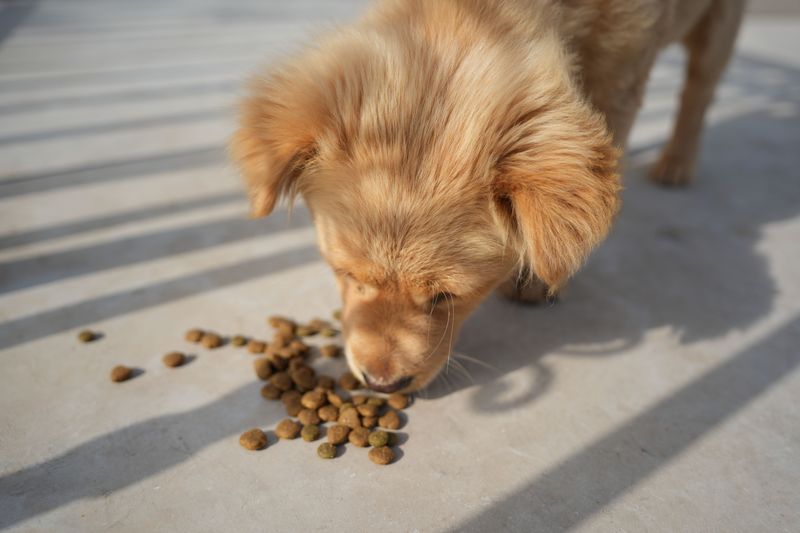
Running out of the old food is the most common reason people switch cold turkey. The bag is empty, the store only has a different brand, and suddenly the plan is gone.
Plan ahead so you have at least a week to ten days of the old food left when you open the new one. That overlap is what makes a gradual mix possible.
It also helps to keep a small backup of the old food for a little while after the switch. If your dog’s stomach gets fussy, you can step back without a late-night store run.
Start with a 25 percent mix
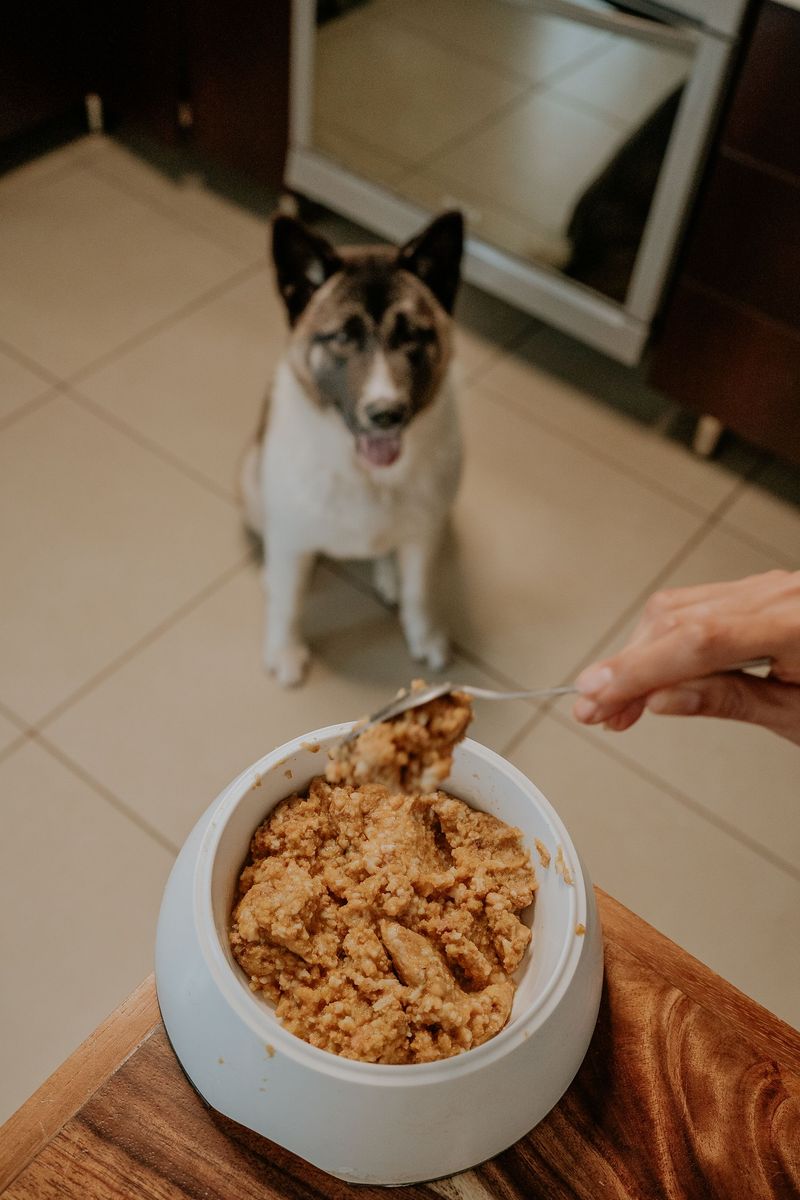
Days one through three are the gentle introduction. Mix roughly three parts old food with one part new food, and keep the total amount the same as a normal meal.
That small portion lets your dog’s digestive system meet the new ingredients without being overwhelmed. Gut bacteria shift based on what a dog eats, and giving them a few days to adapt is the whole point of going slow.
Stir the two foods together well. Otherwise some dogs become tiny food detectives and eat around whichever kibble they like less.
Move to half and half
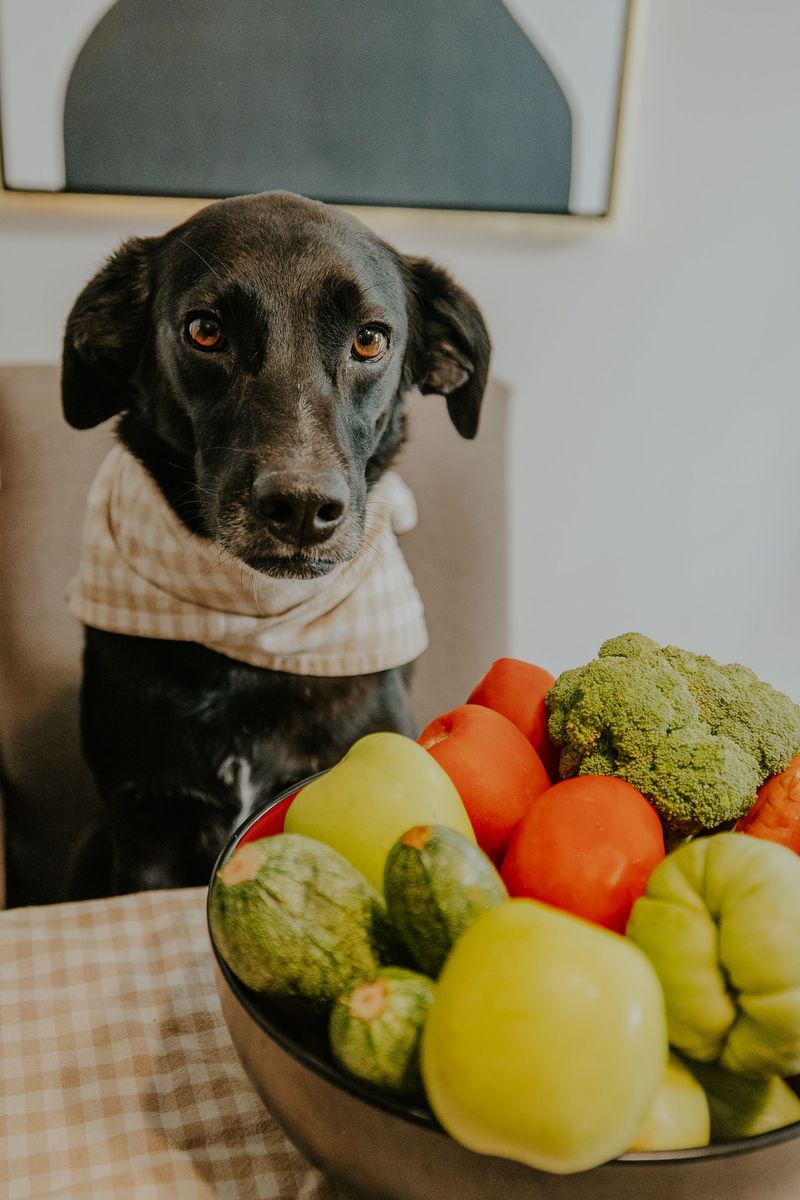
Around days four through six, if stools look normal and your dog is eating happily, bump the ratio to about 50 percent old and 50 percent new.
Measure with a real scoop or a kitchen scale instead of eyeballing it. New foods can differ a lot in calories per cup, so check the feeding guide on the new bag as you go.
Overfeeding during a switch is a sneaky cause of loose stools.
Keep meal times consistent, too. Predictable timing gives your dog’s digestion one less thing to adjust to while the menu changes.
Finish with 75 percent, then go all in
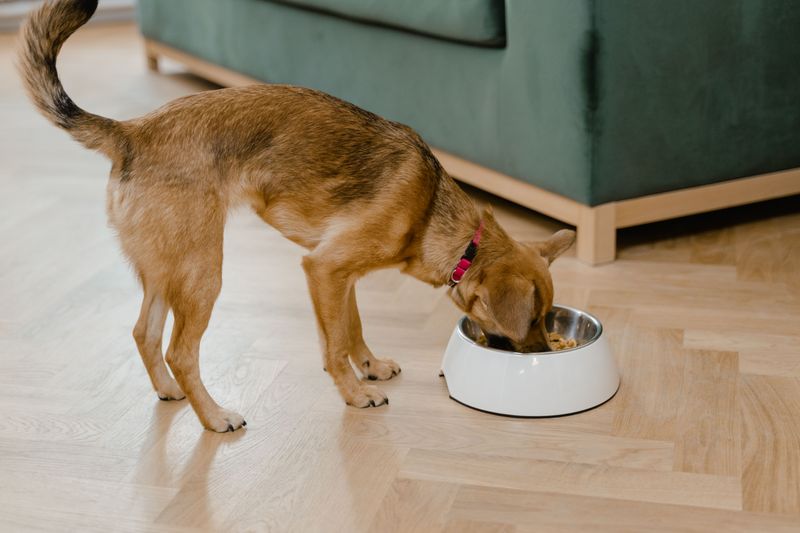
Days seven through nine bring the mix to about three parts new food and one part old. After that, most dogs can move to the new food completely, usually around day ten.
A seven to ten day timeline is a common guideline, not a strict rule. Some easygoing eaters breeze through, while others need two weeks or more.
Let your dog’s body set the pace. If everything still looks good at the final stage, you can retire the old bag and call the switch done.
Watch the poop, honestly
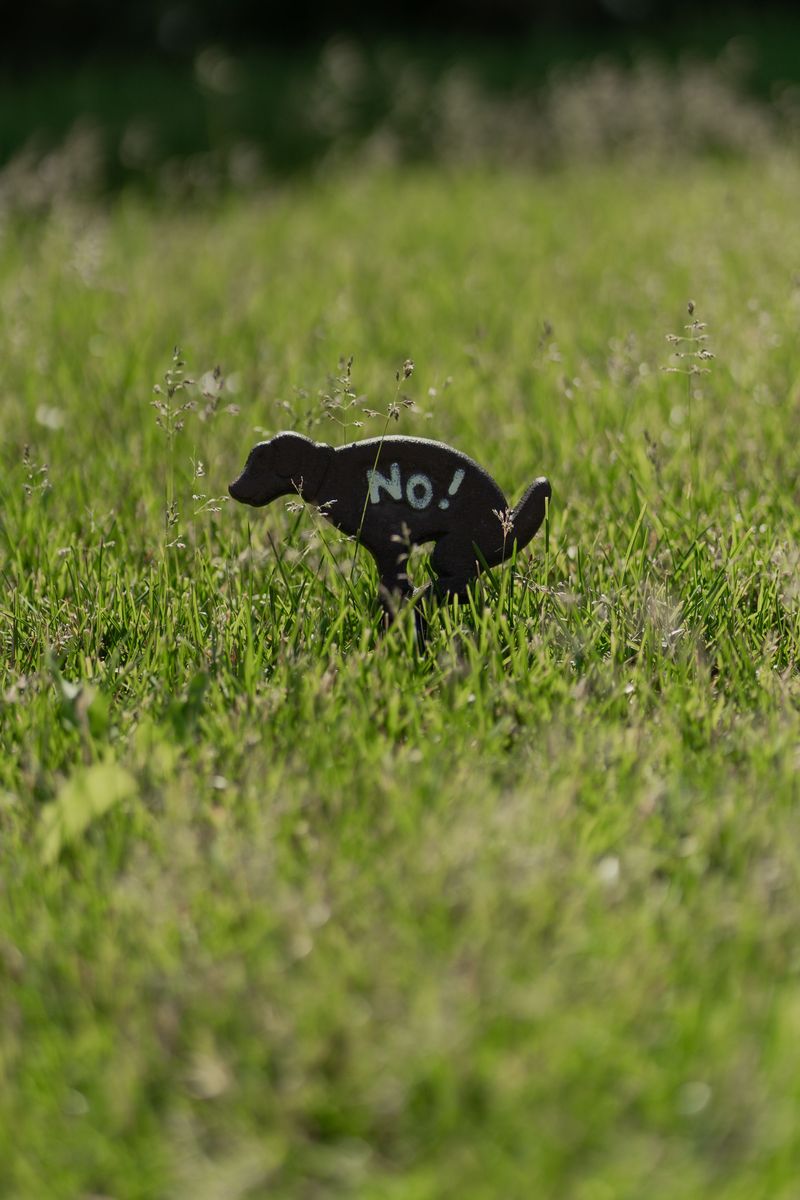
Nobody loves this part, but your dog’s stool is the best progress report you have during a food change. Firm, well-formed poop means the plan is working.
Slightly softer stools for a day or two can be normal. Watery diarrhea, mucus, straining, or a big jump in gas are signs the pace may be too quick.
Jot a quick note on your phone each day. Patterns are much easier to spot when you are not relying on memory.
Slow down or pause when the stomach complains
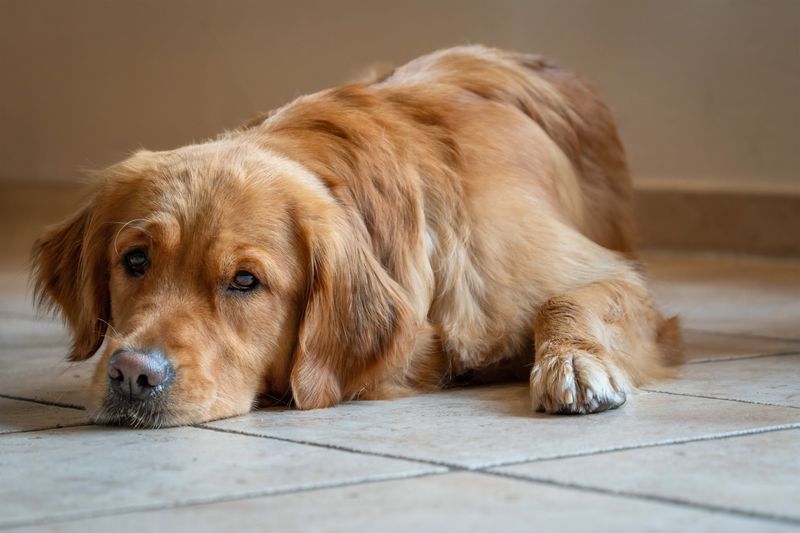
A rough day does not mean the new food is a failure. Often the fix is simply going back to the last ratio that worked and staying there for a few extra days.
Keep fresh water available and skip extra treats or table scraps until things settle. Adding more new things to the mix makes it harder to tell what is causing trouble.
Call your vet if your dog vomits repeatedly, has diarrhea lasting more than a day or two, seems lethargic, refuses food, or shows blood in the stool. Those signs deserve a professional look rather than more home patience.
Keep treats and chews boring for a while
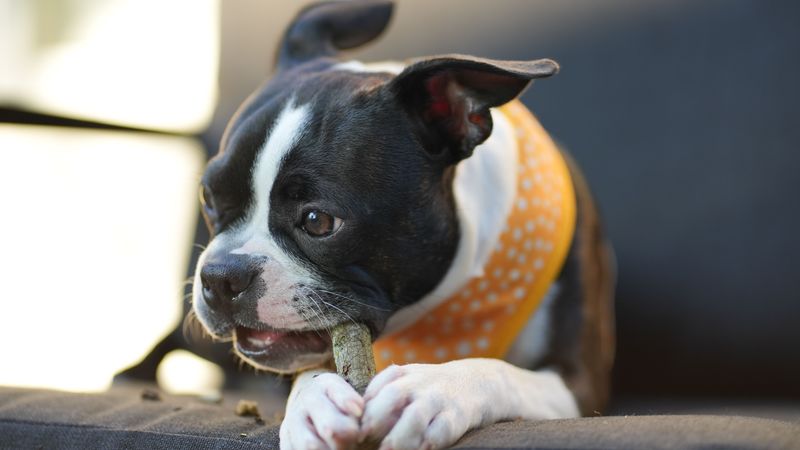
Here is a step many owners overlook. Treats, dental chews, and bully sticks count as food, and a brand-new chew in the middle of a diet switch can upset an otherwise smooth plan.
Stick with treats your dog already tolerates, and keep them small. A handy trick is to set aside a few pieces of the new kibble and use them as rewards during training.
Once the transition is finished and stools are steady, you can bring in new goodies one at a time. That way, if something disagrees with your dog, you will know exactly which item to blame.
A little patience over a week or two is a small price for a comfortable dog and a clean carpet. Go slowly, watch closely, and let your vet be your backup when something seems off.