
Love dogs but worried about the breeds that might push your patience the most? Some dogs are brilliant, powerful, or independent, yet those same traits can make everyday life harder without the right plan.
This guide unpacks what makes certain breeds more challenging, plus what you can do to set them up for success. If you want the truth with practical tips, you are in the right place.
Belgian Malinois
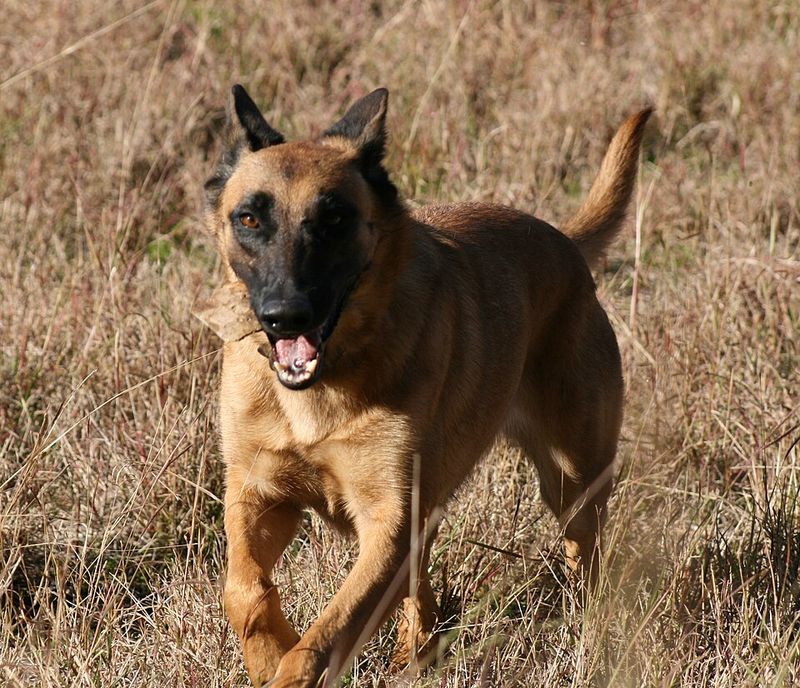
The Belgian Malinois is a working powerhouse built for speed, drive, and precision. Without structured training and daily mental work, that intensity quickly spills into destructive habits.
Think security dog energy living in your living room, needing jobs, boundaries, and constant engagement.
Expect high prey drive, relentless fetch obsession, and a brain that outsmarts lazy routines. You will need firm yet fair guidance, impulse control games, and advanced obedience.
If you skip exercise, reactivity and nipping behaviors can surface fast, especially around movement.
Border Collie
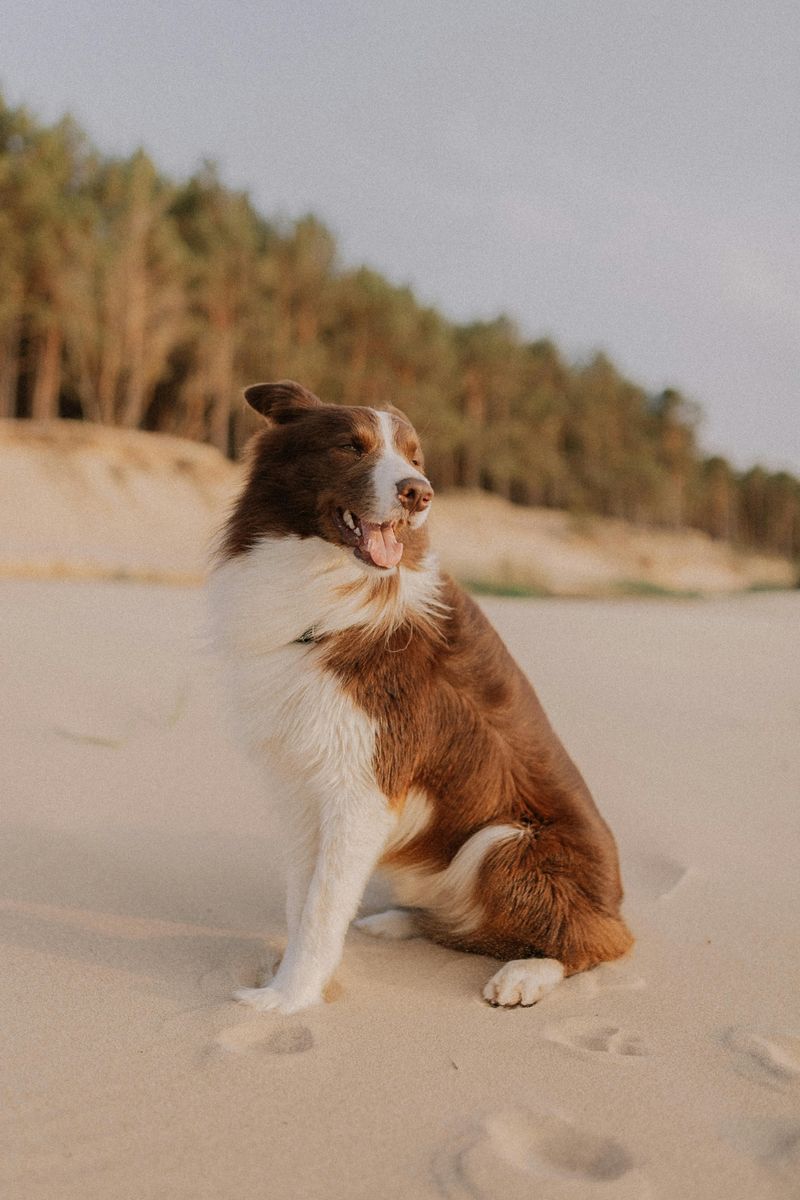
Border Collies are geniuses with a job description wired into their DNA. Their herding instincts can become fixations on kids, bikes, or even shadows if you do not channel them.
Boredom triggers neurotic patterns like spinning, pacing, or obsessive staring.
Daily training, puzzle work, and fast-paced games keep that electric mind satisfied. Agility, scent work, and structured herding outlets help prevent nipping and eye-stalking.
If you want a couch buddy first and an athlete second, this breed will test you.
Siberian Husky
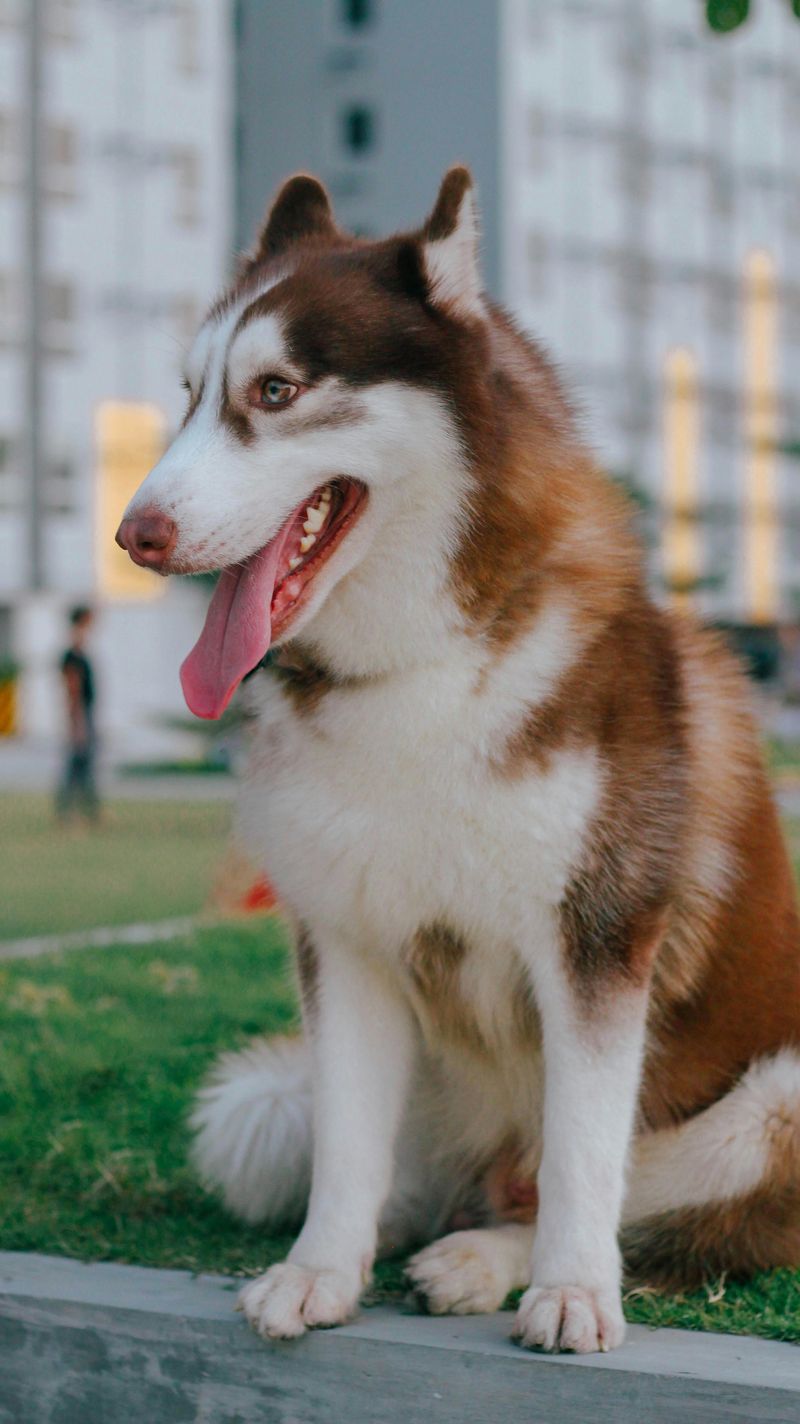
Siberian Huskies were born to run, not to recall on command when a squirrel darts by. Escape artistry is common, along with digging craters and singing the neighborhood awake.
Their independence feels like stubbornness if you expect Labrador levels of compliance.
Secure fencing, long-line training, and cardio-heavy exercise are musts. You will want scent games and pulling sports like canicross to satisfy that engine.
Without routine and enrichment, resource guarding or destructive chewing can bloom fast.
Akita
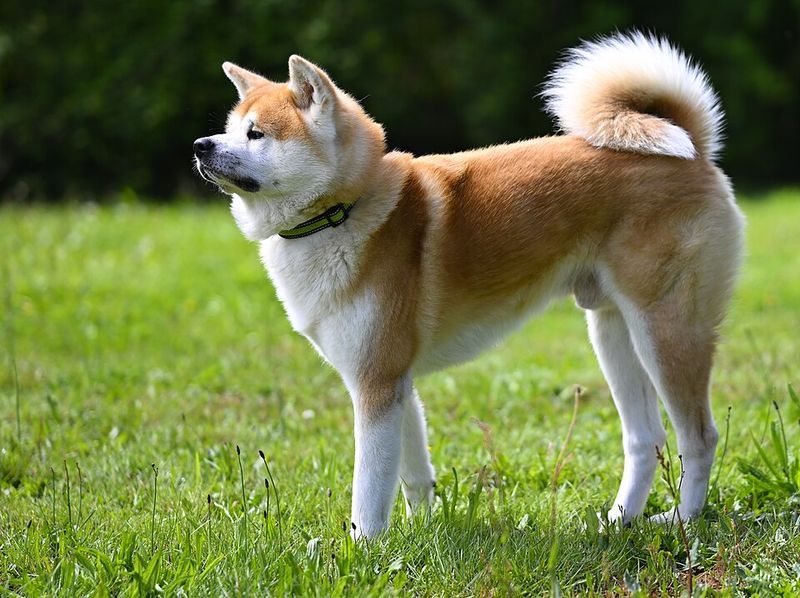
The Akita is dignified, watchful, and famously loyal, but that loyalty can narrow into aloofness with strangers. Natural guarding instincts and same-sex aggression require careful socialization.
Novice owners may misread quiet confidence as obedience when it is really independent decision-making.
Expect a strong personality that needs consistent rules, respectful handling, and early training. Clear boundaries prevent resource guarding and pushy behaviors.
Keep sessions short, purposeful, and calm to maintain engagement without conflict.
Chow Chow
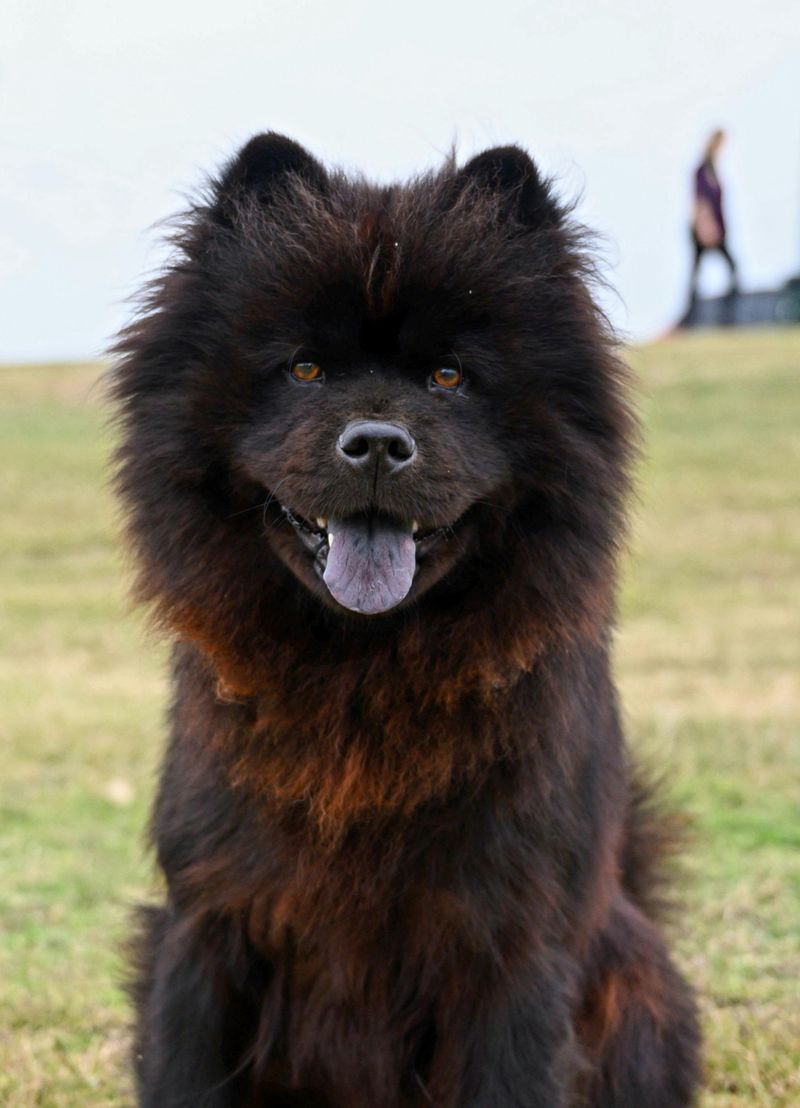
Chow Chows look like plush bears but carry a cat-like mindset. They value autonomy, dislike rough handling, and can react poorly to pushy greetings.
Grooming sensitivities and handling intolerance are common if not counterconditioned early.
Positive reinforcement with consent-based handling builds trust. Socialize thoughtfully, avoiding crowded chaos that breaches their comfort.
You will need patience, routine, and calm leadership to reduce reactivity and guarding behaviors around home territory.
Jack Russell Terrier
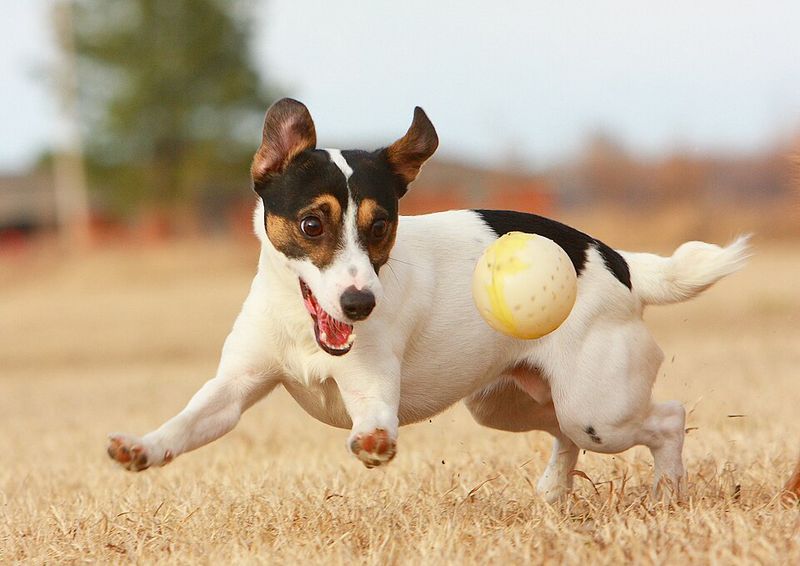
Jack Russell Terriers are tiny rockets with a demolition setting. Bred for vermin control, they dig, dart, and chase with single-minded passion.
That energy becomes chaos without clear outlets and structured games.
Impulse control drills, tug rules, and scent-based hunts keep them centered. You will need sturdy enrichment, flirt pole sessions, and puzzle feeders to tire the brain.
Without management, expect door bolting, shrill barking, and turf wars with other small pets.
Australian Cattle Dog
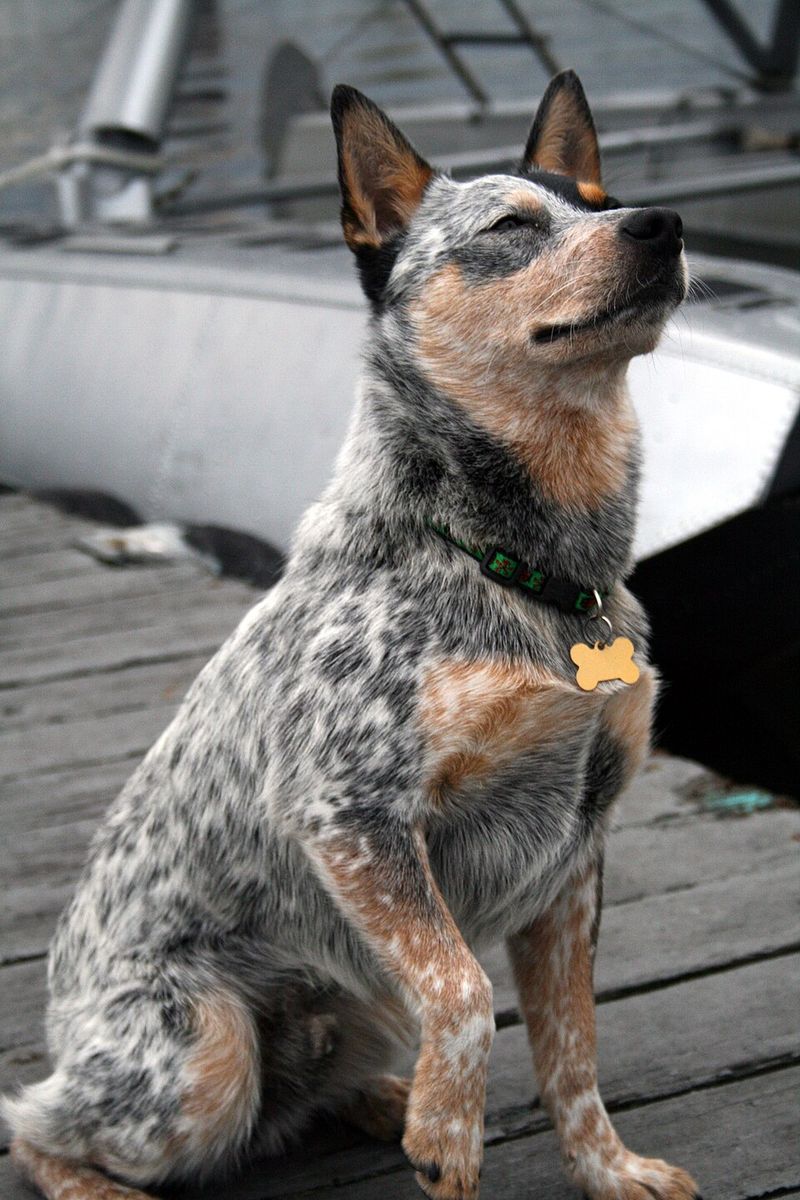
Australian Cattle Dogs are hardwired for tough work and strategic nipping. That heel-biting herding style does not translate well to kids running in hallways.
They need jobs, precision training, and serious exercise every single day.
Boredom invites property guarding, reactivity, and mouthy corrections. Set clear rules, build a rock-solid recall, and rotate advanced obedience with trick training.
You will want durable toys, structured walks, and controlled socialization to manage intensity.
Cane Corso
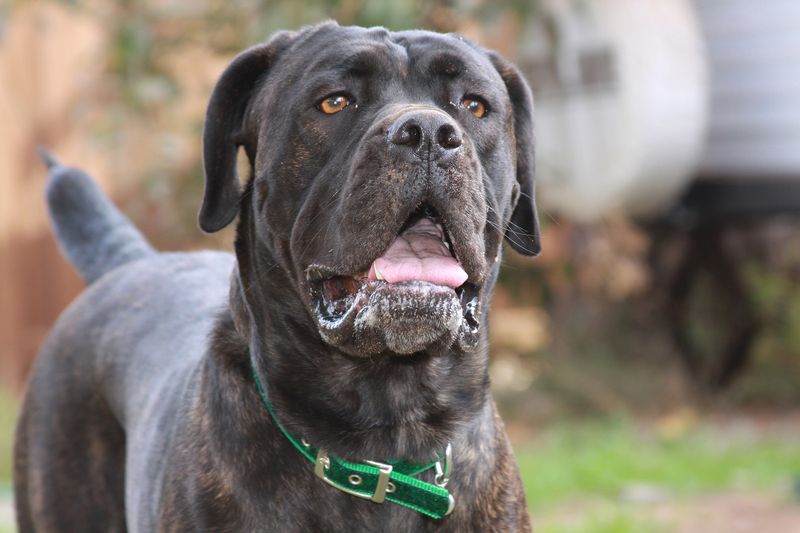
The Cane Corso is imposing, intelligent, and family focused, yet inexperienced handling can amplify territorial behaviors. Early socialization and impulse control are non negotiable.
Without them, suspicion toward strangers and pushy guarding can escalate.
Teach neutrality, calm leash skills, and place work to manage arousal. You will need consistent structure, clear rules, and a firm training plan without harshness.
Prioritize controlled exposures, mouth management, and reliable obedience around visitors.
Weimaraner
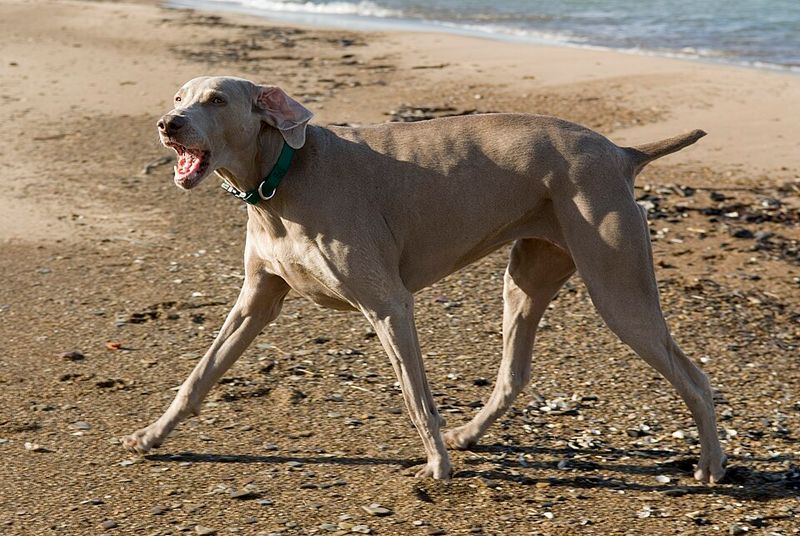
Weimaraners are velcro athletes with a strong prey drive and anxious streaks. Separation issues are common, leading to clawed doors and shredded crates if needs go unmet.
Their sensitivity benefits from calm, predictable routines and gentle training.
Give vigorous exercise paired with brain work like tracking and nosework. You will want gradual alone-time training and crate conditioning that feels safe.
Without it, expect howling, pacing, and desperate escape attempts as anxiety spikes.
Dalmatian
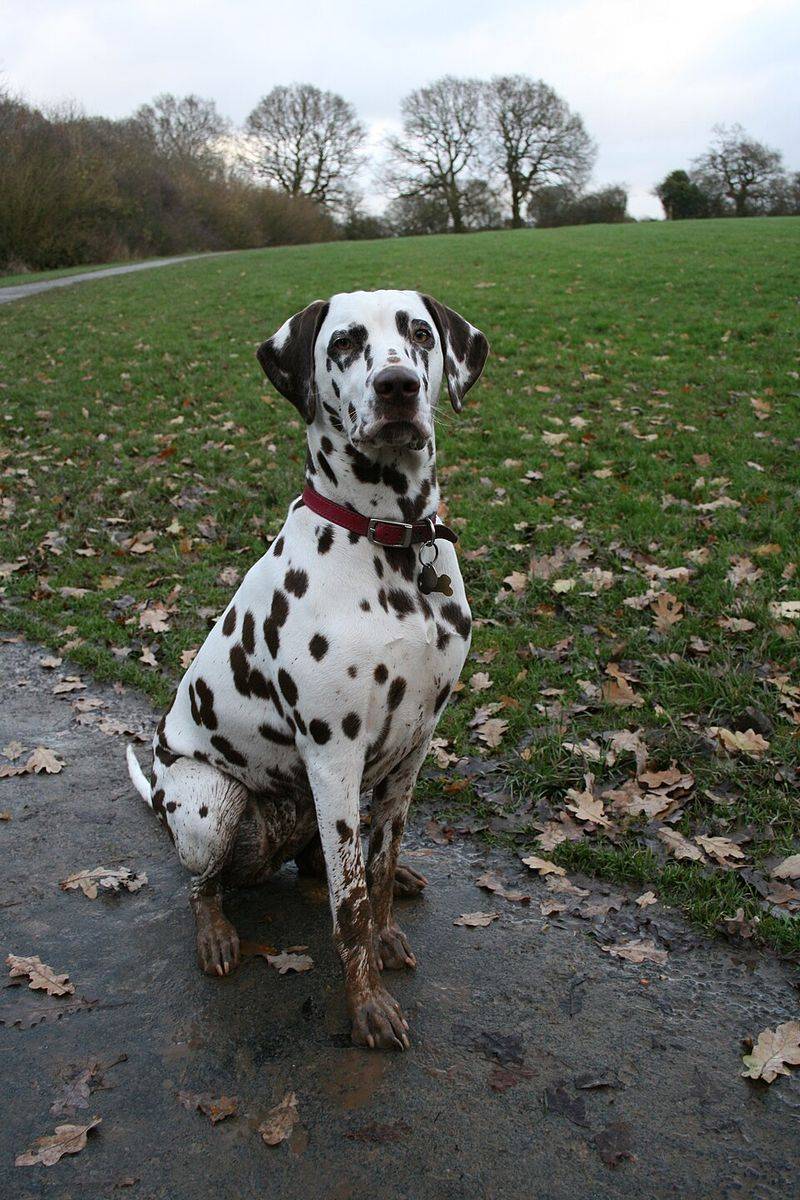
Dalmatians are energetic, smart, and sometimes prickly about handling. Without structure, they morph into jumpy whirlwinds that mouth and guard resources.
They also face dietary sensitivities and potential urate stone risks, demanding thoughtful care.
Daily exercise, trick training, and polite greeting routines keep manners in check. You will need consistent boundaries, balanced nutrition, and regular vet guidance for urinary health.
Skip it, and behavior spirals alongside avoidable health flare ups.
Basenji
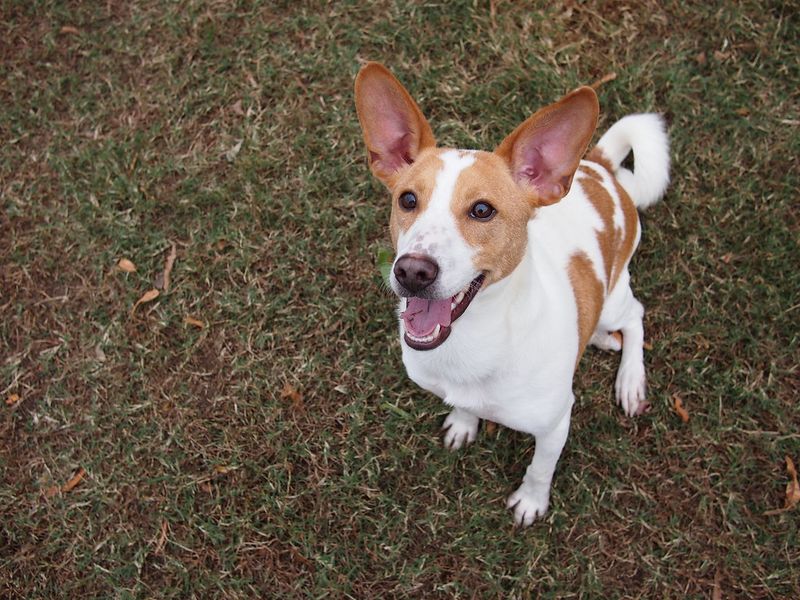
Basenjis are quiet in voice yet loud in independence. The infamous yodel replaces barking, but cat-like aloofness complicates recall and obedience.
Chewing, counter surfing, and sudden zoomies appear when boredom hits.
Short, upbeat sessions build engagement without battling their pride. You will want enrichment that mimics hunting, like lure games and scent work.
Without mental outlets, they redecorate your home with paper confetti and stolen socks.
Afghan Hound
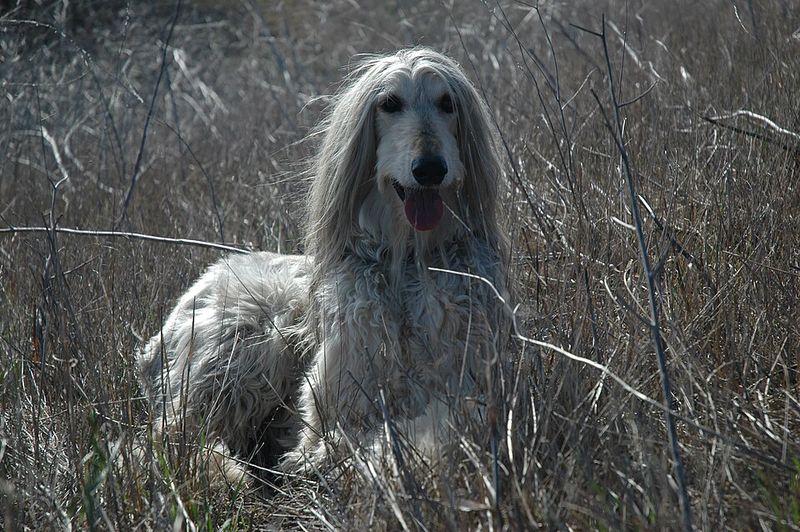
Afghan Hounds float like runway models and think like philosophers who ignore your texts. Sensitive yet aloof, they disengage if you drill commands.
High prey drive makes off leash life risky without secure areas.
Keep sessions playful, brief, and rewarding to maintain focus. You will want flirt pole work, coursing sports, and careful recall games.
If you push too hard, they check out and chase the horizon instead.
Alaskan Malamute
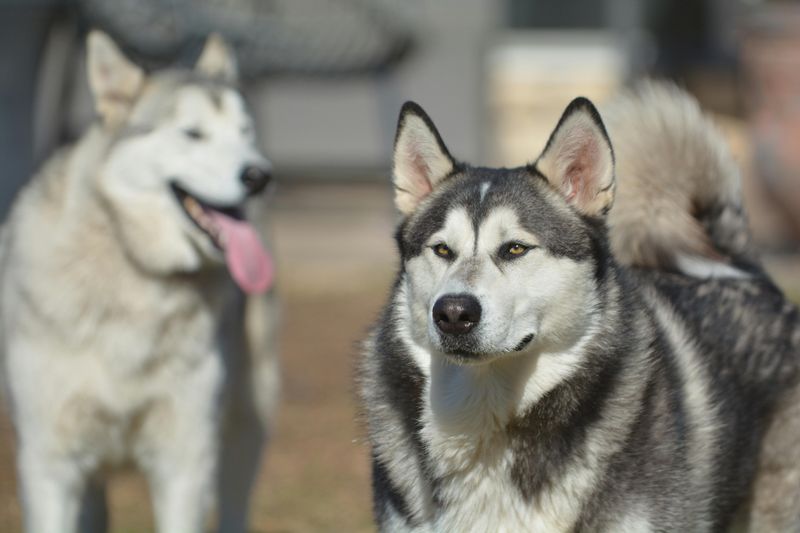
Alaskan Malamutes are powerful freight haulers with big voices and bigger wills. They dig craters to nap, shed in blizzards, and treat flimsy fences like puzzles.
Dog selective tendencies and resource guarding can surface without management.
Heavy exercise, cooperative care training, and clear resource rules are essential. You will want secure containment, structured walks, and strength games to channel power.
Skip boundaries and you will negotiate with a furry bulldozer daily.
Presa Canario
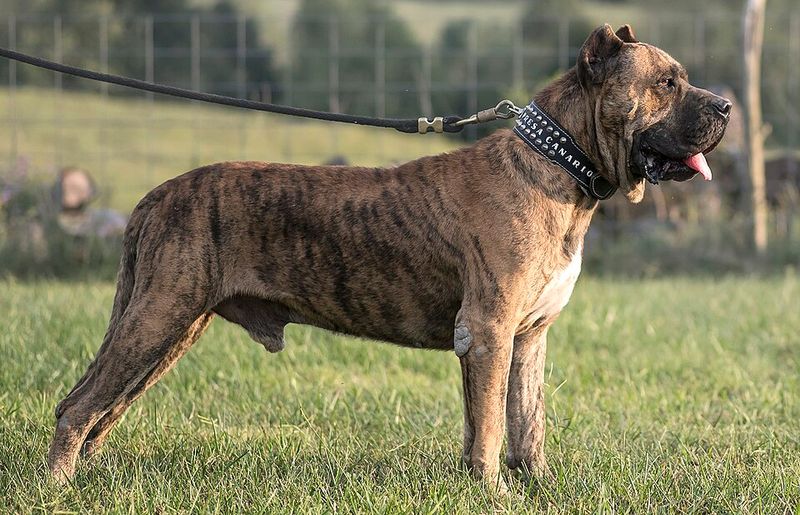
The Presa Canario is imposing, territorial, and deeply bonded to family. That mix demands a capable handler who prioritizes socialization and neutrality.
Unchecked, suspicion toward strangers and dog aggression can escalate quickly.
Train calm leash handling, muzzle conditioning, and rock-solid obedience around thresholds. You will need structure, predictable routines, and careful introductions to people and environments.
Without leadership, guarding can shift from protective to problematic fast.
Tosa Inu
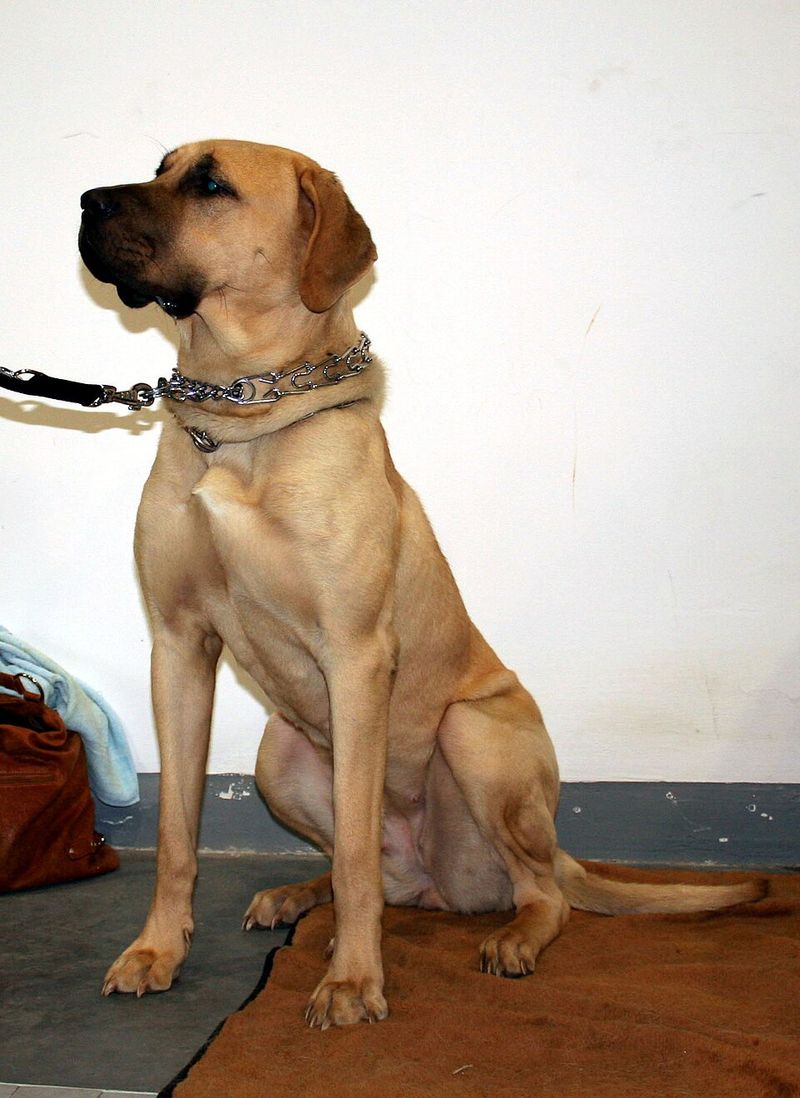
The Tosa Inu is a powerful, stoic guardian bred for composure under pressure. That steadiness can mask brewing intolerance for pushy dogs or chaotic spaces.
Novice owners may underestimate their needs for structure and accountability.
Focus on neutrality training, impulse control, and calm exposures. You will want professional guidance, strong management, and consistent rules from day one.
Neglect that foundation, and you risk serious conflicts that are hard to unwind.