Letting a dog run free can look fun, but it can also end badly. Some breeds are more likely to chase, wander, or ignore recall.
Knowing which dogs need extra care helps keep them safe and happy. Learn how to plan smarter walks and prevent stressful runaways.
Siberian Husky
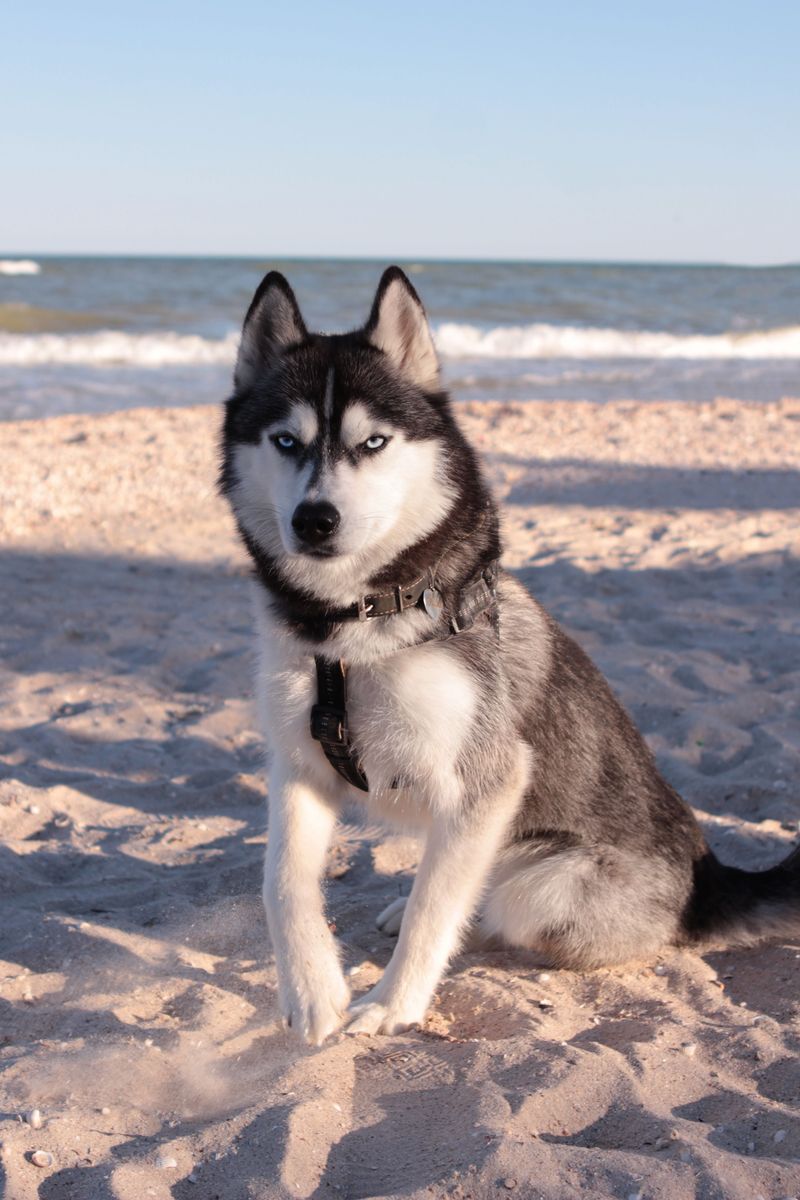
Snow in the air flips a Husky’s adventure switch. Many bolt after movement, ignoring even a loud call.
That independent streak came from sled work across long distances. The common mistake is trusting recall in open spaces too soon.
Practice in fenced fields with a long line. Use high-value rewards and frequent name games.
Add structured outlet runs, like canicross or bikejoring. A tired mind and body reduce roaming urges and make recall training stick.
Beagle
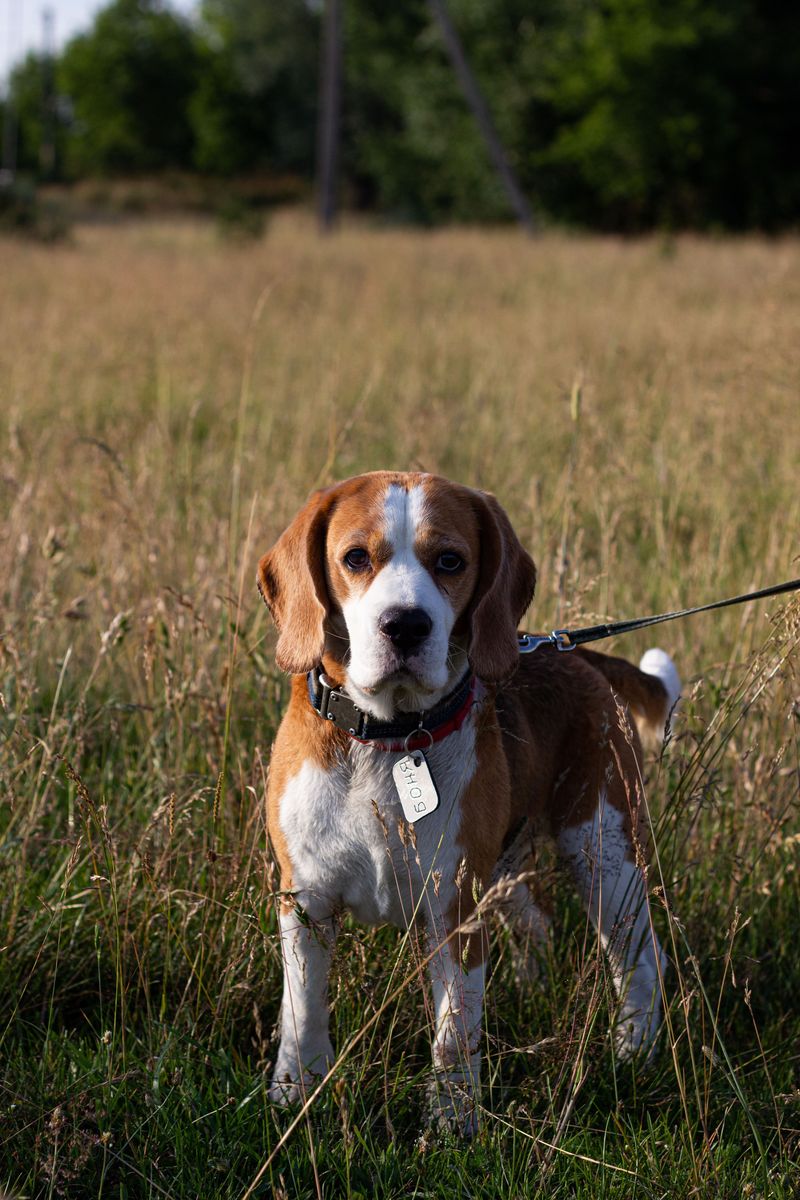
One whiff of rabbit and a Beagle forgets the world. Their nose can glue them to a scent for miles.
Owners often unclip in parks, thinking short legs mean short range. That is the big error.
Channel their sniffing with nose-work games and scatter feeding. Keep a tracking line attached while practicing check-ins.
Reward head-turns, not just full recalls. A satisfied sniffer listens better, and a line gives you time to react.
Afghan Hound
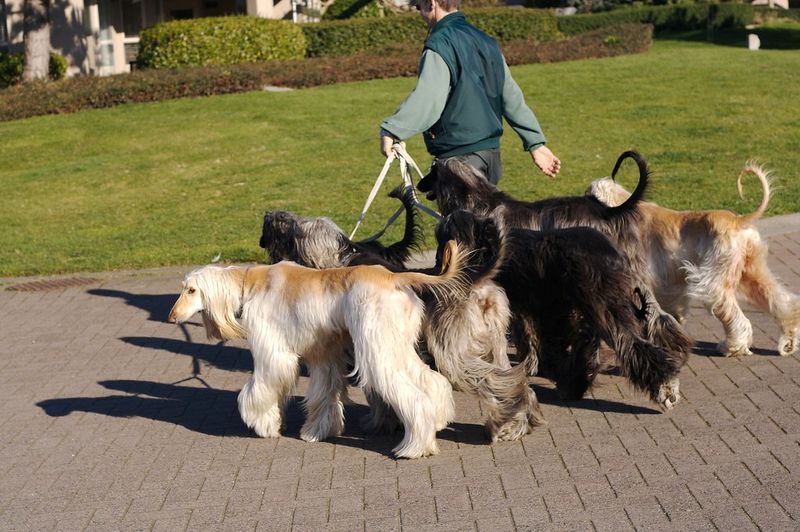
Built like a ballerina, the Afghan Hound sees a moving target and vanishes in a blink. They are sight-hound independent, bred to make choices without people.
The mistake comes from assuming affection equals obedience.
Teach recall as a game, not a command. Short sprints to you, jackpots, then release to run again.
Use fenced sports fields and flirt poles for speed practice. Respect their mind, and you earn those precious turn-backs.
Saluki
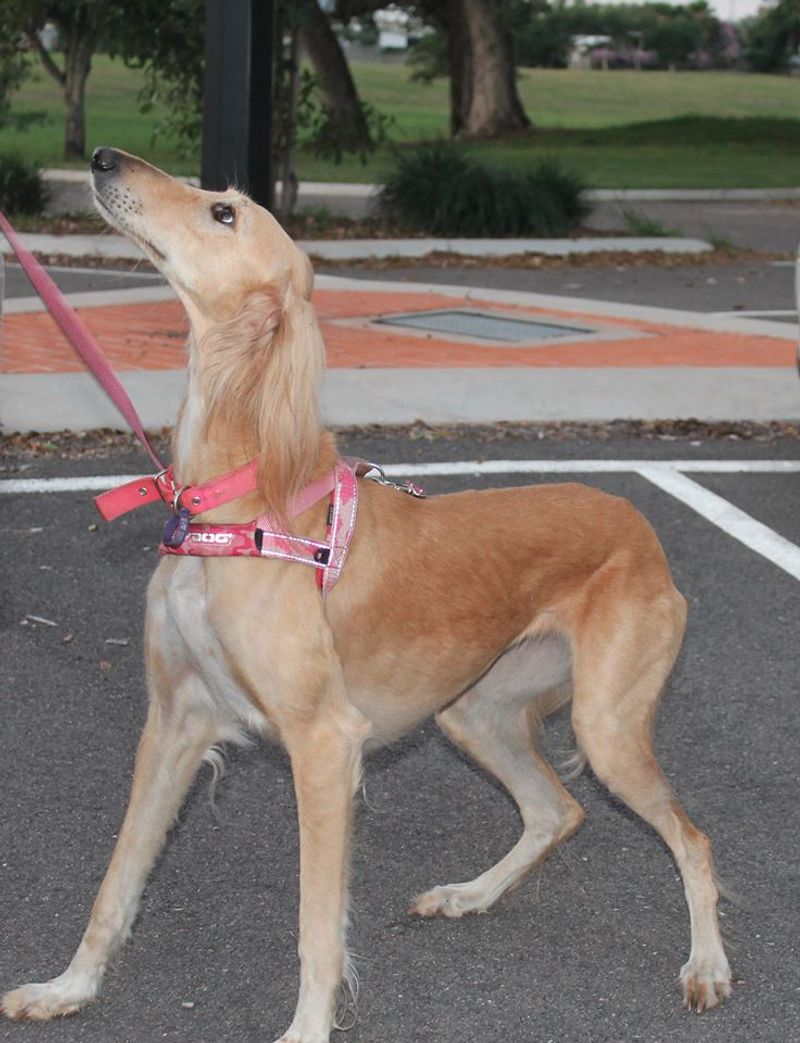
Graceful as an arrow, the Saluki locks onto motion from far away. Silence follows, then a blur.
Owners often confuse calm at home with reliability outside. That mismatch creates breakaway moments.
Plan controlled sprints in secure spaces. Use a drag line and reward returning with a short release to chase a toy.
Keep sessions brief to prevent burnout. A predictable routine builds habits and prevents that first disastrous dash.
Basenji
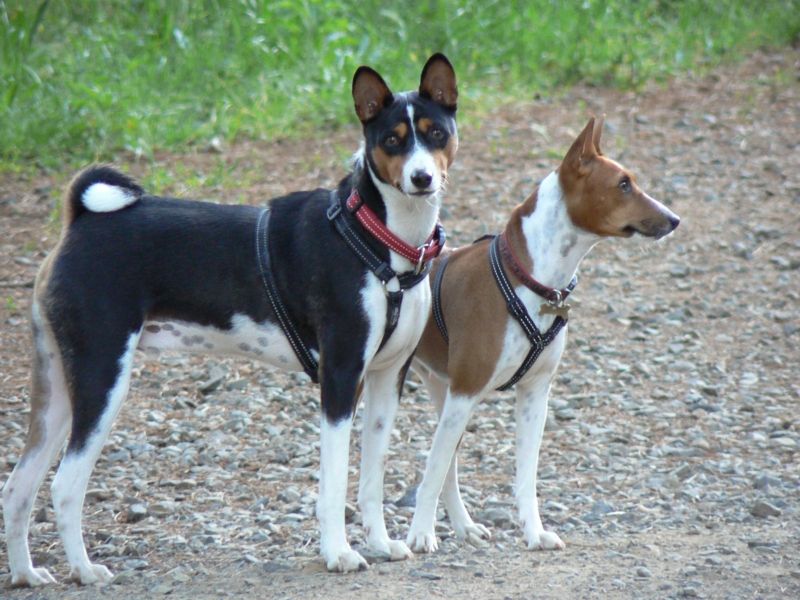
Quiet does not mean compliant. The Basenji’s catlike style and curiosity send them exploring fast.
Many owners assume a city block is safe. One open gate proves otherwise.
Work on proximity games, like following your moving circle for snacks. Reinforce check-ins whenever the dog glances your way.
Rotate high-value rewards to keep interest high. Secure perimeters and use long-lines in new places.
Smart management beats any stubborn streak.
Alaskan Malamute
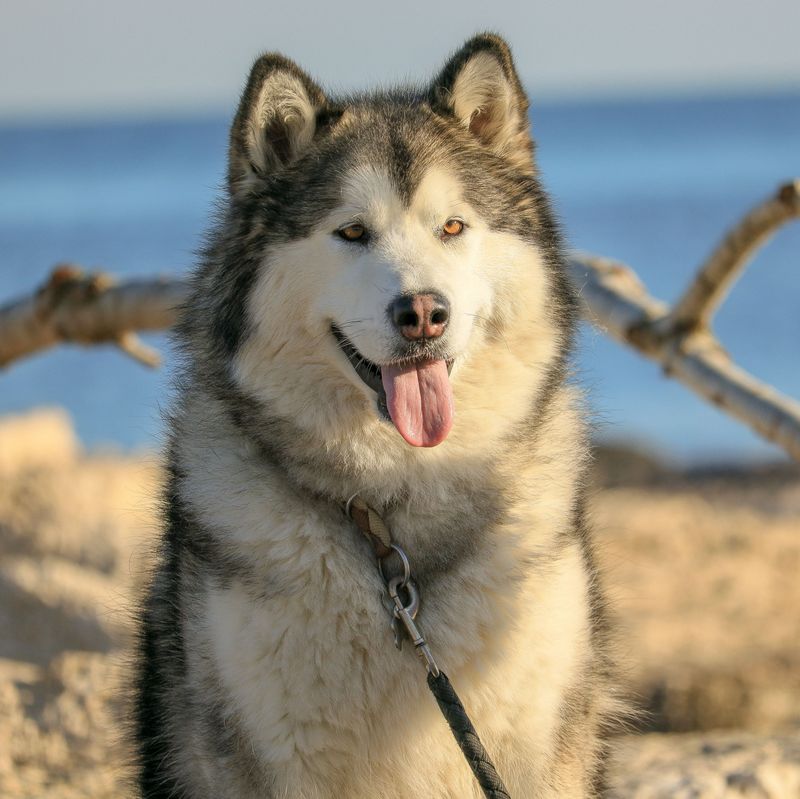
Strength plus wanderlust is a risky mix. Malamutes were bred to travel, haul, and keep moving.
Unclipping on a trail often ends with a distant dot on the horizon. People expect loyalty to override instinct, which is the trap.
Give that engine a job. Try canicross intervals, weight pulls, or sled practice.
Train an emergency down at distance using a long line. A worked Malamute is a better listener.
Jack Russell Terrier
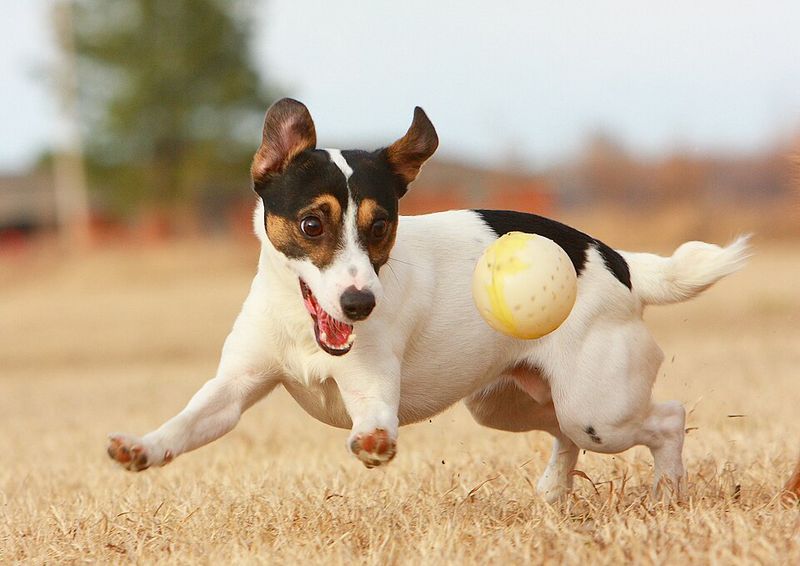
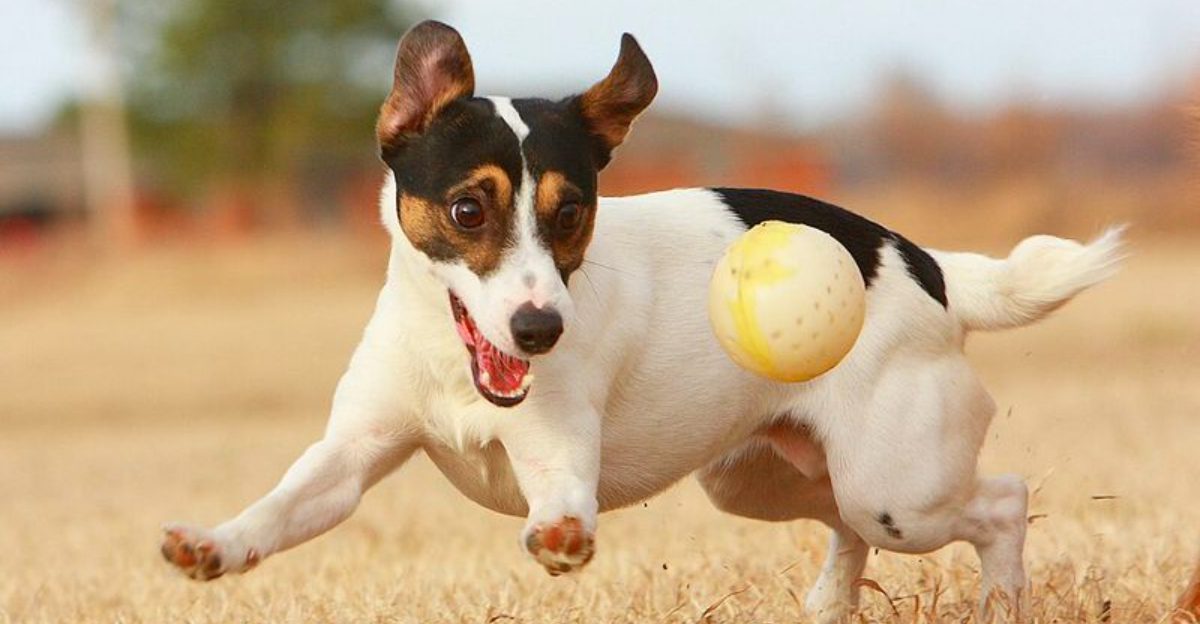
Like a cork popping, a Jack Russell spots a squirrel and rockets away. Small size fools many into casual off-leash time.
That bold prey drive can carry them across roads in seconds.
Build impulse control with stop games and rapid sit-for-release drills. Use flirt poles to practice chasing, then calling off.
Keep a line until your dog nails surprise recalls. Energy outlets and structure keep that spark from starting trouble.
Treeing Walker Coonhound
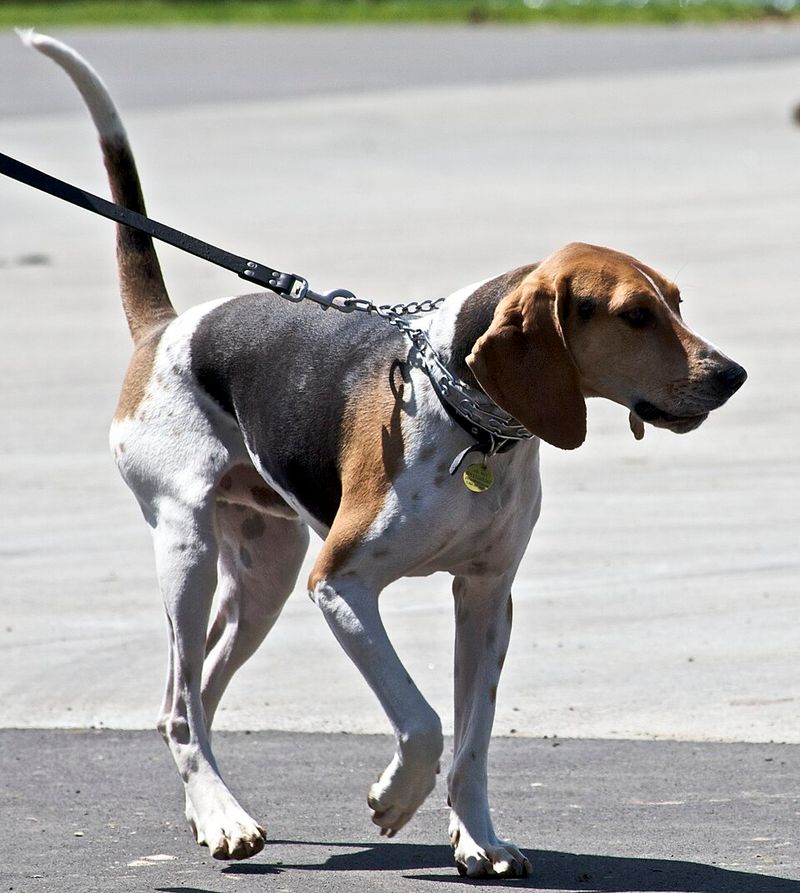
Once the nose locks, the world fades. Treeing Walkers are bred to track and hold game at trees.
The big mistake is thinking a quiet trail equals low risk. A fresh scent changes everything.
Use a GPS collar and practice whistle recalls paired with big payouts. Let them sniff on cue, then call off and reward.
Long-lines preserve safety while honoring instincts. Structured scent games at home scratch that tracking itch.
Bluetick Coonhound
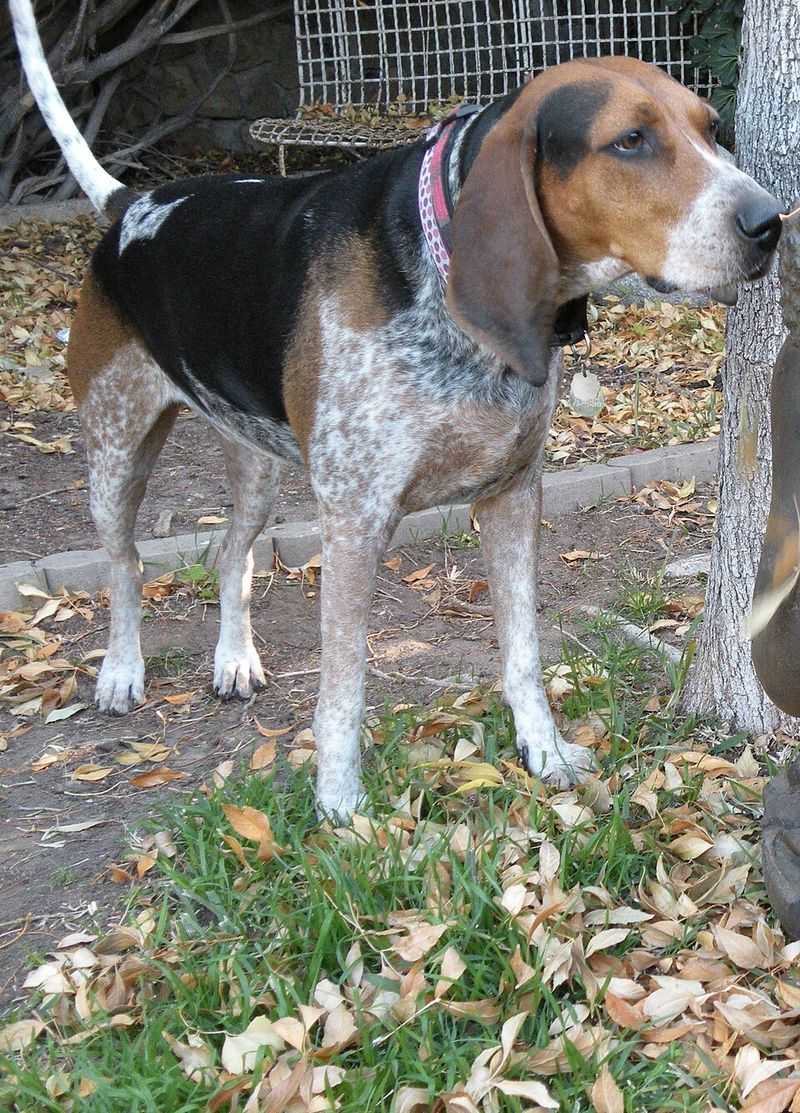
Music to your ears, trouble for recall. That ringing bawl means a Bluetick is on a mission.
Owners often underestimate how far a determined tracker will roam. The chase feels like a job to them.
Train a rock-solid whistle cue with massive rewards. Rotate locations to generalize success.
Offer legal tracking outlets, like laid scent trails. Keep lines attached near wildlife.
When instincts are given purpose, cooperation improves.
Bloodhound
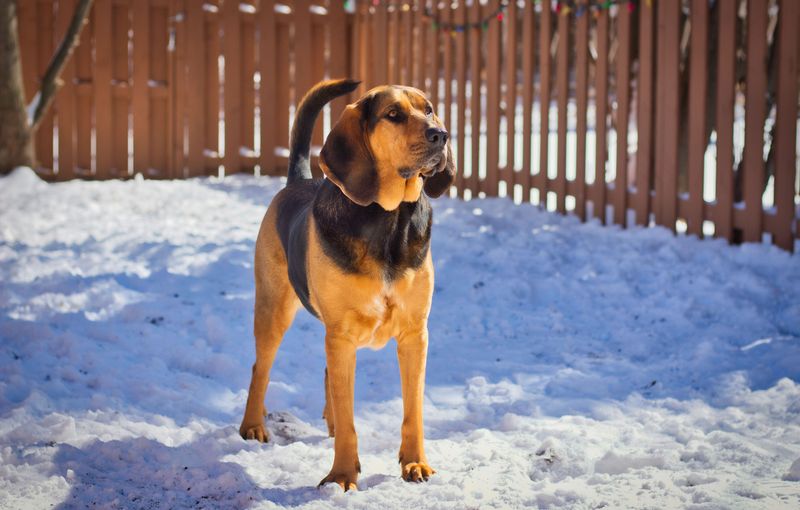
Few noses rival a Bloodhound. Once engaged, they can trail for hours.
Many owners free-roam on farms, assuming familiarity equals safety. It only takes one scent to pull them beyond earshot.
Teach an emergency recall word paired with roast-level treats. Use GPS plus a long-line in open areas.
Add nose-work classes to satisfy their talent. Controlled practice keeps that mighty sniffer from writing its own adventure.
Weimaraner
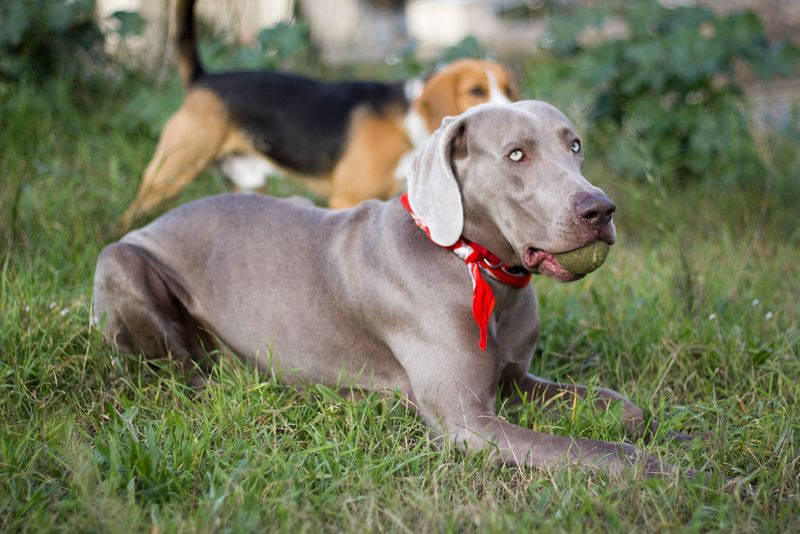
Silver speed meets curiosity with no brakes. Weimaraners love to run and investigate.
The classic mistake is skipping foundation training because the dog seems people-focused at home. Outside, movement wins.
Blend cardio with rules. Practice recall after brief fetch rounds, then release again.
Play hide-and-seek to build seeking you as the prize. Keep lines on until returns are automatic in distractions.
Balanced outlets create a partner, not a projectile.
Irish Setter
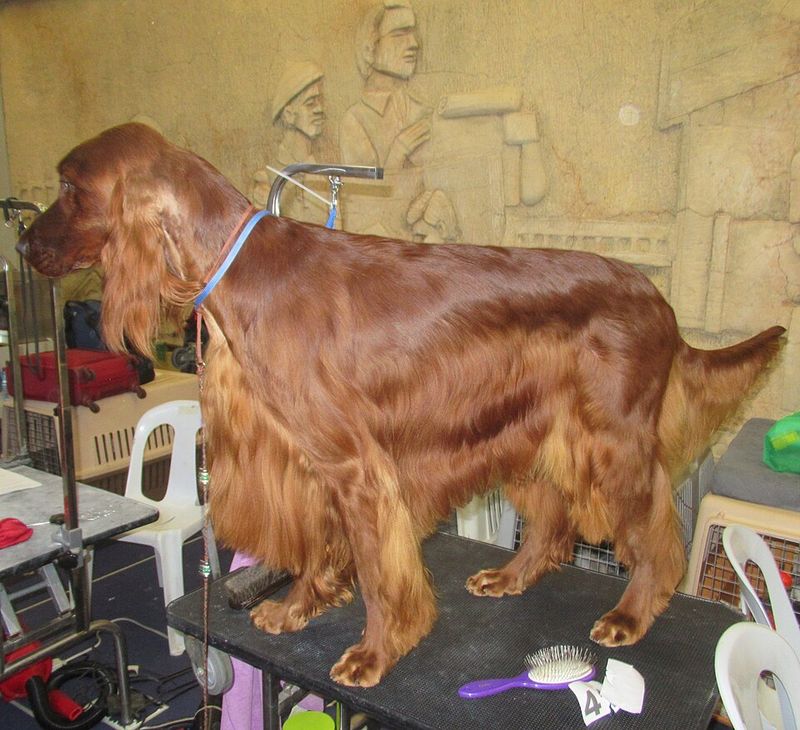
Joy is their superpower, and it carries them far. Irish Setters chase fun like confetti in the wind.
Owners often trust a friendly temperament to keep them nearby. Excitement says otherwise.
Use short, upbeat training bursts. Call, reward big, then send back to play.
That boomerang pattern builds value in returning. Keep early sessions inside fenced spaces with lines.
When recall predicts more fun, you become the favorite party stop.
Rhodesian Ridgeback
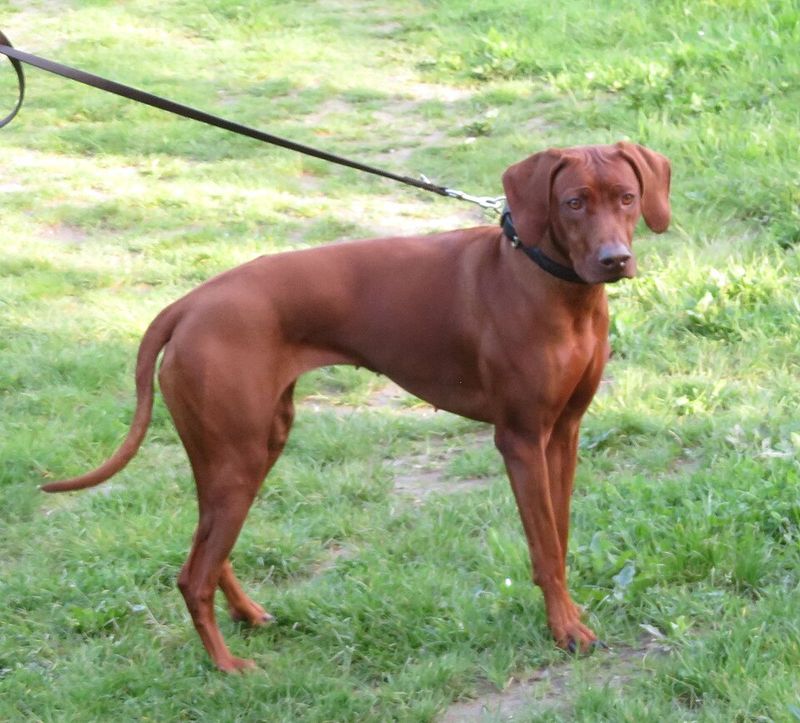
Confidence meets power in a Ridgeback. Historically used around big game, they can pursue fast and far.
The mistake is assuming maturity makes them safe off leash. Resolve does not equal reliability.
Teach impulse control with down-at-distance and whistle stops. Mix endurance runs with focused obedience breaks.
Keep a line until performance holds under wildlife distraction. Clear boundaries and calm leadership turn strength into steady partnership.