
People often think protective dogs are always tough and loud. The real surprise is that many are calm, careful, and full of love.
They guard by being close, reading people, and choosing when to step in. Learning how they protect can help families pick the right dog and build trust.
German Shepherd
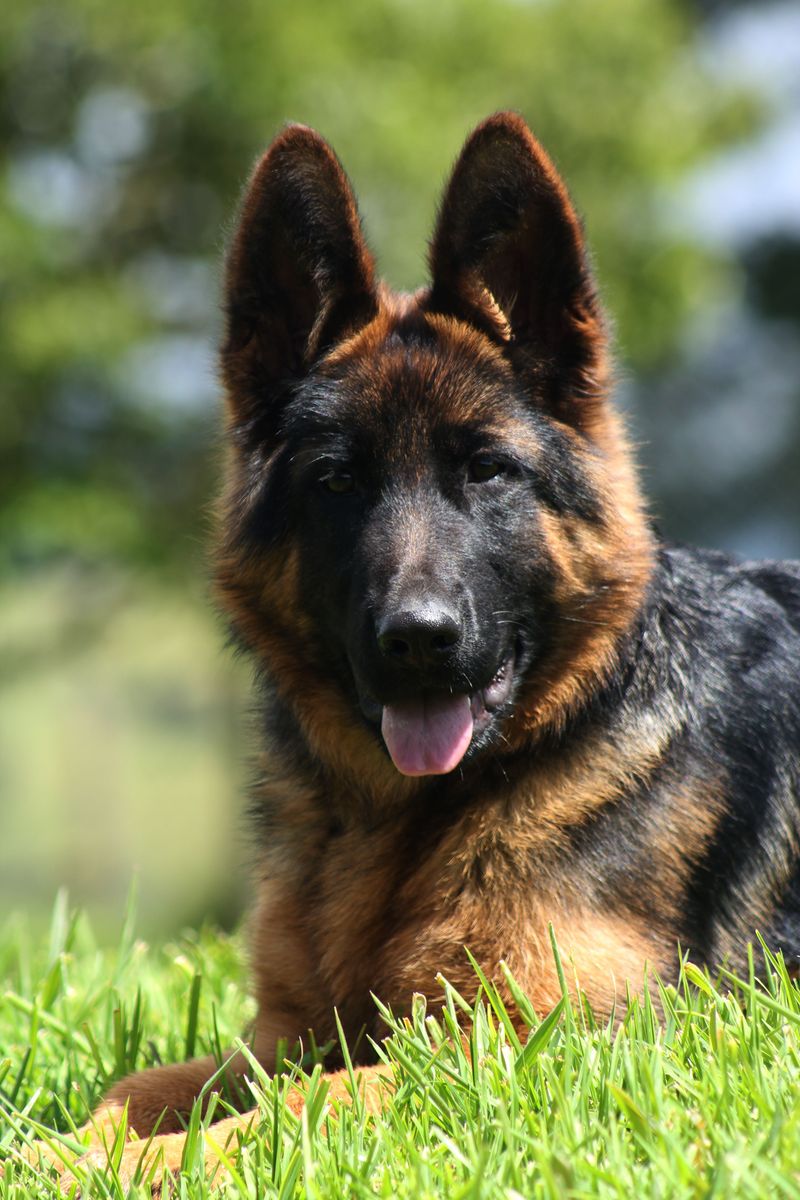
Big reputation, bigger heart. A well trained German Shepherd often protects by staying near you and watching quietly.
They notice doors, footsteps, and moods before anyone else. Instead of rushing, many choose patience, then act only if needed.
Daily structure builds confidence. Short obedience games, clear rules, and gentle handling help them relax.
Give them a job like carrying a soft toy on walks. You will see thoughtful eyes, not rough behavior.
Great Pyrenees
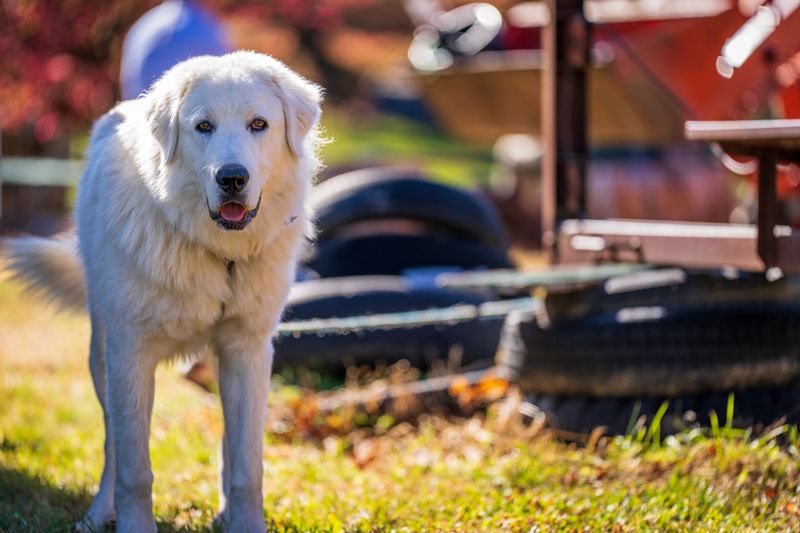
Like a quiet night watch, the Great Pyrenees guards with stillness. Bred to live with flocks, they learn to think for themselves.
Many prefer a calm warning bark over any show of force. They shine when noise is low and routines feel steady.
Give them space to survey and a steady schedule. Brush that cloudlike coat and walk at slow pace.
Respect their thoughtful style and you gain a steady, gentle sentinel.
Boxer
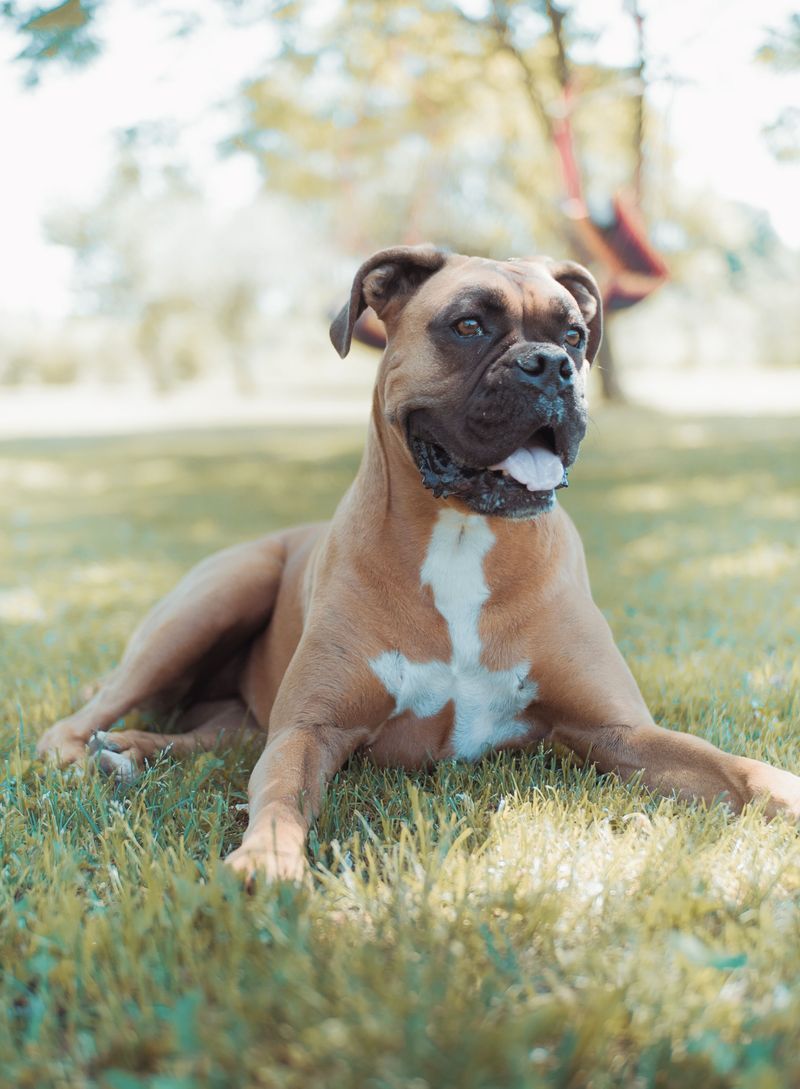
Goofy first, guardian second, the Boxer wins hearts with clown energy. Many protect by placing themselves between you and the door, then wiggling to show they mean peace.
Their expressive faces read rooms fast, turning serious only when lines are crossed.
Short, fun training keeps their mind busy. Teach a solid place command near the entry.
Offer puzzle toys to release zoomies. You get a cheerful roommate who spots trouble early.
Newfoundland
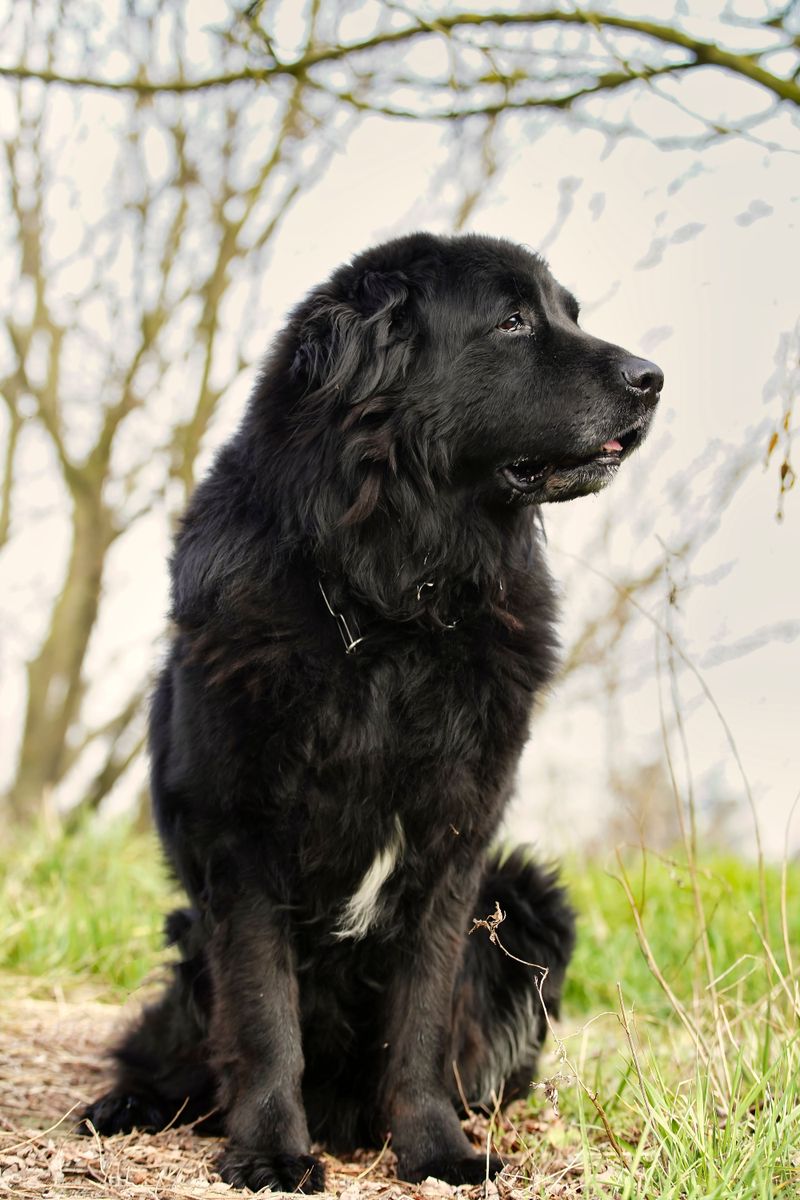
With a heart as big as its paws, the Newfoundland guards by caring. Water rescue roots make them focus on safety, not scuffles.
You will notice gentle shadowing near kids and patient eyes at crowded places. They prefer helping to huffing.
Swim sessions and cart pulls give them purpose. Keep training kind and confident.
Teach a calm settle near pools or tubs. Their presence makes families feel steady and secure.
Bernese Mountain Dog
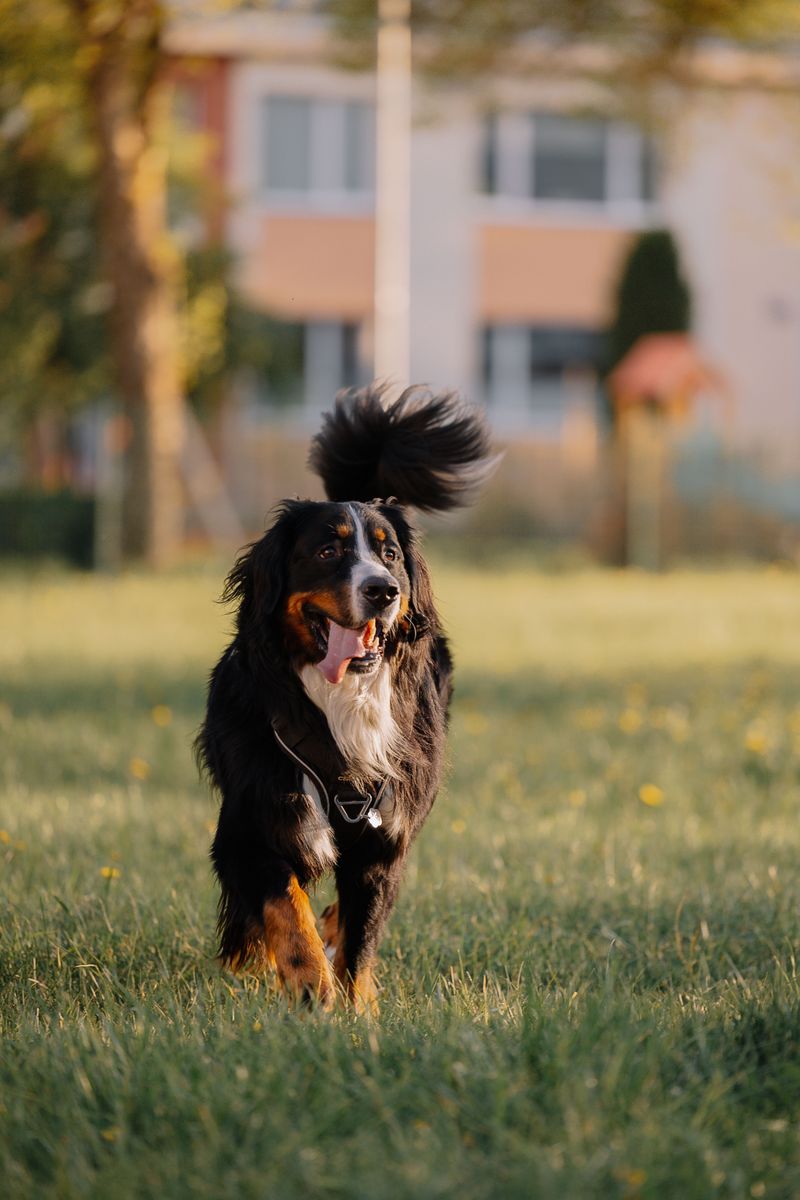
Farmhand charm meets quiet watchfulness in the Bernese Mountain Dog. Many show care by sticking close and guiding people gently with a shoulder nudge.
They pick up household rhythms and step in if something feels off, usually with calm body language.
Keep joints happy with steady walks and simple strength games. Practice polite greetings and slow door routines.
Praise softly when they choose patience. You will feel a warm, steady presence at your side.
Doberman Pinscher
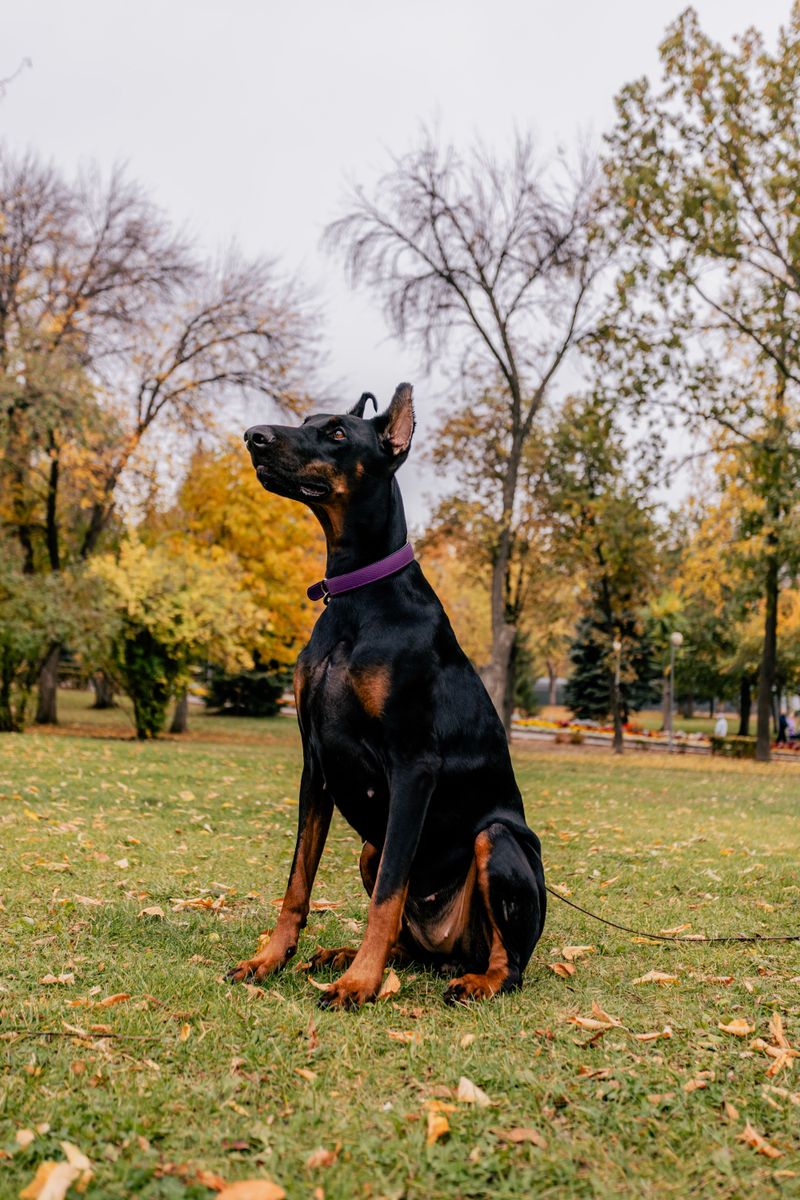
Precision over drama defines many Dobermans. They learn faces, routes, and patterns, then act like courteous bodyguards.
Instead of noise, they use placement, eye contact, and quiet blocking to keep space respectful. Elegance pairs with deep loyalty.
Short, smart training sessions work best. Teach heel, stay, and a relaxed down in busy spots.
Rotate mental games, then offer a soft place to chill. Consistent leadership brings out their thoughtful confidence.
Rottweiler
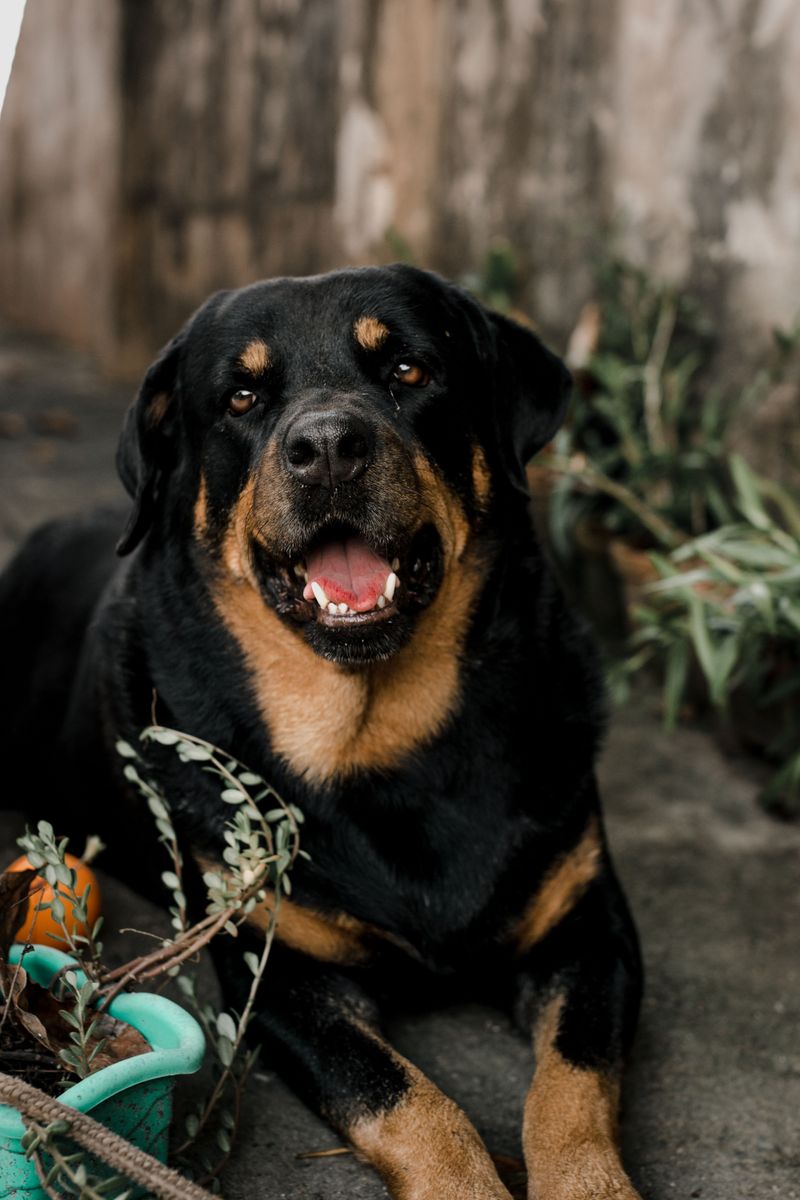
Like a trusted doorman, the Rottweiler watches the flow of life and opens the rope only when it is safe. Many prefer a quiet stance and slow movement over bluster.
Their confidence grows from predictability and fair rules.
Teach steady routines at doors, gates, and car exits. Use calm praise and clear boundaries so they never guess.
Add cart work or obedience games for purpose. You will see composed strength, not rough behavior.
Bullmastiff
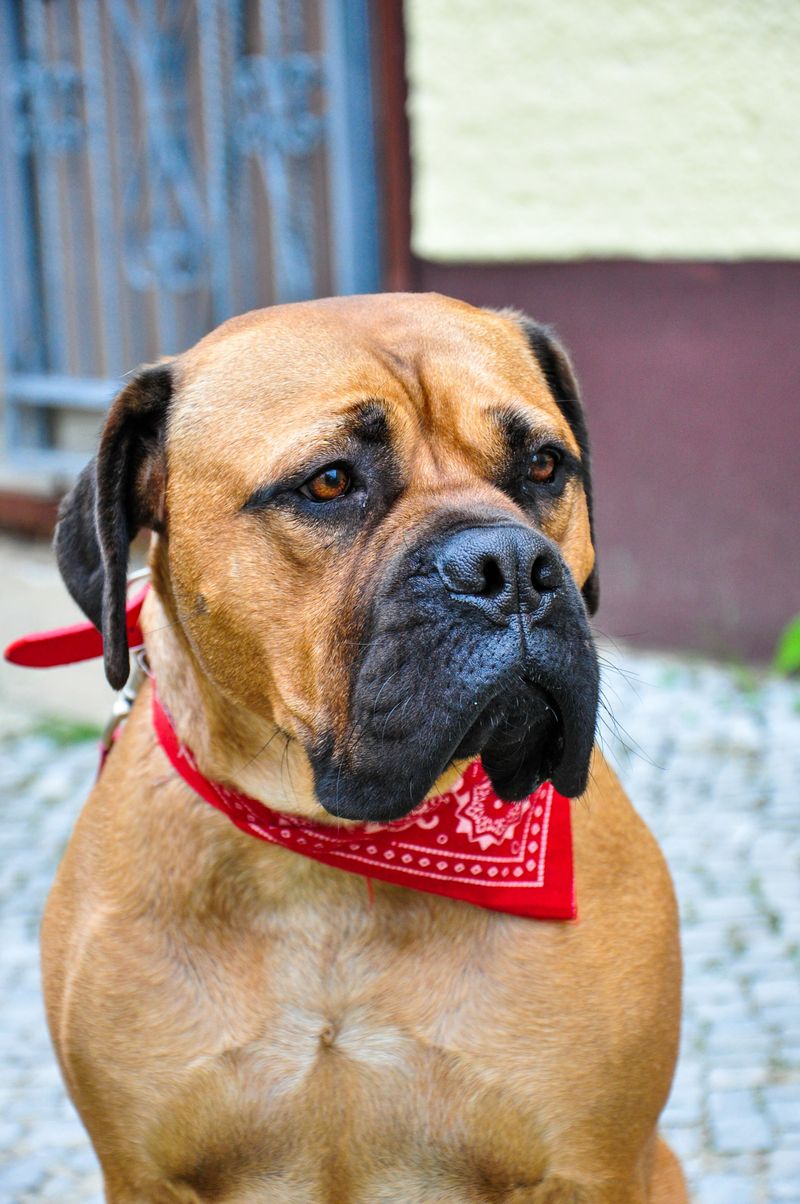
Security by silence fits the Bullmastiff. Historically used to stop poachers without chaos, many still choose calm body blocks and steady eyes.
They often nap near doorways, not from laziness, but from practical strategy.
Keep sessions short and clear. Reward soft sits, slow downs, and a relaxed place command.
Provide sturdy chew items to soothe stress. With steady guidance, you get a quiet guardian who values peace over push.
Cane Corso
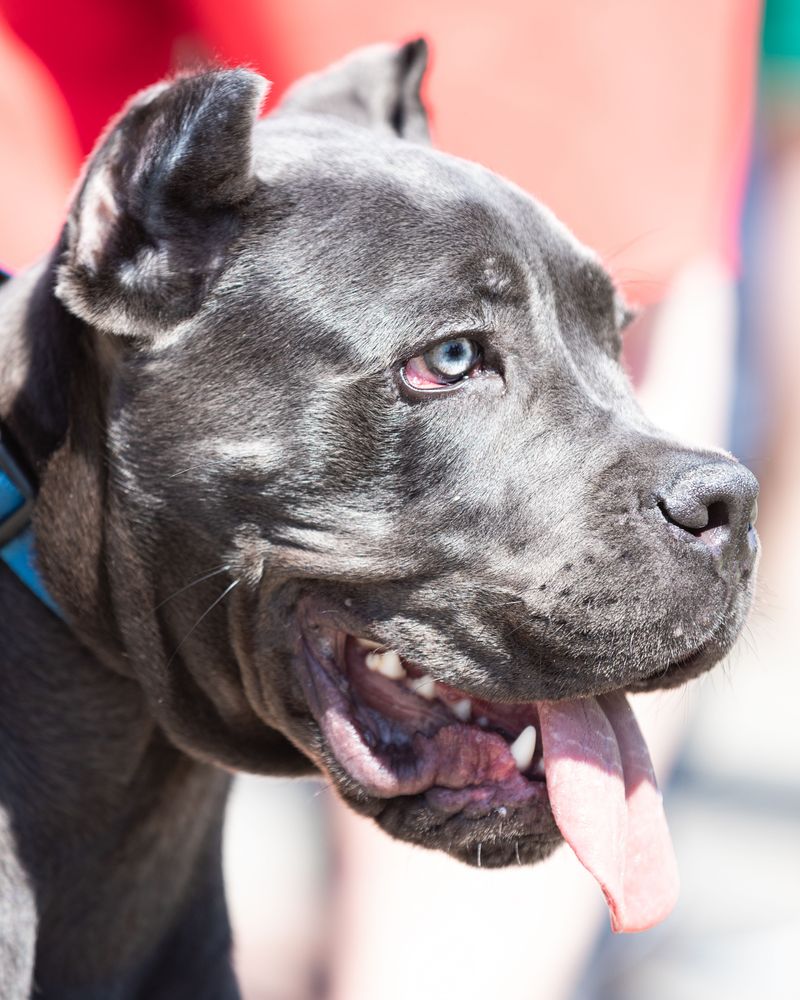
Presence speaks louder than volume with the Cane Corso. Many protect by controlling their own space and moving with calm certainty.
They read small cues and prefer clear direction from a trusted person. Confidence shines when pressure is low.
Teach smooth leash skills and impulse control around gates. Keep instructions simple and consistent.
Mix short training bursts with restful breaks. When the world gets busy, their steady focus keeps the moment quiet.
Giant Schnauzer
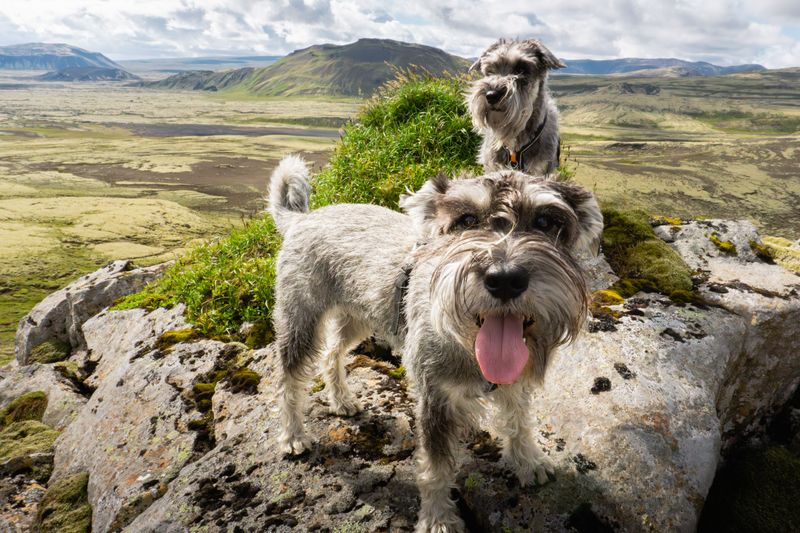
Brains and bustle define the Giant Schnauzer. They love tasks and use order to protect, not volume.
Many will stand tall, scan, and gently guide people to the safer side of a path. That tidy beard hides a very organized mind.
Offer jobs like carrying a pack or learning scent games. Keep training brisk and upbeat.
Give a cool down mat after work. Structure turns their energy into thoughtful care.
Beauceron
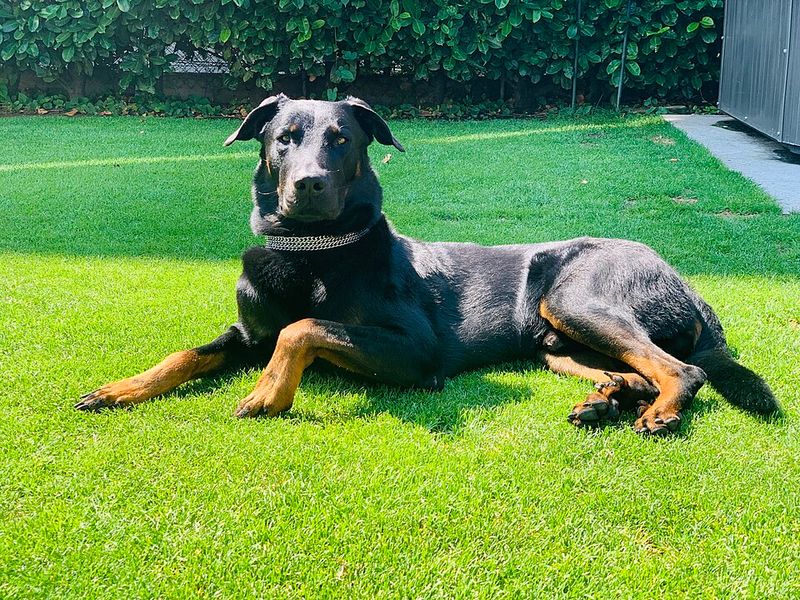
France’s quiet organizer, the Beauceron, guards by managing movement. You may see gentle herding of kids from stairs or careful parking beside guests.
They prefer planning to posturing, and they thrive on challenges that make them think.
Practice directional cues, scent trails, and off leash recall in safe areas. Keep a clear routine and respectful rules.
Praise small, smart choices. With guidance, their calm strategy turns busy homes into well run spaces.
Leonberger
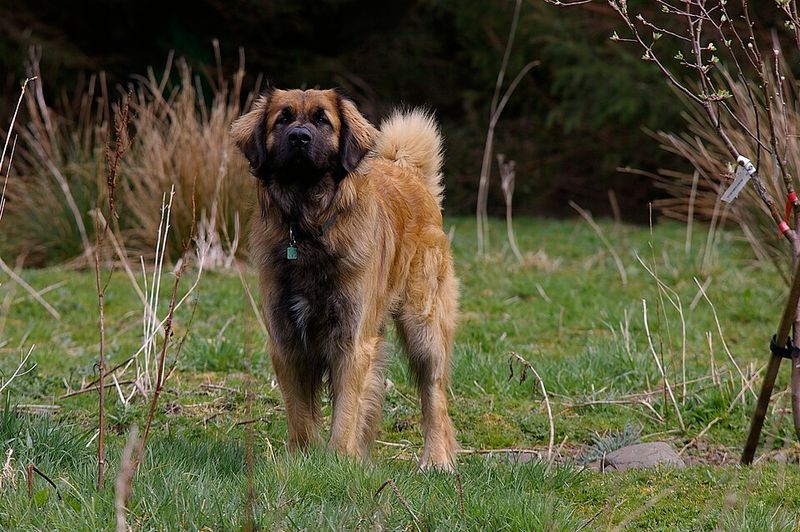
Picture a living teddy bear that watches over the morning. The Leonberger tends to comfort first, then protect by presence.
Crowds, strollers, and joggers are calmly observed like passing clouds. Their balance comes from early social time and soft handling.
Teach polite leash manners and a steady stay near water or docks. Keep grooming sessions soothing and consistent.
Encourage quiet greetings. You will enjoy a warm, confident shadow beside you.
Akita
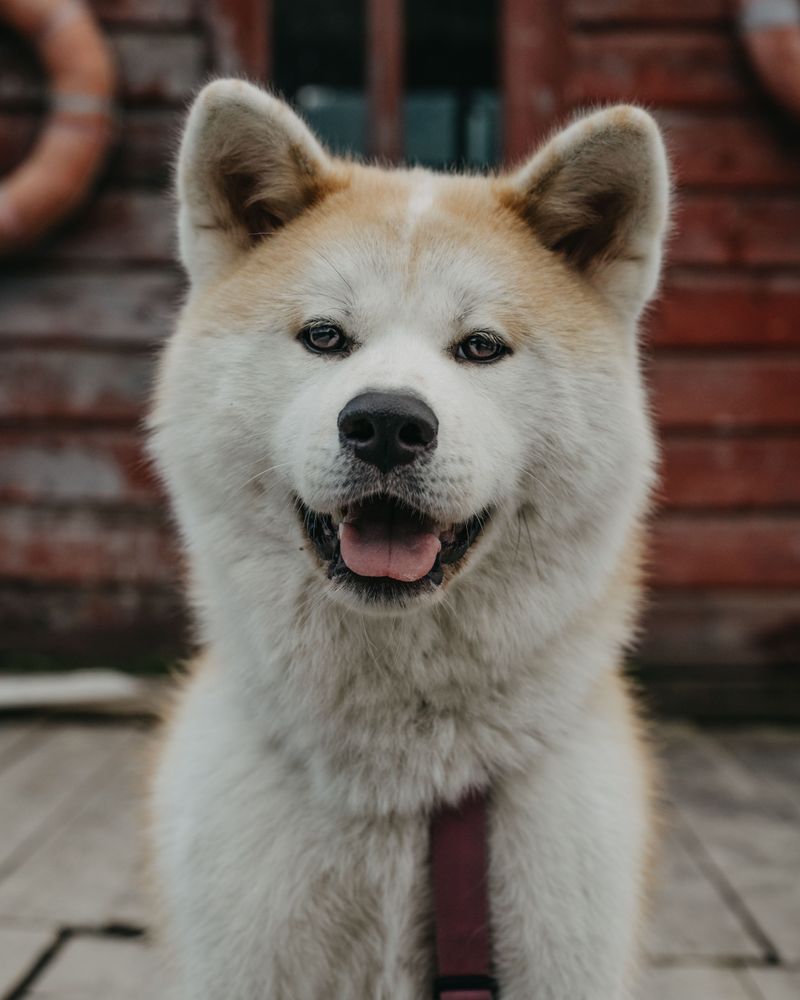
Dignity defines the Akita. Many protect by observing in silence, then placing themselves between family and concern with careful steps.
They show loyalty through patience, not noise. Visitors get measured looks, not wild greetings.
Short training sessions with clear boundaries help them relax. Teach a quiet place cue and calm leash changes.
Keep routines steady and praise thoughtful choices. Their centered focus makes the home feel safe and settled.