
If you have ever finished a brisk walk and noticed your dog’s tongue looking oddly bluish, you are not alone. Social feeds are buzzing with worry, and certain breeds are getting mentioned again and again.
The truth is, heat stress can escalate fast, but knowing breed tendencies and early signs helps you act calmly and quickly. Let’s break down the breeds people keep mentioning and what you can do right now to keep your best friend safe.
American Foxhound
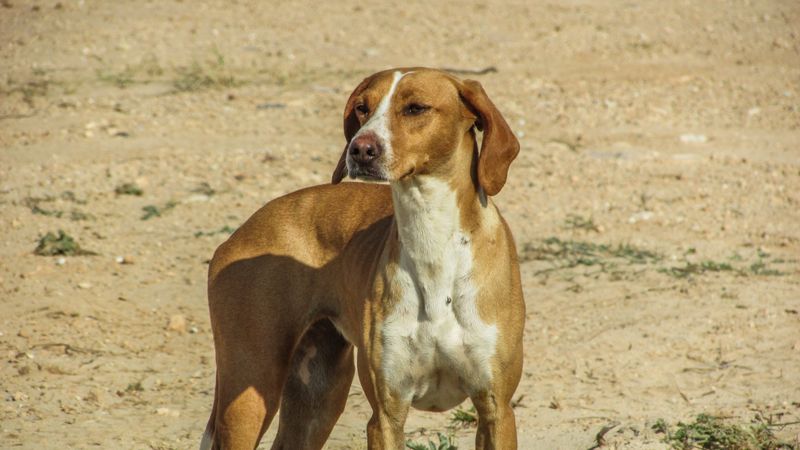
American Foxhounds love long runs, but they can overheat if you push pace or ignore humidity. Watch for heavy panting, drooling, slowing, and a tongue that shifts from pink to purplish.
That bluish tone may hint at inadequate oxygenation, so respond fast.
Move to shade, offer cool not icy water, and dampen ears, belly, and groin with a wet towel. If they do not improve within minutes, call your vet and head in.
Use a rectal thermometer if you carry one and know how.
Preventive steps help most. Walk at sunrise or late evening, build fitness gradually, and avoid hot asphalt.
A lightweight cooling vest and frequent sniff breaks make outings safer and happier.
English Foxhound
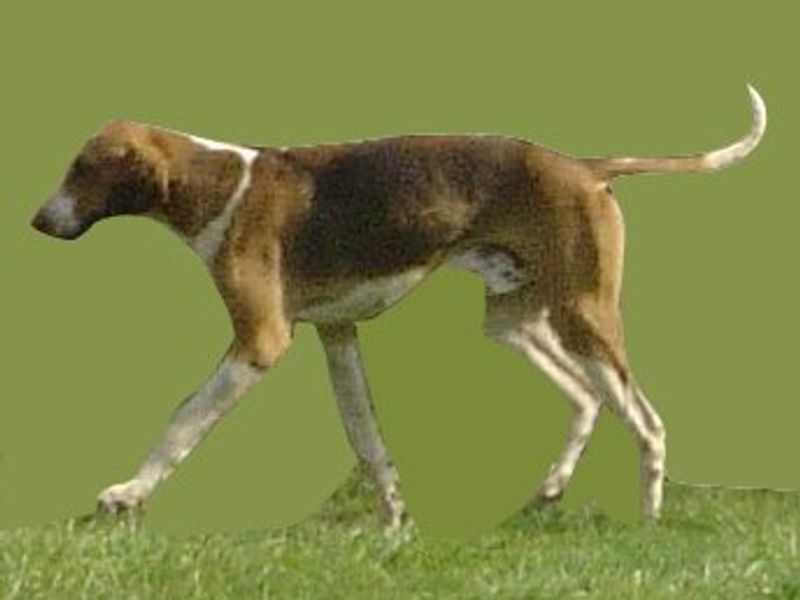
English Foxhounds are bred for endurance, yet summer humidity can ambush even fit dogs. If the tongue looks dusky or bluish and the panting turns frantic, it is time to act.
Get shade, airflow, and cool water sips immediately.
Wet cloths on armpits and inner thighs help speed cooling. Keep them still while breathing normalizes, and contact a vet if gums stay dark or the dog seems confused.
Heat stress can spiral quickly without intervention.
Plan ahead when temperatures climb. Choose grassy routes, carry water, and schedule breaks every ten minutes.
Test pavement with your hand and shorten the session if it is hot. Slow, steady pacing protects this determined hunter’s big heart.
Harrier
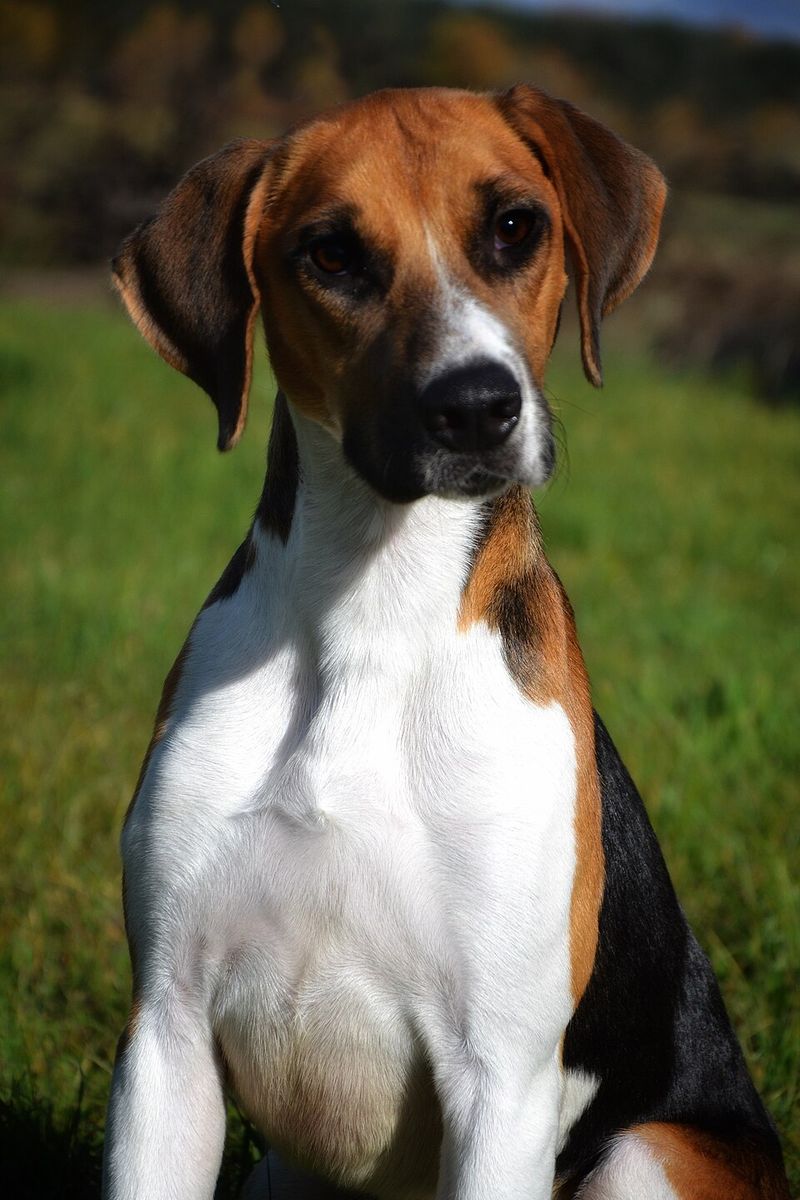
Harriers are cheerful movers, but they are not invincible in heat. A turning point is when panting seems unproductive and the tongue or gums look gray-blue.
Stop immediately, seek shade, and start gentle cooling.
Offer small amounts of cool water and fan the chest and belly. Avoid ice baths which can constrict vessels and trap heat.
If coordination falters or the color does not improve, call your vet for urgent guidance.
Prevent problems with smart timing and gear. Walk early, bring water, and consider a cooling bandana.
Teach a solid pause cue so you can enforce breaks. With a cautious approach, your Harrier gets the exercise they crave without scary overheating episodes.
Black and Tan Coonhound
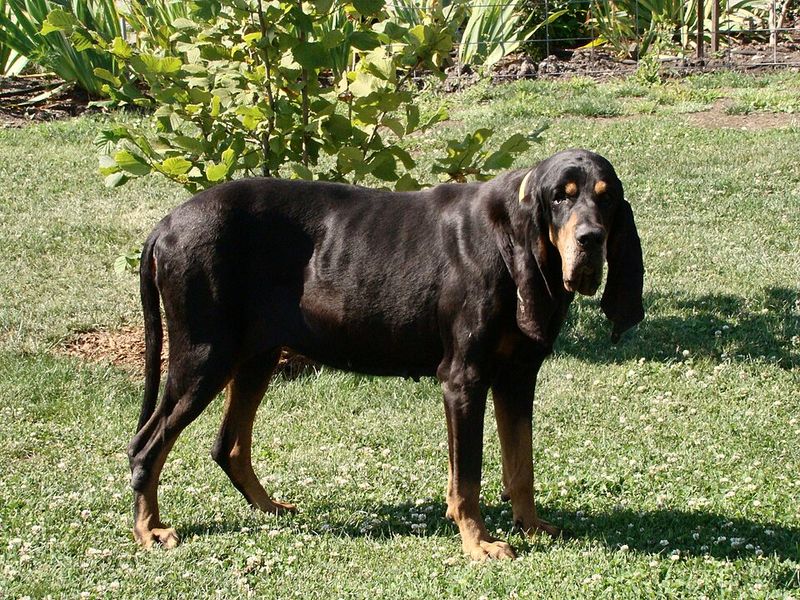
Black and Tan Coonhounds have dense coats and big engines that can run hot. After a vigorous walk, a bluish tongue or darkened gums should raise alarms.
Heavy drool, wobbliness, and glassy eyes add urgency.
Shift to shade, loosen gear, and start evaporative cooling on the belly and inner legs. Offer cool water in small portions.
If breathing stays shallow or color remains off, get veterinary attention without delay.
Prevention is your best friend. Keep sessions shorter in heat, choose forested routes, and take frequent sniff breaks.
A cooling vest plus paw-safe surfaces reduce strain. Listen for panting changes, because this melodious tracker may ignore discomfort until it is serious.
Bluetick Coonhound
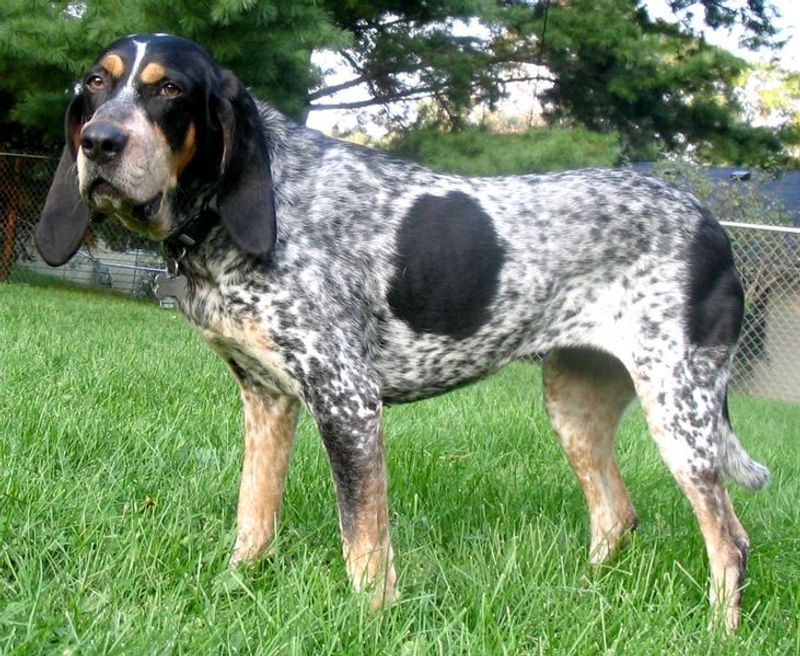
Bluetick Coonhounds are relentless trailers, which can mask early overheating. Look for a tongue that shifts toward purple, frantic panting, or a dog that suddenly stops wanting to move.
Act quickly at the first hint.
Get shade and airflow, apply cool water to thinly furred areas, and offer small sips. Avoid overhandling, because stress raises temperature.
Call your vet if color or breathing does not normalize promptly, or if the dog seems disoriented.
Before walks, check humidity and dew point, not just temperature. Bring extra water, teach a chill cue, and break every block.
Evening routes and lakeside breezes help. Your Bluetick’s loud voice may not warn you, so you must watch closely.
Redbone Coonhound
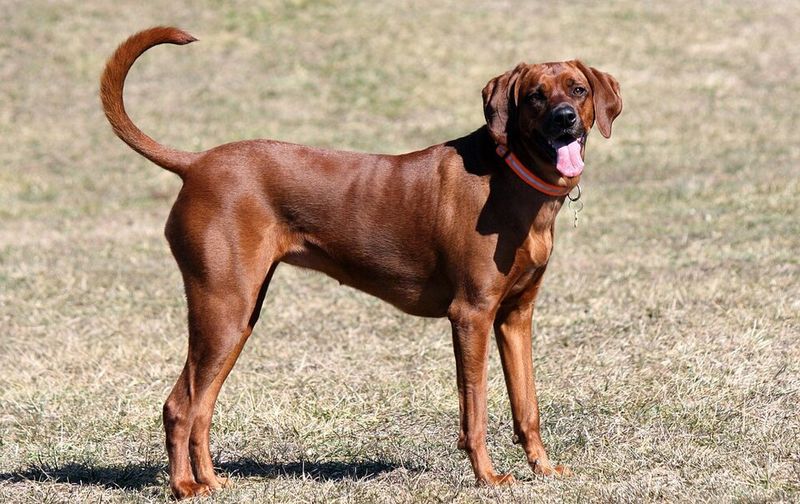
Redbone Coonhounds thrive on motion, yet summer can catch them off guard. A blue tinted tongue is not a normal post walk look.
Combine that with lagging behind, heavy drool, or confusion, and you have a heat emergency brewing.
Stop activity, cool gradually with water on belly and groin, and give small cool sips. Keep them calm to reduce metabolic heat.
If symptoms persist, head to the vet because internal temperatures can stay dangerously high.
Plan your route with shade, streams, and rest spots. Short repeats with recovery beat one long slog.
Consider a breathable harness and cooling gear. With smart pacing and observation, your Redbone stays spirited without tipping into trouble.
Treeing Walker Coonhound
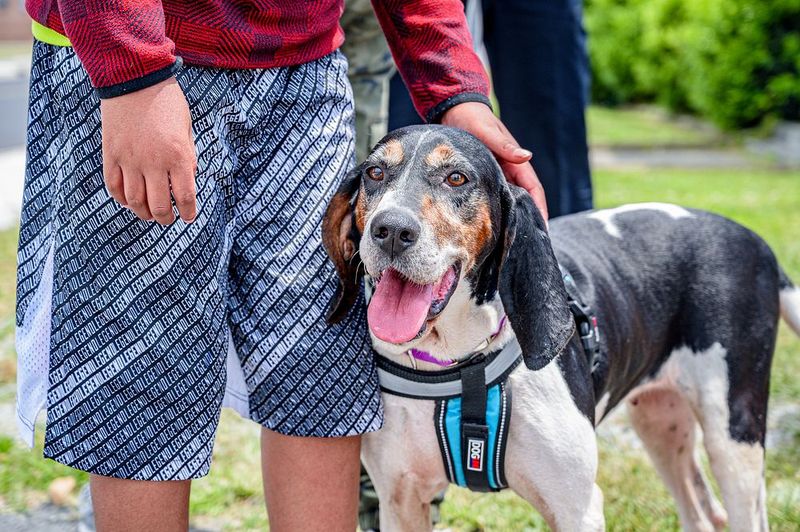
Treeing Walker Coonhounds are agile and driven, which can hide fatigue until it is risky. If the tongue or gums look bluish and panting sounds harsh, you need shade and water immediately.
Do not wait to see if it passes.
Focus cooling on the belly, paws, and inner thighs. Offer water slowly and keep the dog quiet.
If gums stay dark or coordination slips, contact your vet and start transporting.
Train a strong recall and settle cue to interrupt chase mode during heat. Walk in wooded areas, bring extra water, and set a timer for breaks.
With a cautious plan, your Treeing Walker gets the fun while you control the temperature curve.
Plott Hound
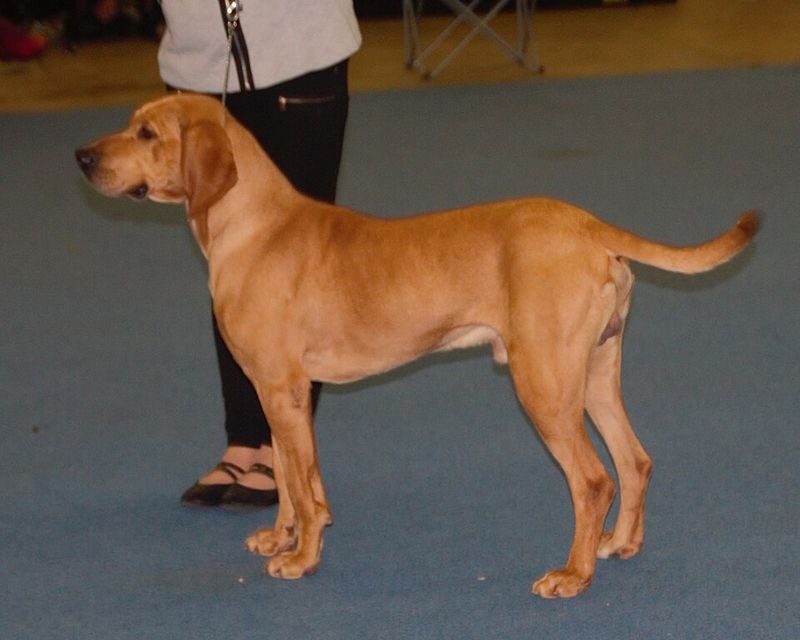
Plott Hounds are muscular scent hounds that can overexert without obvious warning. A bluish tongue after a walk is a red flag, especially with drool strings and a slowing gait.
Start cooling and rest right away.
Move to shade, use a fan or breeze if possible, and apply cool water to the underside. Keep water intake moderate to avoid vomiting.
If gum color stays off or breathing seems shallow, that warrants veterinary evaluation.
Prevention revolves around pacing and surfaces. Choose cooler times, grassy paths, and shorter intervals with recovery.
Conditioning helps, but humidity still matters. With your eyes on small changes, this gritty hunter can stay safe and strong all summer.
Rhodesian Ridgeback
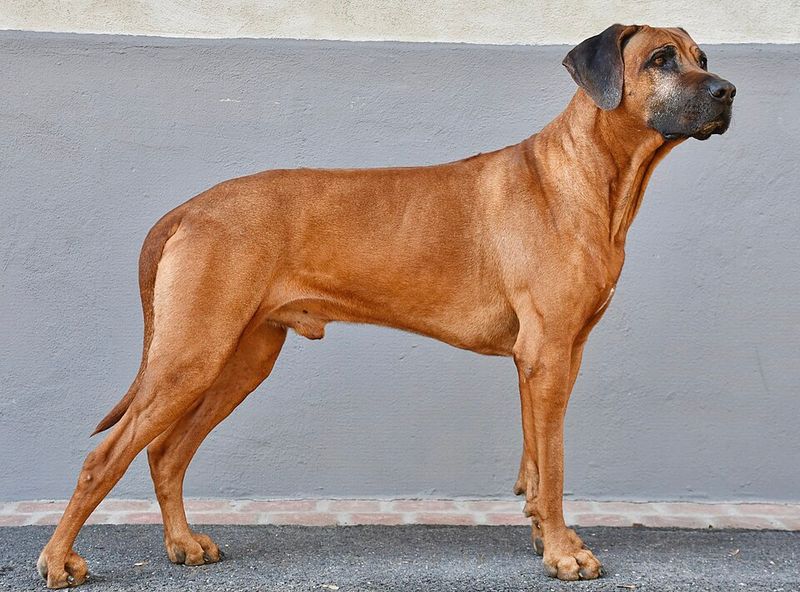
Rhodesian Ridgebacks are heat tolerant compared to some, but they are not immune. A blue tinged tongue, noisy panting, or sudden lethargy means you should stop and cool them now.
Heat stress escalates faster than most expect.
Find shade, wet the underside, and encourage calm breathing. Offer cool water in small amounts.
If color or demeanor does not rebound promptly, call your vet and prepare to go in.
Protect your athlete by training in the coolest windows, using cooling vests, and monitoring dew point. Asphalt radiates heat, so pick grass or dirt.
Breaks every ten minutes sound conservative, but they prevent scary moments and keep your Ridgeback ready for tomorrow.
Dalmatian
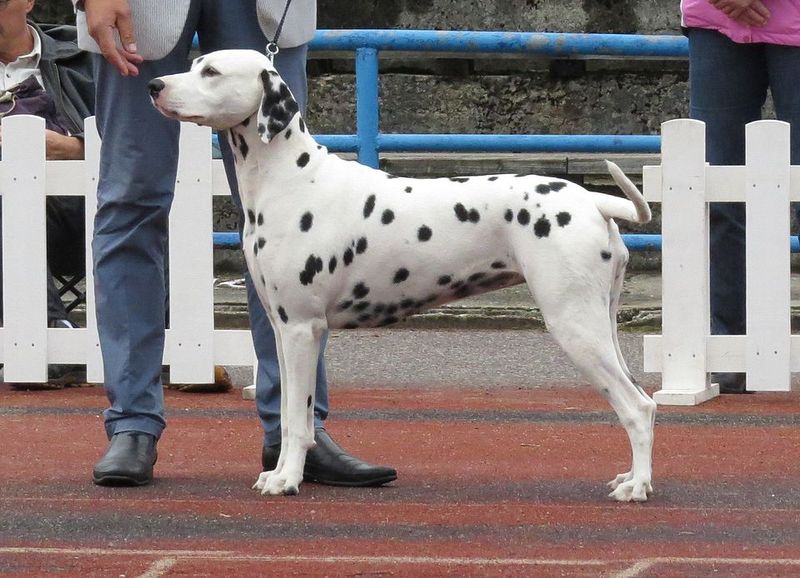
Dalmatians are energetic and can sprint into heat trouble quickly. After a walk, a bluish tongue paired with staggering or glazed eyes is an emergency signal.
Act immediately with shade, airflow, and measured hydration.
Cool the belly, armpits, and inner thighs with water or a wet towel. Keep them quiet and reassess gum color every minute.
If there is no quick improvement, head to a clinic because heat injury can snowball.
Plan summer outings around shade and water access. Use a breathable harness, avoid reflective surfaces, and schedule micro breaks.
Conditioning helps, but not against harsh humidity. With awareness and timing, your spotted companion can keep that joyful bounce safely.
German Shorthaired Pointer
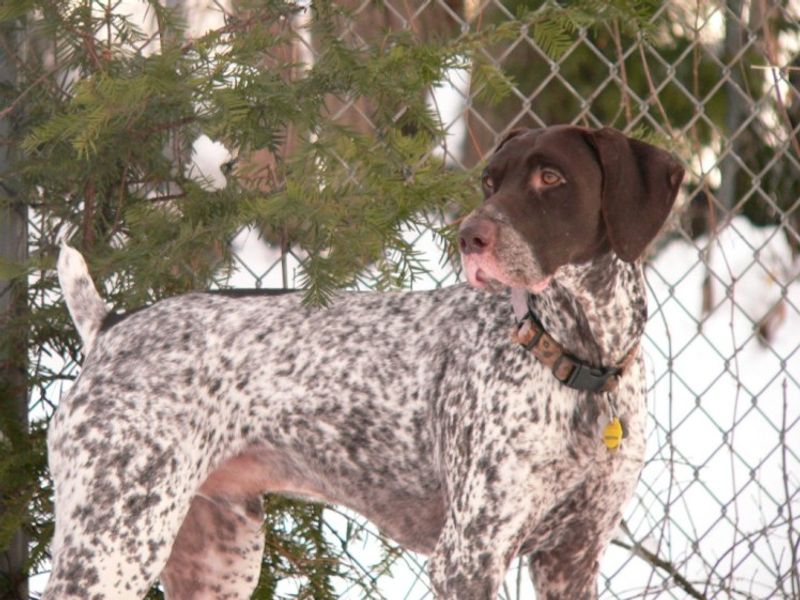
German Shorthaired Pointers have endless drive, which risks overheating on enthusiastic walks. A tongue shifting blue, frantic panting, or sudden slowdown equals stop now.
Start gradual cooling and reduce stimulation so the heart rate drops.
Offer cool sips, wet the underside, and use a breeze or fan if available. If gum color remains dark or the dog seems disoriented, call your vet and prepare to travel.
Seconds matter with heat stress.
Prevent trouble with early or late sessions and shaded loops. Build intervals with recovery, not continuous pace.
A cooling vest and frequent water checks help a ton. With smart planning, your GSP can work hard while staying safe and sharp.
Vizsla
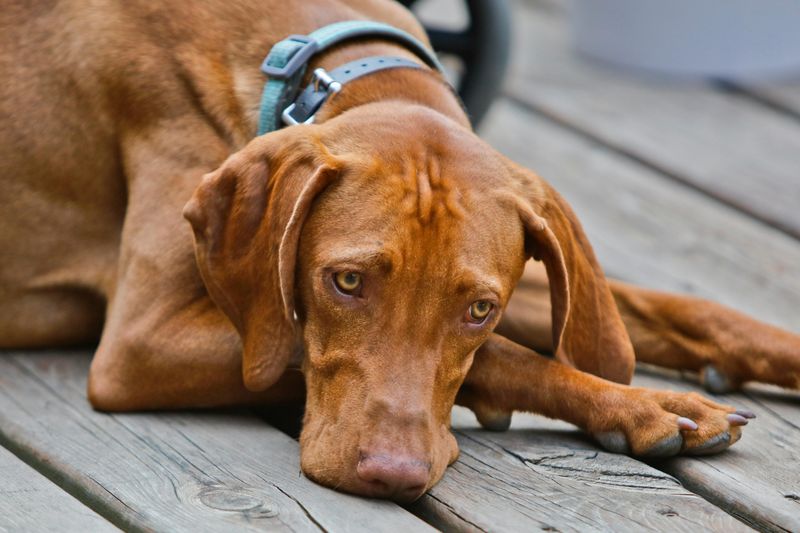
Vizslas are sensitive and athletic, making heat issues sneaky. If the tongue looks bluish and panting is loud or shallow, stop the activity immediately.
Seek shade, offer small sips, and cool the belly, ears, and groin gently.
Keep movement minimal to curb internal heat production. If color does not rebound or the dog seems wobbly, call your vet and head in.
Better to overreact than miss the window for intervention.
Prevent overheating by choosing cooler times, trimming duration, and inserting sniff breaks. Carry water and a lightweight cooling towel.
Watch humidity because evaporative cooling struggles then. With attentive pacing, your Velcro like Vizsla stays glued to you in comfort, not crisis.