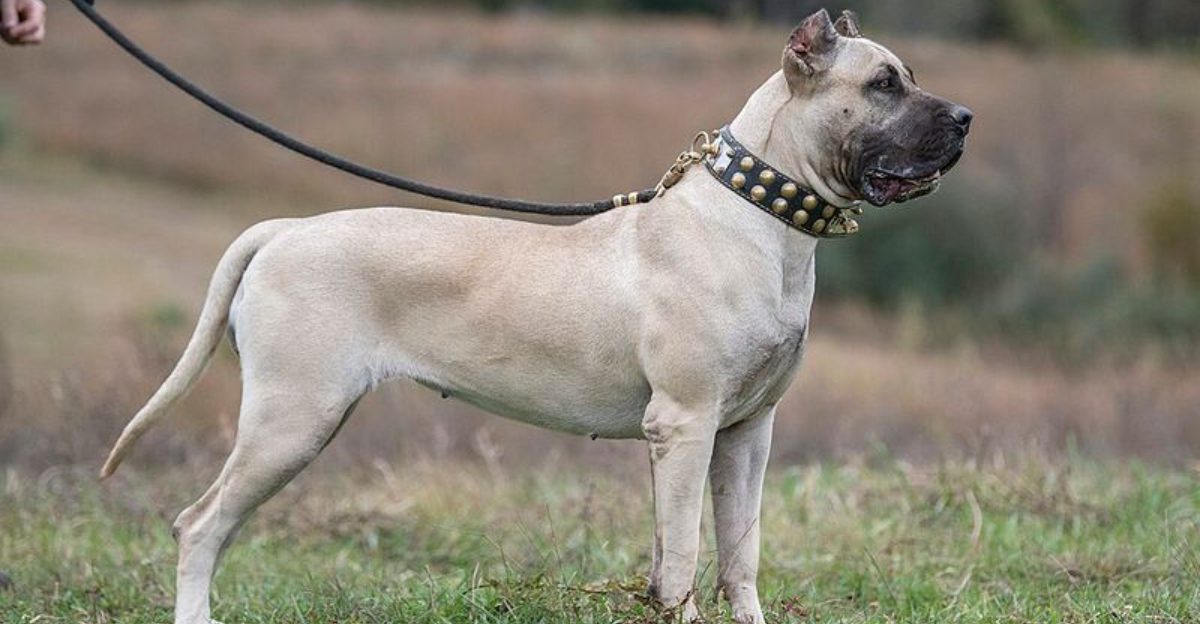
You have probably noticed breed debates flare up whenever a headline hits, then quietly simmer until the next incident. The same dogs keep getting named, and the policies rarely solve the root problems.
Let’s unpack why these breeds land in lawmakers’ crosshairs, and what that actually means for everyday owners. Stick around, because understanding the nuance could help your community do better than blanket bans.
American Bulldog
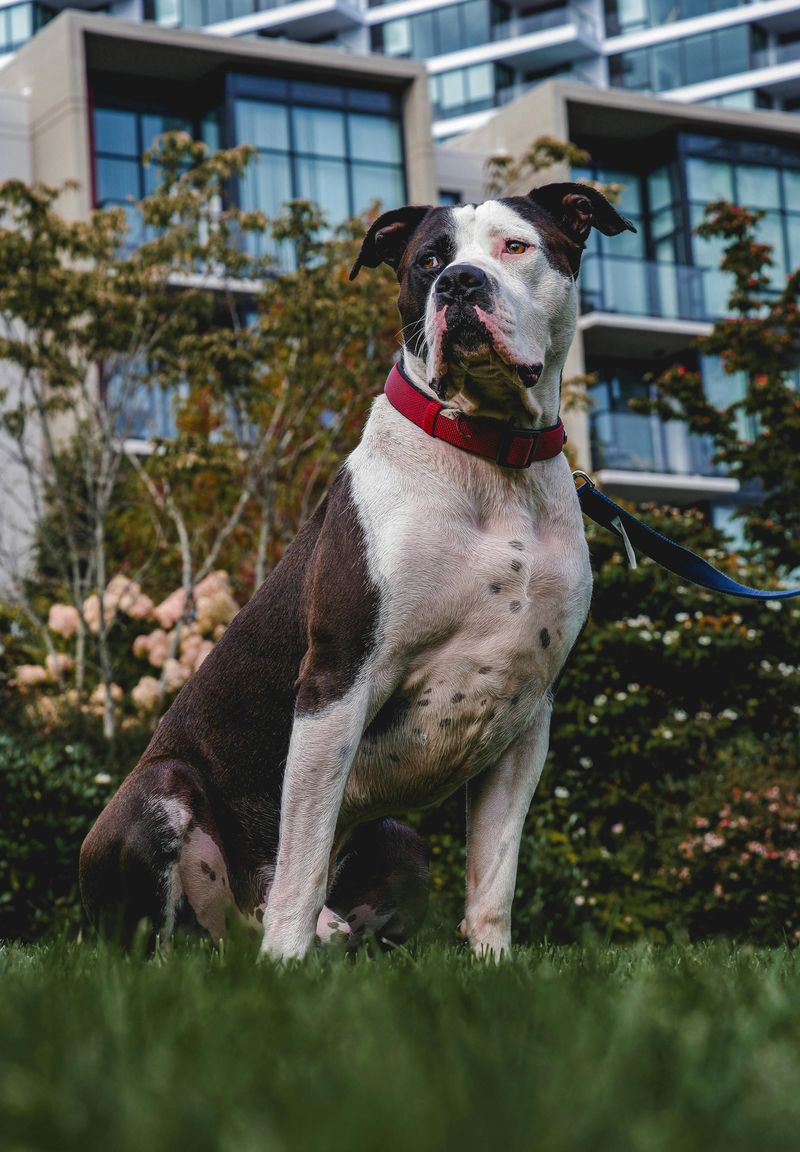
American Bulldogs often show up in policy debates because they look powerful and sometimes get confused with other bull breeds. You might see them painted as risky based on appearance, not behavior, which fuels heated ordinances.
Yet responsible breeding, training, and socialization change outcomes dramatically.
They are athletic farm dogs at heart, bred for utility and loyalty. When you provide structure, exercise, and management, you get a devoted companion with clear expectations.
Problems usually stem from neglect or mismatched owners, not the breed itself.
If your city considers bans, push for behavior based rules, licensing, and owner education. Insurance incentives and leash enforcement work better than blanket labels.
Fair policy should target proven risk factors, not faces.
Bull Terrier
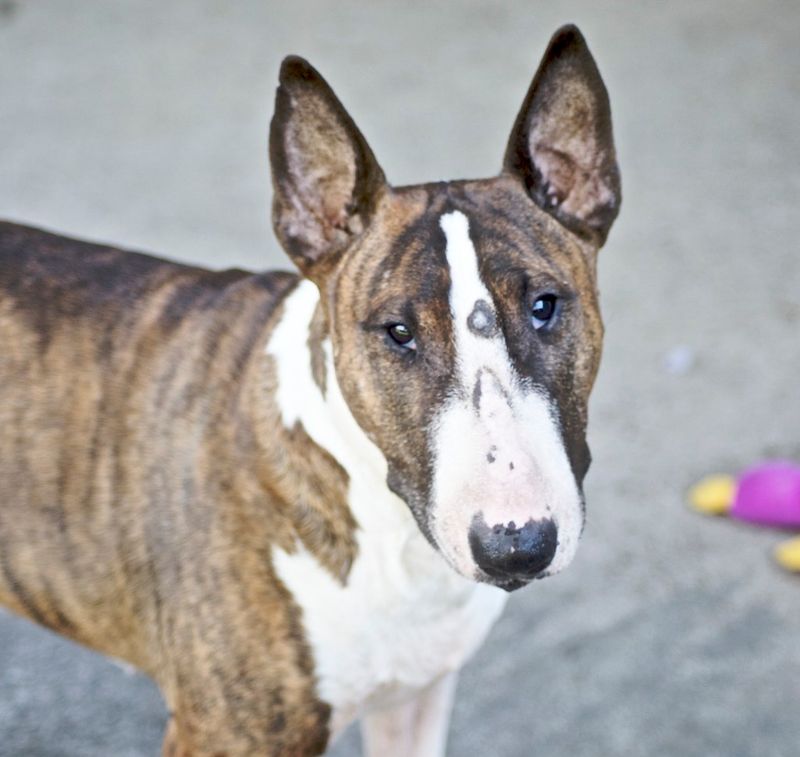
Bull Terriers attract attention largely for their unmistakable silhouette and energetic antics. People often mistake intensity for aggression, especially when play includes body slams and loud snorts.
Without guidance, that enthusiasm can become pushy behavior, which neighbors misread as danger.
These dogs thrive with mental games, impulse control practice, and predictable routines. You will see better manners when exercise needs are met and reinforcement is consistent.
Their clownish charm turns into confident, cooperative behavior under clear boundaries.
Policy wise, a ban ignores individual temperament and training history. Encourage assessments that look at bite inhibition, handling tolerance, and owner compliance.
Community classes, secure fencing, and education move the needle more than breed lists ever will.
Staffordshire Bull Terrier
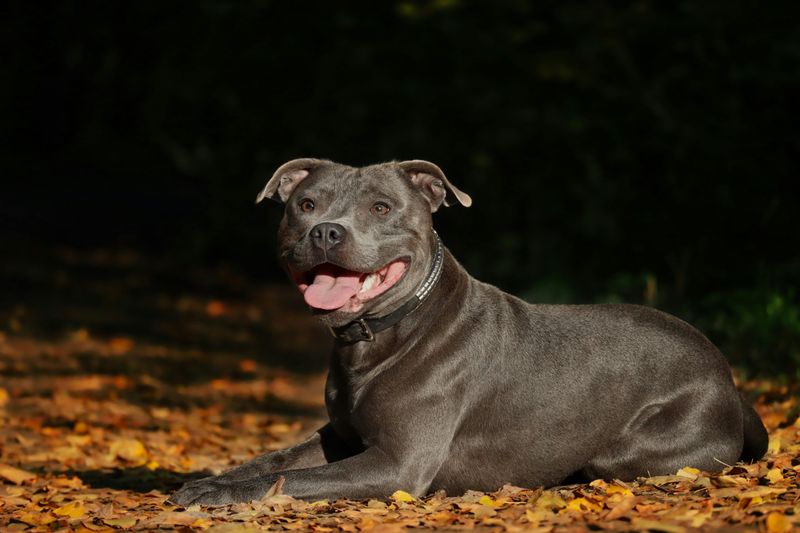
Staffordshire Bull Terriers carry a heavy stigma because they share ancestry with other pit-type dogs. Many are affectionate goofballs, yet headlines flatten them into a single narrative.
You might notice shelters calling them “Staffies” to highlight their pet potential, not their politics.
They need thoughtful introductions, secure management, and positive reinforcement training. Clear routines, enrichment, and social skills make an enormous difference.
When owners stay proactive, Staffies are engaging companions with impressive resilience.
Lawmakers often rely on visual IDs that are notoriously unreliable. Push for breed neutral laws that consider behavior, bite history, and owner responsibility.
Subsidized training, spay or neuter programs, and accurate data collection reduce risk without punishing good dogs.
American Staffordshire Terrier
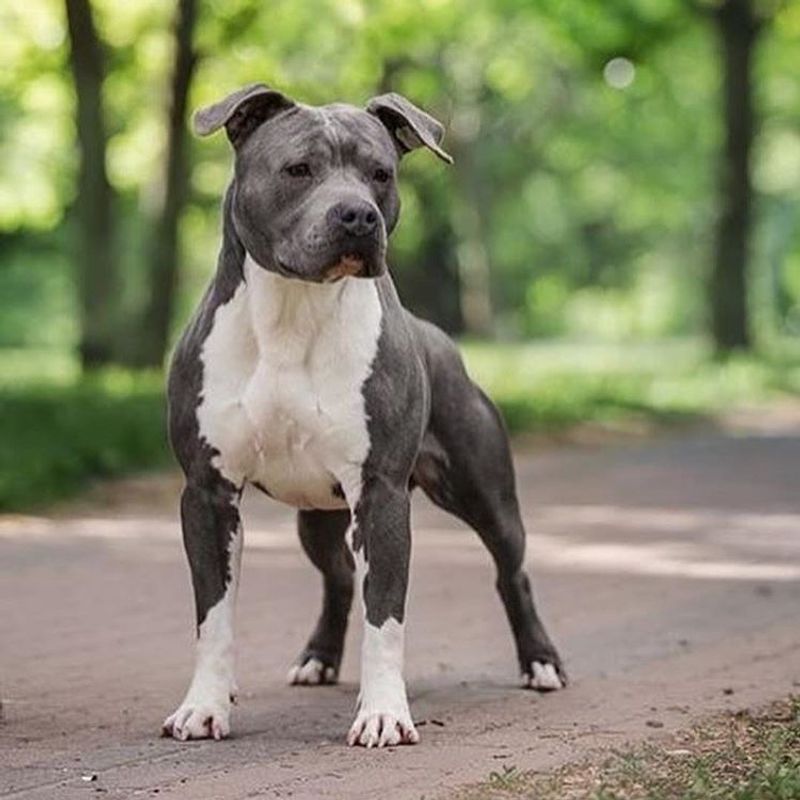
American Staffordshire Terriers frequently become shorthand for the entire pit category, whether fair or not. Some municipalities cite bite statistics that lump multiple breeds together, skewing perception.
You deserve clearer data and policies that reflect actual, individualized risk.
These dogs excel with structure, enrichment, and consistent training games like loose leash walking and impulse control. Meeting exercise needs reduces frustration and mouthy play.
Responsible ownership includes secure containment, supervision, and proactive social skills.
Better laws target reckless behavior, not breed labels. Require microchips, meaningful penalties for neglect, and affordable training resources.
When communities prioritize enforcement and education, you see safer outcomes and fewer dogs displaced by misinformed bans.
Rottweiler
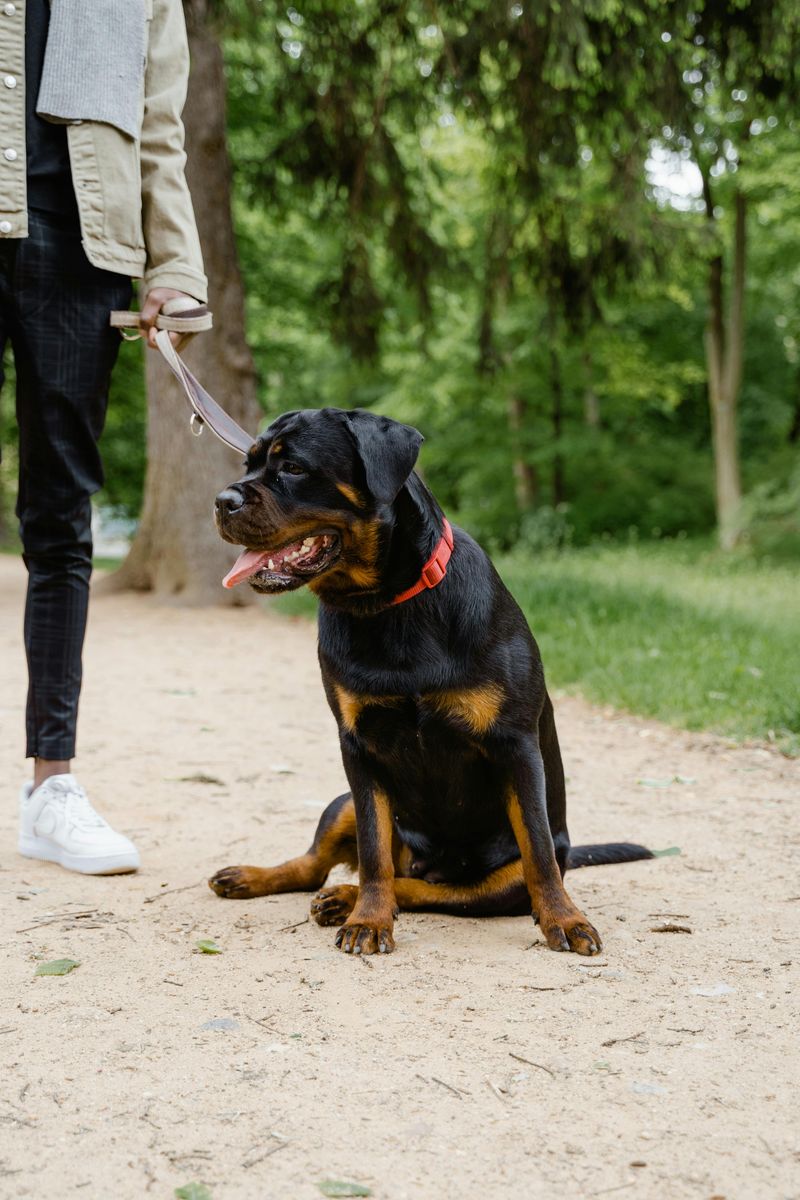
Rottweilers get flagged because of size, guarding heritage, and occasionally sensationalized incidents. People see a big head and a confident stance and assume the worst.
In reality, clear boundaries and purposeful training produce a steady, reliable dog.
They thrive with jobs: obedience, tracking, and structured play that channels drive. You will find that impulse control and calm exposure reduce startle responses.
Managing adolescence carefully can prevent pushy behavior from becoming rehearsed.
Smart policy focuses on training compliance and secure handling, not breed bans. Encourage temperament testing, owner education, and meaningful liability for proven negligence.
Balanced, data driven rules protect the public while respecting responsible families and well raised Rotties.
Doberman Pinscher
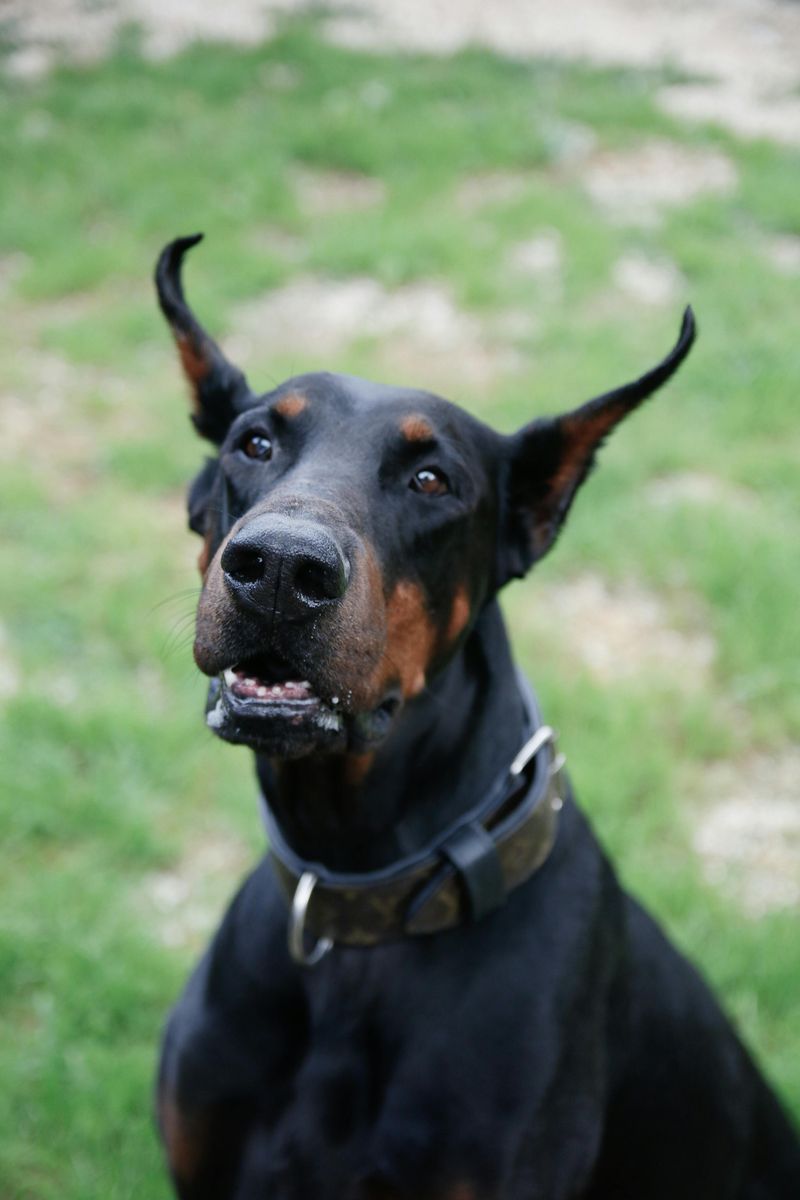
Dobermans often get portrayed as intimidating bodyguards, which colors policy debates. Their alert nature and athletic build can spook people unfamiliar with drivey breeds.
Still, predictability grows when training emphasizes neutrality and relaxation around strangers.
They benefit from focused obedience, scent work, and decompression time after stimulating outings. Fair leadership, not harsh corrections, produces confident stability.
When owners meet needs and manage arousal, these dogs demonstrate thoughtful self control.
Legislation should encourage demonstrated skills like Canine Good Citizen certifications and secure containment standards. Penalize reckless handling and chronic at large incidents instead of names on a list.
Public education on reading canine body language improves safety far more than bans.
Dogo Argentino
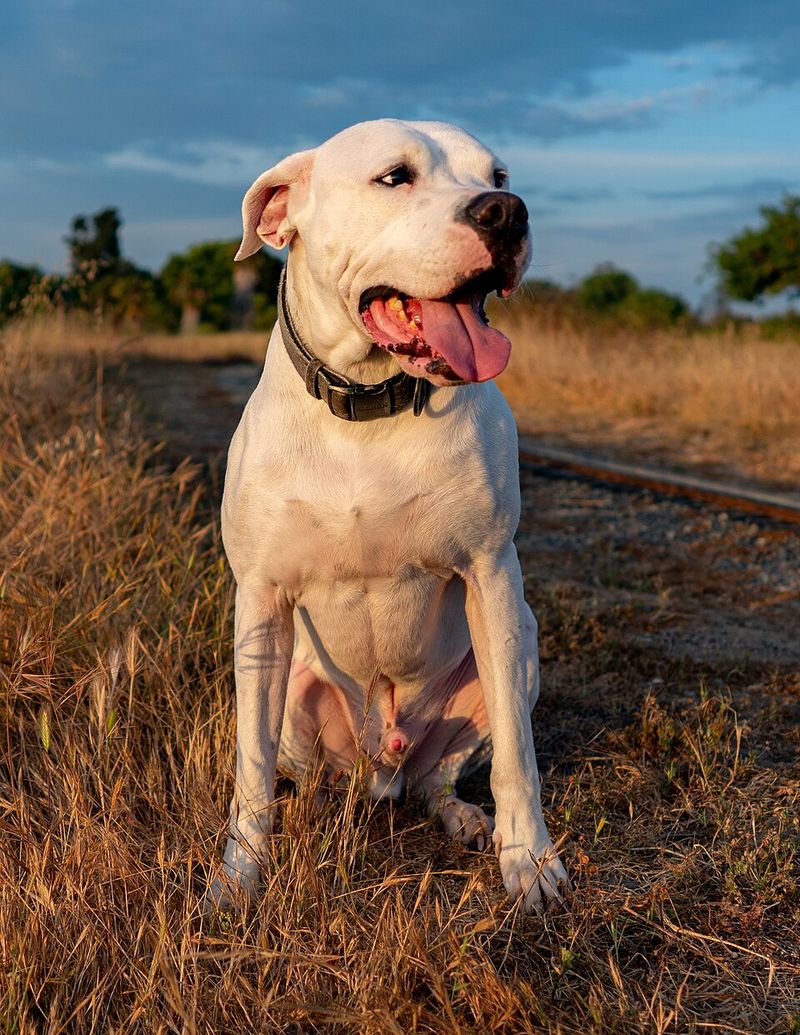
Dogo Argentinos face restrictions worldwide due to hunting heritage and strong prey drive. People worry about power without appreciating how training and management transform behavior.
You can channel that drive into controlled sports and obedience with consistent practice.
Early socialization, secure fencing, and structured recall work are essential. Meeting exercise needs and reinforcing calm behaviors reduces impulsive chasing.
A confident, fair handler helps this dog remain thoughtful in stimulating environments.
Policy improvements include licensing tied to training proof, strict penalties for neglect, and breeder accountability. Temperament testing and owner education outperform blanket bans.
With responsible stewardship and honest self assessment, these dogs thrive safely within communities.
Tosa
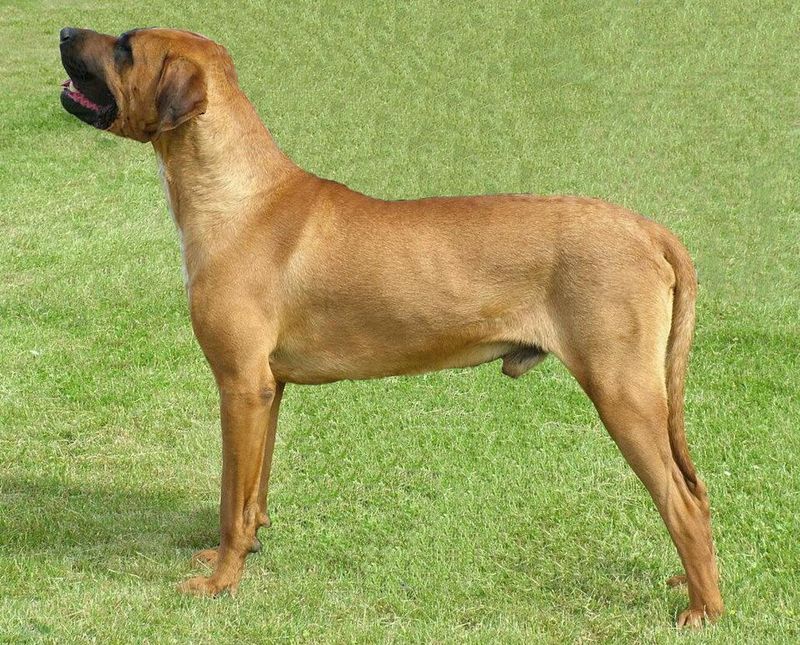
The Tosa appears on banned lists in several countries due to history in canine contests. Modern enthusiasts emphasize calm, stable temperaments, but stereotypes persist.
You will hear sweeping claims that ignore individual upbringing and management.
This is a powerful dog needing experienced handling, thoughtful socialization, and predictable routines. Low arousal training and careful introductions help maintain composure.
Physical outlets combined with mental work keep stress low and responses measured.
Instead of bans, require proof of training, secure housing standards, and meaningful oversight for breeding. Support behavior assessments and targeted enforcement against negligence.
Communities benefit when policies distinguish responsible stewardship from actual risk patterns, not just names.
Fila Brasileiro
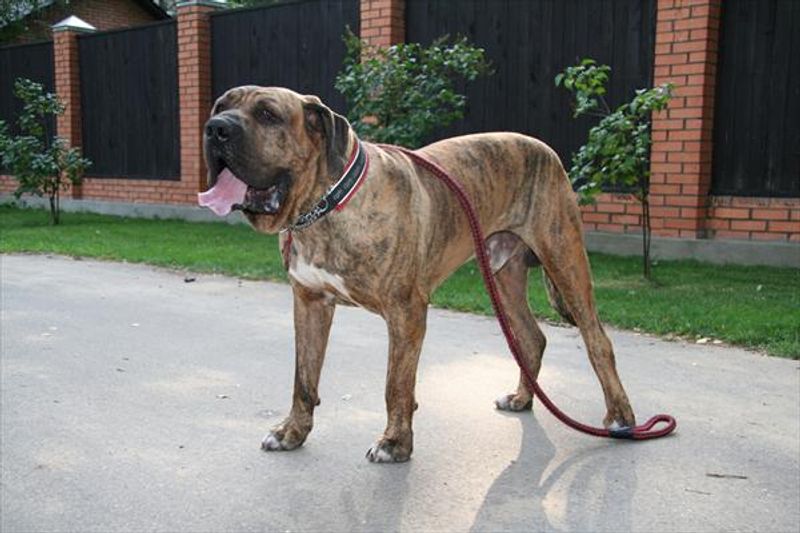
The Fila Brasileiro’s guarding instinct and suspicion of strangers make lawmakers nervous. Without experienced management, that protective streak can escalate.
You deserve honest guidance about whether this breed fits your lifestyle and neighborhood.
Structured socialization, reliable recall, and strong containment are non negotiable. Calm leadership and routine reduce explosive reactions.
Meeting needs through tracking games and controlled exposure helps the dog remain composed.
Policy should focus on owner qualifications, secure property standards, and enforcement for lapses. Temperament evaluations and training records show risk far better than breed labels.
When communities invest in education and accountability, responsible Fila homes coexist safely with neighbors.
Presa Canario
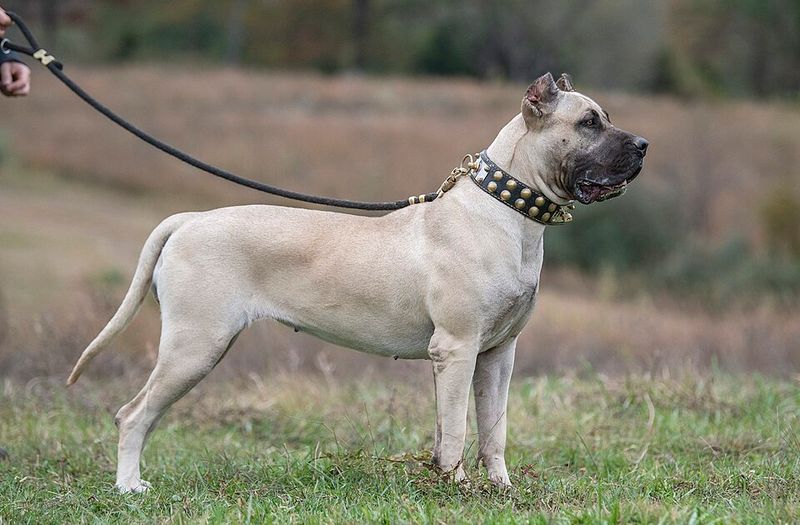
Presa Canarios often enter debates after isolated but dramatic incidents. Their size and presence can intimidate people who equate mass with danger.
Yet calm training, clear expectations, and secure environments greatly reduce risk.
They need confident handlers who prioritize impulse control, muzzle training for vet visits, and reliable obedience. Daily structure and enrichment help channel power constructively.
With patient, consistent reinforcement, you get steadiness instead of reactivity.
Effective policy favors mandatory microchipping, training verification, and penalties for at large or menacing behavior. Breed bans mislead the public and fail to address owner conduct.
Encourage community programs that teach reading canine stress signals and safe handling practices.
Neapolitan Mastiff
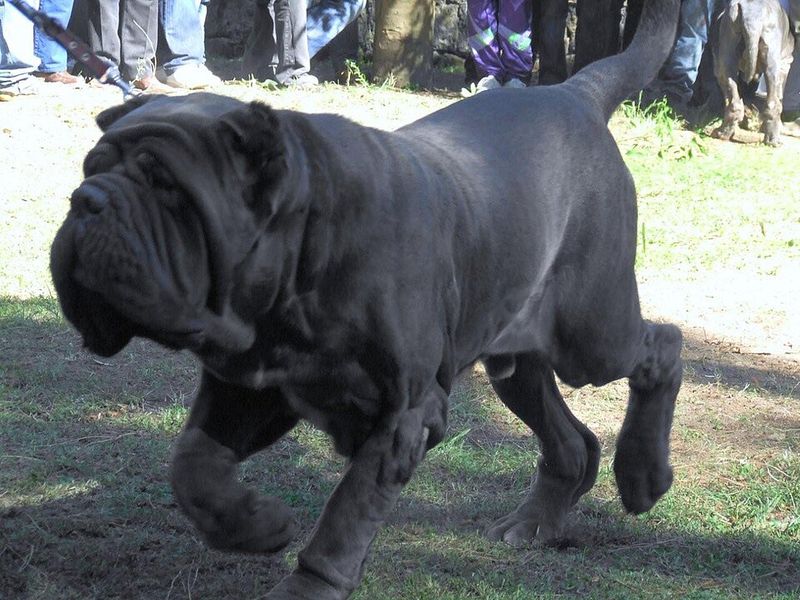
Neapolitan Mastiffs look imposing with their wrinkled bulk, which invites assumptions. People might confuse size and drool with danger, then push for restrictions.
Real risk ties more to management and socialization than sheer weight.
These dogs benefit from calm routines, cooperative care training, and low impact exercise. Teaching handling skills for grooming and vet visits prevents conflict.
When owners encourage neutrality around strangers, the breed’s steady side shines.
Legislation should prioritize behavior evidence, containment, and owner accountability. Incentivize training milestones and penalize chronic violations.
By focusing on actions rather than labels, communities keep everyone safer without punishing gentle giants.
Akita
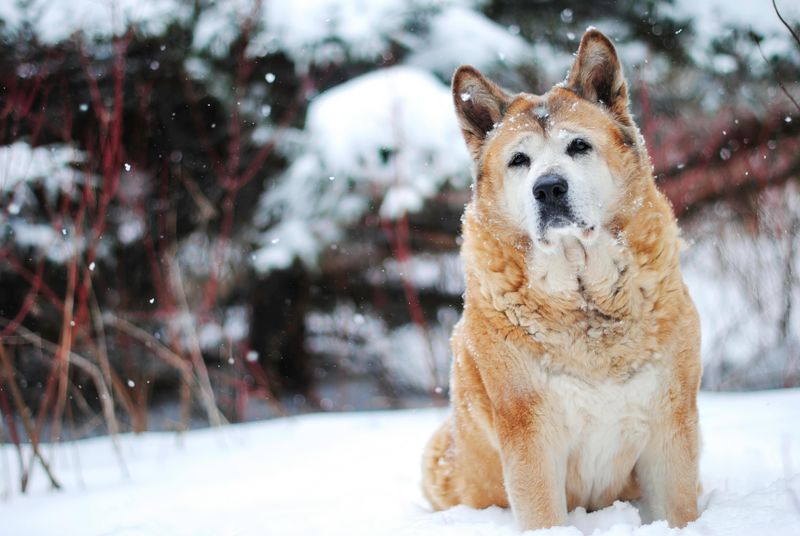
Akitas enter debates for their aloofness and strong opinions about personal space. That independence can frustrate casual owners, leading to avoidable conflicts.
You will see better outcomes with early training and realistic expectations.
They thrive on clear rules, respectful handling, and controlled introductions. Daily mental work and recall practice help maintain reliability.
Muzzle conditioning and solid leash skills make public outings smoother and safer.
Rather than bans, emphasize education, microchipping, and meaningful penalties for irresponsible handling. Breed neutral laws that track incidents, not names, create fair accountability.
With informed ownership and community support, Akitas live peacefully while keeping their dignified spark.