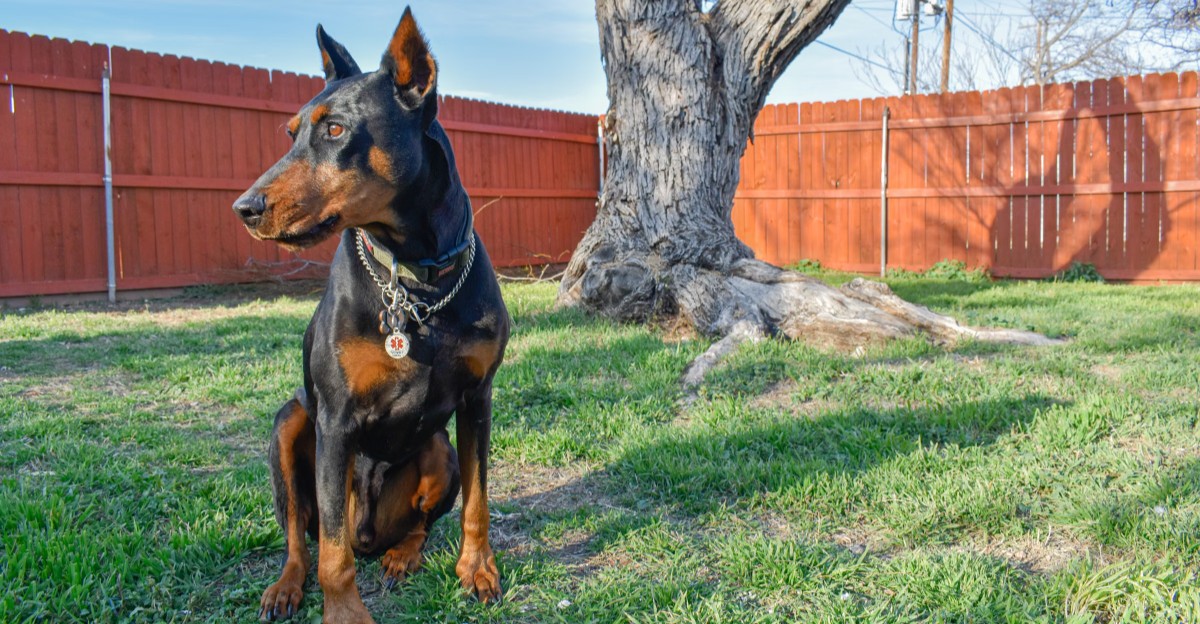
Falling in love with a puppy is easy, but some breeds carry health problems that are hard to see at first. Many of these issues come from years of breeding for certain looks, like flat faces or very long backs.
Knowing the risks ahead of time can save you money, stress, and heartbreak later. Here are the breeds that deserve a closer look before you bring one home.
French Bulldog: Cute Face, Tough Breathing

Those big bat ears and squished noses win hearts everywhere. Sadly, that flat face often means narrow nostrils and a crowded airway, a condition vets call BOAS.
Many Frenchies snore, wheeze, or overheat on warm days. Some even need surgery to breathe comfortably.
Spine and skin fold problems are also common.
Before buying, ask breeders about airway checks. Keep walks short in hot weather and watch for loud, struggling breaths.
Dachshund and the Back Problem Puzzle

Bred to chase badgers into tunnels, the Dachshund got a long body and short legs. That shape is charming, but it puts extra strain on the spine.
About one in four Doxies develops disc disease, which can cause pain or even paralysis. Jumping off furniture makes it worse.
Use ramps or pet stairs at home. Keep your pup slim, since extra weight adds pressure.
Support the back and rear whenever you lift one.
Cavalier King Charles Spaniel’s Fragile Heart

Picture a sweet lapdog who just wants to cuddle all day. That’s the Cavalier, a favorite of British royalty for centuries.
Under all that charm, though, many carry mitral valve disease. Most Cavaliers develop a heart murmur by age ten, and some much earlier.
Brain issues like syringomyelia can show up too.
Choose breeders who test parents with heart and MRI screenings. Yearly vet heart checks help catch trouble early.
German Shepherds and Hip Worries
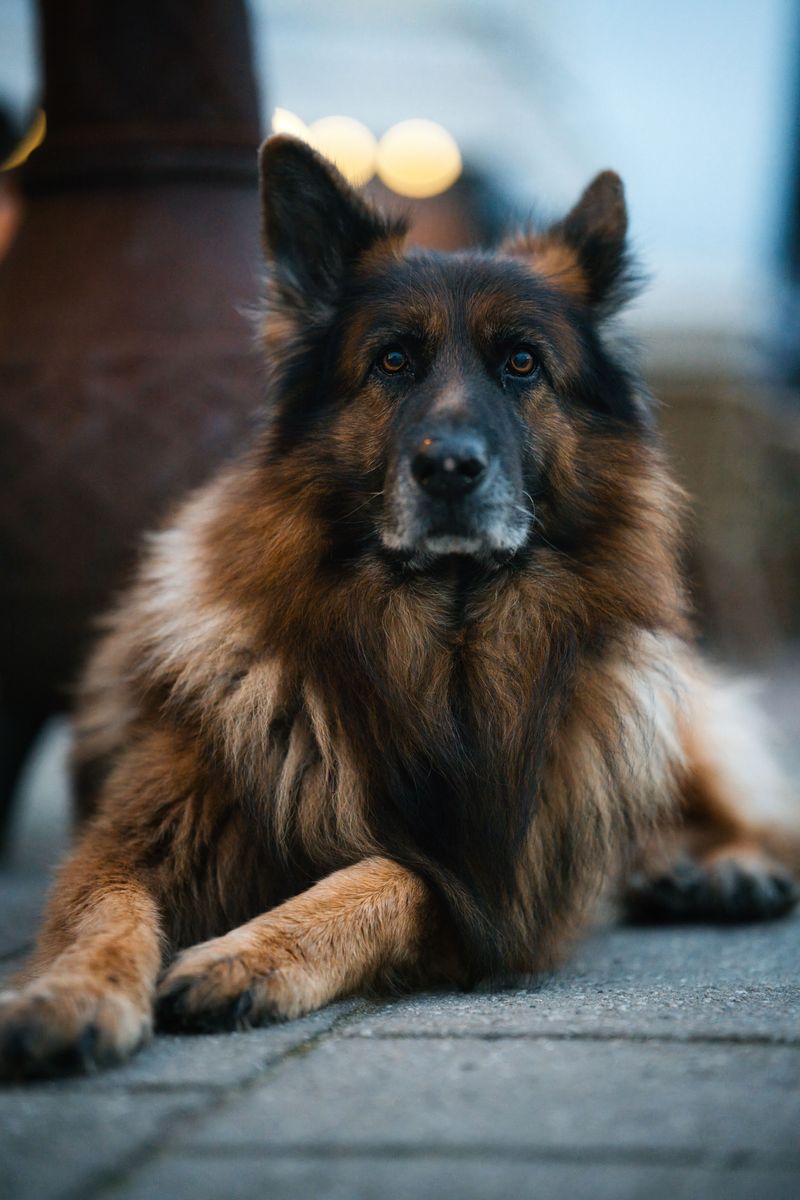
Police officers, rescuers, and families all trust German Shepherds. These smart workers are loyal and eager to learn.
Hip and elbow dysplasia, where joints form poorly, runs strongly in the breed. Some show lines also have a sharply sloped back that may add stress.
Degenerative myelopathy, a nerve disease, can weaken older dogs’ legs.
Ask for OFA or PennHIP results on both parents. Healthy weight and moderate exercise help protect growing joints.
Great Dane: Giant Size, Shorter Life
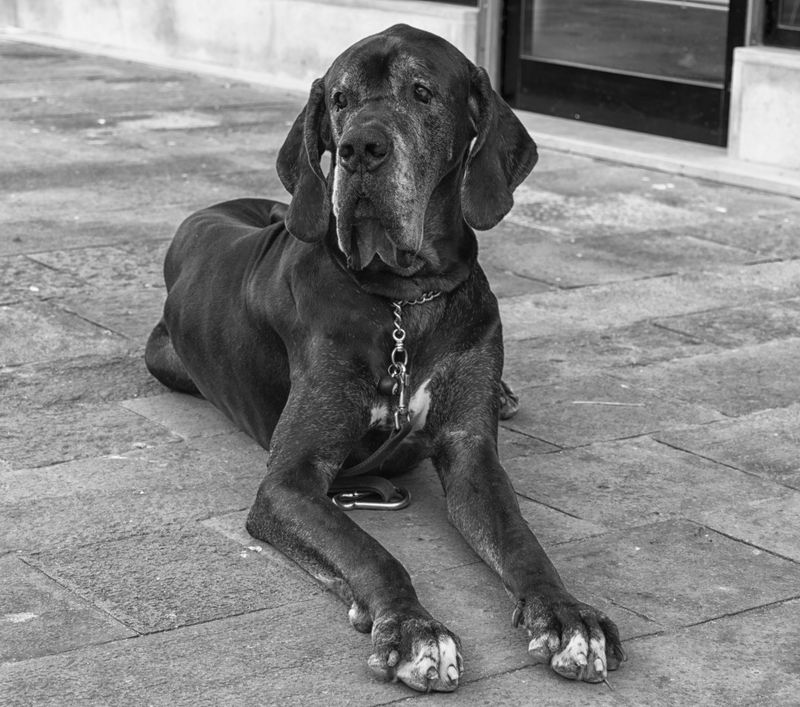
Did you know a Great Dane can stand taller than most adults on its back legs? Their size is amazing, but it comes at a cost.
Many live only seven to ten years. Bloat, a twisted stomach emergency, is a leading killer.
Heart disease and bone cancer also appear often.
Feed smaller meals and avoid hard play right after eating. Learn bloat signs, like a swollen belly and retching with nothing coming up.
Golden Retriever Cancer Concerns
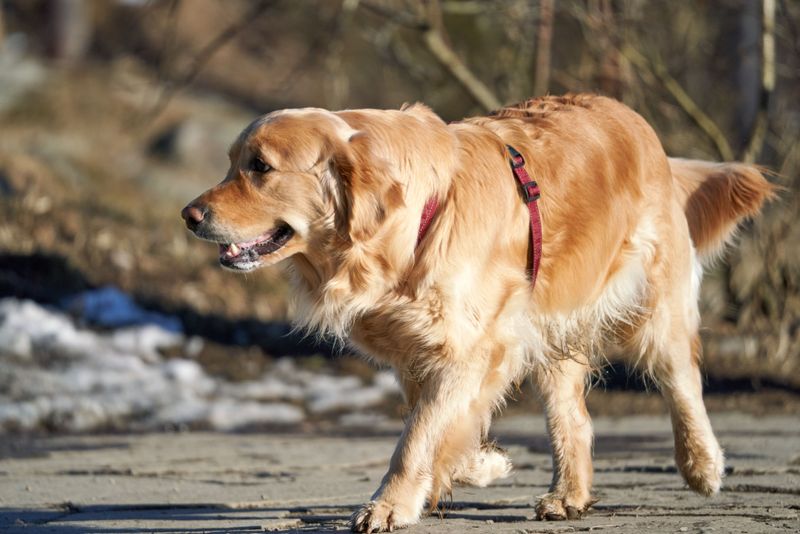
Friendly, goofy, and always ready for a game of fetch, Goldens are a family favorite. That’s what makes this fact so hard to hear.
Studies suggest around 60 percent of Golden Retrievers die from cancer, including lymphoma and hemangiosarcoma. Hip problems and skin allergies show up often too.
Regular vet visits matter a lot. Feel your dog for new lumps each month, and report changes in energy or appetite quickly.
Pug Eyes Need Extra Care

One look from those huge, round eyes and you’re hooked. Pugs were once treasured pets of Chinese emperors.
Those bulging eyes, though, can get scratched easily or even pop out of the socket after a bump. Pugs also share flat-faced breathing troubles and wrinkle infections.
Use a harness instead of a collar to lower eye pressure. Wipe face folds gently, and see a vet fast if an eye looks cloudy or red.
Bernese Mountain Dog’s Bittersweet Story
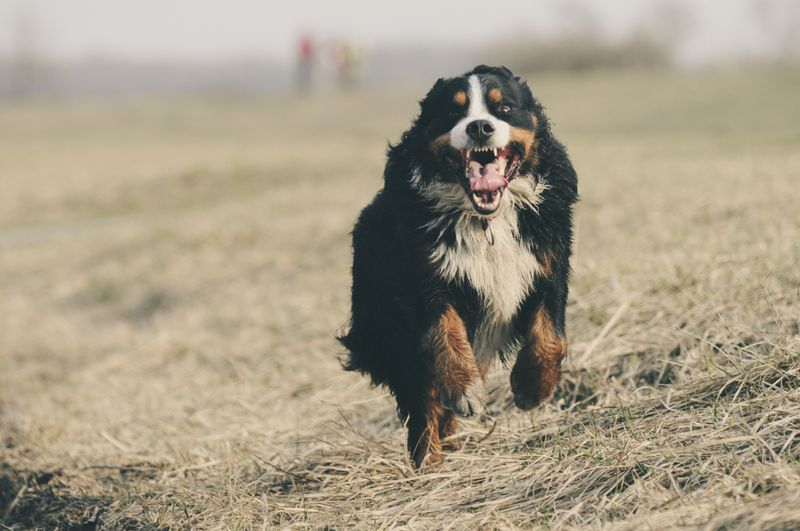
Farmers in the Swiss Alps once used Berners to pull carts full of milk and cheese. Today, they are fluffy, loving giants.
Here’s the hard part. Their average lifespan is only about seven to eight years, largely because of cancers like histiocytic sarcoma.
Joint issues are common as well.
Look for breeders who track the ages of past dogs. Long-lived family lines can be a helpful clue when choosing a puppy.
English Bulldog’s Long List of Troubles

Stubborn, silly, and full of character, the English Bulldog looks like a tiny tank. Yet few breeds face as many health hurdles.
Breathing problems, skin infections, cherry eye, and hip issues are common. Most puppies are born by C-section because their heads are so big.
Budget for higher vet bills and pet insurance. Keep your bulldog cool, clean its wrinkles daily, and never push it through heavy exercise.
Doberman Pinscher and Silent Heart Disease
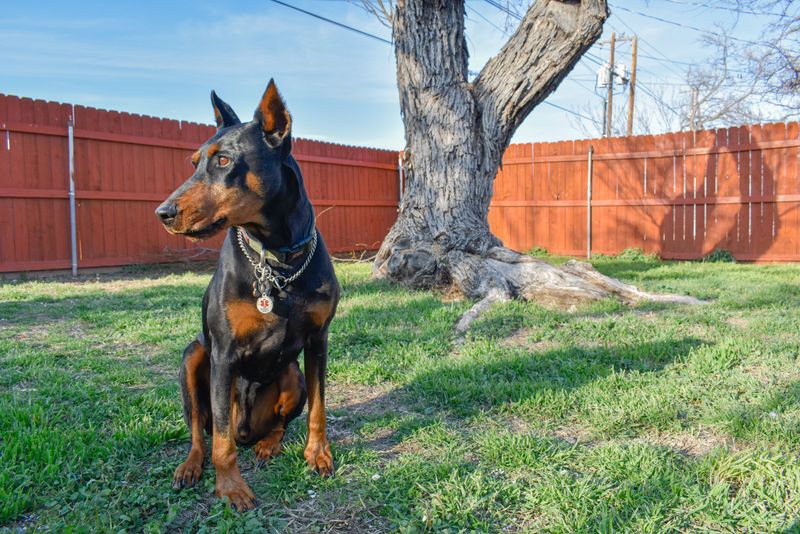
Sleek and brave, Dobermans were first bred by a German tax collector who wanted protection on his rounds. Fun history, right?
The scary part is dilated cardiomyopathy, a heart disease that may cause no signs until sudden collapse. Some studies show over half of Dobies are affected.
A bleeding disorder called von Willebrand’s disease also appears.
Ask your vet about yearly heart monitoring with a Holter test and echocardiogram, starting around age two.