
Your dog’s belly may be steering their mood more than anyone expected. Researchers are uncovering a powerful gut-brain conversation where microbes shape stress responses, training focus, and even sleep.
Breed tendencies in digestion and skin health seem to mirror unique microbial fingerprints. If you have one of these dogs, the latest findings might change how you feed, train, and care for them.
German Shepherd Dog

German Shepherds are known for intelligence and intensity, which is why researchers often look at their gut-brain patterns. Sensitive digestion shows up in many Shepherds, making them ideal for studying how diet shifts behavior and stool quality.
You will notice how stress, training load, and even travel can reflect in their belly.
Studies suggest a link between higher fiber diversity and calmer focus during obedience or scent work. Probiotics tailored for large-breed digestion can reduce soft stools and support consistent performance.
You will likely see benefits when you switch proteins slowly and keep routine predictable.
Omega-3s, prebiotic greens, and fermented toppers often help. Keep exercise steady, add sniffing walks, and track responses in a diary.
Boxer

Boxers tend to have sensitive tummies and high energy, a combination that makes microbiome shifts very noticeable. Many guardians report gassiness, loose stools, and mood swings around diet changes.
Researchers pay attention because these dogs show quick behavioral differences when the gut calms.
Adding easily digestible proteins, pumpkin, and targeted probiotics can stabilize stools and ease restlessness. You might find that moderate fat plus steady feeding times reduces nighttime pacing.
Stress reduction through sniffy walks and puzzle toys supports microbial balance.
Boxers are playful, so training with short, fun sessions works best. Track treats and ingredients carefully.
If skin issues flare, consider fish oil and a novel protein trial while monitoring stool logs and energy.
Miniature Schnauzer
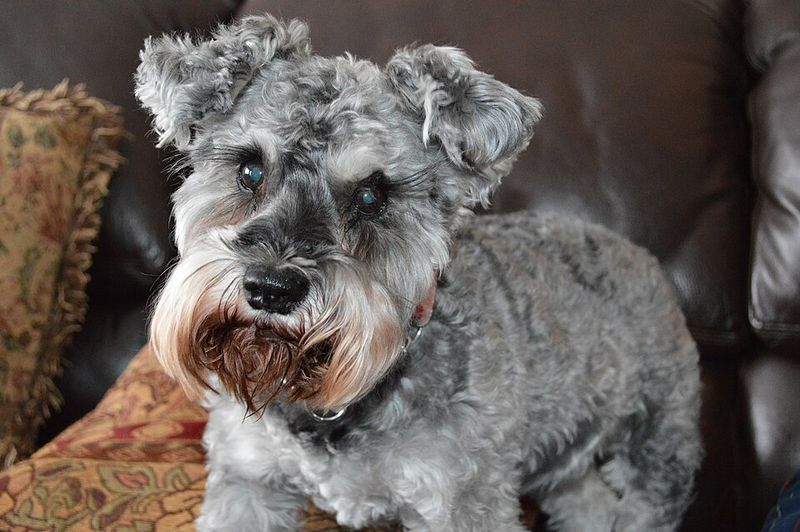
Miniature Schnauzers are charismatic and opinionated, and their guts can be equally particular. Many are prone to pancreatitis risks, so researchers watch fat tolerance and microbial resilience closely.
You will see behavior brighten when meals are lean, steady, and fiber smart.
Low to moderate fat diets with soluble fiber reduce digestive upset while supporting calmer training sessions. Probiotic blends featuring Lactobacillus and Bifidobacterium are commonly explored.
Small, frequent meals can smooth energy dips that trigger reactivity.
Grooming stress also shows up in their bellies, so keep sessions short and predictable. Add omega-3s for skin, and use crunchy, low-fat rewards.
Track stool shape, beard staining from licking, and any pacing to fine-tune your plan.
West Highland White Terrier

Westies often battle itchy skin and tummy turbulence, which is why scientists study their gut profiles. You might notice flares tied to proteins, environmental allergens, or stress.
The gut-brain-skin triangle is real here, and balancing one side helps the others.
Novel proteins, prebiotic fibers, and carefully selected probiotics can reduce itch-scratch cycles and anxious behaviors. Many guardians report calmer evenings after stabilizing stools.
Short, sensory-rich walks support a resilient microbiome.
Keep grooming products simple and rinse thoroughly to reduce residue that might trigger licking. Rotate proteins thoughtfully and introduce changes slowly.
Track sleep quality and stool consistency alongside itch scores, and you will see patterns that guide kinder, more effective choices.
Irish Setter

Irish Setters bring exuberance and sensitivity, making them excellent case studies for diet-linked behavior. Some lines face digestive instability, so researchers observe how fiber and starch types influence focus.
You will spot changes in trainability when stools are firm and meals predictable.
Slowly cooked carbs, lean proteins, and fermented toppers often lead to smoother energy. Add omega-3s to temper inflammation and support cognitive clarity.
Probiotics may reduce stress panting during transport.
Ensure long, relaxed trots mixed with sniffing to keep arousal balanced. Avoid rapid switches between kibbles or raw styles.
Keep a weekly log of stool score, recall reliability, and sleep, and you will catch early hints that the microbiome needs a tune-up.
Shar Pei
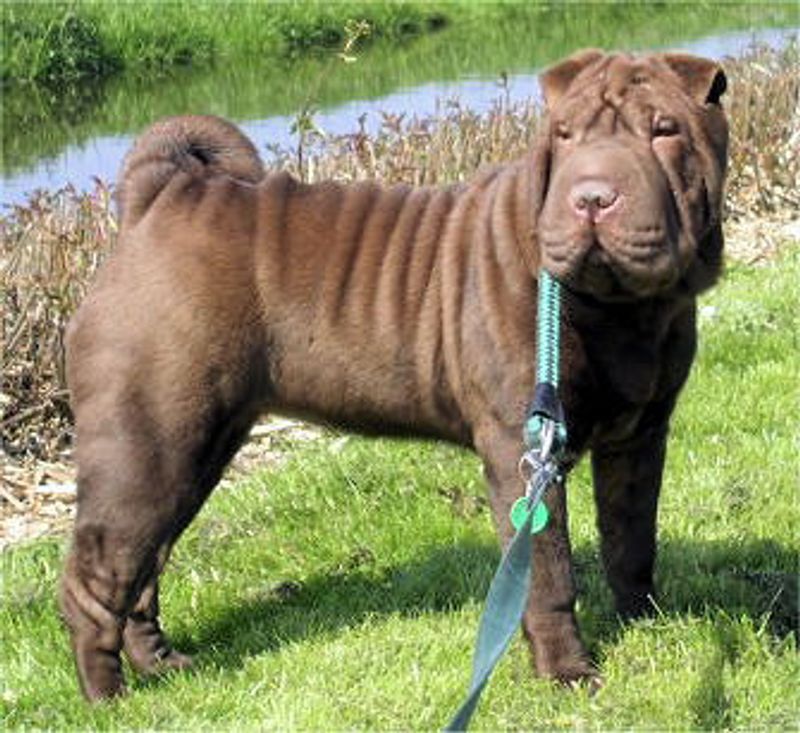
Shar Pei dogs frequently feature in gut-skin research because their folds and immune quirks reveal microbial shifts quickly. You might see yeast flare-ups, redness, or soft stools around stress or diet changes.
When the gut steadies, skin typically improves.
Balanced omega-3 to omega-6 ratio, gentle cleansers, and targeted probiotics can bring calmer behavior and less itch. Many guardians report fewer head shakes when stools normalize.
Single-protein diets with prebiotic fibers help reduce bloating.
Keep exercise low-impact and consistent to avoid overheating. Dry folds thoroughly and use fragrance-free products.
Monitor ear smell, stool shape, and sleep quality together, because in this breed, the gut-brain-skin network speaks loudly and rewards steady, thoughtful care.
French Bulldog
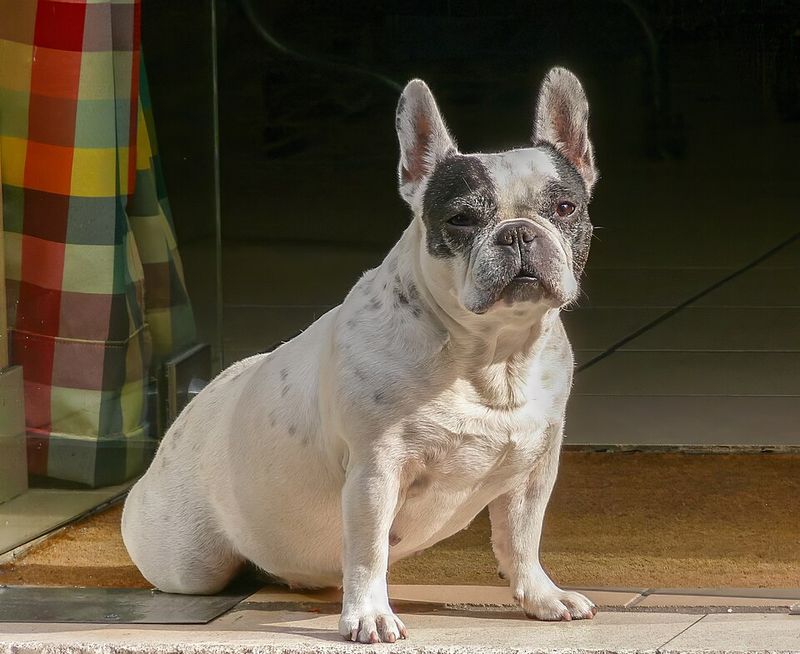
French Bulldogs have a reputation for gassiness and sensitive skin, so researchers often examine their microbiomes. You will notice behavior settle when digestion is stable and breathing stress is managed.
Diet texture and ingredient simplicity matter a lot.
Consider limited-ingredient diets, fermented veggies, and carefully selected probiotics. Use slow feeders to reduce air swallowing, which can influence discomfort and restlessness.
Short, calm play sessions help the gut-brain axis relax after meals.
Watch for heat sensitivity and keep walks easy. If itching rises, review proteins and laundry detergents.
Track snoring intensity, stool scores, and evening zoomies together, and you will discover small adjustments that bring real comfort and happier training sessions.
English Bulldog
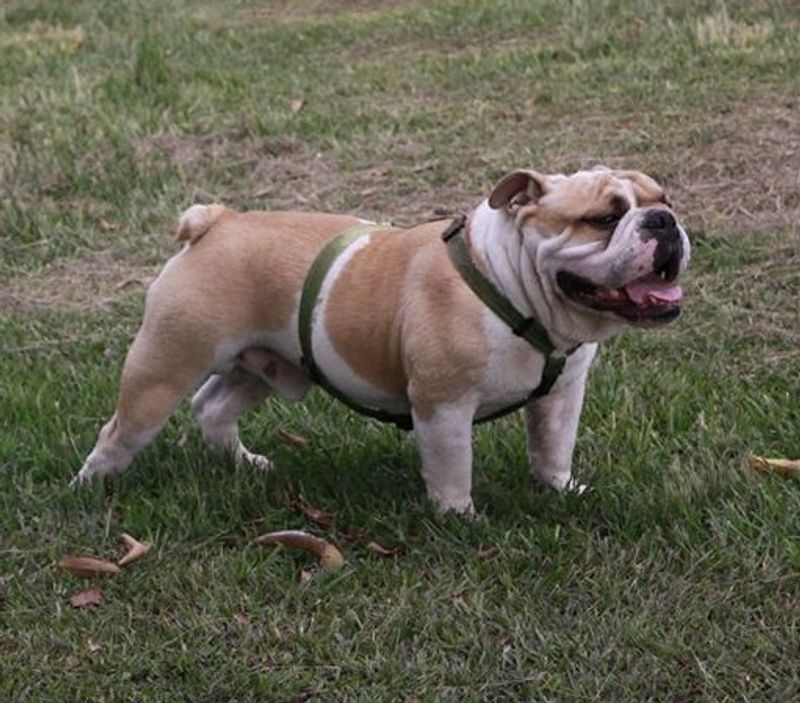
English Bulldogs often struggle with digestive gas, skin irritation, and heat sensitivity, which make microbiome shifts obvious. You may see moodiness or stubbornness decrease when stools firm up and mealtimes are calm.
Researchers track how simple ingredient lists change behavior and comfort.
Probiotics, prebiotic fibers, and omega-3s support a steadier gut-brain rhythm. Slow, short walks and puzzle feeders reduce stress spikes.
Avoid frequent food switches and monitor treats closely.
Rinse skin folds thoroughly and keep bedding clean to reduce itching that can trigger restlessness. A diary of stool quality, panting, and nighttime pacing helps spot patterns.
Small, consistent improvements often cascade into easier training, longer naps, and a happier household routine.
Great Dane
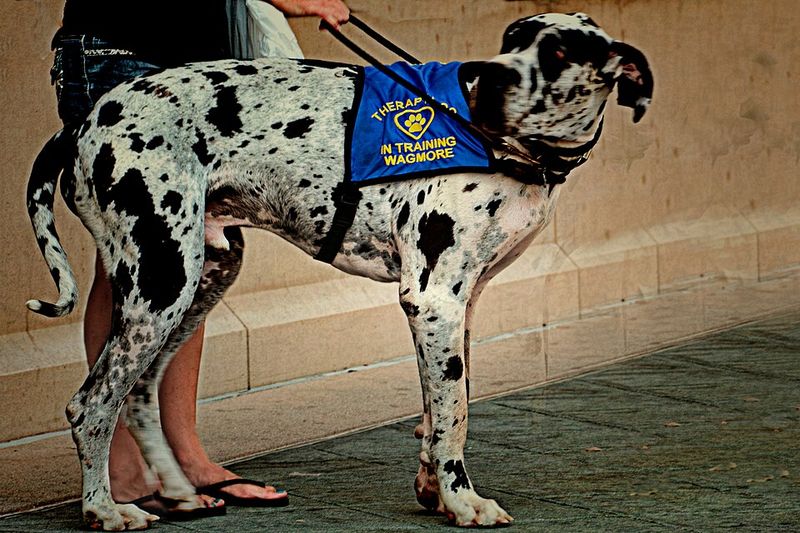
Great Danes bring gentle hearts and big digestive needs. Bloat risk keeps researchers focused on meal timing, stress, and microbiome stability.
You will often see calmer behavior and deeper sleep when routine is predictable and portions are split.
Use slow feeders, avoid vigorous exercise around meals, and consider post-meal sniffing sessions to relax the gut-brain axis. Probiotics that support large-breed digestion may reduce gas and restlessness.
Moderate fiber helps maintain stool consistency without bulk overload.
Keep training low-pressure and clear. Track burps, stool score, and pre-bed pacing to catch early signs of discomfort.
Simple ingredient rotations, omega-3s, and steady hydration usually translate into more confidence, better focus, and fewer nighttime wake-ups.
Standard Poodle
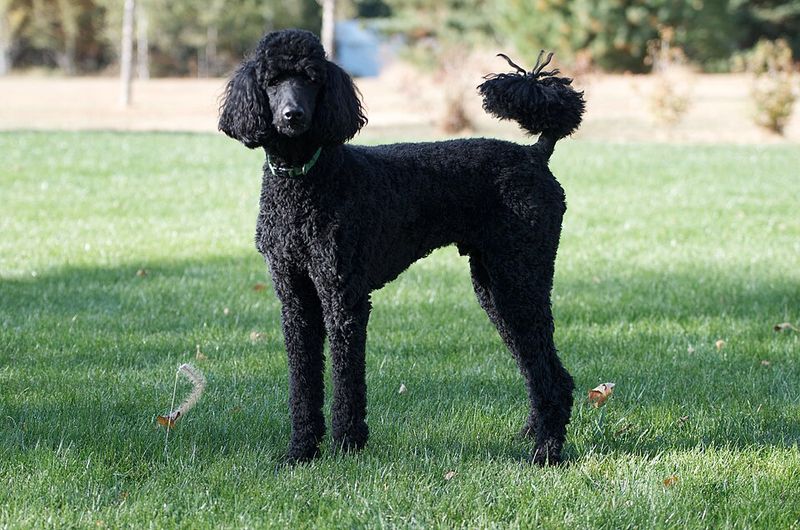
Standard Poodles are clever and sensitive, which makes microbiome shifts show up in training and focus. Sudden diet changes can create restlessness or soft stools.
When digestion is steady, you will see sharper cues and calmer responses.
Balanced proteins, moderate carbs, and fermented toppers support a resilient gut. Probiotics may help during travel or show weekends.
Keep enrichment varied but predictable to reduce stress spikes.
Track how grooming days influence appetite and stool quality. If anxiety rises, check fiber sources and meal timing.
With thoughtful adjustments, most Poodles bloom into steady learners, showing how the gut and brain collaborate for clarity, confidence, and comfortable routines at home and on the road.
Labrador Retriever

Labradors are joyful chowhounds, and that enthusiasm can challenge their microbiome. Rapid eating, table scraps, and weekend diet swings often show up as gassy evenings or distractibility.
You will notice steadier focus when meals are measured and ingredients consistent.
Use slow bowls, high-quality proteins, and prebiotic fibers to smooth digestion. A daily probiotic may reduce post-meal zoomies and begging.
Regular fetch balanced with sniffing walks supports a calmer gut-brain loop.
Track treats during training and offset calories to protect weight, because extra pounds strain microbial balance. Rotate proteins slowly and watch stool shape after swimming days.
With small, steady changes, Labs channel their happy energy into sharper recall and longer, satisfied naps.