
If you have ever closed the crate door and felt a pang of doubt, you are not alone. There is a big difference between a dog learning to relax and a dog quietly spiraling into panic.
Knowing the red flags helps you step in sooner and protect your dog’s wellbeing. Let’s decode the signs so you can make kinder, smarter choices that build trust, not fear.
Drooling only in the crate

Drooling that appears only when the door closes is not just messy. It points to a body in stress, with adrenaline and cortisol spiking as your dog anticipates being trapped.
If the floor mat is wet after minutes, your dog is not settling, they are coping poorly and need help.
Start by shortening sessions, opening the door before distress escalates, and pairing the crate with calm exits. Add predictable patterns, like a chew only when relaxed, not tossed in mid-panic.
Track intensity and duration so you can see progress rather than guessing.
If drooling persists or worsens, consult a certified behavior professional and your vet. Medical checks ensure nausea or dental pain is not amplifying anxiety.
Pawing and digging at the door
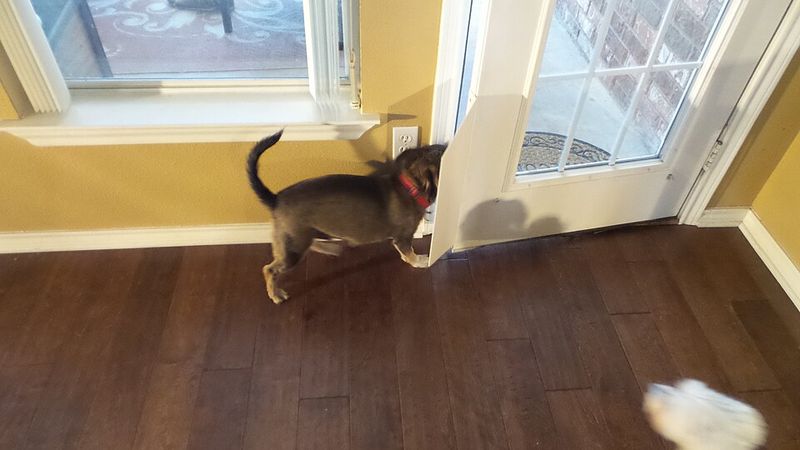
Scrabbling paws at the latch is not curiosity, it is panic-driven escape behavior. The repetitive digging can split nails and abrade pads quickly, turning fear into injury.
You might hear frantic rustling or see bedding balled up against the door as your dog tries any route out.
Interrupt the cycle by ending the session before this begins and rebuilding with gradual exposure. Reinforce quiet behavior at micro-durations, then open the door.
Use barriers that reduce rehearsal of clawing, like a covered front for visual calm, but never as a punishment.
Consider teaching a station cue outside the crate to generalize calm. If digging continues, bring in a qualified trainer to create a stepwise plan.
Biting bars or latch
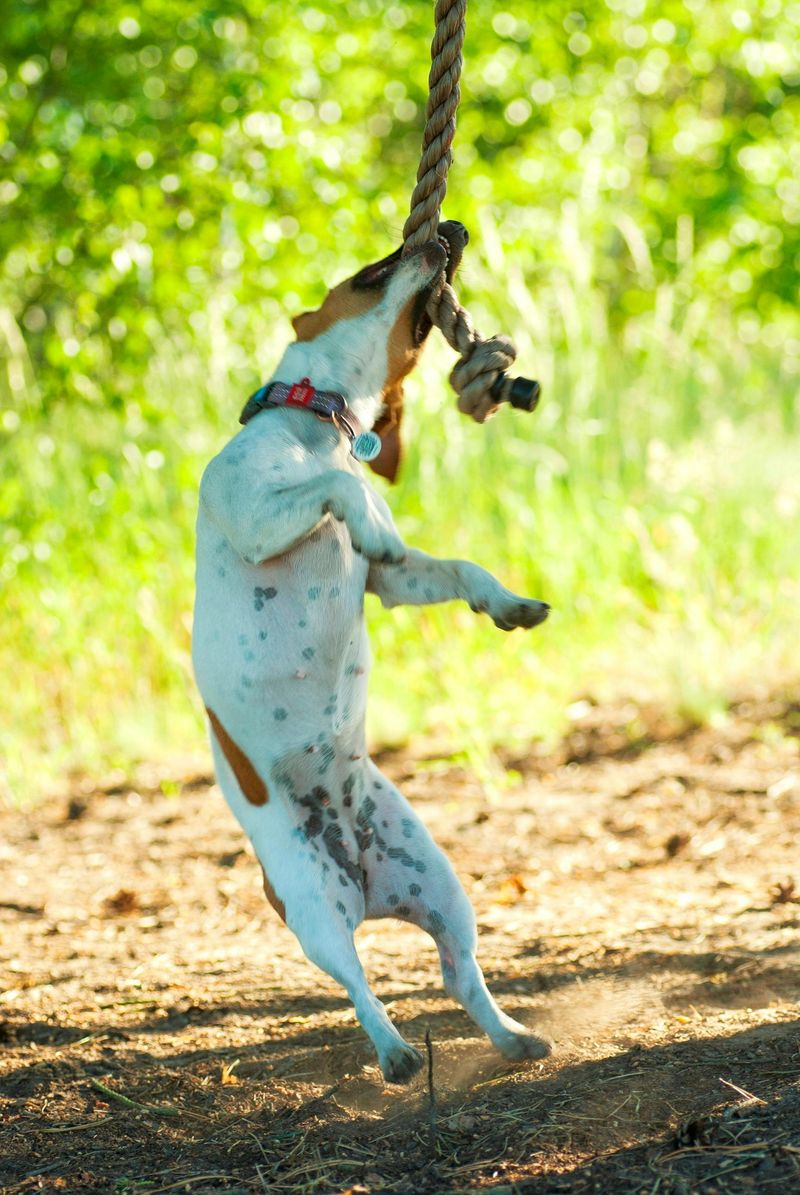
Teeth on metal is a blaring siren. Dogs that mouth or chomp the bars are not exploring, they are attempting escape under high stress.
This risks broken incisors, chipped canines, and cut gums, leading to pain and expensive vet bills.
Stop practice immediately and rethink management. Use a safer confinement option while you train, like a puppy-proofed room with a gate.
Then build crate comfort gradually with door-open relaxation sessions and predictable, short repetitions.
Offer long-lasting chews only when the dog is already calm, not as a distraction for panic. If bar-biting appeared suddenly, rule out triggers like recent scary events or pain.
Dental checks and behavior support together are essential next steps.
High-pitched escalating vocalizing

Whining that climbs to yelps tells you arousal is rising, not settling. The pitch and pace often spike when you step away, then keep climbing as the dog tips into panic.
Ignoring this can teach learned helplessness, not resilience.
Respond by shrinking distance and duration so success is easy. Mark and reward quiet seconds, then release before the next spike.
Layer in white noise, food puzzles outside crate time, and predictable routines to lower baseline stress.
Record sessions to see trends objectively. If vocalizing becomes frantic or hoarse, pause crate work entirely while you consult a certified behavior consultant.
Your goal is safety and emotional security, not silent suffering behind a door.
Refusing high-value treats inside

When a dog refuses a favorite treat inside the crate but devours it elsewhere, stress is overriding appetite. The digestive system downshifts during fear, so food stops feeling safe.
This is a major red flag, not stubbornness.
Back up your plan until the dog eats comfortably with the door open, then barely closed for a second. Use stationing outside the crate to build relaxation skills, then import them inside.
Keep sessions short, ending before worry returns.
Switch from surprise crating to predictable rituals that signal easy wins. Track whether appetite rebounds quickly.
Persistent food refusal deserves a vet check to rule out GI pain and a behavior pro to structure a humane training ladder.
Trying to squeeze out
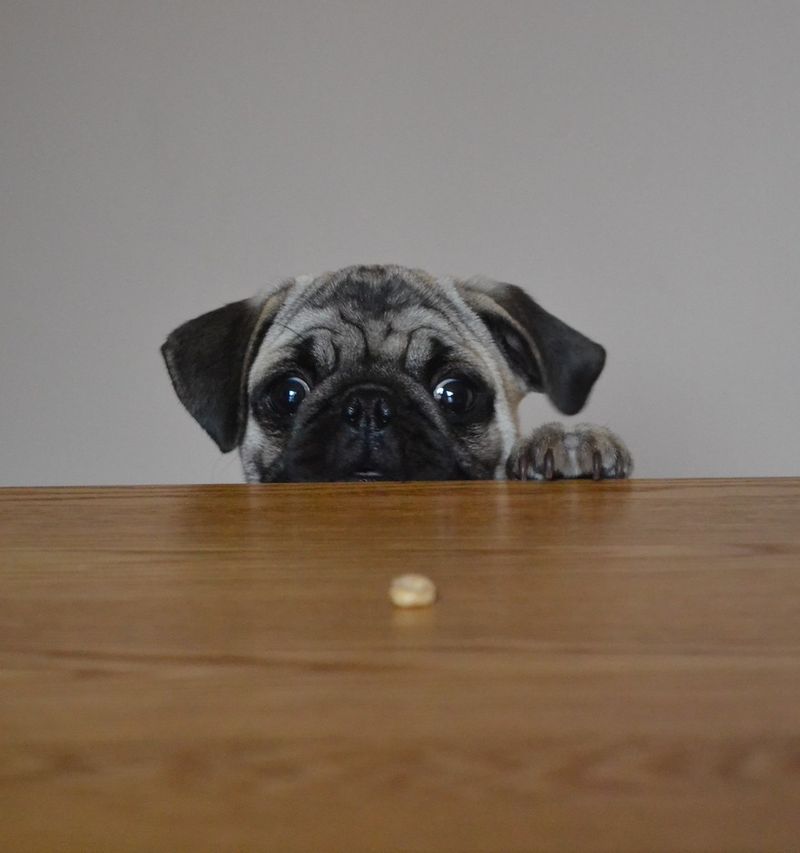
Wedge attempts look desperate because they are. Dogs may push noses through gaps or slam shoulders against the door, risking stuck heads and neck injuries.
You might find bent wires or hear frantic clanging as they test every seam.
Replace or retire damaged crates immediately for safety. Shift to management that eliminates risky gaps while you retrain.
Practice calm entries with the door open, then closed for one breath, then open again before worry grows.
Teach an exit cue so leaving is predictable, not a scramble. If a dog has already jammed a body part, see a vet and pause crate work.
The goal is to rebuild trust with thoughtful steps, not force compliance.
Soiling despite being house-trained
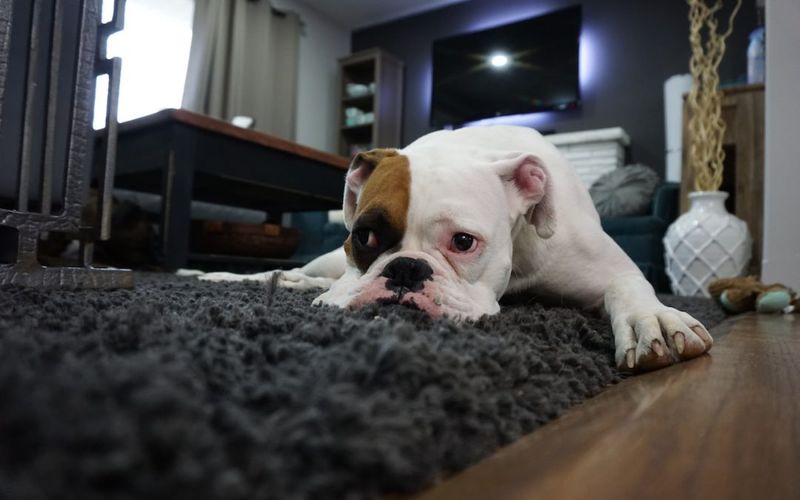
Accidents from a house-trained dog inside the crate are rarely spite. They often signal panic or a bladder pushed past comfort.
Stress hormones can speed motility, and fear makes it hard to hold it even briefly.
Do not punish. Clean thoroughly with enzymatic cleaner to remove odors that could compound stress.
Reevaluate duration, timing of potty breaks, and whether the crate itself is a trigger linked to distress.
Run a vet check to rule out UTI or GI issues, then adjust training to micro-sessions with easy wins. Pair calm with release, not panic with confinement.
With patient steps and predictable routines, house training remains intact while emotional safety improves.
Frantic spinning
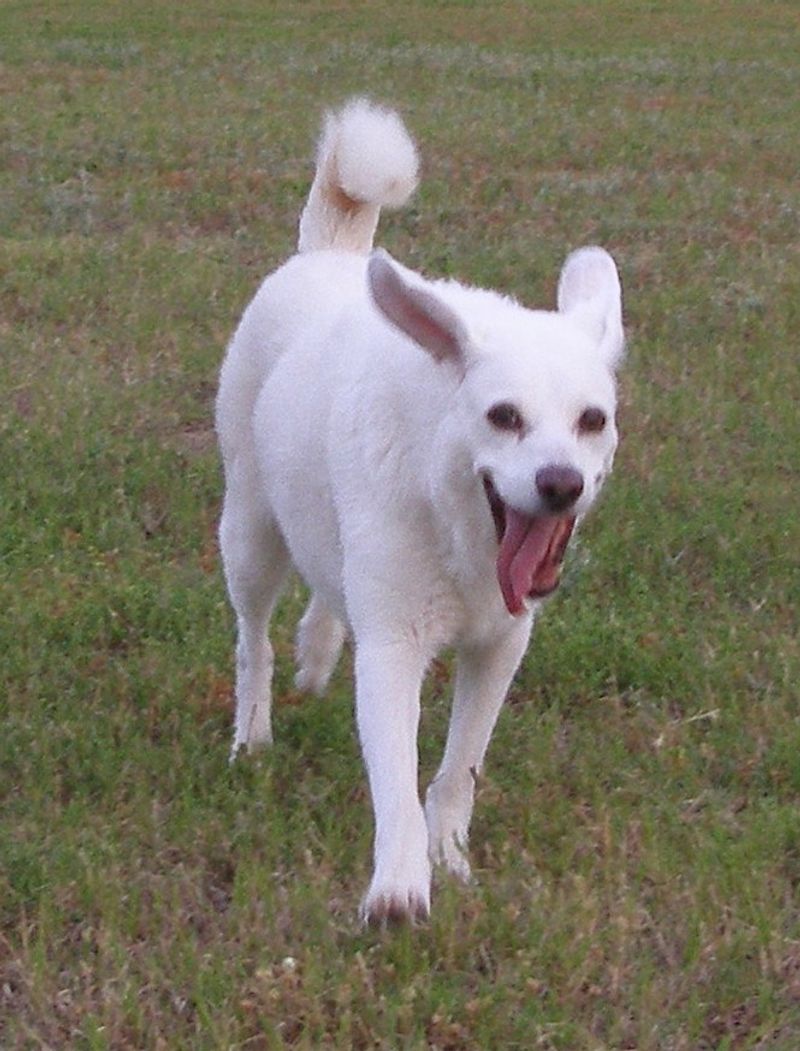
Spinning in a tight crate is a distress behavior, not energy to burn. The repetitive circles often precede whining, pawing, or biting at the door.
This movement pattern can scrape hocks and tails, and it signals a mind trying to escape an overwhelming situation.
Reduce session length to beats the dog can tolerate and reward stillness that happens naturally. Teach a default down outside the crate, then generalize with the door open.
Add calming aids like lick mats only once the dog is already decompressed.
Consider enlarging space or using a different confinement area during training. Video can reveal early micro-spins you miss.
If spinning persists, collaborate with a behavior professional to restructure the plan.
Freezing and staring
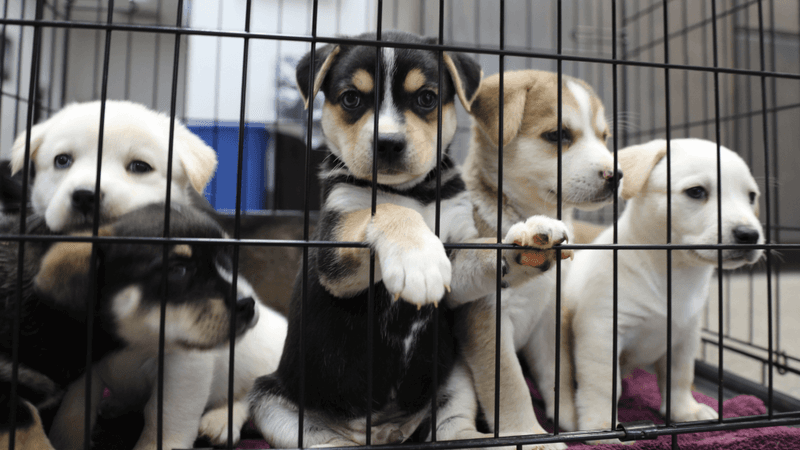
Silence can fool you. A frozen dog that stares rigidly is not calm, they are shut down.
Watch for whale eye, tight mouth corners, and shallow breaths. That stillness often cracks into explosive escape attempts once arousal tips.
Reframe success as soft bodies, blinking, and relaxed postures, not statue-still dogs. Open the door before tension peaks, and reward movement like a stretch or shake-off.
Build relaxation skills outside the crate so the body knows how to downshift.
Use gentle lighting, predictable cues, and short sessions to lower the threshold. If freezing is common, pause crate goals and focus on safety and confidence.
Professional guidance helps you read subtle signals accurately.
Self-injury (broken nails, bloody nose)

Finding a bloody nose smear or torn nail after crate time is an emergency-level red flag. Your dog is hurting themselves trying to escape.
Continuing as-is risks worse injury and deeper fear conditioning you will have to undo later.
Stop crating immediately and see your vet for wound care and pain relief. Then consult a certified behavior professional to build a stepwise desensitization plan.
Shift to safer confinement and supervision while you retrain.
Reintroduce the crate, if at all, only once your dog can relax with the door open for long stretches. Track comfort, not minutes.
Your priority is physical safety and emotional wellbeing, not forcing a tool that currently causes harm.
Crate avoidance the next day

If your dog gives the crate a wide berth the next day, yesterday was too hard. Avoidance is a memory of distress, not stubbornness.
Forcing entry risks stronger fear and slower recovery.
Rebuild by making the crate predict easy wins: door propped open, cozy bed, scatter feeding nearby, then just inside the threshold. Reward voluntary approaches, then relaxed downs with the door open.
Exit before tension rises so your dog learns confidence.
Use a fresh routine, new mat, and different room to break the old association. Keep logs to track approach distance and body softness.
With time and thoughtful steps, your dog can choose the crate instead of fleeing it.