
You have been told the crate means safety, but your dog might be telling a different story. Subtle behaviors can snowball into full blown crate anxiety if you miss the early clues.
Once you know what to watch for, you can intervene sooner and make the crate a calmer place. Let us decode the red flags together so you can help your dog feel truly safe.
Panting only in the crate
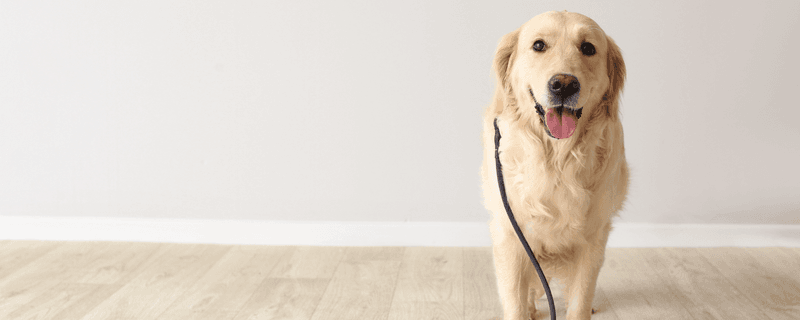
Panting that starts only after the crate door closes is a stress signal, not just heat. Look for rapid breathing, tight commissures around the mouth, and a restless body that cannot settle.
If the room is cool and exercise needs are met, panting points to anxiety tied to confinement.
You might notice it spikes when you grab keys or step away. Try short sessions with the door open, feed calm treats, and pair the space with predictable exits and returns.
If panting persists or worsens, consult a trainer who uses humane desensitization and a vet to rule out medical issues.
Drooling puddles
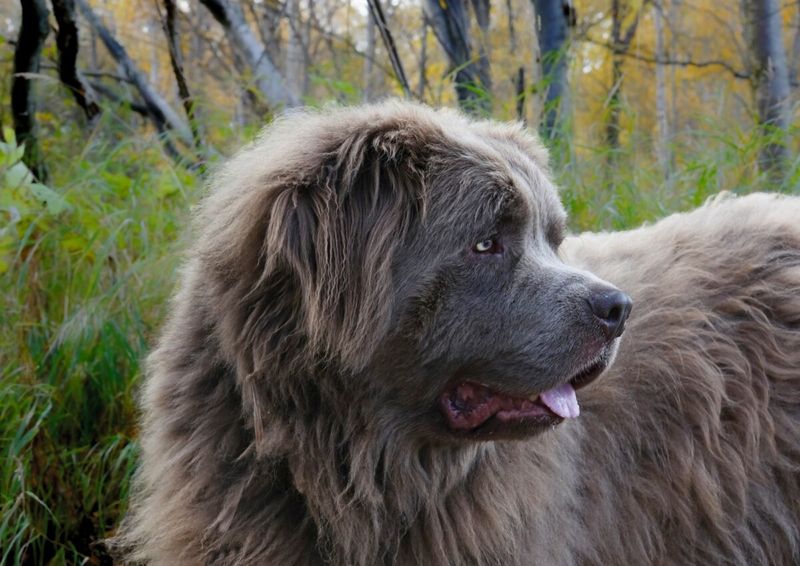
Puddles of drool around the crate are a classic anxiety marker, especially when your dog is otherwise dry mouthed. Stress can trigger excessive salivation fast.
If you return to wet bedding or slick floor spots, assume your dog had a tough time coping while confined.
Rule out nausea and dental pain, then track patterns like time of day or your departure cues. Lower intensity by introducing a chew, calming scent, and quiet background sound.
Gradually build duration with tiny exits, returning before worry spikes. If drooling continues despite training changes, talk to your veterinarian about medical support to reduce arousal so learning can stick.
Pawing at the door nonstop
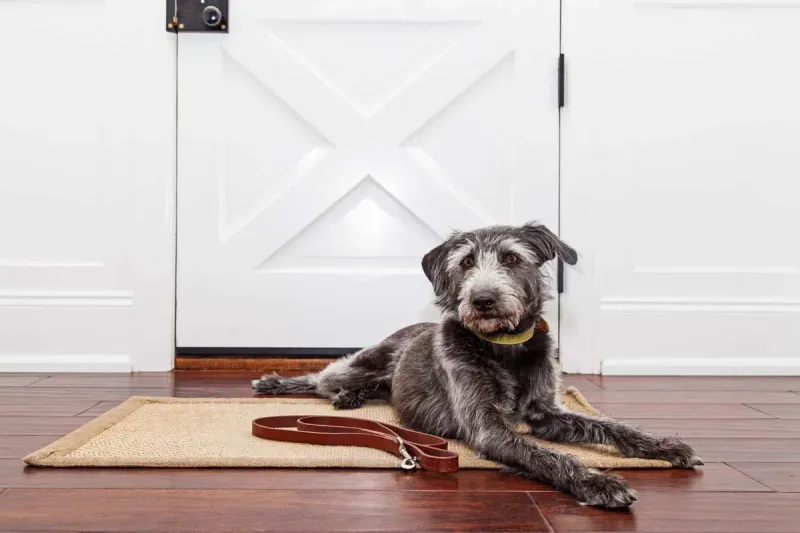
Relentless pawing at the crate door is your dog telling you escape feels urgent. Occasional scratches can be curiosity, but steady drumming means distress.
Check nails and paw pads for scuffs or redness, which often reveal how long and hard they have been working that door.
Use protection like nail caps or a pad temporarily, but change the emotional picture. Practice micro entries with the door closed for one second, reward quiet, then open.
Break the association between door closing and panic. Provide a snuffle mat or safe chew to channel energy, and keep sessions short enough that pawing never starts.
Biting bars or latch
Teeth on bars or the latch means frustration has passed into frantic problem solving. This can damage incisors, gums, and even fracture canines.
If you see scrape marks on metal or chipped enamel, stop long durations immediately and switch to safer management.
Use a covered ex pen or baby gated room to reduce pressure while you retrain. Teach stationing on a mat near the open crate, then lightly close the door for seconds, paying generously for quiet.
Add lick mats to reduce arousal. If biting continues, consider consulting a veterinary behaviorist to address underlying panic before injuries mount.
Shrieking escalation
High pitched shrieks or scream like howls are not typical protest; they are signs of panic. This escalation often follows whining and barking, especially when the dog feels trapped and ignored.
The longer it runs, the faster the behavior chains into a habit.
Do not wait it out. Shorten sessions to finish before the first whine, then release calmly, avoiding big reunions.
Layer counterconditioning with calm music and predictable returns. If shrieking emerges quickly or persists, involve a professional trainer and your vet to explore medication that lowers baseline fear so training can succeed.
Refusing food inside
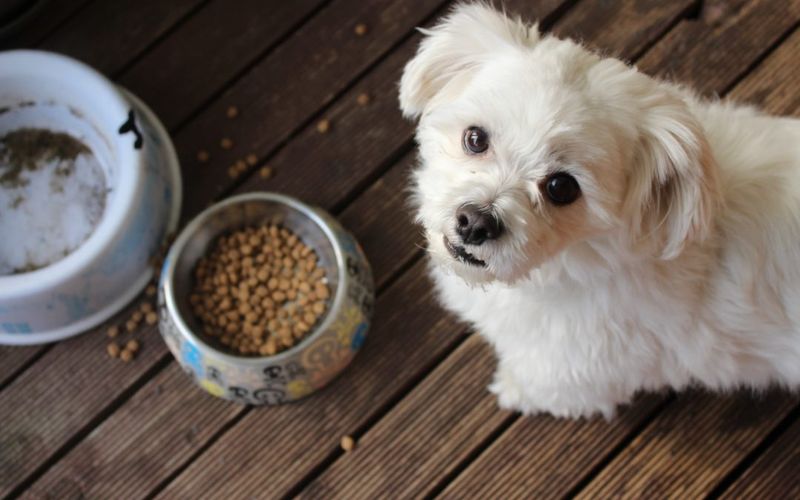
When a usually food motivated dog will not eat inside the crate, stress likely eclipses appetite. You might see lip licking, head turns, or taking a treat only to drop it.
Food refusal says the emotional temperature is too high for learning.
Lower the stakes by feeding full meals just outside the crate, then across the threshold with the door open. Gradually move the bowl deeper while keeping sessions short and quiet.
Use high value, soft treats that are easy to chew. If appetite tanks only in confinement, pause long absences and build comfort first, or you risk cementing aversion.
Frantic spinning
Spinning in tight circles inside the crate is a red flag for overwhelmed energy with no outlet. It may start as pacing and quickly compress into frantic loops.
Watch for panting, dilated pupils, and bedding kicked into a corner as the body tries to self soothe.
Reduce confinement periods and meet exercise needs before sessions. Offer a stuffed chew to redirect movement into licking.
Train a settle on a mat with the door open, then tiny closed door reps that end before movement ramps up. If spinning happens immediately, the crate is currently too hard and you need a different management setup while you retrain.
Soiling despite being trained

Accidents from a house trained dog in the crate are often about distress, not stubbornness. Fear can override normal elimination habits, especially if the crate time outlasts comfort or the dog panics when alone.
Shame signals are human stories; your dog is struggling, not misbehaving.
Rule out urinary or gastrointestinal issues with your vet. Then shorten durations, schedule potty breaks, and rebuild positive associations.
Use enzyme cleaners to erase scent markers and avoid punishment, which raises anxiety. A larger space like an ex pen may help while you gradually reintroduce the crate with calm, short, success only sessions.
Trying to escape at night
Nighttime can amplify crate fear because the house is quiet and you are less responsive. If you hear scratching, whining, or attempts to squeeze between bars, your dog is not settling.
You may find bent wires, moved crates, or sore paws by morning.
Bring the crate closer to your bed temporarily, add a white noise machine, and give a safe chew to ease the first sleep cycle. Practice sleepy time routines with the crate door open before bedtime.
If escape attempts persist, use a secure ex pen near you while retraining the crate with daytime success reps.
Freezing and staring

Not all anxiety is loud. A dog that freezes, holds breath, and stares at the door is broadcasting fear in silence.
You might see a tucked tail, tight mouth corners, and minimal movement, as if stillness can make the situation end faster.
Reframe the crate as a choice space. Sit nearby, door open, and reward any head turn, blink, or relaxed exhale.
Build micro moments of comfort before closing the door for a second. Increase only when soft body language returns quickly.
Freezing is a plea for help, so keep sessions short and predictable.
Crate avoidance the next day
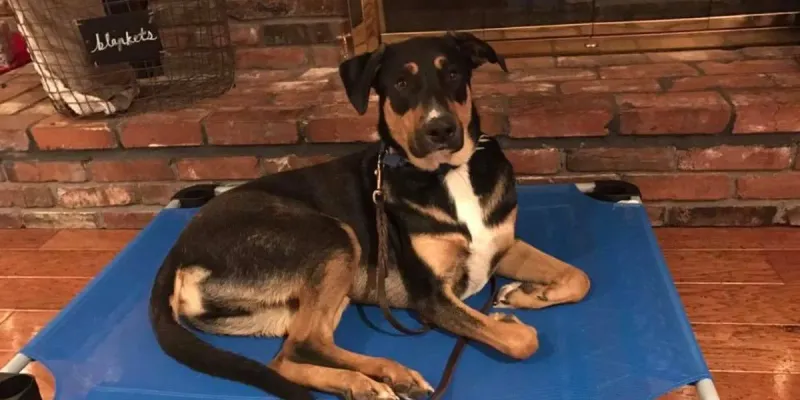
If your dog steers wide around the crate the next day, yesterday was too hard. Avoidance means the space predicts discomfort.
You might see sniffing detours, sitting and refusing to move, or hiding when the crate appears.
Reset by making the crate boringly good. Sprinkle snacks inside and walk away, play find it games that happen to pass through, and leave the door open.
Keep all closed door work extremely brief and successful. Track progress with video and a simple log.
When your dog chooses to rest inside without prompting, you are finally rebuilding trust instead of pressuring compliance.