
Boarding rules are getting stricter, and pet parents are feeling the pressure. You want your dog safe, welcomed, and protected, but every daycare seems to have a different checklist.
Vaccine requirements spark heated arguments, especially when certain breeds are mentioned more often during intake debates. Here are the breeds that keep coming up, and what you should know before your next drop off.
French Bulldog
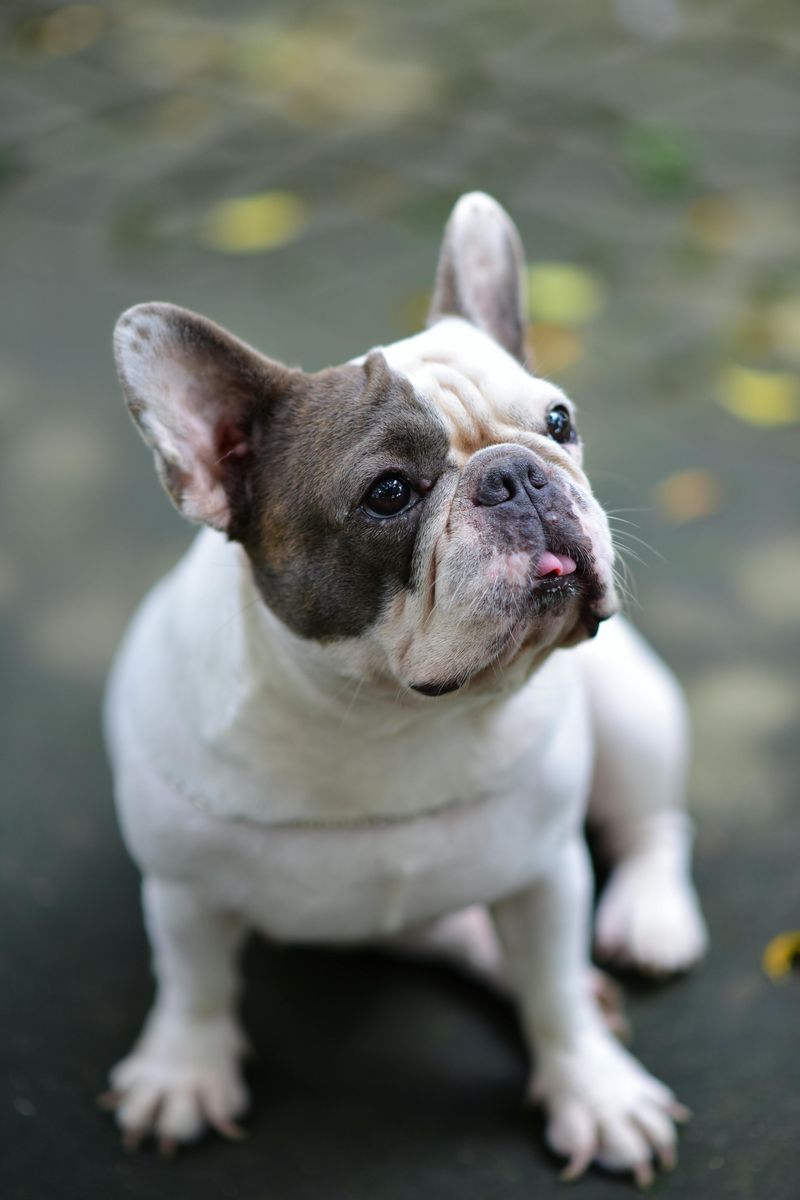
French Bulldogs show up in boarding debates because they are lovable, social, and prone to respiratory issues. Daycares often double check vaccines like Bordetella, parainfluenza, and canine influenza since snub nosed pups can be extra vulnerable.
You might also see stricter limits on play intensity to reduce stress and coughing risks.
To avoid last minute denials, bring printed vet records and ask if the facility requires influenza H3N2 specifically. Some places want titers for distemper and parvo if you are spacing shots.
Clarify any waiting periods after vaccines, especially for brachycephalic breeds.
Advocate politely, explain your dog’s routine, and request calm group placement. The right prep helps your Frenchie breeze through check in.
Boston Terrier
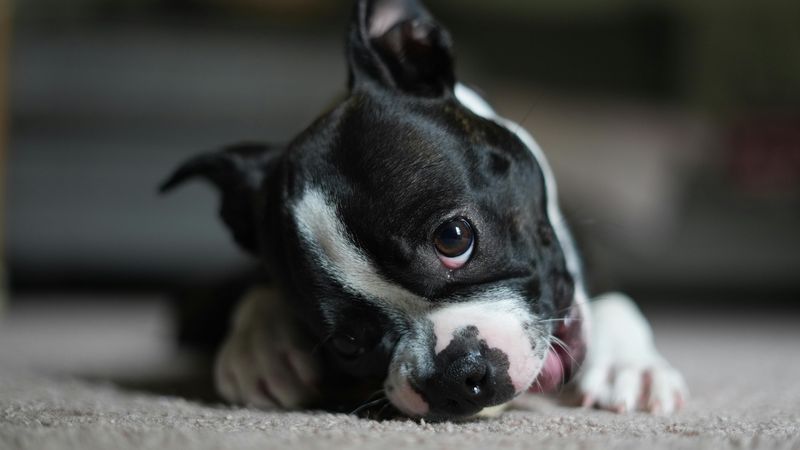
Boston Terriers often headline policy discussions because they are energetic, vocal, and sometimes sensitive to kennel cough outbreaks. Expect hard lines on Bordetella and influenza vaccines, plus core shots up to date.
Some daycares request proof of recent fecal tests and heartworm prevention to protect group play standards.
Ask about ventilation and rest breaks, since many Bostons prefer shorter, engaging sessions. Clarify whether your dog can join small compatible groups after vaccines take effect.
If your schedule is tight, get your vet to email records directly.
Arrive early, keep leashes short, and practice calm entrances. A few minutes of sniff decompression can lower excitement and reduce coughing risk in shared spaces.
Pug

Pugs spark frequent conversation because brachycephalic airways can complicate illness and recovery. Facilities may require the Bordetella intranasal or oral version for faster mucosal protection, alongside influenza and core vaccines.
Some places set seasonal restrictions when kennel cough reports rise.
Ask about quiet zones and climate control, since heat and humidity can stress breathing. Confirm waiting windows after shots, usually 48 to 72 hours, before group entry.
Bring a note about any airway surgery or known sensitivities to support accommodations.
Keep exercise low key at drop off, and request low arousal playmates. With thoughtful planning, your Pug can enjoy safe social time while meeting strict vaccination standards and staff confidence.
Cavalier King Charles Spaniel

Cavaliers are gentle charmers, but boarding teams often scrutinize their cardiac history and respiratory resilience. Vaccine checklists typically include Bordetella, influenza, DHPP, and rabies, with clear dates visible.
Some facilities prefer intranasal Bordetella for quicker onset when schedules are tight.
Ask about supervised small groups and rest naps to reduce stress and exposure. If your Cavalier has a murmur, provide your vet’s note so staff can pace activities.
Confirm any policy about titers if you follow minimal vaccine protocols.
Bring a tidy folder, highlight expiration dates, and offer emergency contacts. Calm, transparent communication earns trust, keeps your Cavalier comfortable, and streamlines acceptance during busy boarding seasons.
Dachshund
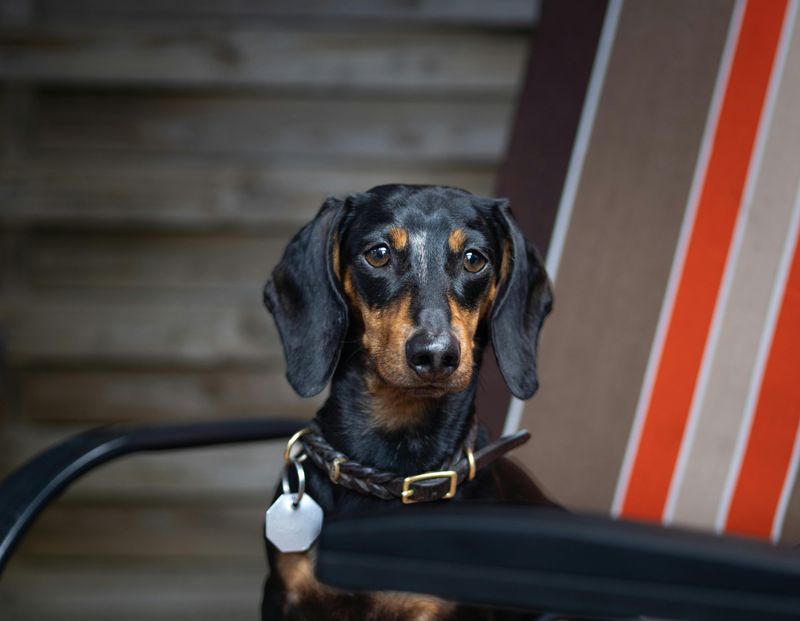
Dachshunds bring spunky energy and long backs that benefit from careful play grouping. Daycares often insist on Bordetella and influenza to limit coughing cycles in vocal, excitable groups.
Core vaccines and fecal screening may also be enforced to support overall health standards.
Ask for ramps or low jumps in play zones to protect spines. Share your dog’s preferred pace and toy preferences to reduce high arousal chases.
If you space vaccines, confirm titers acceptance ahead of time.
Arrive with concise paperwork and medication instructions if needed. A measured introduction, combined with documented vaccine status, helps your Dachshund fit smoothly into daycare routines without unnecessary stress or last minute refusals.
Beagle

Beagles are scent driven social butterflies, which makes them daycare favorites and frequent policy examples. Expect firm Bordetella and canine influenza requirements, since active noses mingle closely during play.
Many facilities will also ask about flea and tick prevention for outdoor yards.
Request small group intros to prevent chorus style barking that spreads droplets. If your Beagle attends often, set reminders so booster timing does not lapse.
Ask about cleaning schedules and fresh air exchange for added protection.
Bring high value treats for calm check ins and attach digital copies of records to your profile. With clear communication and consistent vaccines, your Beagle can sniff, romp, and nap without administrative snags.
Cocker Spaniel
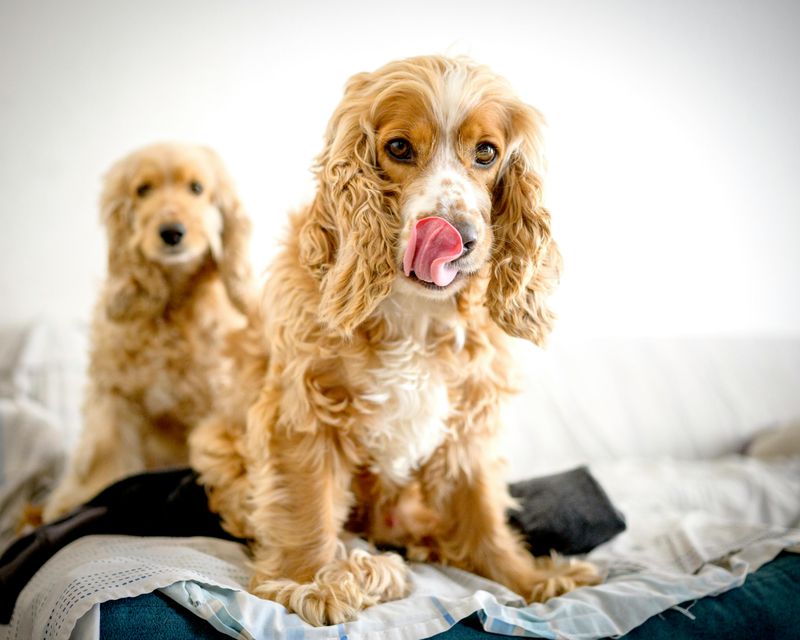
Cocker Spaniels can be sensitive to ear and skin issues, so daycares emphasize hygiene alongside vaccines. You will usually see Bordetella, influenza, and core shots required, plus encouragement to keep ears clean to minimize secondary problems.
Some facilities ask for recent grooming if matting might trap moisture.
Discuss calmer play groups to reduce ear flapping during high speed chases. Share your grooming schedule and any meds so staff can monitor comfort.
If you rely on titers, request policy details in writing.
Organize records by due dates and keep a backup on your phone. These simple steps build staff trust and keep your Cocker’s daycare experience safe, sanitary, and positive.
English Springer Spaniel
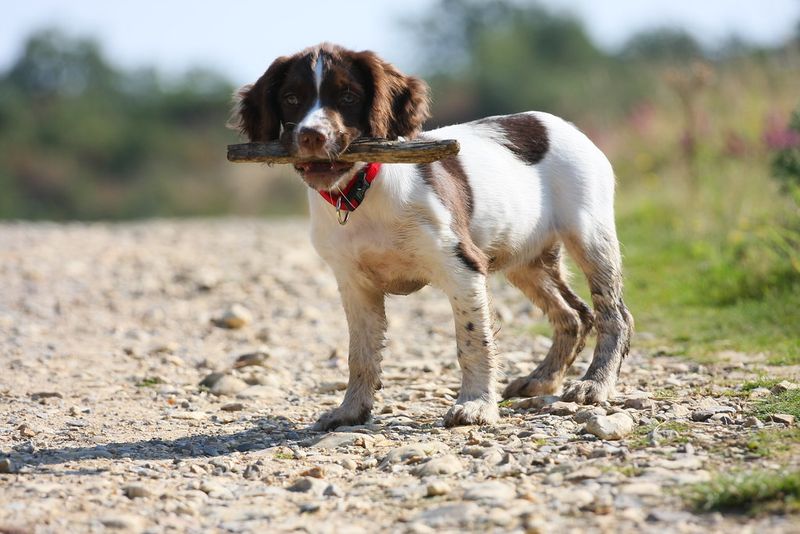
Springers are athletic and enthusiastic, sometimes sparking group excitement that raises coughing risk. Facilities typically require Bordetella and influenza, especially during peak travel months.
Core vaccines and parasite prevention keep outdoor play safer when fields or water games are offered.
Ask about structured fetch rotations and timeouts to manage arousal. Share any past kennel cough history so staff can tailor exposure and rest.
If vaccinations were recent, clarify when your dog may safely join group activities.
Provide tidy documents, emergency contacts, and feeding notes. With transparency and timely vaccines, your Springer can enjoy high energy fun without compromising health standards or your boarding plans.
Labrador Retriever
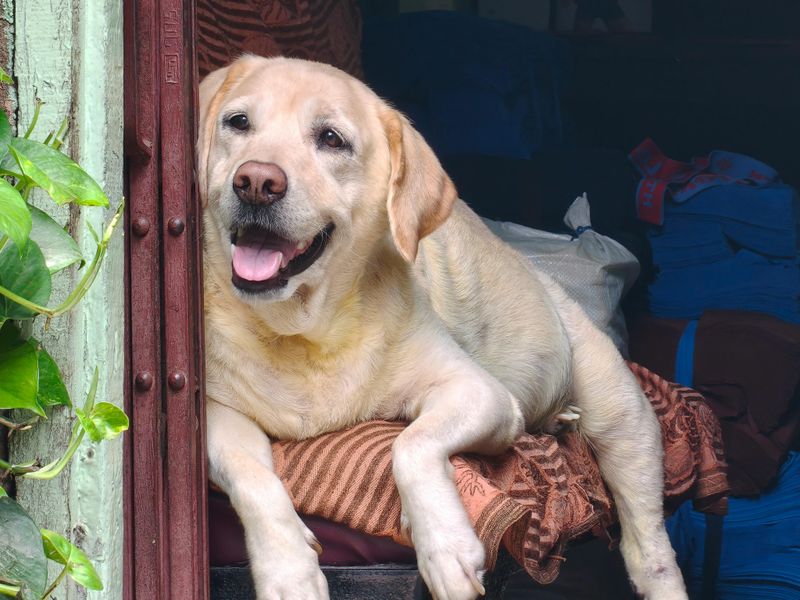
Labs are daycare regulars, so their vaccine readiness often sets the tone for policy consistency. Expect strict Bordetella, influenza, DHPP, and rabies documentation with precise expiration dates.
High contact play means facilities lean conservative to limit kennel cough spread.
Ask for staggered play blocks if your Lab loves nonstop fetch. Provide proof of heartworm prevention and flea control for outdoor yards.
If your dog swims, request rinses afterward and confirm drying areas.
Keep digital and printed records synced, and schedule boosters two weeks before holidays. Clear preparation helps your Lab pass intake quickly, keeping the focus on safe fun rather than administrative hurdles and last second disappointments.
Golden Retriever
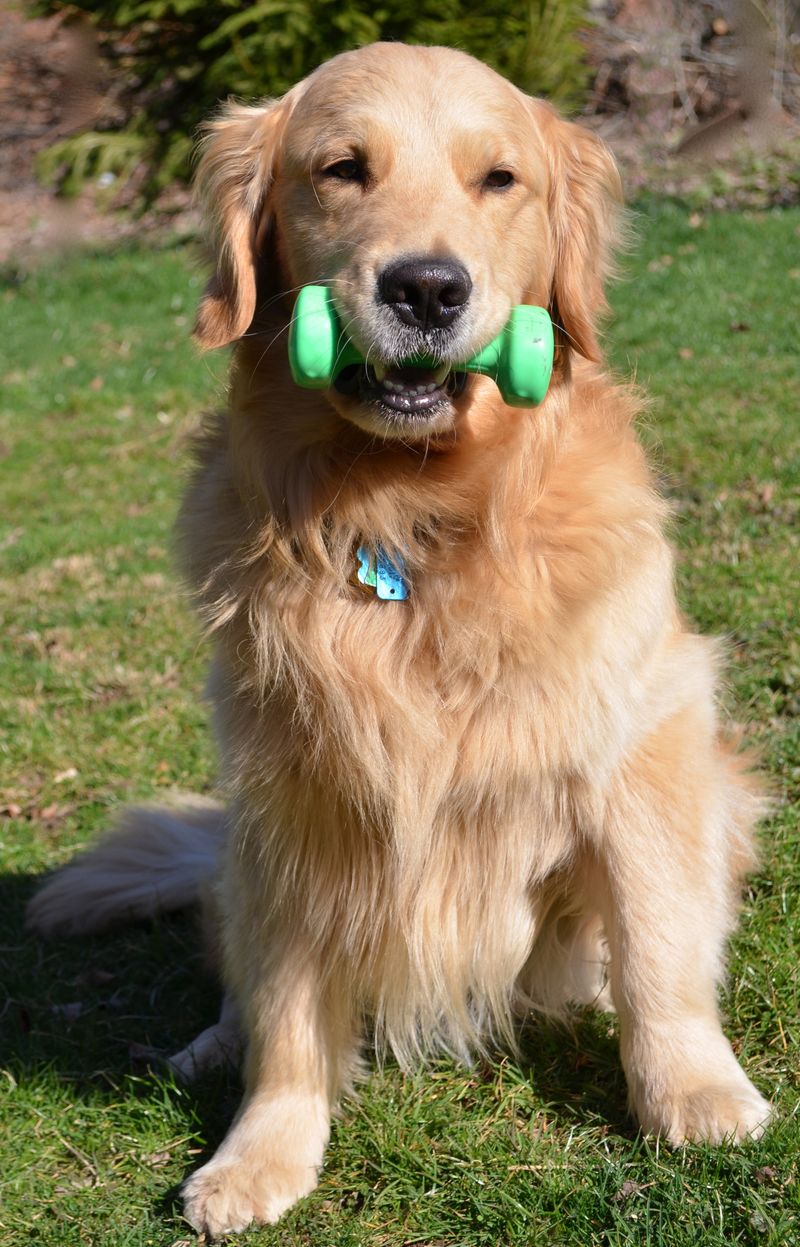
Goldens are friendly social magnets, which makes rigorous vaccine compliance essential in group settings. Facilities typically require Bordetella every six to twelve months, plus influenza, DHPP, and rabies.
Their fluffy coats invite hugs, so close contact exposure can run high during greetings.
Discuss gentle groups if your Golden is a peacemaker who defuses tension. Confirm post vaccine waiting periods, and ask about seasonal influenza surges.
Bring grooming notes to keep drying time adequate after baths.
Double check booster windows before travel rushes. With tidy records and proactive questions, your Golden glides through check in and enjoys play without unnecessary health worries or policy headaches.
Miniature Schnauzer
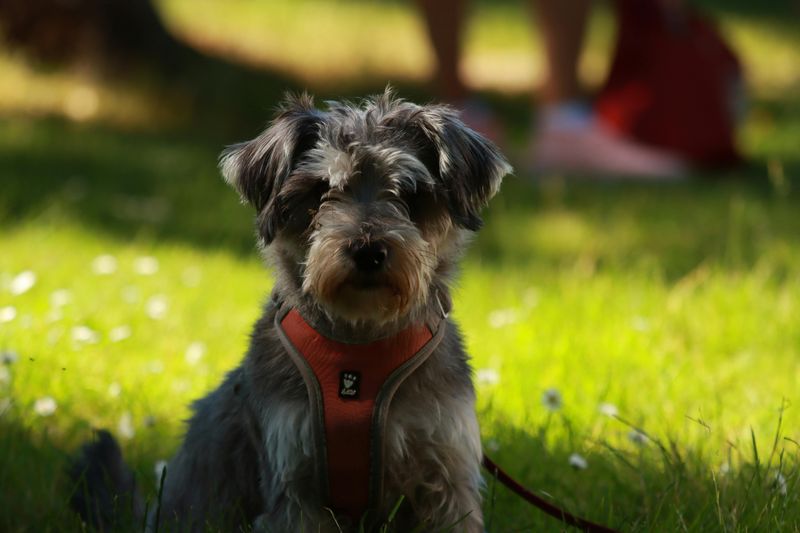
Miniature Schnauzers are bright and vocal, which can elevate aerosol spread in excited rooms. Daycares usually require Bordetella and influenza, along with core vaccines documented clearly.
Some facilities also verify recent fecal results and parasite prevention for small dog playrooms.
Ask for structured enrichment like scent games that reward focus and calmer breathing. Clarify whether groomed beards need extra drying after water play to avoid irritation.
If you use titers, bring printed lab reports and your vet’s summary.
Arrive with updated records and a calm leash routine. With the right preparation, your Schnauzer blends safely into daycare life while meeting firm vaccine policies and staff expectations.
Pomeranian
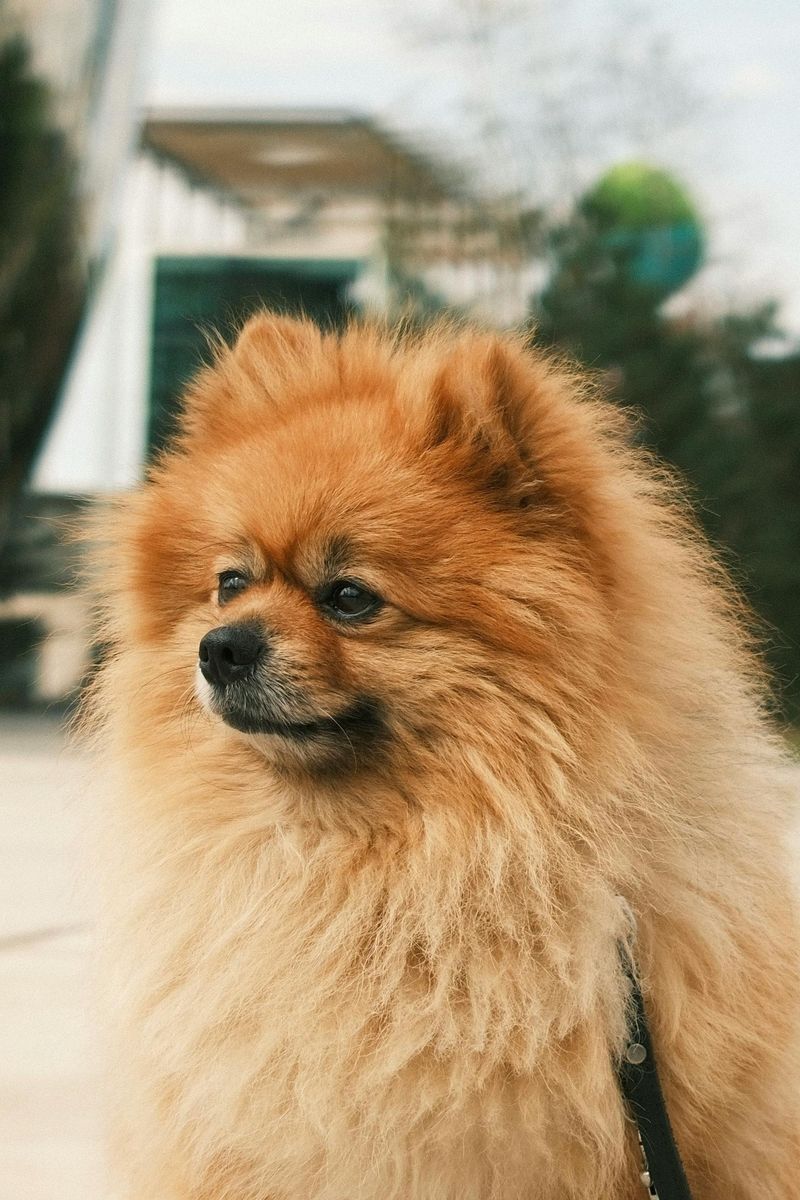
Pomeranians are small, fluffy, and sensitive to drafts, so boarding teams plan carefully. Vaccine lists often include Bordetella every six months for high traffic facilities, plus influenza and core shots.
Staff may also confirm recent grooming to manage dense coats in shared spaces.
Ask about quiet small dog rooms and gentle intros. Provide exact feeding and medication notes since tiny dogs can fluctuate quickly.
If your Pom is nervous, request gradual acclimation with brief visits before full days.
Keep records neatly labeled and backed up digitally. That organization supports quick approvals, safer play, and a smoother experience when policies tighten during busy travel seasons or local cough spikes.