
Searches about dog allergies are exploding, and itchy-skin threads are overflowing with owner stories. If you are noticing redness, paw licking, or that stubborn ear funk, you are not alone.
Certain breeds come up again and again when people swap tips, vet notes, and home remedies. Let’s unpack the patterns so you can spot triggers faster and bring your pup real relief.
French Bulldog
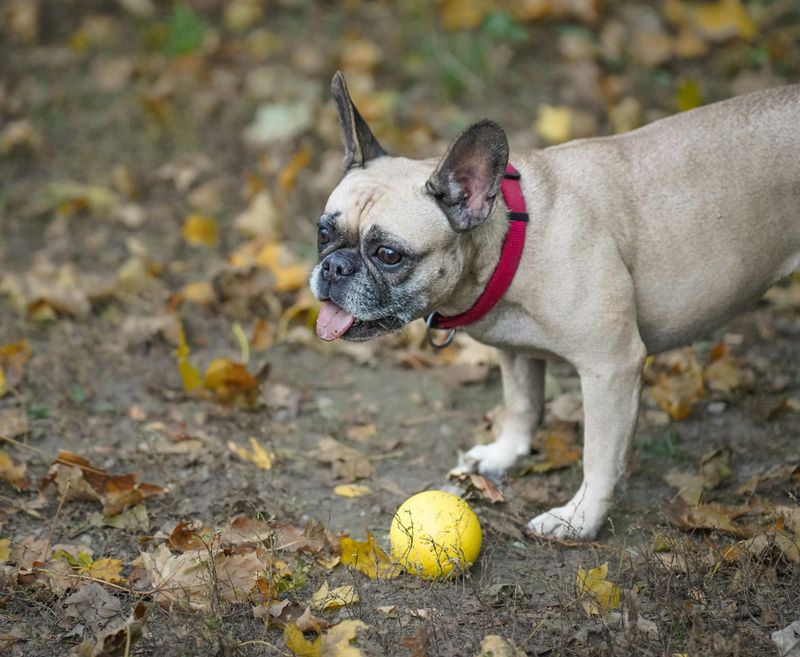
Frenchies pop up constantly in itchy-skin threads because their skin folds trap moisture and bacteria. You will often see red paws, head shaking from ear gunk, and seasonal flare-ups after walks.
Food sensitivities add fuel, especially chicken or beef in some diets, and environmental allergens like grass and dust are frequent triggers.
Daily fold cleaning is a must, plus a gentle, fragrance-free shampoo. Many owners rotate single-protein diets or try hydrolyzed food while tracking reactions.
Antihistamines, prescription ear drops, and omega-3s can help.
Ask your vet about cytology for yeast or bacteria, and consider allergy testing if flares persist. A dehumidifier and frequent bedding washes reduce exposure.
Consistency turns chaos into control for these adorable wrinkle-nosed charmers.
English Bulldog
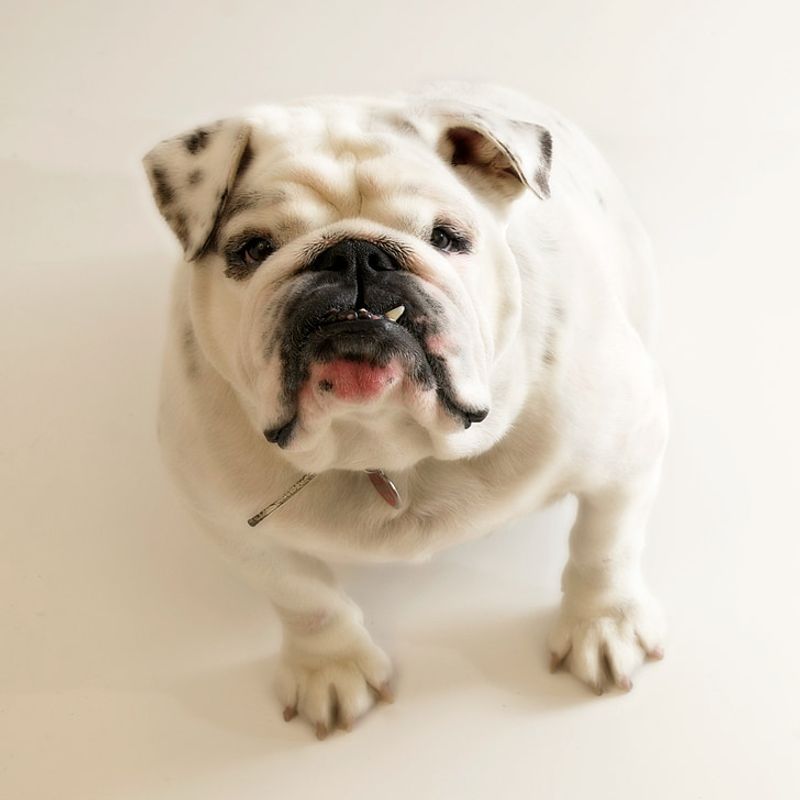
English Bulldogs share many Frenchie struggles, but often with heavier folds and tail pockets that stay damp. Owners talk about persistent chin acne, hot spots, and funky ear canals.
Warm weather makes everything worse, and carpets or dusty homes do not help.
Daily fold care and tail pocket cleaning reduce flare-ups. A limited-ingredient diet and fish oil can soften the blow, while medicated wipes keep yeast at bay.
Keep baths short, lukewarm, and soap gentle.
Watch for signs like scooting, head shaking, or constant licking after walks. Your vet might suggest topical antibiotics or antifungals when flare-ups spike.
With routine and patience, you can keep this lovable couch potato more comfortable and far less itchy.
Boxer

Boxers show up in allergy threads with hives after grass exposure and frustrating seasonal itch. Many owners mention red bumps on the chest, paw chewing, and watery eyes.
Some Boxers react to certain proteins, making diet trials worthwhile.
Short coats reveal irritation quickly, so early intervention helps. Rinse after playtime, especially during high pollen days, and use fragrance-free products.
Omega-3s and vet-guided antihistamines often reduce the severity of flares.
Keep a symptom diary to spot patterns between weather, walks, and food. If infections set in, ask about cytology and targeted medication.
With steady routines, Boxers can stay sporty and comfortable, bouncing back from flare-ups faster and enjoying their zoomies without the itch.
German Shepherd Dog
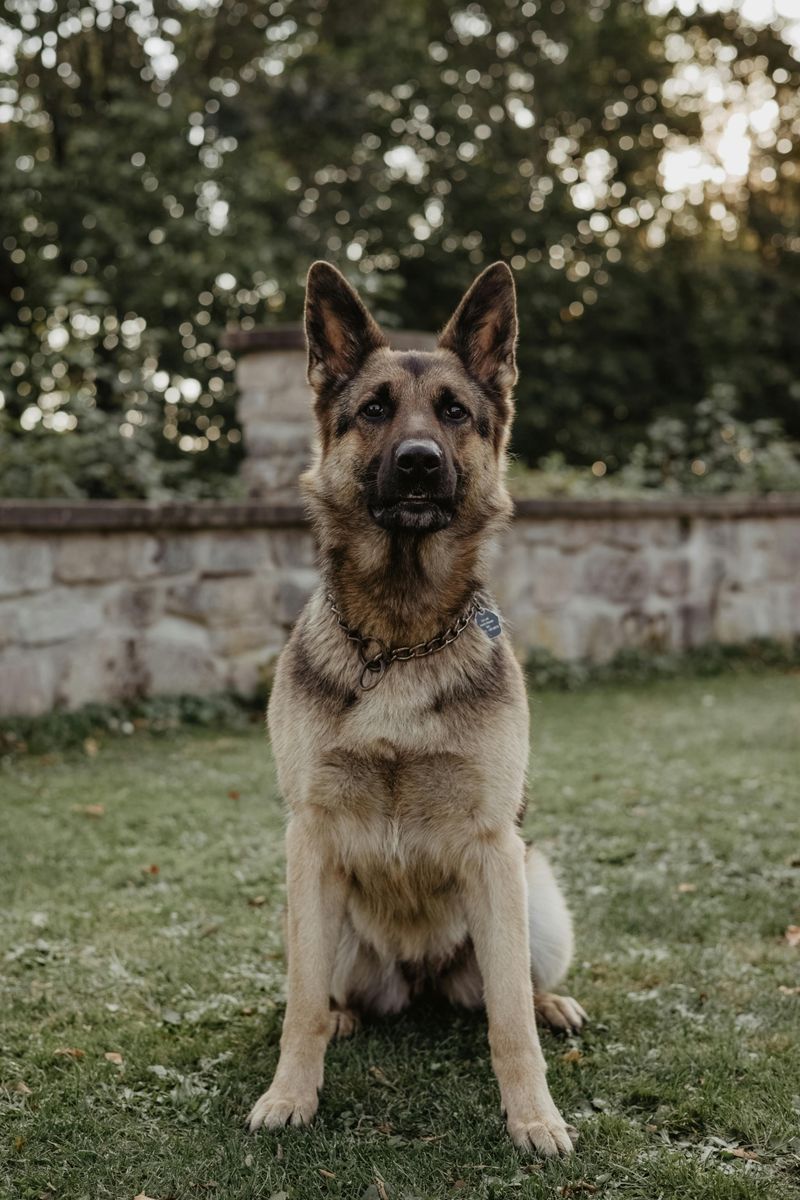
German Shepherds often deal with seasonal allergies that turn into hot spots and ear issues. Owners report tail-base itch, dandruff, and paw licking that worsens during spring and fall.
Dense double coats can trap allergens against the skin and hide early redness.
Regular brushing and rinse-offs after heavy pollen days help a lot. Many people try novel-protein diets or hydrolyzed formulas when food sensitivities are suspected.
Probiotics and omega-3s support the skin barrier.
When scratching spirals, ask your vet about cytopoint or apoquel, along with culture-guided antibiotics if infections appear. Track triggers like lawn treatments or wool blankets.
With structure and grooming consistency, these brilliant workers can keep focus without an allergy cloud chasing them.
Golden Retriever
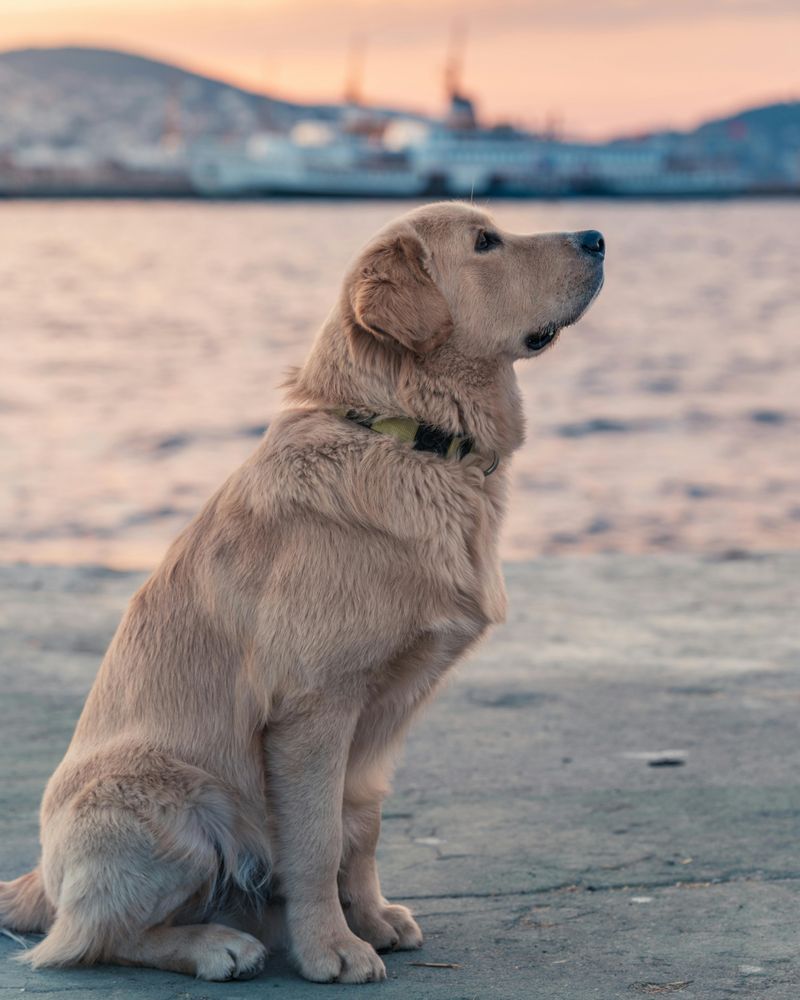
Goldens frequently join itchy-skin threads with recurrent ear infections and paw inflammation. Their friendly nature hides lots of discomfort, from red bellies to musty ears.
Many owners notice flares after swimming or during high pollen counts.
Dry ears thoroughly after any water time and use vet-approved cleaners. Diet trials with limited ingredients can uncover food triggers, and omega-3s cushion the skin barrier.
Regular brushing removes pollen and reduces mats that trap moisture.
Ask your vet about cytology and culture to target yeast or bacteria precisely. Keep bedding clean and choose fragrance-free detergents.
With early action and consistent routines, Goldens can stay gleaming and playful without the scratchy side quests.
Labrador Retriever
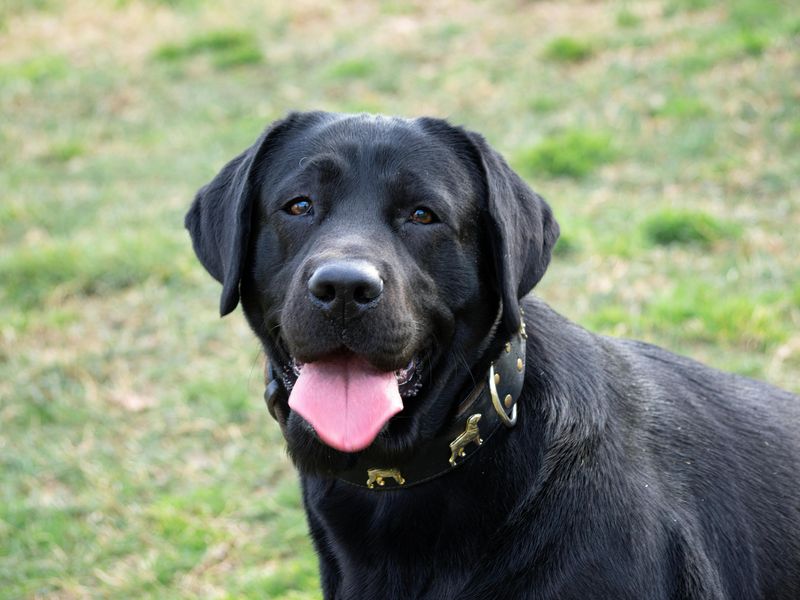
Labs are beloved, but you will see them all over allergy discussions for paw chewing and ear funk. Many flare-ups align with grass pollen or damp seasons, especially for avid swimmers.
Red, inflamed webbing between toes is a classic sign.
Rinse paws after walks and keep ears dry and ventilated. Rotate to a limited-ingredient or hydrolyzed diet if food sensitivity seems likely.
Fish oil and a probiotic can help reinforce the skin barrier.
When inflammation persists, your vet might recommend medicated wipes, topical steroids, or targeted anti-itch therapies. Track reactions to treats and lawn chemicals.
With predictable routines and quick cleanups after adventures, Labs can stay goofy, athletic, and far less itchy year-round.
West Highland White Terrier
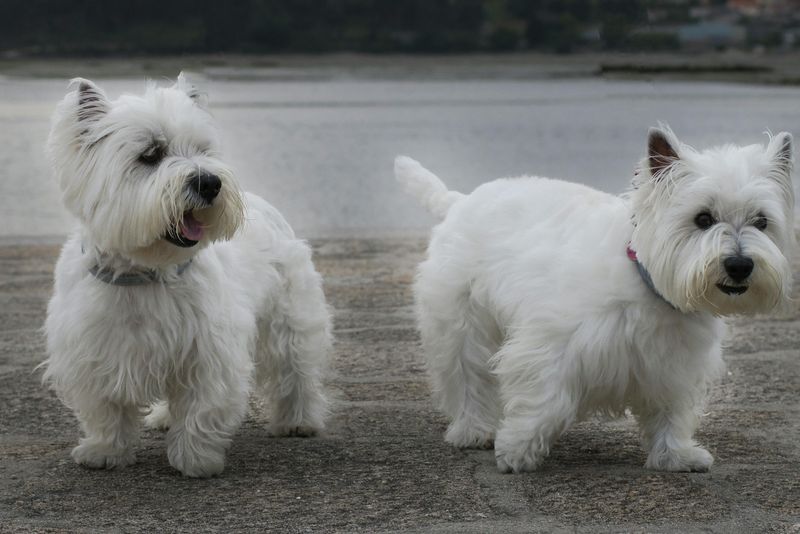
Westies are famous in allergy threads for pink-stained paws, belly rash, and recurring ear issues. Their white coats showcase every flare, making early care easier but urgency higher.
Many react to dust mites or grasses, with food sensitivities sometimes layered on top.
Frequent paw rinses, hypoallergenic shampoos, and diligent ear cleaning help a lot. Owners often try novel proteins or hydrolyzed diets guided by their vets.
Omega-3s and gentle moisturizers support the skin barrier.
Consider environmental control like HEPA filters and hot water bedding washes. If infections keep returning, ask about cytology and targeted therapy.
With meticulous routines and quick responses to mild redness, Westies can stay jaunty and bright without the constant itch cycle.
Shih Tzu
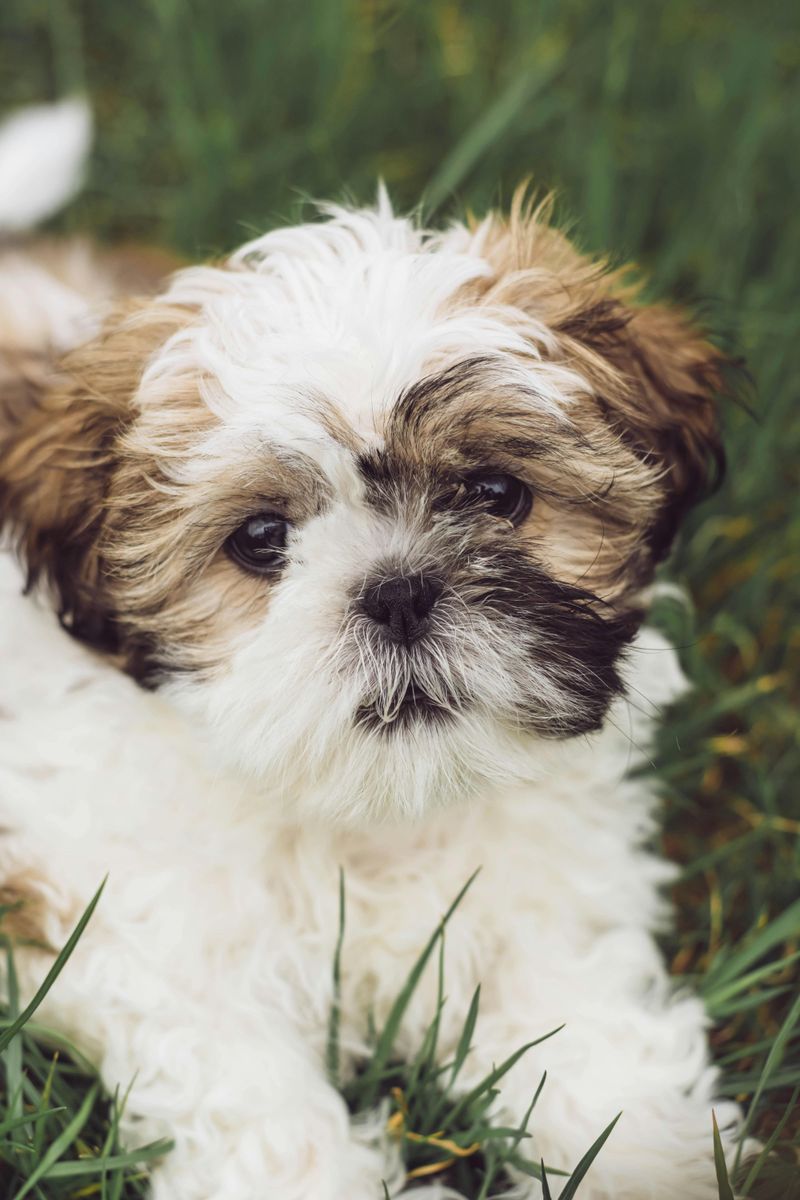
Shih Tzus pop up with tear staining, facial itch, and ear gunk that lingers. Long hair can trap allergens and moisture, and facial folds need steady attention.
Many owners report flares after grooming with fragranced products.
Choose fragrance-free shampoos and keep facial hair tidy and dry. Regular eye-area cleaning and gentle ear care help a lot.
Diet trials with limited ingredients may reduce inflammation in sensitive pups.
Ask your vet about cytology and targeted drops for stubborn ears. A humidifier balance matters too, avoiding overly dry or damp rooms.
With calm grooming rituals and careful product choices, Shih Tzus can stay comfy, fluffy, and far less itchy day to day.
Cocker Spaniel
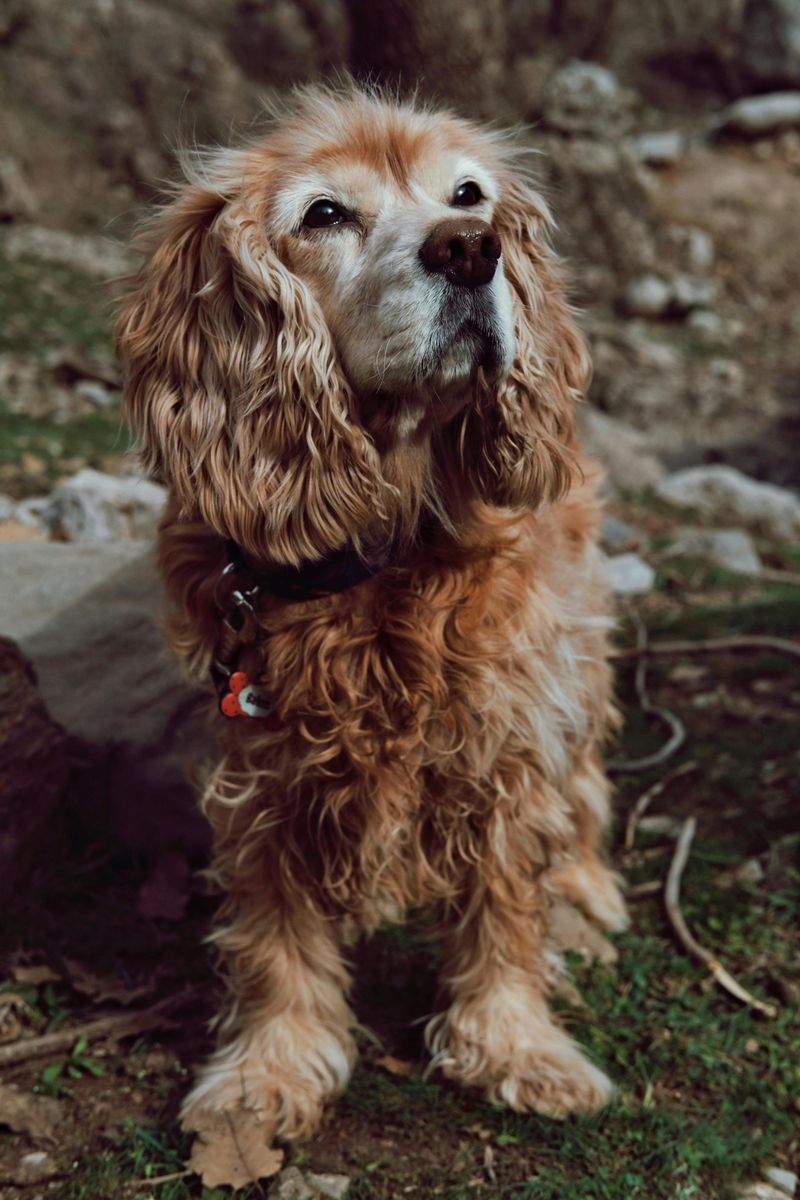
Cockers are frequent stars of ear infection threads, with moisture trapped by those beautiful floppy ears. Skin can get oily, leading to yeast overgrowth and itch.
Many owners notice head shaking, musty odor, and paw licking during peak seasons.
Keep ears dry, clean gently, and trim excess hair to improve airflow. Use a vet-recommended cleanser and consider a limited-ingredient diet.
Omega-3s plus regular baths with mild shampoo reduce flare frequency.
When infections recur, ask about culture and sensitivity for targeted treatment. Track triggers like ponds, grooming products, or new treats.
With patient routines and quick responses to early signs, Cockers can keep their sweet energy without the constant ear drama.
Dachshund

Dachshunds often show interdigital irritation and belly redness after yard time. Short legs mean bellies brush grasses and pollen easily, which sparks itch.
Some owners report food sensitivities alongside seasonal triggers.
Paw rinses after walks and quick belly wipe-downs make a difference. Consider hypoallergenic bedding and fragrance-free detergents.
Limited-ingredient or hydrolyzed diets may help, especially when combined with omega-3s.
Talk to your vet about mild anti-itch options during peak seasons and address infections fast. Keep nails short to reduce self-inflicted skin damage while scratching.
With consistent care and a sharp eye for early redness, Dachshunds can stay curious, comfy, and ready for their next burrow session.
Pug
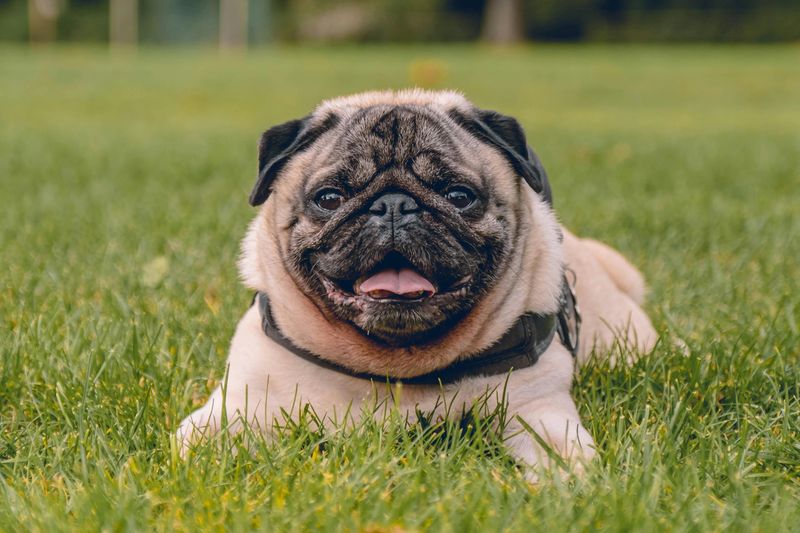
Pugs appear in itchy-skin threads with nose-roll irritation, paw licking, and occasional hives. Facial folds hold moisture, and warm rooms make yeast thrive.
Many owners note flare-ups after new snacks or dusty environments.
Clean folds daily and keep the nose roll dry. Choose limited-ingredient treats and fragrance-free grooming products.
Omega-3s, probiotics, and medicated wipes can reduce recurrences.
If ears smell musty or the skin looks greasy, ask your vet about cytology and targeted therapies. Run a HEPA filter and wash bedding weekly to cut airborne triggers.
With gentle routines and a watchful eye, Pugs can stay cuddly and content without the nonstop itch.