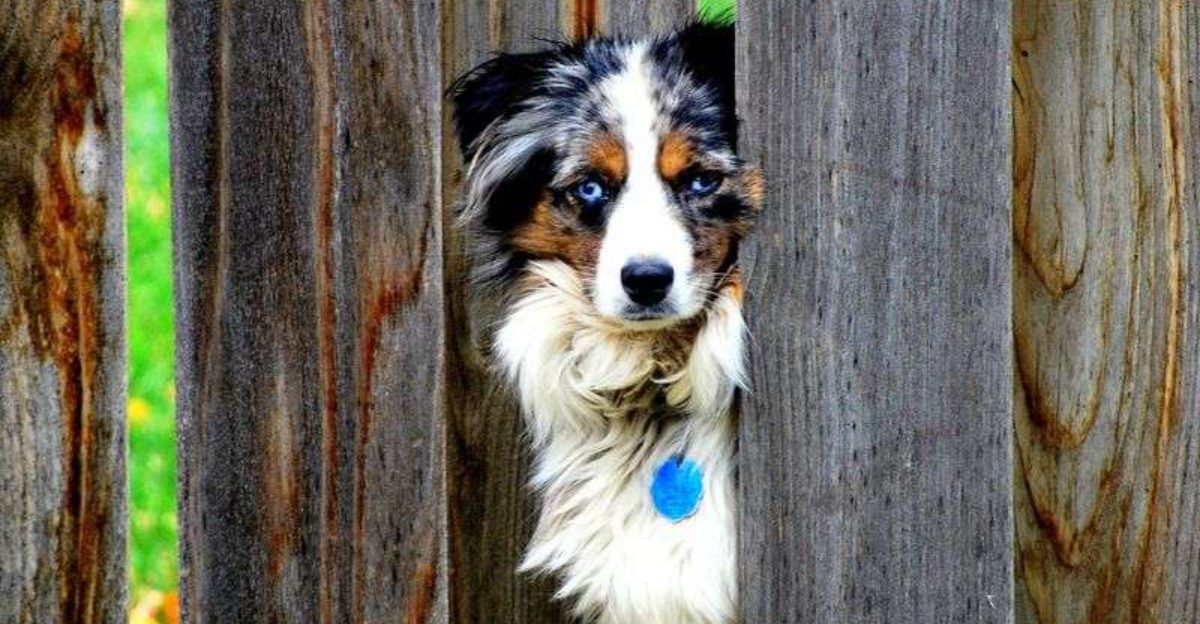
Some dogs feel lonely the moment you grab your keys. They thrive on human company, so time alone can lead to stress, barking, or chewing.
Knowing which breeds struggle most helps you plan training, routines, and care that keep them calm. A little preparation can make goodbyes easier for both of you.
Vizsla
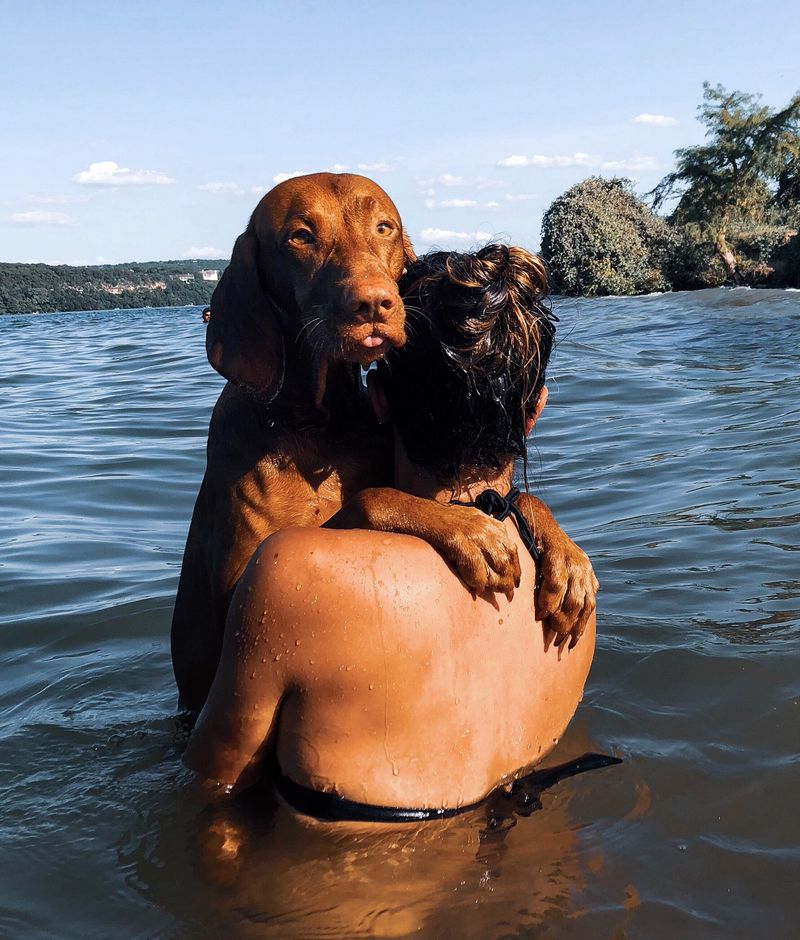
With a heart wired for closeness, the Vizsla sticks like velcro. Many owners say their red shadow follows from sofa to sink.
Long hours alone can trigger pacing, howling, or door scratching.
Plan energy outlets before you leave. A brisk run, sniff walk, and a food puzzle help.
Create a calm goodbye routine, then skip dramatic exits. Consider doggy daycare a few days weekly, and practice short absences so confidence grows.
Havanese
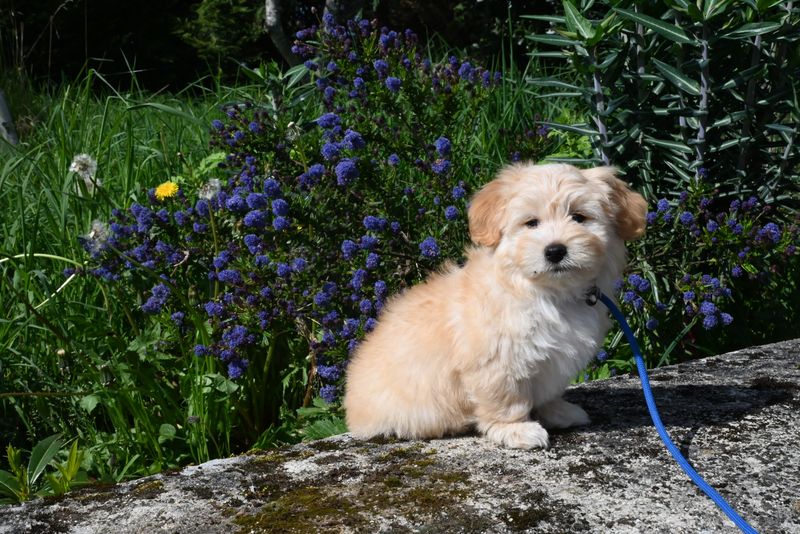
Cheery and people-focused, the Havanese reads your mood like a book. Quiet rooms feel too empty for this social pup.
Some may whine or nibble furniture when the house goes silent.
Short, sweet training sessions teach independence. Scatter small treat stations and safe chewables to keep the mind busy.
A radio with calm talk helps, too. Arrange a midday visitor, and reward relaxed behavior.
Over time, predictable routines reduce worry.
Doberman Pinscher

Born to be a guardian, the Doberman bonds intensely with family. When left solo, that loyalty can turn into restlessness or door guarding at every hallway creak.
Some start pacing and vocalizing quickly.
Channel drive into structured morning training, nose work, and tug. Practice calm crate time with stuffed Kongs.
A professional walker can break up the day. Clear boundaries, steady exercise, and mental tasks build the self-control needed for quiet hours.
Labrador Retriever
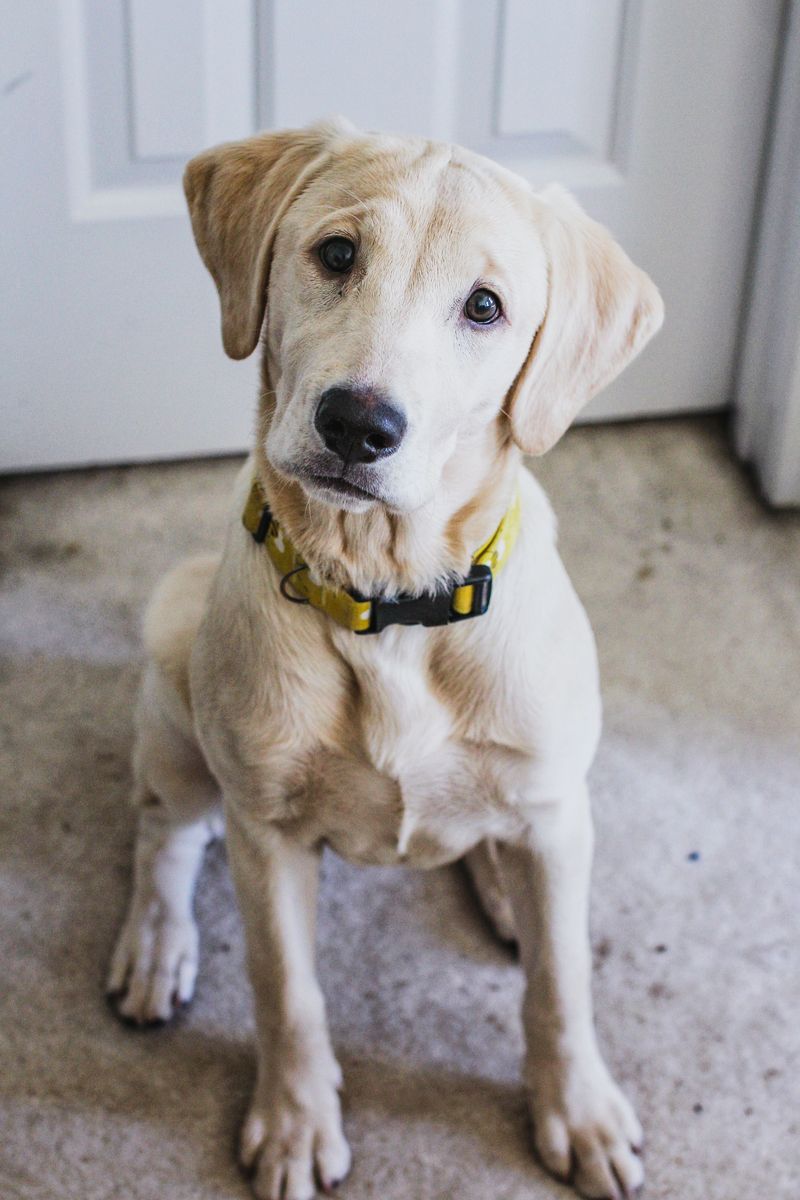
Labs love being part of every plan, from errands to couch time. Without people around, boredom can spark mischief like counter surfing, sock hunting, or garden digging.
Their big hearts simply miss the action.
Start the day with fetch and scent games to take the edge off. Leave durable chews and a frozen treat toy.
Teach a comfy mat cue and reward chill vibes. Consistent routines and enrichment turn alone hours into nap time.
Golden Retriever
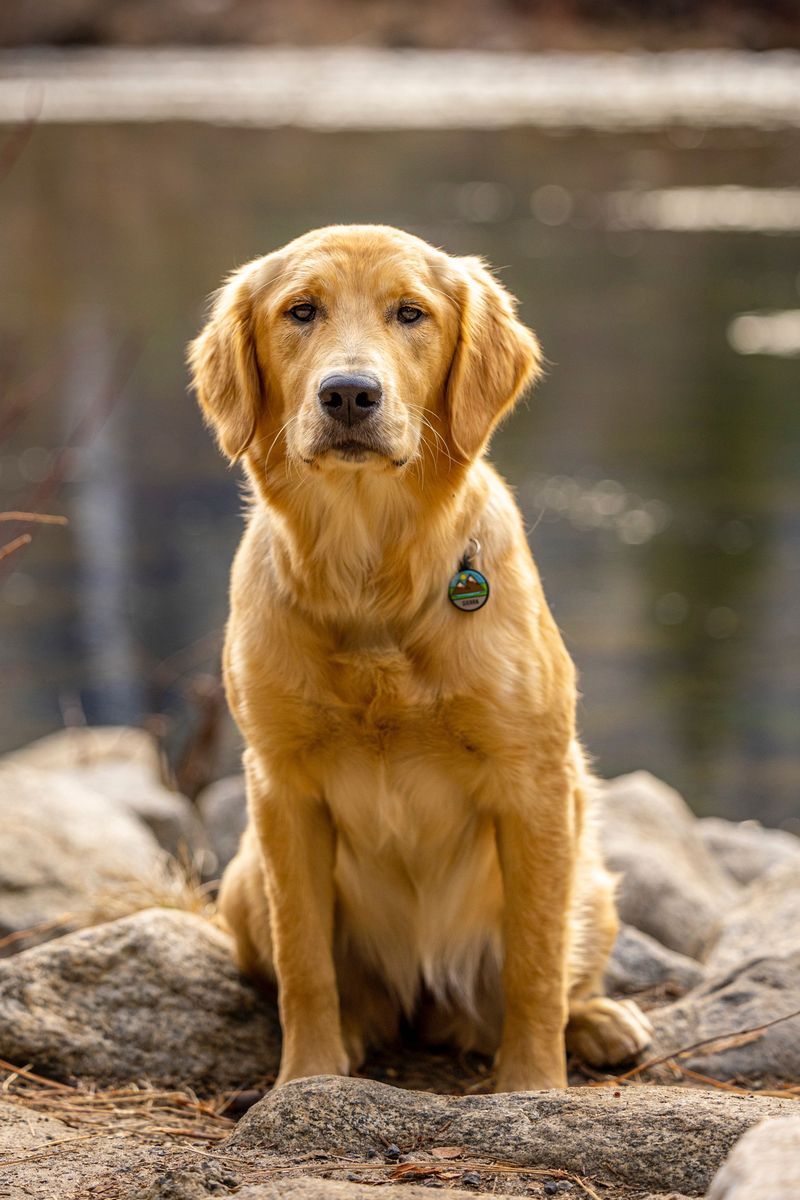
Sunny by nature, the Golden craves togetherness. Silence feels strange, so some will whimper or carry a shoe around for comfort.
A sensitive soul may struggle if departures are sudden.
Make goodbyes predictable. Cue a special toy that only appears when you leave.
Try scatter feeding and easy puzzle boards. A neighbor visit or playdate midweek helps.
Gentle independence training, mixed with generous exercise, supports a relaxed, trusting mindset.
Border Collie
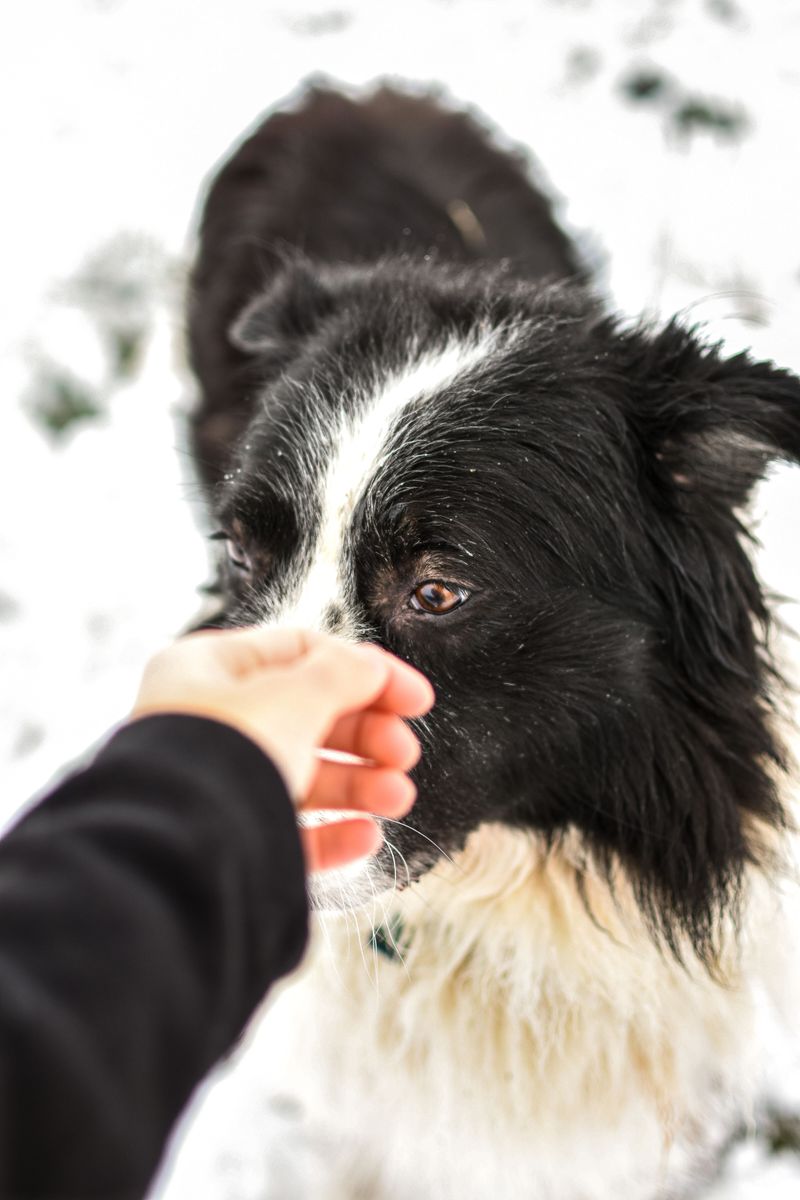
Brains and drive make the Border Collie brilliant, yet downtime can feel like a problem to solve. When understimulated, they invent jobs, like herding shadows or nibbling chair legs.
Alone time magnifies that focus.
Pre-leave workouts should target mind and body. Think scent trails, trick training, and flirt pole fun.
Rotate puzzle feeders, and teach a settle cue. A part-time sport class or dog walker keeps needs met, lowering stress and noise.
Cavalier King Charles Spaniel
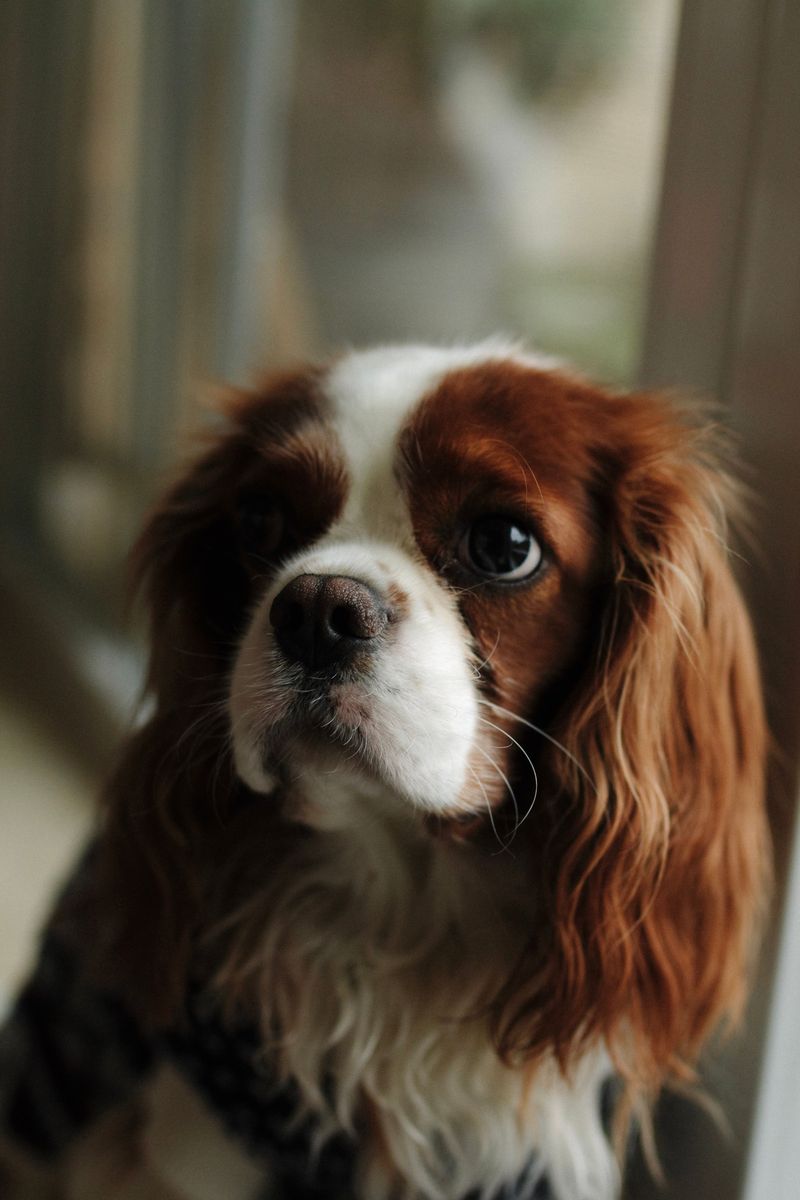
Affection is the Cavalier’s love language. Many prefer a warm lap to any toy pile.
When left alone, some tremble, whine, or pace hallways looking for their person.
Practice calm separations by pairing your exit with a lightly stuffed chew. Keep returns low key to avoid building drama.
A snug crate or pen with a soft blanket can comfort. Short confidence-building games and predictable schedules help this tender-hearted companion feel safe.
Maltese
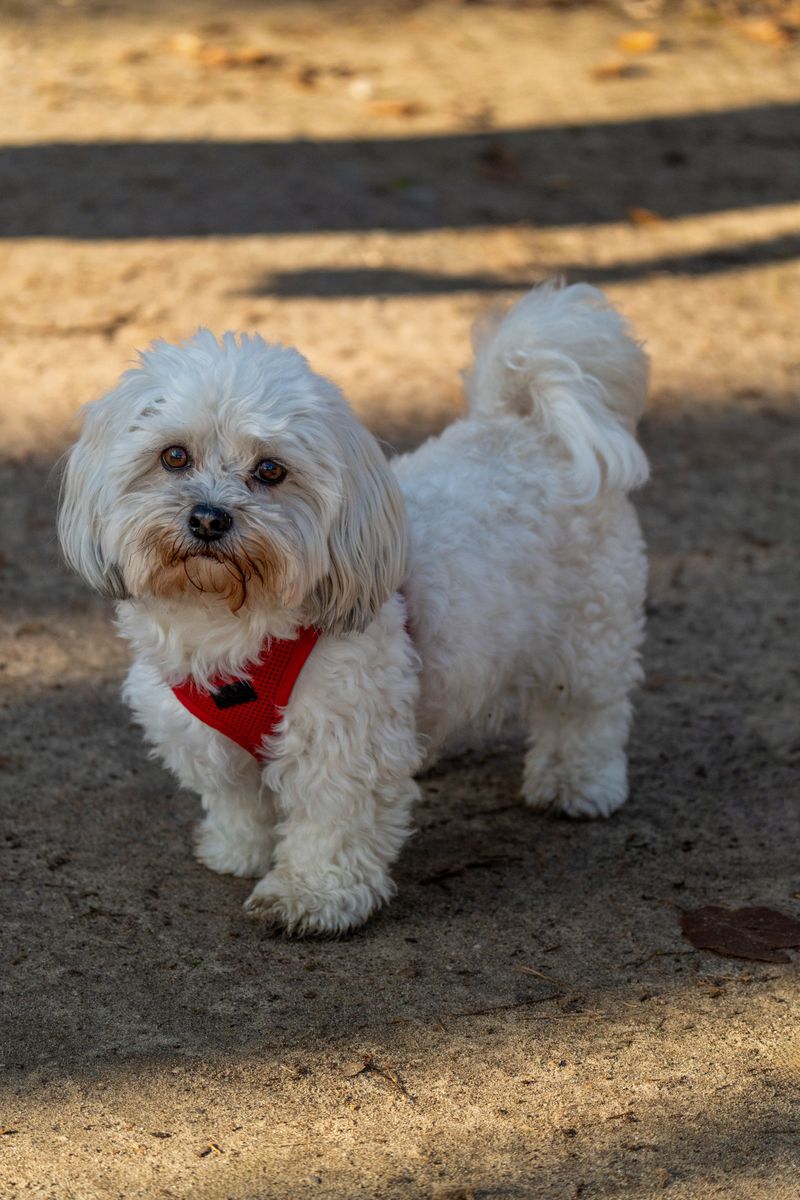
Small body, big feelings. The Maltese often forms a tight bond and can fret when the room goes quiet.
Frequent yips or door scratching might appear if departures feel sudden or long.
Set gentle routines. Offer a cozy den, a heartbeat-style plush, and petite chew options.
Short practice exits build tolerance. Keep mornings light with a sniffy walk, then hand over a food puzzle.
Calm energy in, calm energy out.
Italian Greyhound
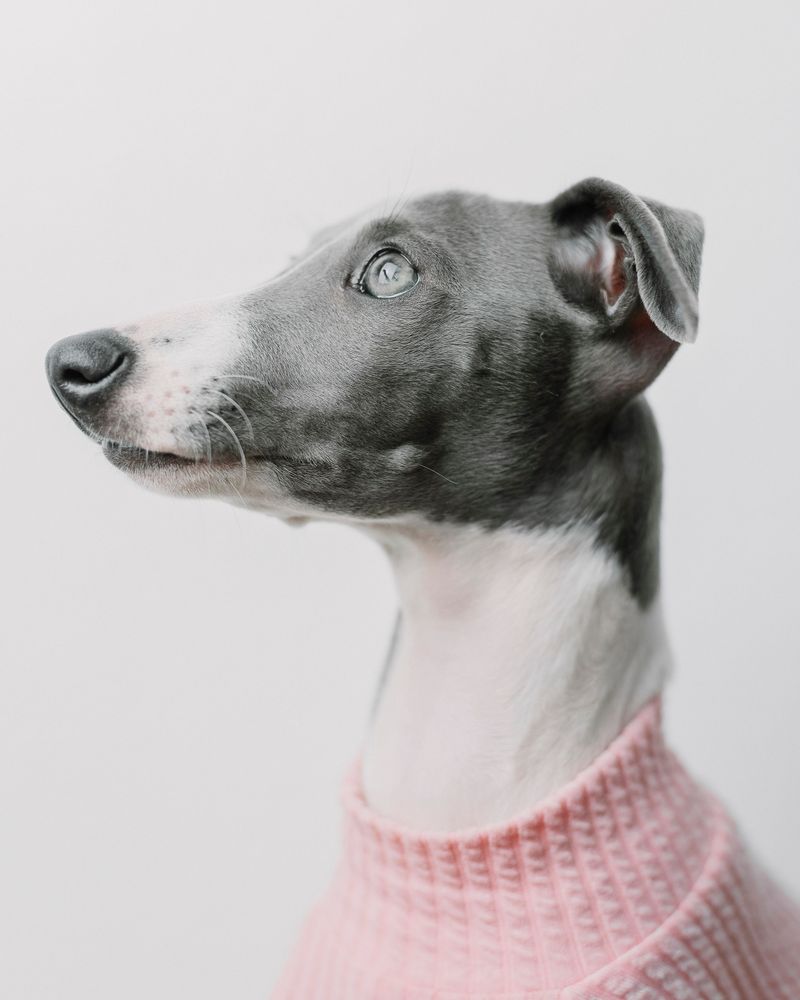
Delicate and affectionate, the Italian Greyhound seeks warmth and company. Sudden quiet can feel chilly, emotionally and literally.
Some shiver, whine, or burrow anxiously when you step out.
Provide a heated bed, a snug sweater, and a high-value chew to pair with leaving. Gentle crate training, plus sunlit nap spots, helps.
Keep exercise short but frequent, and use window film if street sights trigger alarms. Confidence grows with tiny, successful absences.
Australian Shepherd
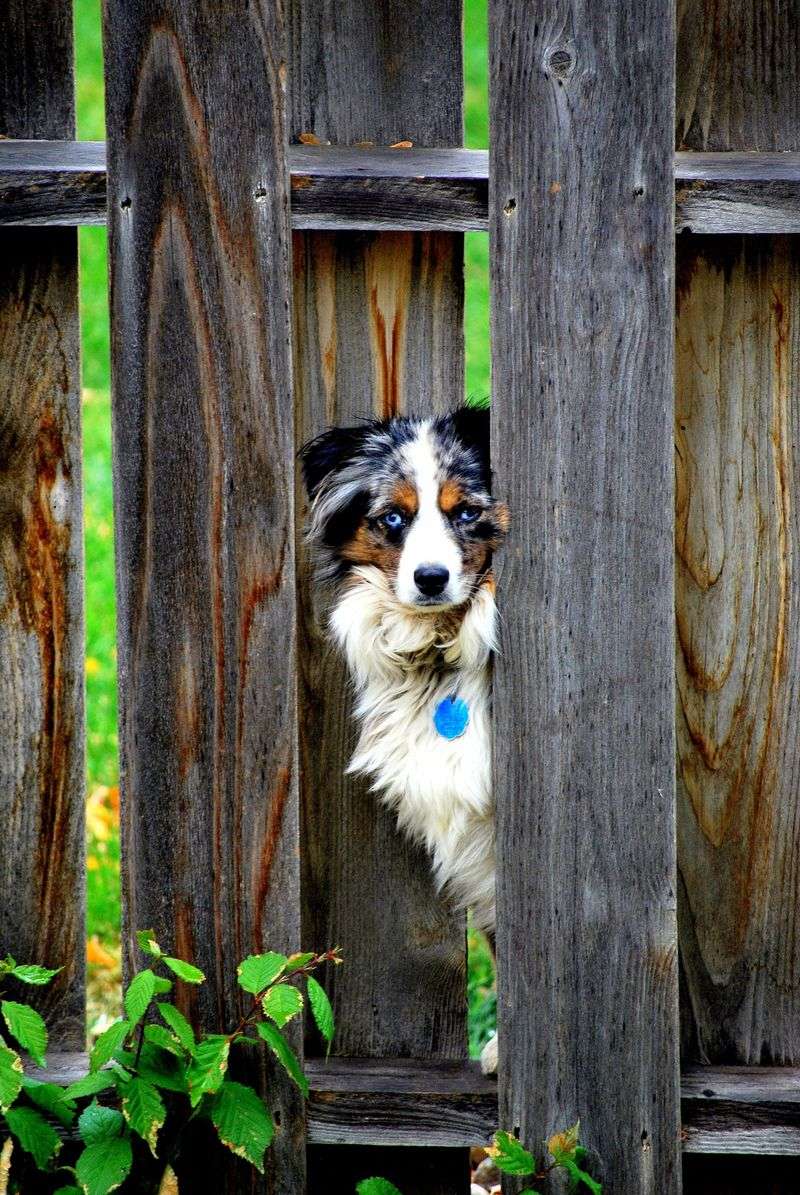
Built to work, the Aussie’s mind rarely idles. Without tasks, they may herd kids, bark at motion, or dismantle toys with surgical precision.
Long alone stretches can amplify frustration.
Front-load the day with training that uses impulse control. Add scent games and flirt pole sprints.
Leave layered enrichment, like a stuffed Kong followed by a snuffle mat. Arrange a midday adventure through a walker or daycare.
A busy brain rests easier.
English Cocker Spaniel
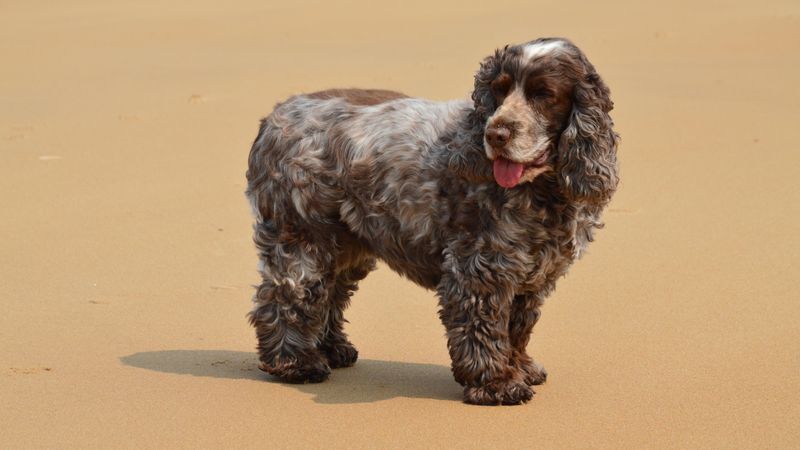
Sweet-natured and people-tuned, the English Cocker often shadows the family from room to room. When quiet falls, some may sing the blues with mournful whines or nibble blankets for comfort.
Predictable exits help. Offer a scent-soaked towel from your laundry and a challenging puzzle feeder.
Keep greetings calm to lower anticipation. Regular field-style sniff walks and simple gundog games satisfy instincts, making solo hours feel manageable and restful.
Bichon Frise
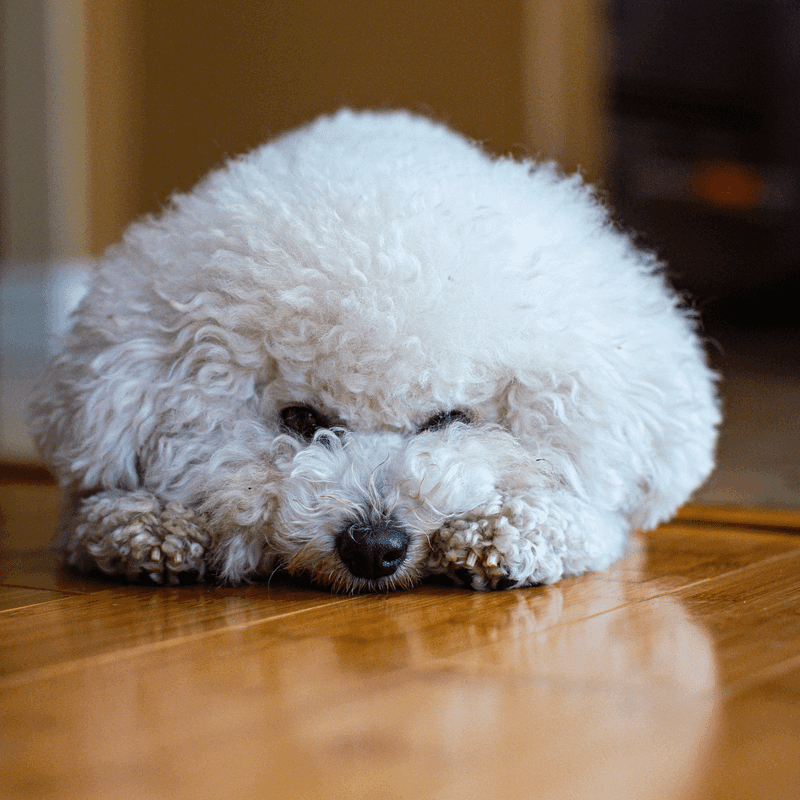
Cloud-like fluff hides a lively, social spirit. The Bichon thrives on laughter and play, so silence can feel heavy.
Some respond with barking or door dancing when left alone too long.
Turn departure into a game. Scatter low-cal treats, roll a wobble feeder, and cue a comfy bed.
Keep music gentle. Schedule a friend or sitter for midday cuddles.
Short independence drills, stacked daily, grow the confidence needed for peaceful naps.