
If your dog seems to ignore you, it is probably not disrespect. It is usually unclear communication, inconsistent routines, or unmet exercise needs.
Trendy takes online can make you feel blamed, but you are closer to success than you think. Let’s decode the breeds people misread and fix the real training gaps together.
Border Collie
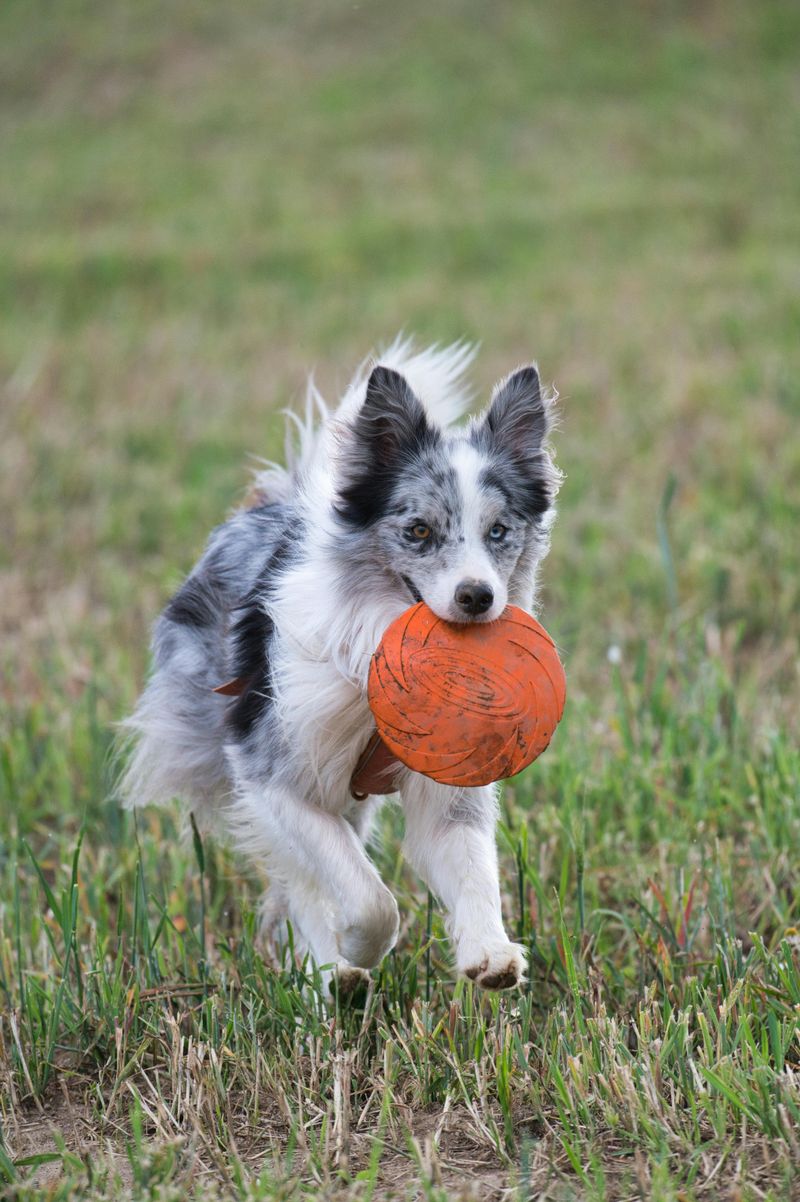
Border Collies are not being defiant when they stare, circle, or seem laser focused on everything except you. They were bred to make independent decisions while managing livestock at a distance.
Without a job, that brain invents one, like herding kids or chasing bikes.
Give structure with short, fast training reps and clear release cues. Use impulse control games, place training, and scent tasks to redirect that mental engine.
Daily sprint play plus puzzle feeders help replace frustration with purpose.
If you are inconsistent, the dog fills the silence with its own plan. It looks like disrespect, but it is unmet cognitive needs.
Turn that intensity into teamwork and watch responsiveness soar.
Australian Shepherd
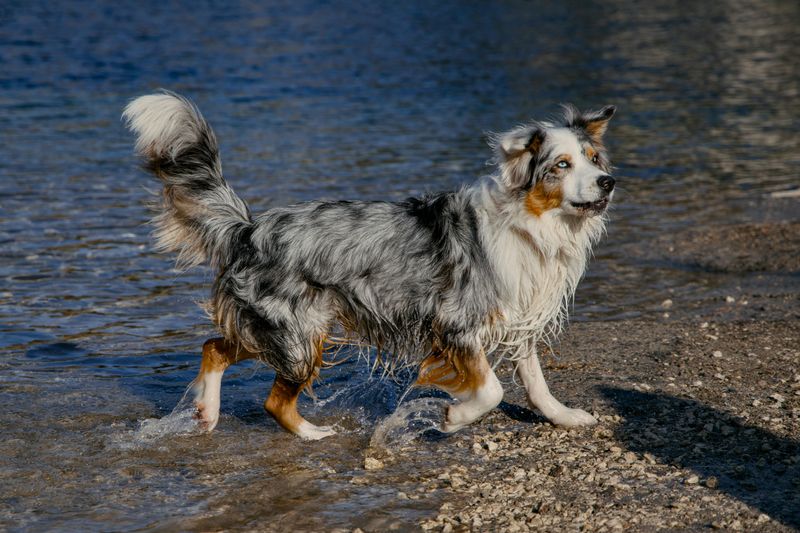
Australian Shepherds read micro signals and anticipate patterns, so sloppy cues look like mixed messages. When routines change, they start freelancing, not rebelling.
This breed thrives on meaningful tasks and clear expectations that reset often.
Use marker training, clean hand signals, and short heeling drills that end before the dog checks out. Teach off switch behaviors like settle on mat and reward calm choices generously.
Rotate jobs like fetch to hand, find the glove, or light agility sequences to stay fresh.
Consistency over volume wins. If you become unpredictable, the Aussie makes its own rules.
Dial in timing, provide daily movement plus brainwork, and you will get a velcro partner eager to listen.
German Shepherd Dog
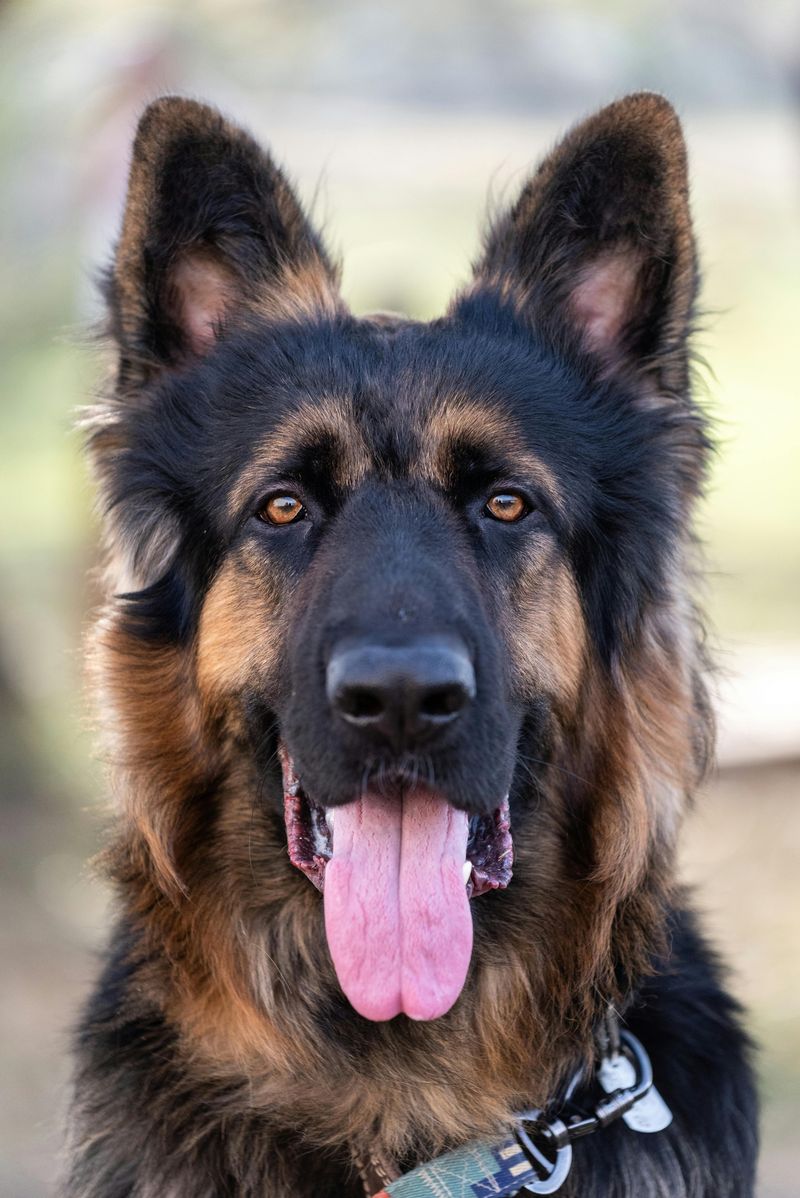
German Shepherds often look aloof or pushy when they are actually unsure about leadership and boundaries. They flourish with calm structure and clear rules, not constant corrections.
When you set criteria, they try hard to meet it.
Teach positions like heel, sit, down, and place with precise markers. Add controlled challenges like environmental distractions and variable rewards.
Confidence grows when they understand how to win consistently.
Under exercised or under directed Shepherds patrol, bark, and ignore recalls. That is management failure, not disrespect.
Provide daily tracking games, obedience proofs, and decompression walks. Build a predictable training language and your dog will answer with remarkable reliability and heart.
Belgian Malinois
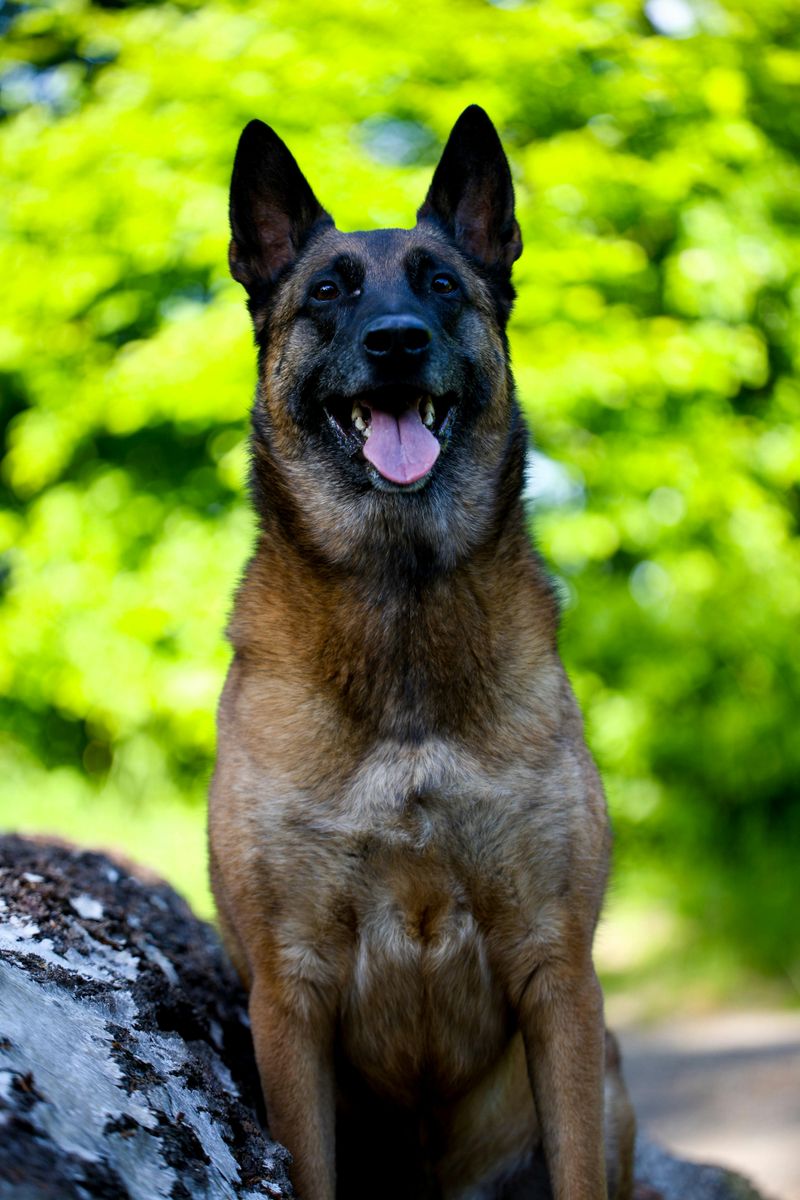
Malinois are extreme athletes with nuclear drive, so casual pet routines often crumble. They are not blowing you off, they are over threshold.
Give them an outlet or they will invent parkour on your furniture.
Use tug with rules, fast obedience, and bite style toys to satisfy their instincts safely. Keep sessions ultra short with crystal clear markers and predictable release words.
Alternate high arousal work with recovery skills like down-stay and sniff walks.
If you skip structure, the dog escalates. That is not attitude, it is unmet drive management.
Daily cardio, grip games, and scent tasks turn chaos into control. Meet their intensity, and suddenly the Mal listens like a pro.
Doberman Pinscher
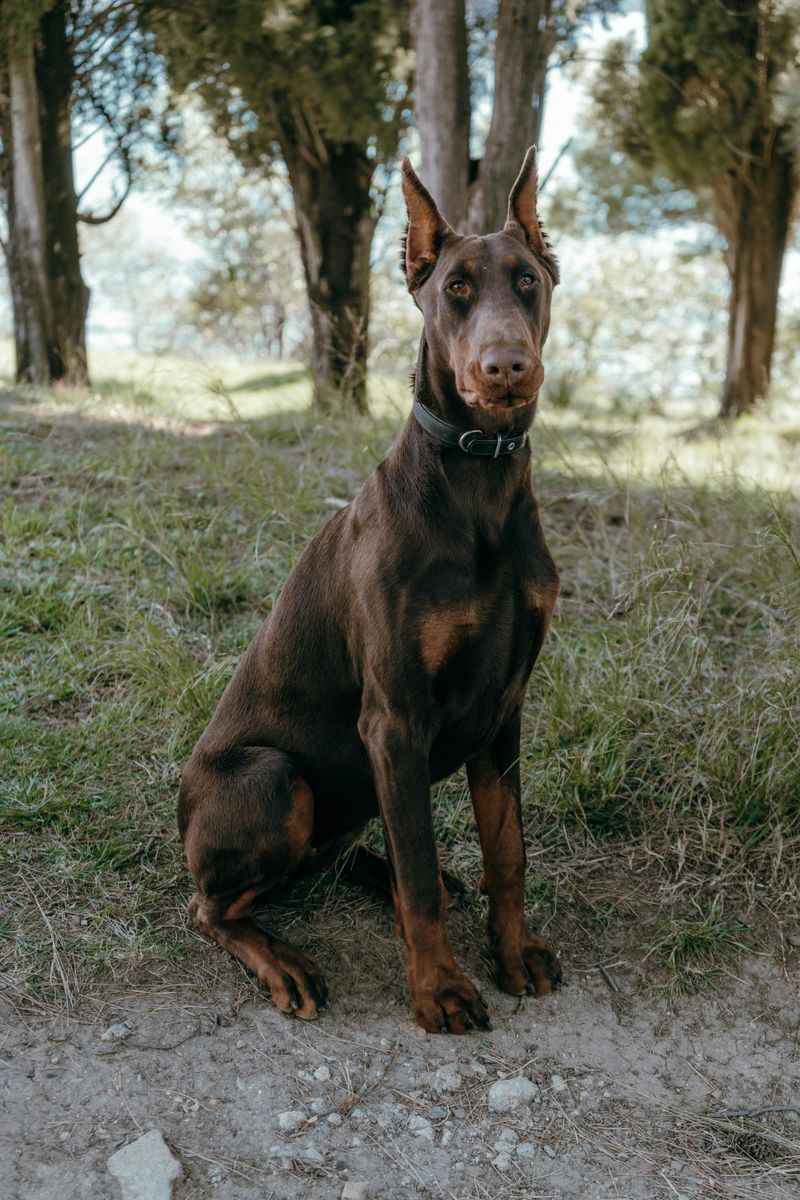
Dobermans are sensitive, people focused, and quickly discouraged by harsh handling. When they shut down or pace, it looks stubborn, but it is often anxiety and unclear criteria.
Fair rules plus affection unlock their brilliance.
Use marker training with gentle guidance and frequent wins. Practice place, heel, and recall with gradual distraction increases.
Reinforce calm proximity and teach a reliable out for toys to keep arousal balanced.
Predictability beats volume. Keep sessions short, end on success, and give mental work like scent boxes or obedience chains.
Daily exercise prevents nagging behaviors. With respect both ways, the Doberman becomes responsive, affectionate, and ready to work for you.
Rottweiler
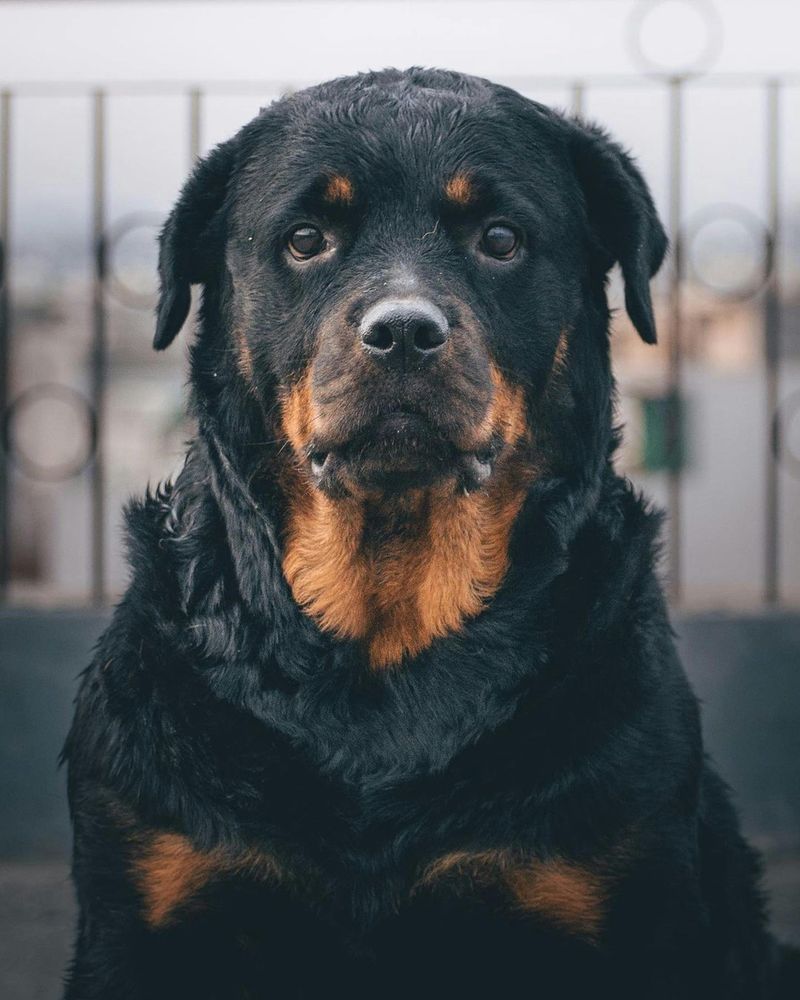
Rottweilers read body pressure and environmental threat cues closely. If you crowd them or give muddy commands, they hesitate or push through.
That is confusion, not dominance.
Teach clear positions using food lures then fade to markers. Practice impulse control at thresholds and polite greetings with structured pauses.
Strength train the brain with scent work and controlled tug, emphasizing clean outs and calm holds.
Consistency in rules around space and resources matters. Give predictable routines, decompression walks, and confident neutral handling.
When communication is crisp, Rotties become steady partners who check in frequently. Replace posturing with skills, and respect flows both directions naturally.
Boxer
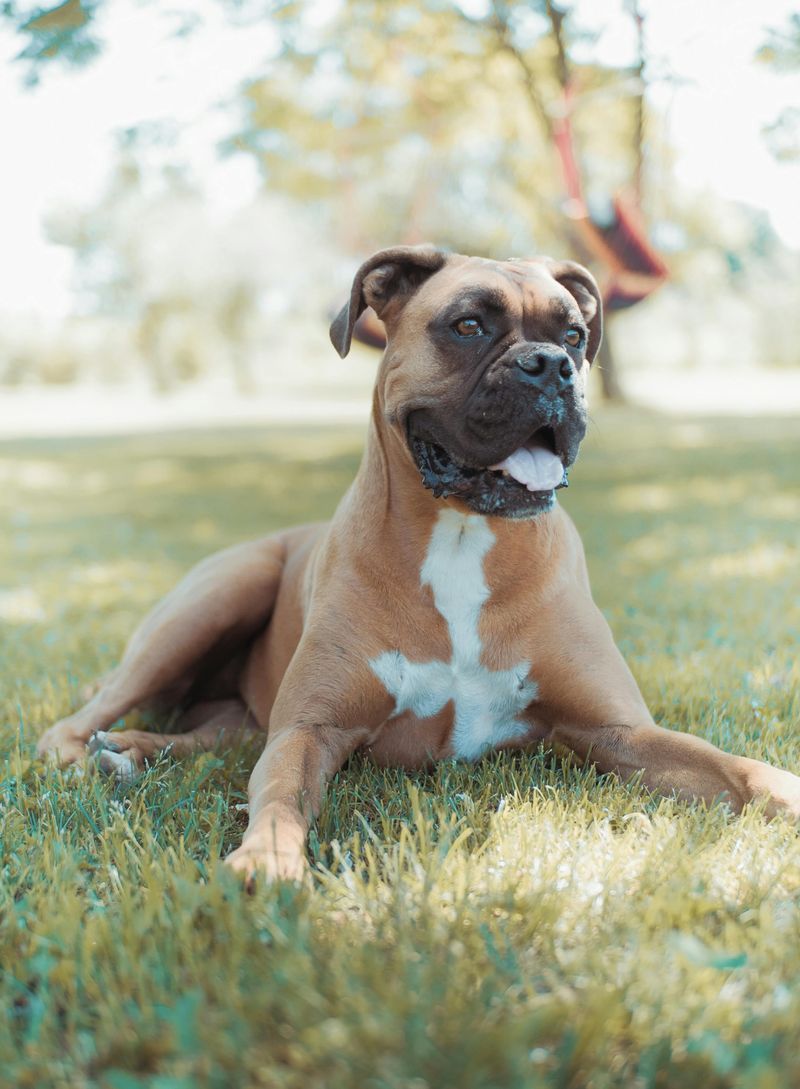
Boxers are comedians with stamina, so training feels like a game or it falls apart. When they bounce off commands, they are not disrespectful, just under engaged.
Capture enthusiasm and you will get focus.
Use short, upbeat sessions with frequent play breaks. Teach sit, down, and place through fun shaping, then add quick recalls into tug.
Reinforce calm after excitement to prevent zoomy chaos.
Daily exercise and social enrichment are key. Provide sniff walks, fetch, and puzzle feeders to burn steam.
Clear markers keep things fair and prevent nagging. With the right rhythm, Boxers switch from goofy to brilliant on cue and happily listen.
Siberian Husky
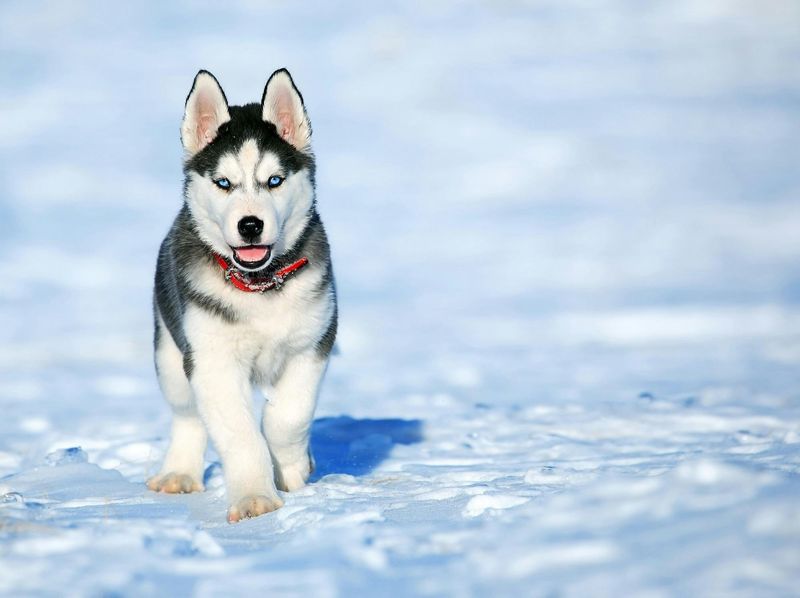
Huskies are built to pull, vocalize, and problem solve in team settings. When they ignore recalls, it is genetics plus distractions, not personal disrespect.
Your job is to out plan their curiosity.
Use long lines, high value rewards, and strategic setups for recall games. Provide legal pulling like canicross or urban mushing to satisfy the instinct.
Teach settle indoors and reward quiet moments generously.
Escape artistry means management matters. Secure yards, double clip harnesses, and rotate brain games like scent trails.
Keep training upbeat and brief to avoid shutdown. When needs are met, Huskies choose cooperation more often than not.
Beagle
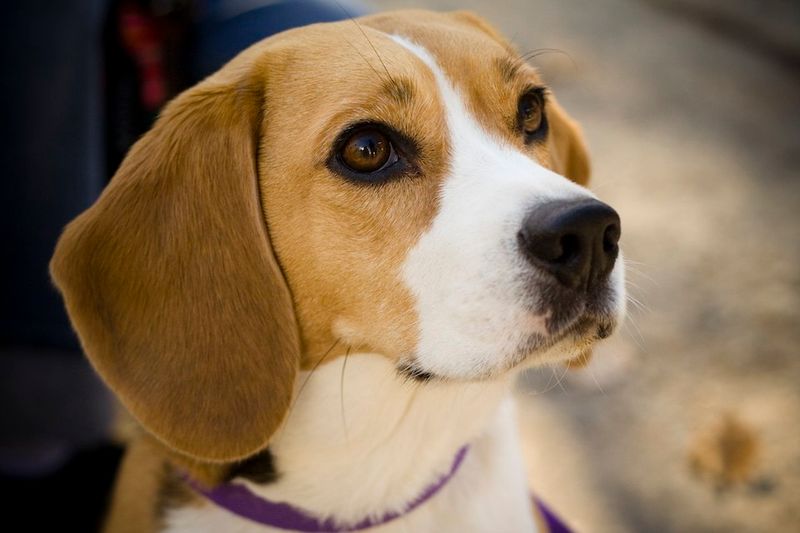
Beagles prioritize scent over nearly everything. If you shout and they keep sniffing, it is not attitude, it is a thousand smells louder than your voice.
Work with that nose, not against it.
Train structured sniff walks where you cue when to search and when to check in. Use food scatters, recall to hand, and scent puzzles as rewards.
Keep sessions bite sized and heavily reinforced.
Indoors, offer chew outlets and place training to build off switch skills. Outdoors, manage with long lines while proofing recalls.
Respect the hound’s wiring, and you will get much better listening. Clarity, patience, and nose based games make Beagles shine.
Dachshund
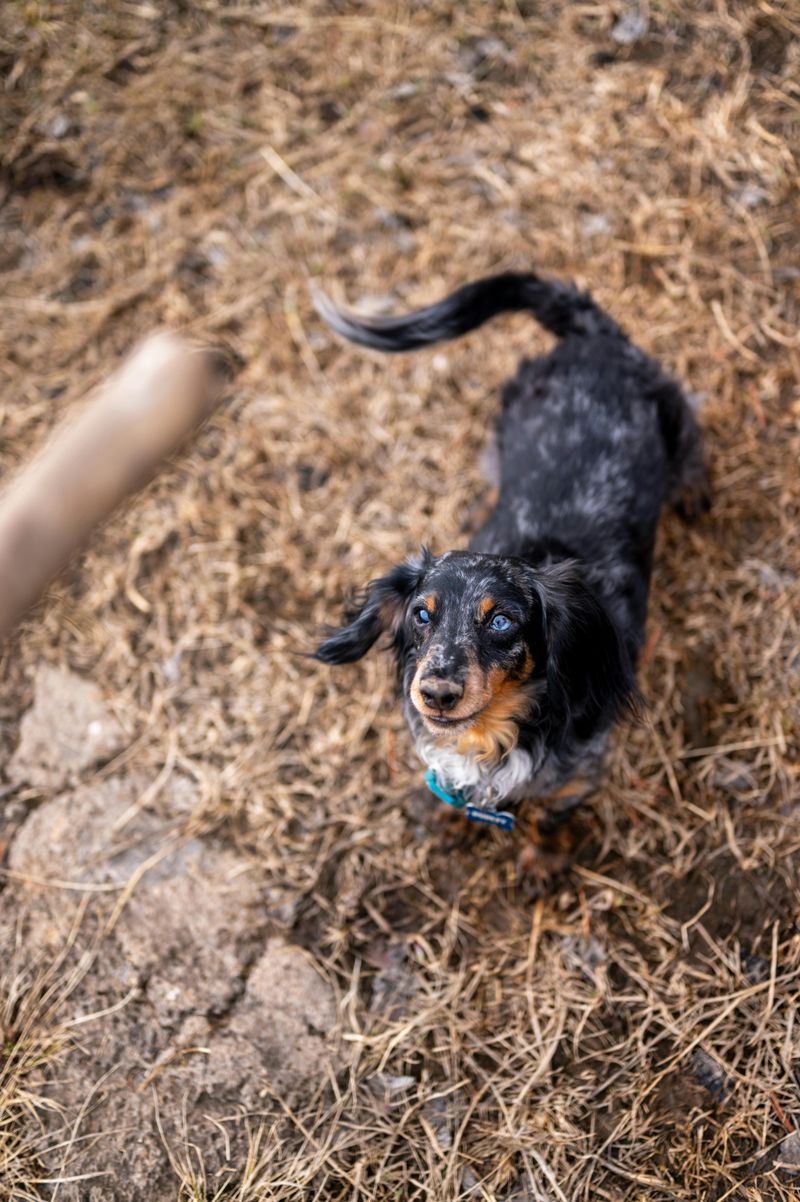
Dachshunds were bred for bold, independent underground work. That persistence reads like stubbornness when cues are inconsistent.
They actually love clear boundaries and rewards they can earn quickly.
Keep training brief and upbeat with simple criteria. Use platform work for sits and downs to help body mechanics.
Reinforce cooperative handling and teach a strong wait at thresholds to reduce door dashing.
Meet digging and hunting instincts with nosework boxes and safe digging zones. Provide daily walks at a pace that respects short legs yet challenges the mind.
With fair structure and patience, Dachshunds listen reliably and show huge heart.
Jack Russell Terrier
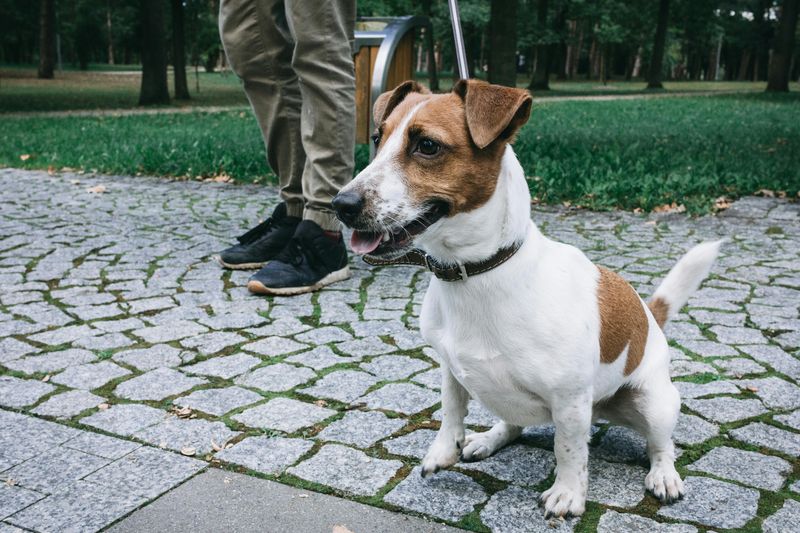
Jack Russells are spring loaded problem solvers. If they ignore you, the environment is simply paying better.
Out compete distractions with smart games and tight criteria.
Use rapid fire training: sit, hand touch, spin, then release to a toy. Build duration later.
Channel prey drive with flirt pole rules and impulse control around movement.
Agility style drills and scent work give productive outlets. Keep sessions short, end on a win, and rotate reinforcers so the dog stays tuned.
Management prevents rehearsing chaos. When their brain has a job, Jack Russells become shockingly responsive and fun.
Miniature Schnauzer
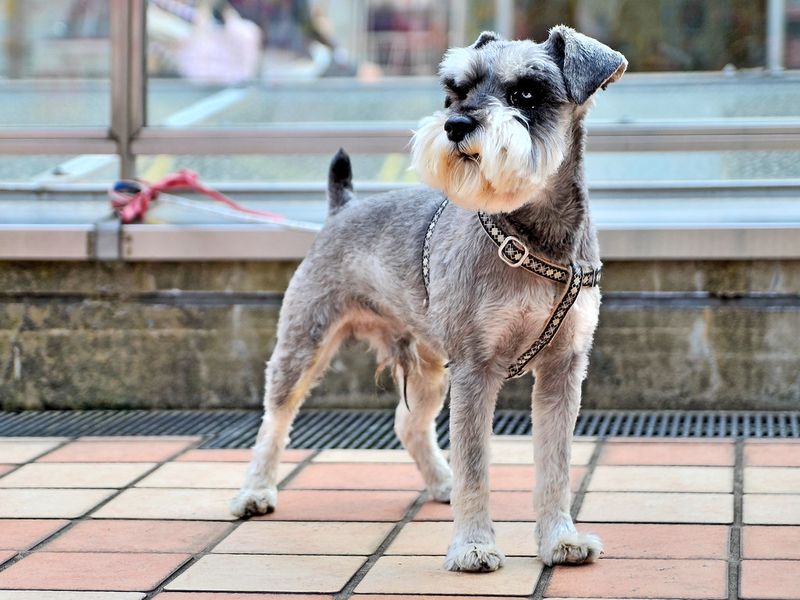
Miniature Schnauzers are alert watchdogs with clever minds. Barking and selective hearing usually reflect unclear jobs, not rudeness.
Provide structure and chances to use that terrier spirit productively.
Teach a clear go-to place for door activity and reinforce quiet with calm treats. Use pattern games, hand targets, and trick chains to channel focus.
Grooming cooperation training builds patience and trust.
Daily walks with sniff breaks, puzzle feeders, and brief obedience tune ups keep the edge off. Keep cues consistent and reward check ins generously.
With predictable routines, Mini Schnauzers become polite, witty partners who listen because it pays.