
Dog flu chatter is spiking again, and those colorful maps are making everyone zoom in on their neighborhood. If you share life with a sensitive breed, a little caution now can save a lot of stress later.
You will find practical, level headed notes here so you can tweak routines without losing the fun. Let us walk through the breeds owners are treating with extra care right now, plus simple steps to keep sniffles from turning serious.
Chinese Shar-Pei
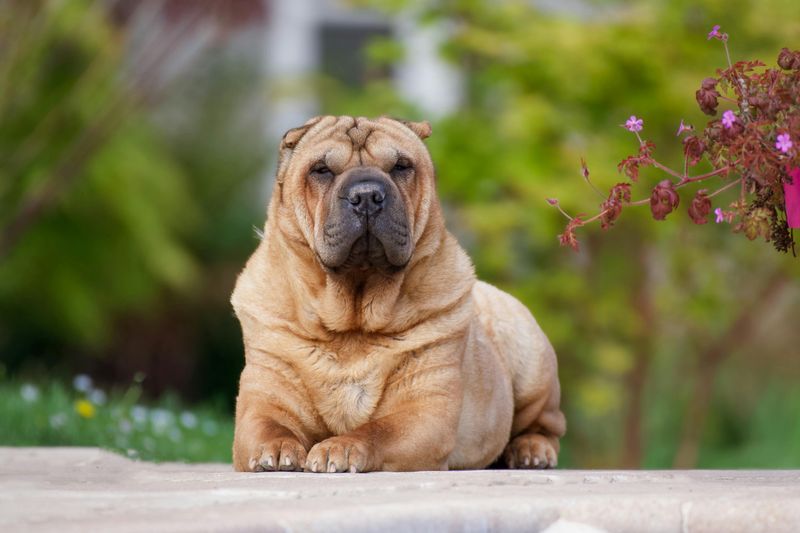
Shar-Peis are sturdy yet surprisingly sensitive when respiratory bugs circulate, especially where crowds of dogs gather. Those signature skin folds make them adorable, but their airways can be a bit compact, so coughs may linger.
You can help by spacing out daycare days, wiping down gear, and steering clear of communal water bowls during spikes.
Watch for tiredness, a soft honking cough, or a suddenly damp nose with thicker discharge. Quick vet contact keeps minor cases from snowballing.
Consider indoor puzzle play, short shaded walks, and fresh water refills often. Keep vaccination status updated, ask your vet about local trends, and plan playdates with trusted, symptom free buddies.
Calm, steady care goes a long way.
Pekingese
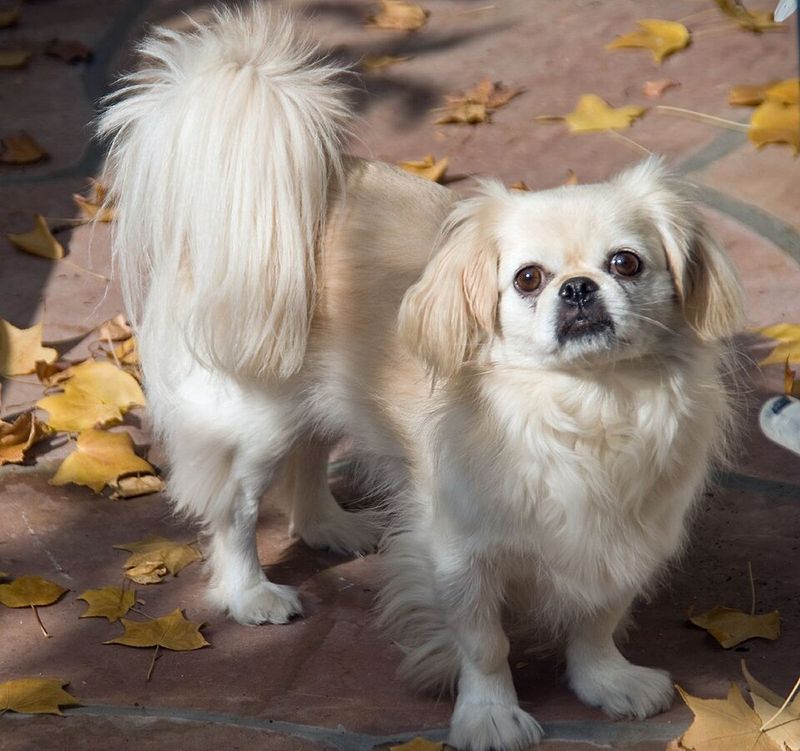
Pekingese have charming flat faces and big personalities, but those short muzzles can complicate breathing when flu bugs pass around. You will want to avoid steamy, crowded indoor dog spaces and instead opt for quiet strolls.
Keep grooming tidy around the nose and eyes, since gunk can build quickly during sniffly weeks.
Listen for raspy breathing, soft snores turning harsher, or a lingering cough after play. Hydration and rest matter more than ever if symptoms start.
Set up a cozy, slightly elevated sleeping area to ease airflow. Call your vet early if appetite dips or lethargy appears.
Gentle play, fresh air, and a calm routine help your Peke breeze through a flu heavy season with confidence.
King Charles Spaniel
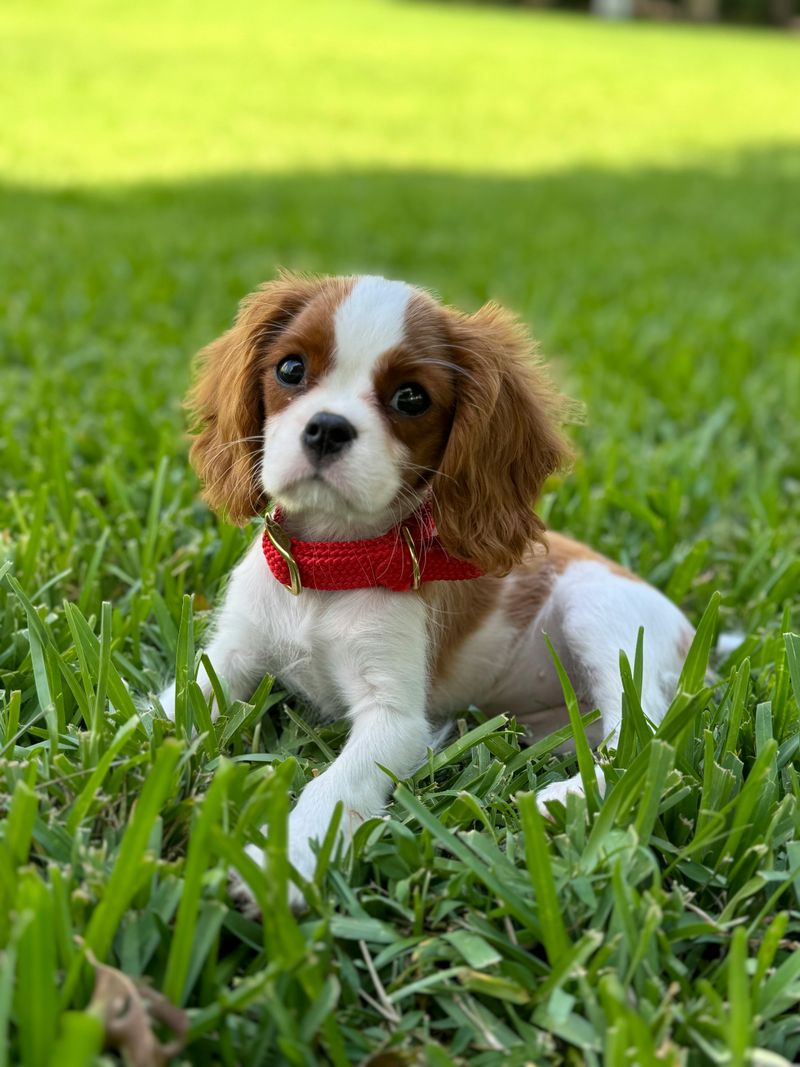
King Charles Spaniels thrive on affection and close contact, which can raise exposure when flu maps light up. You can reduce risk by picking smaller playgroups and skipping shared water or toys.
Regular brushing and light ear cleaning help, since head congestion sometimes pairs with ear irritation in this sweet breed.
Keep an ear out for soft wheezes, coughs after excitement, or unusual sleepiness. Offer lukewarm water often and keep rooms comfortably humidified.
A quick check in with the vet is wise if coughing lasts beyond two days. Gentle, leashed walks and snuggle time at home are perfect.
With a little extra space from crowds, your companion stays cheerful and resilient through seasonal waves.
Bichon Frise
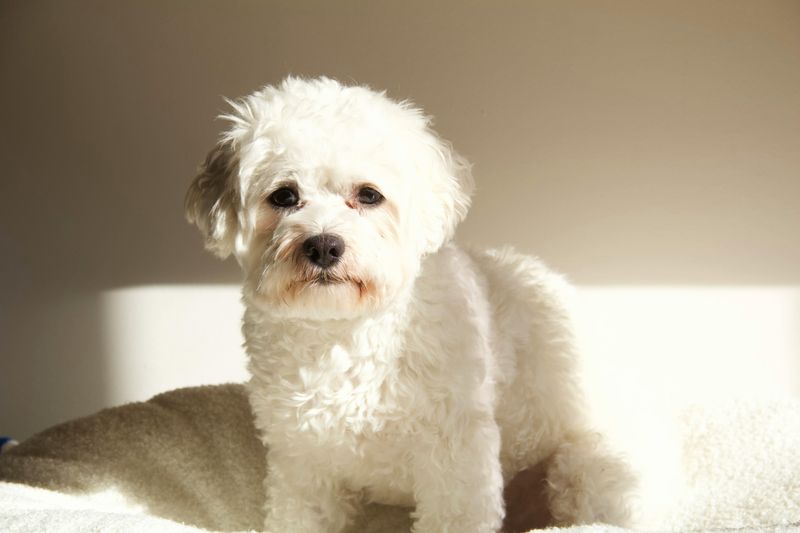
Bichons are social butterflies, which makes them magnets for shared germs at groomers and parks. During a flu uptick, schedule early morning appointments to avoid busy lobbies, and bring your own water.
Their plush coats trap allergens and droplets, so frequent brushing and a quick wipe after outings help a lot.
Watch for sneezes turning into a dry cough, watery eyes, or sudden low energy. Keep indoor enrichment fun with nosework games and easy training refreshers.
If symptoms appear, contact your vet promptly and simplify routines until recovery. Balanced meals, steady hydration, and calm cuddles go far.
Your cheerful Bichon can keep bouncing as long as you pace exposure wisely and prioritize rest.
Bolognese
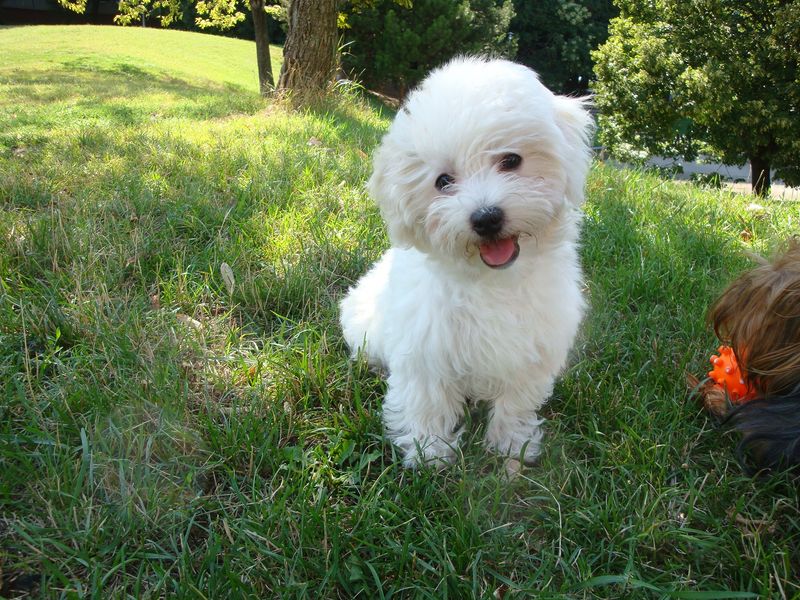
The Bolognese is mellow and people oriented, often sticking close in cafes or classes where dogs mingle. When flu chatter rises, shorter visits and outdoor seating are safer picks.
Their cottony coat benefits from quick post walk wipe downs to reduce contact with droplets on fur.
Notice any thinning appetite, a gentle cough after naps, or clinginess paired with fatigue. Offer quiet corners, fresh water bowls in multiple spots, and low intensity brain games.
Consult your vet if signs persist past a day or two. Keep vaccinations current as advised, and coordinate playdates with healthy, vaccinated friends.
With calm routines and mindful exposure, your Bolo keeps that soft, steady vibe even through a busy flu map.
Havanese
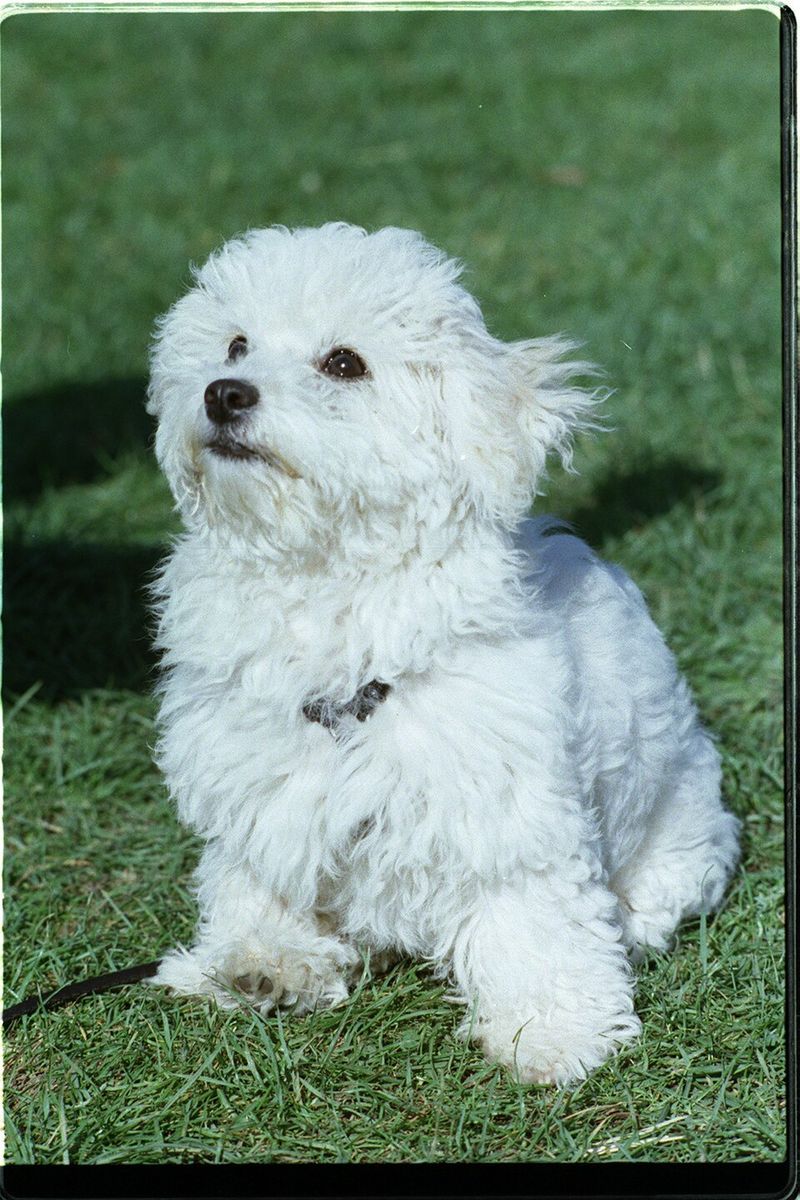
Havanese love bustling scenes and friendly meetups, which sometimes means more sniffy greetings than ideal during flu surges. You can still keep things fun with driveway training sessions, solo walks, and small friend groups.
Their silky coats collect street dust, so a gentle spritz and comb after outings helps reduce irritants.
Look for mild coughs, watery eyes, or less pep after play. Prioritize hydration, keep treats light, and maintain a relaxed sleep schedule.
If symptoms stick around, connect with your vet early and scale back activity. A calm week now prevents longer downtime later.
Your Havanese stays joyful when you balance social time with smart spacing, clean gear, and regular, reassuring check ins.
Japanese Terrier
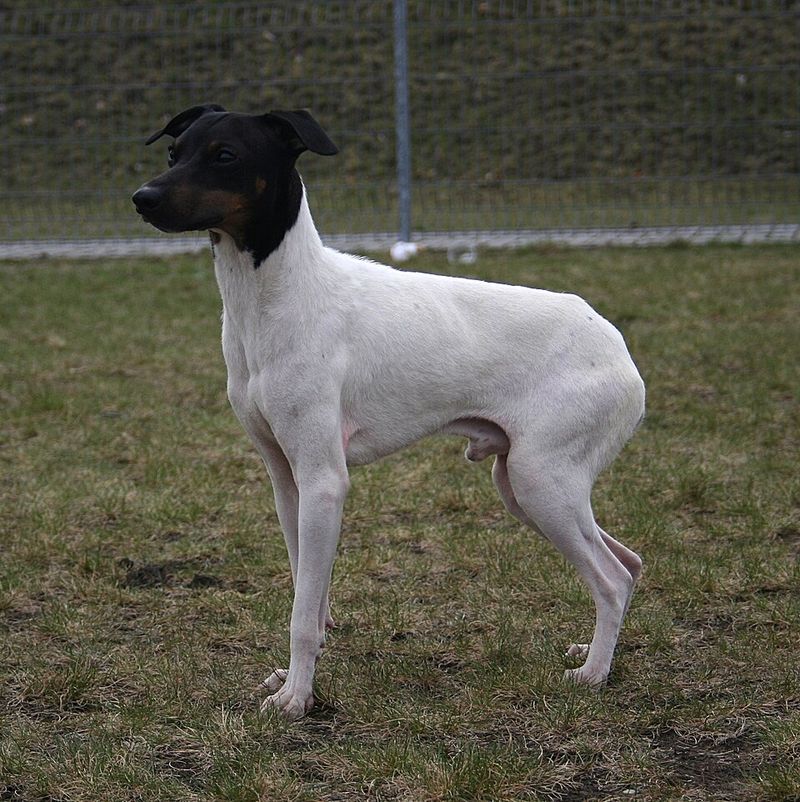
The Japanese Terrier is lively, compact, and quick to mingle, which can mean faster exposure in busy settings. During flu spikes, shift to low traffic routes and solo fetch in fenced yards.
A snug, draft free rest area helps recovery if sniffles start.
Track subtle changes like quieter play, a tickly cough, or slightly warm ears. Offer frequent water breaks and pause intense workouts.
Call your vet if coughing lasts or breathing sounds strained. Keep vaccination discussions current, and sanitize leashes and harnesses regularly.
With consistent, calm routines and quick attention to signs, your terrier will keep zipping around happily while avoiding the worst of seasonal bugs.
Tibetan Spaniel
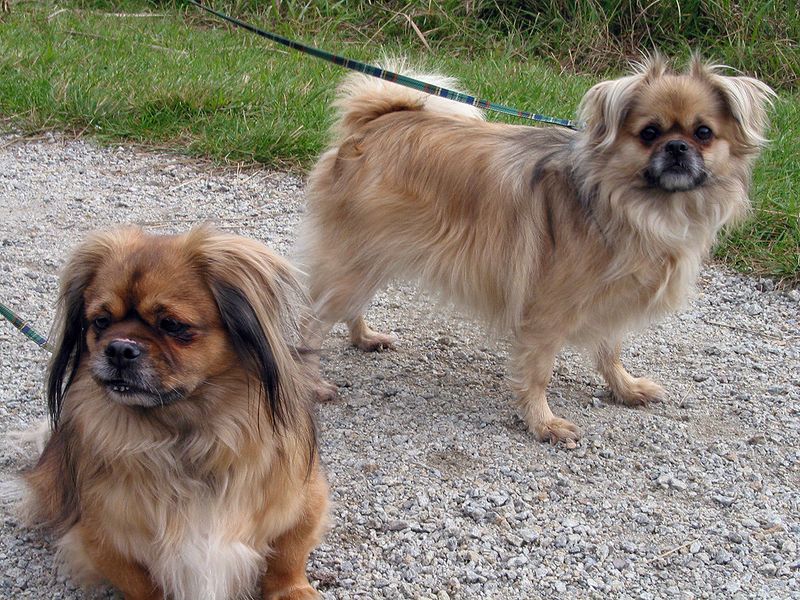
Tibetan Spaniels adore perching and people watching, but indoor hubs can be germy during flu waves. Choose balcony breaks, quiet parks, and shorter visits to pet friendly shops.
Their small frames make rest especially important when a cough appears.
Look for mild fever signs, softer appetite, or a dry cough that becomes more frequent at night. Keep bedding fresh, elevate the head slightly, and use a humidifier if air is dry.
Contact your vet promptly if breathing seems faster than normal. Consistency is comforting, so keep play gentle and predictable.
With steady, attentive care, your Tibbie can enjoy the view while dodging the worst of seasonal bugs.
Löwchen
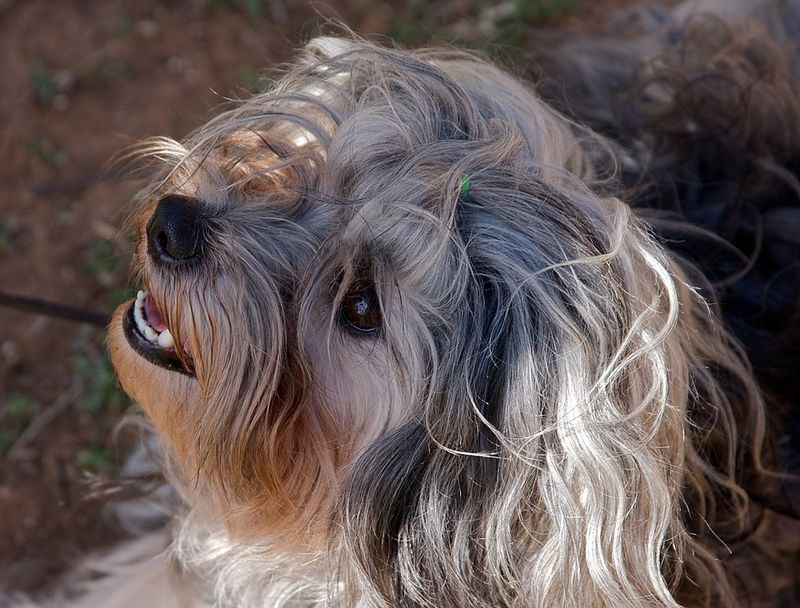
Löwchens are cheerful companions who love classes and meetups, but those shared spaces spike risk when the flu map flares. You can pivot to at home trick training and quiet neighborhood laps.
Keep their coat tidy around the muzzle to discourage gunk buildup.
Notice if your pup becomes a little withdrawn, coughs after excitement, or breathes a bit faster at rest. Offer calm routines, easy enrichment, and fresh water in multiple spots.
If symptoms persist beyond a day, call your vet and scale back activities. Clean harnesses and brushes between uses.
With small, thoughtful switches, your Löwchen keeps sparkling without overexposure to sniffles traveling through the community.
Coton de Tulear
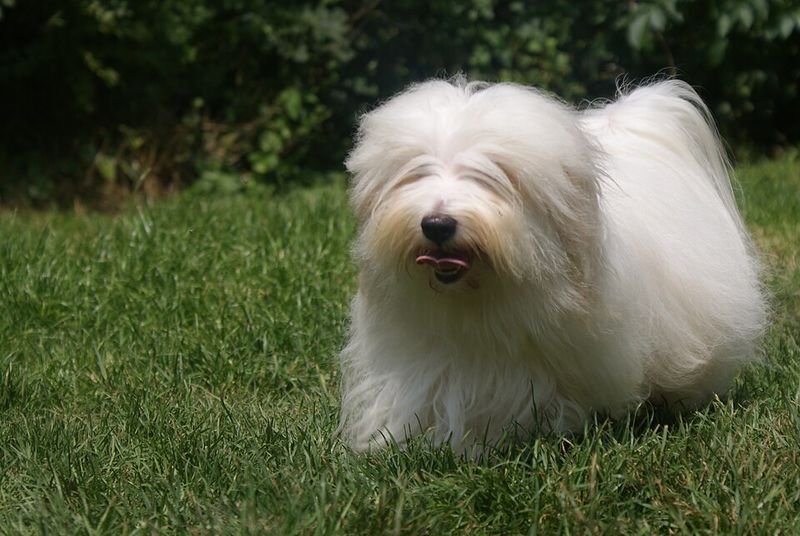
Cotons are affectionate shadows, happiest glued to your side, which can mean lots of outings and greetings. During flu spikes, limit nose to nose meetings and rotate quieter walking times.
Their fluffy coats catch debris, so quick brush outs after walks help reduce irritants near the face.
Watch for a gentle cough, faint wheeze during sleep, or less interest in play. Keep rooms comfortably humid, water bowls sparkling, and routines predictable.
If symptoms linger or appetite fades, your vet should advise next steps. A few restful days and lighter activities usually help.
With patient pacing and clean gear, your Coton stays bright eyed while steering clear of the season’s worst germs.
Miniature Dachshund
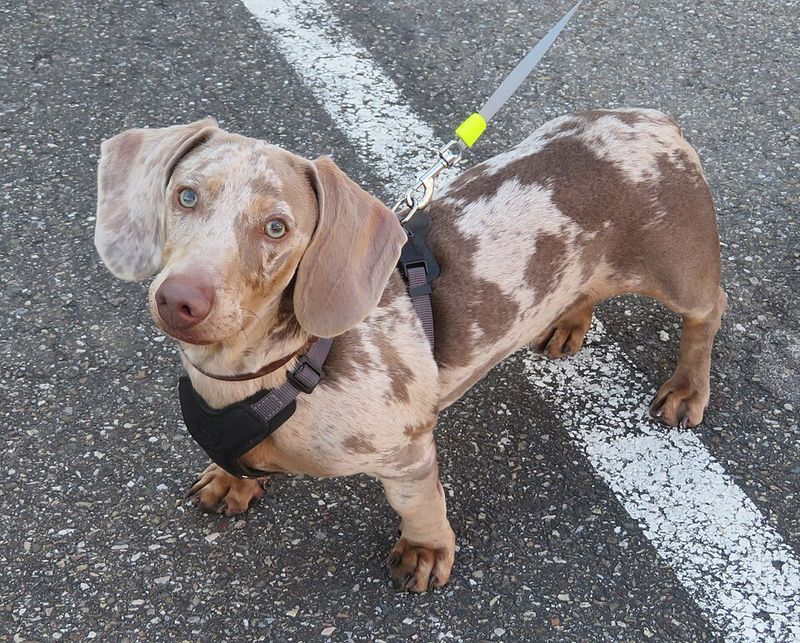
Miniature Dachshunds are bold explorers, nose down and ready for every scent, which can lead them straight into crowded corners. When the map heats up, choose quieter paths and skip busy dog aisles.
Keep a lightweight jacket handy for chilly, damp days that often worsen coughs.
Listen for hacking coughs, extra snorts, or less eagerness to jump into play. Provide gentle ramp assists and extra rest when under the weather.
If symptoms appear, contact your vet early and limit exposure while recovering. Clean bedding frequently, refresh water often, and keep treats simple.
With smart pacing and cozy downtime, your Doxie keeps that fearless spirit while sidestepping unnecessary risks.
Pug
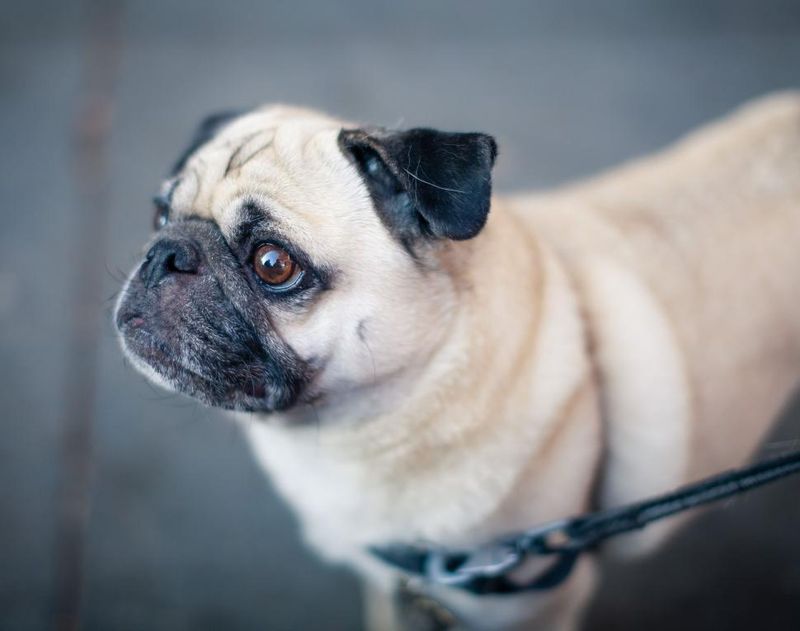
Pugs are lovable comedians with short muzzles that can make respiratory bugs tougher. When flu chatter jumps, favor small meetups, skip crowded indoor spaces, and monitor temperature and humidity at home.
Keep nasal folds clean and dry to discourage irritation.
Look for choppy snores turning rough, a cough after excitement, or unusual tiredness. Offer cool water, calm play, and slightly elevated sleep positions to ease airflow.
Call your vet quickly if breathing looks labored or gums appear pale. A modest routine with frequent check ins, clean gear, and updated vaccines helps your Pug stay comfortable.
With patient, practical care, you will navigate seasonal waves confidently together.