
Ever feel like your dog is two steps ahead of you and plotting the next household heist? The “too smart for this house” trend is funny until your clever pup unlocks doors, solves puzzles, and invents jobs you did not assign.
Burnout posts from owners reveal the same hyper-bright breeds popping up again and again. If you are considering one of these dogs, here is what the highlight reels do not always show and how to keep your sanity intact.
Rat Terrier
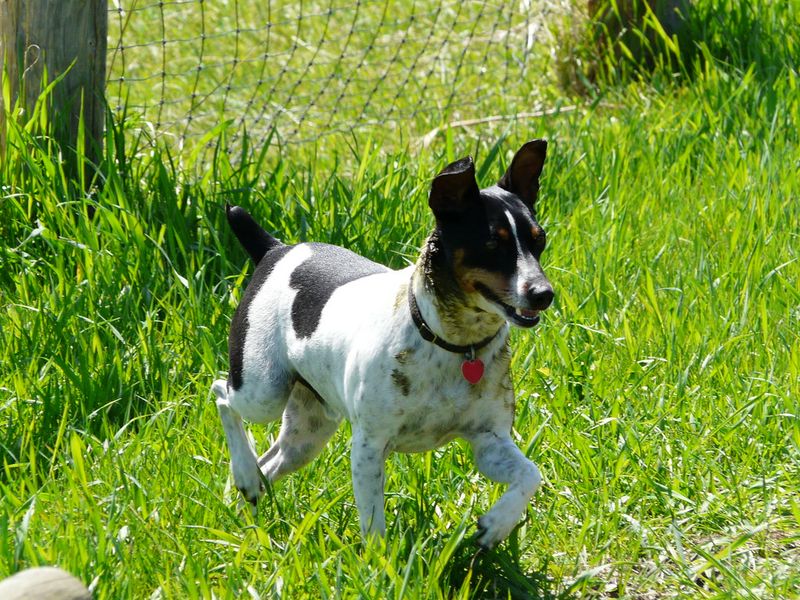
Rat Terriers are pocket rockets with detective-level noses and a nonstop need for tasks. You will see them solving food puzzles in minutes, then scouting the baseboards for invisible intruders.
If boredom hits, they invent jobs, like reorganizing the laundry or locating every squeaker in the house.
Daily mental work matters as much as walks. Mix scent games, hide-and-seek, and short obedience bursts to keep that sparkling brain focused.
You will love their humor, but slack off and you will meet a tiny project manager with a whistle.
They thrive with agility, flirt poles, and structured downtime. A crate or mat routine helps them switch off.
Smart boundaries plus novel challenges equal harmony.
Jack Russell Terrier
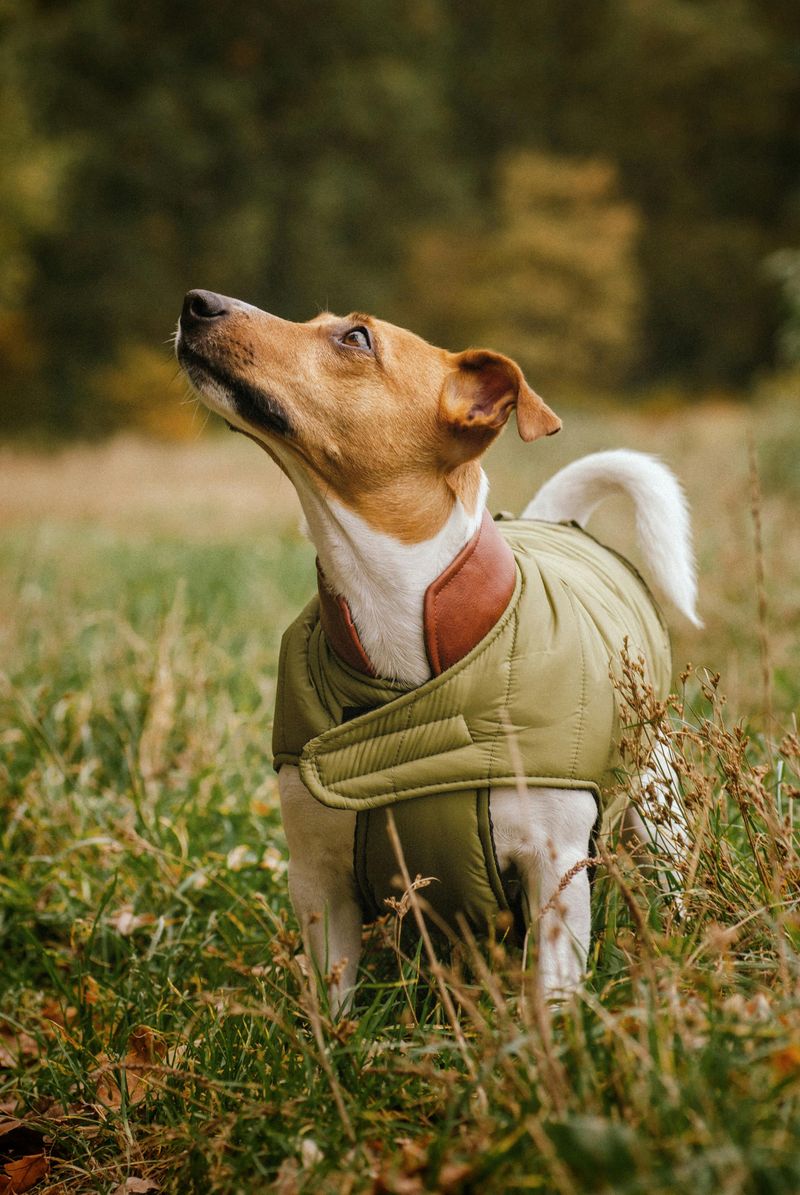
Jack Russells are chaos wrapped in charm, built for fox work and problem solving. They will decode baby gates, scale furniture, and turn cushions into launching pads.
You think you hid the ball, but the dog clocked your hiding hand on step two.
Channel that drive with fetch ladders, tug rules, and rapid-fire obedience games. Ten minutes of nosework beats an hour of aimless fetch.
You need consistency and a sense of humor, because they test boundaries the way engineers test prototypes.
Expect digging, sprinting, and Olympic-level verticals. Dig boxes, flirt pole sessions, and trick chains help.
Give them a mission daily and you will adore their sparkle instead of fearing their innovations.
Parson Russell Terrier
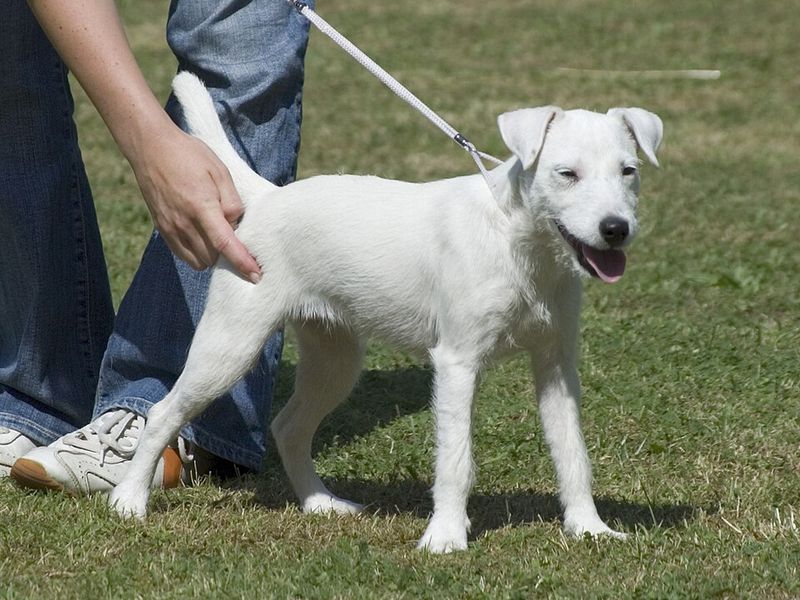
The Parson Russell shares the Jack’s brains but with longer legs and a springier stride. Owners report parkour on kitchen islands, self-taught door handles, and stealth sock extractions.
They do not just chase movement, they predict it like chess players.
Short, intense training blocks keep them invested. Think impulse-control drills blended with racing recalls and platform work.
Puzzle feeders should be rotated often, or they become warm-up stretches.
Sport outlets like agility and barn hunt are sanity savers. Create a daily schedule that alternates sprints, settle time, and brain games.
When you structure their brilliance, you get a witty partner who reads your body language and loves to collaborate.
Miniature Schnauzer
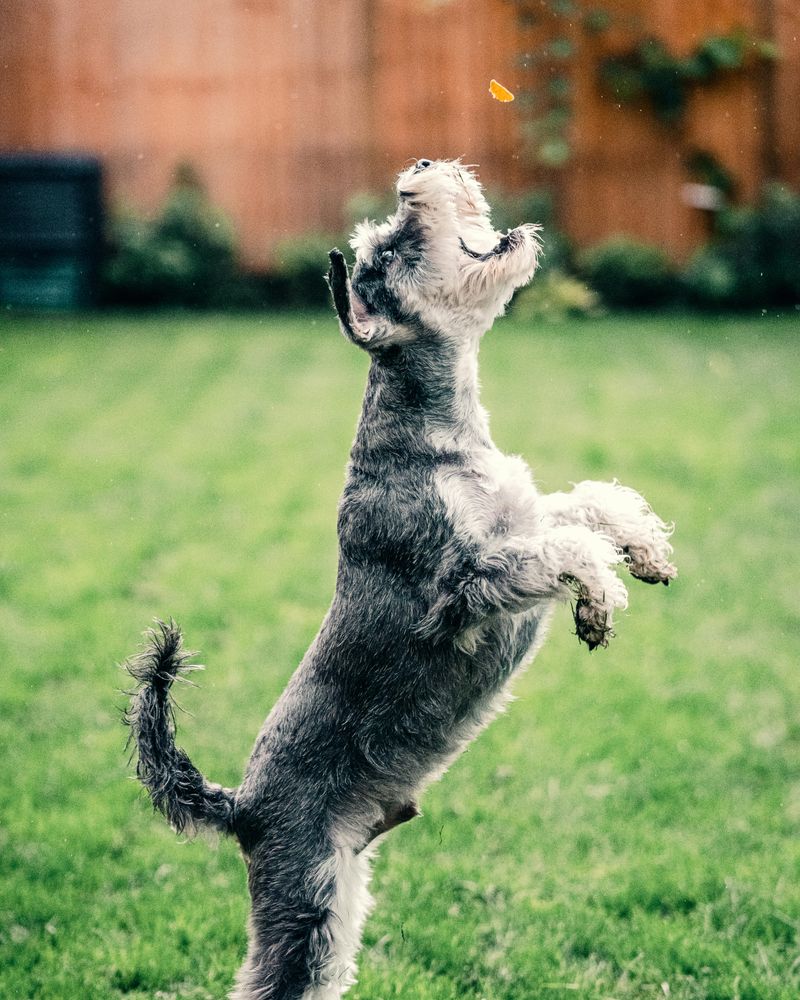
Mini Schnauzers are witty, opinionated, and tuned to patterns. They will memorize your morning routine and run it for you if you hesitate.
Many owners mention doorbell reactivity and clever mischief when mental outlets lag.
Use their curiosity with nosework, obedience games, and structured walks that include sniff breaks. Teach settle on a mat to prevent micromanaging guests.
Vary puzzle difficulty and add tiny challenges, like closed boxes or stacked containers.
Grooming sessions double as training opportunities. Keep cues crisp, rewards frequent, and rules consistent across family members.
They thrive with clear jobs and fair boundaries, returning the favor with watchdog humor, quick learning, and surprising athleticism.
Manchester Terrier
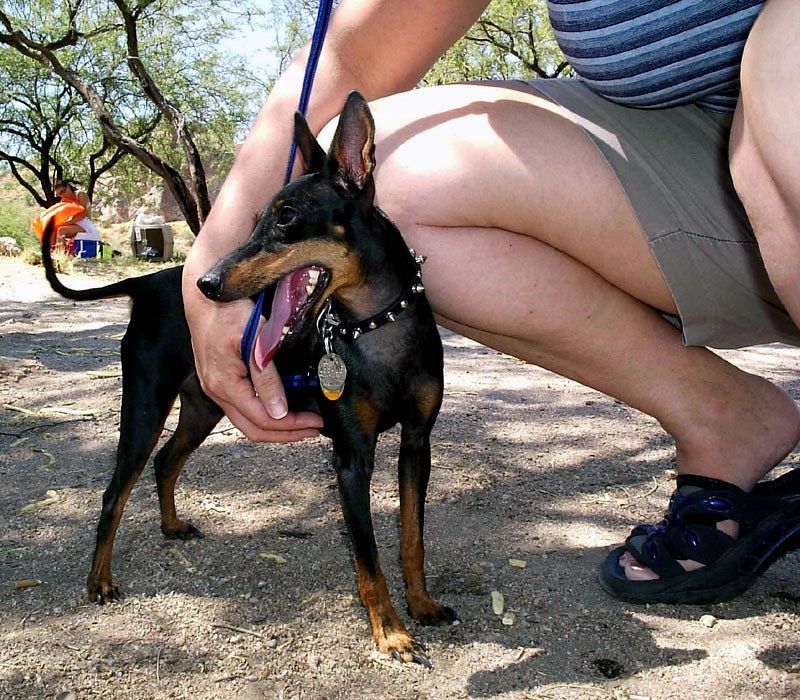
Manchester Terriers are elegant sprinters with decoding brains. Sensitive yet sharp, they notice tiny patterns, like which shoe means walk time.
Without outlets, they may vocalize or shadow you like a laser-guided missile.
Short sprints, flirt pole rules, and scent games take the edge off. Train calm behaviors near windows to reduce city overstimulation.
Rotate toys and add foraging mats to satisfy the hunt brain inside the couch potato silhouette.
They bond deeply and prefer fair, consistent training. Avoid nagging, reward quiet choices, and set up predictable rest.
Provide wardrobe-level enrichment, and you will get a witty, graceful companion who treats the living room like a runway and a classroom.
Toy Fox Terrier
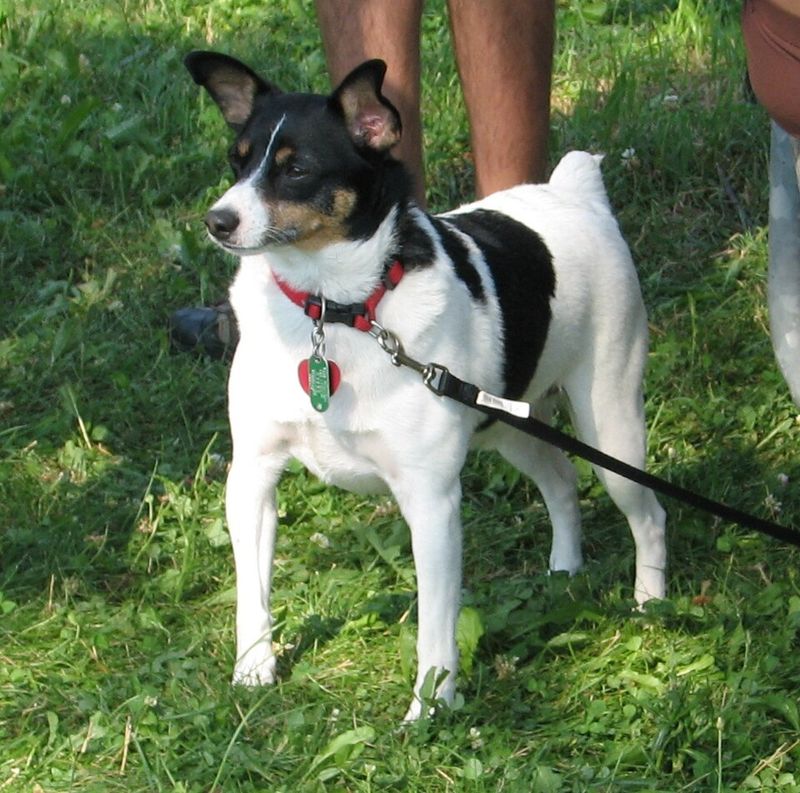
Toy Fox Terriers pack big-dog intellect into a featherweight frame. They learn tricks fast, then start inventing sequels if you do not cue the next move.
Owners laugh and cry as these dynamos reverse engineer gates and charm snacks from guests.
Mix micro-workouts: two-minute trick chains, platform pivots, and nose-targets around furniture. Keep sessions upbeat and end before they fizzle.
They love being included, so take them on walk-and-watch field trips to observe the world calmly.
Because they can be bossy, teach polite greetings and a solid settle. Rotate tiny puzzles sized for small jaws.
Give them novelty and you get a clever, sparkling performer who reads your mood like subtitles.
Australian Cattle Dog
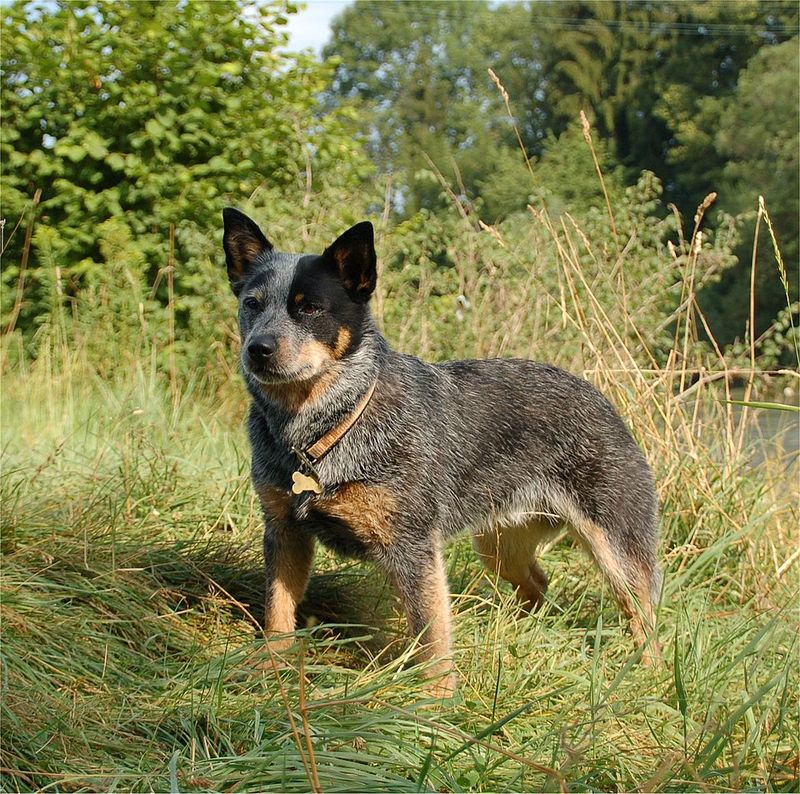
Australian Cattle Dogs are workaholics with a spreadsheet for your day. They track movement, anticipate tasks, and will herd your guests if you do not provide structure.
Burnout posts often mention nonstop pacing and DIY yard projects when mental needs are missed.
Give them jobs: controlled fetch, herding balls, obedience under distraction. Use long-line hikes with sniff missions.
Teach off-switch cues and reinforce calm after activity to prevent spiraling.
They thrive with clarity, fairness, and heavy-duty enrichment. Consider sports like rally, scent detection, or bikejoring prep.
With enough structure, you will discover a brilliant partner who loves problem solving and leans into teamwork instead of micromanagement.
Border Collie
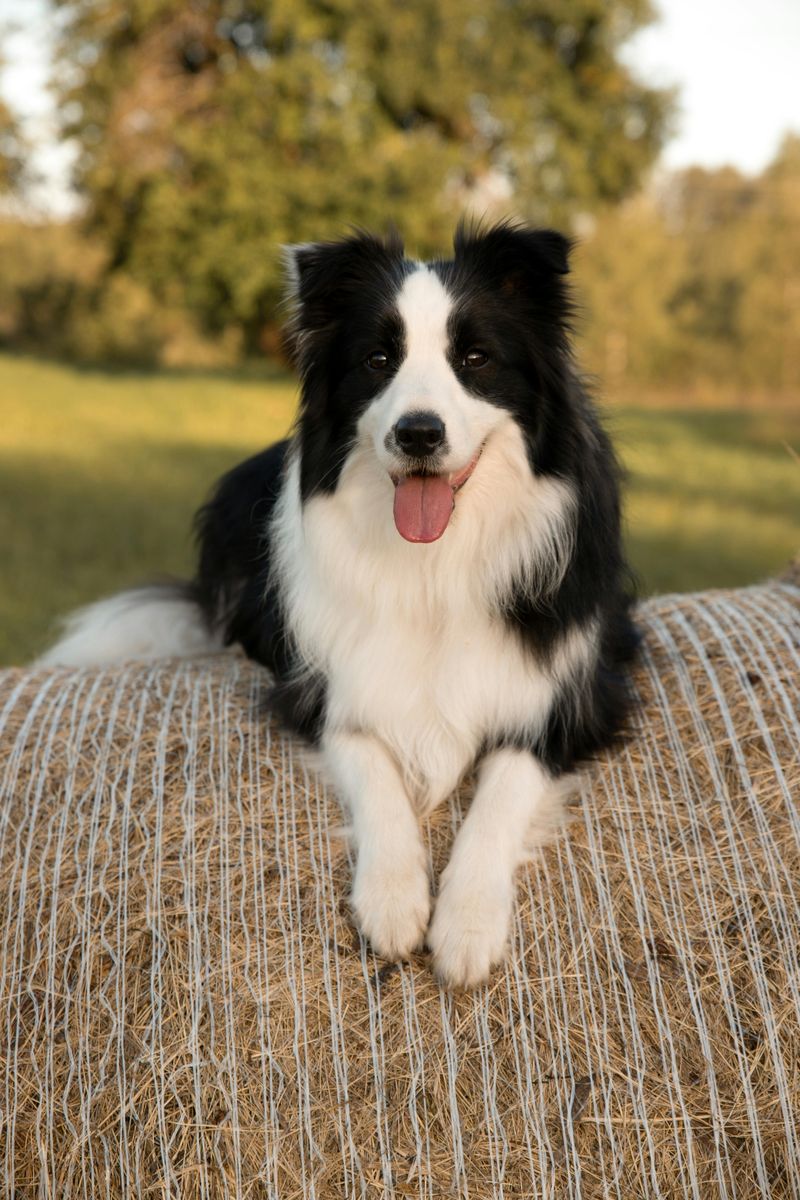
Border Collies are famous for reading micro-movements and turning them into action plans. They are mesmerizing, but the intensity can melt your schedule.
Without structured work, they rehearse staring, herding, and household micromanagement.
Break the cycle with precision training, pattern games, and frequent decompression walks. Teach settle on cue and practice neutral observation of motion.
Rotate disc skills, obedience, and scent games to balance thinking with movement.
Many owners find success with agility or treibball. Keep criteria clear and sessions short to avoid neurotic loops.
When their brain has a roadmap, the result is breathtaking teamwork that channels all that electricity into calm focus between reps.
Belgian Malinois
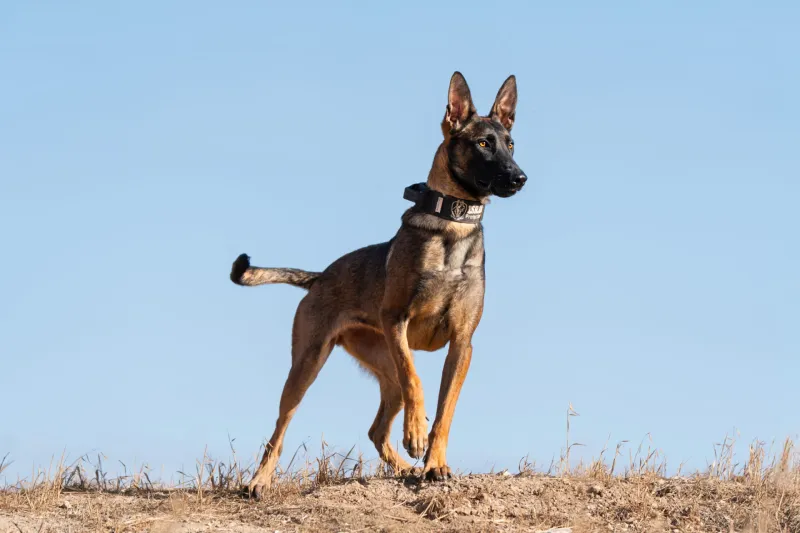
Belgian Malinois are the poster dogs for being too smart for the average house. They analyze, escalate, and outwork most schedules.
Without a job, you will see spinning, shredding, and door guarding as self-assigned duties.
Prioritize structured obedience, bite-sport foundations, and scent work. Use place training and precise reinforcement to create an off-switch.
Mental fatigue beats physical exhaustion, so puzzle layers and search tasks help tremendously.
They need experienced handling and consistent boundaries. If you want this brilliance, budget time and coaching.
With clarity and commitment, you get a phenomenal teammate who channels intensity into beautiful precision and rests when told.
Dutch Shepherd
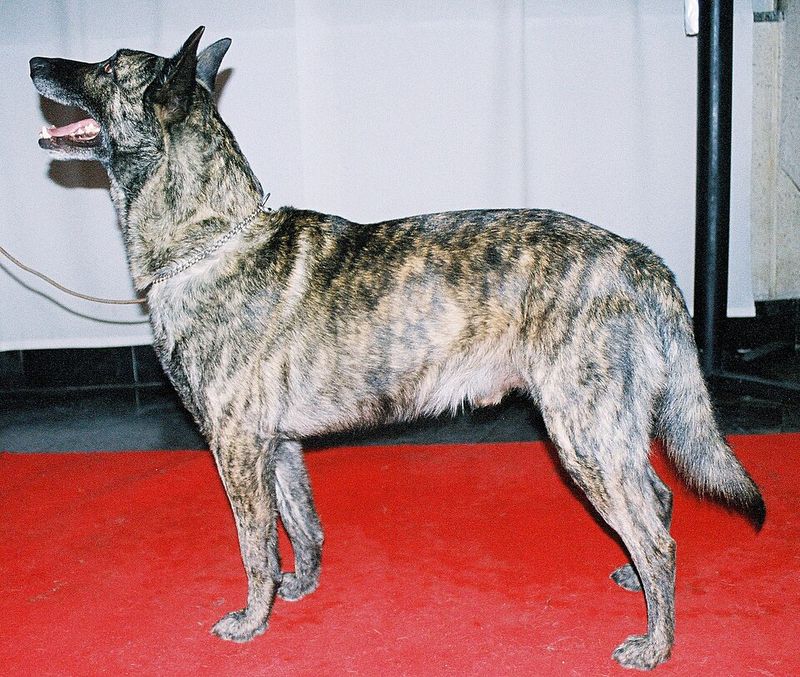
Dutch Shepherds mix versatility with keen pattern recognition. They learn the rules fast and will enforce them if you hesitate.
Owners report yard patrols, window management, and creative escape artistry when brains go underemployed.
Channel their drive into detection games, obedience chains, and tracking. Alternate high-arousal work with decompression to keep the nervous system balanced.
Place training and calm rewards build a reliable off-switch.
They appreciate fairness and clear communication. Rotate challenges so novelty stays fresh but predictable.
Invest in coaching, and you will find a thoughtful, powerful partner who uses brilliance for good instead of home security overreach.