
If your dog suddenly starts snorting like a tiny lawnmower, you are not alone. Reverse sneezing videos are everywhere, and the panic is real when it sounds dramatic in the middle of the night.
The good news is that it often looks worse than it is, especially in certain breeds. Let’s walk through the pups that spark the most freakouts and what you can do in the moment.
Pug
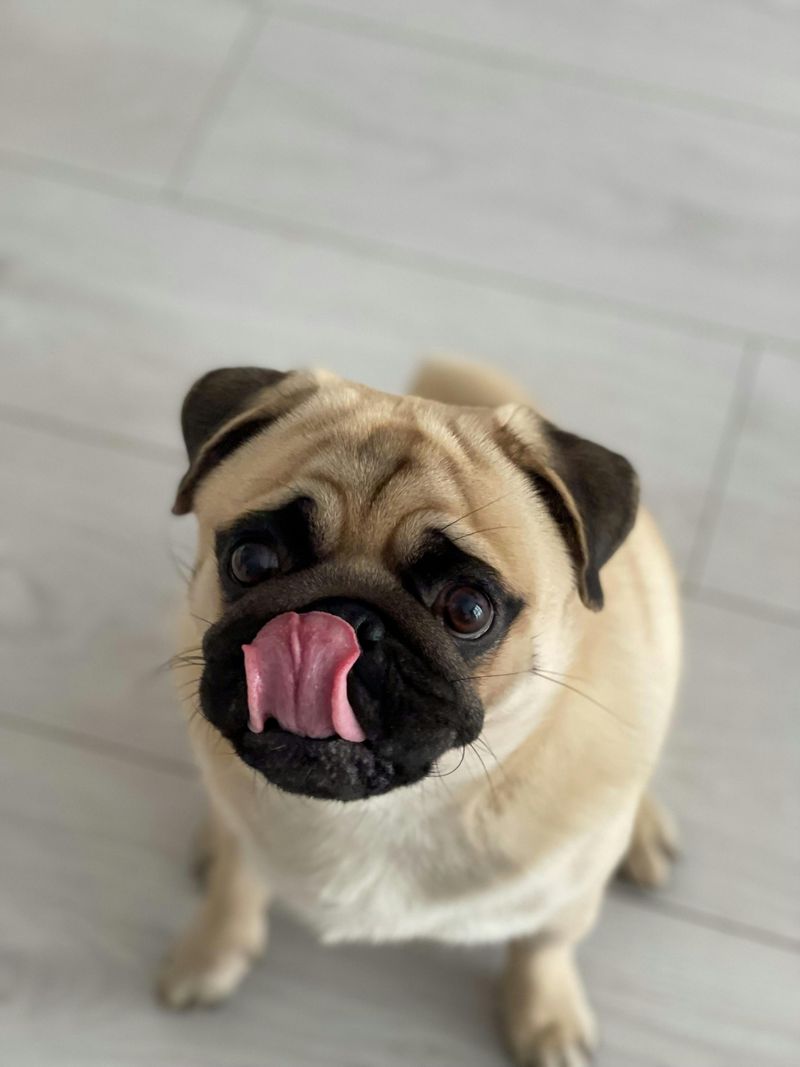
Pugs are adorable chaos in a compact package, and their short muzzles make reverse sneezing a common scare. You might hear rapid snorts, see the neck extend, and watch the chest pump like a tiny accordion.
It usually passes quickly, but that sound can jolt you from the couch.
Stay calm and gently stroke the throat or briefly cover the nostrils to encourage swallowing. A sip of water can help if it is triggered by dust, excitement, or a sudden temperature change.
Keep rooms humid and avoid heavy perfumes.
Call your vet if episodes become frequent, last longer than a minute, or come with blue gums, lethargy, or coughing. Most Pug events are benign, though loud.
French Bulldog
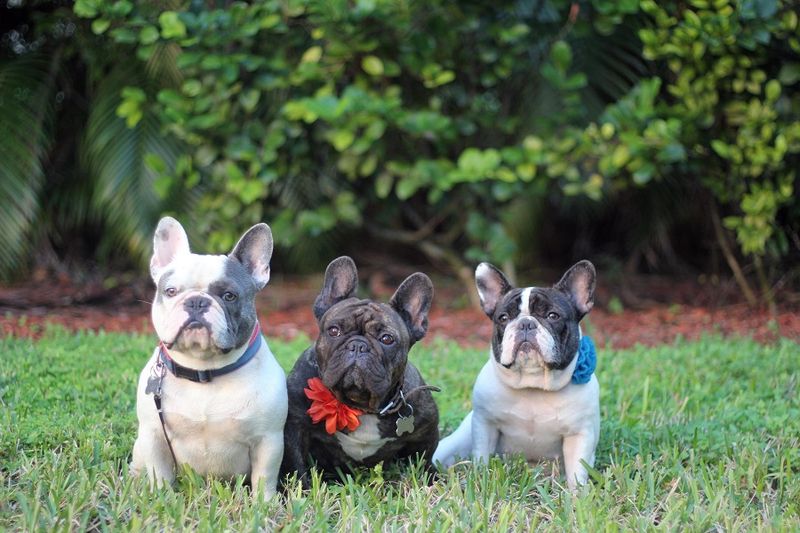
Frenchies bring big personality in a squat frame, and their airways are narrow compared to longer muzzled breeds. Reverse sneezing for them can sound like a rapid series of honks and snorts.
It often follows excitement, leash pulling, or inhaled irritants like dust.
Help by keeping them cool, using a harness instead of a collar, and pausing play when breathing seems tight. Gently massaging the throat usually shortens episodes.
A quick sniff of fresh air near an open window can calm the reflex.
Ask your vet about airway checks if events are frequent or paired with snoring that worsens. Weight control, humidifiers, and slow introductions to exercise reduce flare ups.
Frenchies thrive with mindful breathing care.
English Bulldog
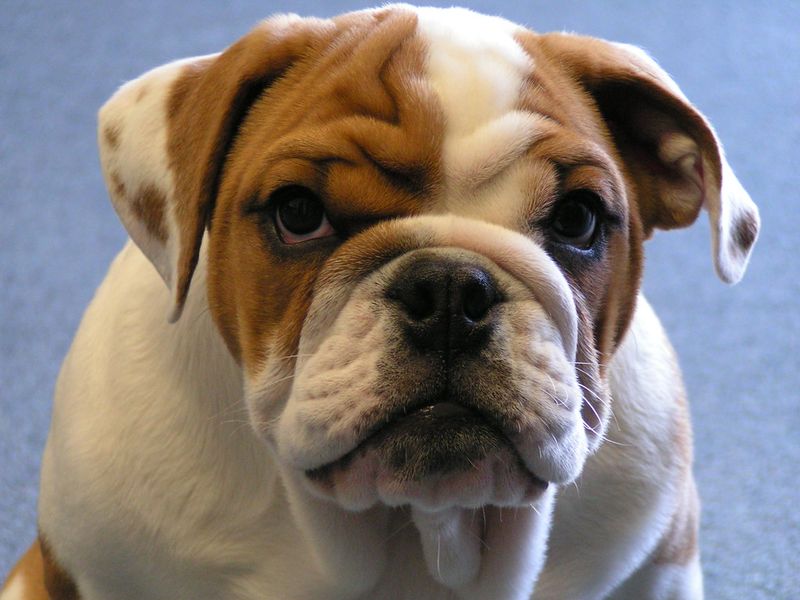
English Bulldogs can make dramatic sounds that send new owners into full alarm. Reverse sneezing often appears after snoring naps or excited greetings at the door.
You will see a stiff neck, wide stance, and a rhythmic snort that looks like stuck air.
Stay steady, rub the throat, and keep the room cool. Use a well fitted harness to reduce tracheal pressure during walks.
A shallow water bowl nearby helps them swallow and reset the soft palate.
Frequent episodes, gagging, or exercise intolerance warrant a vet check for airway syndrome. Weight management, wrinkle hygiene, and avoiding smoke or sprays reduce triggers.
Bulldogs can sound scary but usually resolve within seconds when you stay calm.
Boston Terrier
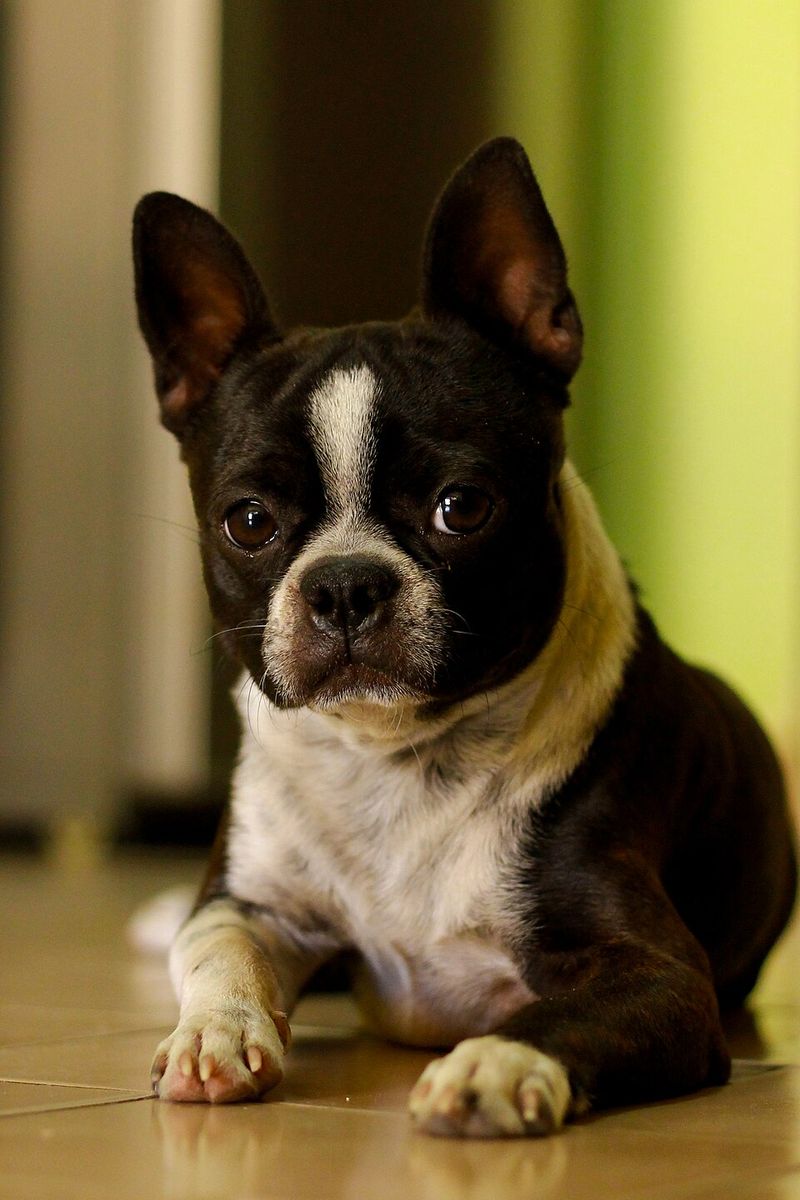
Boston Terriers are energetic little comedians, and their compact snouts make reverse sneezing a frequent cameo. It often hits after zoomies or an enthusiastic sniff of the rug.
The snorty inhale can look alarming, but most episodes end fast without harm.
Calmly pet the neck, briefly cover the nostrils to trigger a swallow, and speak softly. Consider switching to a front-clip harness to reduce throat tension.
Keep dust low with regular vacuuming and change air filters seasonally.
Seek veterinary advice if these events cluster daily, last longer than a minute, or pair with fainting. Allergies, elongated soft palate, or nasal mites are less common but possible.
With good management, Bostons breathe easier and play happily.
Shih Tzu
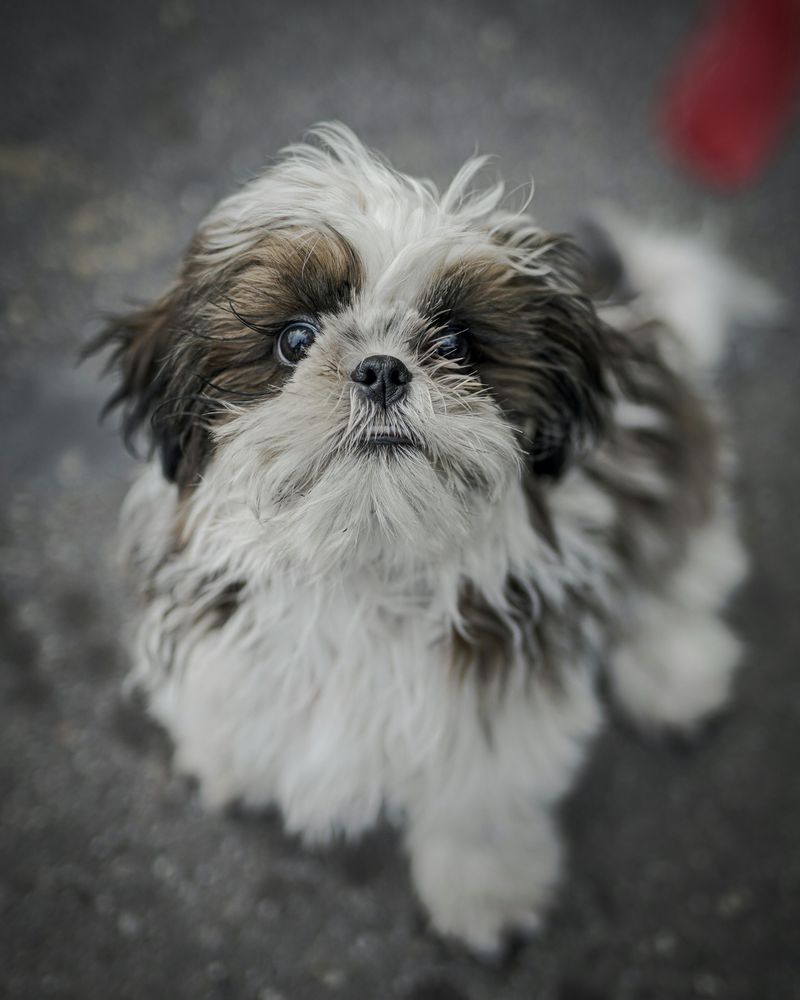
Shih Tzus have charming faces with short muzzles that invite occasional reverse sneezes. You might see a sudden freeze, extended head, then rapid inward snorts like a little engine.
Grooming sprays and dust can set it off during coat maintenance.
Use unscented products, keep fur around the nose tidy, and add a humidifier near the bed. When it happens, gently massage the throat and offer a small sip of water.
Most episodes are brief and harmless.
Call your vet if it comes with thick discharge, eye redness, or reduced stamina. Seasonal allergies can contribute, so track patterns in a simple notebook.
With a calm approach, your Shih Tzu will breeze through these snorty moments.
Lhasa Apso
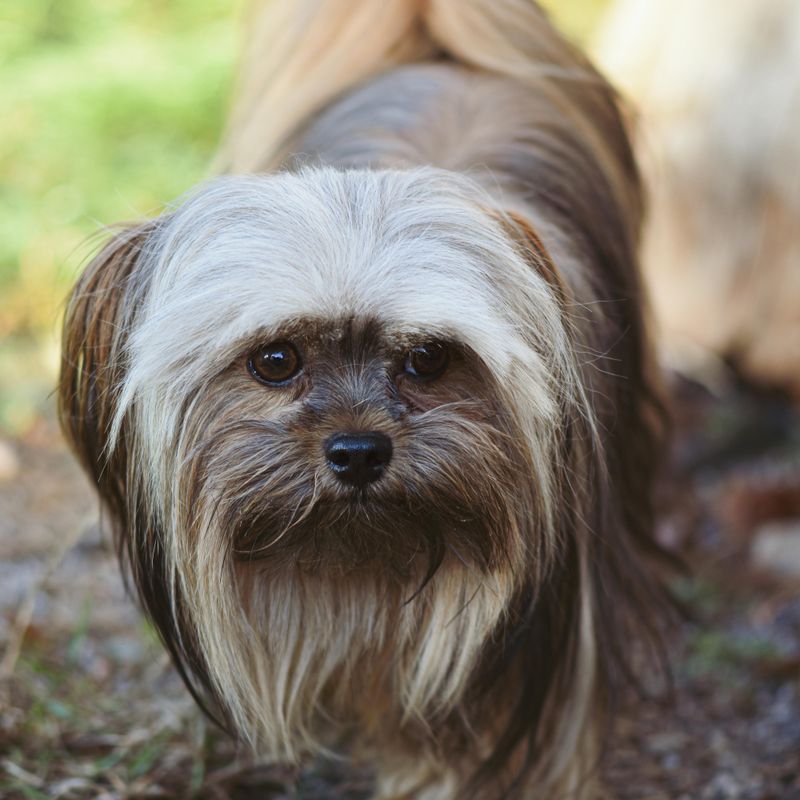
Lhasa Apsos are alert companions with short nasal passages that can spasm into reverse sneezes. The sound is startling, like a rhythmic snort while they brace their stance.
Often, it follows excitement at the door or dusty hallway zoomies.
Help by keeping indoor air clean and using fragrance free cleaners. Tidy hair around the nose and avoid tugging at collars.
Gentle throat strokes and a steady voice often shorten an episode.
See a vet if events increase or come with coughing, lethargy, or decreased appetite. Allergies or mild airway issues could be at play.
Most of the time, this is a benign reflex that looks dramatic but resolves quickly when you stay calm and attentive.
Pekingese
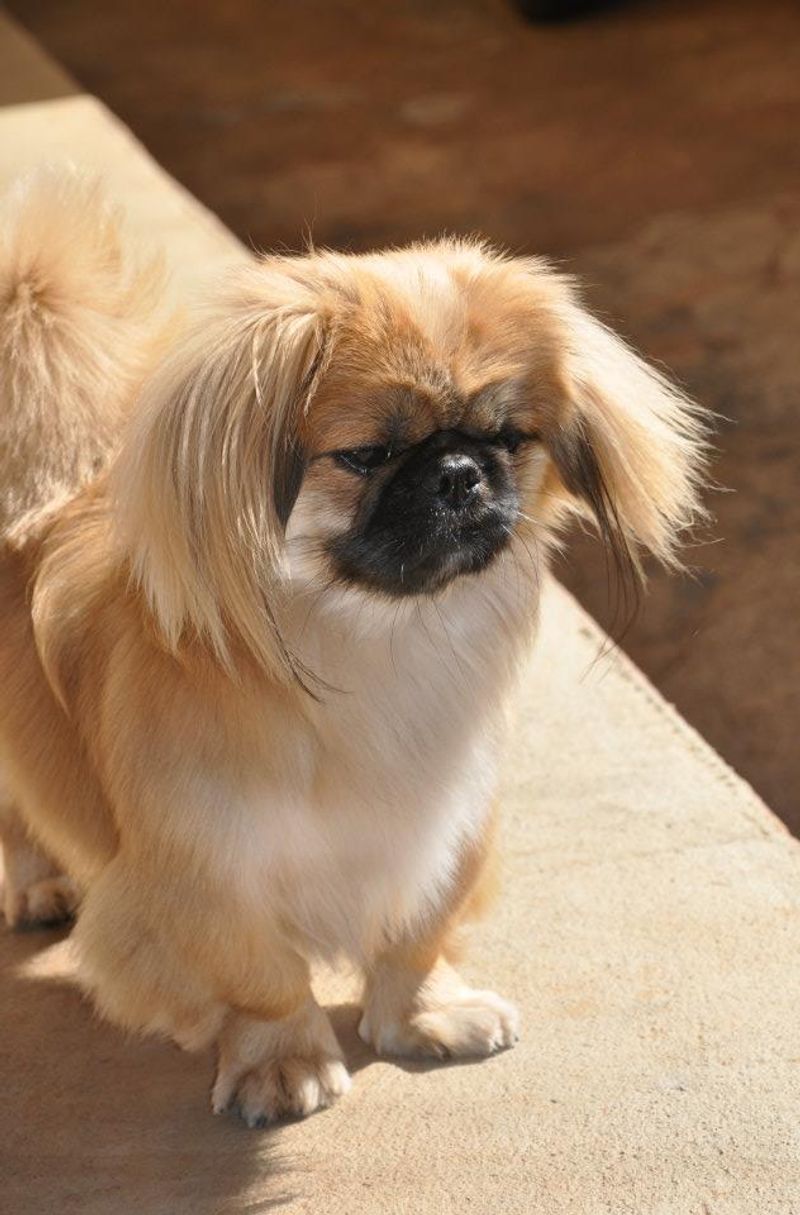
Pekingese dogs carry a regal look with a compact face that sometimes fuels reverse sneezing. Expect sudden snorty inhalations, a stiff neck, and big round eyes pleading for reassurance.
It can follow grooming sessions, play bursts, or dusty corners.
Keep fragrances minimal and brush frequently to limit airborne hair. When it starts, gently cover the nostrils for a second and massage under the chin to encourage swallowing.
A calm voice goes a long way.
Consult your vet if episodes are frequent, prolonged, or paired with nasal discharge or gagging. Weight control and cool rooms help their breathing.
Most Pekingese episodes are loud but harmless, and with steady handling, your little lion bounces back quickly every time.
Japanese Chin
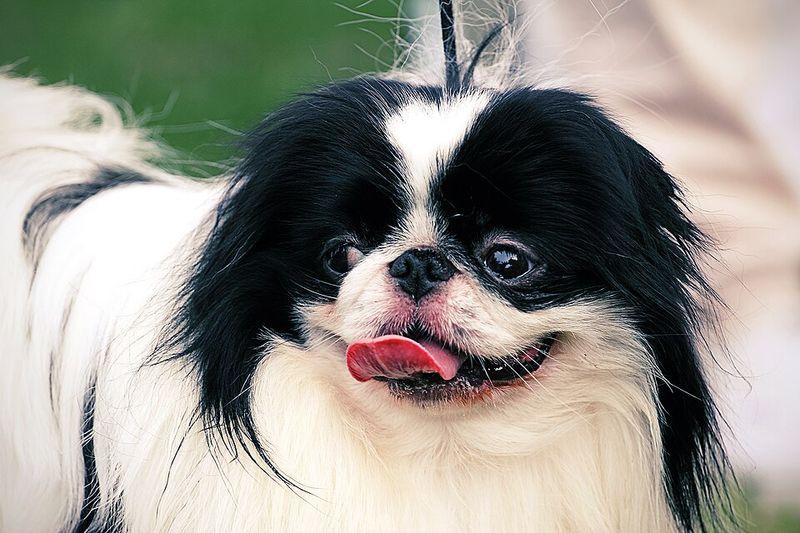
Japanese Chin are dainty and expressive, yet their short snouts can trigger reverse sneezing under stress or excitement. You may notice a sudden halt, flared nostrils, and a series of sharp snorts.
It looks scary, but most episodes end within seconds.
Keep the environment calm and reduce strong scents. Support the chin lightly, rub the throat, and open a window for fresh air.
Hydration and a clean air filter help reduce irritants.
Call your vet if these episodes cluster or appear with fainting, thick mucus, or fatigue. Sometimes allergies or anatomical quirks need attention.
Otherwise, steady reassurance and a slow breath routine will guide your Japanese Chin through those dramatic sounding, but typically harmless, reverse sneezing spurts.
Cavalier King Charles Spaniel
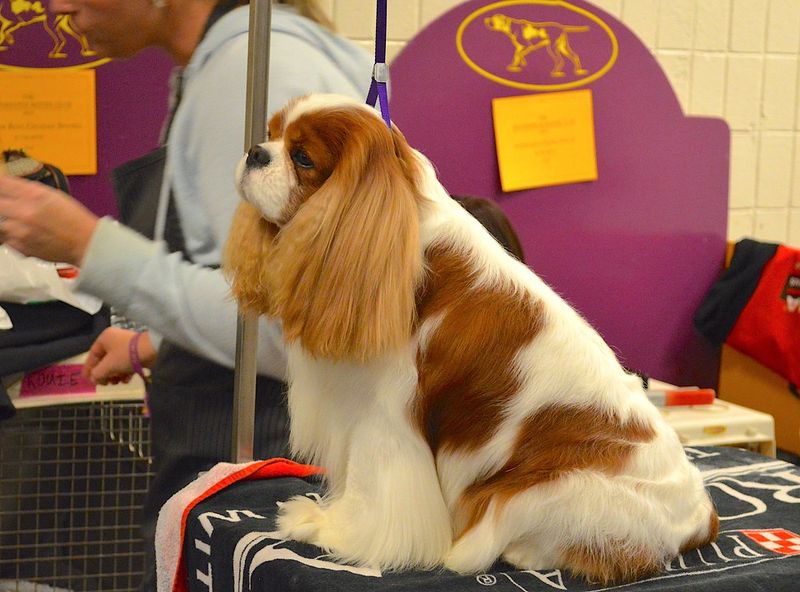
Cavaliers are gentle souls with affectionate energy that can flip into reverse sneezes after excitement. The sound is a rapid snort while the head extends and the eyes widen.
It tends to settle fast, but owners still panic at the drama.
Use a harness, keep exercise moderate in heat, and manage dust with consistent cleaning. Stroking the throat and offering a small drink usually helps.
Track episodes to notice patterns around visitors or play.
Call a vet if there is collapsing, blue gums, or coughing. Cavs can have other heart related concerns, so a routine check is smart.
Most reverse sneezes are harmless, and with calm reassurance, your Cavalier quickly returns to its sweet, waggy self.
Chihuahua
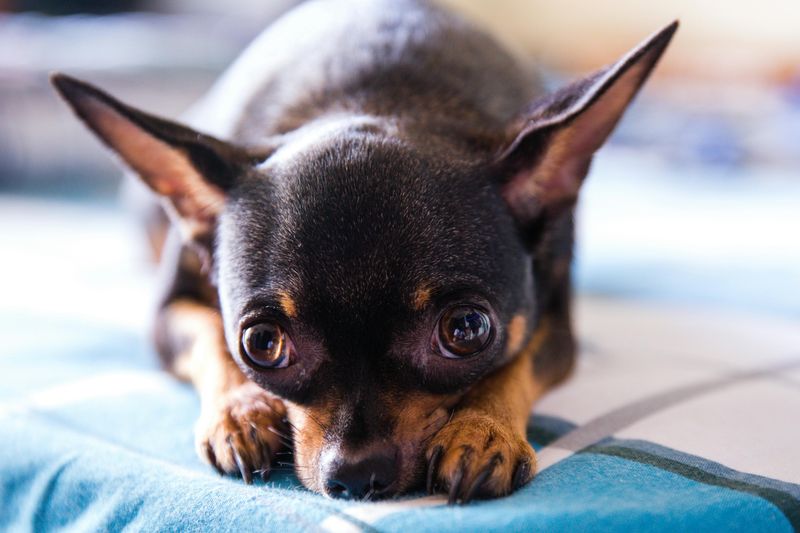
Chihuahuas pack big feelings into tiny frames, and reverse sneezing often follows excitement or sudden temperature changes. You will hear sharp snorts and see a stiff little body trying to reset.
It looks intense, but most episodes resolve within moments.
Keep calm, lightly cover the nostrils for a second, and rub the throat. Avoid smoky areas and strong cleaners, and try a humidifier in dry seasons.
A well fitted harness also reduces throat strain.
Call your vet if episodes are frequent or include collapse, thick discharge, or prolonged distress. Some pups benefit from allergy checks.
Most of the time, reassurance, gentle handling, and a sip of water are all it takes to turn the Chihuahua scare into a quick sigh.
Dachshund
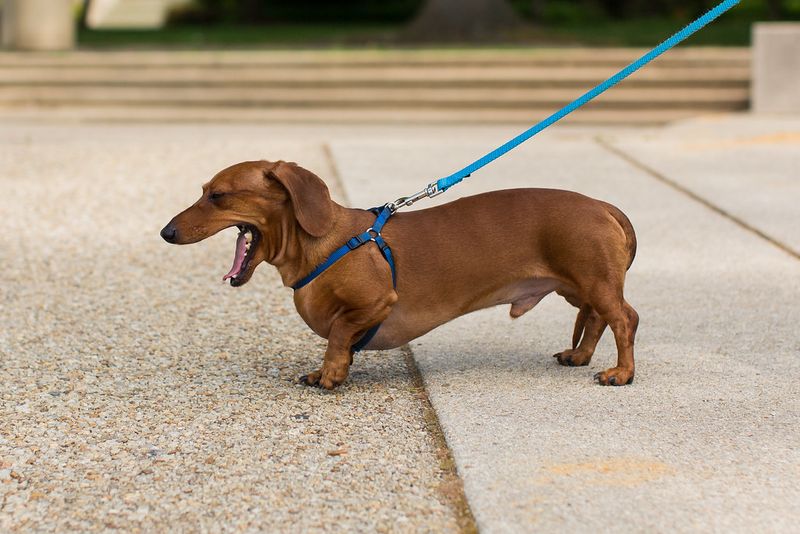
Dachshunds may surprise you with reverse sneezes between sniffing missions. Their exploratory noses can inhale dust or pollen that triggers a rapid snorty inhale.
The stance stiffens, the head stretches, and the noise can echo down the hallway.
Help by keeping floors clean and avoiding strong sprays. If it starts, rub the throat and briefly cover the nostrils to encourage a swallow.
A short break from play settles the reflex.
See your vet if the episodes increase or come with coughing or fatigue. A harness protects the neck during walks and reduces pressure.
Most Doxie incidents are harmless and quick, especially when you stay chilled and keep their scent adventures a little cleaner.
Beagle
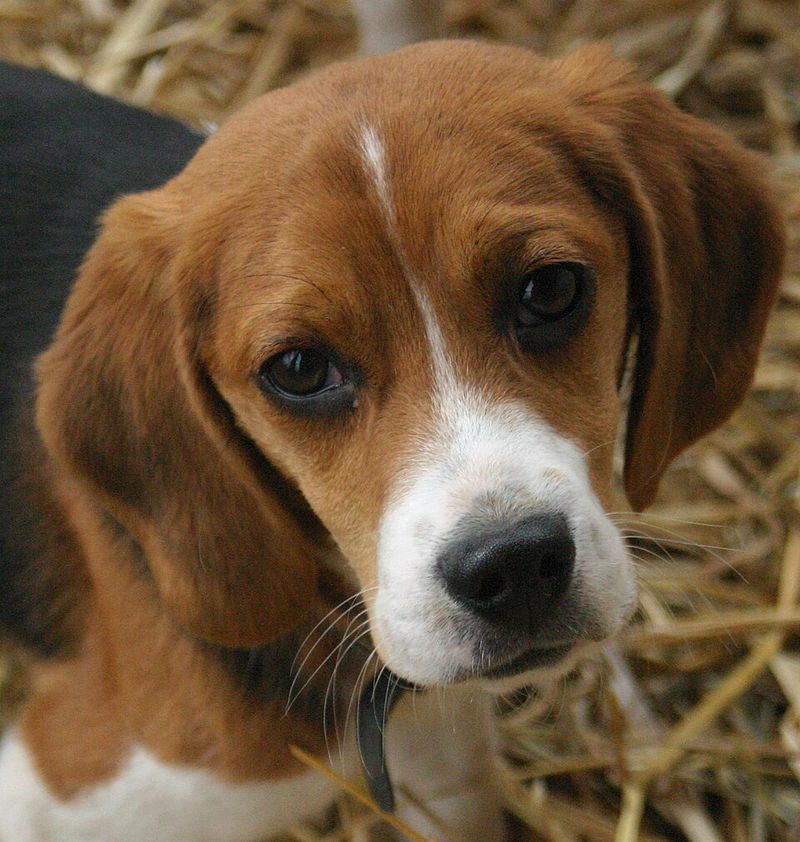
Beagles live to sniff, which means pollen and dust often spark reverse sneezing. You will hear a series of sharp snorts as the head points forward and the chest pumps.
It looks dramatic but usually ends quickly without harm.
Rinse paws after walks, vacuum often, and consider a HEPA filter to cut triggers. When it strikes, massage the throat and steady your voice.
A brief pause from tracking scents lets the airway reset.
Call your vet if it is frequent, prolonged, or paired with coughing or nasal discharge. Allergies or nasal mites are uncommon but possible.
Most Beagles bounce back fast, ready to follow the next interesting scent once the snorty moment passes.
Basset Hound
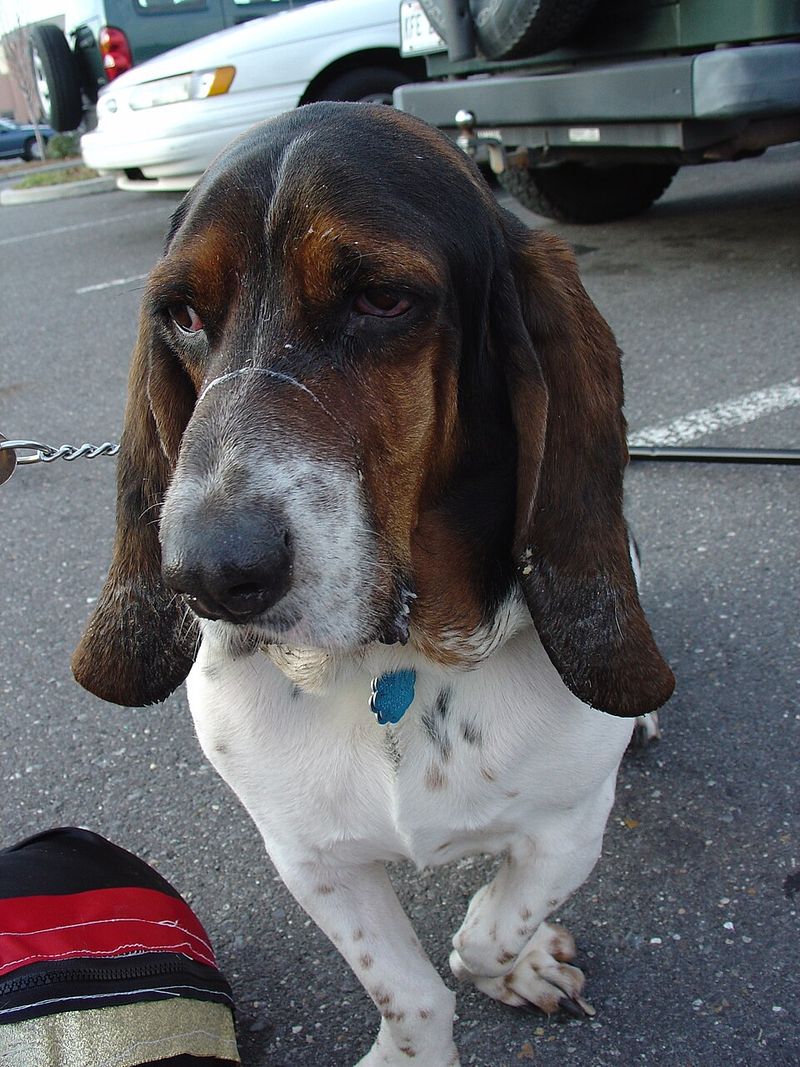
Basset Hounds carry powerful noses close to dusty floors, so reverse sneezing is not rare. Expect a forward head stretch, rhythmic snorts, and wide eyed confusion.
It can follow energetic sniffing or a quick sprint to the doorbell.
Keep floors clean, brush often, and limit strong scents. During an episode, rub the throat, offer a sip of water, and wait it out calmly.
A harness instead of a collar prevents extra pressure on the airway.
Contact your vet if episodes cluster, last long, or include coughing or lethargy. Sometimes mild allergies contribute.
Most Basset incidents resolve fast, and with a patient approach, your long eared friend will return to loaf-mode like nothing dramatic happened at all.