
If your dog keeps shaking its head, you are not alone. Certain breeds are wired for ear trouble, and catching it early can save you stress, money, and endless scratching.
This guide highlights the dogs most likely to develop infections, wax buildup, and trapped moisture. Learn what signs to watch for and how to keep those ears clean, dry, and drama free.
Cocker Spaniel
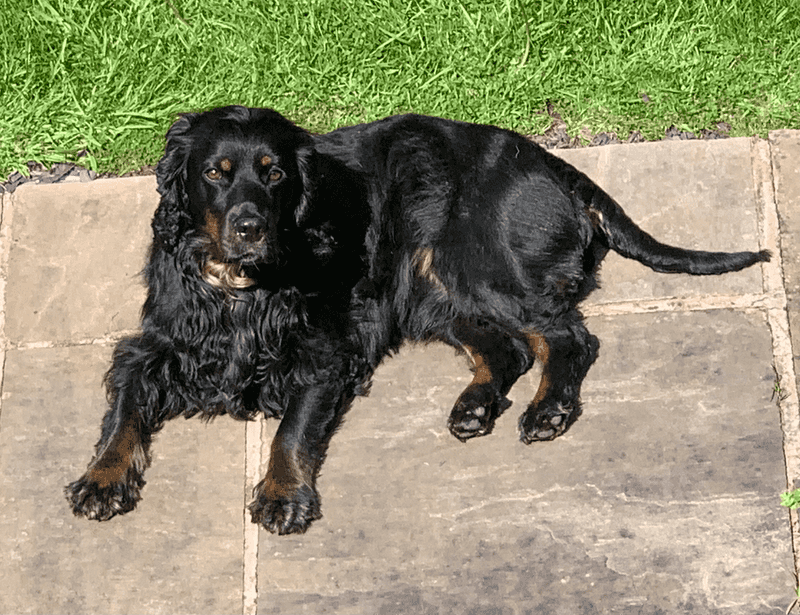
Cocker Spaniels are adorable, but those silky curtains trap moisture and debris quickly. After baths or rainy walks, water lingers and turns into yeast or bacterial overgrowth.
If you notice head shaking, a sweet or sour odor, or dark discharge, that is your early warning sign.
You can help by drying ears after water play and using a vet-approved cleaner weekly. Lift the ear flap, fill the canal lightly, massage the base, and let your dog shake it out.
Keep hair around the canal neatly trimmed to improve airflow.
Allergies are common in this breed and often trigger chronic ear irritation. Track flare-ups with seasons and foods.
Early treatment keeps infections from becoming painful and recurring.
English Springer Spaniel
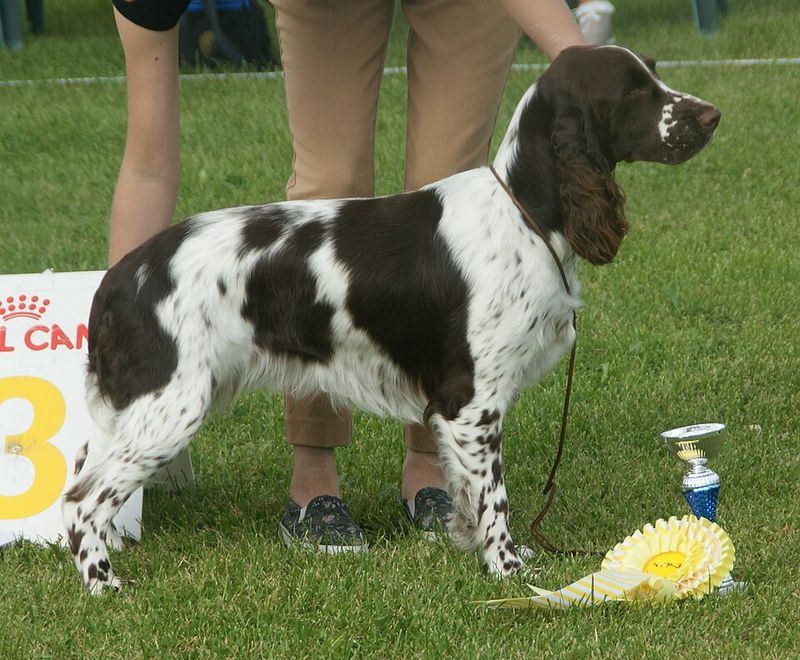
English Springer Spaniels love water and brushy fields, which means wet ears and trapped plant bits. The combination of moisture, pollen, and hidden foxtails can inflame ear canals fast.
If your Springer shakes after every outing, check for redness and debris immediately.
Make drying part of your adventure routine. Use cotton pads to blot moisture and a drying ear solution recommended by your vet.
Keeping ear hair tidy helps airflow without over-plucking.
Springers can also struggle with food or environmental allergies that fuel chronic otitis. Consider an elimination diet or allergy testing if infections keep returning.
Quick action after swims and hunts prevents small irritations from snowballing into painful infections.
Clumber Spaniel
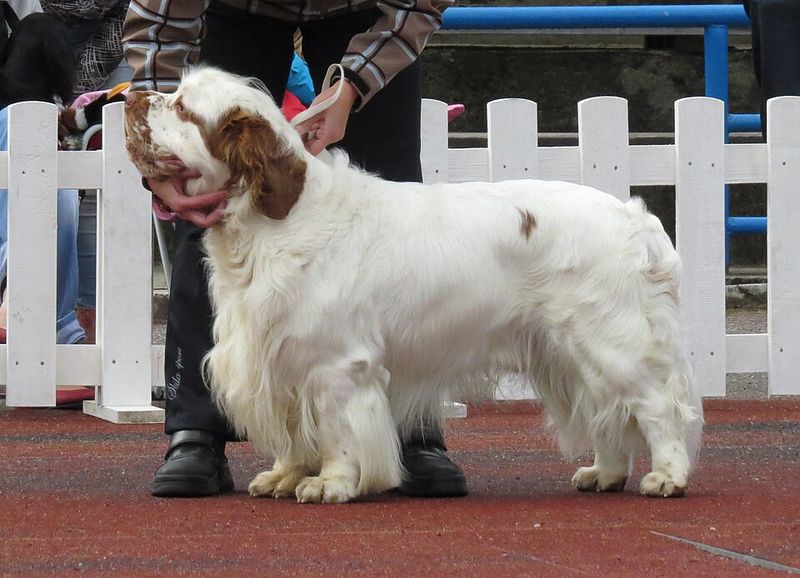
Clumber Spaniels have heavy ear flaps and thick skin that create a warm pocket where moisture gets trapped. That environment is perfect for yeast to bloom.
You might notice slow head tilts, scratching, or an earthy smell before obvious discharge appears.
Routine maintenance goes far. Wipe the outer ear daily, then use a gentle cleaner twice weekly if your dog drools or slobbers a lot.
Keep weight under control, since obesity can worsen skin folds and inflammation.
Because Clumbers can be stoic, subtle signs matter. Watch for reluctance to have the head touched or sudden grumpiness.
Early vet visits and cultures guide targeted treatment, saving you repeated trial-and-error medications.
Sussex Spaniel
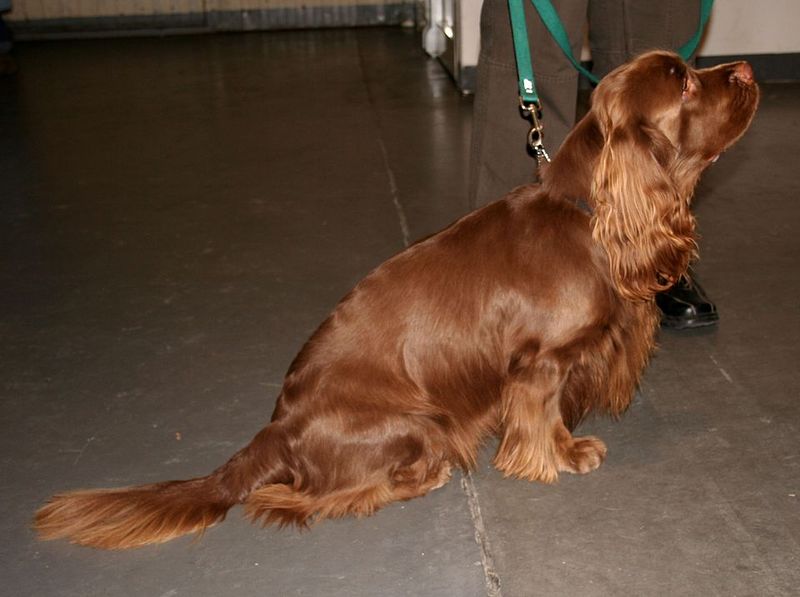
Sussex Spaniels have low-set, heavy ears that hug the cheeks, limiting airflow. When humidity rises, canals become damp and irritated.
That is why even small amounts of wax can start a cycle of scratching and shaking.
Build a simple routine: gentle cleaner every week, drying solution after any bath, and regular fringe trims. Avoid cotton swabs deep in the canal to prevent pushing debris inward.
Use soft gauze or cotton rounds for safer wiping.
If you notice recurring issues, ask your vet about cytology to identify yeast versus bacteria. Treating the right culprit prevents resistance and frustration.
With consistent care, Sussex ears can stay comfortable even through rainy seasons.
Field Spaniel
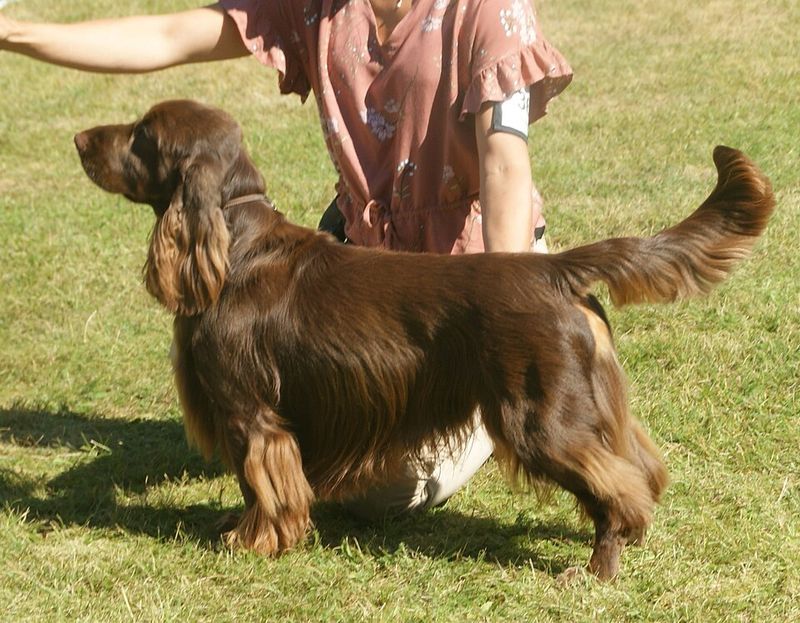
Field Spaniels are outdoorsy and curious, so ears pick up seeds and dust easily. After hikes, foreign material can lodge deep and cause sudden irritation.
Head shaking, pawing, or yelping when touched is your cue to inspect right away.
Carry a small ear kit in your car with saline, gauze, and a drying solution. Remove visible debris gently and schedule a vet visit if you suspect a foxtail.
Early removal prevents canal damage and infection.
Weekly cleaning plus strategic trimming around the opening improves ventilation. Avoid heavy plucking that can inflame skin.
With quick post-adventure checks, you can stop minor irritants from becoming painful ear infections.
Basset Hound
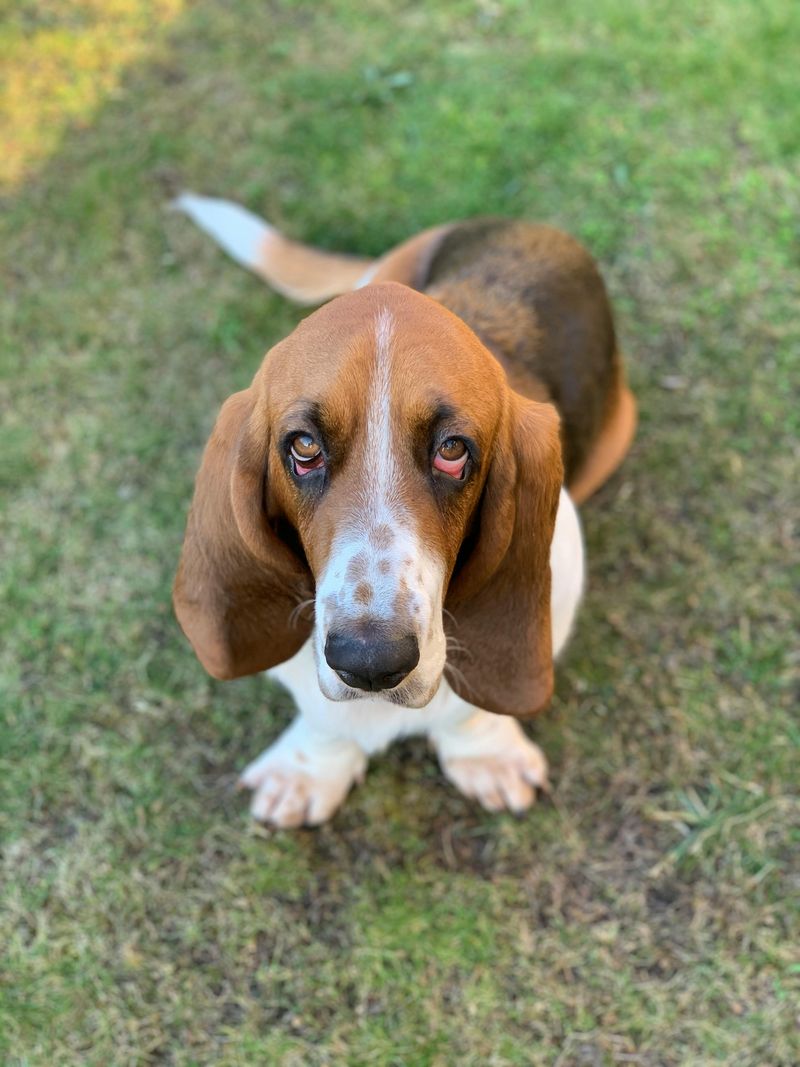
Basset Hounds have legendary ears that sweep the ground, collecting dust, pollen, and moisture. Their long canals and folds create a warm, low-oxygen space perfect for microbes.
Expect classic signs like sour smell, sticky discharge, and head shaking after naps.
Daily wipe-downs go a long way. Use a gentle cleanser two to three times weekly and a drying solution after wet weather.
Keep nails trimmed so scratching does not break the skin.
If infections recur, ask your vet about cultures and potential allergies. Diet adjustments or medication can reduce inflammation.
Consistent cleaning and strategic airflow management keep those iconic ears healthier and less itchy.
Bloodhound
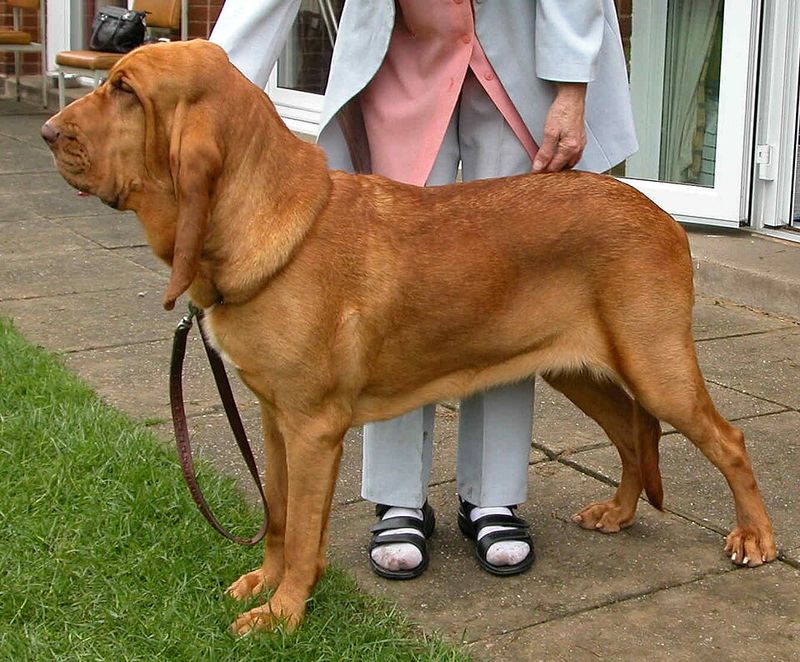
Bloodhounds have heavy, pendulous ears and plenty of skin folds that trap humidity and bacteria. Their tracking lifestyle often adds mud and plant debris to the mix.
The result can be stubborn infections with strong odor and discharge.
Create a structured schedule: inspect after every track, clean twice weekly, and dry thoroughly after baths. Pay attention to the base of the ear where folds meet the skull.
That junction is a hot spot for yeast.
When issues persist, request cytology and fungal culture to tailor medication. Anti-yeast wipes for folds are helpful between full cleanings.
With consistent care, you can support their incredible nose without sacrificing ear comfort.
Portuguese Water Dog
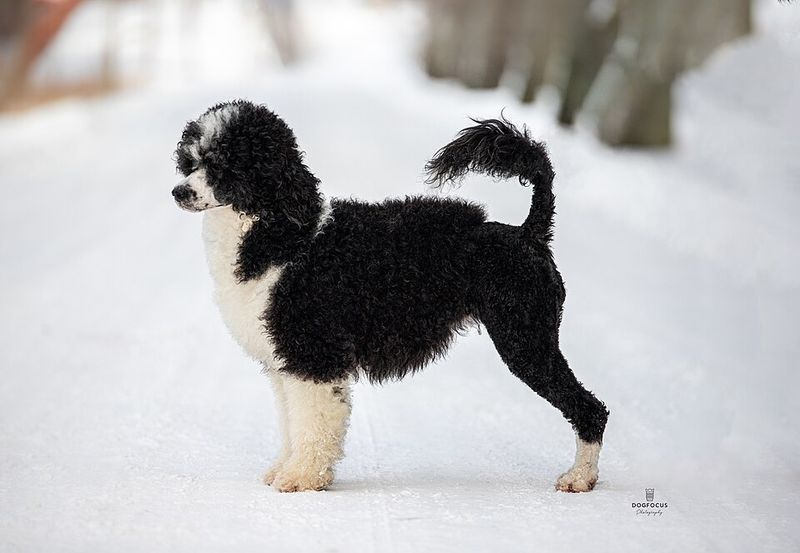
Portuguese Water Dogs live for splashes, which means ear canals stay wet longer than most breeds. Moisture changes the canal pH and invites yeasty overgrowth.
If your dog shakes after swims and scratches at night, suspect early otitis.
Make a post-swim protocol: rinse with fresh water, blot dry, then use a drying ear solution. Schedule regular grooming to keep canal hair trimmed for airflow.
Avoid over-plucking, which can irritate skin.
Allergy-prone dogs may need diet evaluation or antihistamines during peak seasons. If odors persist despite cleaning, see your vet for cultures and targeted drops.
Consistency turns this from a constant battle into a simple routine.
Spanish Water Dog
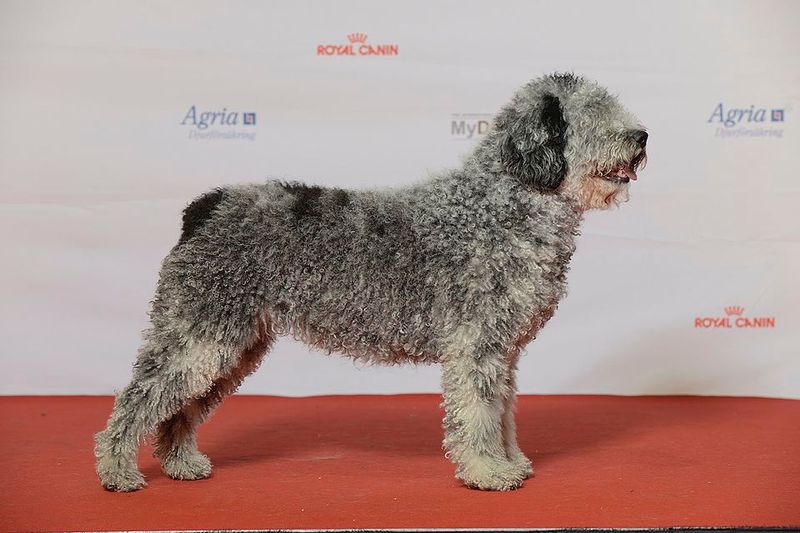
Spanish Water Dogs have dense curls that hold water against the skin and around the ear openings. After swims or baths, that environment encourages yeast and bacteria.
Shaking, rubbing the head on furniture, or a sharp odor suggests trouble.
Blot ears dry and use a pH-balanced drying solution after any water play. Keep curls around the canals tidy to help ventilation without aggressive plucking.
Regular checks catch small issues early.
Because this breed is active, foreign bodies like grass awns can hide deep. If your dog winces when you touch the ear, seek veterinary removal immediately.
Preventive care keeps adventures fun and pain free.
Lagotto Romagnolo
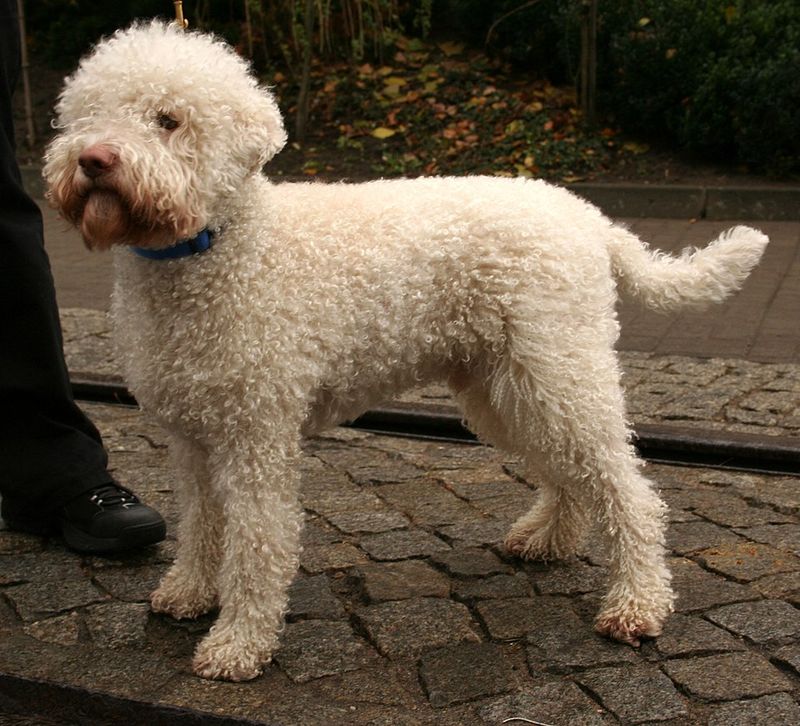
Lagotto Romagnolos have woolly coats and narrow canals that can trap humidity. Truffle hunting or playful digging adds dust and spores, irritating sensitive ears.
Early signs include frequent head shakes, mild redness, and a faint yeasty smell.
Adopt a twice-weekly cleaning schedule, plus a drying solution after baths. Keep ear openings neatly trimmed by a groomer familiar with the breed.
Monitor for food or environmental allergies that may inflame the canal lining.
If infections become recurrent, ask your vet about cultures and a maintenance plan. Sometimes a monthly medicated flush prevents flare-ups.
With steady care, you can protect hearing and comfort without sacrificing outdoor fun.
Irish Water Spaniel
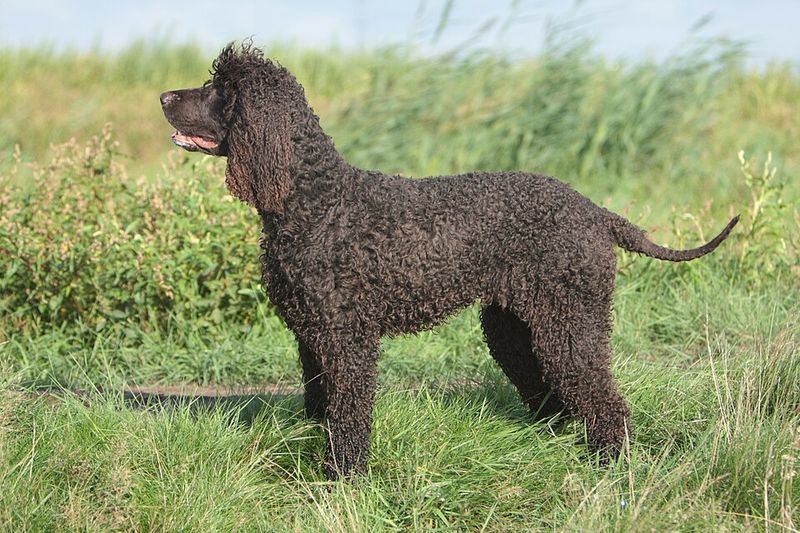
Irish Water Spaniels have tight curls and long lobes that stay damp after any water sport. That moisture lowers ear defenses and feeds yeast.
Watch for a vinegary odor, brown discharge, or sudden head tilts after swimming.
Build a post-dive routine: fresh water rinse, thorough blotting, and a drying solution recommended by your vet. Schedule regular grooming to maintain a breathable opening.
Avoid deep cotton swab use that pushes debris inward.
If your dog shows recurring problems, evaluate allergies and consider seasonal prophylactic cleans. Culture-guided drops can break the cycle.
With smart habits, you can keep this athletic clown comfortable and ready for the next splash.
Standard Poodle
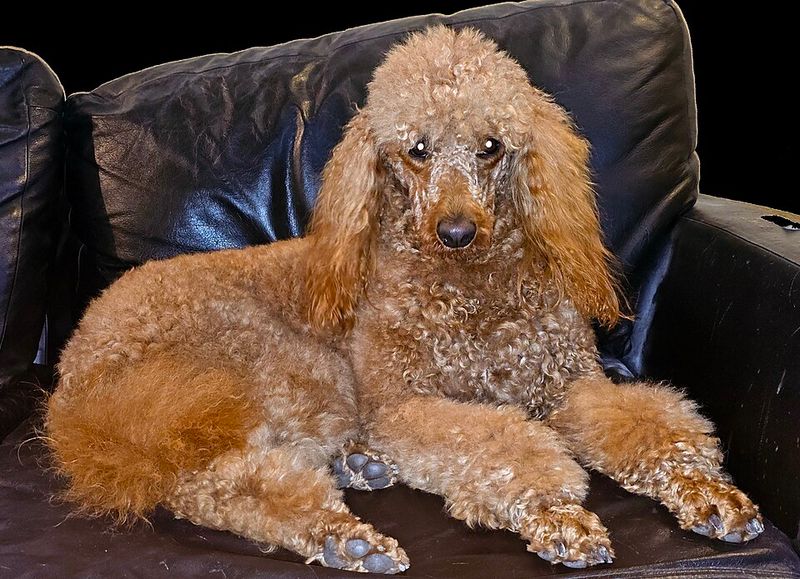
Standard Poodles grow hair inside the ear canal, which can trap wax and moisture. Overgrown hair plus heavy grooming schedules equals frequent irritation.
Signs include head shaking during brushing or a sharp odor after baths.
Work with a professional groomer to trim and thin hair around the canal for airflow. Avoid aggressive plucking if skin seems reactive.
Clean weekly with a vet-approved solution and dry ears after every grooming session.
If infections persist, discuss allergies or endocrine issues with your vet. Cultures ensure the right medication and reduce resistance.
A predictable routine keeps ears comfortable and makes salon days smooth for everyone.